

Solar with LADWP — municipal rules, and what we file for you
LADWP is not on the state’s NEM 3.0. As a municipal utility it writes its own solar credit rules, bills roughly every 60 days, and runs its own interconnection queue. Cali Energy is based in Northridge, inside LADWP territory, and files these applications every week — here is how an LADWP solar project actually works.
Get a free solar estimateWhat makes LADWP different
LADWP is a municipal utility owned by the City of Los Angeles, and that single fact drives most of what follows. California’s big investor-owned utilities are regulated by the CPUC and connect new solar under the state’s Solar Billing Plan (often called NEM 3.0). Municipal utilities are not bound by that decision — LADWP runs its own rate schedule and its own solar credit rules.
Two practical consequences show up on every LADWP project we build. First, billing runs roughly every 60 days rather than monthly, so the rhythm of watching your savings is different, and a single bi-monthly statement covers two months of production. Second, LADWP credits exported solar more favorably than the investor-owned Net Billing Tariff does — which is why a solar-only system, without storage, still offsets a large share of an LADWP bill. The exact credit comes from LADWP’s current schedule; per its net energy metering guidelines, credit balances carry forward to subsequent bills except taxes and minimum charges.
Our full breakdowns live in the blog: how LADWP net metering works and how LADWP rates are built.
The two residential rate plans
| Plan | How it charges | Who it tends to suit |
|---|---|---|
| R-1A — standard tiered | The default plan. Price rises by tier as you use more, with seasonal tier sizes and different allowances by climate zone. | Solar production pulls usage out of the expensive upper tiers, which is why many solar homes stay here. |
| R-1B — time-of-use | Optional. Price depends on when power is used, with higher prices in peak hours. | Homes that can shift heavy loads — EV charging, pool pumps, laundry — away from peak, battery owners, and solar homes that regularly bank surplus credits. |
How an LADWP solar project runs
The utility steps are ours to file and chase. Here is where they sit.
| # | Stage | What happens |
|---|---|---|
| 01 | Design to your zone and plan | System sized against your bi-monthly bills, your LADWP climate zone and the rate plan you are on. |
| 02 | Plans to LA Building & Safety | Drawings and submittal for the building and electrical permits — and the fire department where required. |
| 03 | Interconnection application to LADWP | Filed by us with the system design and equipment specifications, then followed up through their review. |
| 04 | Installation | Racking, panels, inverter, disconnects and wiring, built to the approved plans. |
| 05 | City inspection | The jurisdiction signs off on the build. |
| 06 | LADWP field work | Meter work and utility sign-off, scheduled by LADWP on their own queue. |
| 07 | Permission to Operate | The system may legally run. This is the day our 25-year workmanship warranty starts, and the day the final payment is due — not before. |
Does a battery make sense on LADWP?
Less automatically than on the investor-owned side, and that is an honest answer that costs us battery sales. Because LADWP credits exports comparatively well, a solar-only system already offsets much of the bill, so a battery here is usually bought for two other reasons: backup power during an outage, and control over the expensive hours if you are on the time-of-use plan R-1B. If your priority is neither, we will tell you the panels alone are the better buy.
Where storage does go in, we install Tesla Powerwall and Enphase IQ batteries. Background reading: LADWP solar and battery incentives and do you actually need a battery.
Our LADWP work, in numbers
Not a claim about the industry — a count from our own project archive.
How we count: one record per job folder tied to a service address, across the 17 cities listed below that our database maps to LADWP territory. Utility is assigned by city, not verified per address from a bill or interconnection record — addresses near a boundary can be served by a neighbouring utility. A few addresses carry more than one record, where we came back for separate work. Snapshot taken August 31, 2026 — download the city-by-city breakdown (CSV).
Three LADWP projects
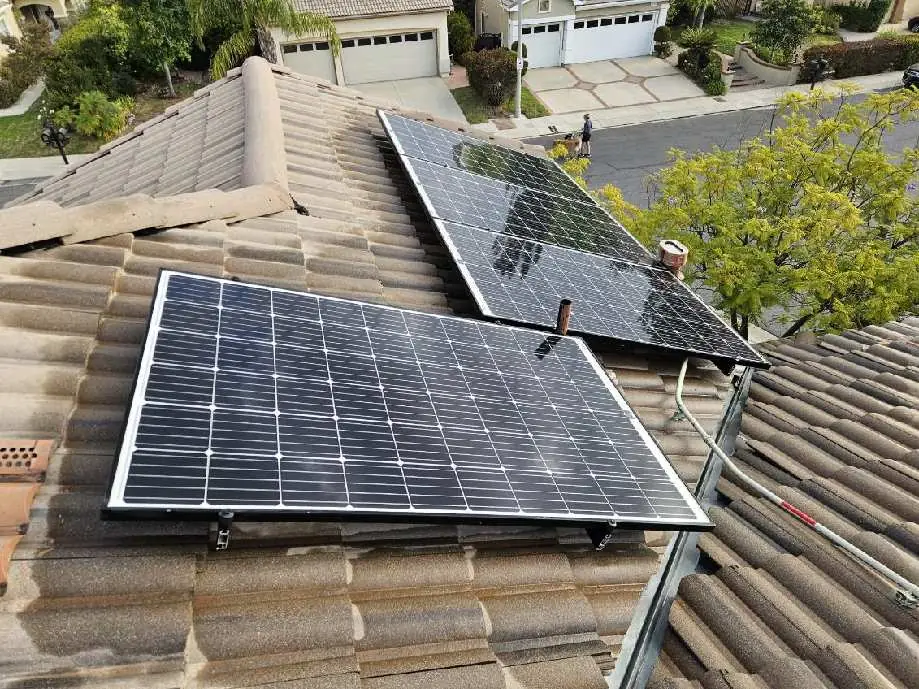
8.92 kW with storage — Northridge, 2018
SolarEdge StorEdge with two LG Chem RESU10H batteries, installed in 2018 and still on our books — a useful marker of how long we have been filing LADWP interconnections from our own neighbourhood.
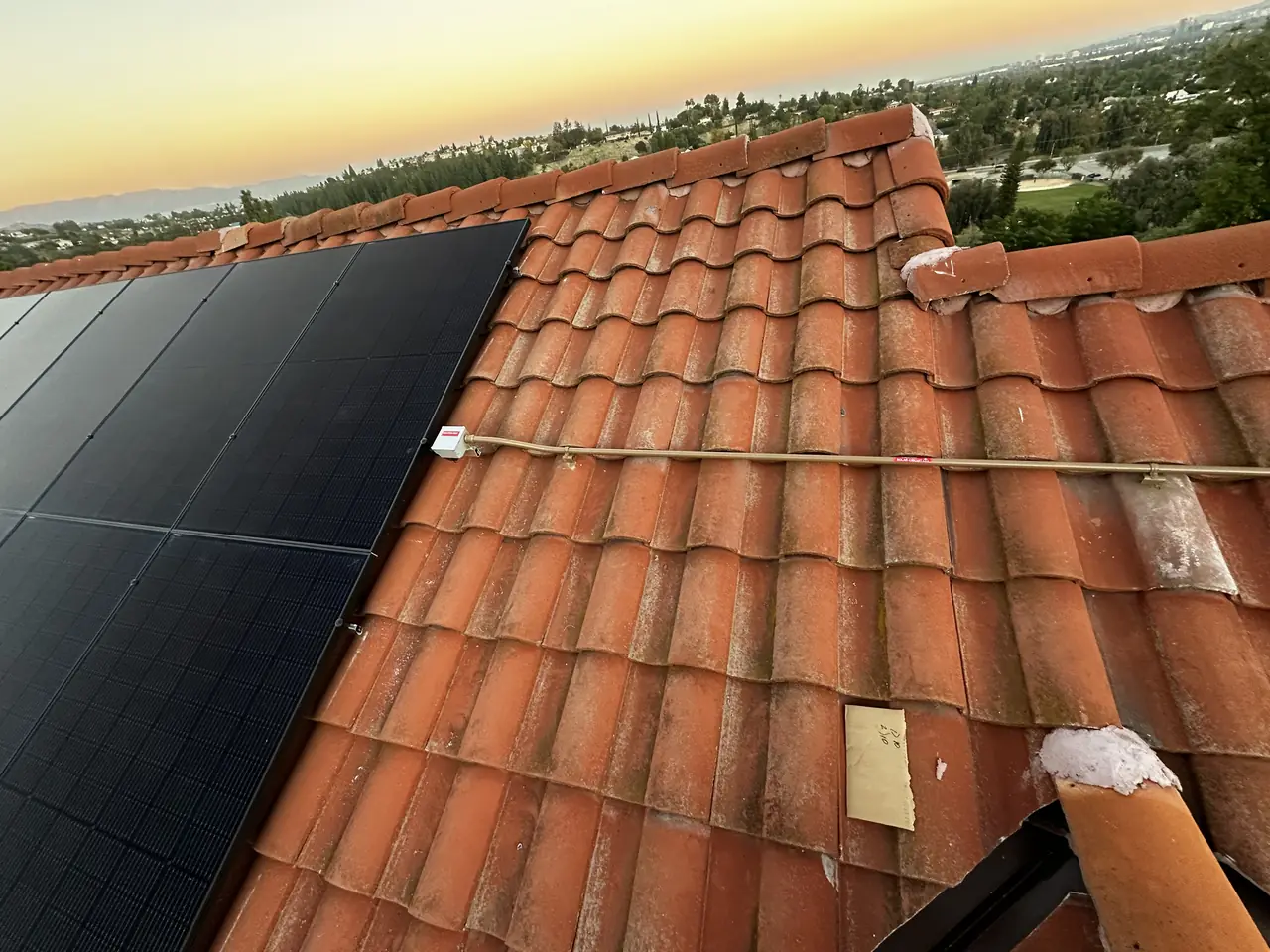
9.2 kW on tile — West Hills, 2026
20 Aptos 460 W panels with Enphase IQ8A microinverters and three IQ5P batteries, on a tile roof. Tile work and array under one license, one LADWP filing.
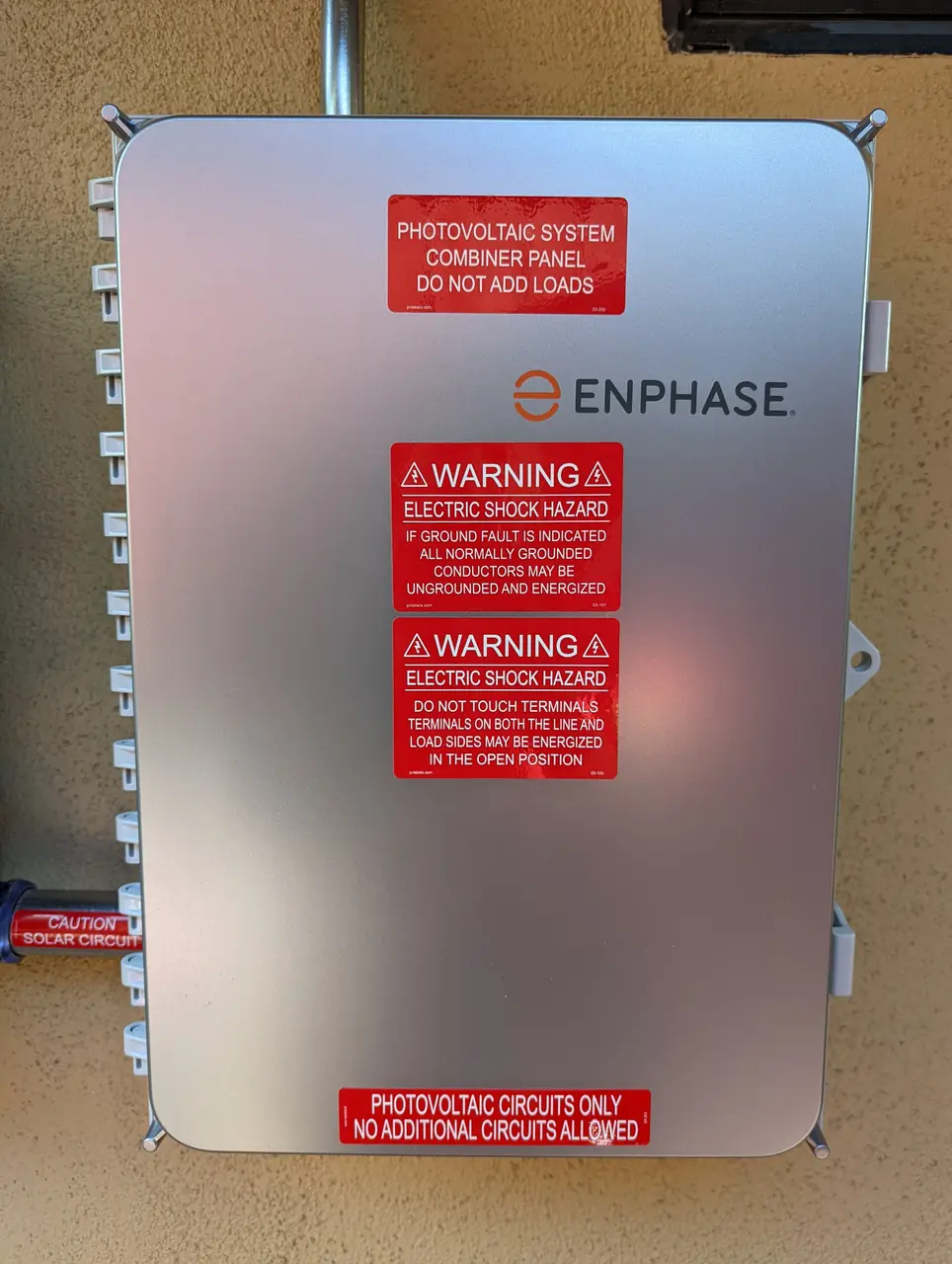
14.96 kW — Woodland Hills, 2022
44 QCELL Q.PEAK DUO panels with Enphase IQ7+ microinverters — a large solar-only build, the shape that still makes sense where LADWP credits exports comparatively well.
Our LADWP-area cities
17 cities in LADWP territory with completed work documented.
Most of the San Fernando Valley is LADWP territory — see the San Fernando Valley hub for the regional picture.
Frequently asked
Is LADWP on NEM 3.0?
No. NEM 3.0 — the Solar Billing Plan — applies to California’s investor-owned utilities such as SCE, PG&E and SDG&E. LADWP is a municipal utility and sets its own solar credit rules on its own schedule.
How does LADWP credit my solar exports?
More favorably than the investor-owned Net Billing Tariff, which is why solar-only systems offset a large share of an LADWP bill. The exact credit and how surplus carries forward come from LADWP’s current rate schedule; per LADWP’s net energy metering guidelines, credit balances carry forward to subsequent bills except taxes and minimum charges. Our full breakdown is in the blog.
Why does my LADWP bill arrive every two months?
LADWP bills bi-monthly — roughly every 60 days. For solar owners that means one statement covers two months of production and usage, so a single bill can look surprising until you divide it in half.
Should I be on R-1A or R-1B with solar?
There is no universal answer. R-1A is the standard tiered plan; R-1B is the optional time-of-use plan. Which costs less depends on when your household uses power, how much the system produces, whether a battery is operating and the current rate schedule — LADWP itself points solar customers who regularly bank credits toward considering time-of-use. We compare both against your own usage rather than applying a rule of thumb.
How long does LADWP take to approve solar?
The interconnection review and the utility’s field work run on LADWP’s queue, and no contractor controls that timing. What we control is filing a complete package the first time and following it through, which is what avoids an extra round of corrections.
Do I need a battery on LADWP?
Not necessarily. Because LADWP credits exports comparatively well, a solar-only system already offsets much of the bill. Batteries here are usually bought for backup power during outages or for control over peak hours on the time-of-use plan — if neither applies to you, we will say the panels alone are the better buy.
Related reading
Sources
LADWP program details come from the utility’s own published materials and from our own filings, checked August 31, 2026. Rates and program terms belong to LADWP and change on their schedule.
Have an LADWP bill? Send it over
A recent statement confirms your rate plan, climate zone and account details. For sizing the system itself we use twelve months of consumption history wherever it is available — that is what shows the seasonal swing a Valley summer puts on a bill, and what lets us tell you honestly whether storage is worth it for you.
Get a free solar estimate+1 (323) 844-7777
Free site assessment · No obligation · We won’t spam or sell your number
Prepared by Cali Energy, August 31, 2026. General information, not legal, tax or financial advice. LADWP sets and changes its own rates, credit rules and interconnection requirements; confirm current terms with the utility. See our Content Disclaimer. Cali Energy · 19201 Parthenia St, Unit E, Northridge, CA 91324 · +1 (323) 844-7777 · CSLB #1032379 (B, C-10, C-39)