Westlake Village, CA · December 2025
From $667 a month to fifteen.
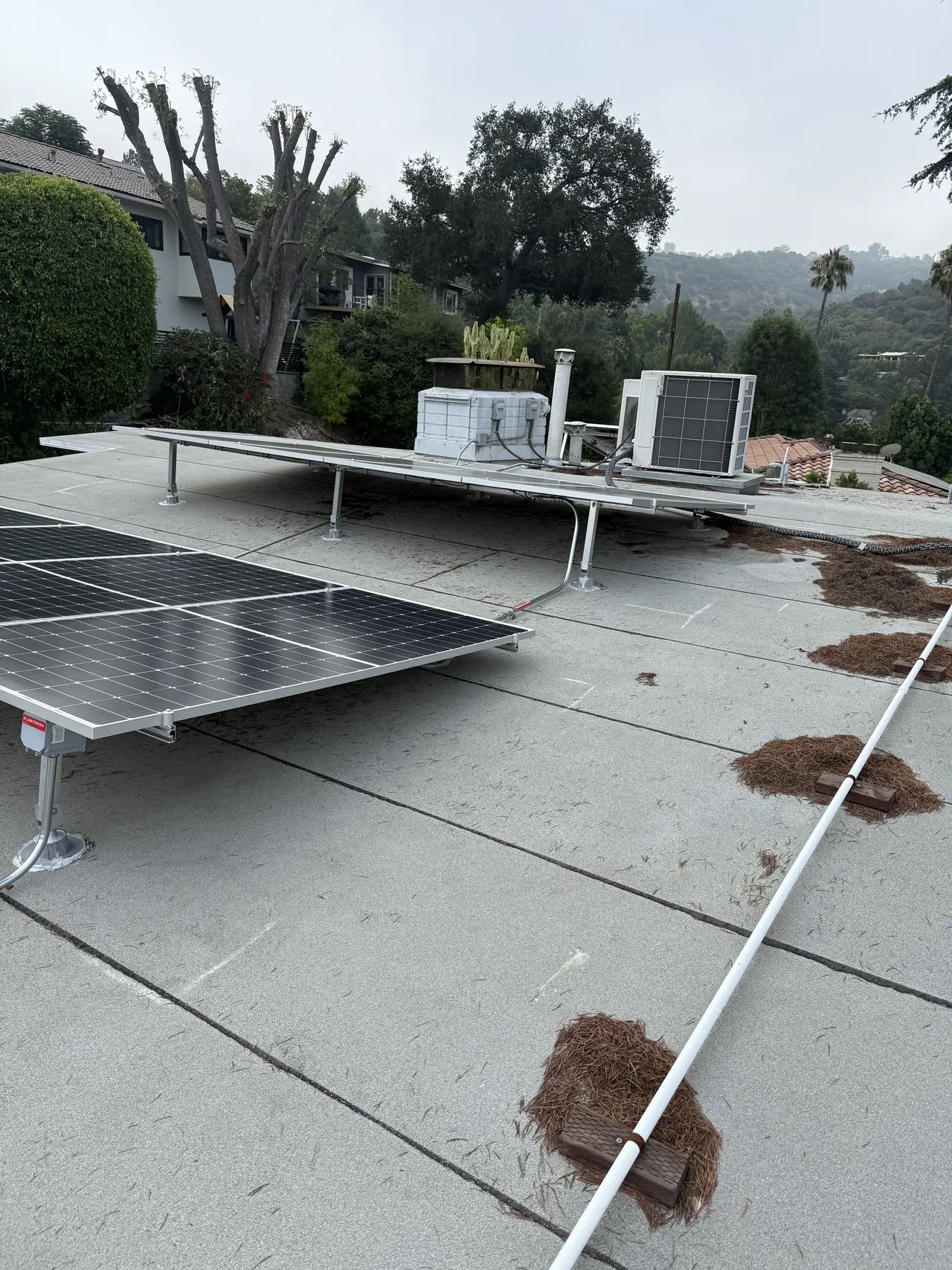
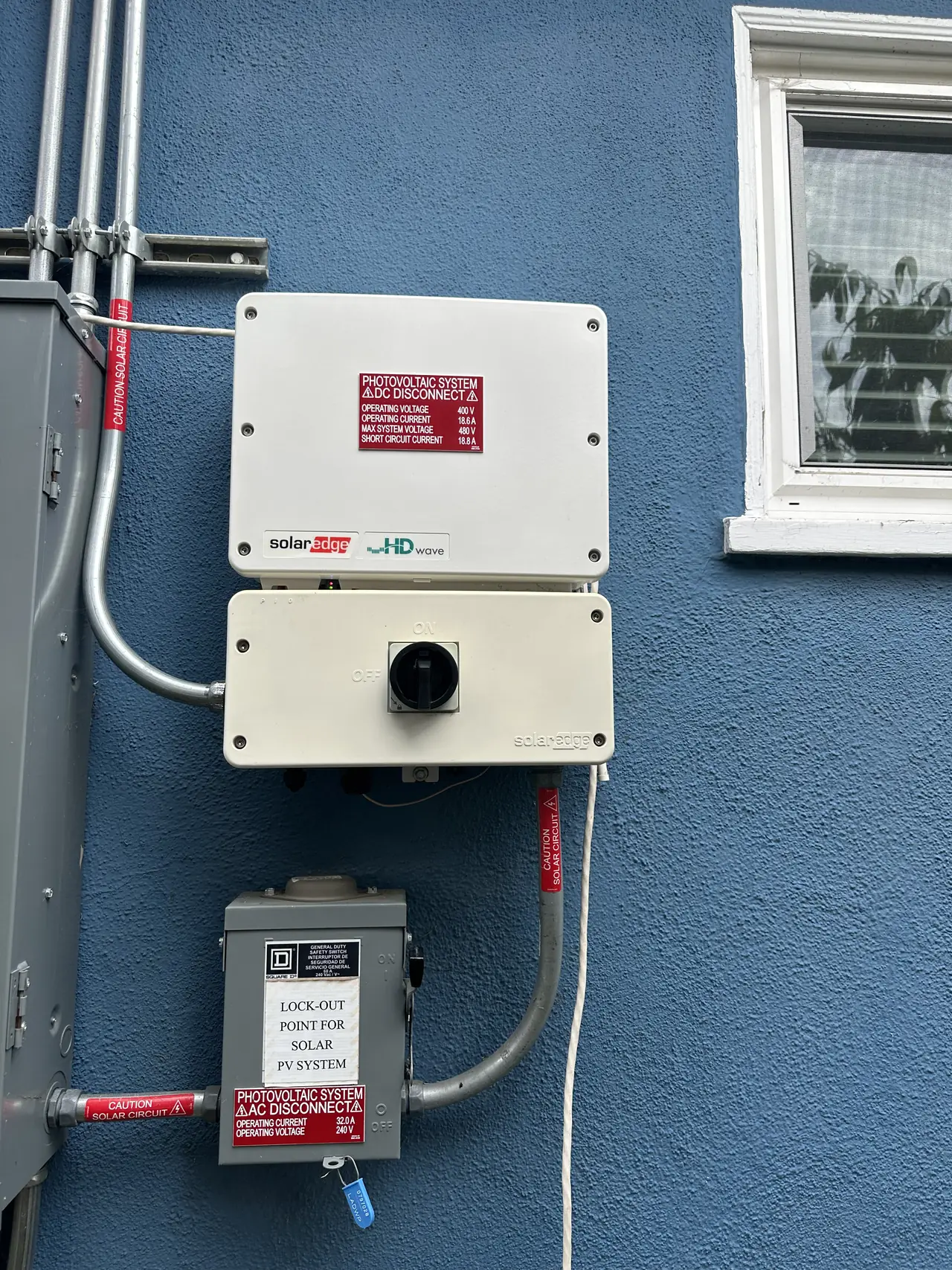
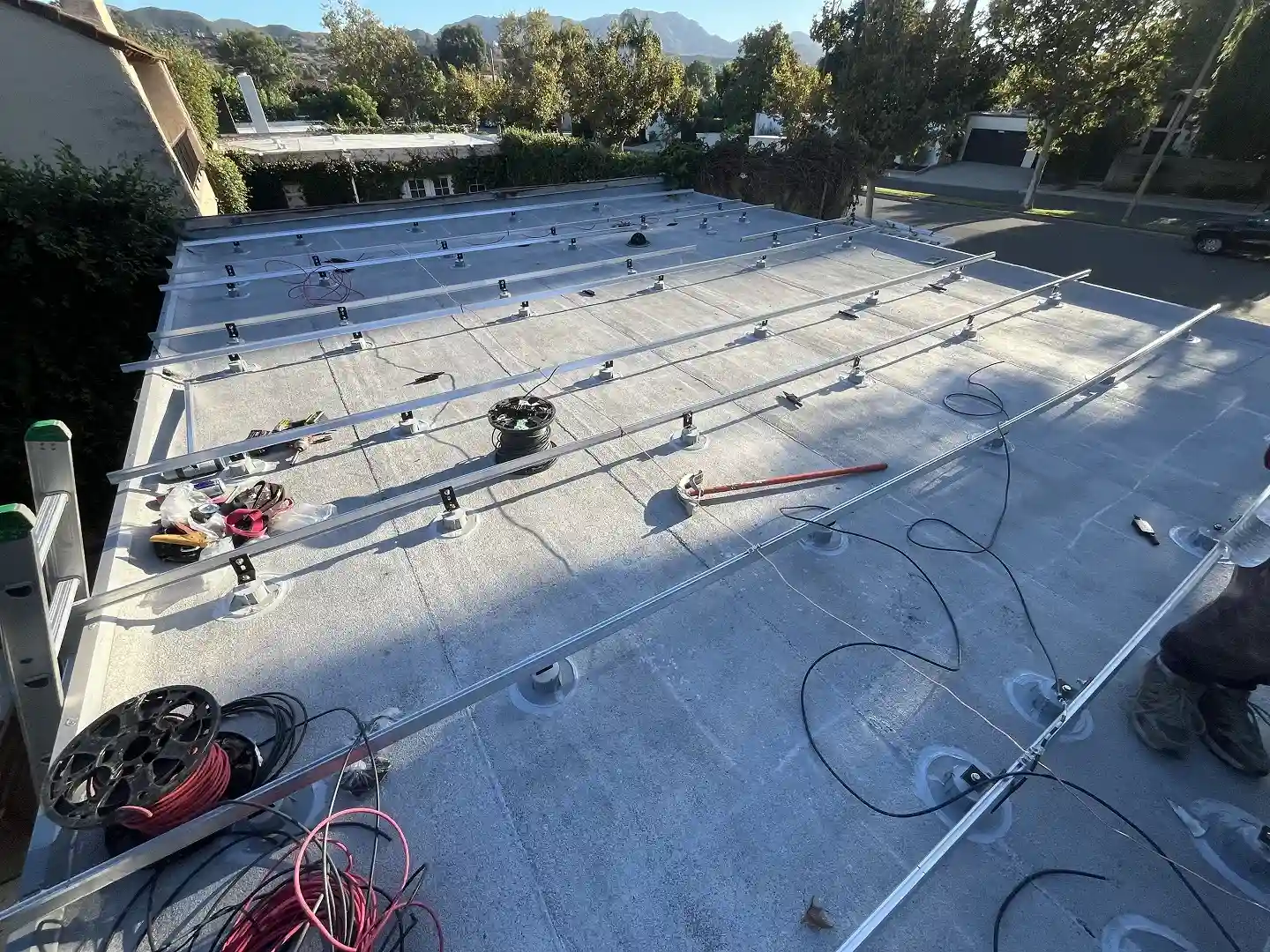
10.12 kW solar with 27 kWh Tesla Powerwall on a detached garage in Westlake Village — full service panel rebuild, whole-home backup, four SCE corrections cleared. Energized in December, paying back in seven years.
At a glance
- DC System
- 10.12 kW
- AC System
- 9.41 kW
- Modules
- 22 × 460 W
- Storage
- 27 kWh Tesla
- Backup
- Whole-home
- Service Panel
- 225 A (new)
- Utility / AHJ
- SCE / LACoFD
- Energized
- December 2025
The story
The electric bill at this Westlake Village home used to run around eight thousand dollars a year. After we energized the system in December, the May true-up came in at fifteen dollars and change.
That's the headline. The work behind it is the more interesting part.
Michael had been through this conversation with three other installers before he called us. Two had quoted him a lease — a fair option for homeowners who want predictable monthly payments and no upfront cost. The third quoted a smaller cash-purchase system on his existing service panel. Neither was what he was after. He wanted ownership, and he wanted the right size system — even if that meant rebuilding more than just the roof.
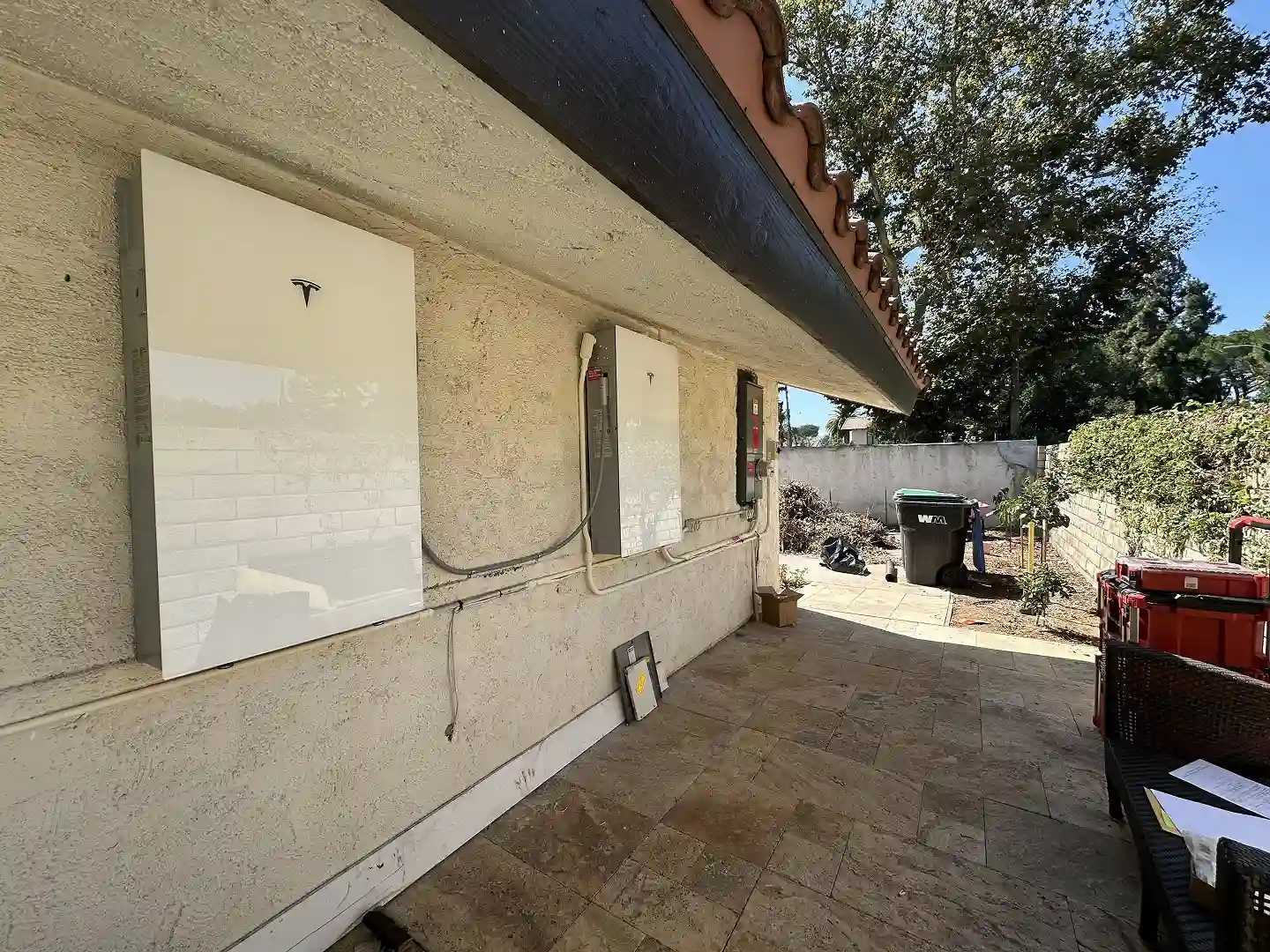
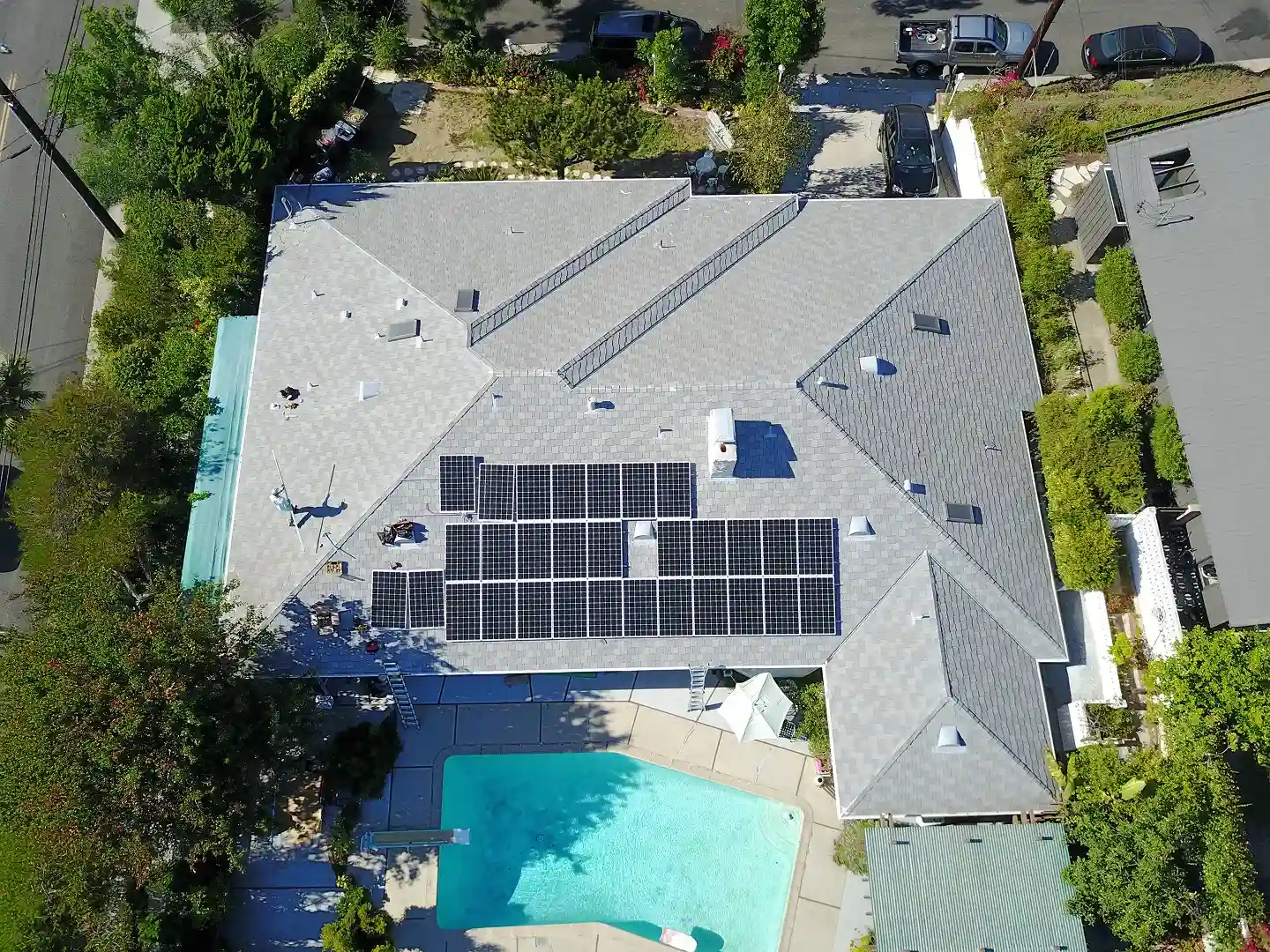
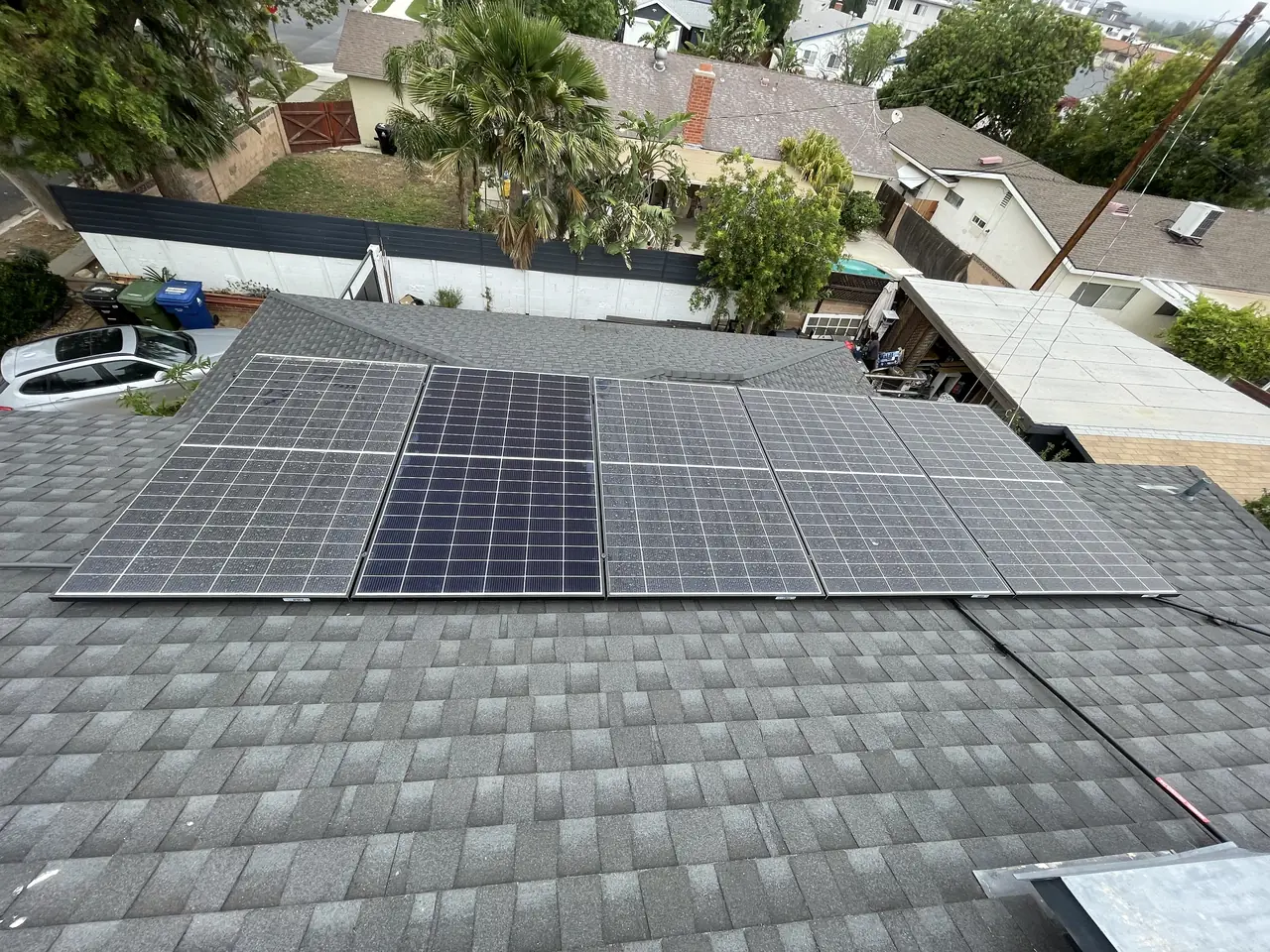
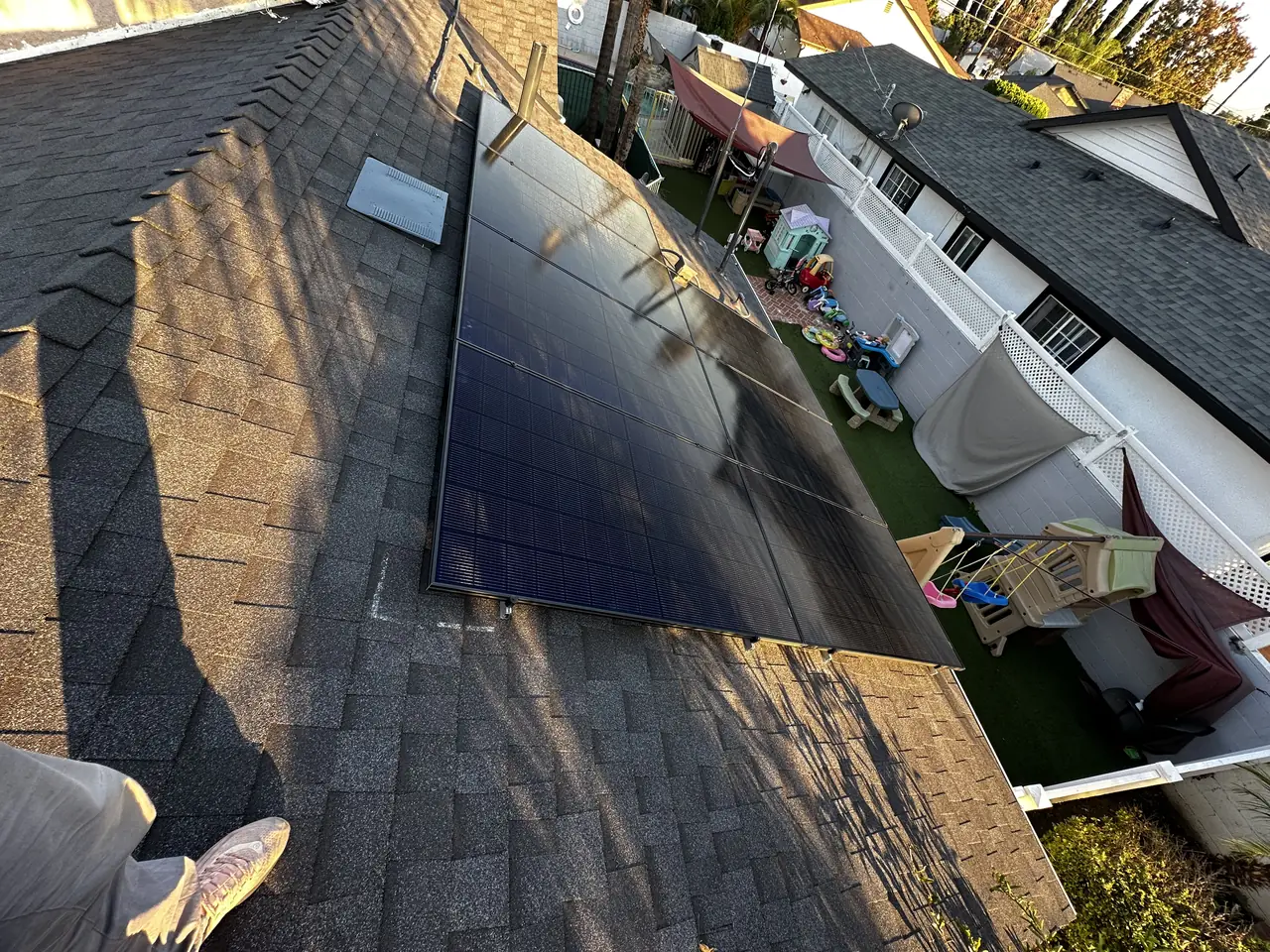
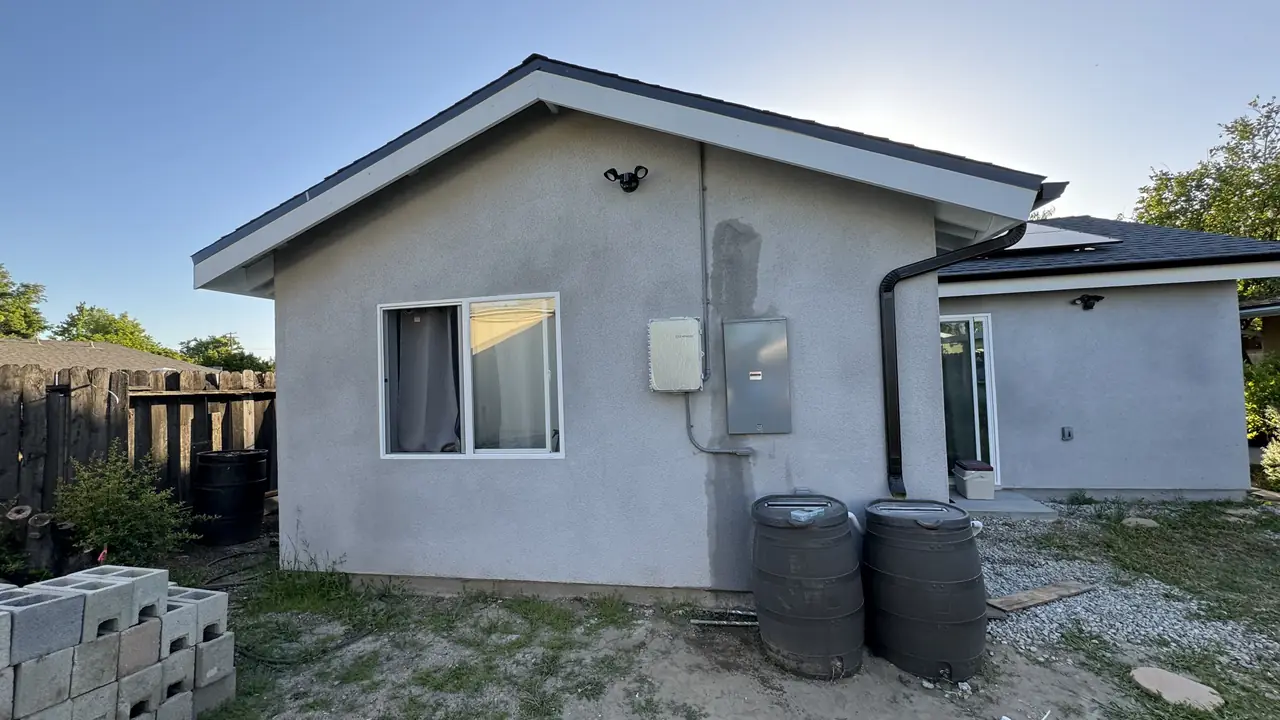
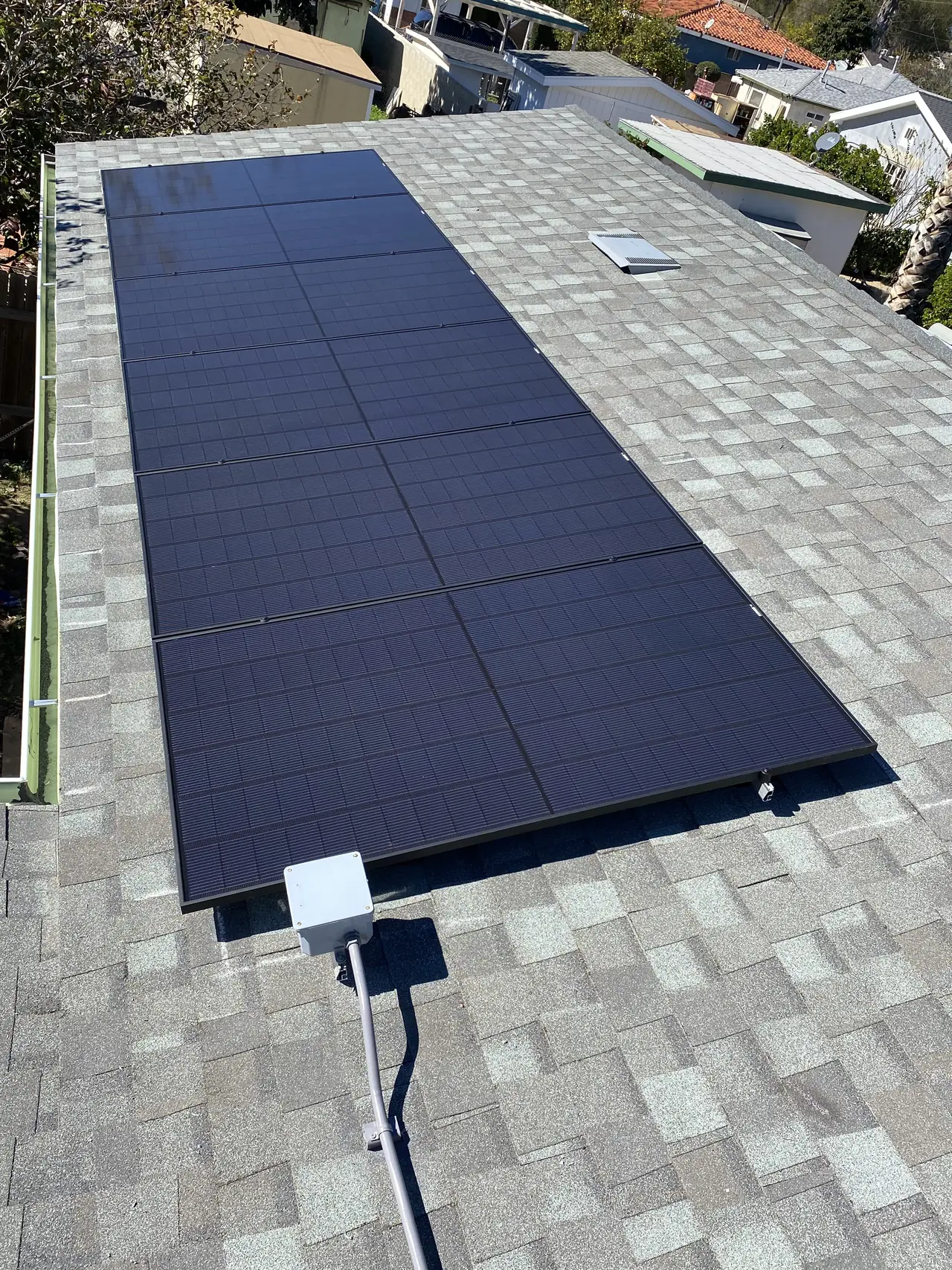
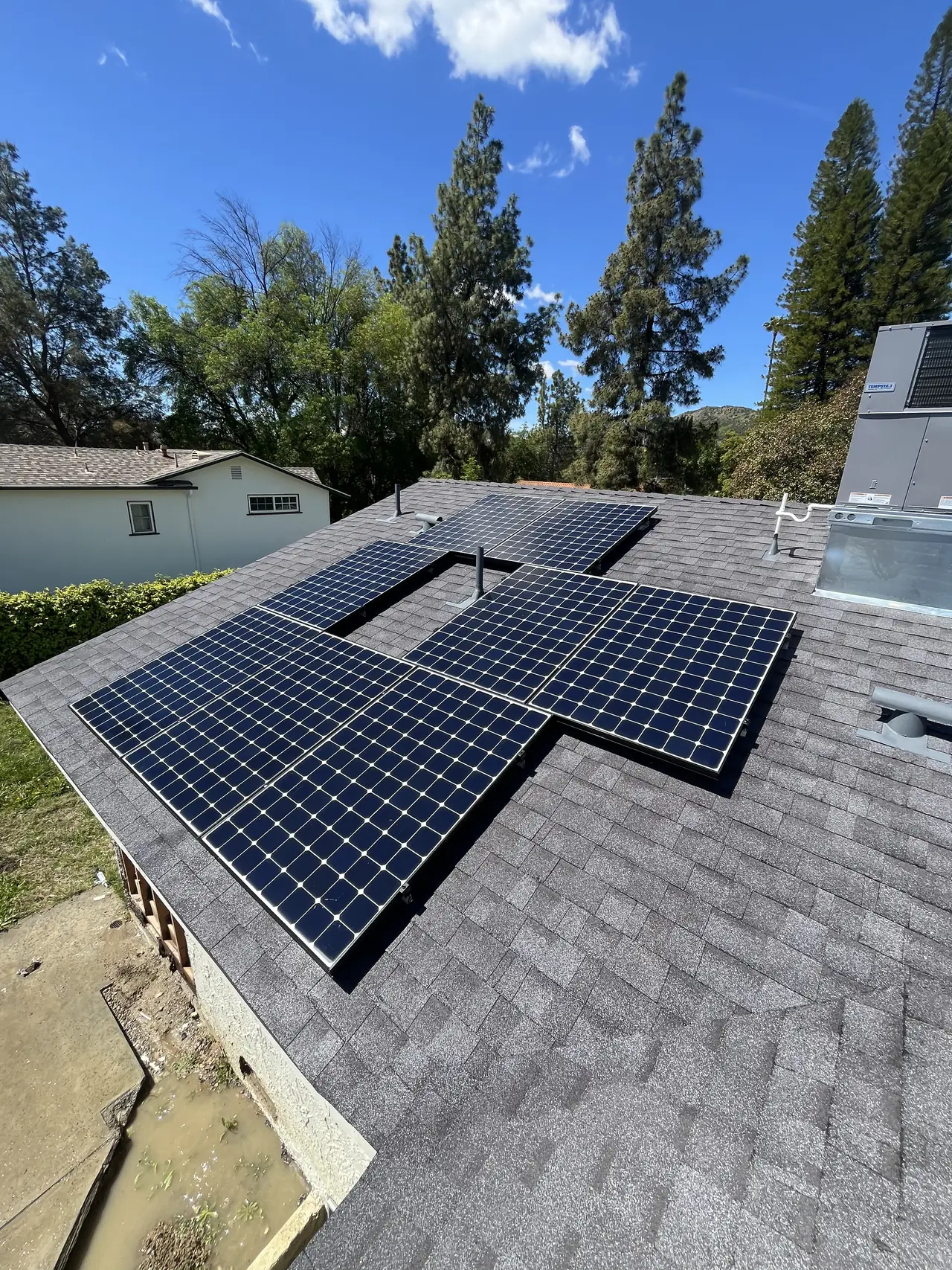
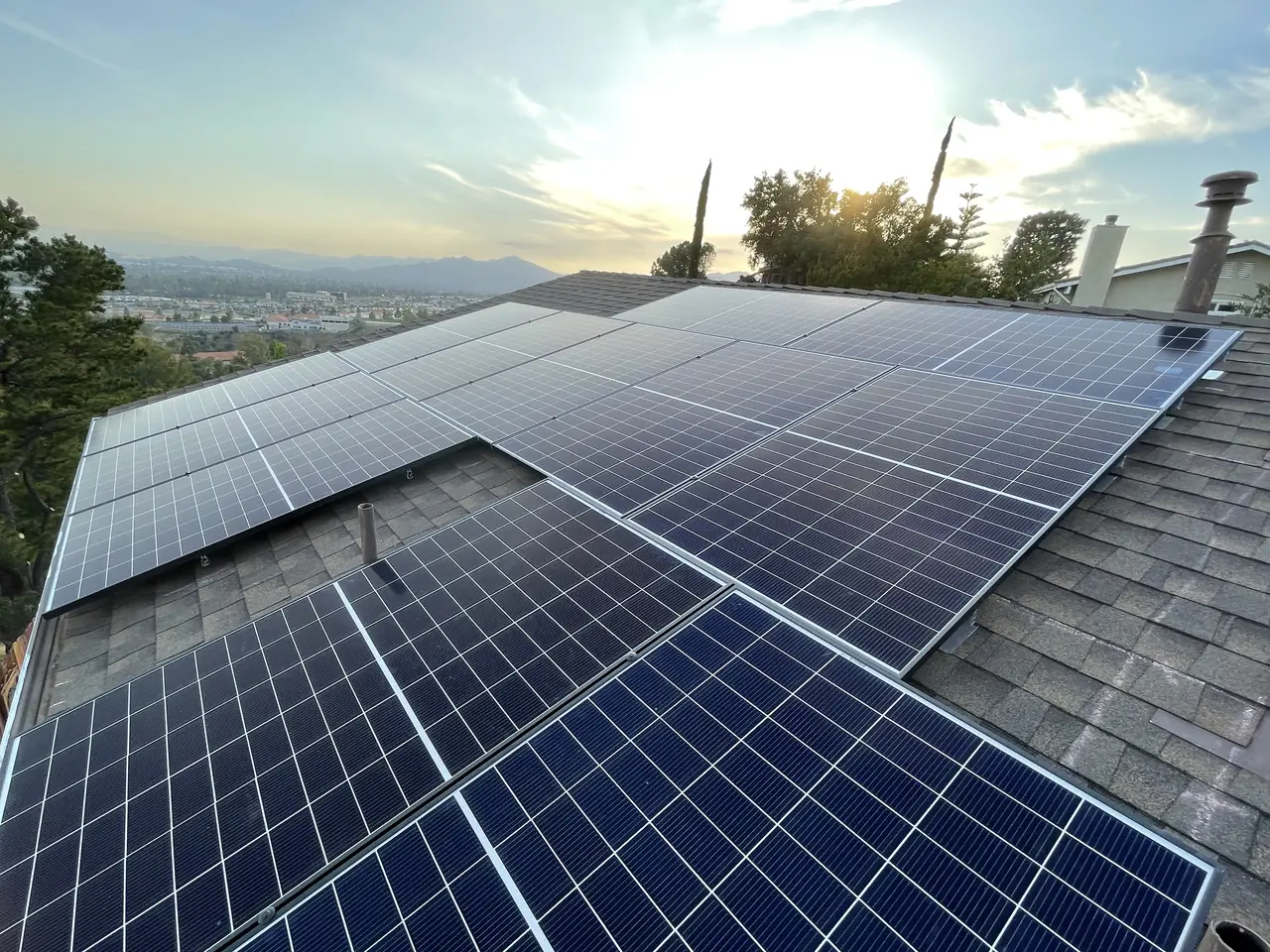
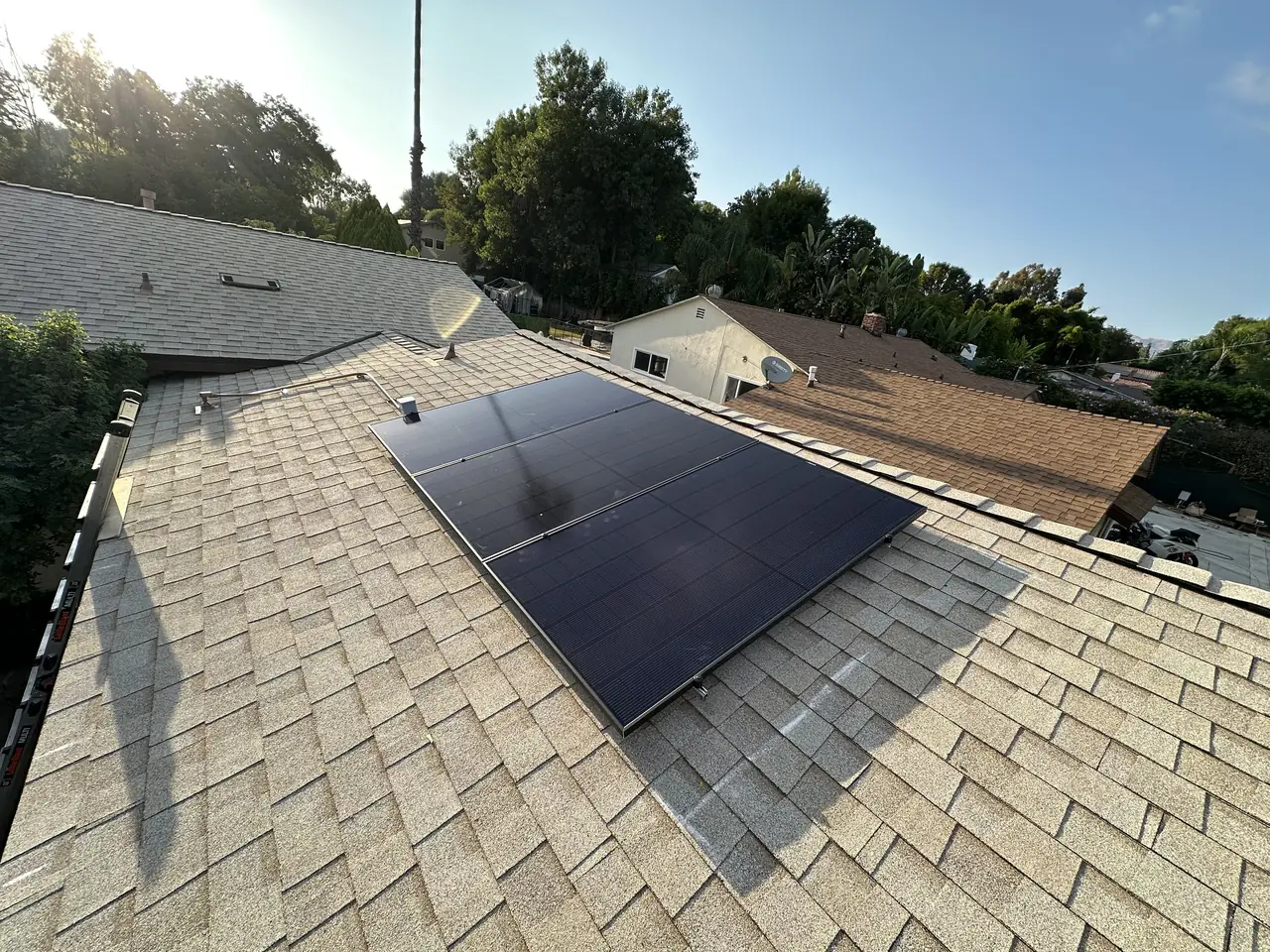
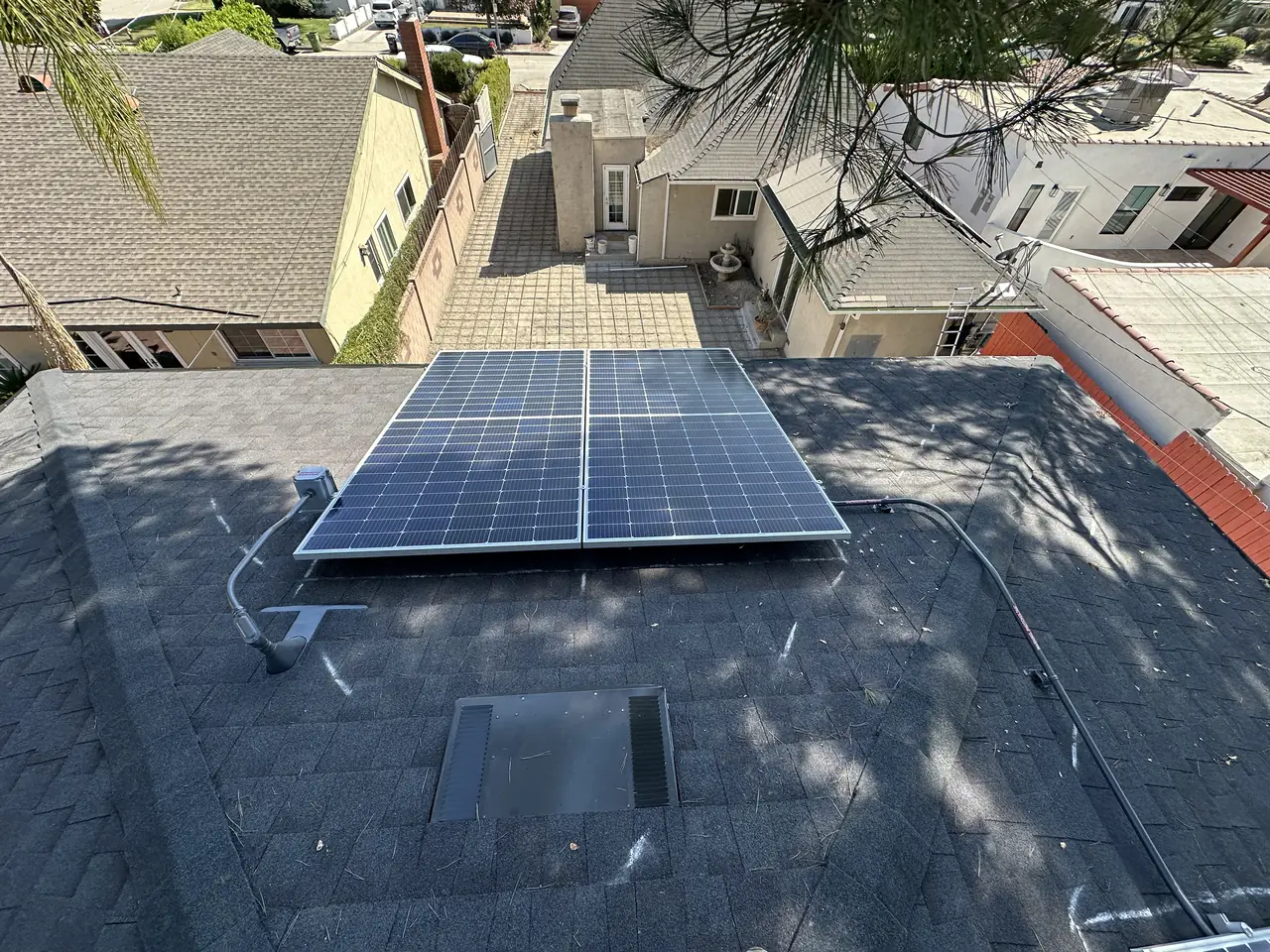
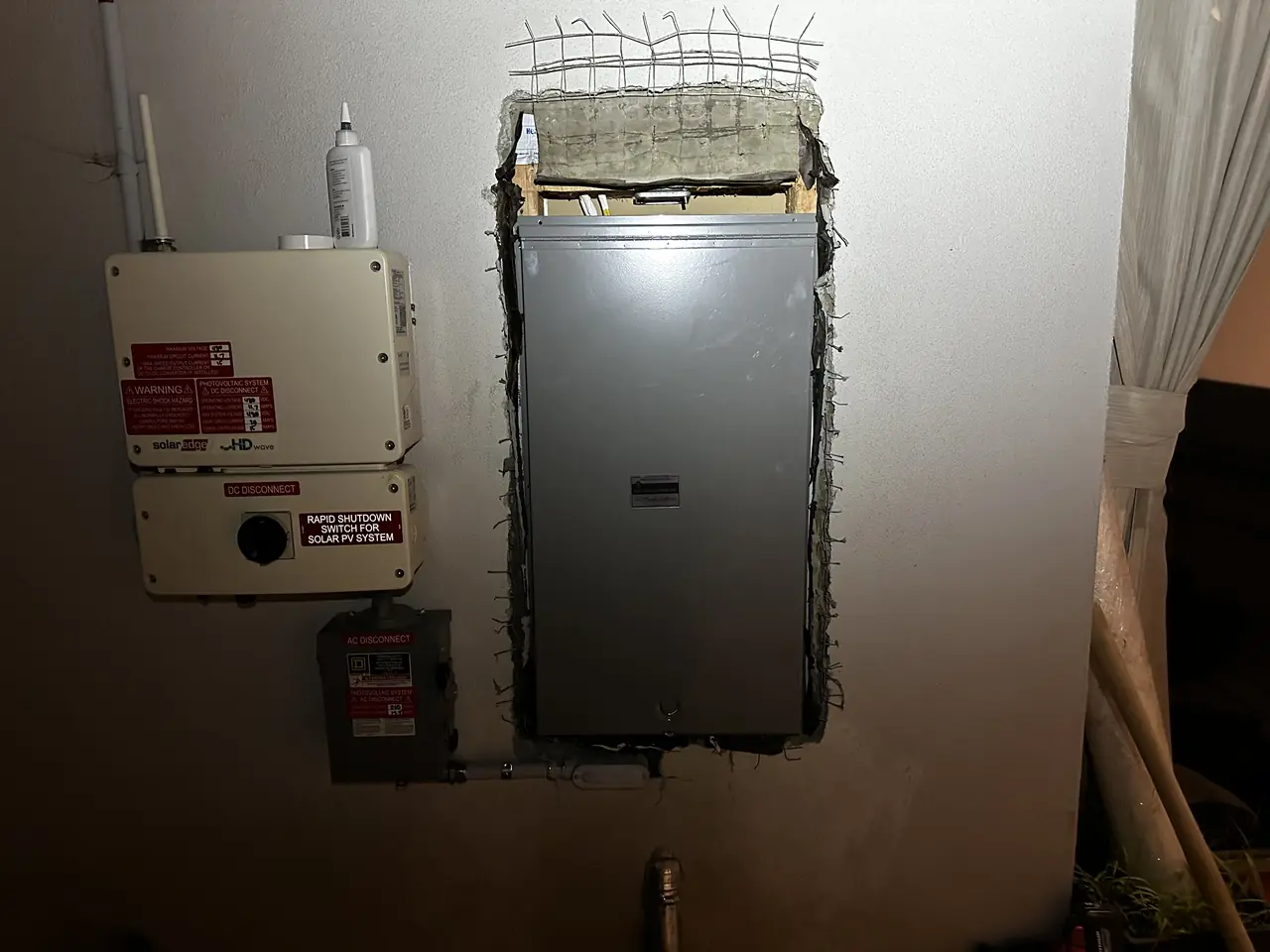
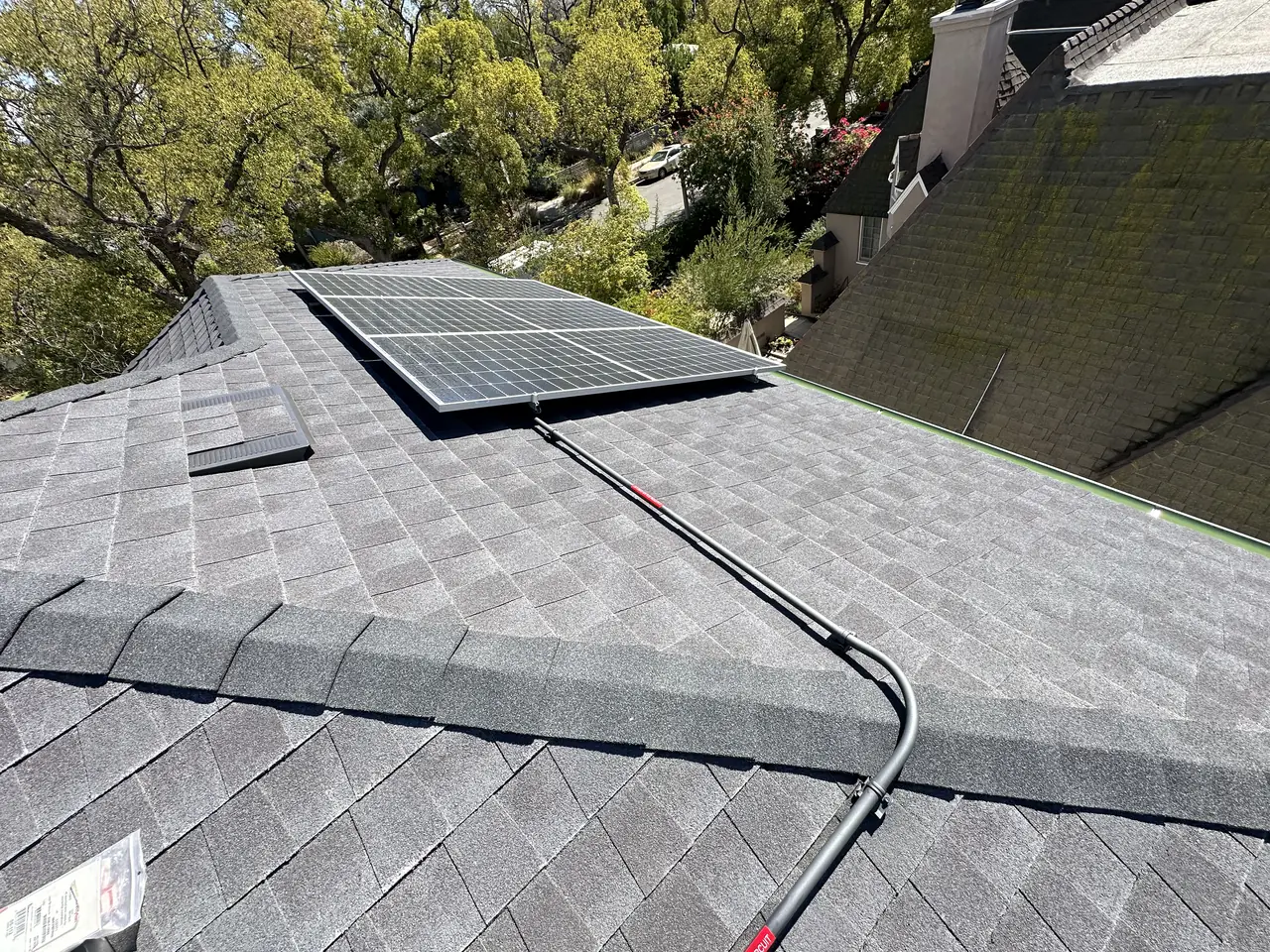
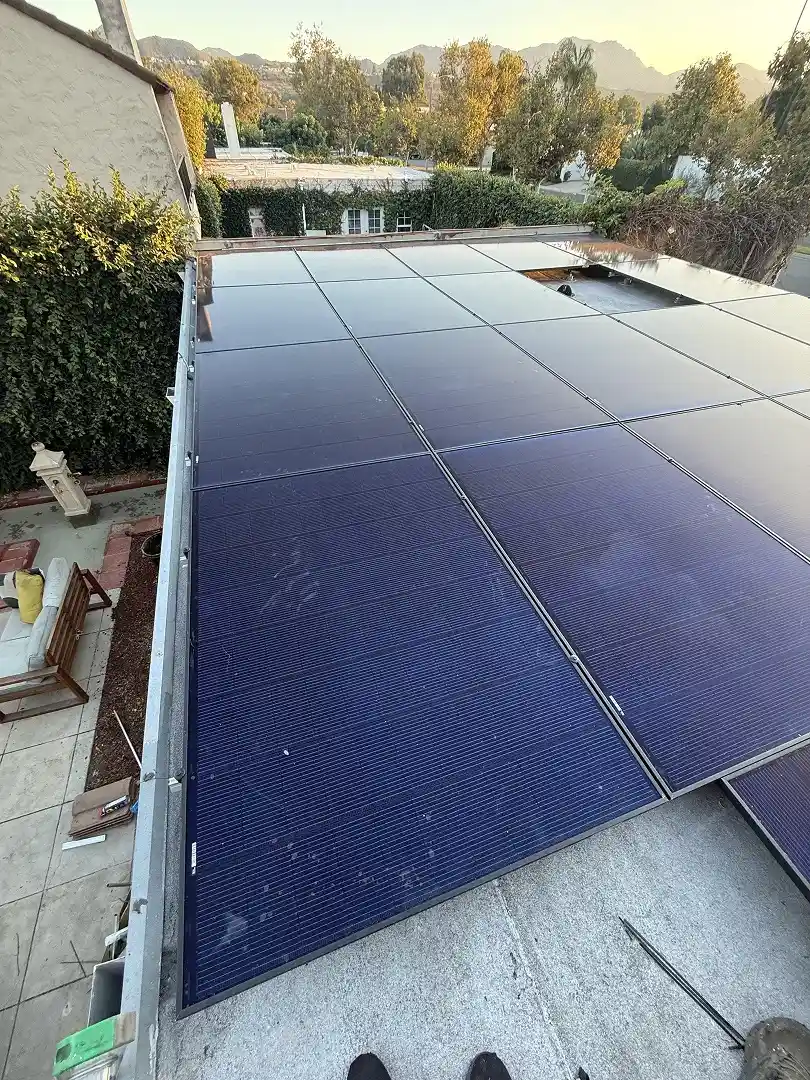
So we did. Twenty-two REC 460-watt panels on the detached garage — 10.12 kilowatts DC. A Tesla Powerwall 3 with an Expansion Pack, twenty-seven kilowatt-hours of usable storage, more than most homeowners ever ask for. Whole-home backup through a Tesla Backup Switch. And before any of that — a full upgrade of the main service panel to 225 amps, with a new conduit run more than a hundred feet across the property to bring the upgraded service into place.
The trench is the part that doesn't show in the listing photo. It's also the part that decides whether the rest of the system works the way it should ten years from now. Old service panels and new battery systems don't get along. We rebuilt the spine before we put anything on it.
SCE had its own version of the same dance. Four interconnection corrections across three weeks — two of which they later retracted by phone, when a rep called to apologize that the request had been wrong on their end. Michael forwarded us every notice as it landed in his inbox. We resubmitted every time. He never picked up the application portal himself.
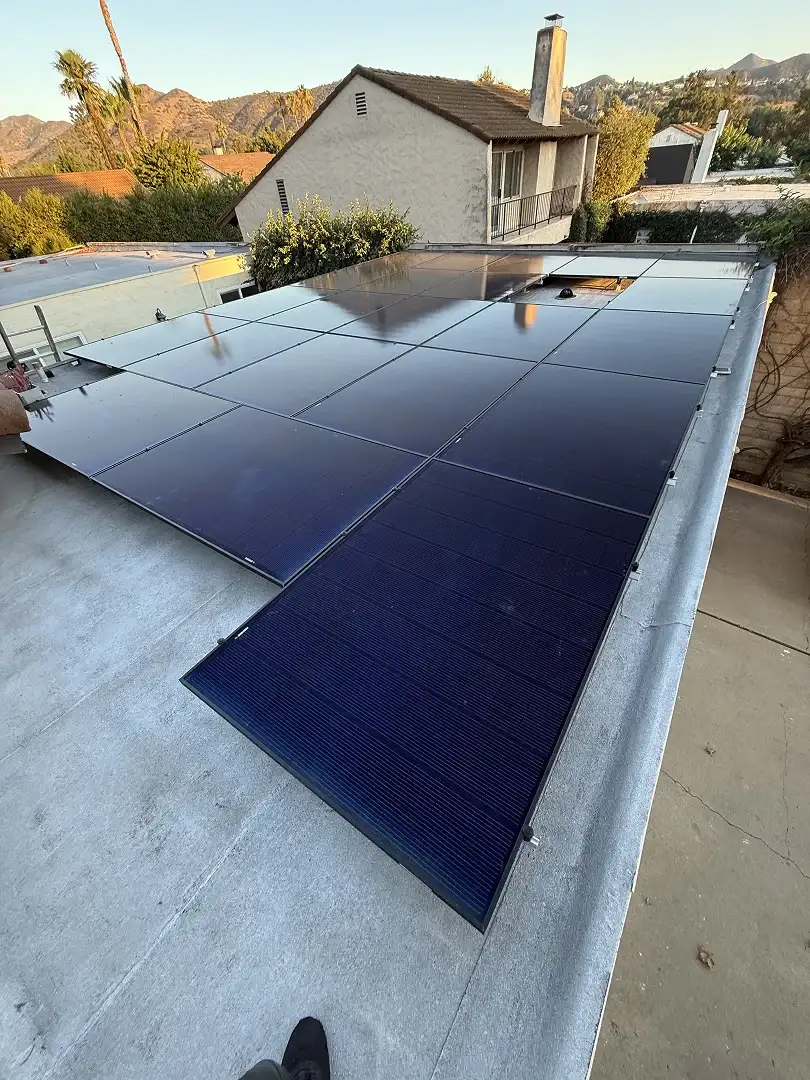
Permission to operate came through in the first week of December. The system has been running since. The May true-up was fifteen dollars.
At his pre-solar usage — roughly twenty thousand kilowatt-hours a year on a Westlake Village home with two electric vehicles and full summer A/C — the system pays itself back in about seven years. After that, eighteen more years of producing electricity that costs him nothing, against a utility that has raised its rates by an average of five percent a year for the last decade and has no intention of stopping.
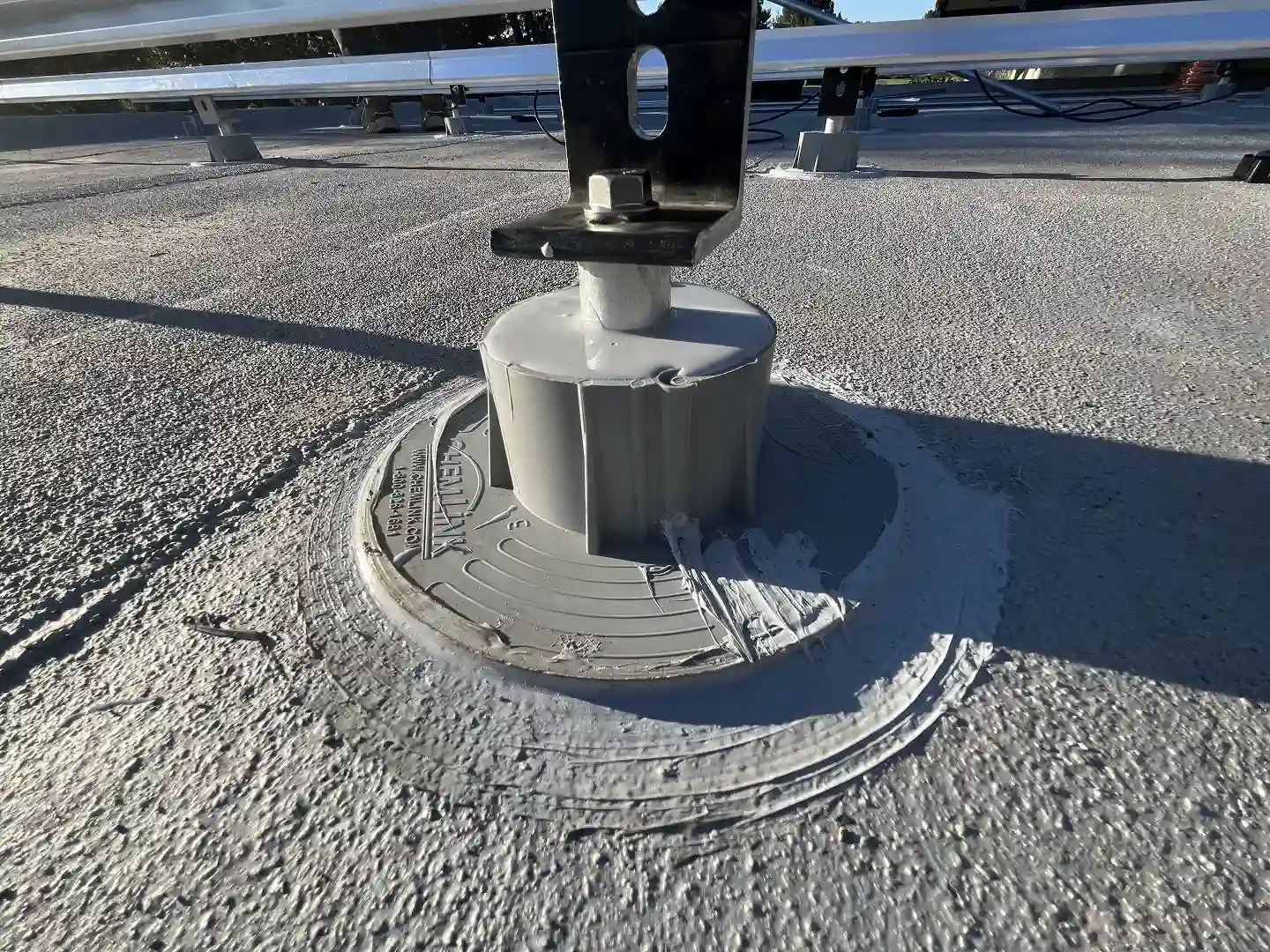
Over the twenty-five-year design life of the system, that comes out to something north of three hundred and seventy thousand dollars in avoided bills.
System specifications
| DC System | 10.12 kW |
|---|---|
| AC System | 9.412 kW |
| Modules | 22 × REC460AA Pure RX, 460 W bifacial |
| Inverter | Tesla |
| Battery | Tesla Powerwall 3 with Expansion Pack — 27 kWh usable |
| Backup | Whole-home via Tesla Backup Switch |
| Service Panel | Upgraded to 225 A with new conduit run (~110 ft) |
| Mounting | Rooftop on detached garage |
| Utility | Southern California Edison (NBT) |
| AHJ | LA County Fire (Calabasas District) |
| Energized | December 2025 |
Frequently asked questions
Why isn't the bill zero if the system covers all the home's needs?
Even when a solar-and-battery system covers a home's full usage, the utility still charges a minimum delivery fee — typically around ten dollars a month — for the grid connection itself. On top of that, a few kilowatt-hours of net consumption per month (battery empty late at night, EV charging during a heat wave) get billed at retail rate. That's the difference between a fifteen-dollar bill and zero. Going fully off-grid is technically possible but rarely makes financial sense in Los Angeles — homeowners keep the grid as a backup of last resort.
Is it worth adding a battery to a new solar system in 2026?
Since SCE switched residential interconnections to the Net Billing Tariff in April 2023, exporting solar to the grid pays a small fraction of what you pay to import it. A battery flips the math: instead of selling at five cents and buying back at forty, you store what you produce and use it yourself. On a system like this one, the battery is what turns "your bill goes down" into "your bill goes away."
Why upgrade the main service panel before installing solar?
Older homes were wired for a different era of electrical demand — typically 100-amp or 125-amp service. Modern setups with a 10-kilowatt solar array, a battery system, and one or two EV chargers can push that limit. Rebuilding the service panel up front, with proper conduit and metering, prevents the next ten years of "we'd love to add X but the panel won't hold it." We did the spine first, then the rest of the system.
What this would look like on your roof
Planning solar in Westlake Village? Tell us your utility, your roof and what your bill looks like now, and we will model what a system like this would do on your house before you commit to anything.
Or call +1 (323) 844-7777 · Cali Energy, Northridge · CSLB #1032379 (B, C-10, C-39) — design, permits, install and electrical by our own crew.