

North Hollywood, CA · September – December 2025 · LADWP / LADBS
One point seven kilowatts. Worth doing?
A new two-storey accessory dwelling unit built where a garage used to stand, and the smallest of our North Hollywood arrays on top of it. Whether that is a good idea is a question with three inputs, and kilowatts is not one of them.
Nobody can answer that from the kilowatts, including us. Whether a small array pays depends on three numbers that are specific to you: what it costs installed, what the dwelling actually consumes across a year, and which electricity rate you are on. What can be said is which reasons for a small array are good ones and which are not, and which figures to make somebody show you.
At a glance
- Recorded by the utility
- 1.69 kW
- Building
- New two-storey ADU on a former garage footprint
- Usable roof faces
- One
- Microinverters
- Enphase IQ7A, one per module
- Filing to permission
- Seven weeks
- Fixed costs
- Same plans, permit, fee and inspection as a large array
- Roof
- Composition shingle
- Utility / AHJ
- LADWP / LADBS
The story
Start with the number. One point six nine kilowatts. That is the smallest of our North Hollywood arrays by some distance, and the honest first reaction to it is: why bother.
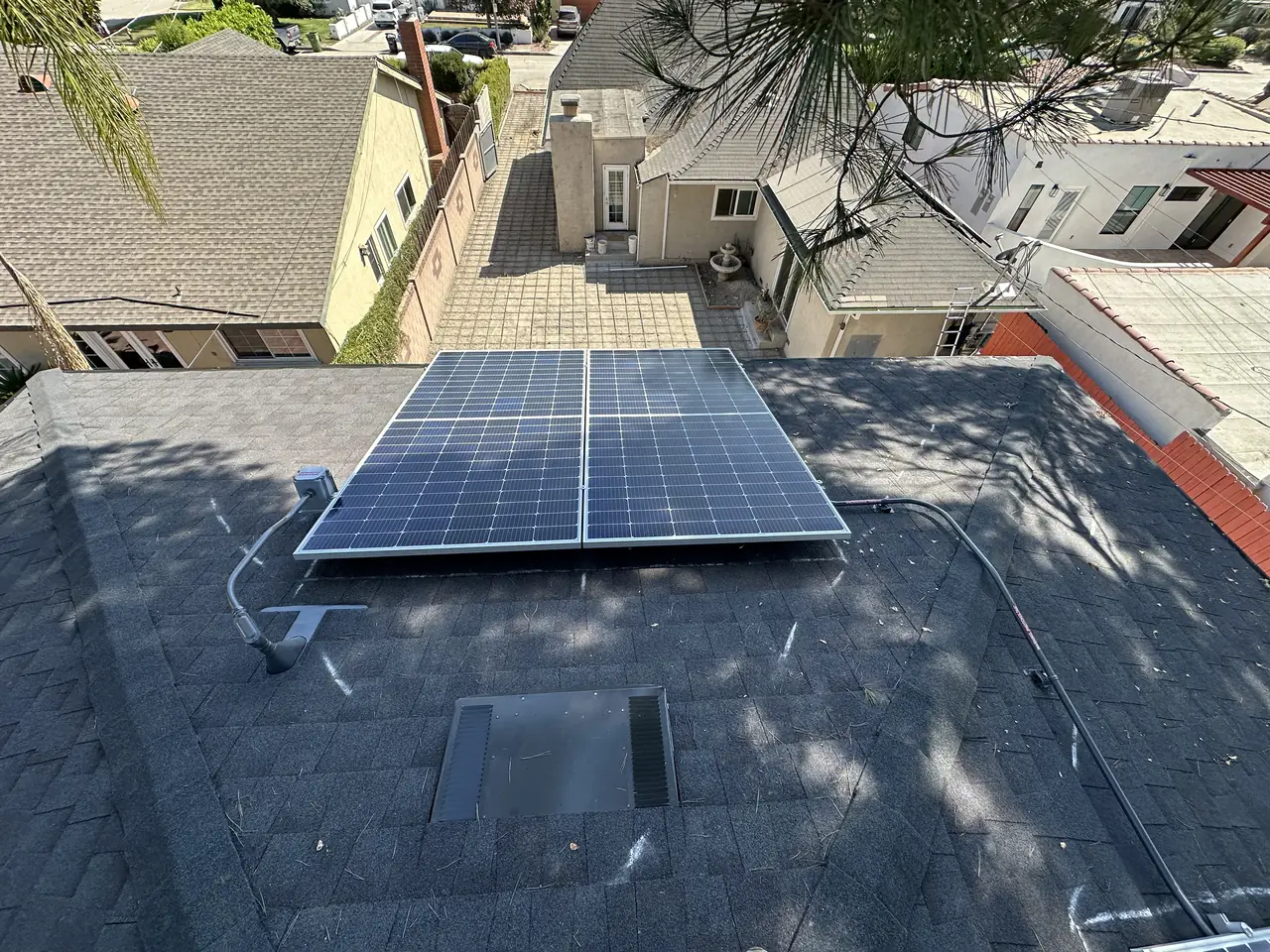
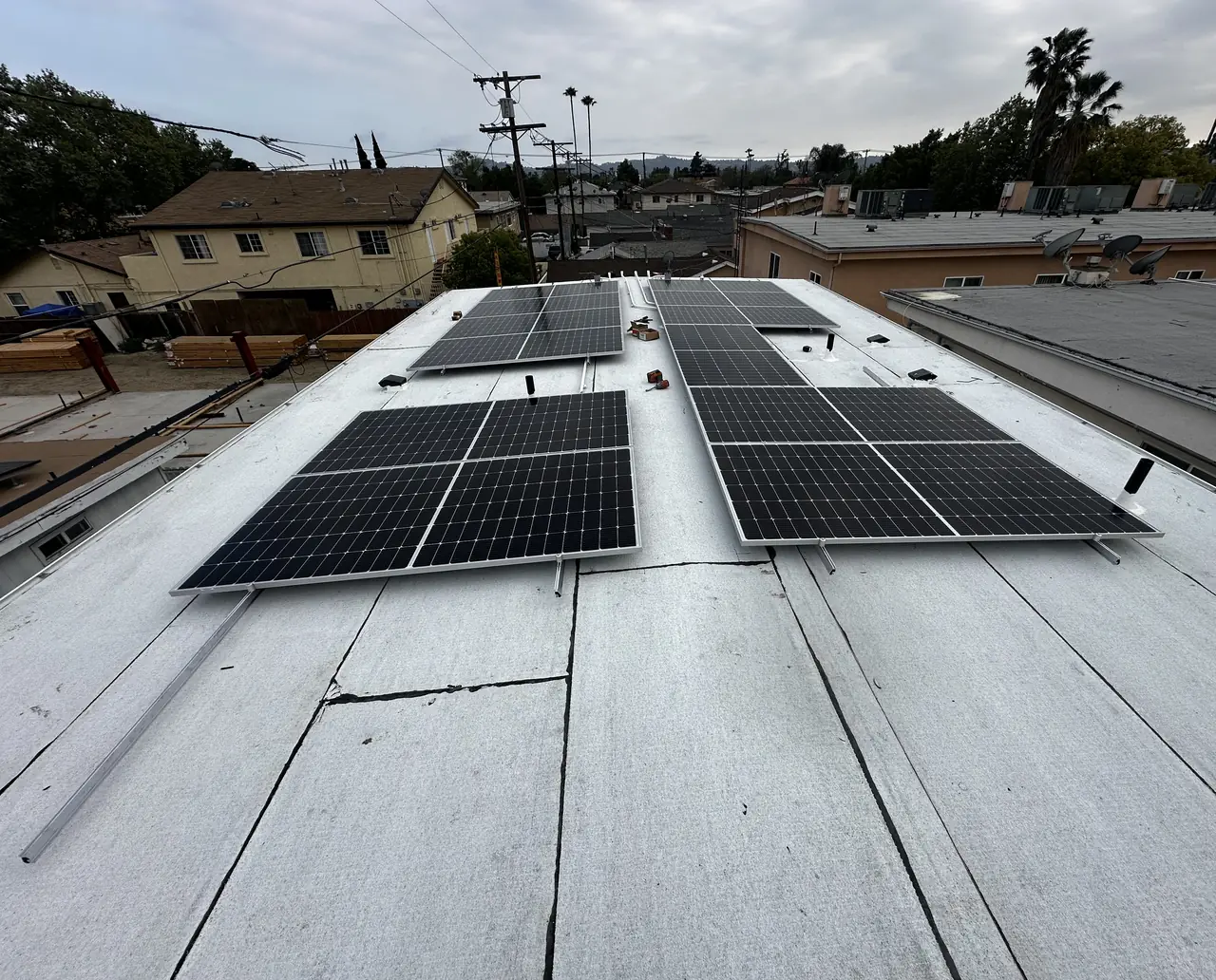
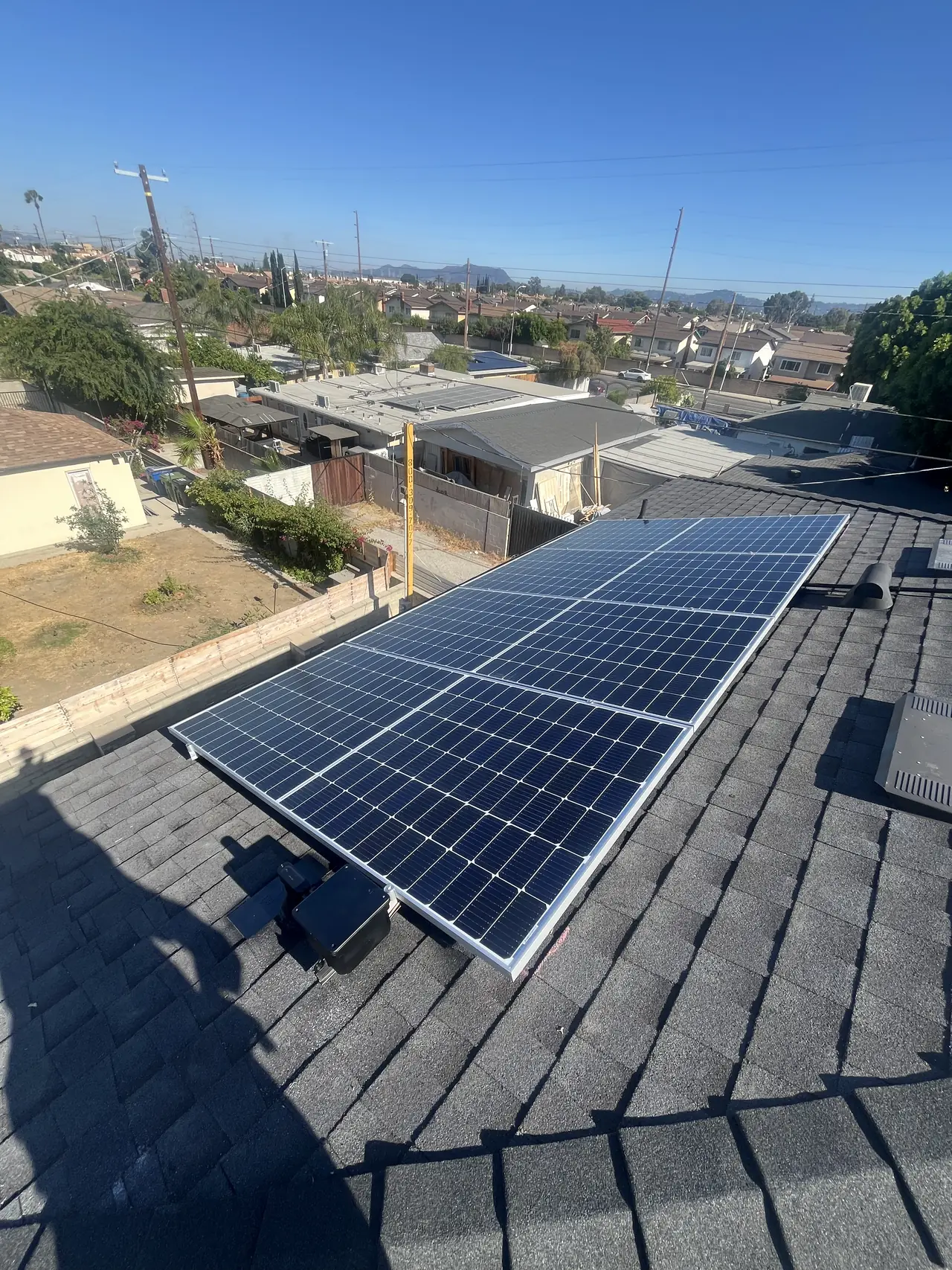
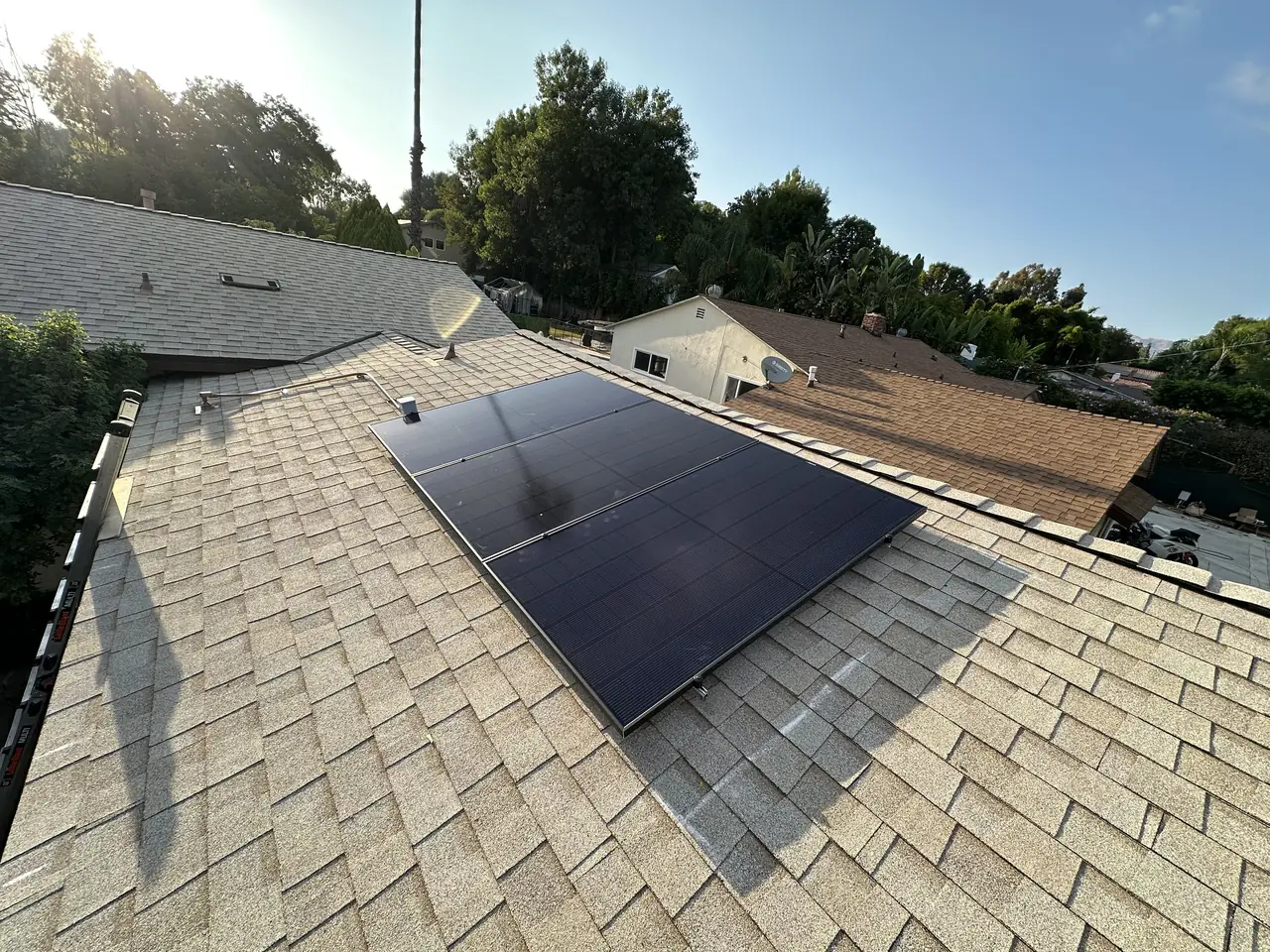
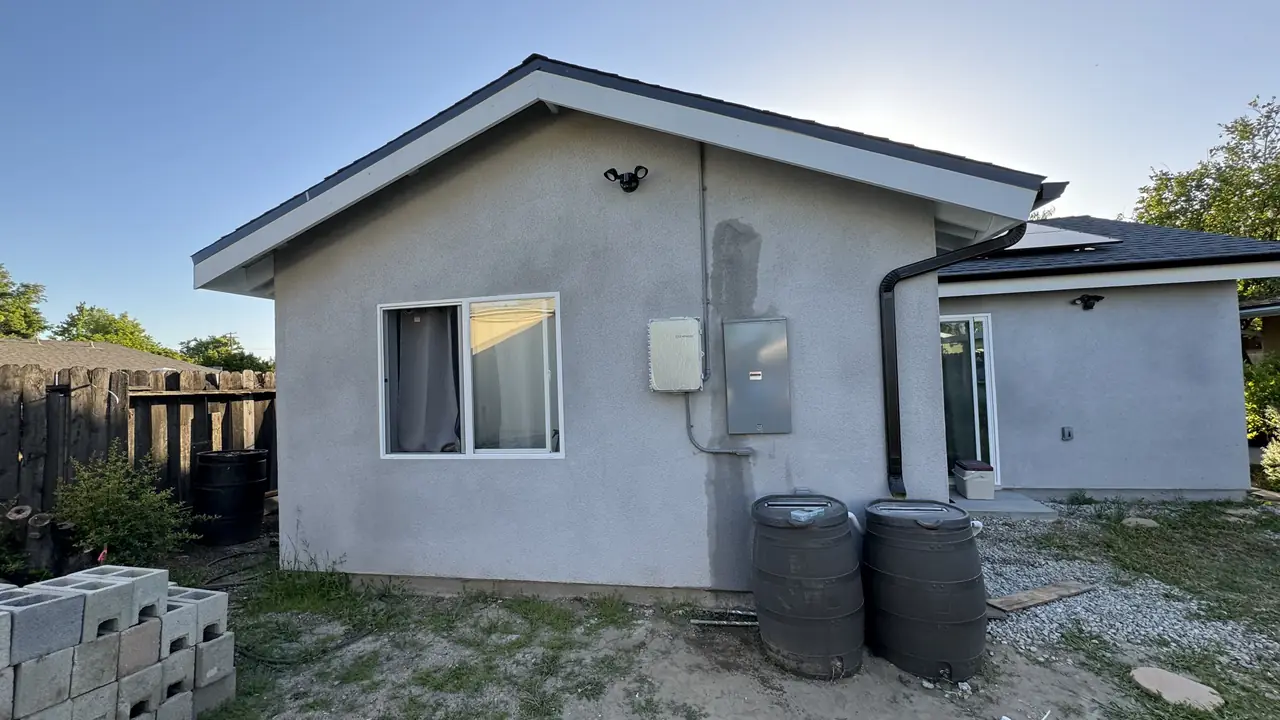
Here is the context. The building is new — a two-storey accessory dwelling unit built on the footprint of a detached garage demolished the same spring. The roof on it is the size of a garage roof, because that is what it replaced, and it has one usable face.
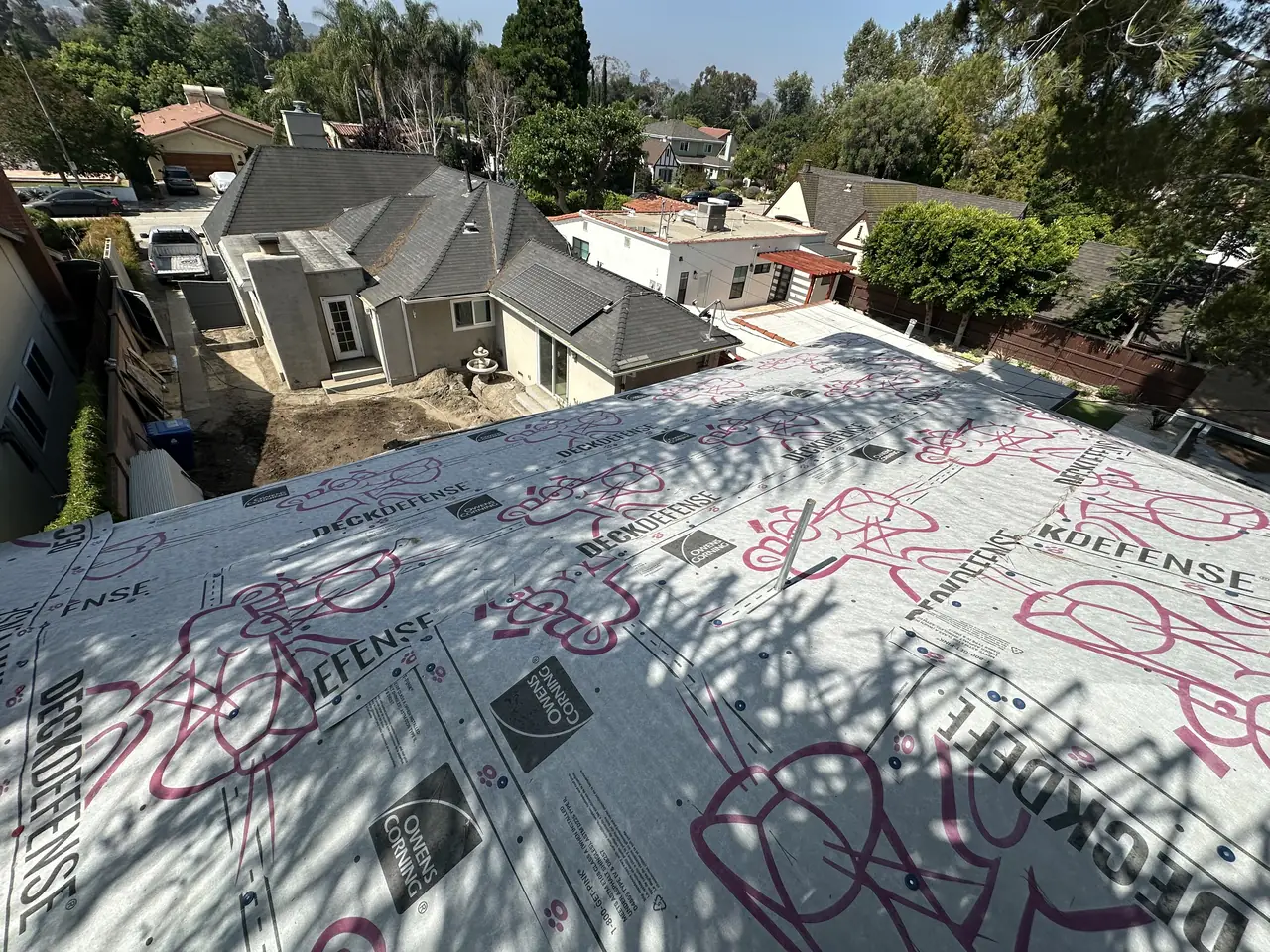
So the array is not small because the budget was small. It is small because the roof is small and there is no second face to use. Sizing a system to a roof that does not exist is how people end up with a proposal they cannot build.
Now the question in the title. Whether 1.69 kilowatts pays on your building depends on three numbers: what the system costs installed, what the dwelling actually uses over a year, and which rate that usage is billed on. Change any one of them and the answer flips. Anybody who answers it from the kilowatts alone is selling you something.
What can be said without arithmetic is narrower and still useful. A system this size will not run a household; the load of a one- or two-occupant accessory dwelling is a different and much smaller thing, and that is the load this array was drawn against. And because every module has its own microinverter, extending it later is an electrical question rather than a redesign, if a roof face ever becomes available.
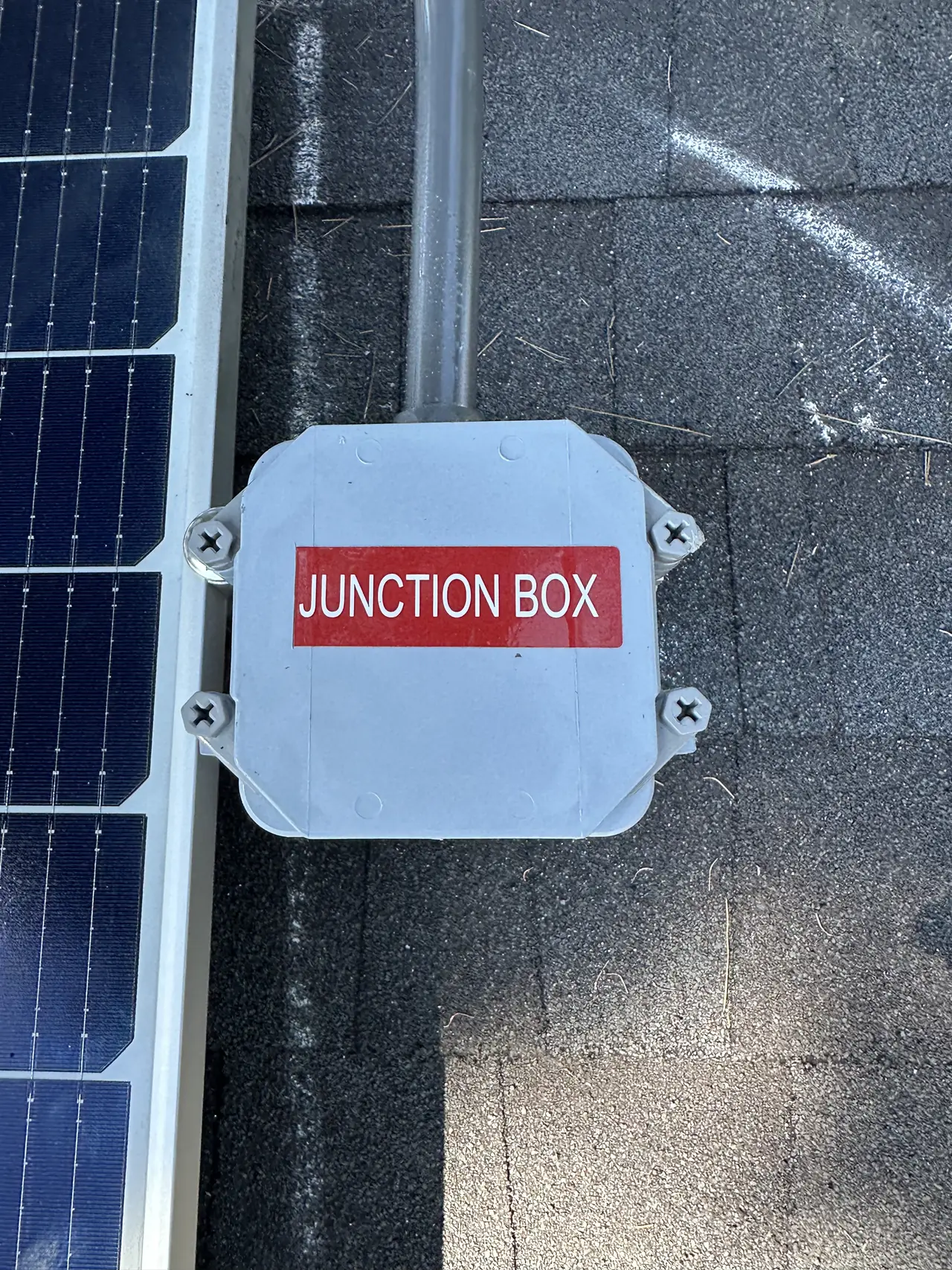
The paperwork does not scale down, which is the part people are not warned about. This array went through the same standard plans, the same solar permit, the same interconnection request with the same fee, and the same inspection as a thirty-module system. Most of the fixed cost of a solar project is fixed.
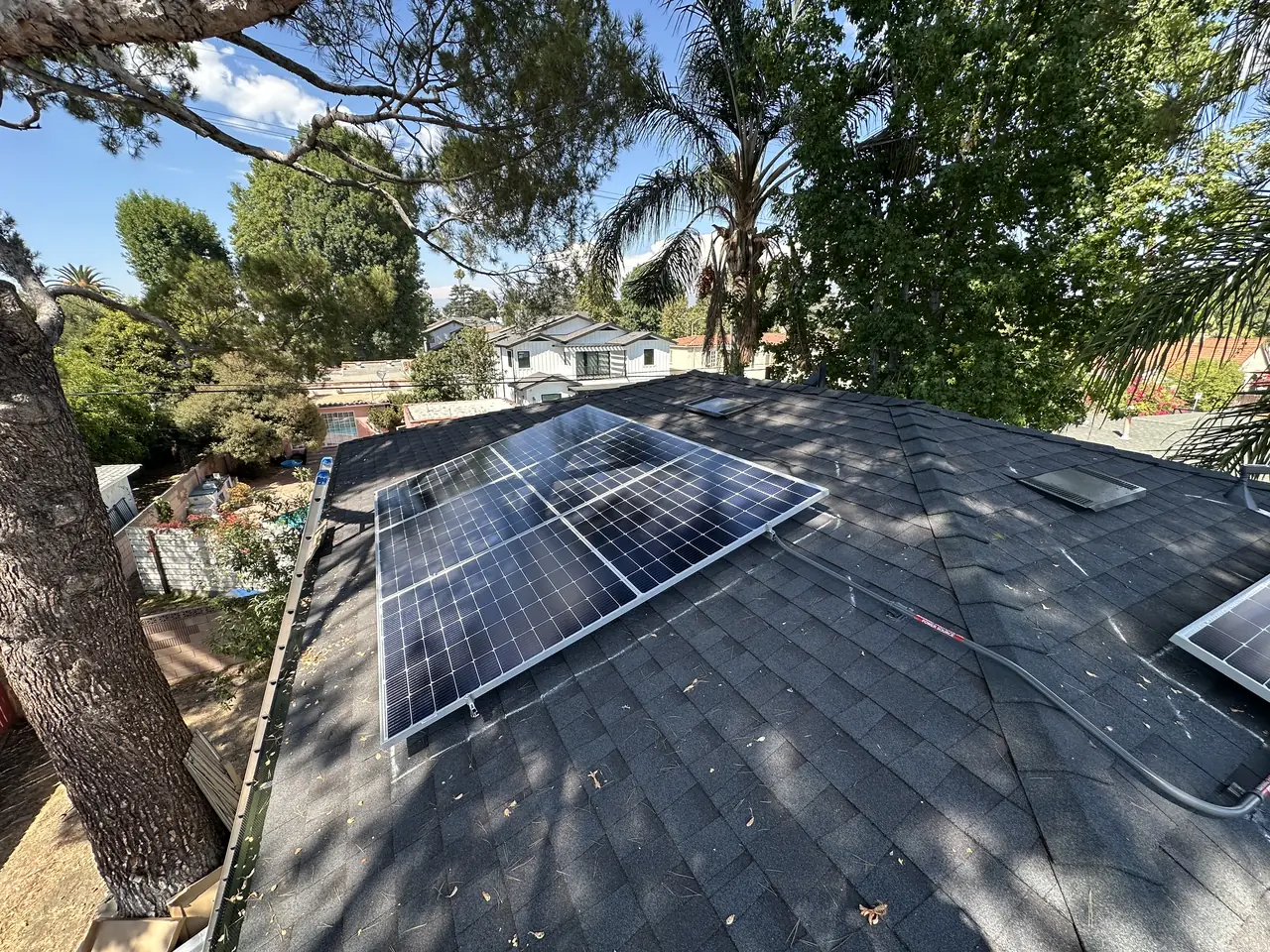
The calendar was short. First conversation at the start of September, interconnection filed and fee paid on the twenty-third of October, system installed five days later, and permission to operate on the eleventh of December. Seven weeks from filing.
So the questions to put to whoever is quoting you. Show me the roof plan, not the kilowatts — is this the size my roof has room for? Show me a year of the dwelling's own consumption, not a household average. Tell me which rate it is billed on. And show me the installed price against those, so the payback is arithmetic rather than a feeling. If a quote cannot survive those four questions, the problem is not that the array is small.
How it ran
| April 2025 | Detached garage demolished; permit for a two-storey ADU |
|---|---|
| 2 September 2025 | First conversation about solar |
| 23 October 2025 | Interconnection filed; fee paid the same day |
| 28 October 2025 | System installed |
| 9 December 2025 | Progress notices and site evaluation, all in one day |
| 11 December 2025 | Permission to operate |
| January 2026 | Fire sprinklers added to the dwelling, voluntarily |
Seven weeks from filing. The building took most of the year.
What we did
- Sized the array to the roof that was actually being built rather than to a target figure.
- Planned the layout while the roof was still underlayment.
- Installed one Enphase IQ7A microinverter per module, so the array can be added to later.
- Filed the interconnection and paid the fee the same day.
- Took the project from filing to permission to operate in seven weeks.
System specifications
| Recorded by the utility | 1.69 kW |
|---|---|
| Building | New two-storey accessory dwelling unit |
| Site history | Detached garage demolished on the same lot that spring |
| Microinverters | Enphase IQ7A, one per module |
| Modules | Canadian Solar |
| Roof | Composition shingle, one usable face |
| Utility / AHJ | LADWP / LADBS |
Is your project like this one?
- You are putting solar on an ADU and the numbers look small.
- You have been told your roof is too small to be worth quoting.
- You want to know why a small system is not proportionally cheaper.
- You are building and want the array planned before the shingle goes on.
- You may want to add modules later if the roof allows it.
Cali Energy in North Hollywood
North Hollywood is inside City of Los Angeles boundaries: permits run through LADBS, interconnection through LADWP.
A new accessory dwelling unit in North Hollywood is typically one or two rooms on a footprint that used to be a garage. The roof that comes with it is the size of a garage roof.
This installation is on the North Hollywood projects page alongside the others, and what the work covers is set out on the North Hollywood service area page.
- License and classifications: CSLB #1032379
- Official reference for this process: LADBS — accessory dwelling units
- Official reference for this process: California Energy Commission — solar equipment lists
Frequently asked questions
Is a 1.7 kilowatt solar system worth installing?
It depends on three numbers and none of them is the system size: the installed price, the dwelling's measured annual consumption, and the rate it is billed on. A small array on a small dwelling can pay perfectly well and can also be a poor buy; the kilowatt figure does not tell you which. Ask for those three and do the arithmetic.
What transfers from a project like this to mine?
The shape of it rather than the verdict. The roof had one usable face, so the array was sized to the roof and not to a target. The fixed costs did not shrink with the array. And a microinverter per module leaves the door open to extending later. Whether the arithmetic lands the same way on your building depends on your price, your consumption and your rate.
Why is such a small system not much cheaper?
Because the standard plans, the solar permit, the interconnection request and its fee, and the inspection are the same as on a much larger array. The modules and the roof time scale down; the paperwork does not.
Can I add to it later?
Each module has its own microinverter, so extending is an electrical question rather than a redesign — but it still depends on whether the roof has space left. Any addition needs its own permit and an updated interconnection.
When should solar be designed on a new ADU?
Before the covering goes on. Here the layout was planned while the roof was still underlayment, which is also the window for running conduit without opening finished work.
How long did it take?
Seven weeks from the interconnection filing to permission to operate, with the system installed five days after filing. The building itself took most of the year.
What this would look like on your roof
Planning solar in North Hollywood? Tell us your utility, your roof and what your bill looks like now, and we will model what a system like this would do on your house before you commit to anything.
Or call +1 (323) 844-7777 · Cali Energy, Northridge · CSLB #1032379 (B, C-10, C-39) — design, permits, install and electrical under one licensed contractor.
Related
This timeline reflects this property and this permitting path. Updated September 2026.