

Chatsworth, CA · March – June 2022 · LADWP / LADBS
Twenty-two modules. Twenty-two reporting.
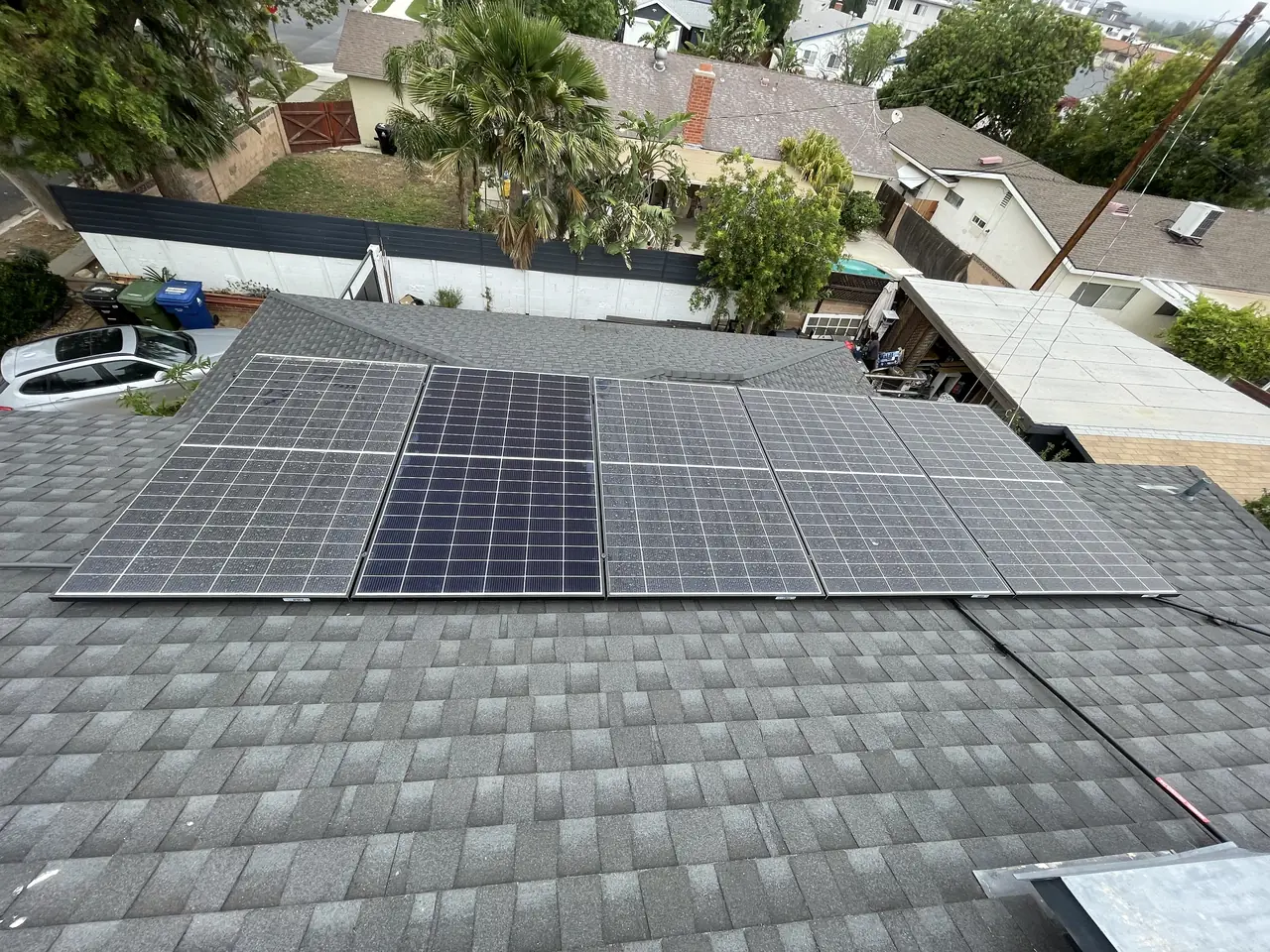
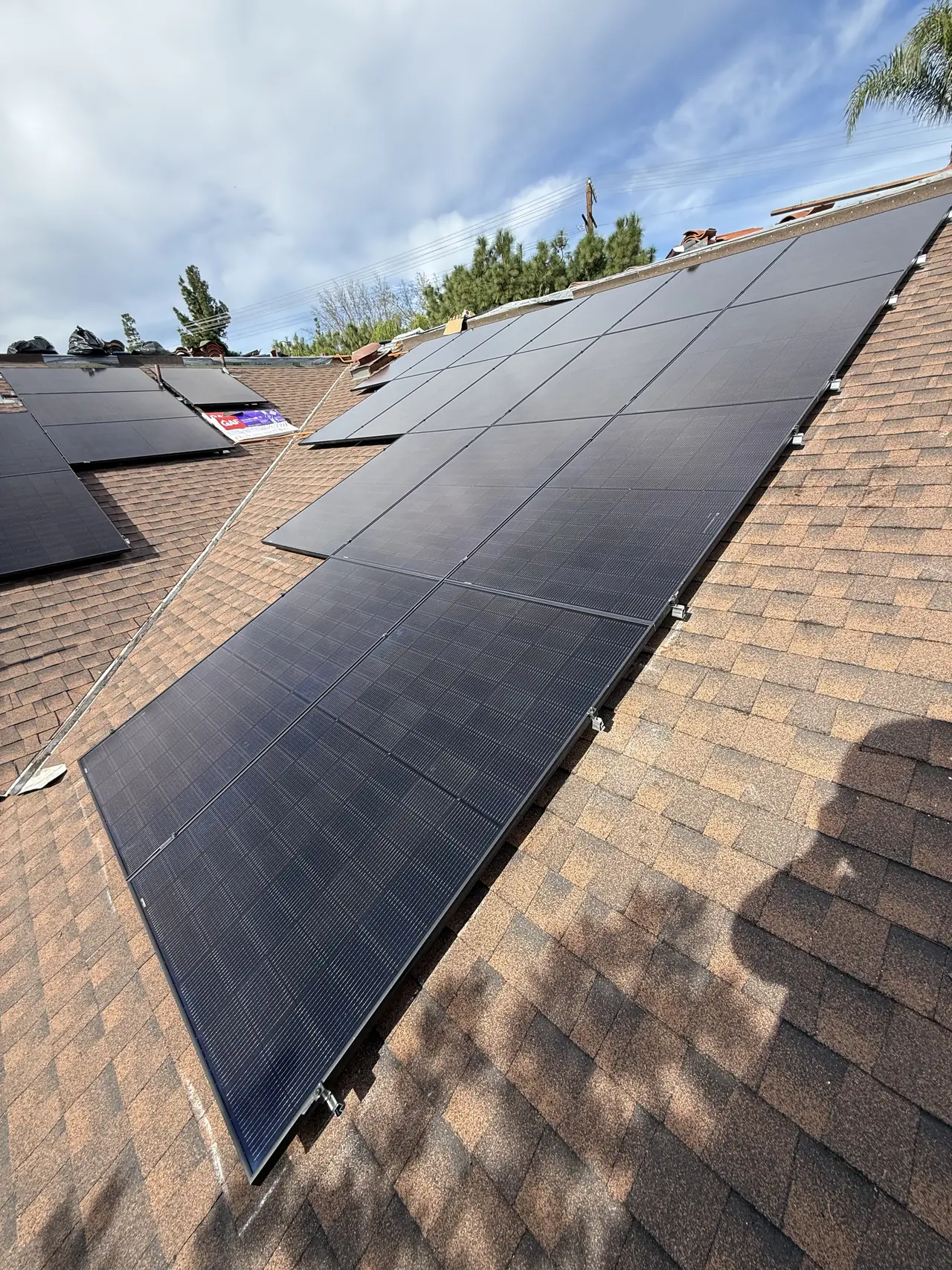
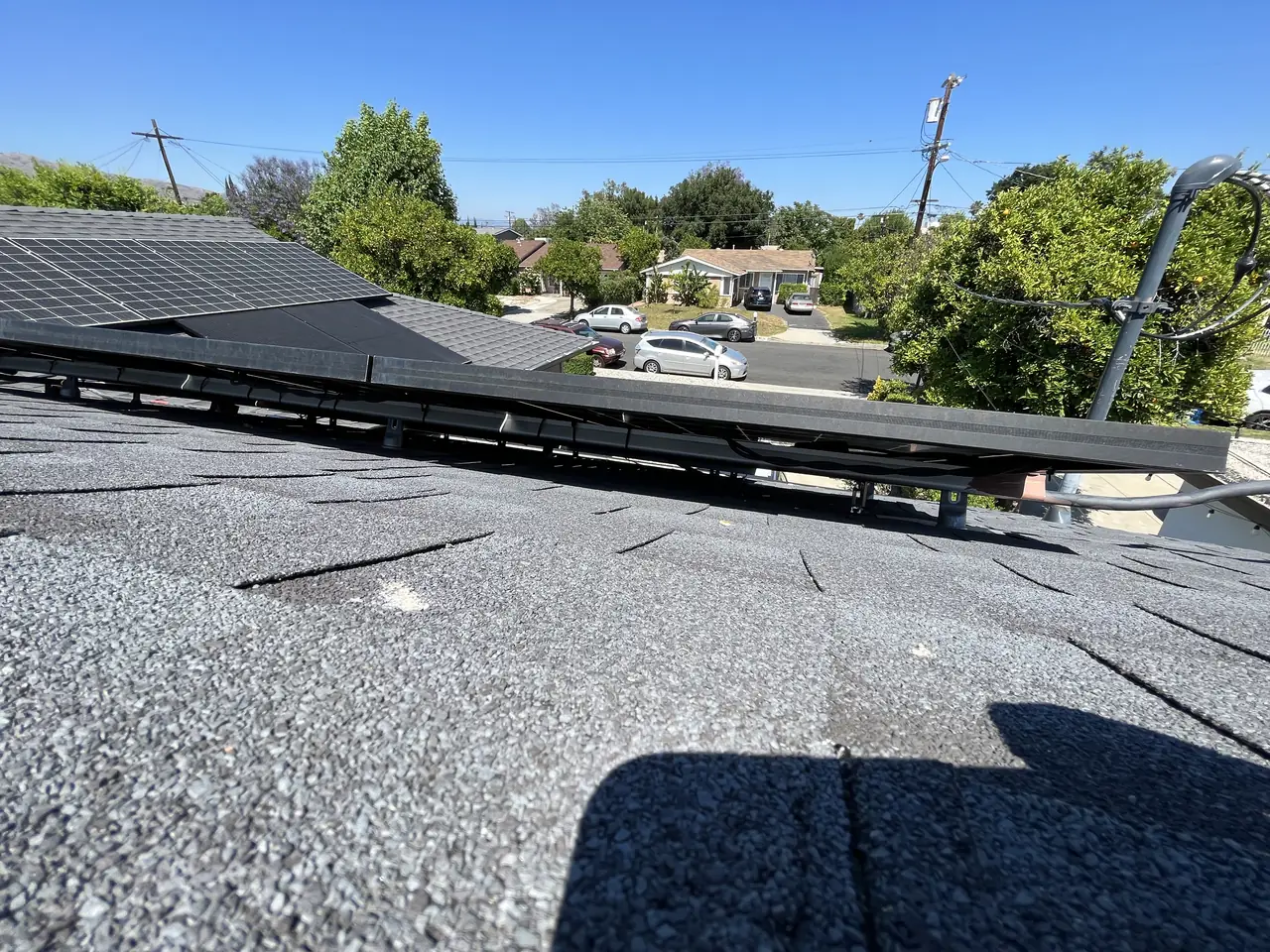
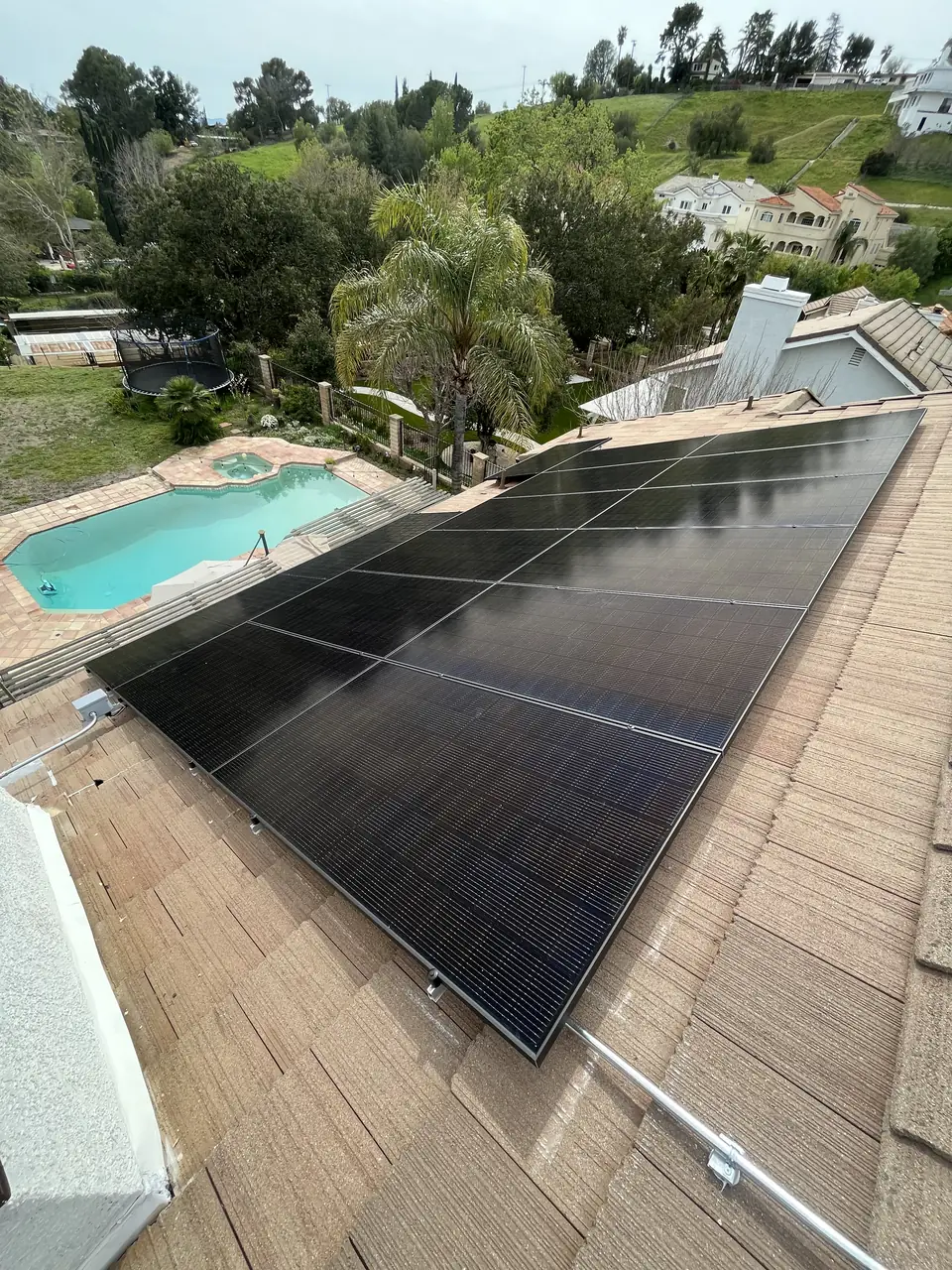
An 8.14 kilowatt DC system on a Chatsworth house, spread across several planes of a composition shingle roof. Every module has its own microinverter, and commissioning means checking every one of them.
With microinverters, commissioning is not a single switch. Each unit has to be detected, brought into communication, given the grid profile and confirmed to be producing — and the count on the screen has to match the count on the roof.
At a glance
- DC System
- 8.14 kW
- AC System
- 8.07 kW CEC
- Modules
- 22 × REC Alpha 370 W
- Inverters
- 22 × Enphase microinverters
- Grid profile
- IEEE 1547
- Roof
- Composition shingle, several planes
- Est. first-year output
- 13,660 kWh
- Utility / AHJ
- LADWP / LADBS
The story
Twenty-two REC Alpha 370-watt modules, 8.14 kilowatts DC, on a shingle roof that does not present one clean rectangle to work with. The array runs across more than one plane, which is the situation per-module electronics exist for: a group in partial shade or at a different angle does not pull down the group next to it.
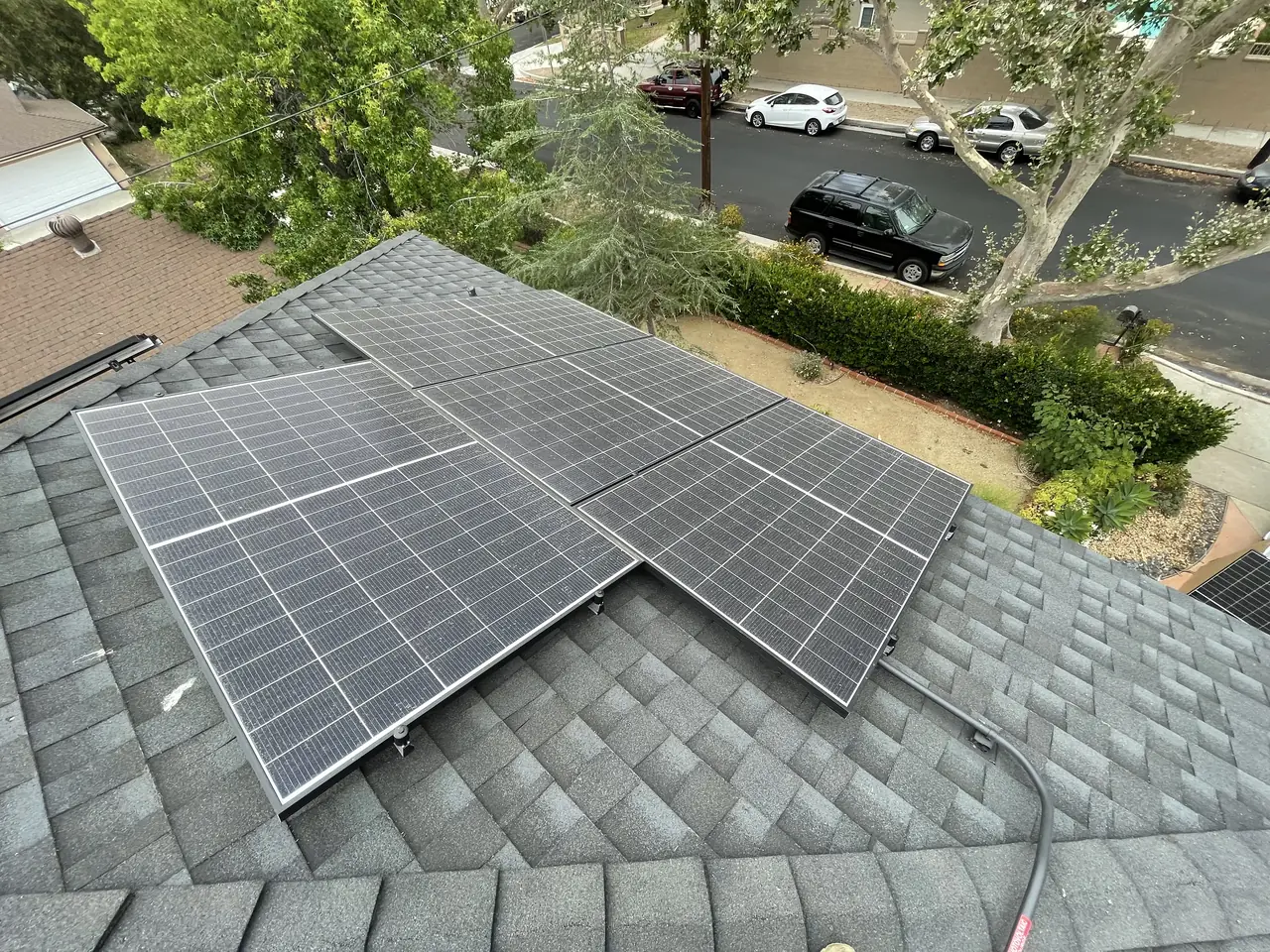
Every module on this roof has its own microinverter underneath it. That is twenty-two separate pieces of electronics, each with its own serial, each of which has to be accounted for before the system is handed over.
Commissioning is where that gets checked, and it is more than switching on. Each unit has to be detected by the gateway, brought into communication, given the grid profile the utility requires, and confirmed to be producing power. The screen at the end of that process shows counts, and those counts have to match what is on the roof.
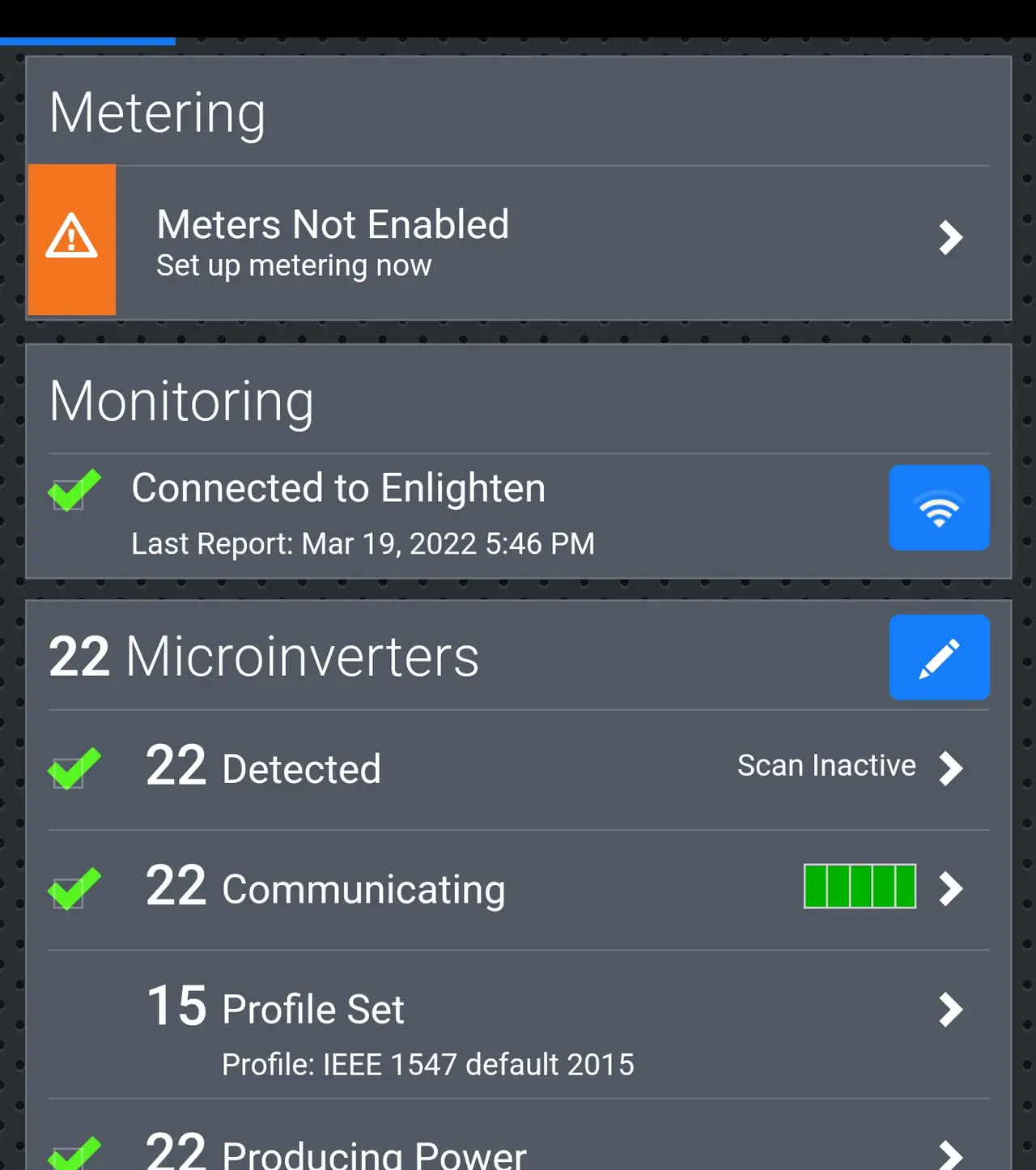
Twenty-two detected. Twenty-two communicating. Twenty-two producing power. The grid profile — IEEE 1547 — written across the array unit by unit. A module that is on the roof but not on that list is a module nobody is monitoring, and it will not announce itself later.
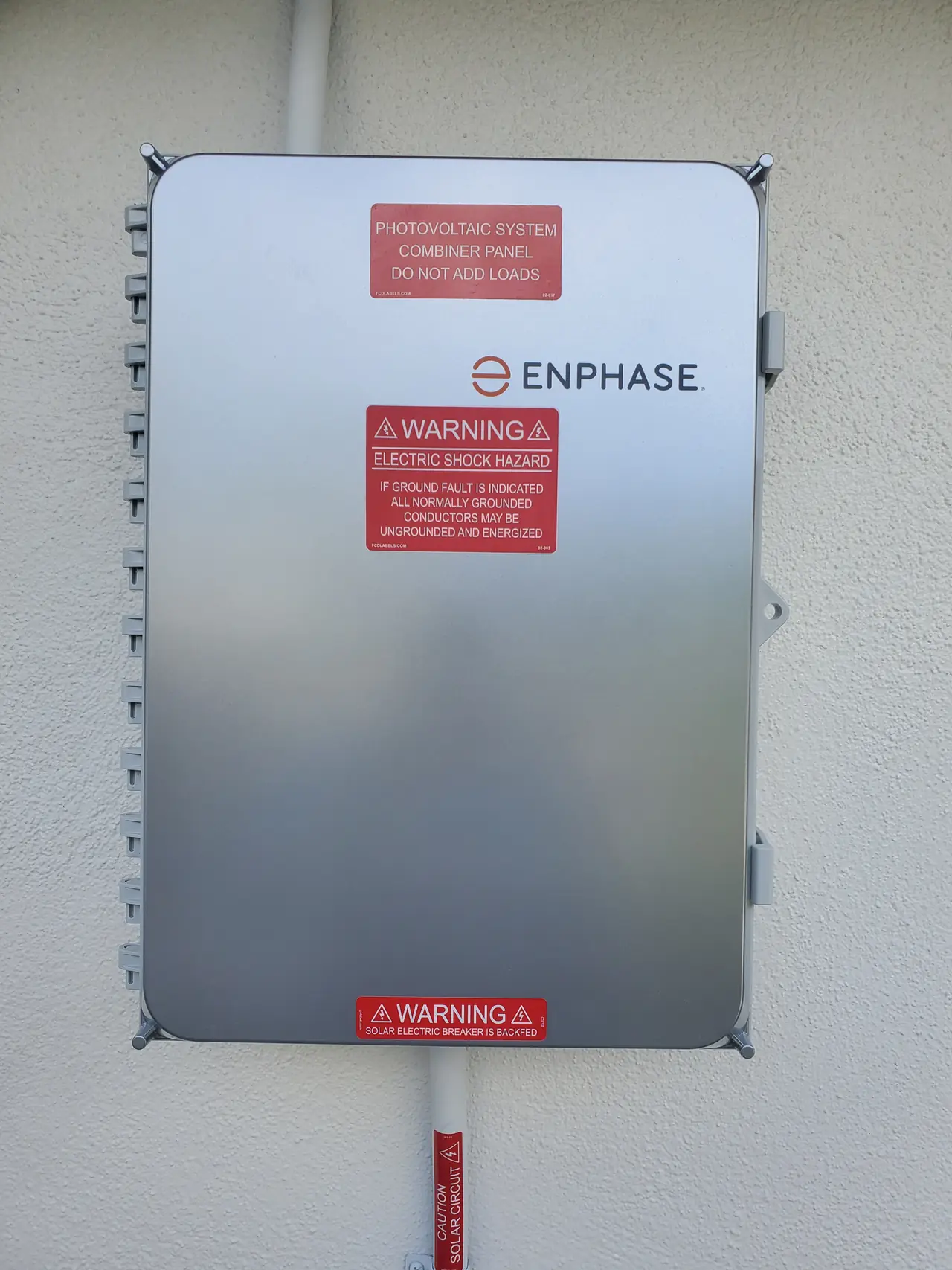
The design side is straightforward by comparison: 8.14 kilowatts DC and 8.07 AC against an estimated 13,660 kilowatt-hours in the first year, which the proposal put at 111 percent of what the house was using.
Interconnection application in April 2022, site assessment closed two days later, interconnection review completed at the start of June, net meter later that month.
How it ran
| March 2022 | System commissioned — every microinverter detected, communicating and producing |
|---|---|
| 5 April 2022 | Interconnection application filed and fee paid |
| 7 April 2022 | Application reviewed; site assessment closed |
| 6 June 2022 | Interconnection review completed |
| 24 June 2022 | Net meter set |
The dates run from commissioning through the utility's interconnection process to the net meter.
What we did
- Designed the array across several planes of the shingle roof rather than one block.
- Installed twenty-two modules, each with its own microinverter.
- Commissioned the system unit by unit: detected, communicating, grid profile set, producing.
- Confirmed the count on the gateway matched the count on the roof before handover.
- Set up per-module monitoring so a single underperforming module is visible.
- Carried the project through the utility's interconnection review to the net meter.
System specifications
| DC system | 8.14 kW |
|---|---|
| AC system | 8.07 kW CEC |
| Modules | 22 × REC Alpha REC370AA, 370 W |
| Inverters | 22 × Enphase microinverters, one per module |
| Grid profile | IEEE 1547 |
| Monitoring | Enphase, per module |
| Roof | Composition shingle, array across several planes |
| Estimated first-year production | 13,660 kWh |
| Battery | None |
| Utility / AHJ | LADWP / LADBS |
Is your project like this one?
- Your roof faces more than one direction or has shade on part of it.
- You want to see how each panel is performing, not just the system total.
- You want to know what handover actually includes.
- You have been offered a string inverter and want to understand the difference.
- Your Chatsworth property is served by LADWP, while permits are handled by LADBS.
Cali Energy in Chatsworth
Chatsworth is inside City of Los Angeles boundaries: permits run through LADBS, interconnection through LADWP.
Houses here are large enough that an array runs across several roof planes, which is exactly the case for per-module electronics.
This installation is on the Chatsworth projects page alongside the others, and what the work covers is set out on the Chatsworth service area page.
- License and classifications: CSLB #1032379
- Official reference for this process: Enphase system commissioning guide
Frequently asked questions
What does commissioning a solar system involve?
With microinverters, each unit is detected by the gateway, brought into communication, given the grid profile the utility requires and confirmed to be producing power. On this project that was twenty-two units. The gateway reports counts at each stage, and those counts have to match the number of modules on the roof.
Why put an inverter under every panel?
Because the roof is not one surface. On this house the array runs across several planes, so groups sit at different angles and pick up shade at different times. Per-module electronics keep one group from pulling down another, and they make each module visible in monitoring on its own.
What is a grid profile and why does it matter?
It is the set of voltage and frequency rules the equipment follows when it is connected to the utility — on this system the IEEE 1547 profile. It has to be written to every unit, not just to the gateway, which is one of the steps that turns an installed array into a commissioned one.
Does Cali Energy hand over monitoring in Chatsworth?
Yes. Monitoring is set up and handed to the owner as part of the job, so production can be watched from the first day the system runs. Chatsworth is inside City of Los Angeles boundaries, so permits run through LADBS and interconnection through LADWP.
What this would look like on your roof
Planning solar in Chatsworth? Tell us your utility, your roof and what your bill looks like now, and we will model what a system like this would do on your house before you commit to anything.
Or call +1 (323) 844-7777 · Cali Energy, Northridge · CSLB #1032379 (B, C-10, C-39) — design, permits, install and electrical under one licensed contractor.
Related
This timeline reflects this property and this permitting path. Updated September 2026.