Altadena, CA · July 2025
The block goes dark. Her house doesn't.
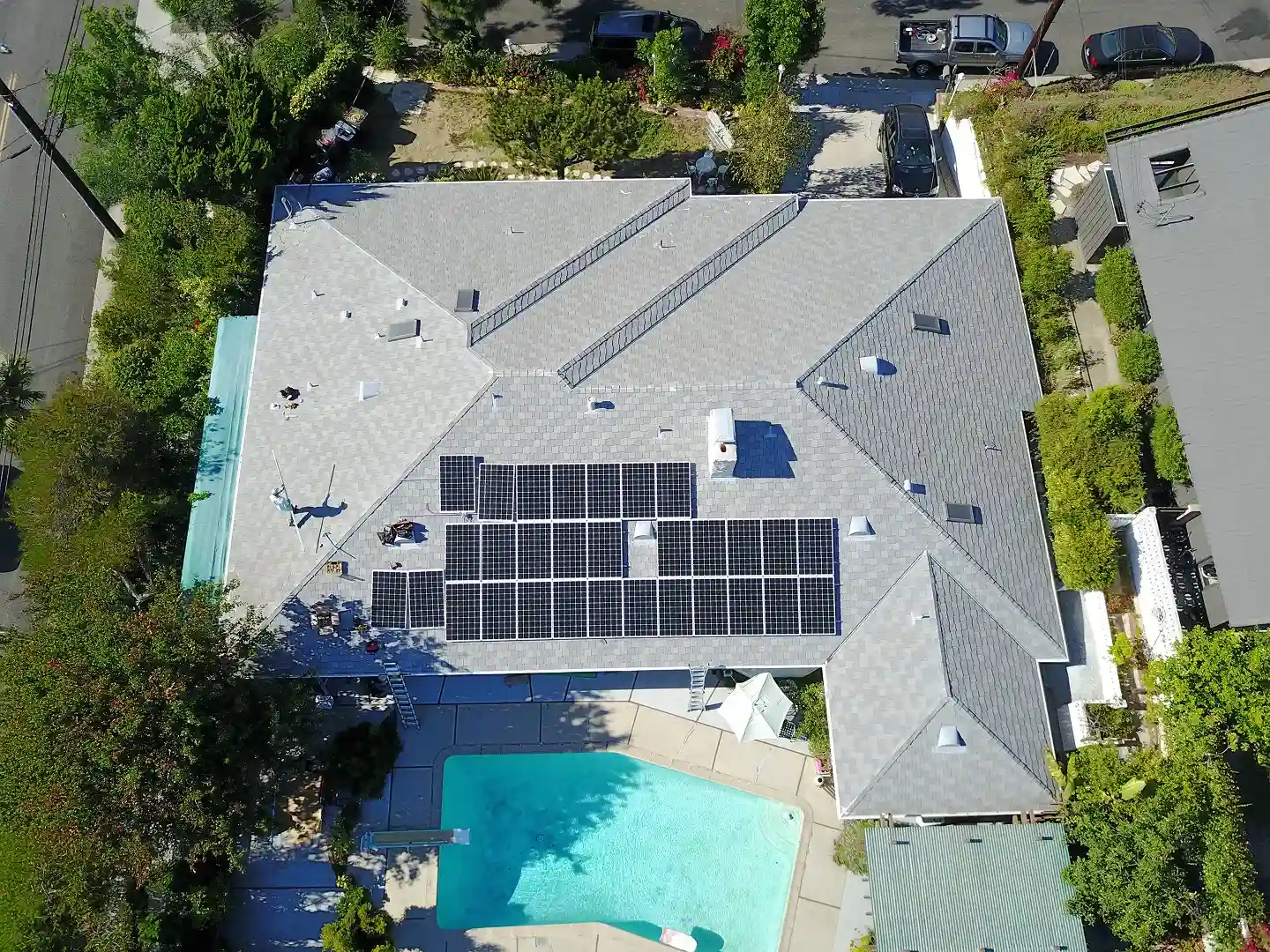
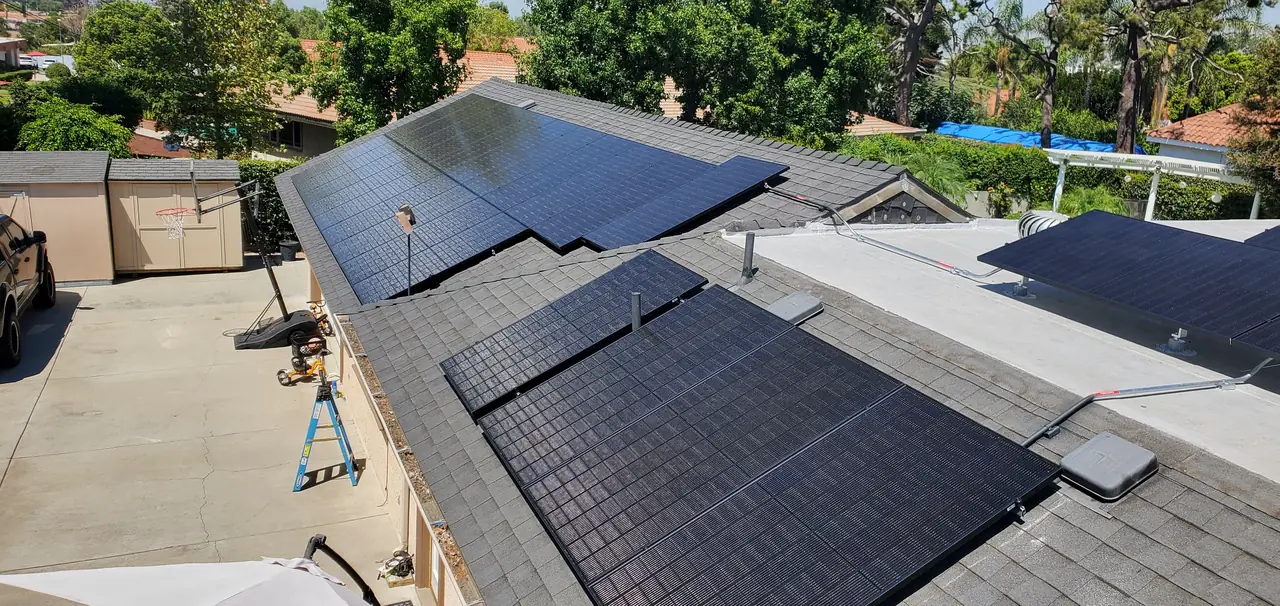
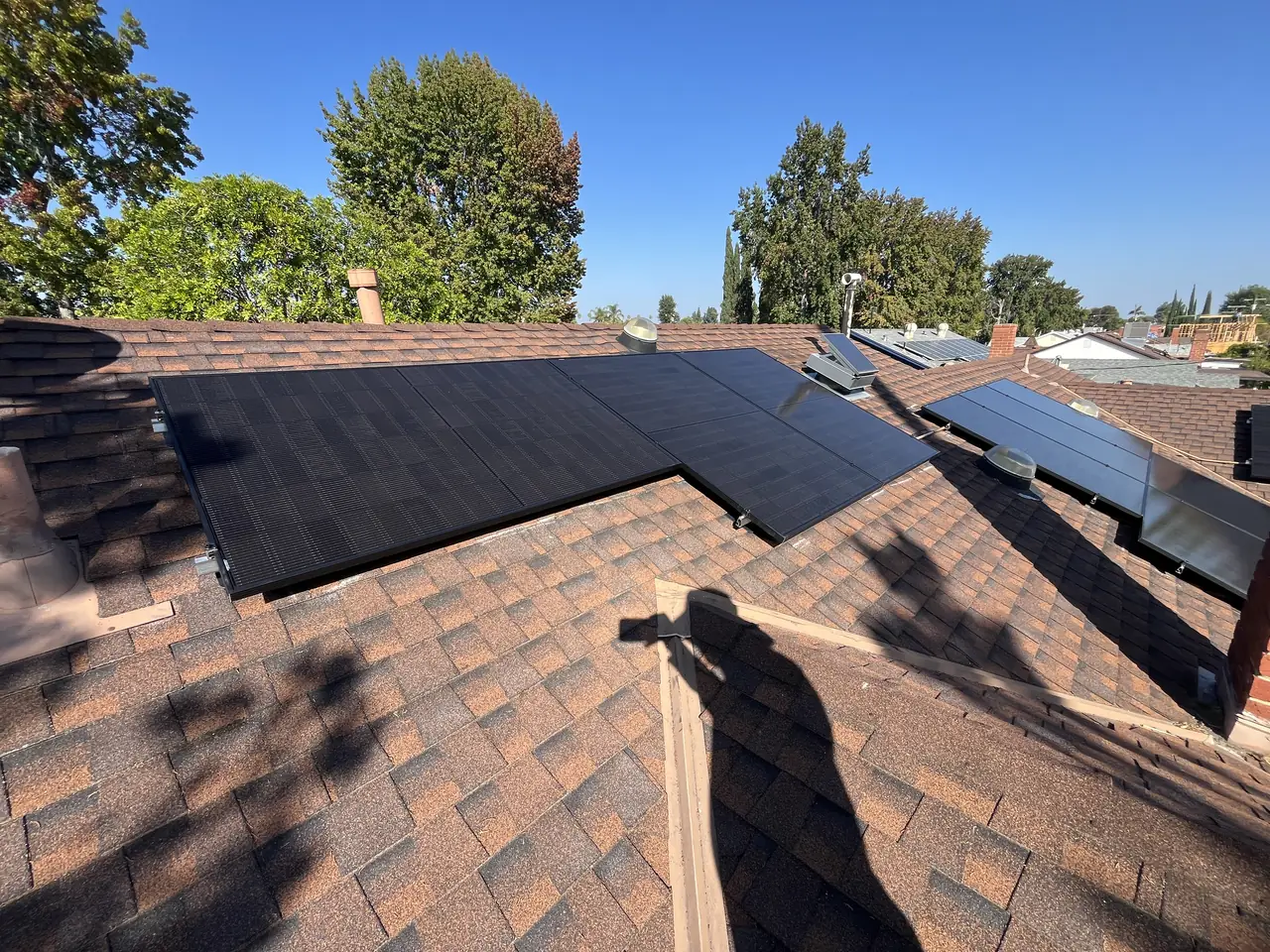
26.7 kW of solar feeding 38 kWh of battery storage in Altadena — a system big enough that the grid becomes optional.
At a glance
- DC System
- 26.7 kW
- AC System
- 22.8 kW
- Latest Array
- 45 × 435 W
- Total Storage
- 38+ kWh
- Backup
- Whole-home
- Service Panel
- 225 A (rebuilt)
- Utility / AHJ
- SCE / LACoFD
- Energized
- July 2025
The story
Maya didn't plan to become independent from the grid. Altadena made her.
By 2024 the Public Safety Power Shutoffs had stopped being news in her neighborhood. They were a calendar item — alongside dentist appointments and Costco runs. The wind would pick up, SCE would pull the lines, and the block would go dark for twelve hours, sometimes thirty-six. Her freezer would slowly defrost. Her two EVs would stop charging mid-cycle. Her neighbors would post angry updates on Nextdoor.
She'd had enough.
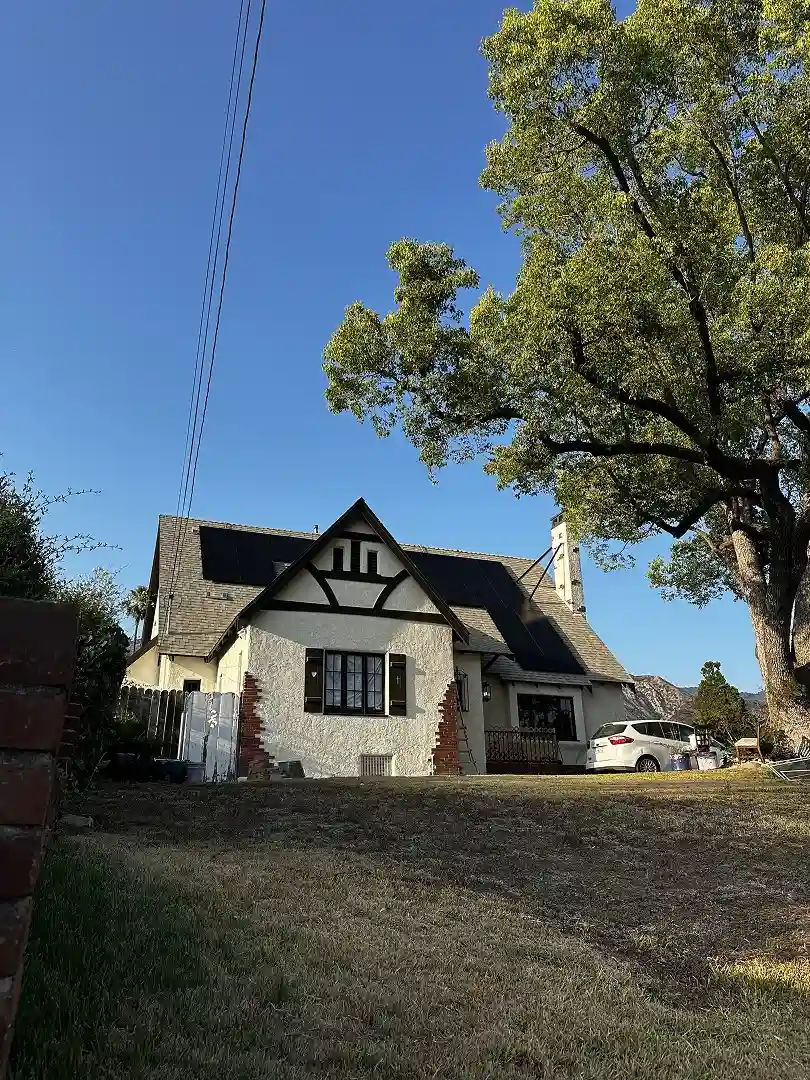
The house was already in the middle of a full renovation — rewired, two new bedrooms in the attic, a rebuilt service panel — so adding solar wasn't the question. The question was how big. Her answer: big enough that the grid becomes optional.
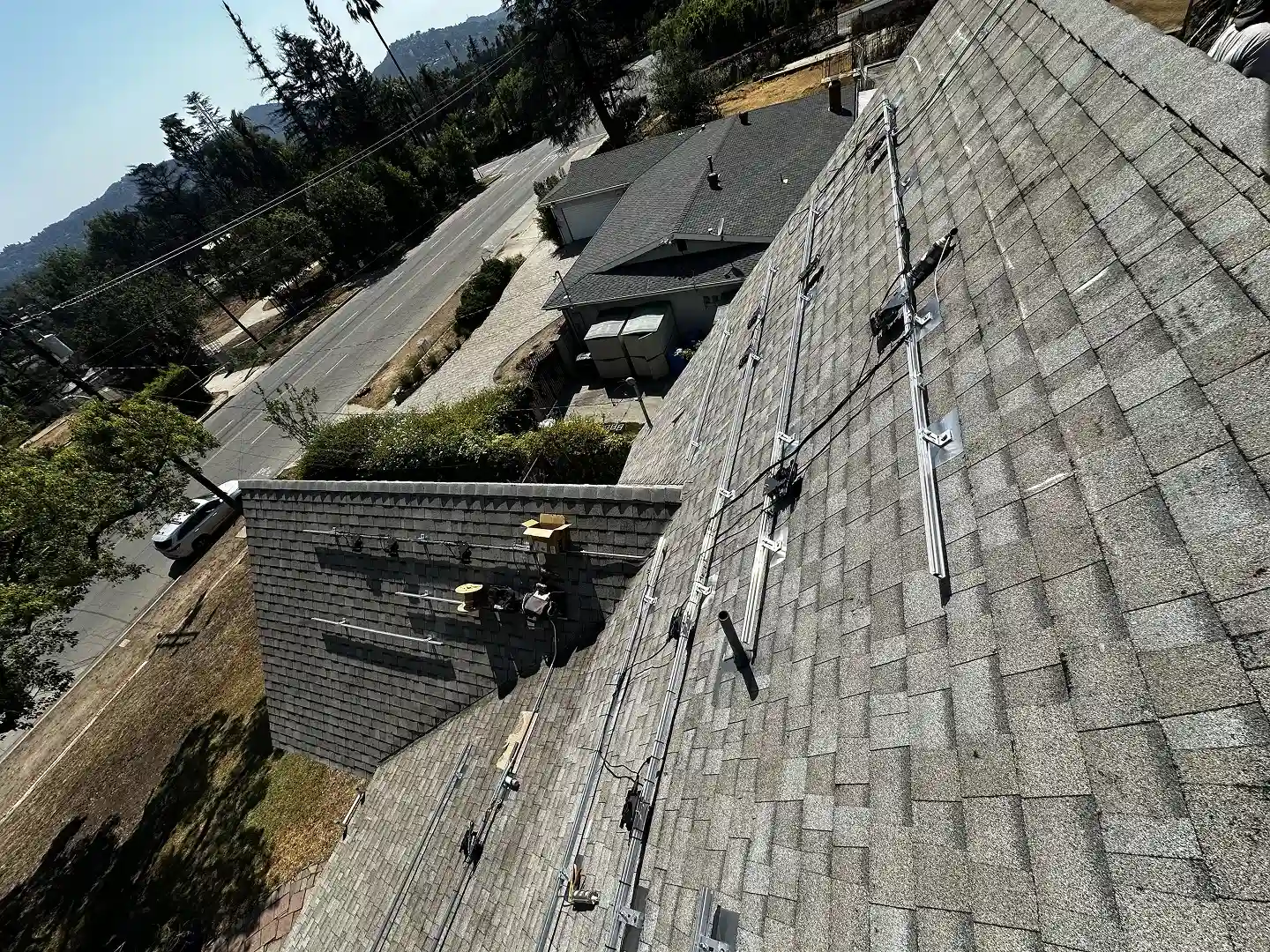
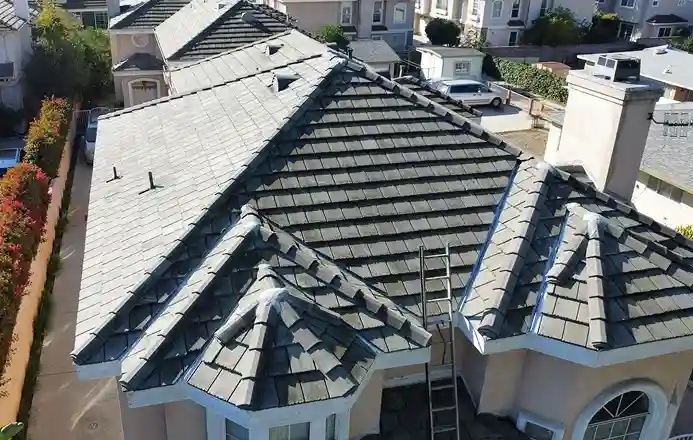
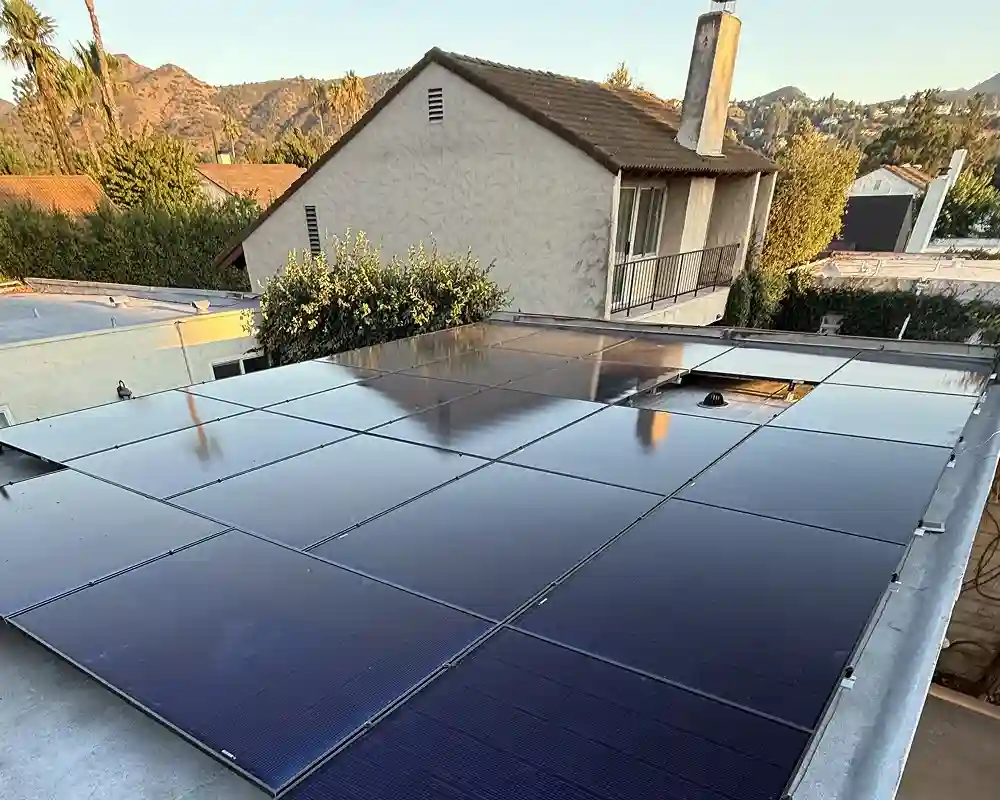
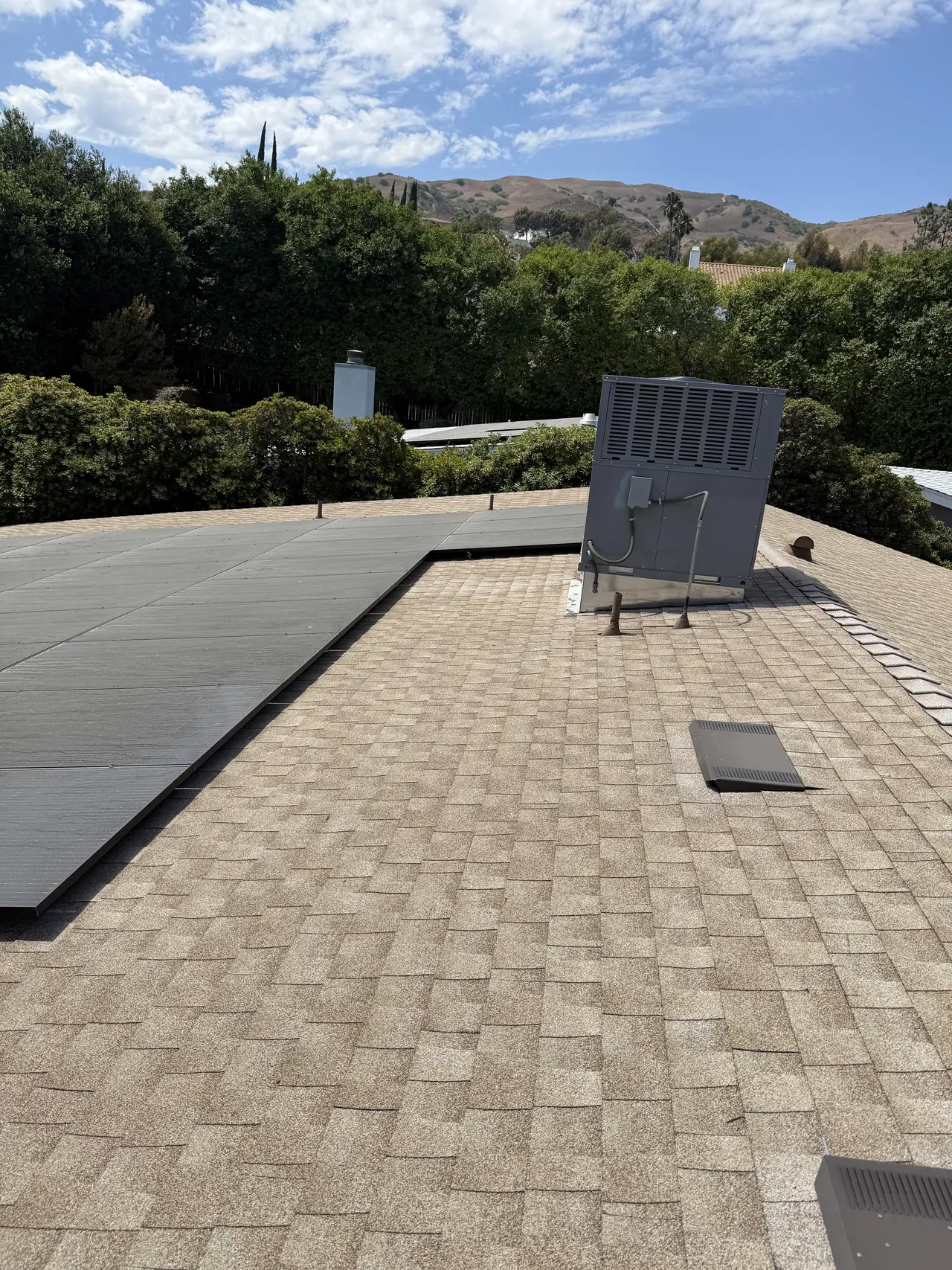
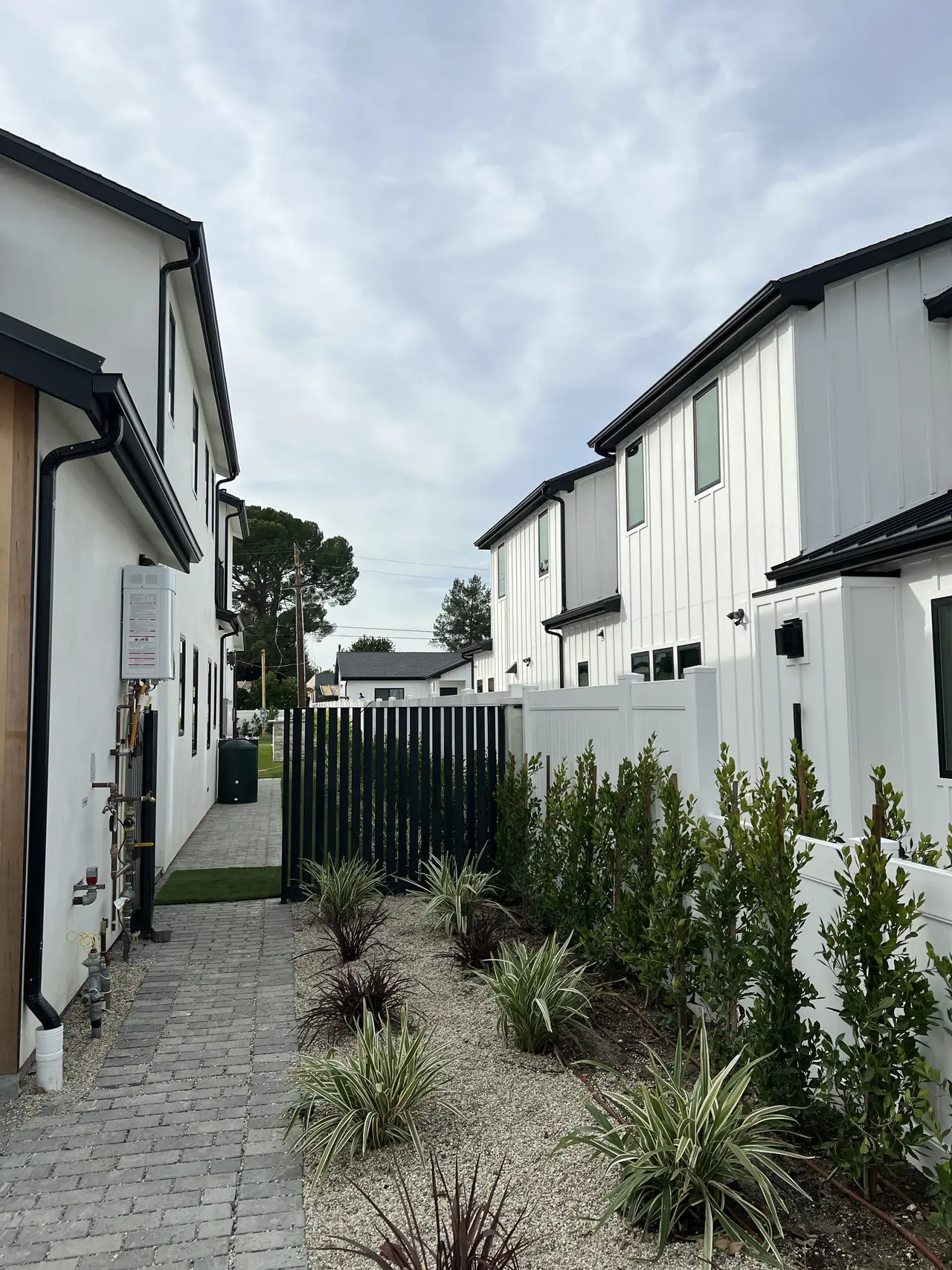
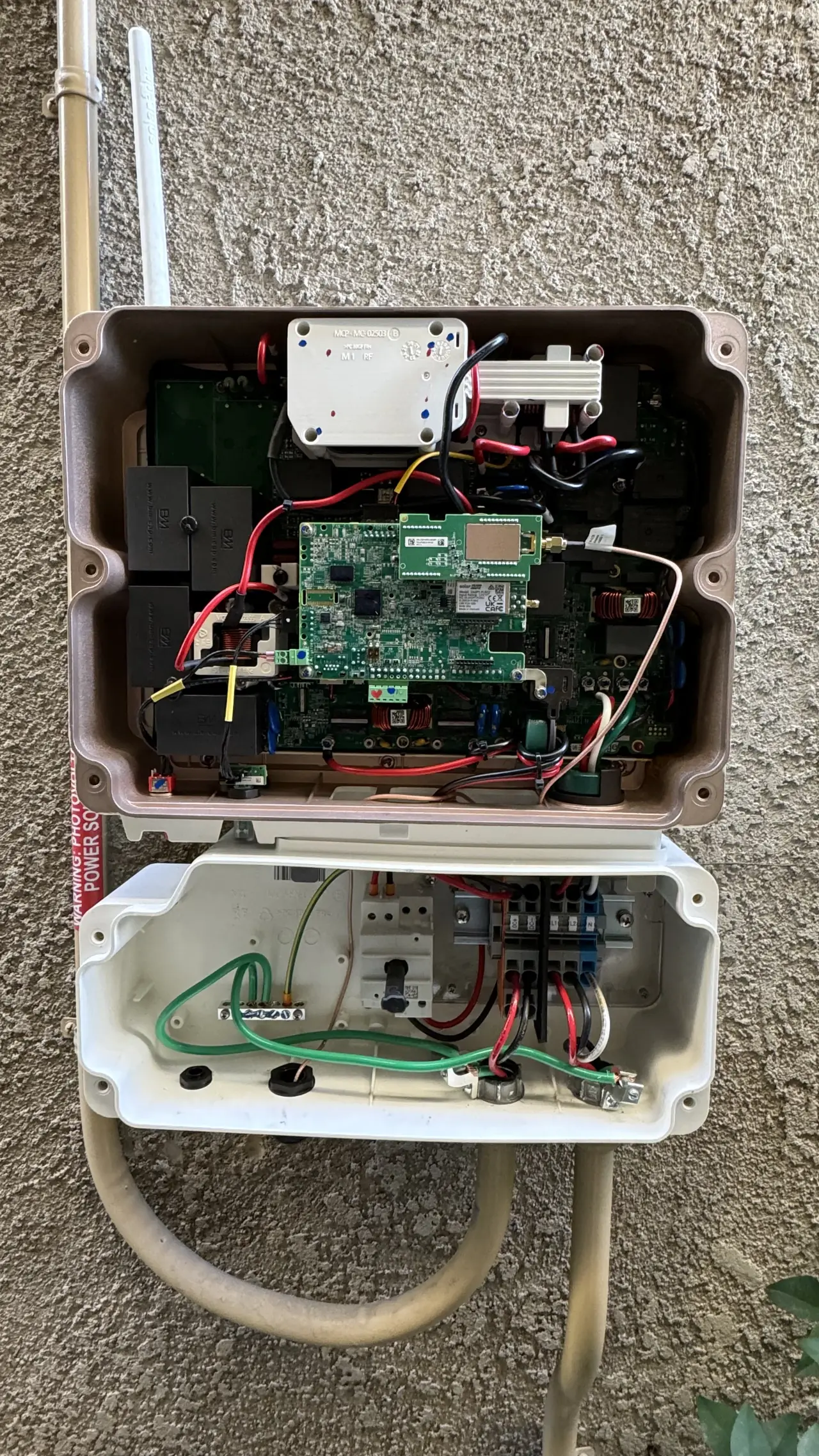
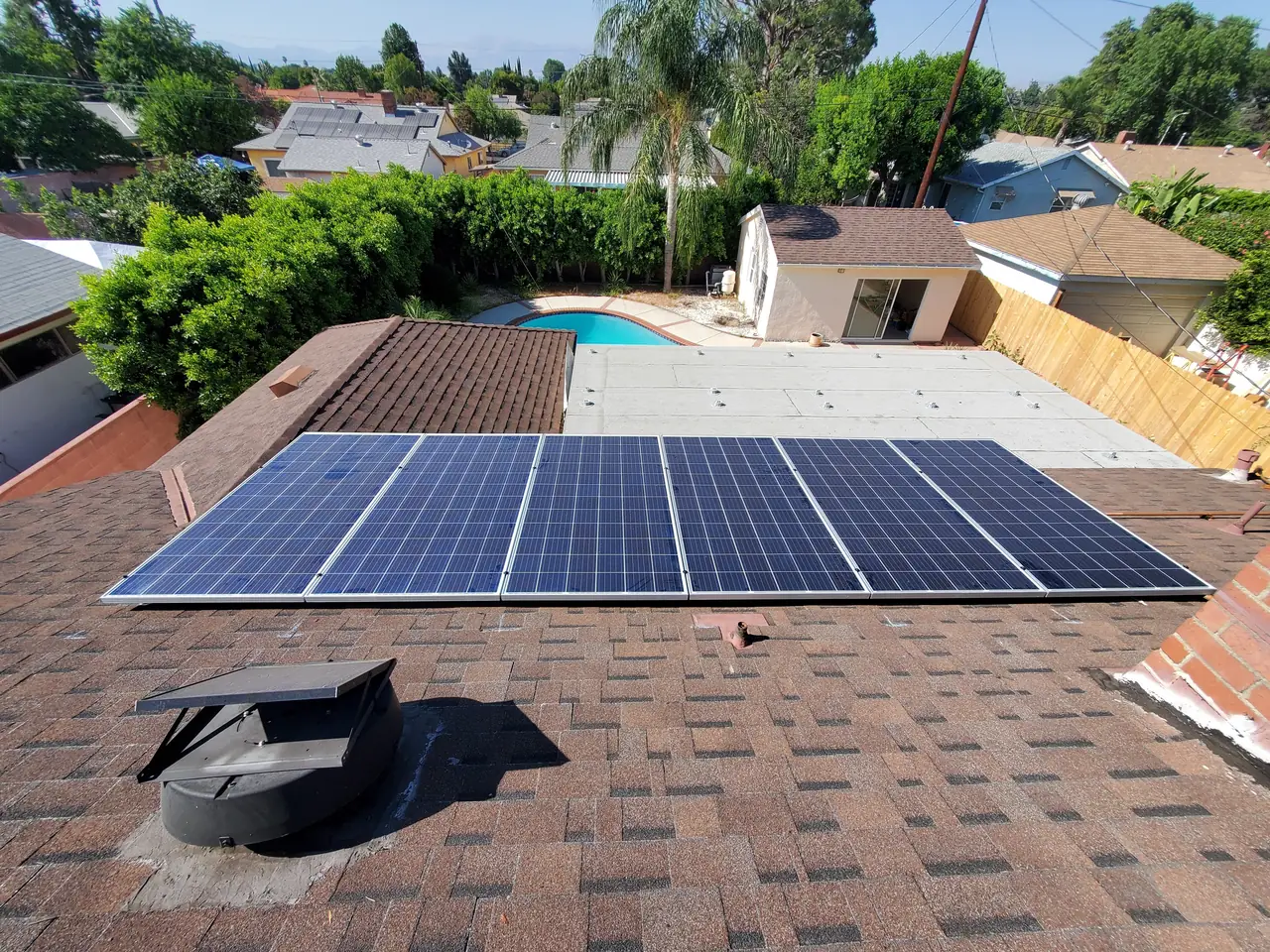
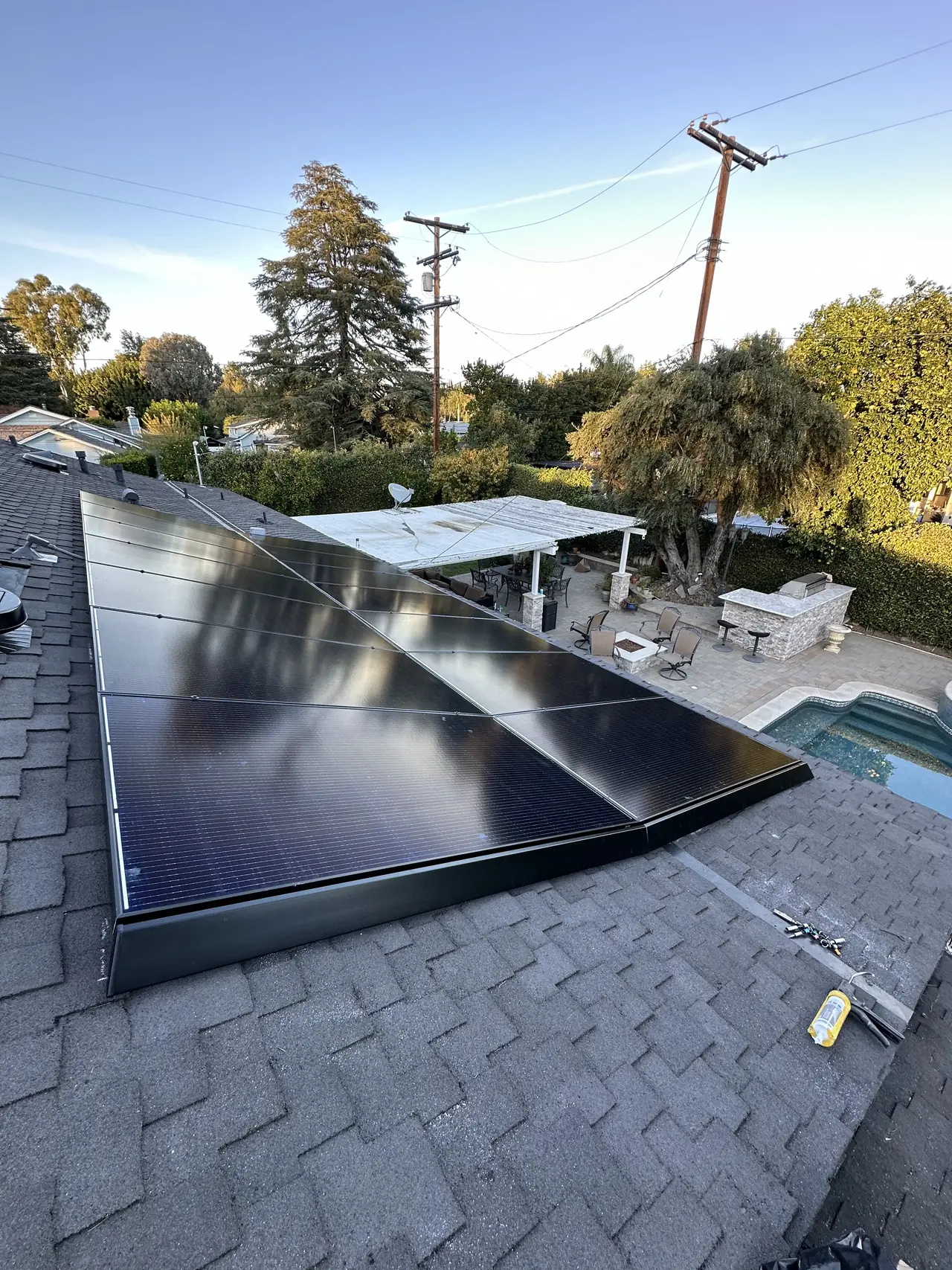
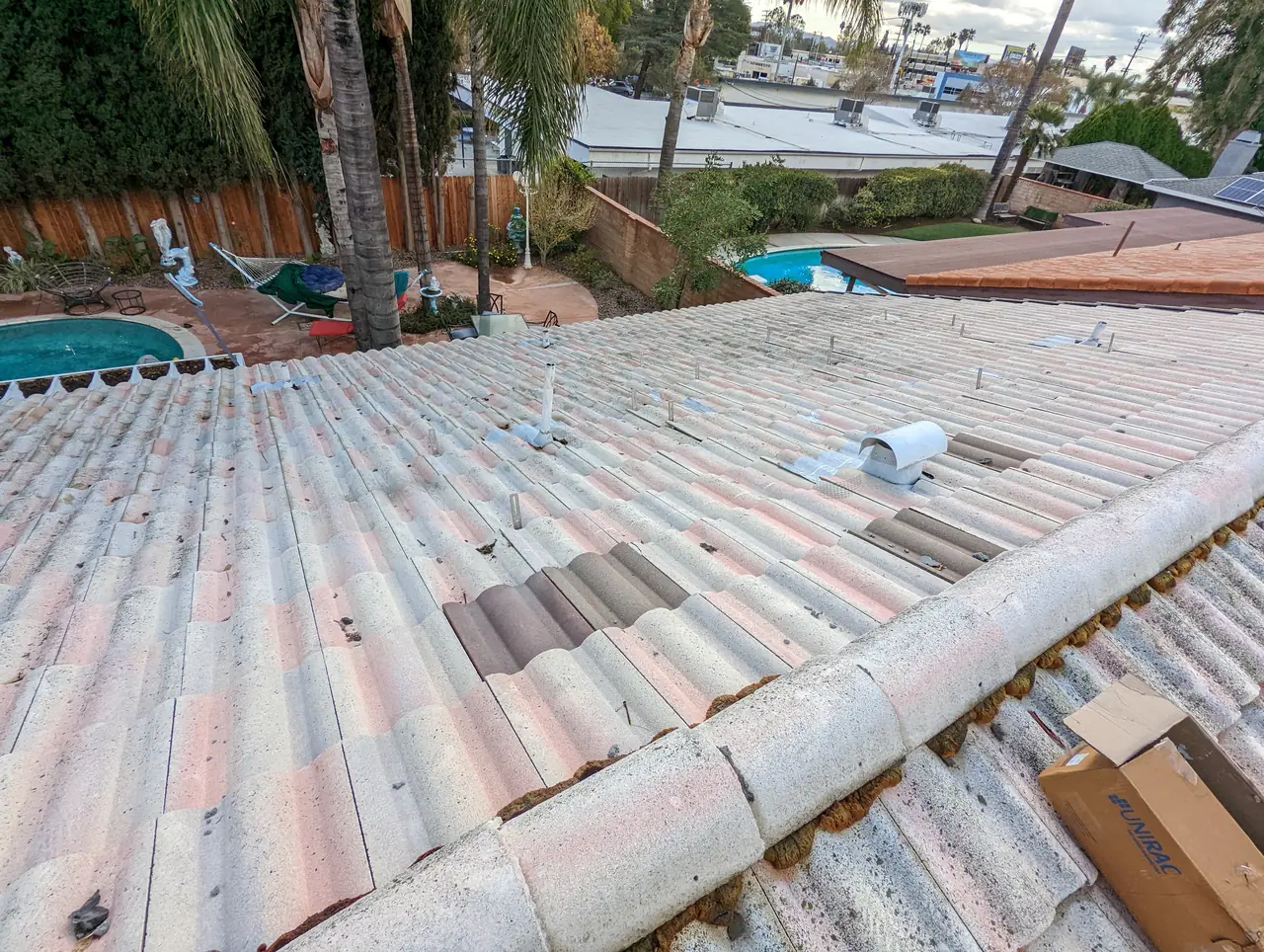
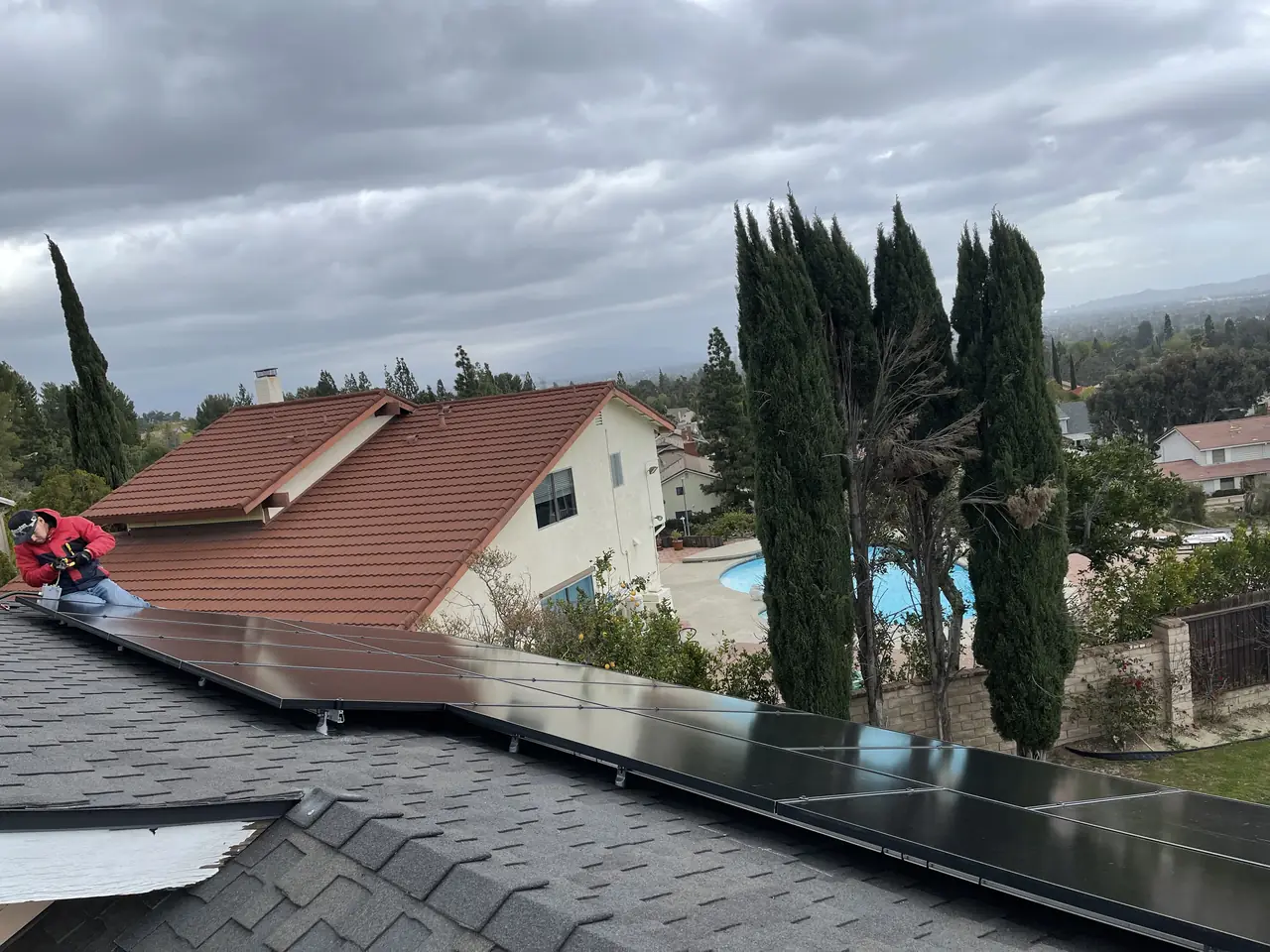
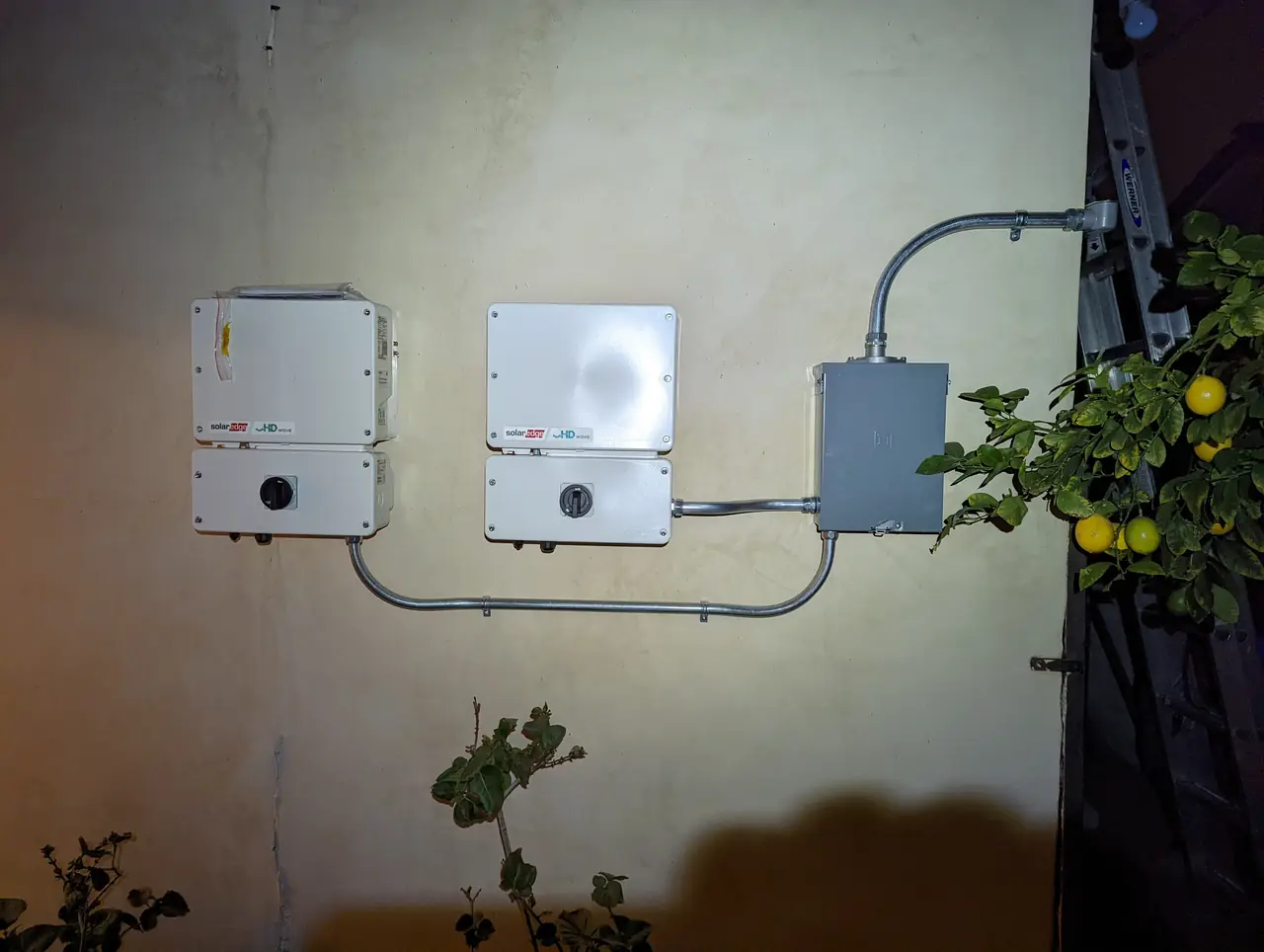
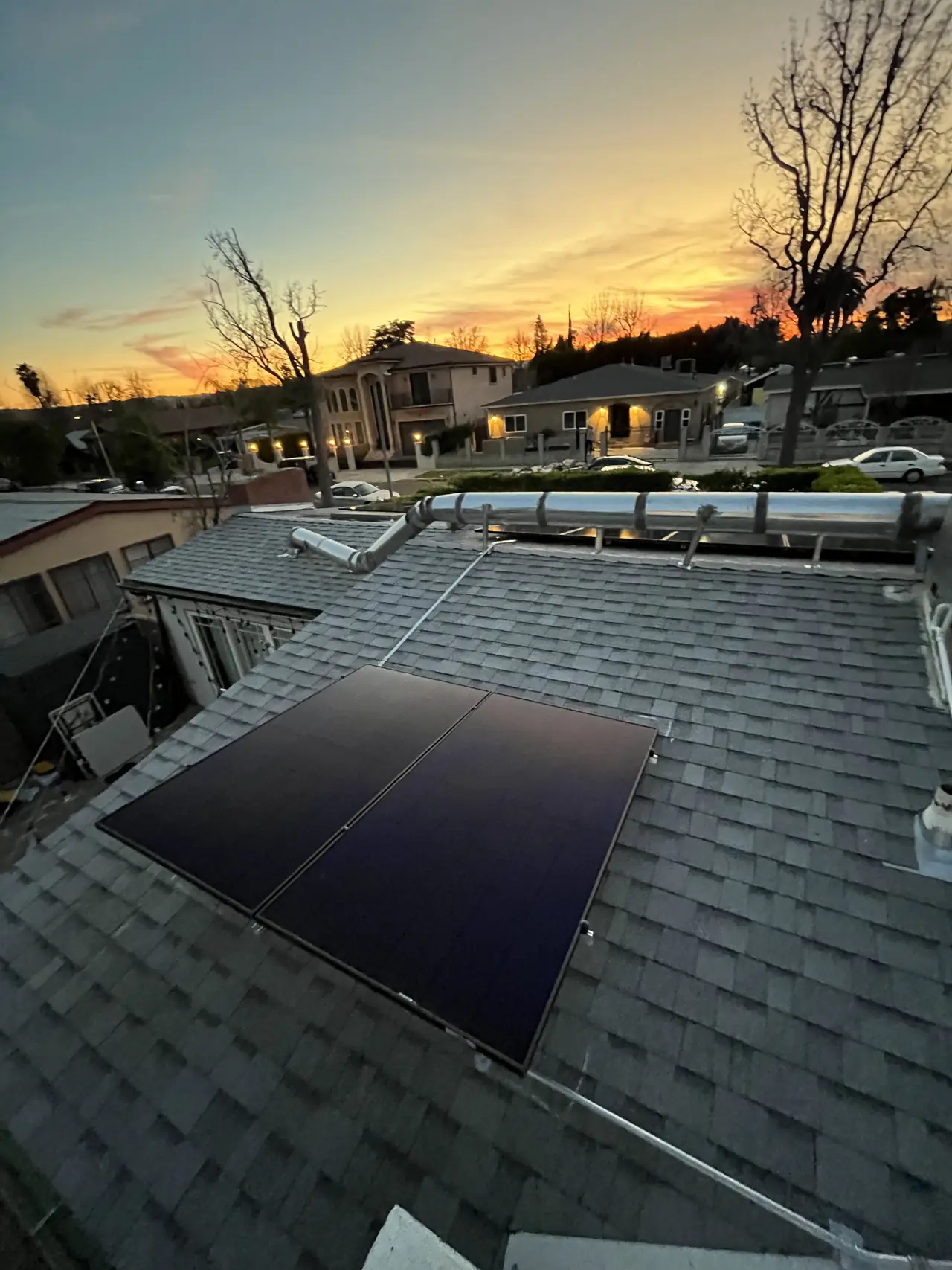
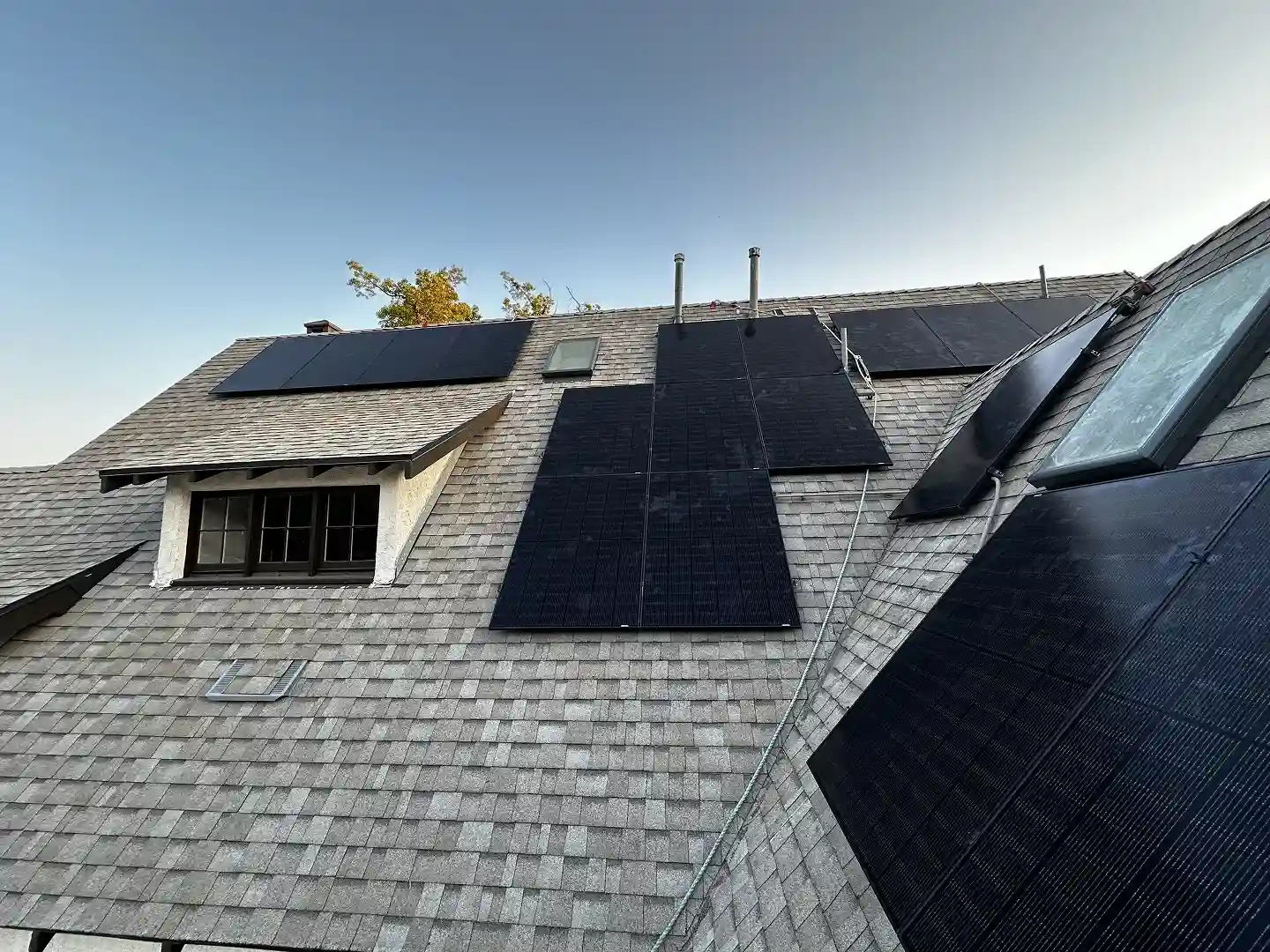
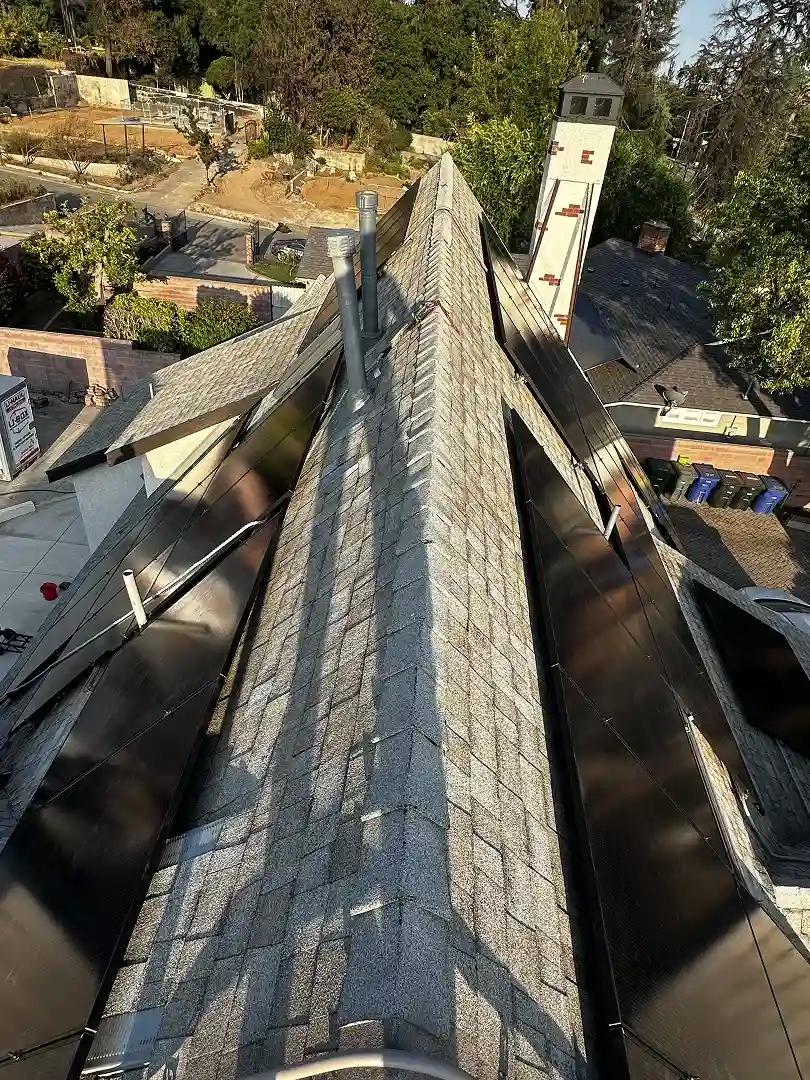
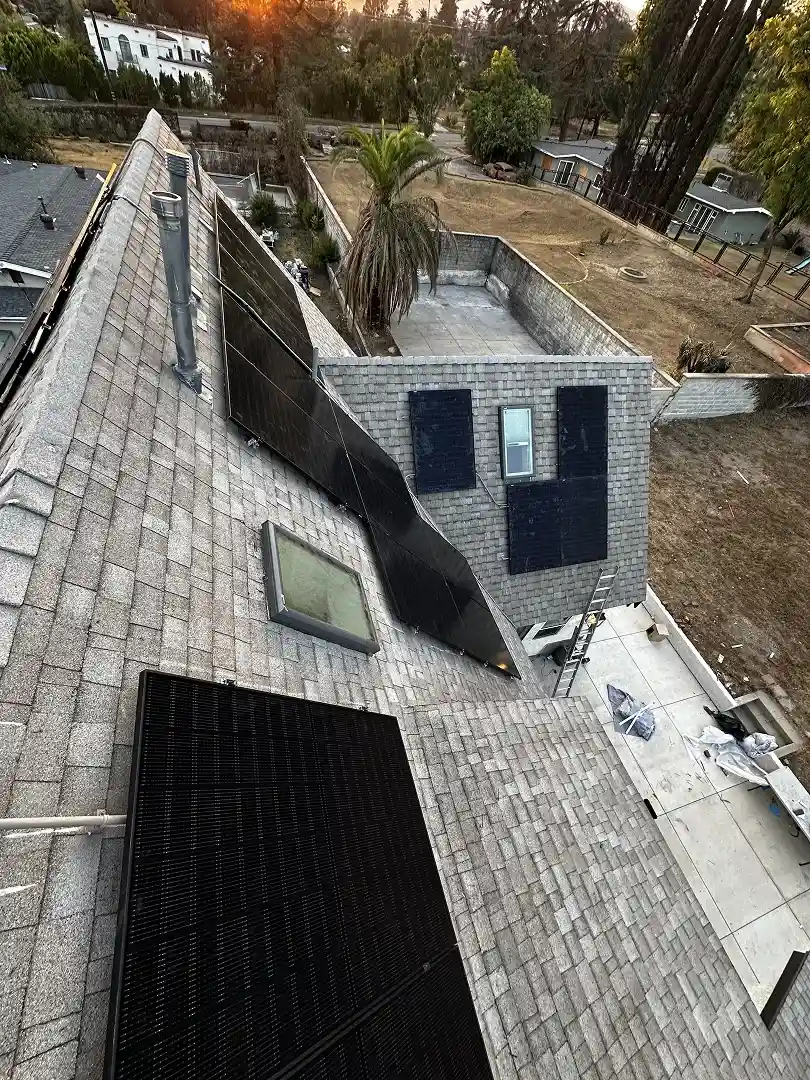
Solar panels went up across three faces of the new roof — north, east, south — totaling 26.7 kilowatts of DC. Three Enphase batteries on the back wall alongside a Tesla Powerwall 3 with its Expansion Pack. Total storage: more than thirty-eight kilowatt-hours of usable capacity. Whole-home backup through a Tesla Backup Switch. A 225-amp service panel rebuilt to hold all of it.
The next time SCE pulled the lines on her block, Maya found out from a neighbor the morning after. Her refrigerator had stayed cold all night. Both EVs had finished charging on schedule. Her lights had never flickered. The house ran for eighteen hours on stored solar; by noon the batteries were full again. The grid came back that evening. By then she'd already stopped caring whether it did or not.
Frequently asked questions
What's a PSPS, and how often does it happen in Altadena?
PSPS stands for Public Safety Power Shutoff. Southern California Edison preemptively cuts power during high-wind or high-fire conditions to prevent ignition from utility lines. Altadena sits in a Tier 3 High Fire-Threat District, so events happen two to six times a year — typically twelve to forty-eight hours each, concentrated in summer and fall. For most homes on the block it means a freezer to clean out and an inconvenient day. For a home with solar plus enough storage, it means nothing at all.
How long can a battery system actually power a home during a PSPS?
Depends on storage size and household load. At thirty-eight kilowatt-hours of usable storage and an average draw of roughly two kilowatts, this system runs about eighteen to twenty hours on the batteries alone. But the more important number is the daytime recharge: with 26.7 kilowatts of solar overhead, the batteries top back up by noon on a clear day. So as long as the sun keeps rising, the system keeps going — regardless of what the grid is doing.
What's the difference between backup power and grid independence?
A typical backup system runs your essentials — fridge, lights, a few outlets — for four to twelve hours during an outage. Grid independence means producing enough solar to recharge a battery bank every day, so the system can cover full household load indefinitely as long as the sun is up. That requires both a large enough array (typically 15+ kW for a premium home with EVs) and storage rated to cover one to two days of full consumption. Most homes don't need that level. The ones in PSPS territory increasingly do.
What this would look like on your roof
Planning solar in Altadena? Tell us your utility, your roof and what your bill looks like now, and we will model what a system like this would do on your house before you commit to anything.
Or call +1 (323) 844-7777 · Cali Energy, Northridge · CSLB #1032379 (B, C-10, C-39) — design, permits, install and electrical by our own crew.