

San Fernando, CA · December 2022 – June 2023 · Southern California Edison / City of San Fernando
Two inverters replaced, and the heat was in the terminals
A commercial system installed by others, two failed inverters swapped under warranty, and then a breaker that kept running hot. The building suspected the wire. The wire was fine.
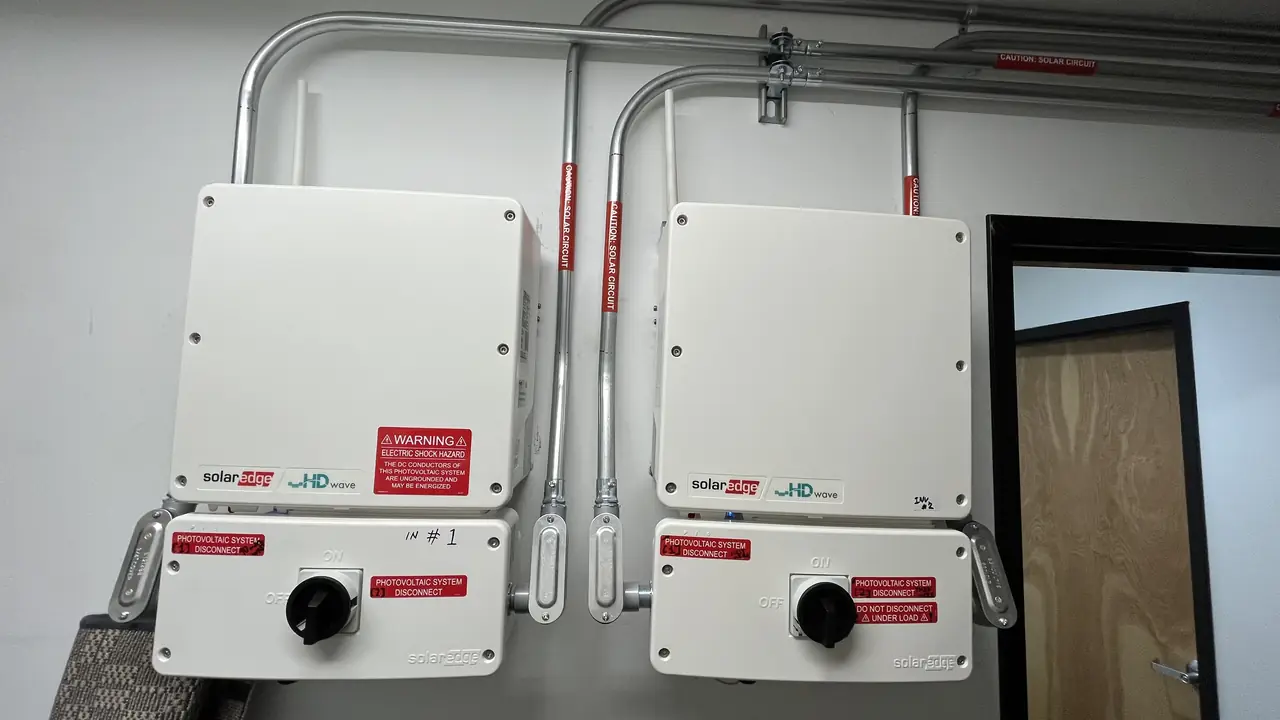
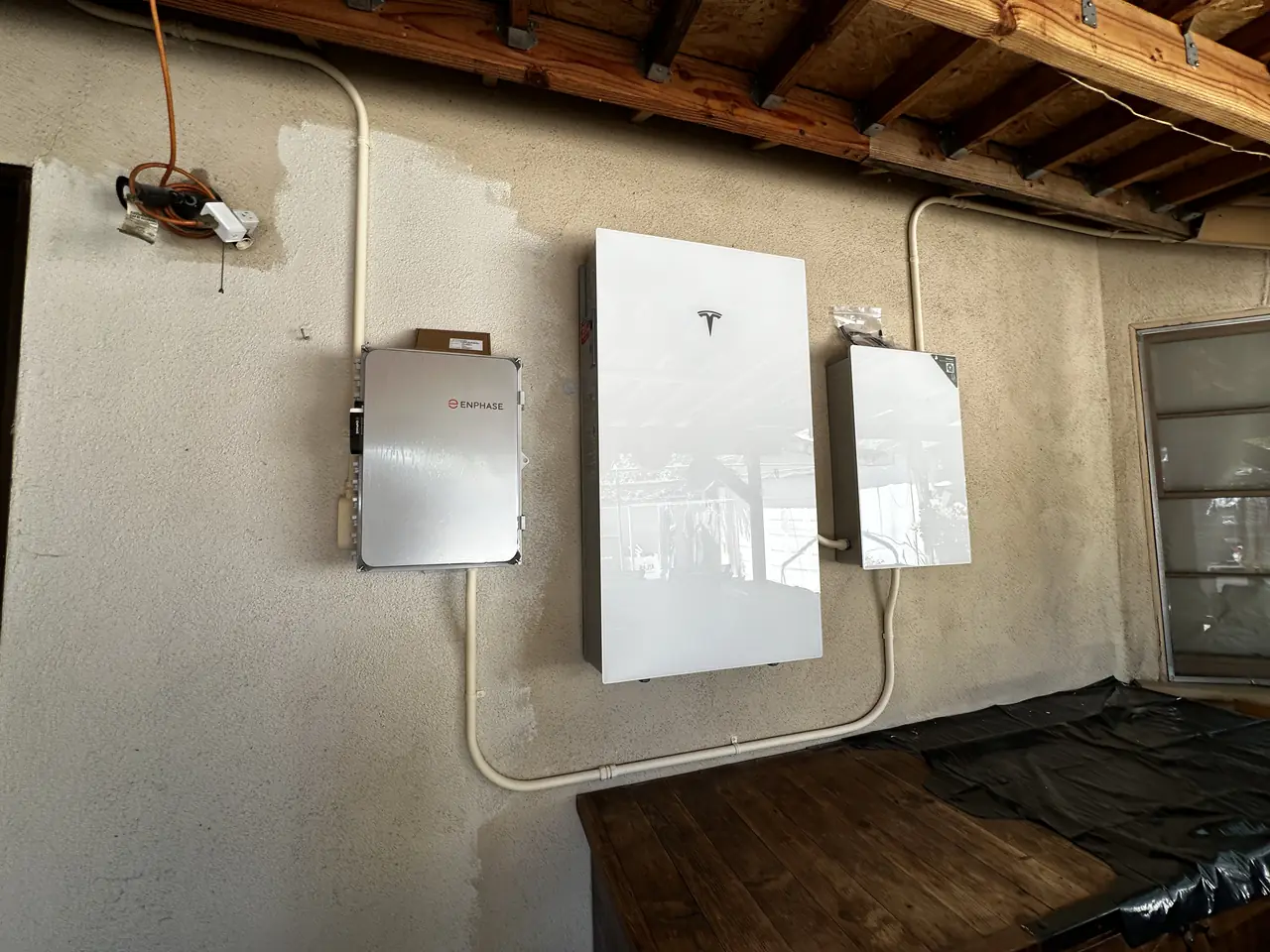
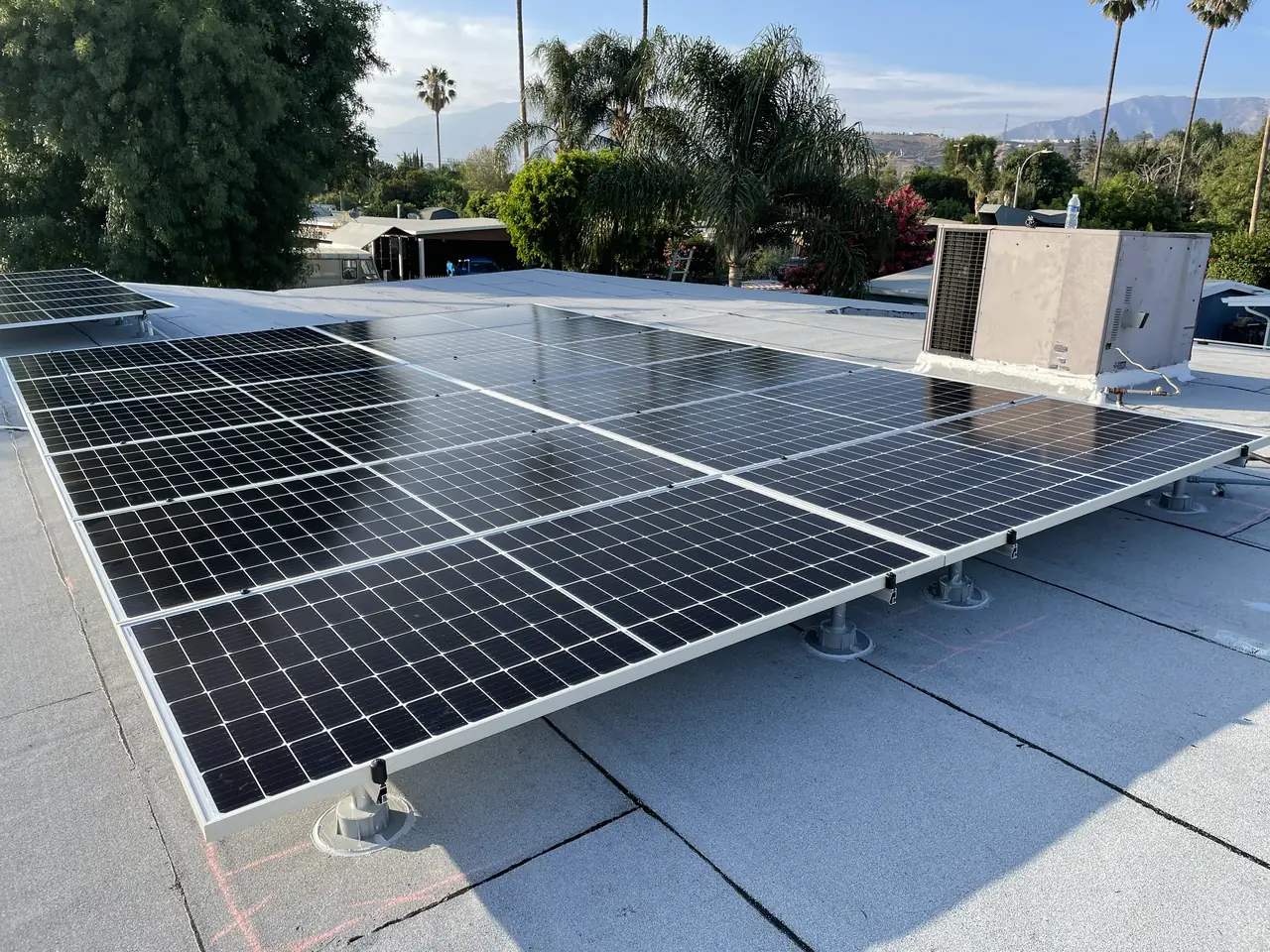
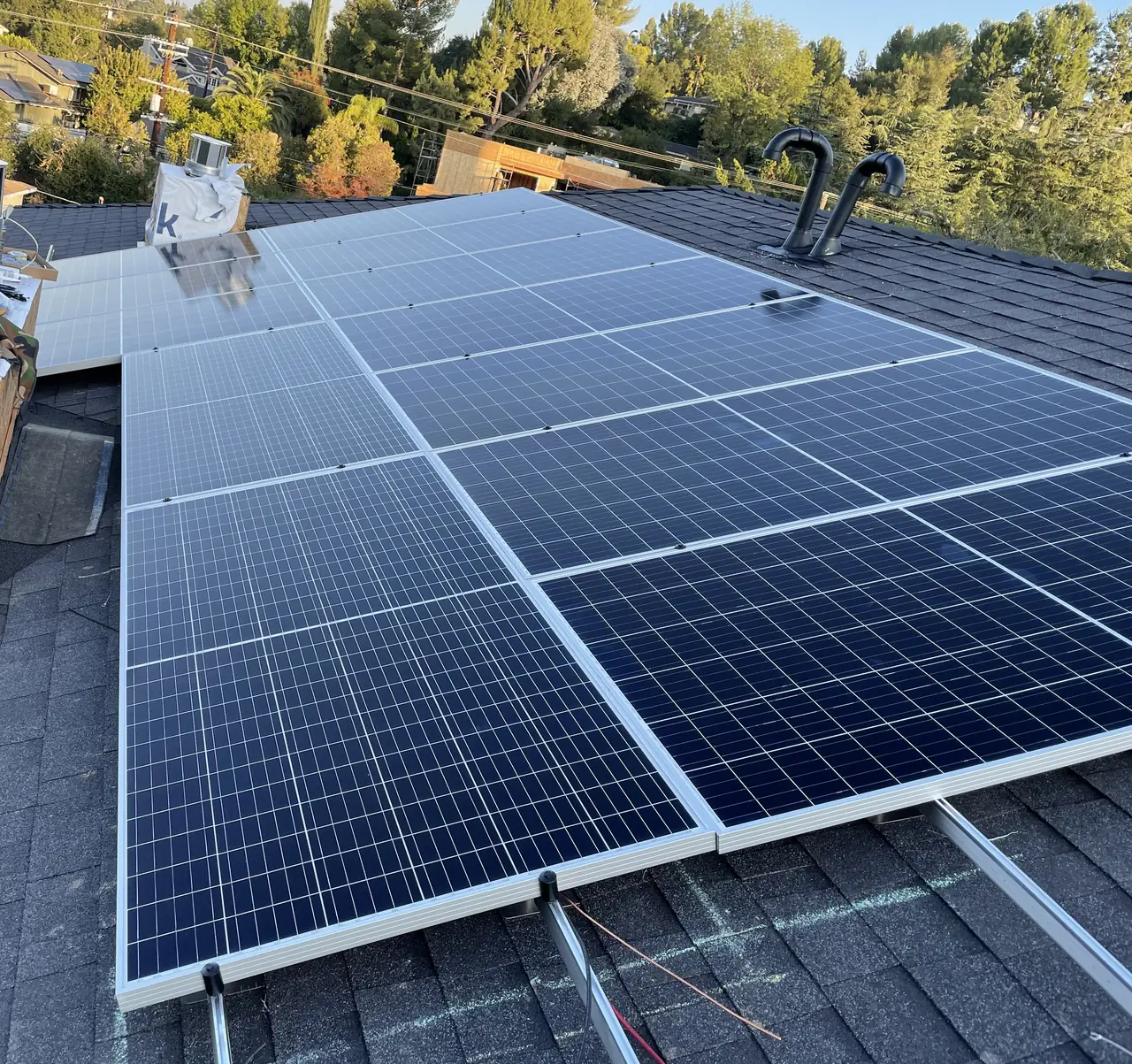
This San Fernando building has a 31.5 kW system with 84 Canadian Solar modules and two SolarEdge inverters, installed by another contractor. Cali Energy was brought in to service it: both inverters were replaced under warranty in December 2022, a second failure in February 2023 got another warranty replacement, and when a breaker started running hot in April the cause turned out to be loose terminations rather than undersized wire. Once the damaged solar breaker was replaced, the system was back online in June 2023.
At a glance
- System
- 31.5 kW, 84 Canadian Solar CS375 modules
- Inverters
- Two SolarEdge SE11400H-US, mounted indoors
- Building
- Commercial
- Our role
- Service: we did not install this system
- Inverters replaced
- 15 December 2022, under warranty
- Second failure
- February 2023, replaced 23 February
- Real cause of the heat
- Loose terminations in both disconnects
- Back online
- June 2023
The story
This system was not ours. It went onto a commercial building in San Fernando before we were involved: 84 Canadian Solar modules feeding two SolarEdge inverters, 31.5 kW in all, with the inverters on an indoor wall. In November 2022 both inverters had failed, the manufacturer had shipped replacements under warranty, and somebody had to put them in.
The inverter swap itself is not complicated. The visit was booked for the start of December, moved once because of rain, and done on 15 December. What takes longer is the part nobody sees. A SolarEdge system reports through the manufacturer's monitoring, and new inverters have to be registered against the site before the monitoring shows what they are doing.
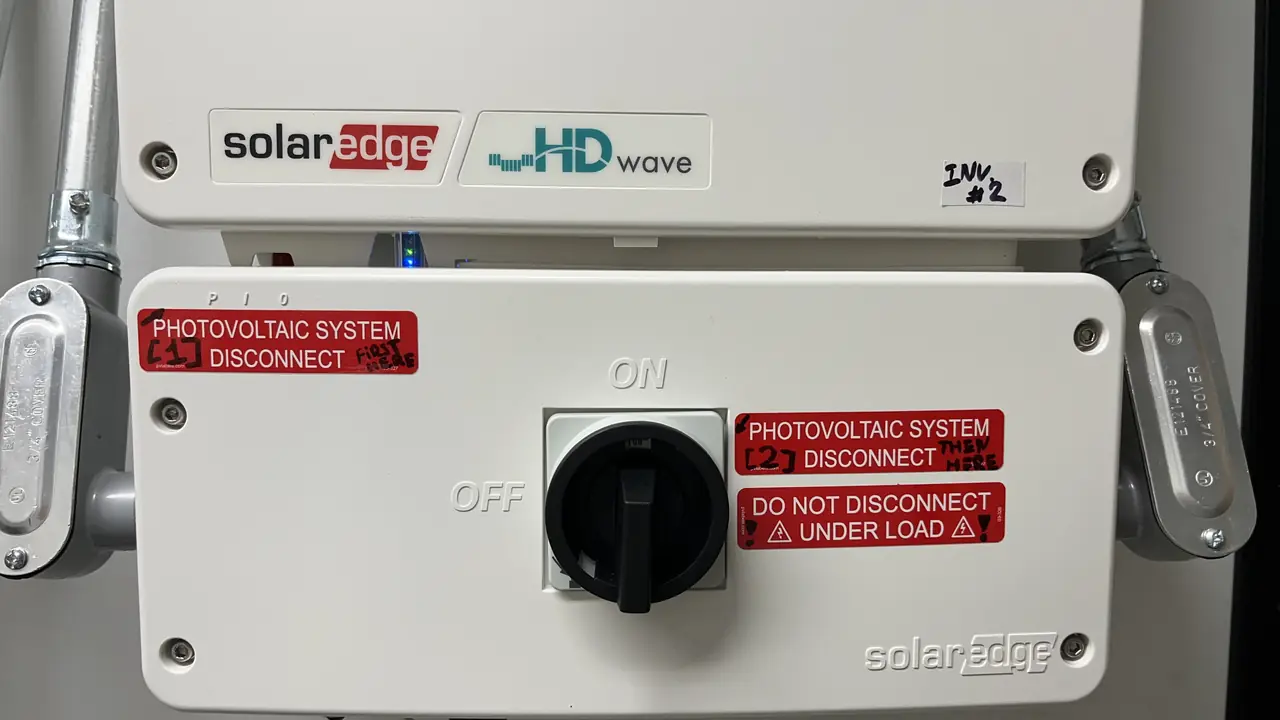
For the next three weeks the monitoring said «idle»: green status lights on the inverters, and no production in the app. On 4 January the manufacturer corrected the problem on its side, remotely. By 9 January every module on the roof was reporting again. That is what module-level monitoring is for: it shows which part of a system has stopped, not only that the total has dropped.
In February one of the inverters failed again. The owner already had the warranty replacement on site, and because the inverters are indoors the work did not have to wait for a dry day. It was replaced on 23 February and checked: everything performed as it should.
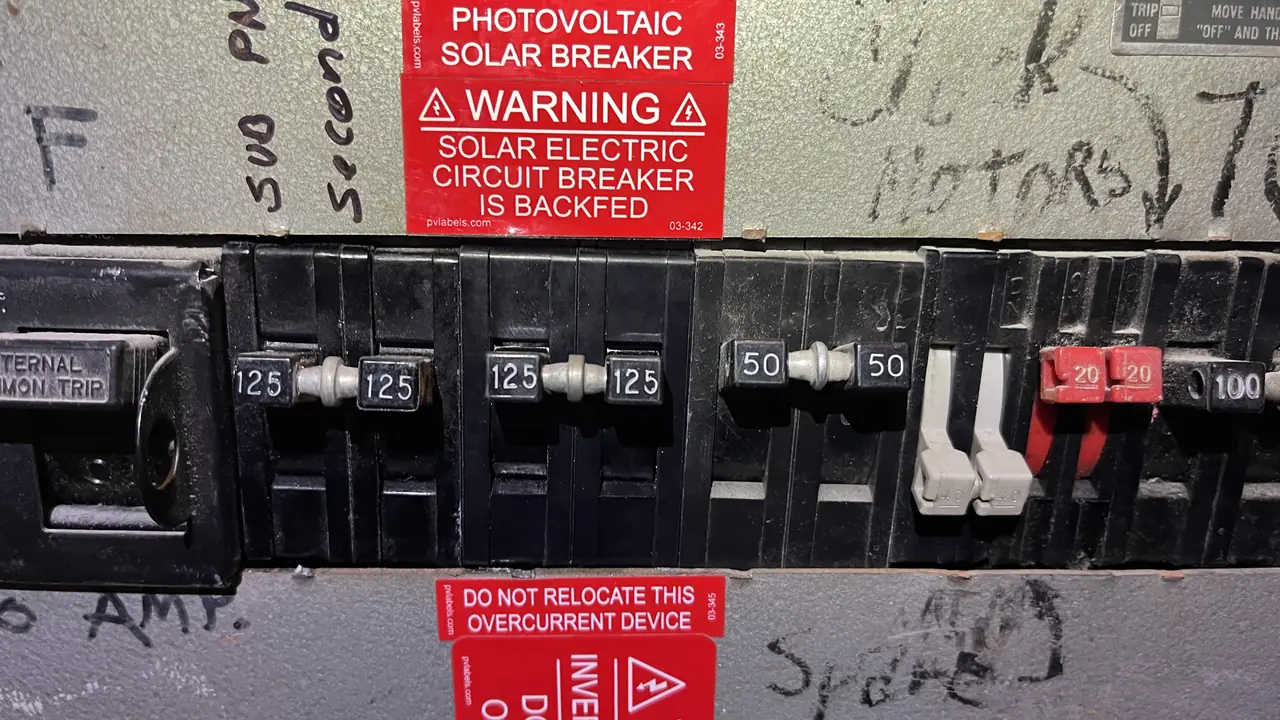
The real problem showed up in April, and it had nothing to do with the inverters. The solar breaker and the wire feeding it were getting hot, and a neighboring breaker for an upstairs suite kept tripping from the heat. The building's working theory was undersized wire, and it wanted the conductors and conduit upsized.
The technician checked before replacing anything. The conductors were #2, heavier than the #4 the building suspected, so the wire was not the problem. What the check found instead was that the terminations in both disconnects, the one near the main panel and the one by the inverters, were loose. A loose termination is a small resistance in the wrong place, and current through it makes heat. Every one was tightened.
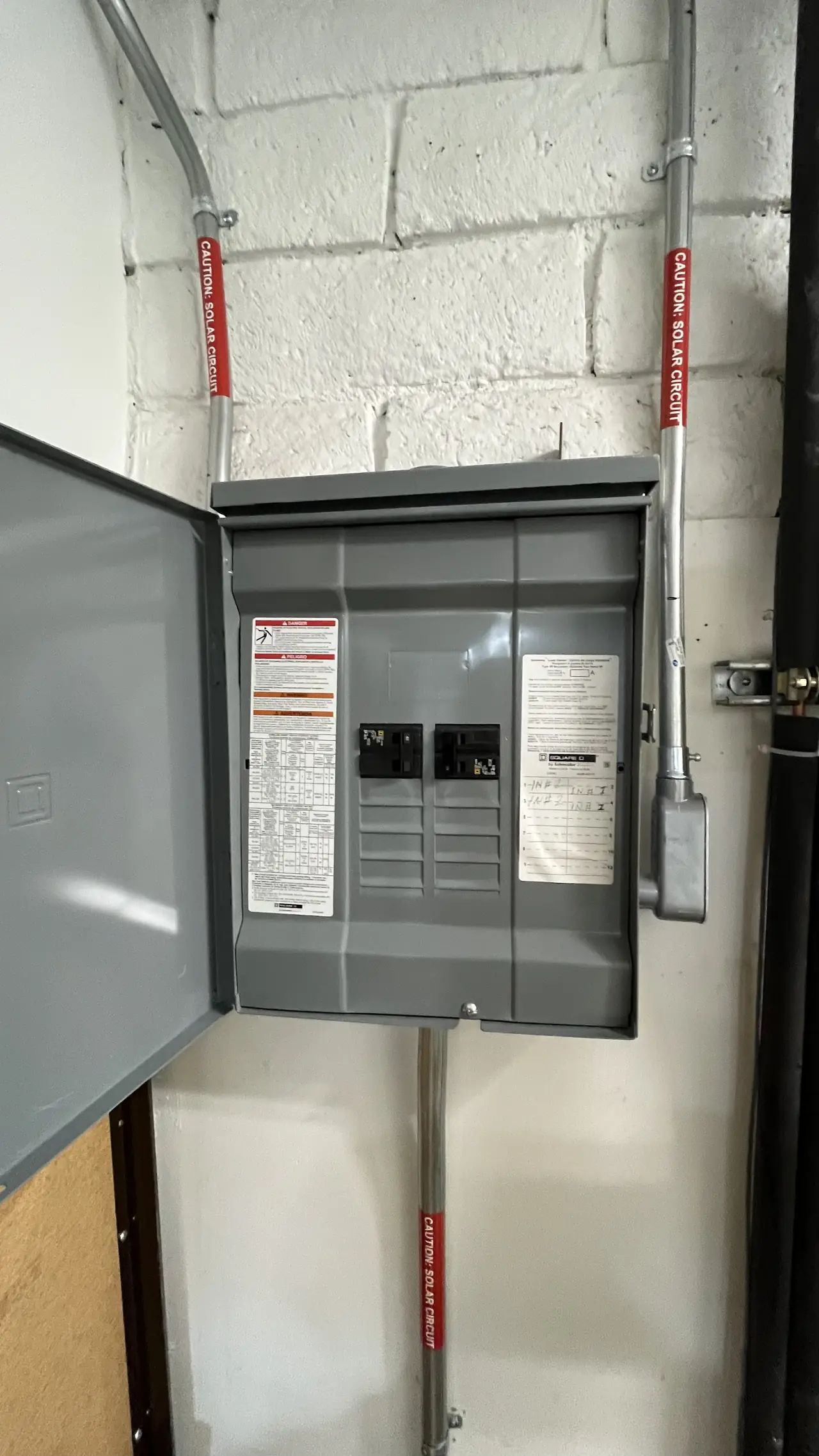
By then the breaker itself had taken the damage, and by late April it would not switch on at all. A visit on 17 May got the system running for about an hour that morning before it shut down again. On a return visit on Friday, 2 June, the solar breaker was replaced, and the system came back online.
The lesson is the one the building nearly skipped: heat at a breaker is a symptom, and the first fix that comes to mind is not always the cause. Bigger wire and bigger conduit would have cost far more and left every loose terminal exactly as it was.
How it ran
| 2 November 2022 | Request to replace two failed inverters; warranty units already shipped |
|---|---|
| Early December 2022 | Visit moved once because of rain |
| 15 December 2022 | Both inverters replaced |
| 4 January 2023 | Monitoring fault corrected remotely by the manufacturer |
| 9 January 2023 | Every module reporting |
| 23 February 2023 | Second failure replaced and checked |
| April 2023 | Hot breaker; wire found to be #2, terminations loose and tightened |
| 17 May 2023 | Visit; system runs an hour and shuts down again |
| 2 June 2023 | Solar breaker replaced; system back online |
Seven months, of which the inverter work took two visits and the real fault took the rest.
What we did
- Replaced both failed inverters with the manufacturer's warranty units.
- Worked the monitoring fault through with the manufacturer until every module reported.
- Replaced the second failed inverter in February and checked the system.
- Measured the conductors before agreeing to replace them, and found them adequate.
- Tightened every termination in both disconnects.
- Replaced the damaged solar breaker and returned until the system stayed online.
System specifications
| Modules | 84 × Canadian Solar CS375 |
|---|---|
| System size | 31.5 kW |
| Inverters | Two SolarEdge SE11400H-US HD-Wave, indoors |
| Conductors to the panel | #2, checked on site |
| Work done | Two warranty inverter swaps, terminations tightened, solar breaker replaced |
| Utility / AHJ | Southern California Edison / City of San Fernando |
Is your project like this one?
- Your solar system was installed by another company and needs service.
- Your SolarEdge inverter has been replaced but the monitoring still says idle.
- A breaker on your solar circuit runs hot or keeps tripping.
- Someone has told you the fix is bigger wire.
- You have a commercial system with the inverters indoors.
Cali Energy in San Fernando
San Fernando is its own city, not a Los Angeles neighborhood: permits run through the City of San Fernando Building and Safety Division, interconnection through Southern California Edison.
San Fernando is a small city of its own, surrounded on every side by Los Angeles. Permits come from the City of San Fernando's Building and Safety Division and the grid is Southern California Edison's, even though the neighborhoods across the city line, such as Pacoima and Sylmar, are on LADWP.
- License and classifications: CSLB #1032379
- Official reference for this process: SolarEdge — support resources and warranty
Frequently asked questions
Will Cali Energy service a San Fernando solar system it did not install?
Yes. This building's system was installed by another contractor, and the work here was all service: two warranty inverter swaps, a monitoring fault worked through with the manufacturer, and a heat problem traced to loose terminations. Service on someone else's system is billed as a service call, and it starts by checking what is actually there rather than trusting the original paperwork. License CSLB #1032379.
Why does my monitoring say idle after a new inverter is installed?
A replacement inverter has to be registered to the site in the manufacturer's monitoring, and until it is, the app can show idle or partial data even while the hardware is fine. Here the monitoring showed idle for about three weeks, the manufacturer fixed it remotely on its side, and five days later every module was reporting. Whether an inverter is actually producing should be confirmed from the monitoring data and, if needed, by a qualified technician with electrical testing, not by touching the equipment.
What makes a solar breaker run hot?
Current through resistance makes heat. In this project the added resistance came from loose terminations rather than undersized conductors: the wire was #2, heavier than the #4 that was suspected, but the terminations in both disconnects were loose. Tightening them removed the cause; the breaker that had already overheated still had to be replaced. A breaker that runs hot is a reason to call a qualified electrician, not to open the panel.
What does a warranty inverter replacement involve?
The manufacturer ships a replacement unit under its warranty, the installer swaps it, and the new serial numbers are registered in the monitoring platform so the system reports again. On this building both swaps followed that pattern, and the monitoring needed the manufacturer's help before every module reported. The work is done by a licensed electrician, with the system shut down.
What this would look like on your roof
Planning solar in San Fernando? Tell us your utility, your roof and what your bill looks like now, and we will model what a system like this would do on your house before you commit to anything.
Or call +1 (323) 844-7777 · Cali Energy, Northridge · CSLB #1032379 (B, C-10, C-39) — design, permits, install and electrical under one licensed contractor.
Related
This timeline reflects this property and this permitting path. Updated October 2026.