

Encino, CA · November 2021 – February 2023 · LADWP / LADBS
The modules were on the roof for a year before anything switched on.
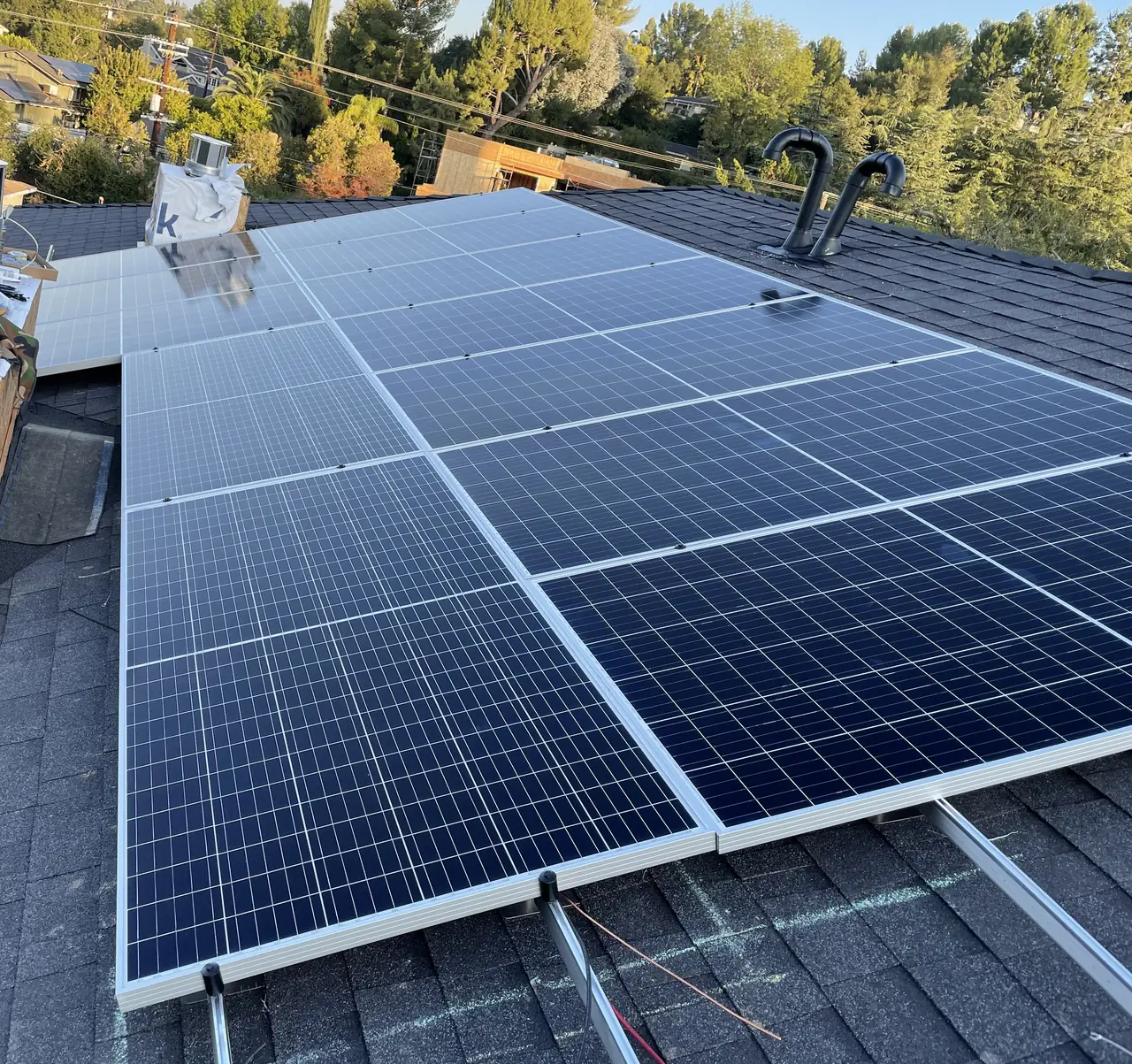
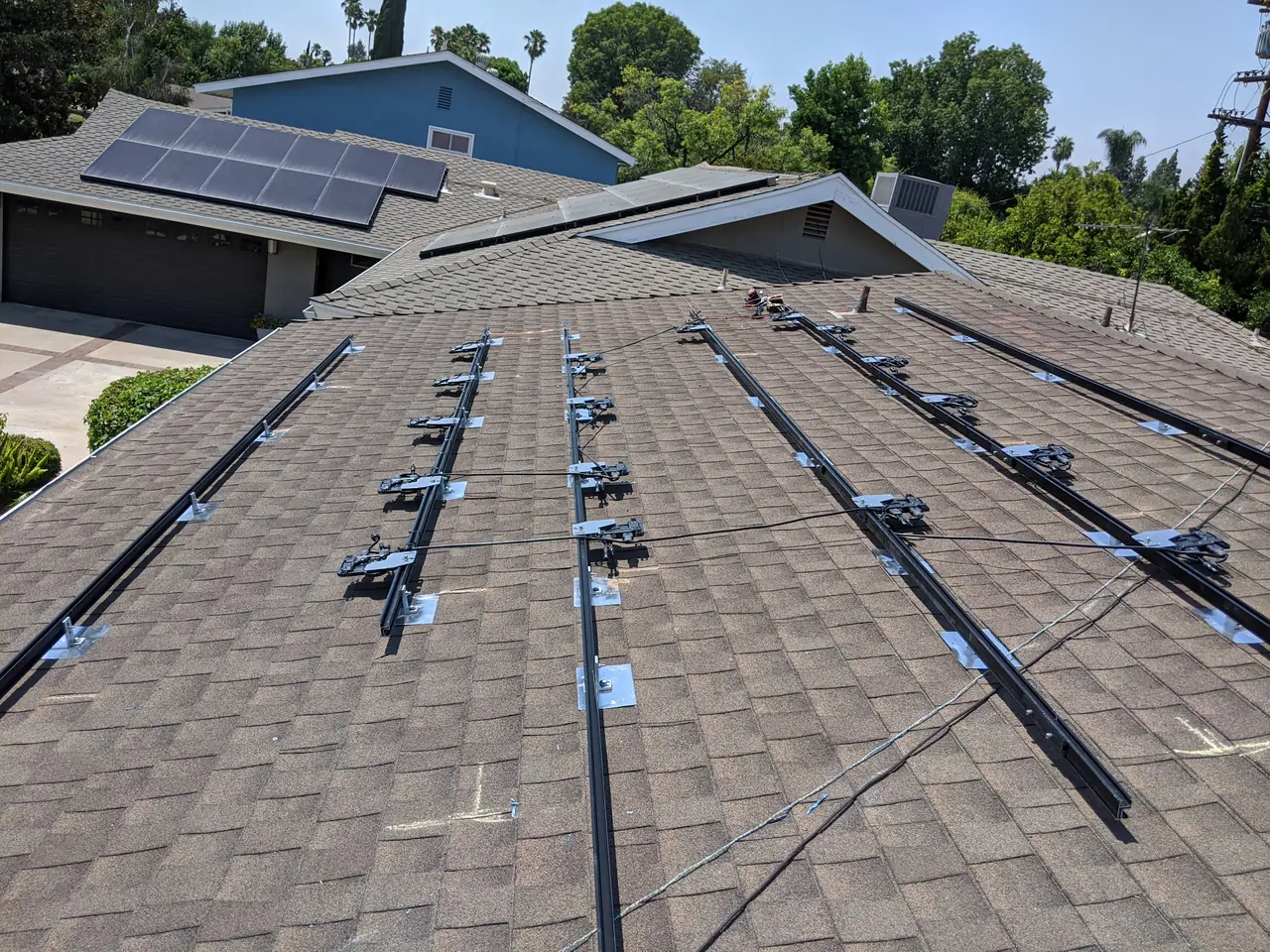
A 4.8 kilowatt array on a house still wrapped in building paper when it was installed in November 2021. The system was energized much later, and the SolarEdge optimizers under the modules did not report. Commissioning is a separate event from installation, and on new construction it can be a year apart.
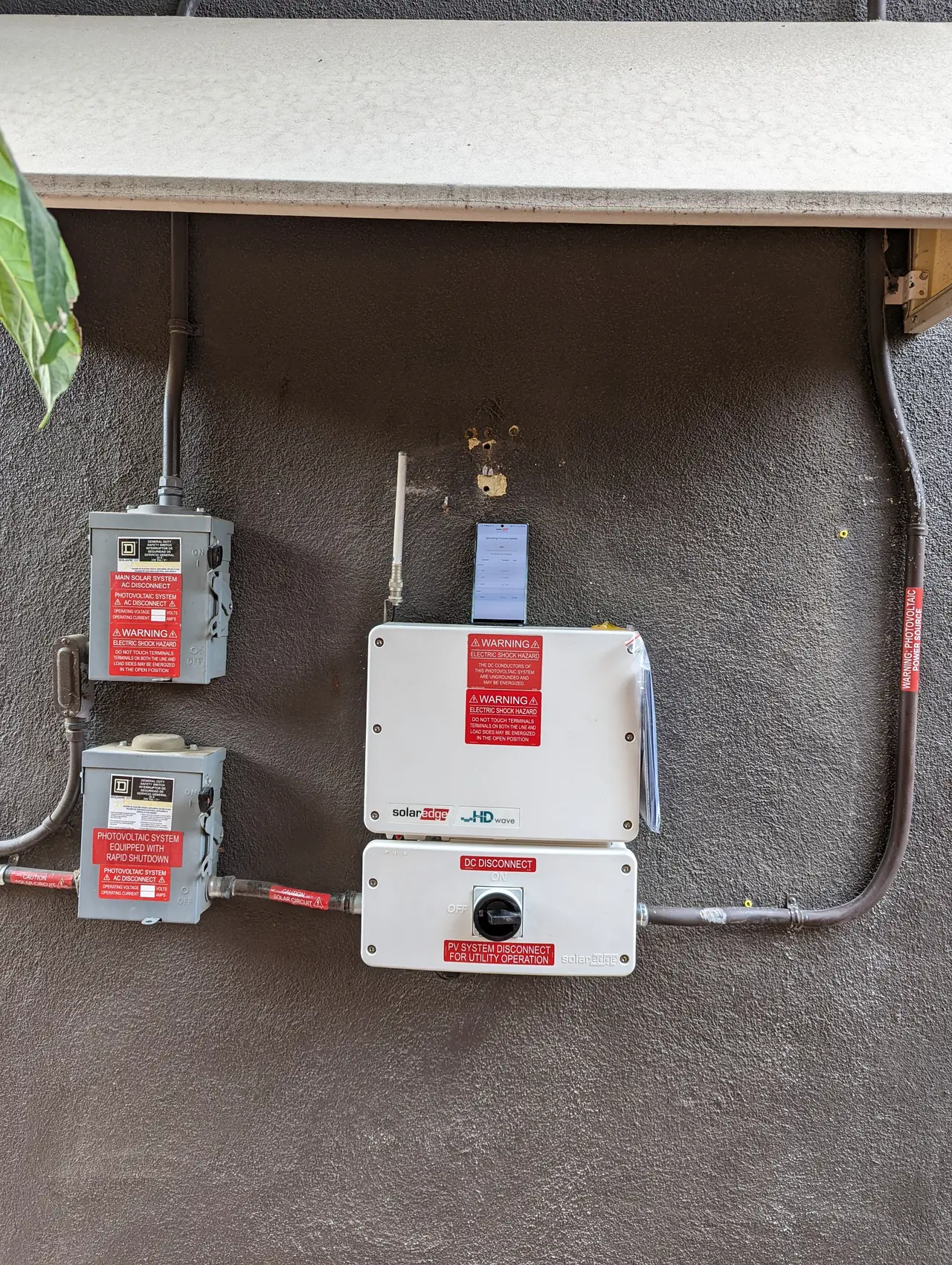
On an optimizer system, every module has a small device beneath it and the inverter has to discover and pair with all of them before the system produces properly. When they stay dark after energizing, the manufacturer's own procedure is to establish communication on site — physically, at the array and the inverter. It cannot be done remotely. That visit is commissioning, and on a new build it happens long after the modules went on.
At a glance
- Array
- 4.8 kW
- Architecture
- SolarEdge string inverter with module-level optimizers
- Installed
- November 2021, during construction
- Energized
- February 2023
- Service call
- Next morning after the report
- Producing
- Two days later
- Utility / AHJ
- LADWP / LADBS
The story
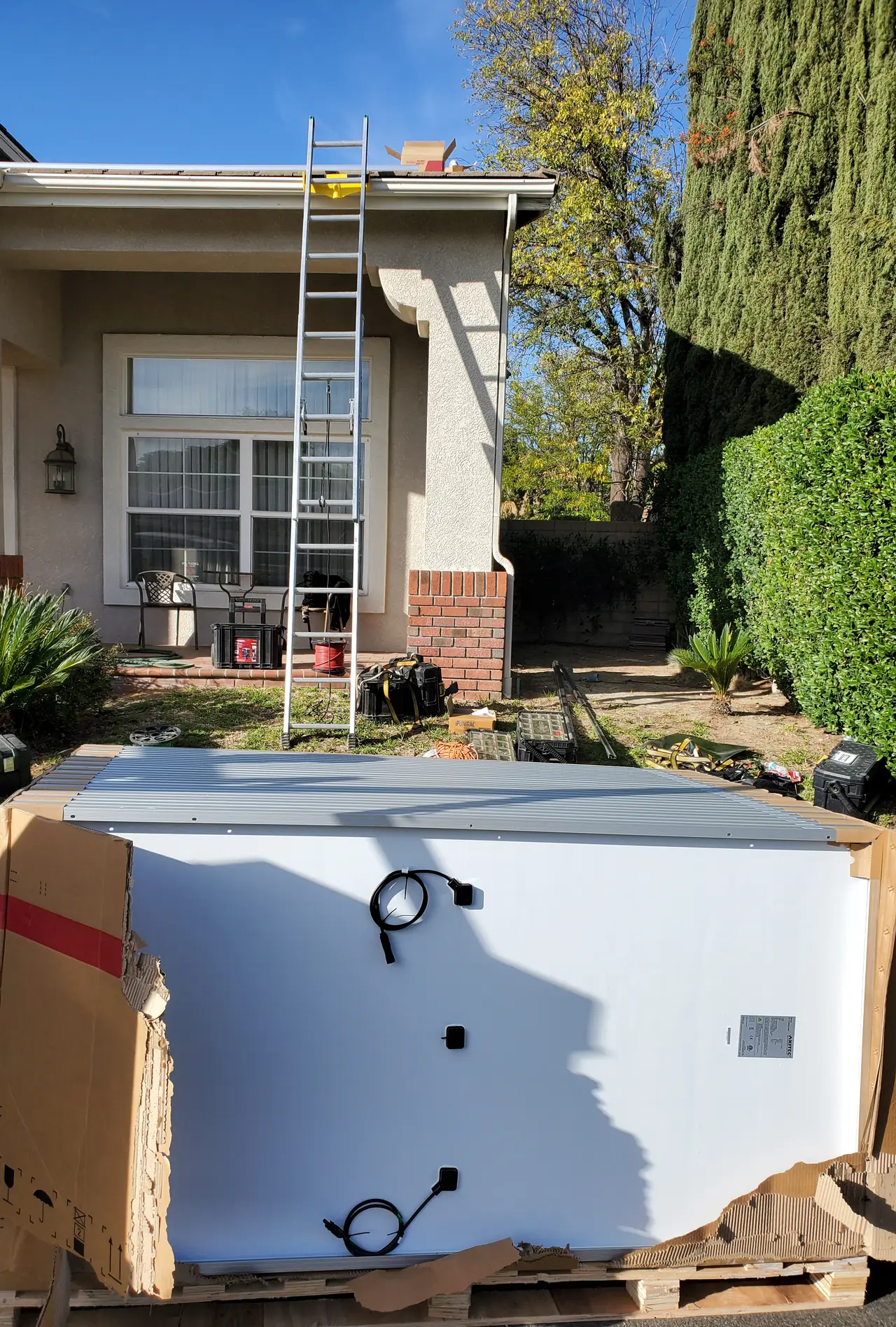
The array went on in November 2021. The house underneath it was building paper and scaffolding, the windows were in and the drywall was not. That is normal on new construction: the roof is finished long before the house is, and the solar crew takes its window when the covering is down and the trades below are still working.
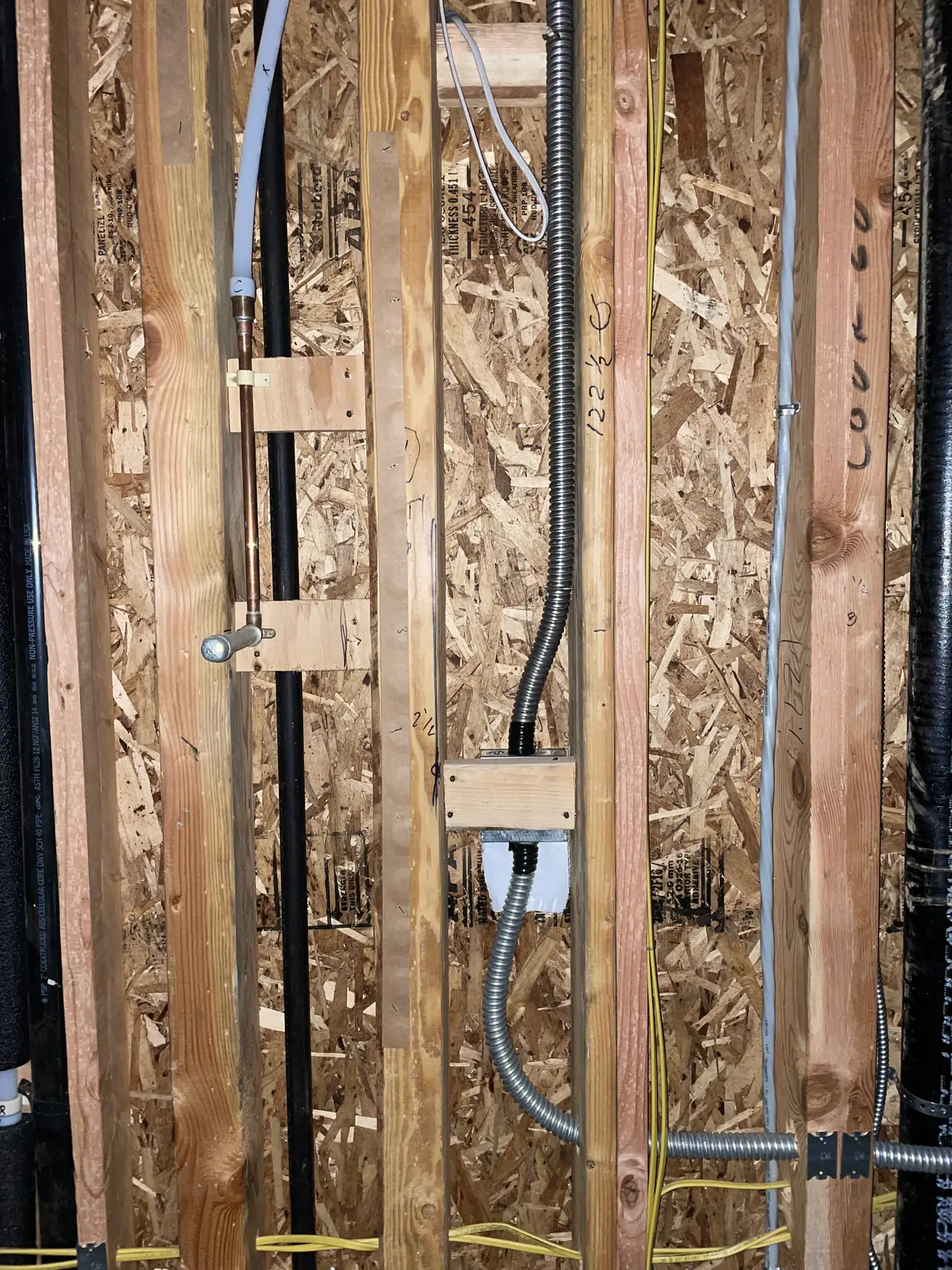
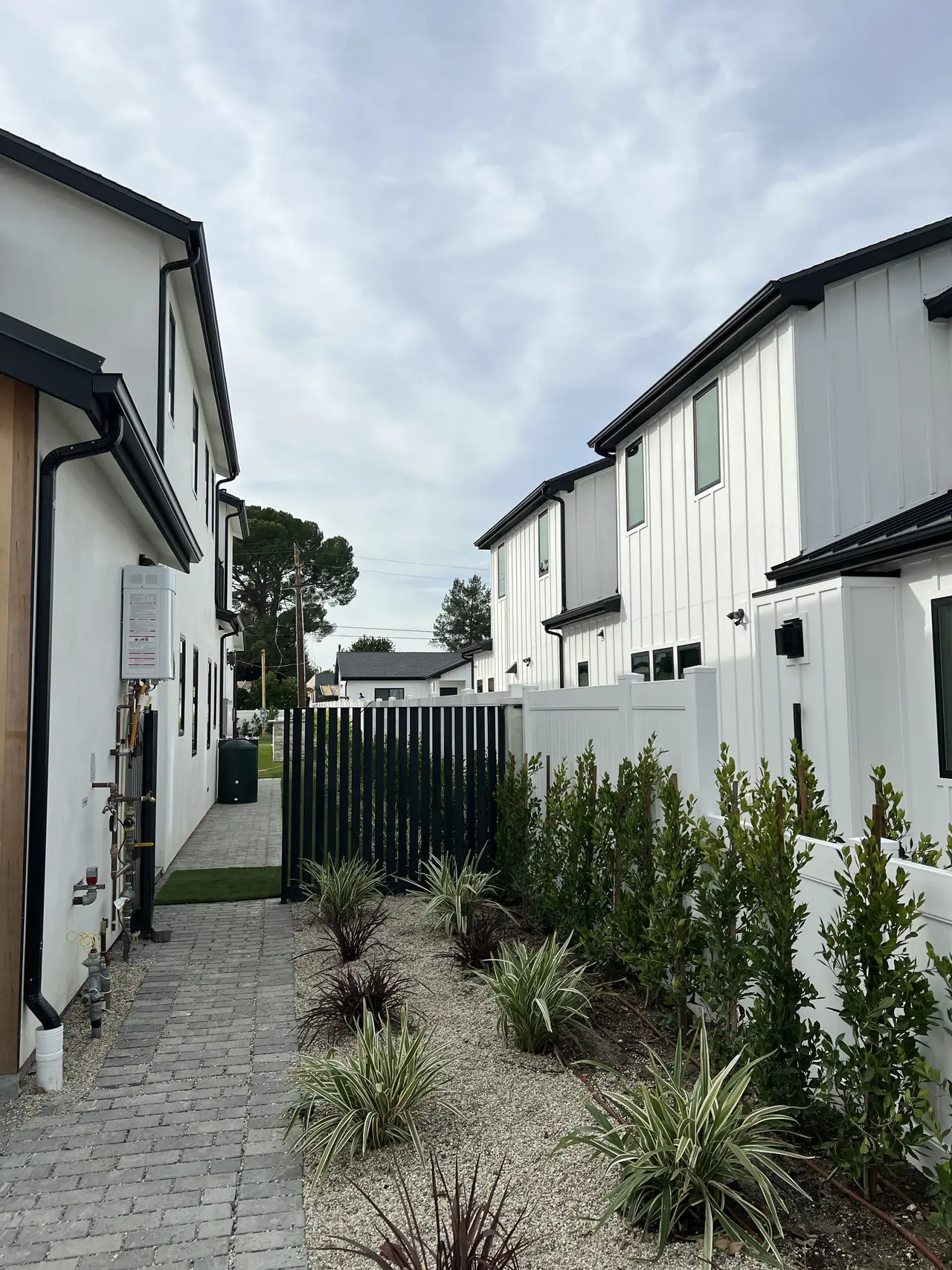
That is also the advantage of doing it then. Conduit paths, box locations and the service equipment can be placed while the framing is open, which is why the runs on a new house look like part of the building rather than something bolted to it afterwards. Later is always possible and always uglier.
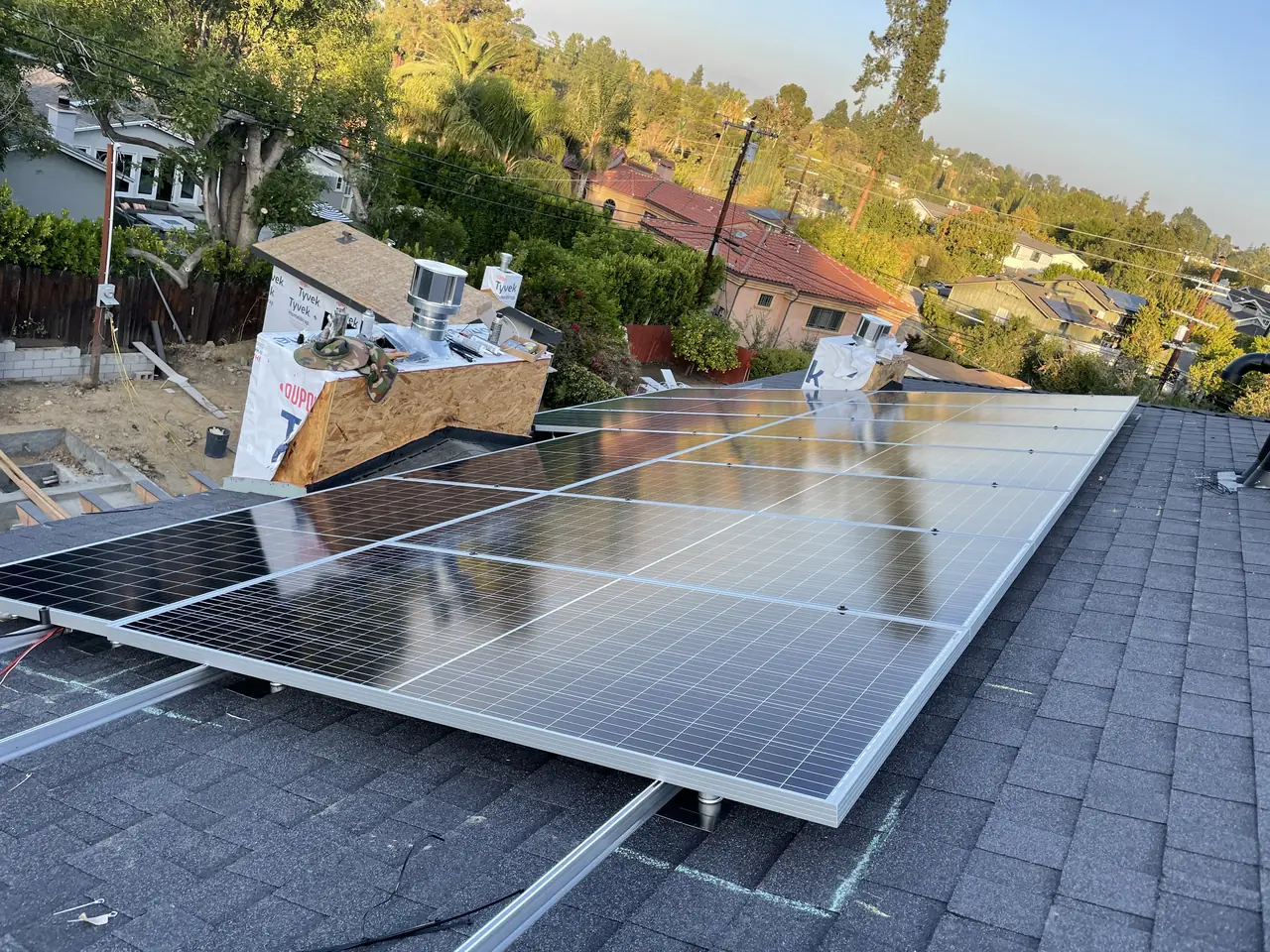
Then the array sat. Modules on a roof with nothing energized below them are inert, and they stay that way through the rest of the build: drywall, finishes, the pool, the final inspections, the utility. More than a year passed between the modules going on and anything being switched on.
When the system was finally energized, the monitoring showed the inverter and very little else. The optimizers — the small devices under each module that condition its output and report it — were not reporting.
Here is what that actually means. On this architecture each module carries its own optimizer, and the inverter has to discover them, pair with them and build a map of the array. That handshake happens over the DC wiring and it happens when the inverter is powered and the array is in daylight. The manufacturer's own instruction when devices do not appear is to establish communication on site: there is no remote fix, because the work involves the physical connections at the array.
Why it shows up more often on new construction is not mysterious. The equipment has been sitting through a year of other trades. Connectors get bumped, covers get stepped on, a module gets walked over by somebody carrying tile. Nothing is necessarily broken, but nothing has been proved working either, because the system has never been under power.
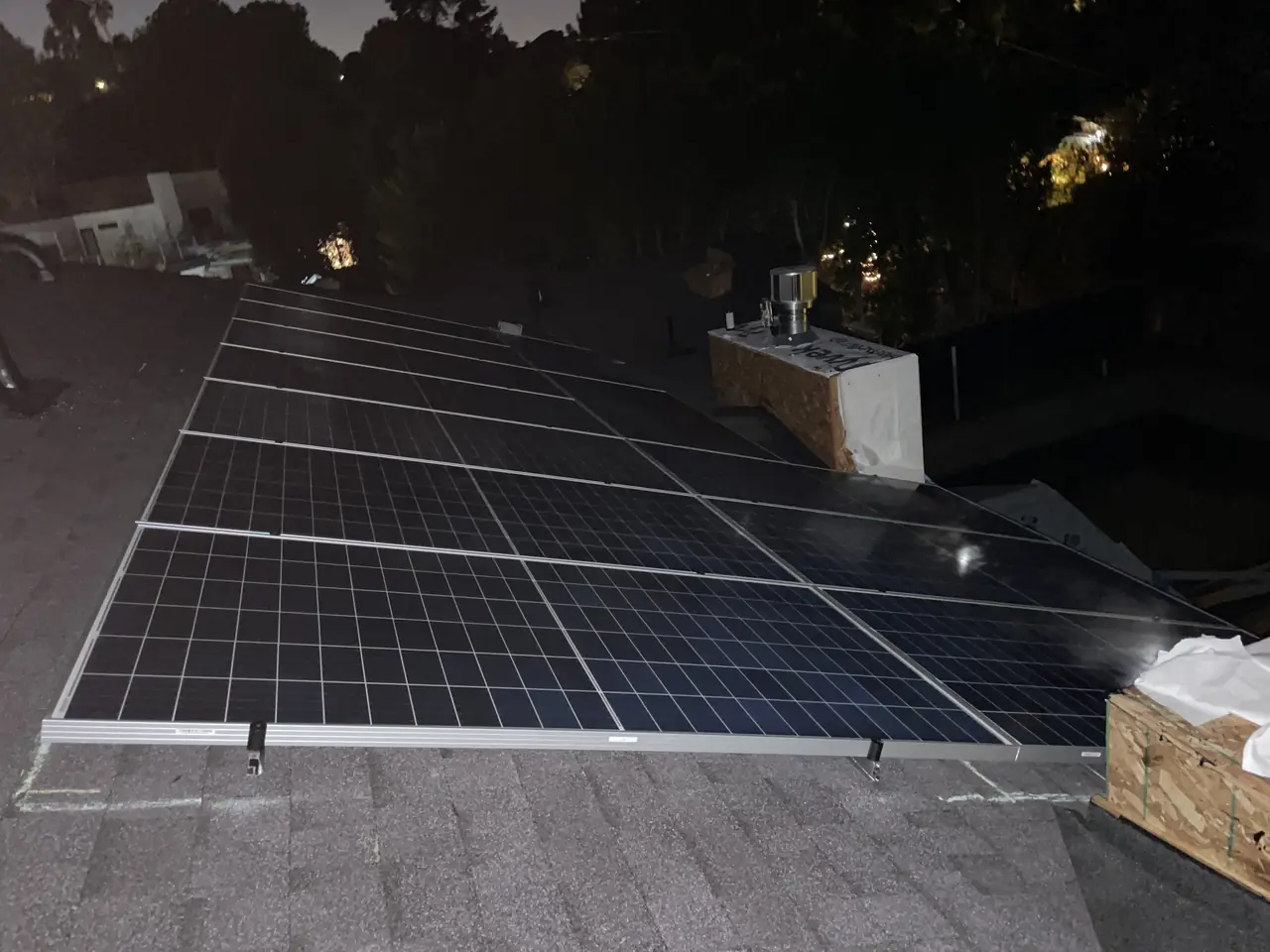
Cali Energy went out the next morning, worked through the connections and the pairing on site, and the system was on and producing two days after the report. That is the ordinary shape of a commissioning problem: fast, if somebody goes out.
The lesson for anyone buying solar on a house that is still being built: installation and commissioning are two different events, and on your project they may be a year apart. Ask three questions before signing. Who comes back to commission the system when the house is finally energized. Is that visit included in the price or billed later. And what happens if the equipment has been damaged in the intervening year by another trade — whose problem is that.
The counterweight is that nobody can eliminate the gap. The array cannot be commissioned before the house has power, and the house cannot have power before the rest of the build clears. What can be arranged is that the gap is expected, written down, and covered by somebody who will answer the phone.
How it ran
| 29 October 2021 | Installation scheduled into the construction sequence |
|---|---|
| 2 November 2021 | Array installed on a house still under construction |
| February 2022 | Post-installation documentation completed |
| 6 February 2023 | System energized; optimizers not reporting |
| 7 February 2023 | Site visit — communication established at the array |
| 9 February 2023 | System on and producing |
Fifteen months between installation and commissioning, which is the shape of new construction. This timeline reflects this property and this permitting path.
What we did
- Installed the array while the roof was accessible and the framing still open (B, C-39).
- Set the conduit runs, boxes and service equipment before the walls were closed (C-10).
- Delivered the post-installation documentation for the build file.
- Returned the morning after the system was energized and the optimizers failed to report.
- Established communication at the array and confirmed production two days later.
System specifications
| Array | 4.8 kW on composition shingle |
|---|---|
| Architecture | SolarEdge string inverter with one optimizer per module |
| Rough-in | Conduit and boxes set in open framing |
| Installation window | During construction, before the house was energized |
| Commissioning | On-site pairing of module-level devices |
| Utility / AHJ | LADWP / LADBS |
Is your project like this one?
- Your house is under construction and solar is going on before you move in.
- Your system was installed months ago and has never been switched on.
- Your monitoring shows the inverter but not the individual modules.
- You want the conduit runs planned before the drywall goes up.
- You are trying to work out who returns to commission a system after handover.
Cali Energy in Encino
Encino sits inside City of Los Angeles boundaries: permits run through LADBS, interconnection through LADWP.
New houses go up across Encino's hillside streets, and their arrays often sit unpowered for months while the rest of the build finishes. Twelve completed Encino projects are documented on our projects page.
This installation is on the Encino projects page alongside the others, and what the work covers is set out on the Encino service area page.
- License and classifications: CSLB #1032379
- Official reference for this process: California Energy Commission — solar equipment lists
- Official reference for this process: LADBS — plan review and permitting
Frequently asked questions
Does Cali Energy service SolarEdge systems in Encino?
Yes. Cali Energy installs and commissions both SolarEdge and Enphase equipment across Encino, including service calls on systems that have sat unpowered through a construction schedule. Twelve completed Encino projects are documented on our projects page. Our license is CSLB #1032379.
Why are my optimizers not reporting?
Because the inverter has not completed the handshake with them. Each module's device has to be discovered and paired before the system reports properly, and when that does not happen the manufacturer's procedure is to establish communication on site rather than remotely. Connections at the array, firmware and pairing all get checked in the same visit.
Is a system finished when the modules are installed?
No. Installation puts the hardware on the roof; commissioning proves it works once the house has power. On a remodel those happen days apart. On new construction they can be a year apart, because the array cannot be energized until the rest of the building clears its own inspections.
What is different about solar on a house under construction?
The good part is that conduit, boxes and service equipment go in while the framing is open, so nothing is surface-mounted later. The hard part is the gap: the equipment sits unpowered through months of other trades, and nothing has been proved working until the day it is switched on.
Who pays for the commissioning visit?
Settle it in the contract before work starts. On a new build the visit is months or a year after installation, long after the crew has moved on, and it is worth naming in writing who returns, whether that trip is included, and what happens if another trade has damaged the equipment in the meantime.
What this would look like on your roof
Planning solar in Encino? Tell us your utility, your roof and what your bill looks like now, and we will model what a system like this would do on your house before you commit to anything.
Or call +1 (323) 844-7777 · Cali Energy, Northridge · CSLB #1032379 (B, C-10, C-39) — design, permits, install and electrical under one licensed contractor.
Related
This timeline reflects this property and this permitting path. Updated September 2026.