

Granada Hills, CA · October 2025 · LADWP / LADBS
No permit until the soil was tested.
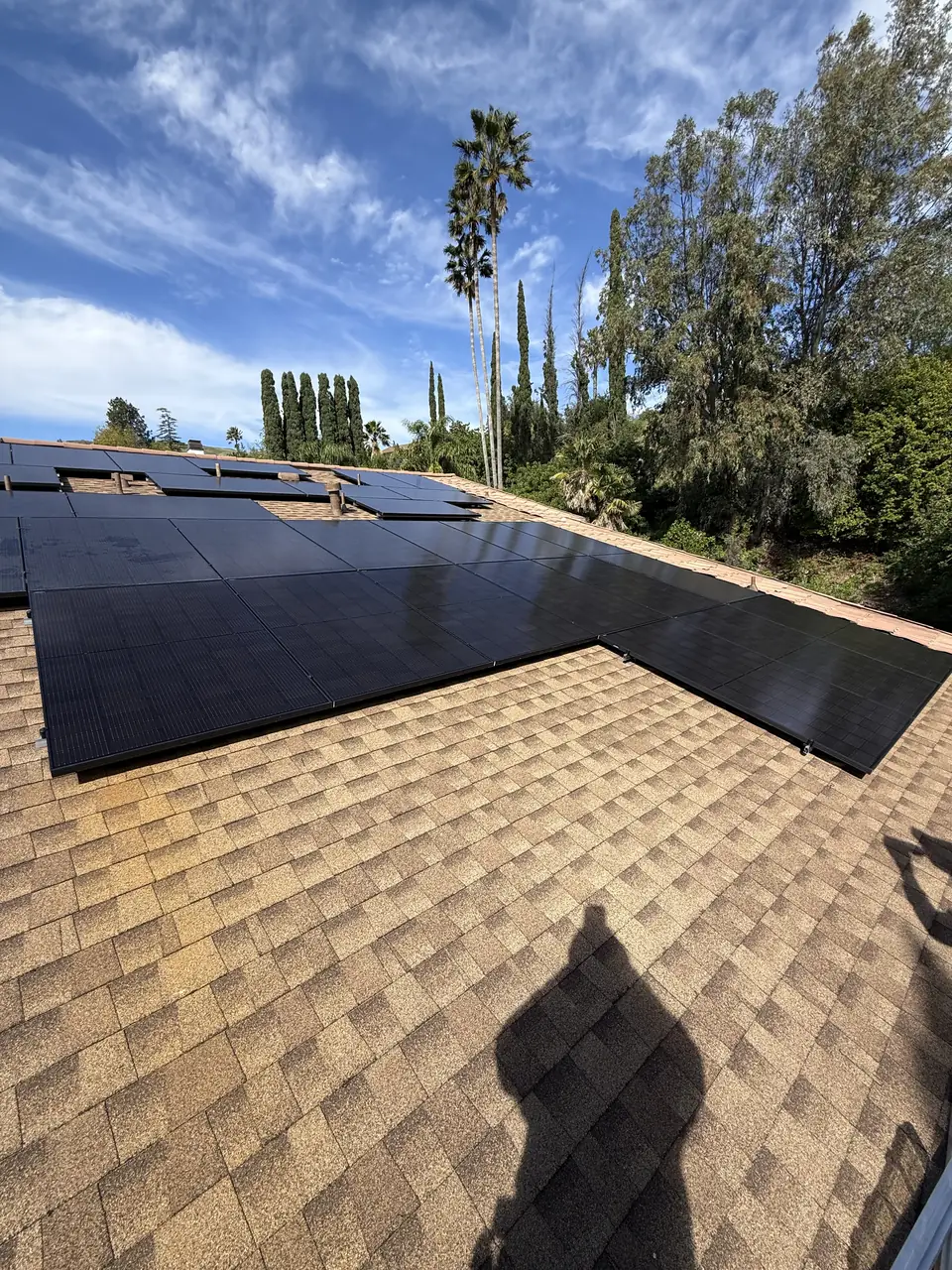
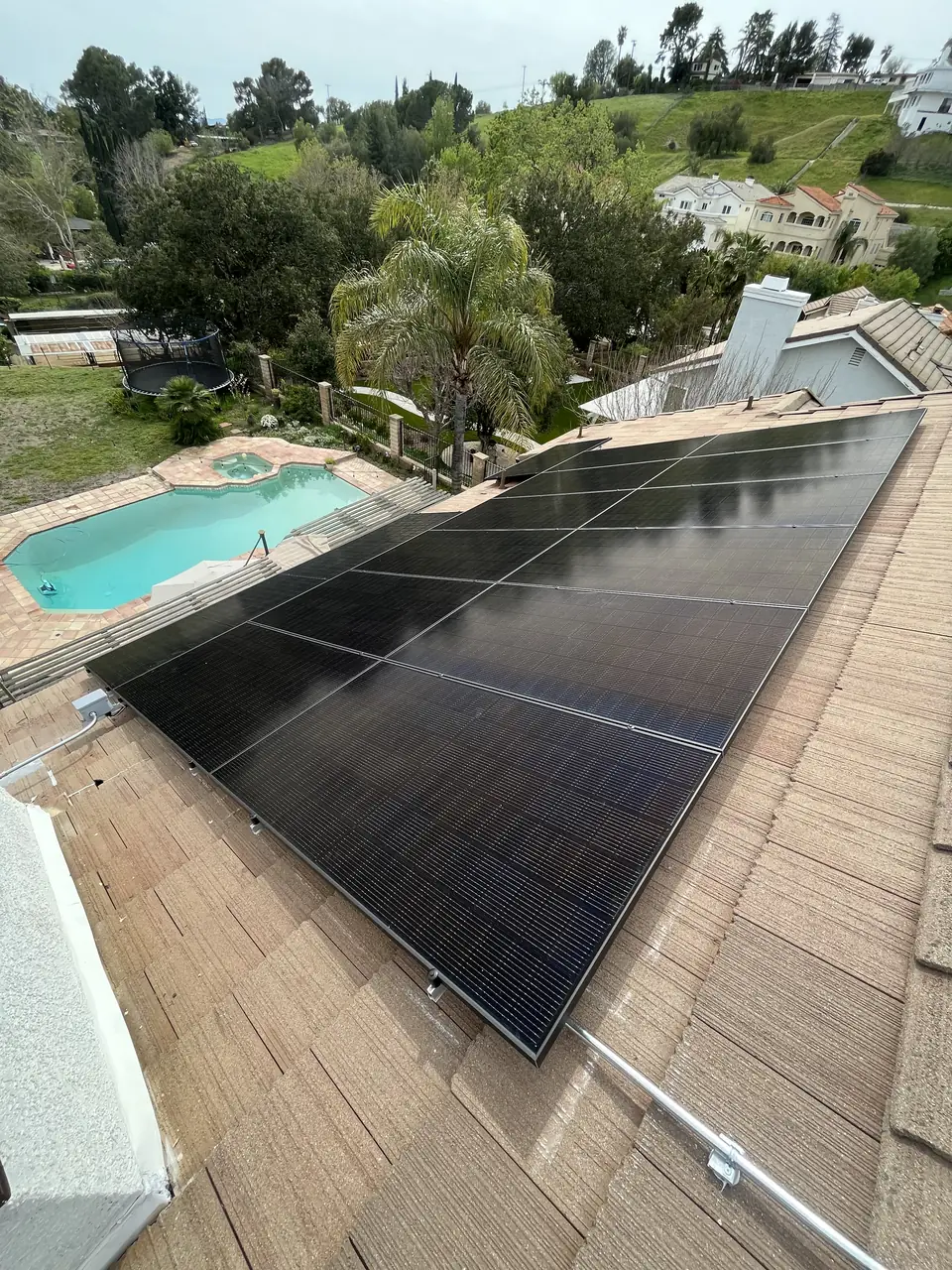
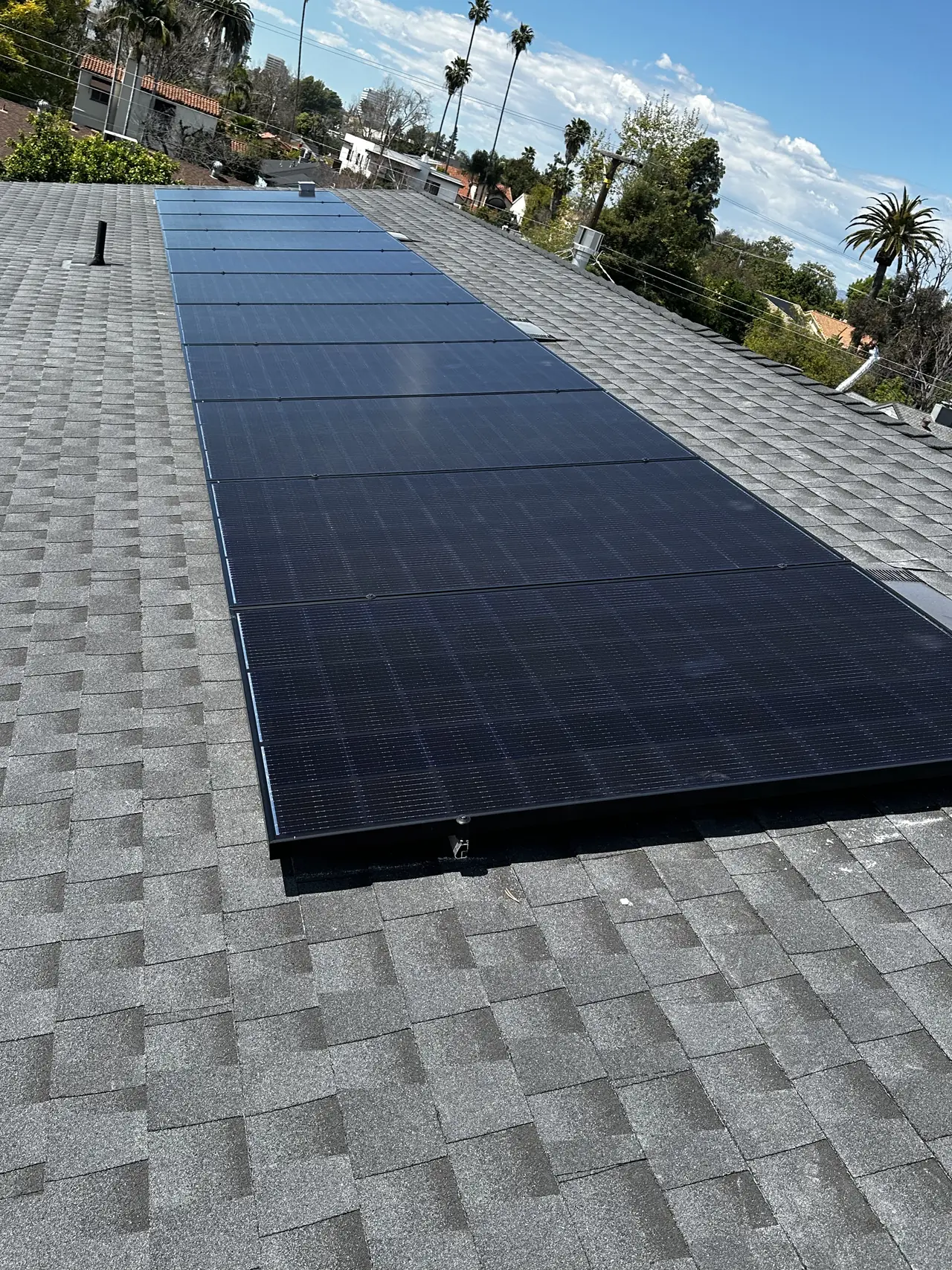
A 16.2 kW AC system in Granada Hills, on LADWP and on an underground service, inside a City of Los Angeles methane buffer zone. The approval and interconnection path ran 153 calendar days, shaped by methane review, trench inspection and utility scheduling.
On this property, inside a mapped methane buffer zone, LADBS required a methane soil-gas report before the permit associated with the project could proceed.
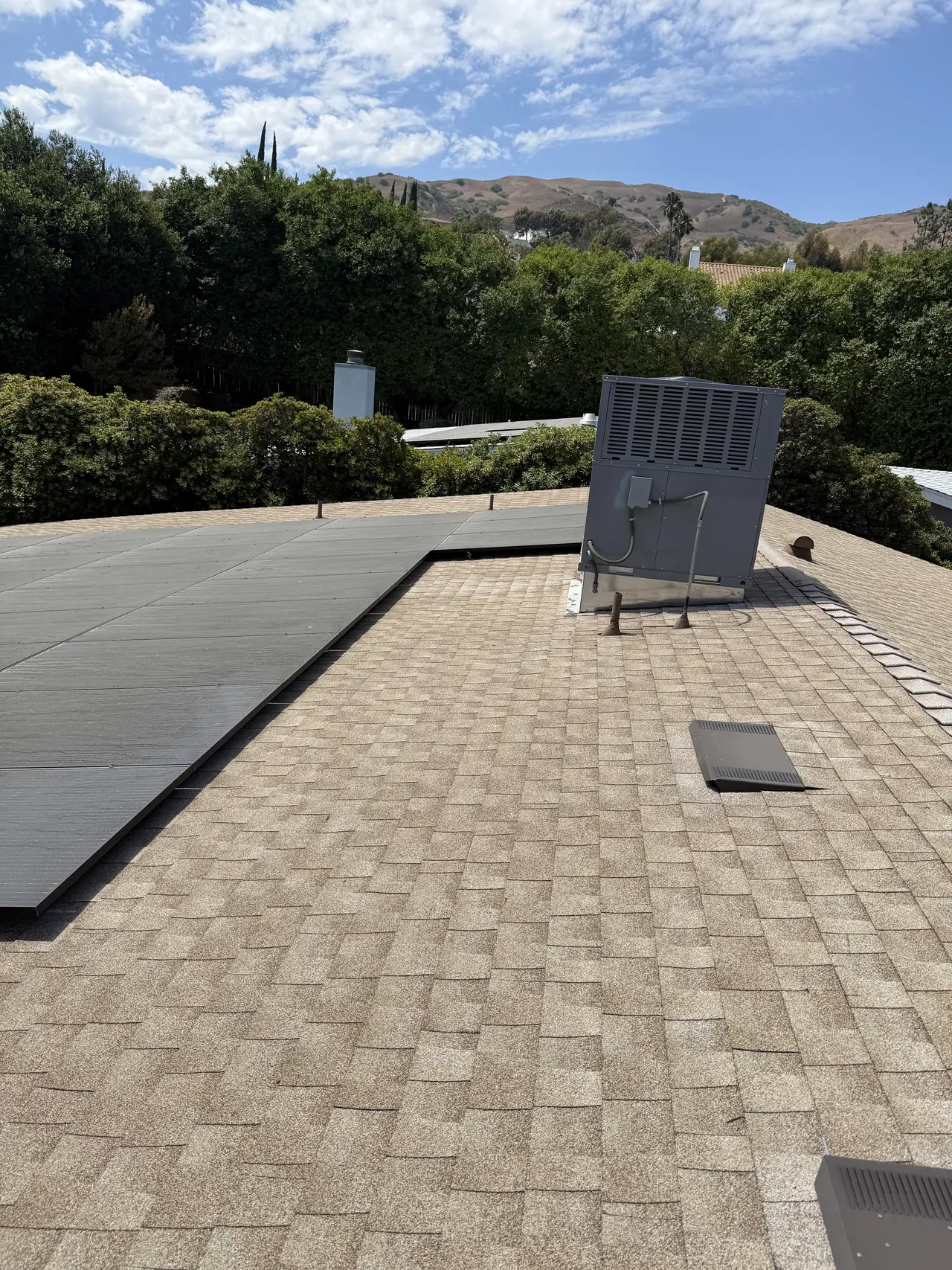
At a glance
- AC System
- 16.2 kW CEC
- Utility
- LADWP
- AHJ
- LADBS
- Inverters
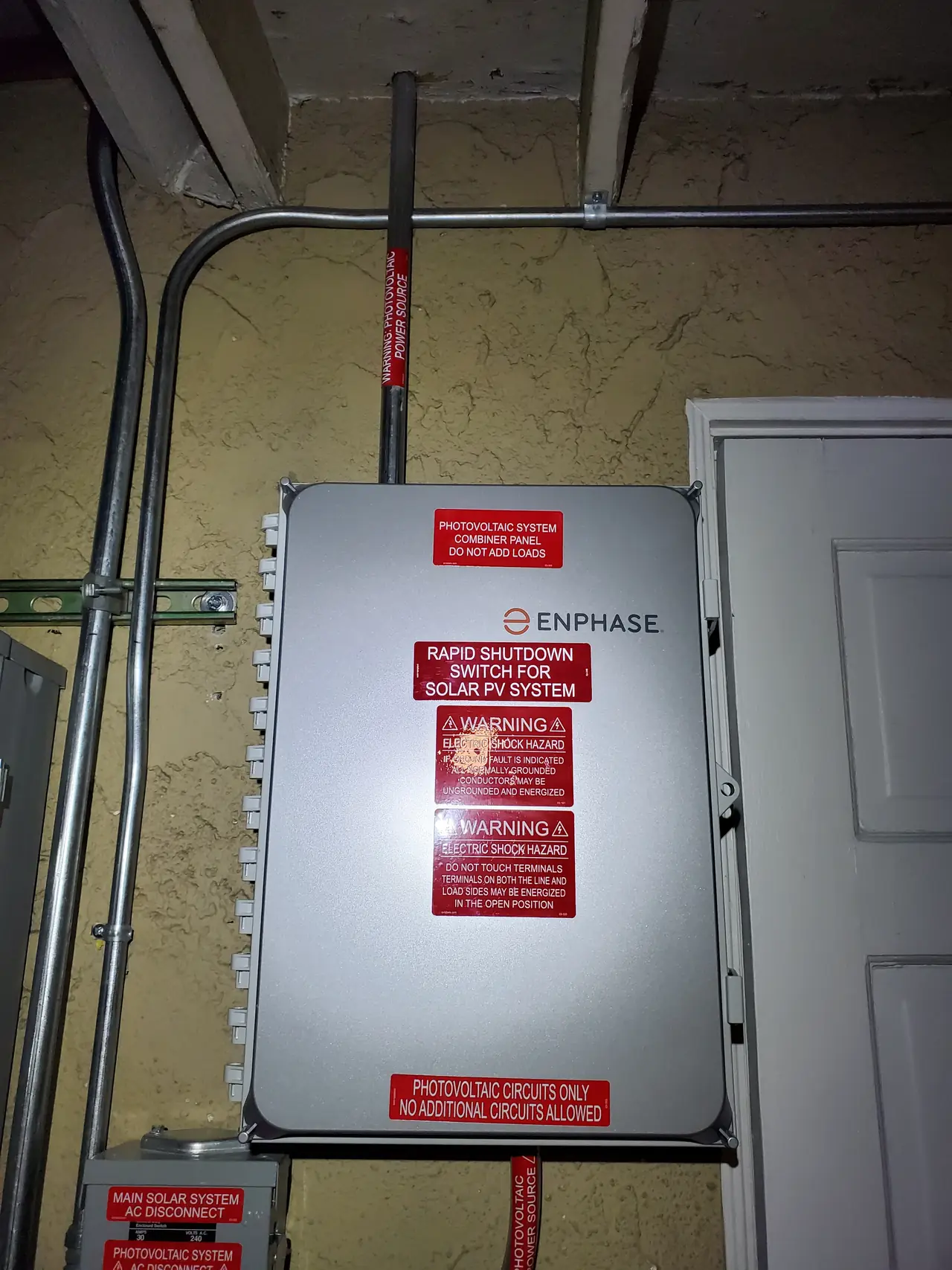
- Enphase micro
- Roof
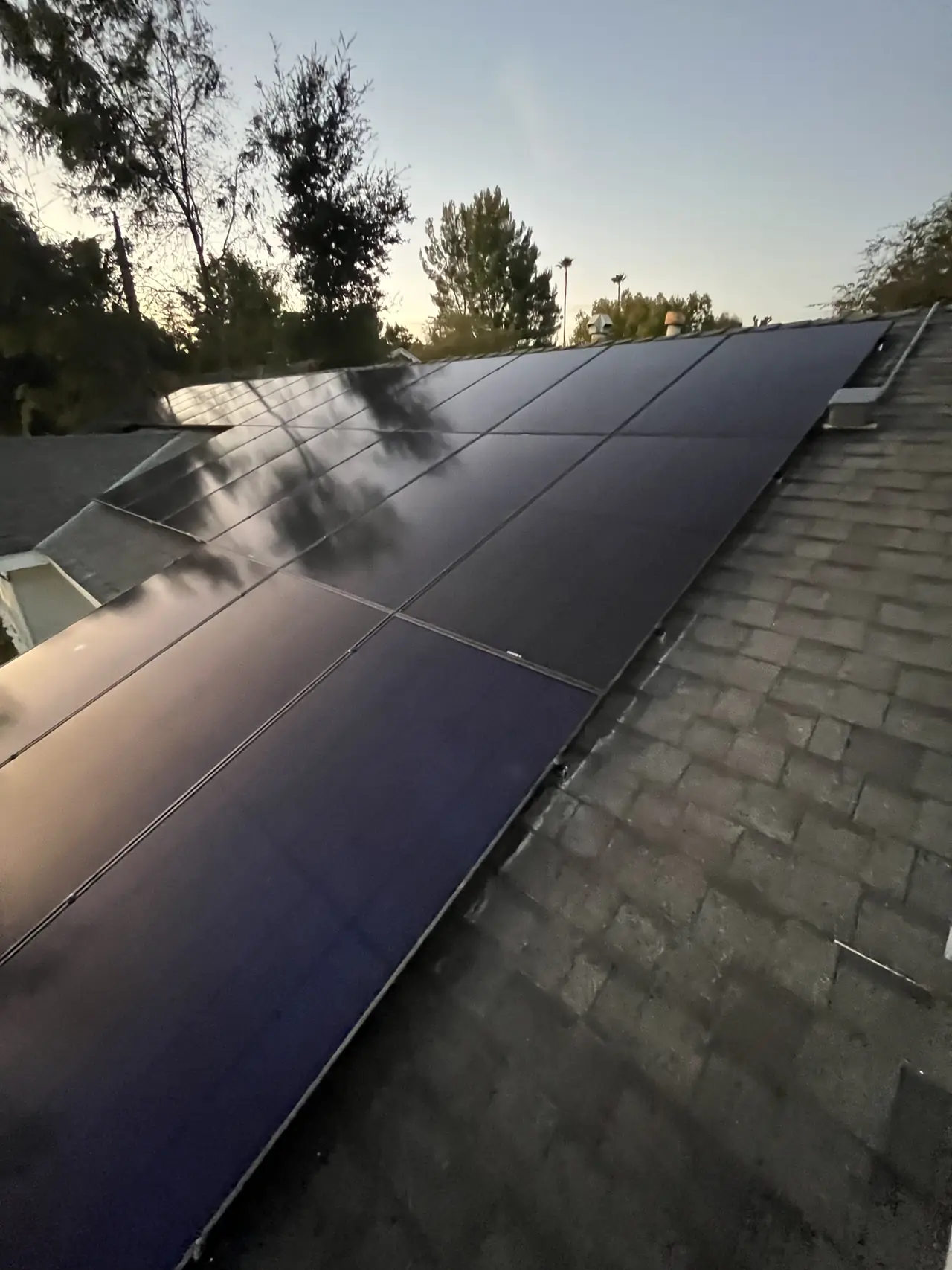
- Composition shingle
- Service
- Underground
- Battery
- None
- LADWP app → PTO
- 153 calendar days
The story
Two houses on the same street can be six weeks apart on the same paperwork. This is one of the reasons why.
Parts of Los Angeles sit over old oil and gas fields and former wetlands, and the city maps them as methane zones with buffer zones around them. This parcel is inside one. For this project, the building department required a methane soil-gas report before the associated permit could proceed. Whether the requirement is triggered depends on the property and on the scope of work, so it is a question to ask about your own address rather than a rule to assume.
The survey was ordered within two weeks of the interconnection application and reported ten days later. Depth to historical high groundwater at this parcel: more than 130 feet.
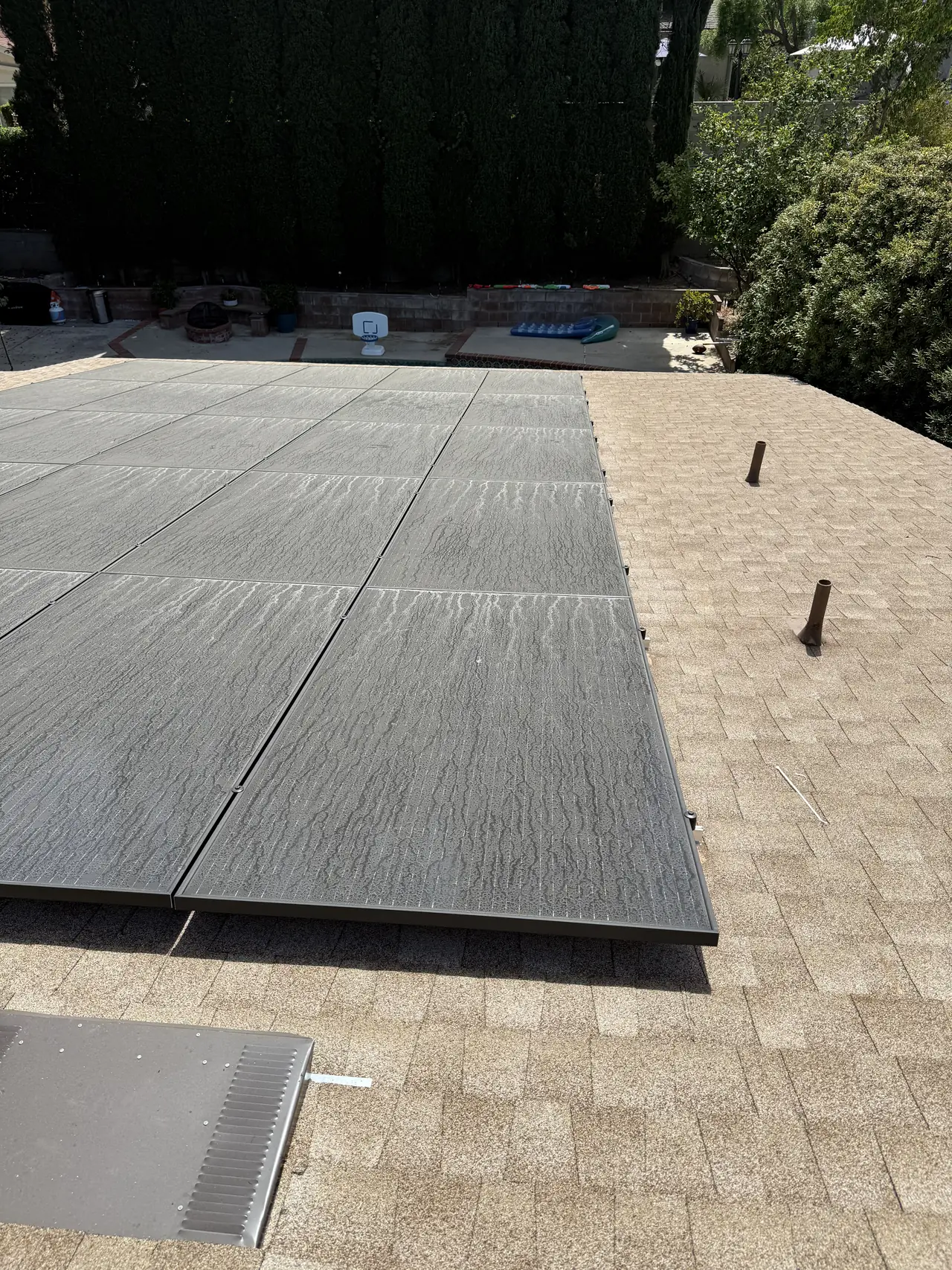
The second thing that made this project long was underground service. Not a roof question at all: a trench, conduit, and a utility inspection before anything is backfilled. The specification runs down to the pulling tape — flat woven polyester ribbon, at least three-eighths of an inch wide, rated at no less than 1,250 pounds, printed with its own rating and sequential footage marks that will not rub off.
We built it to that, and held the on-site review before the trench went back.
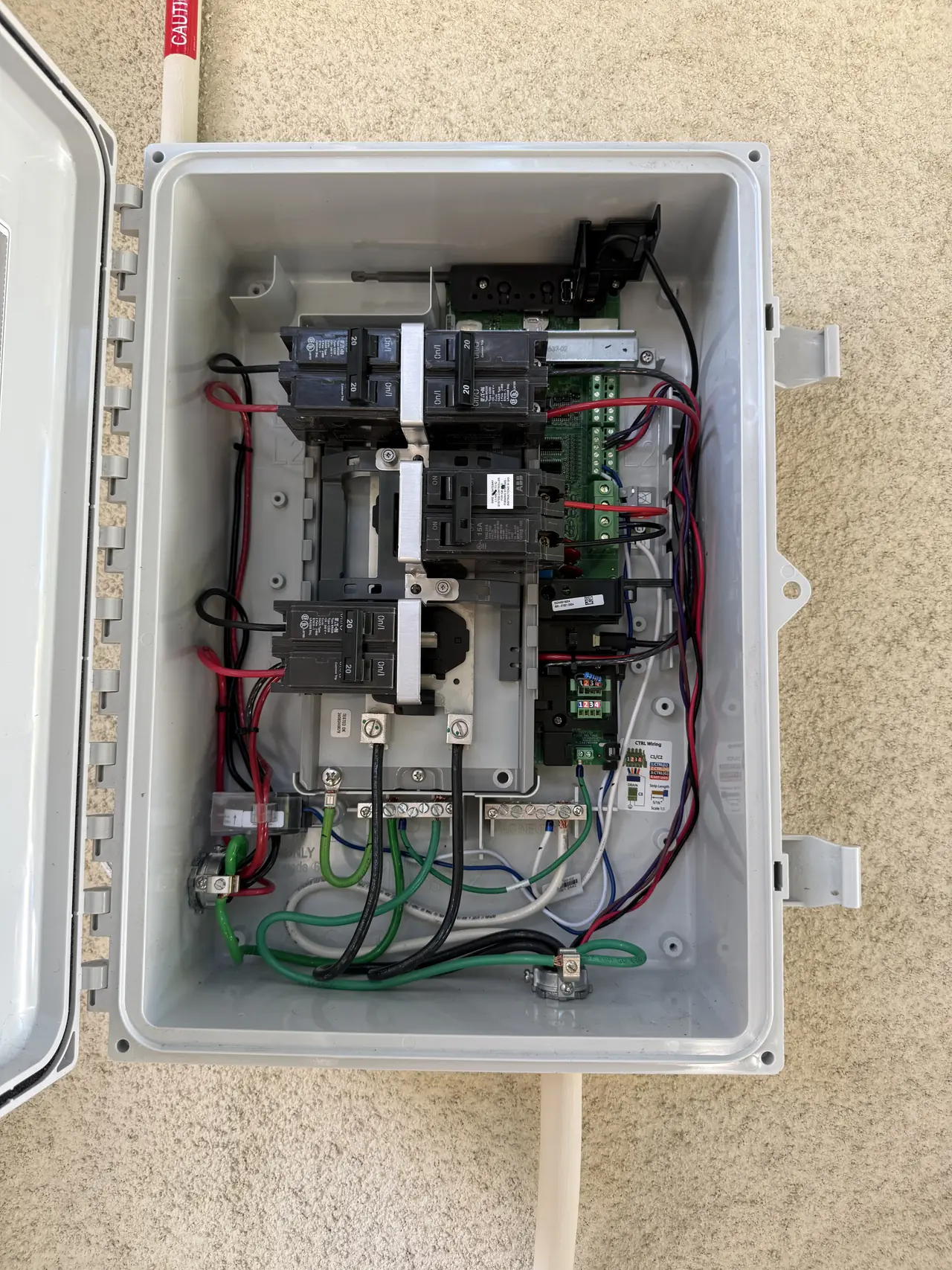
Then the part nobody can design around. The final passed, and the work order went quiet. The answer, when it came, was that a service like this queues the same as any overhead one: six to eight weeks, and the crews were behind. A month later a recovery fee turned out to be unpaid, and the order stopped a second time.
Both were found and cleared by us, not by the owners.
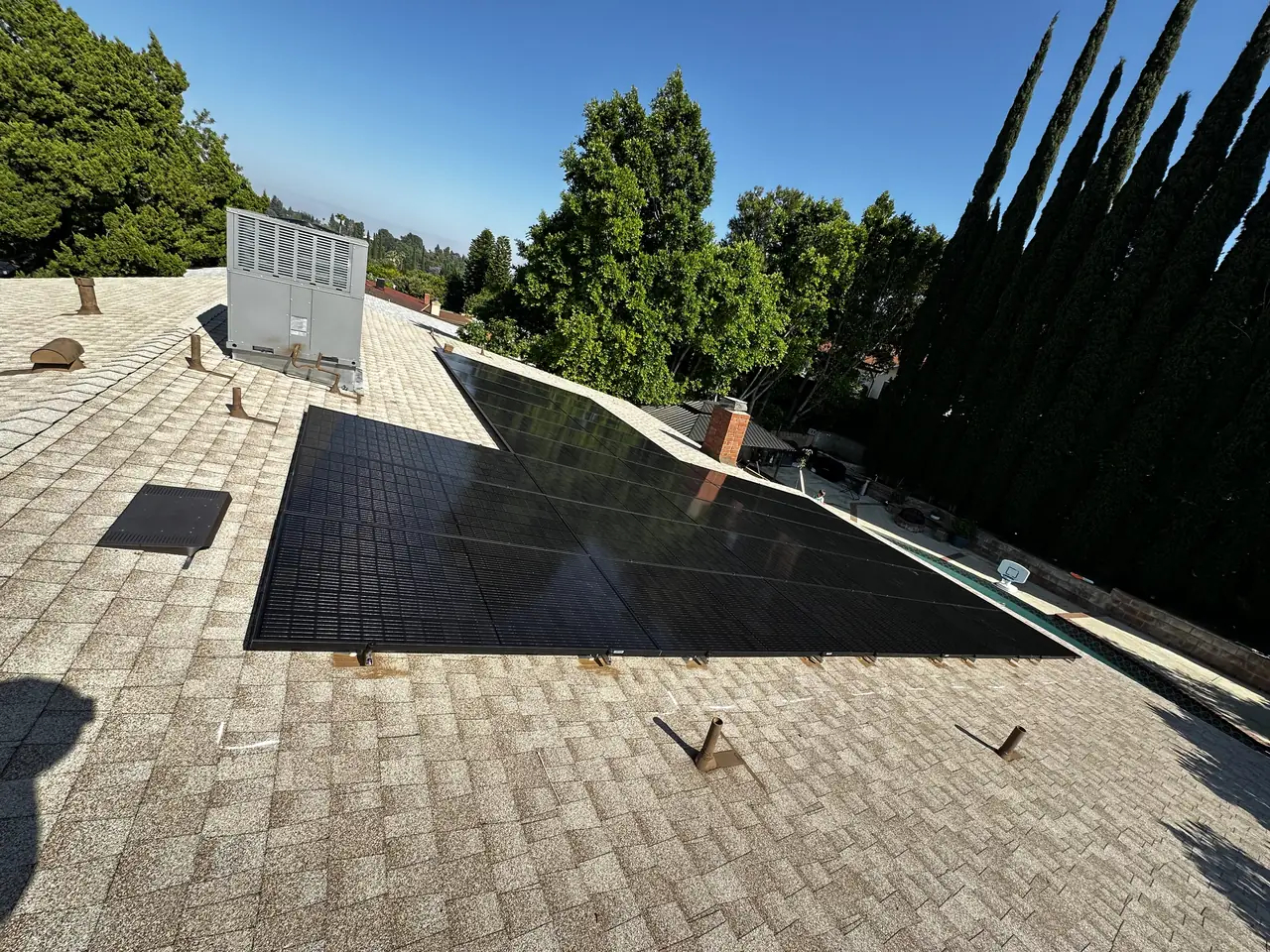
Permission to operate: 20 October 2025, 153 calendar days after the interconnection application went in.
A hundred and fifty-three days, and none of the delay was on the roof. Cali Energy carried the methane-zone paperwork and the underground service through to permission to operate, which on a Granada Hills lot in that overlay is most of the job.
How it ran
| 20 May 2025 | Interconnection request submitted, 16.2 kW AC-CEC |
|---|---|
| 22 May 2025 | Soil gas survey commissioned |
| 3 June 2025 | Survey report issued |
| 8 July 2025 | Trench and conduit inspected before backfill |
| 16 July 2025 | Building department release; meter order created |
| 22 August 2025 | Meter installed |
| 8 September 2025 | Interconnection agreement approved |
| 22 September 2025 | Recovery fee cleared |
| 20 October 2025 | Permission to operate granted |
The project reached LADWP Permission to Operate 153 calendar days after the interconnection application. That window covered methane review, underground-service work, inspections, meter scheduling and utility processing. It was not 153 days of rooftop installation.
What we did
- Checked the parcel against the city methane zone map at application rather than discovering it at plan check.
- Commissioned the soil gas survey inside two weeks and delivered the report to the interconnection group.
- Built trench and conduit to the written utility specification, including the pulling tape, and held the inspection before backfill (C-10 scope).
- Chased the crew scheduling when the work order went quiet after the final.
- Cleared the outstanding charge that held the order a second time.
System specifications
| AC system | 16.2 kW CEC |
|---|---|
| Inverters | Enphase microinverters |
| Battery | None |
| Roof | Composition shingle |
| Service | Underground — trench and conduit |
| Site condition | City of Los Angeles methane buffer zone |
| Utility / AHJ | LADWP / LADBS |
| LADWP application → Permission to Operate | 153 calendar days |
Is your project like this one?
- You are somewhere in Los Angeles over an old oil field or a former wetland.
- Your neighbor's permit came through in days and yours has not moved.
- Your electrical service runs underground rather than from a pole.
- You have passed a final inspection and nothing has happened since.
- You are on LADWP.
Cali Energy in Granada Hills
Granada Hills sits inside City of Los Angeles boundaries, so every project here is permitted through LADBS and interconnected through LADWP. Our work in Granada Hills runs from single-row arrays on accessory dwelling units to systems on underground services, on composition shingle and on concrete tile.
Some of it is on properties with conditions attached: underground services, mapped site hazards, utility work that queues behind other jobs.
This installation is on the Granada Hills projects page alongside the others, and what the work covers is set out on the Granada Hills service area page.
- License and classifications: CSLB #1032379
- Official reference for this process: LADBS — plan review and permitting
Frequently asked questions
What is a methane zone and can it affect a solar project?
Los Angeles maps areas over historical oil and gas fields and former wetlands as methane zones, with buffer zones around them. Inside those areas the building department can require methane testing and mitigation measures before permits proceed. It is a property condition rather than a solar condition, and whether it is triggered depends on the parcel and the scope of work. On this project it was, and the report came before the permit.
How long did the methane soil gas survey take on this project?
It was commissioned two days after the interconnection application and the report was issued ten days later. The field work itself is short. What lengthens it is finding out about the requirement late: identified at application, the survey runs alongside the paperwork instead of stopping it.
Why does an underground electrical service take longer?
Because the utility inspects the trench and conduit before they are backfilled, to a written specification that covers the conduit and the pulling tape inside it. After the final inspection the work then queues for a utility crew — the same queue as an overhead service, quoted at six to eight weeks.
Does Cali Energy work on difficult sites in Granada Hills?
Yes. Granada Hills is inside City of Los Angeles boundaries, so permits run through LADBS and interconnection through LADWP. Underground services, mapped site conditions and utility crew scheduling are the parts of a project that stretch a calendar, and carrying them is the job.
What this would look like on your roof
Planning solar in Granada Hills? Tell us your utility, your roof and what your bill looks like now, and we will model what a system like this would do on your house before you commit to anything.
Or call +1 (323) 844-7777 · Cali Energy, Northridge · CSLB #1032379 (B, C-10, C-39) — design, permits, install and electrical under one licensed contractor.
Related
This timeline reflects this property and this permitting path. Updated September 2026.