

Pacoima, CA · December 2020 – March 2021 · LADWP / LADBS
Six weeks felt long in Pacoima. The utility called it normal.
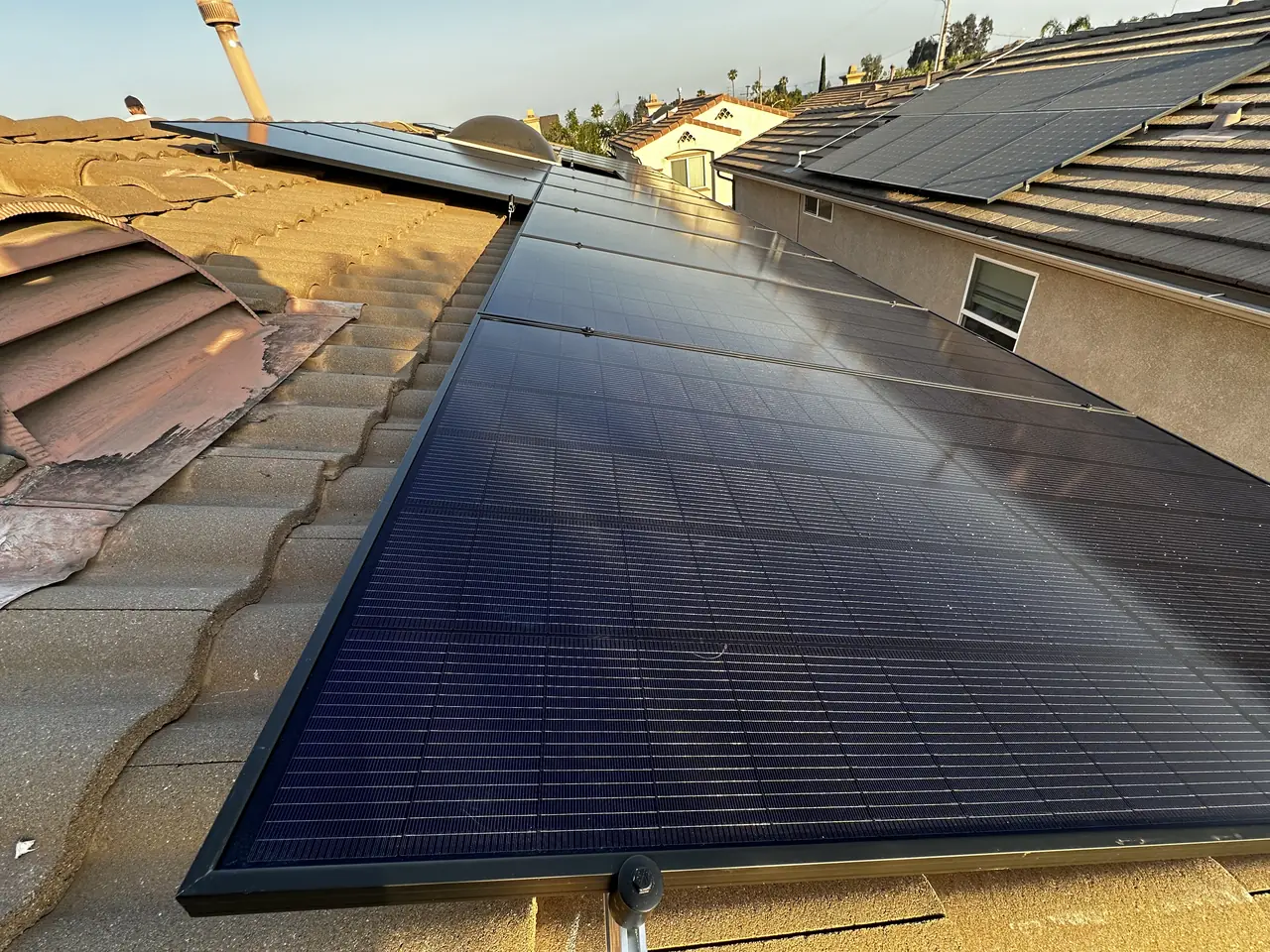
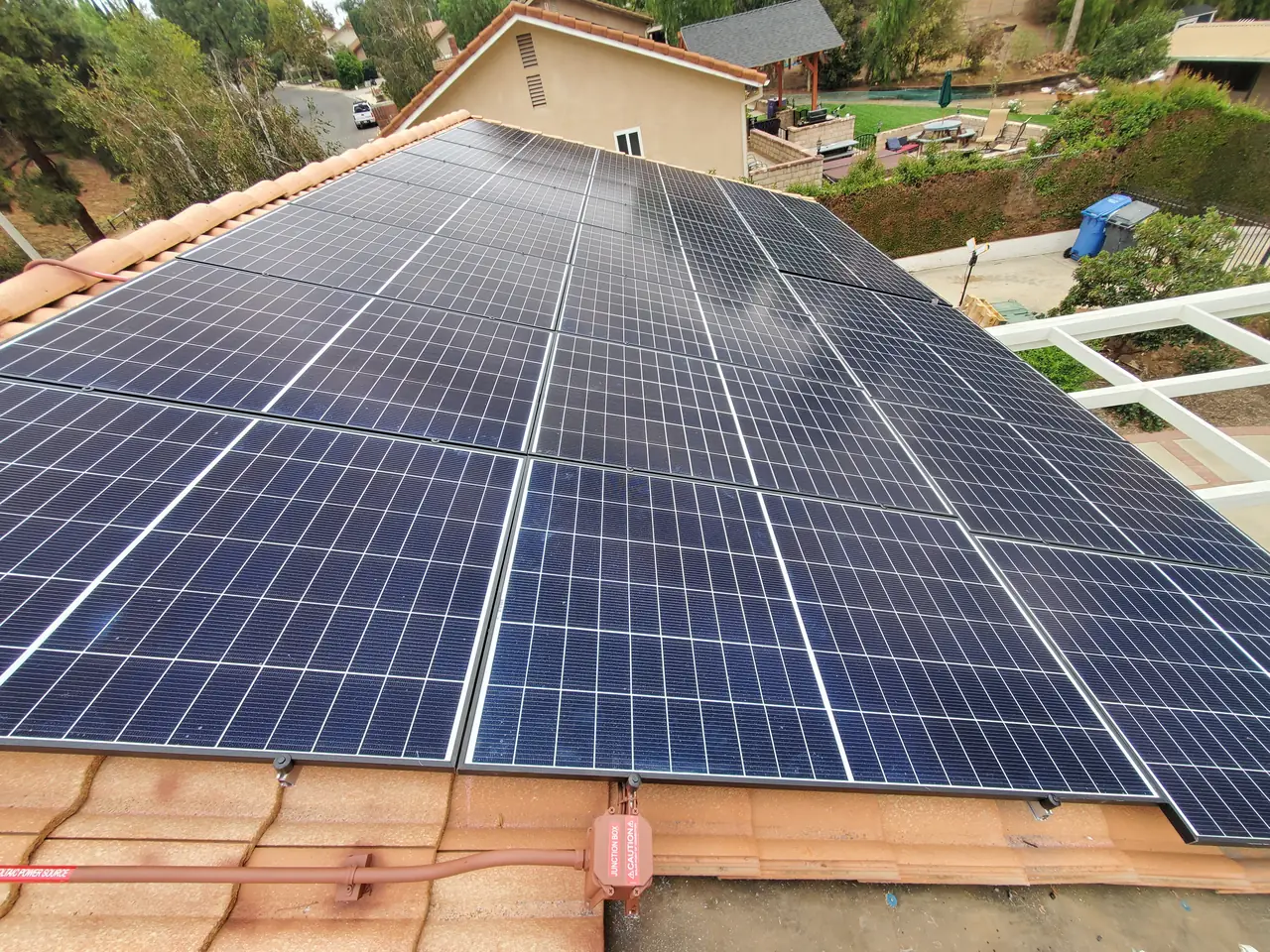
A finished array on barrel tile, an association that had no record of the application, and a plain answer about how long permission actually takes.
A finished, inspected solar array does not produce until the utility installs or re-inspects the meter and issues permission to operate, and that step has its own queue. On this Pacoima project Cali Energy filed the interconnection request on the twentieth of January and permission to operate was issued on the sixth of March, with the net meter set the same day — a little over six weeks. Asked twice to expedite it, the utility's answer was that the submittal date was the twentieth of January, that this is a normal time frame for a solar project, and to plan accordingly. That is the useful number to hold, because it is the utility's own.
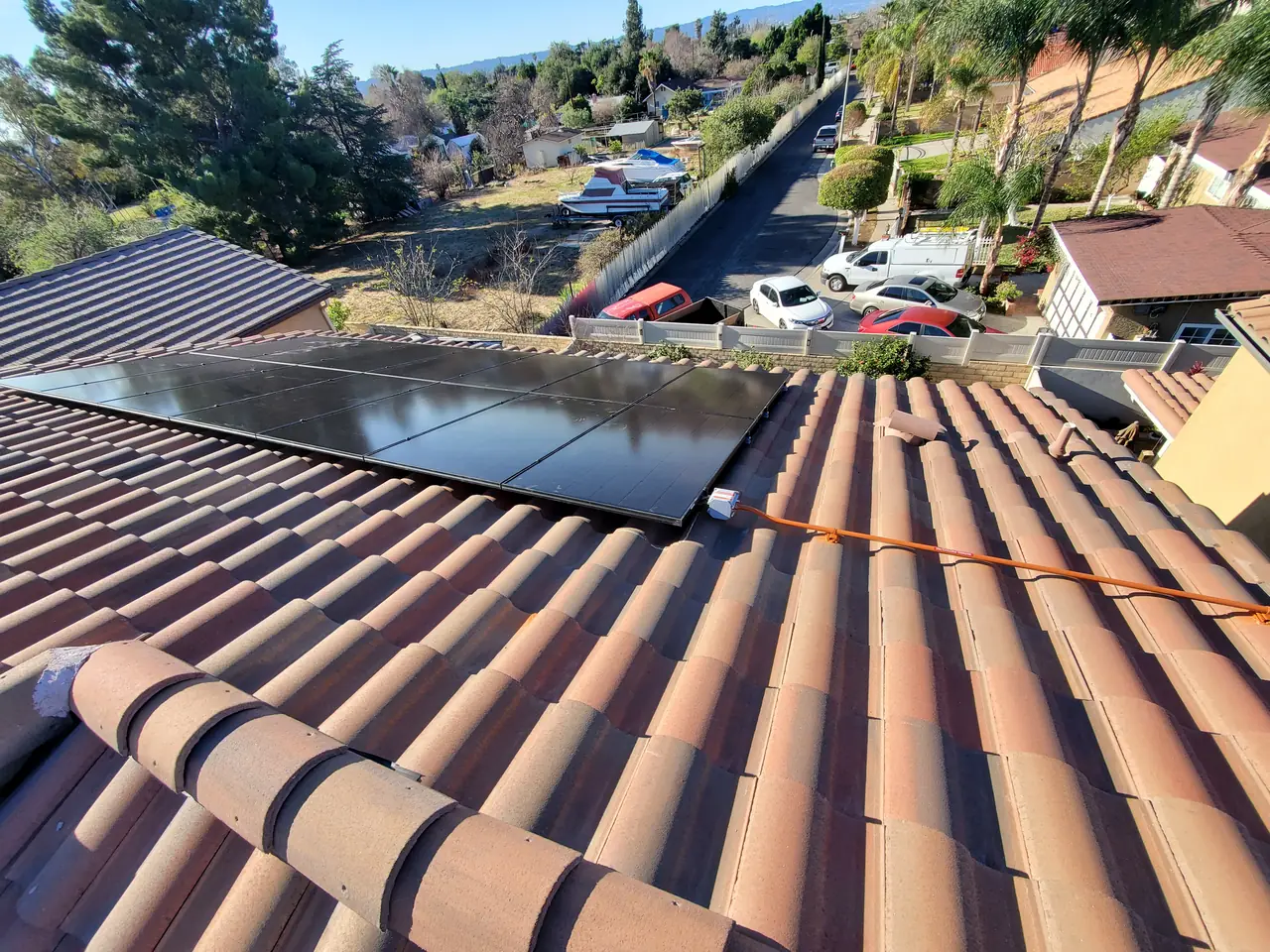
At a glance
- System
- 4.4 kW AC-CEC
- Roof
- Terracotta barrel tile
- Plan set issued
- 6 December 2020
- Association approval
- 19 January 2021
- Interconnection filed
- 20 January 2021
- Inspection requested
- 25 January 2021
- Permission to operate
- 6 March 2021, net meter set the same day
- Utility / AHJ
- LADWP / LADBS
The story
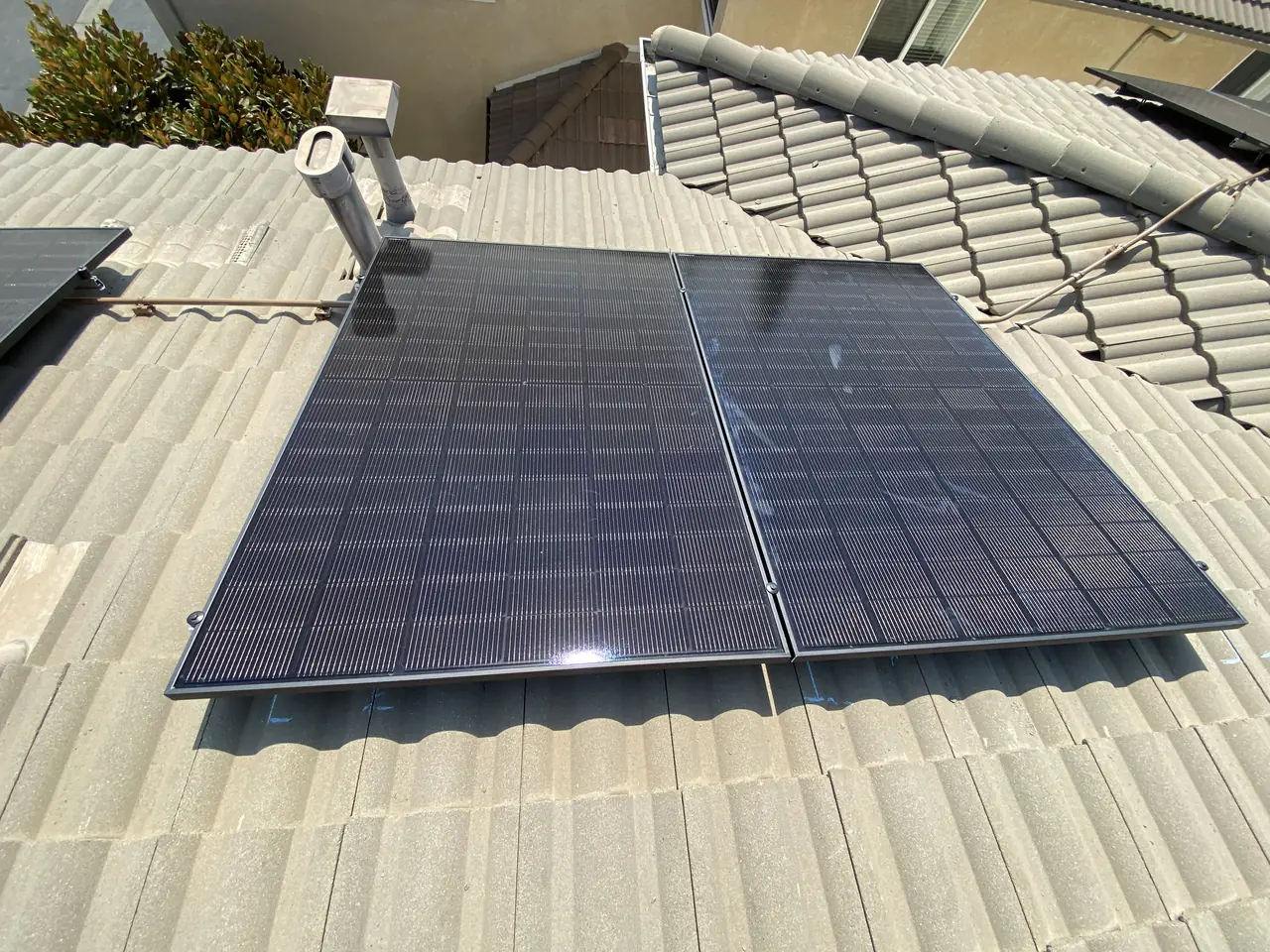
The array on this Pacoima house was finished and inspected in the last week of January. It began producing in March. Nothing went wrong in between, and the six weeks in the middle are what most homeowners are actually asking about when they ask how long solar takes.
The first delay was not the utility's. The property's association had to approve the installation, and the application went in during December. When Cali Energy asked for a status in the middle of January, the management company's answer was that they had no record of receiving an application before the twelfth of January. The board approved it a week later and told us work could begin immediately, without waiting for the owner's paper copy.
That is worth planning around on any property with an association. An application is not approved because it was sent; it is approved when somebody on the other side has it in front of them. Ask for an acknowledgement, in writing, with a date on it, and follow up before the month runs out rather than after.
The rest ran in order. The interconnection request went to the utility on the twentieth of January. The building department inspection was requested on the twenty-fifth. The array itself is on terracotta barrel tile, which is the most fragile common roof material in the valley: more of it breaks than flat profile tile, so the layout is fixed before the first piece is lifted and the attachments go into the structure with each penetration flashed before the tile goes back.
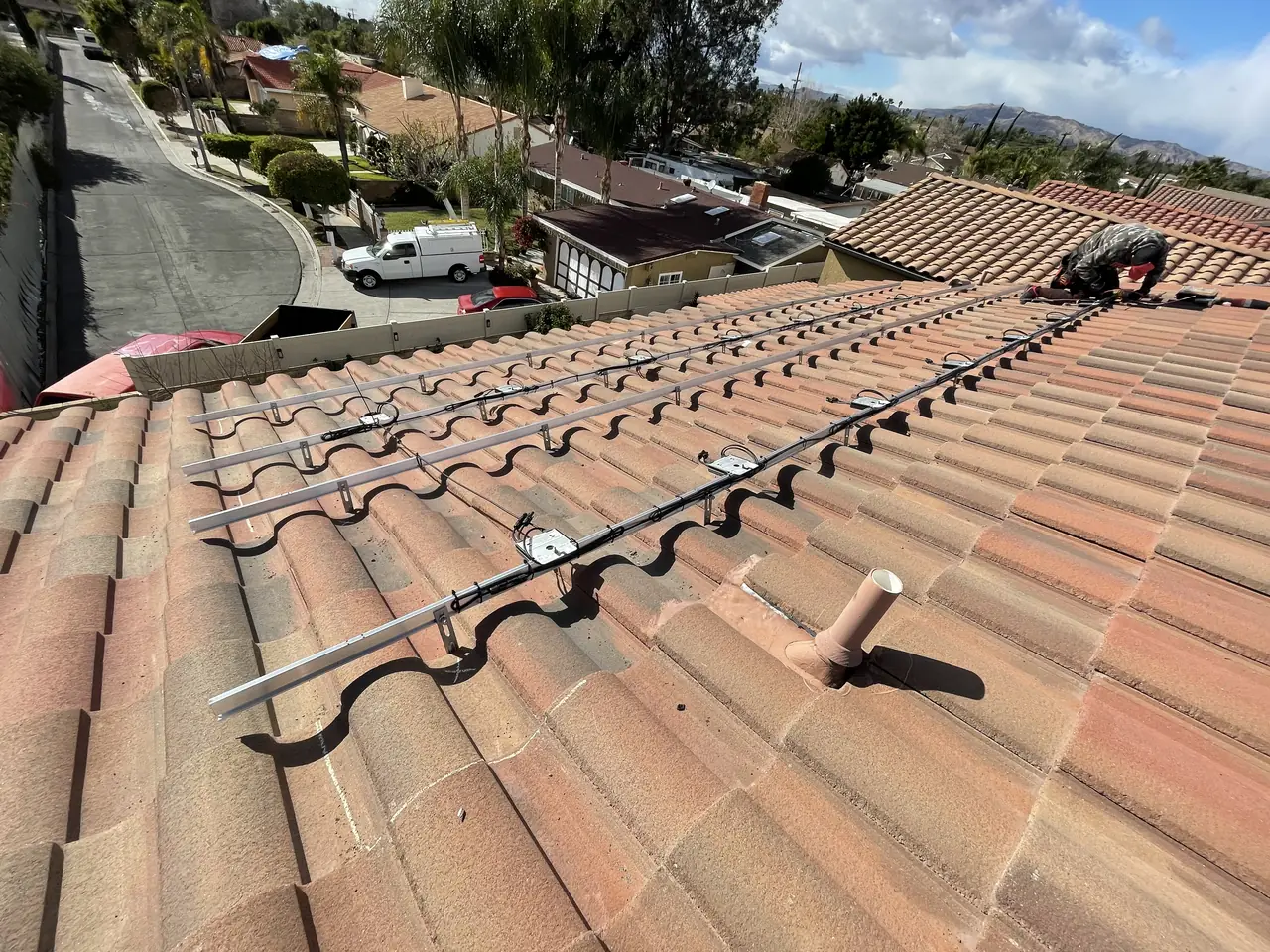
Then came the wait that homeowners ask about. The array was complete and signed off, and the system still could not be switched on, because permission to operate comes after the utility installs or re-inspects the meter. We asked twice for the step to be expedited, and the answer came back at two levels of the utility with the same content: the meter installation was pending, the submittal date was the twentieth of January, this is a normal time frame for a solar project, and to plan accordingly.
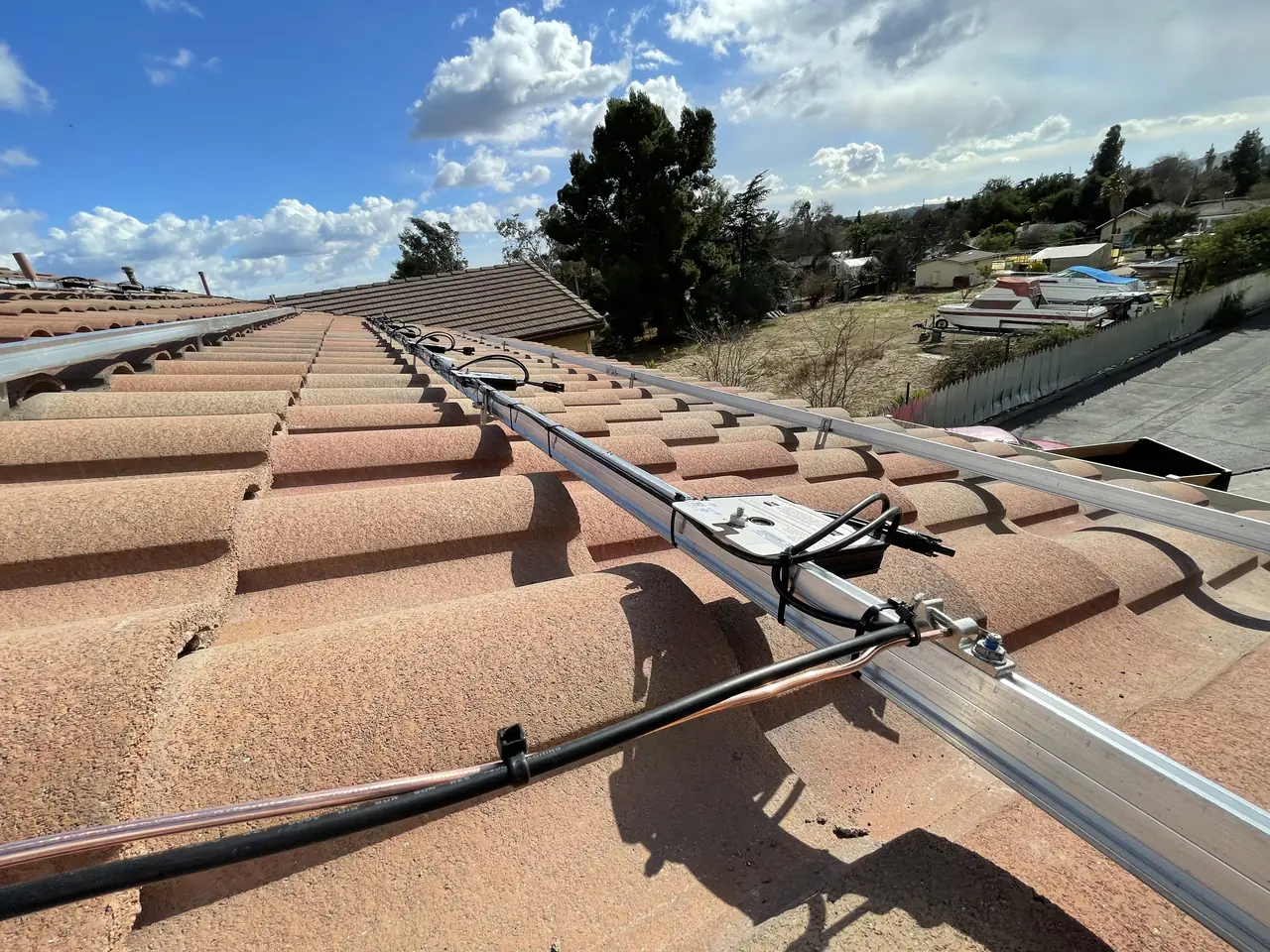
Permission to operate was issued on the sixth of March, with the net meter set the same day. Six weeks and two days from filing. It is not a fast number and it is not a slow one — it is the number the utility itself describes as ordinary, which makes it the right one to build an expectation around rather than the best case somebody was told at a kitchen table.
How it ran
| 6 December 2020 | Plan set issued |
|---|---|
| December 2020 | Application sent to the property's association |
| 12 January 2021 | Association's management first records the application |
| 19 January 2021 | Board approves; work may begin |
| 20 January 2021 | Interconnection request filed with the utility |
| 25–26 January 2021 | Array installed; building department inspection requested |
| 22 February 2021 | Interconnection review completed |
| 6 March 2021 | Permission to operate issued; net meter set |
Six weeks and two days from interconnection filing to permission to operate. This timeline reflects this property and this period.
What we did
- Carried the association application to an approval and confirmed work could start without waiting for the owner's paper copy.
- Filed the interconnection request the day after the association approved (C-10).
- Laid out the array on barrel tile before lifting any of it, and flashed every penetration.
- Requested the building department inspection five days after filing.
- Chased permission to operate twice and carried it to issue, with the net meter set the same day.
System specifications
| Rated output | 4.4 kW AC-CEC |
|---|---|
| Roof | Terracotta barrel tile |
| Mounting | Tile lifted along the rail lines, penetrations flashed, tile reset |
| Association | Approval required before work could begin |
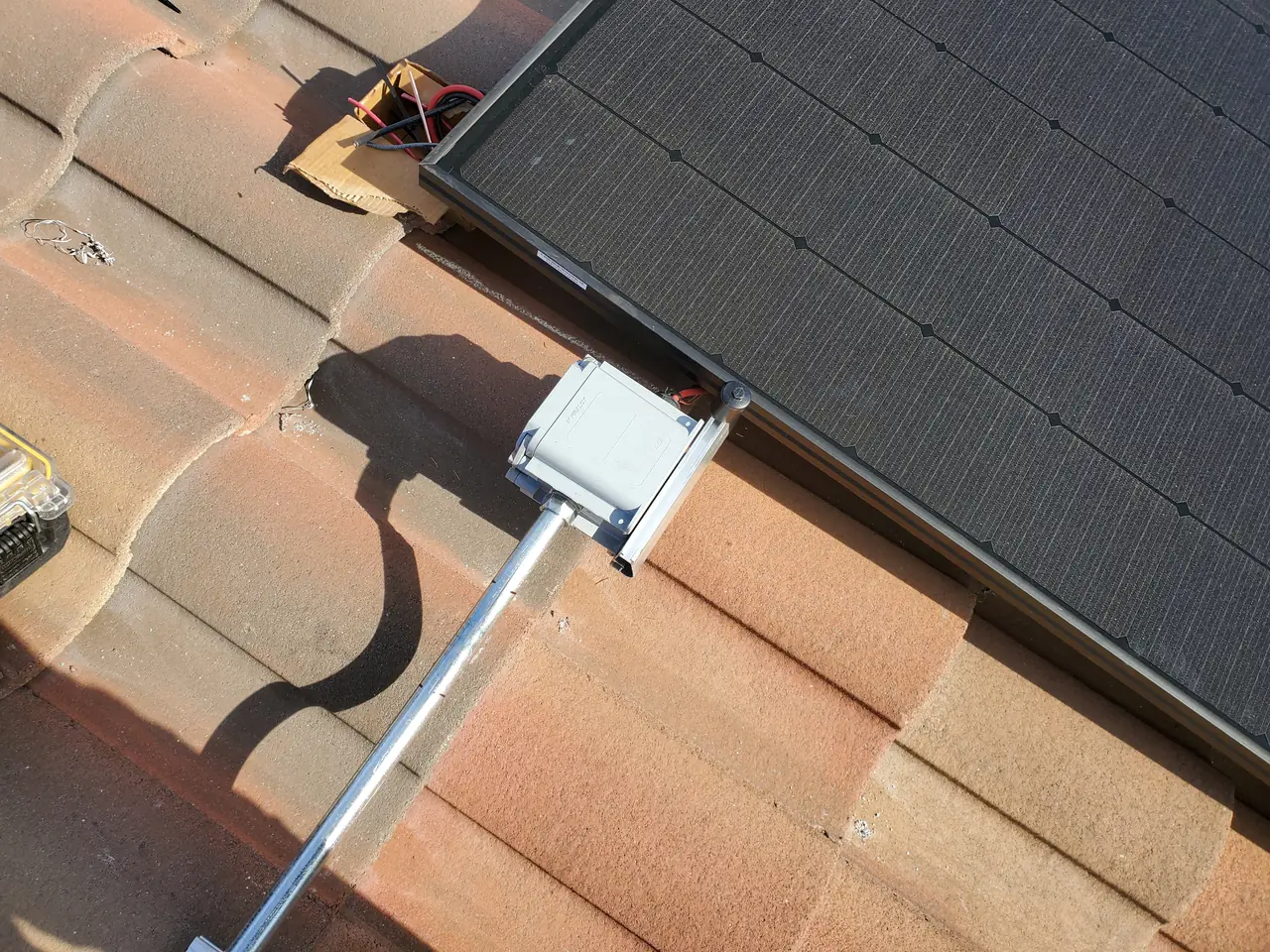
| Meter | Net meter set on the day permission was issued |
| Utility / AHJ | LADWP / LADBS |
Is your project like this one?
- Your array is finished and inspected and still will not turn on.
- You want a realistic number for how long permission to operate takes.
- Your property has an association and you do not know when to apply.
- You have barrel tile and want to know how the attachments are made.
- You were told the utility step would take days.
Cali Energy in Pacoima
Pacoima is a City of Los Angeles neighborhood in the northeast San Fernando Valley, which means the permit goes through LADBS and the interconnection through LADWP. The housing is mostly post-war single story on modest services, and the ZIP it shares with Arleta turns up in the paperwork more often than anyone expects.
This installation is on the Pacoima projects page alongside the others, and what the work covers is set out on the Pacoima service area page.
- License and classifications: CSLB #1032379
- Official reference for this process: LADWP — interconnection process, types 1, 2 and 3
- Official reference for this process: LADWP — interconnection requirements
Frequently asked questions
How long does permission to operate take after the array is finished?
On this Pacoima project it was six weeks and two days from the interconnection filing, with the net meter set on the day permission was issued. Asked to expedite it, the utility described that as a normal time frame for a solar project. Another Pacoima project ran seven days on the same utility, so both ends exist; expect weeks rather than days, and treat anything faster as a good outcome rather than the plan.
Why can a finished solar system not be switched on?
Because the last step belongs to the utility, not the installer. After the building department signs off the installation, the utility has to install or re-inspect the meter and issue permission to operate. Running a system before that permission exists is not allowed, and the wait for it is the part of a solar project that nobody controls.
Does Cali Energy work on properties with a homeowners association?
Yes. Cali Energy handles association applications alongside the permit and interconnection on Pacoima projects, and in this case confirmed with the management company in writing that work could begin on the board's approval rather than on the owner's paper copy. Nine completed Pacoima projects are on our projects page. Our license is CSLB #1032379.
When should an association application go in?
Before anything else, and with an acknowledgement asked for in writing. On this project the application was sent in December and the management company had no record of it until the middle of January, which put four weeks on the calendar before the utility had even been asked. A dated acknowledgement turns that risk into a known date.
What this would look like on your roof
Planning solar in Pacoima? Tell us your utility, your roof and what your bill looks like now, and we will model what a system like this would do on your house before you commit to anything.
Or call +1 (323) 844-7777 · Cali Energy, Northridge · CSLB #1032379 (B, C-10, C-39) — design, permits, install and electrical under one licensed contractor.
Related
This timeline reflects this property and this permitting path. Updated September 2026.