

Granada Hills, CA · July – August 2025 · LADWP / LADBS
Granada Hills: the signed agreement on the utility's file, and the meter set.
Filed, reviewed, released and approved inside two weeks, and then one document to put on the utility's file: the signed agreement the whole connection rests on.
An interconnection agreement is not a form inside the application. It is a signed contract between the customer and the utility setting the terms on which a generator is allowed to run in parallel with the grid, and it has to be on the job file before permission to operate. It is submitted with the application, it is the one item needing the customer's signature rather than the installer's data, and when it does not attach nothing rejects — the reviews carry on and it surfaces at the end.
At a glance
- Modules
- 26 × Canadian Solar CS3N-400MS, 400 W
- Microinverters
- 26 × Enphase IQ8A
- Recorded by the utility
- 10.09 kW
- Filed
- 15 July 2025
- Reviewed and site evaluation
- Same day
- Building department release
- 22 July 2025
- Agreement approved
- 29 July 2025
- Permission to operate
- 14 August 2025
The story
The first two weeks of this project was about as clean as the utility stage gets. The request went in on the fifteenth of July, and by the end of that same day it had been reviewed, the details confirmed and the site evaluation closed out. The building department's final release reached the utility a week later.
Then, on the twenty-eighth, an email from a utility services specialist. He had gone through the job file for the project and there was no interconnection agreement on it. Template attached. Please complete it and return it.
Most owners never hear the phrase. The application starts a process; the interconnection agreement is a contract. It is signed by the customer and it sets the terms on which a generator is permitted to operate in parallel with the utility's system — what the customer is responsible for, what the utility is, and under what conditions the connection can be interrupted. No agreement on file, no permission to operate, regardless of what else has been approved.
Why it goes missing is worth understanding. The agreement is submitted with the application, alongside a stack of items that are all installer data — system size, equipment, site photographs. It is the only one that needs the customer to sign something. If it does not attach, nothing bounces. The review proceeds, the engineering notices fire off, the building department releases the work. Every automatic step keeps running because no automatic step is looking for it. It surfaces when a coordinator reads the file for completeness, and by then the project looks finished from every other angle.
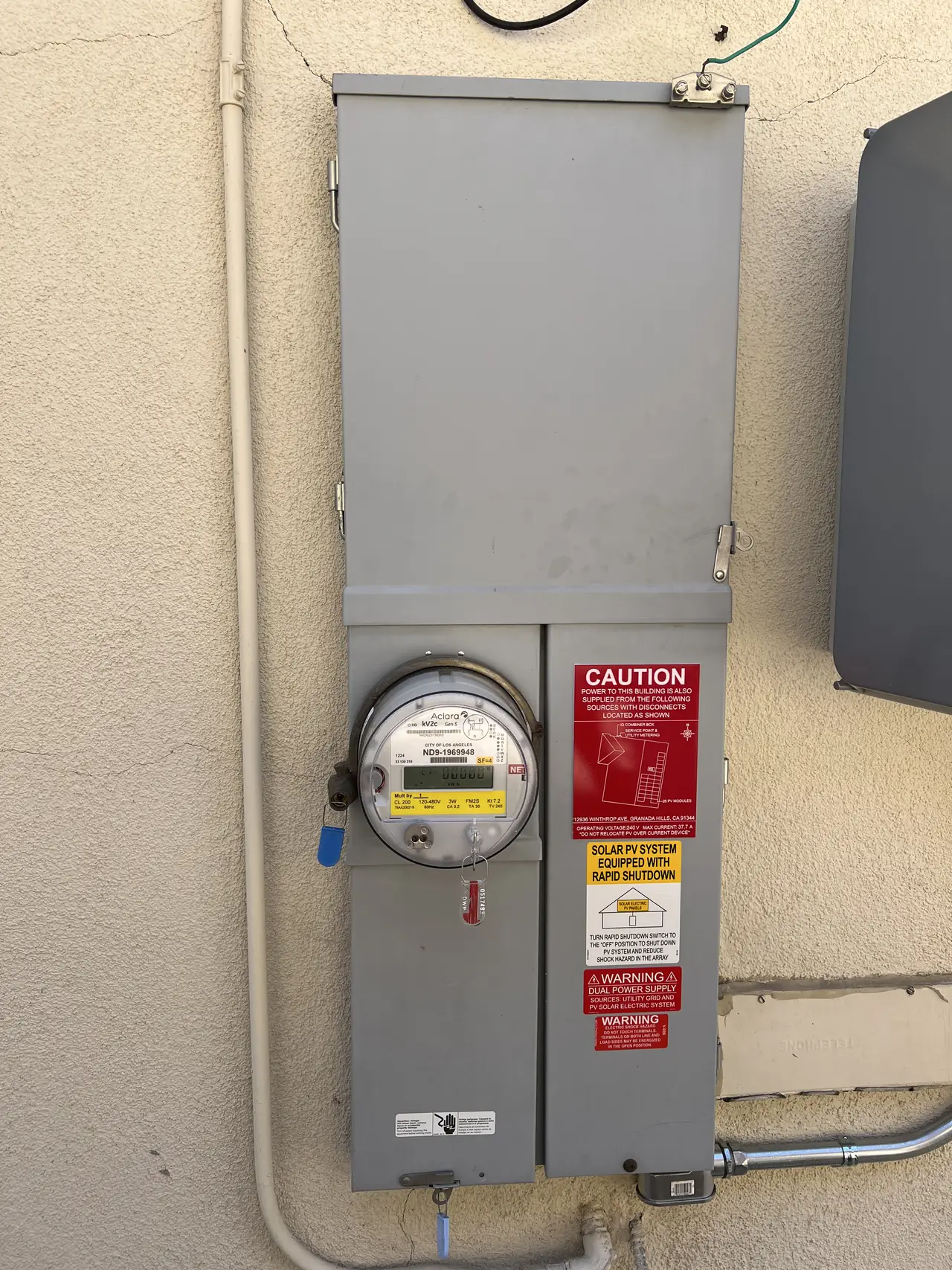
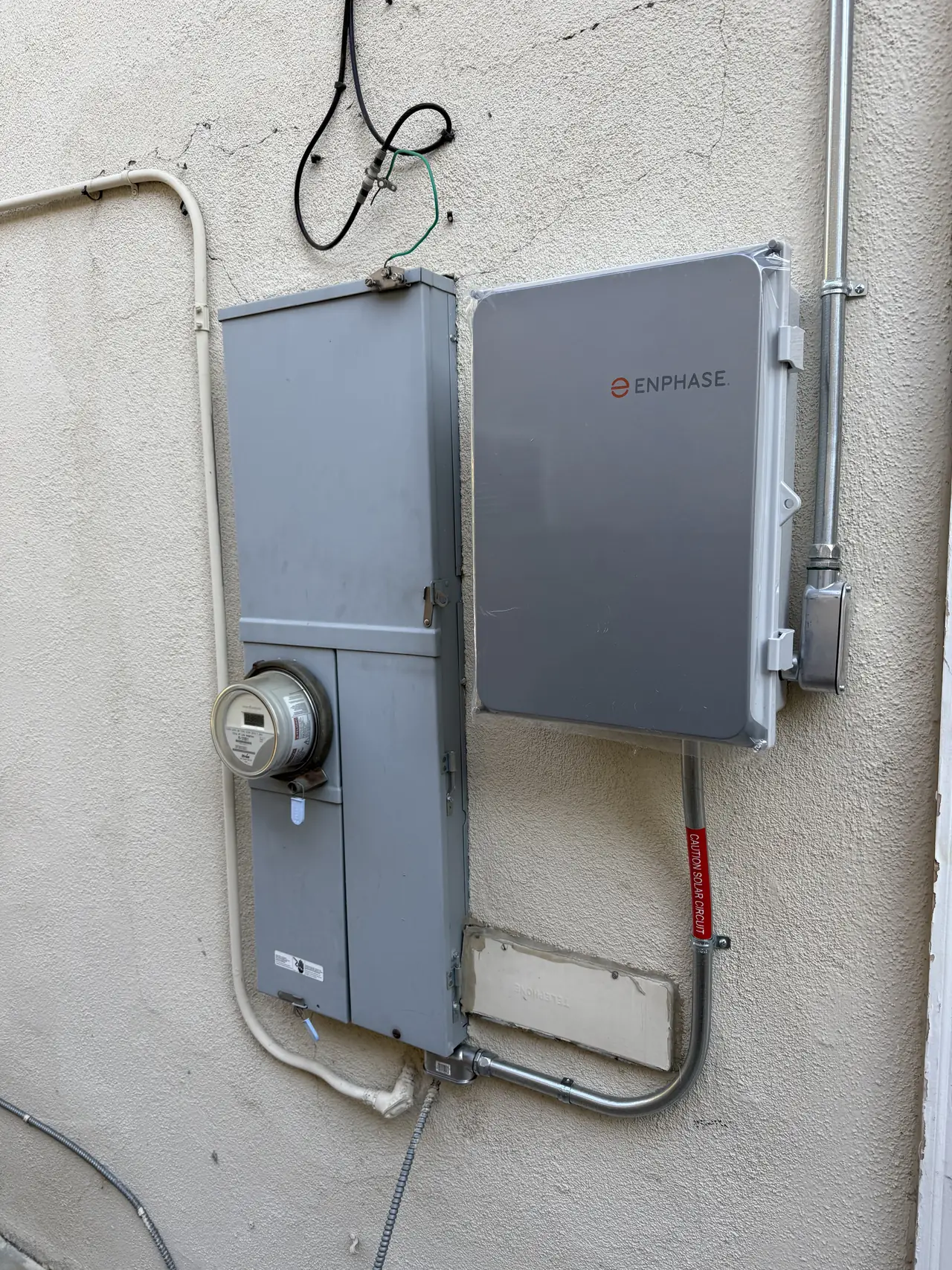
Here the fix took a day. The notice that the agreement was in and under review came on the twenty-eighth; the notice that it had been approved came on the twenty-ninth. Permission to operate followed on the fourteenth of August, with the existing meter exchanged for a net meter.
Thirty days, filing to switched on, with a missing contract inside it. That is the encouraging part: caught at the right moment it costs a day. Caught late — or not chased at all — it is a project that has passed every inspection and still cannot run, with nobody able to say why.
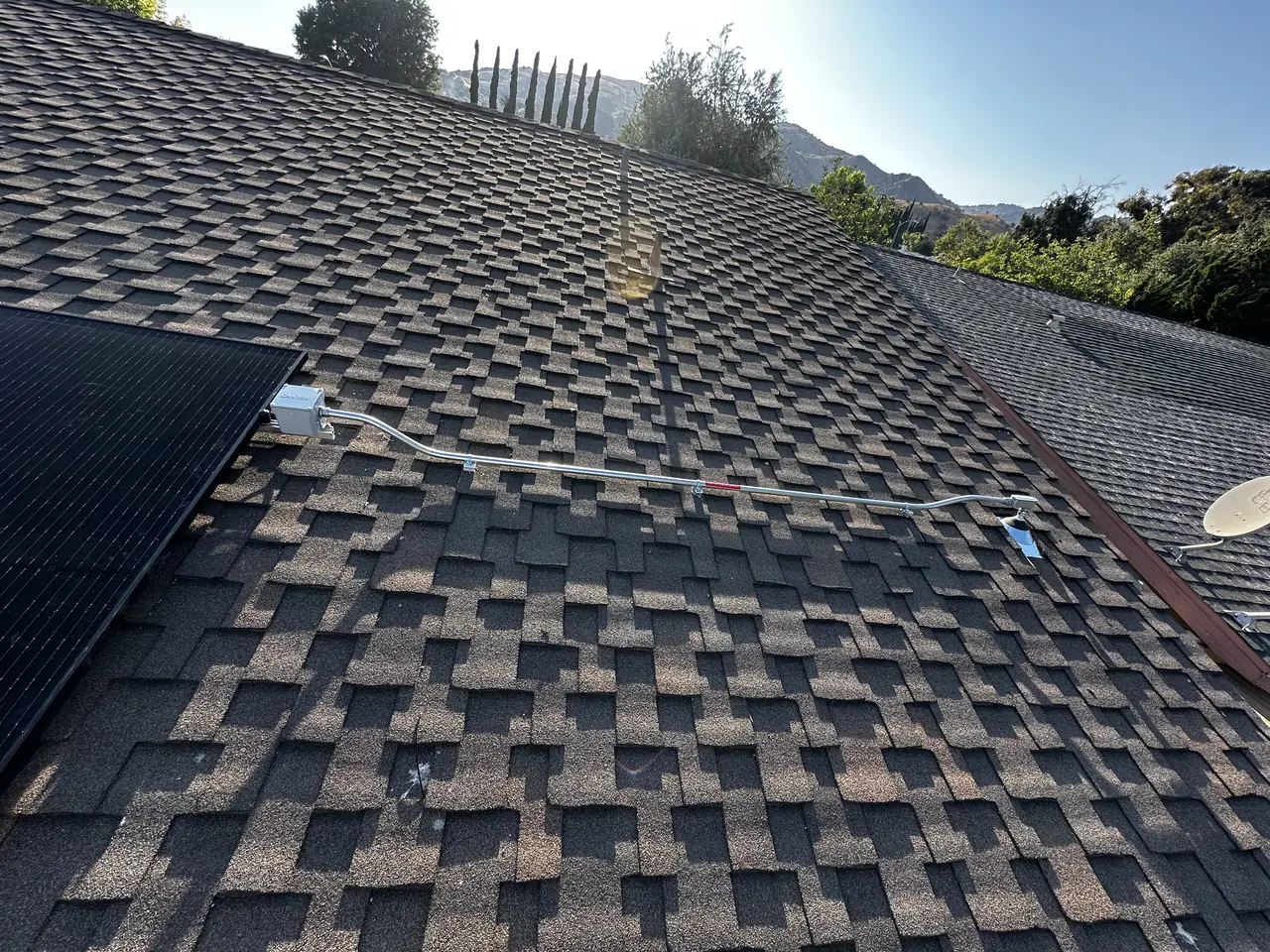
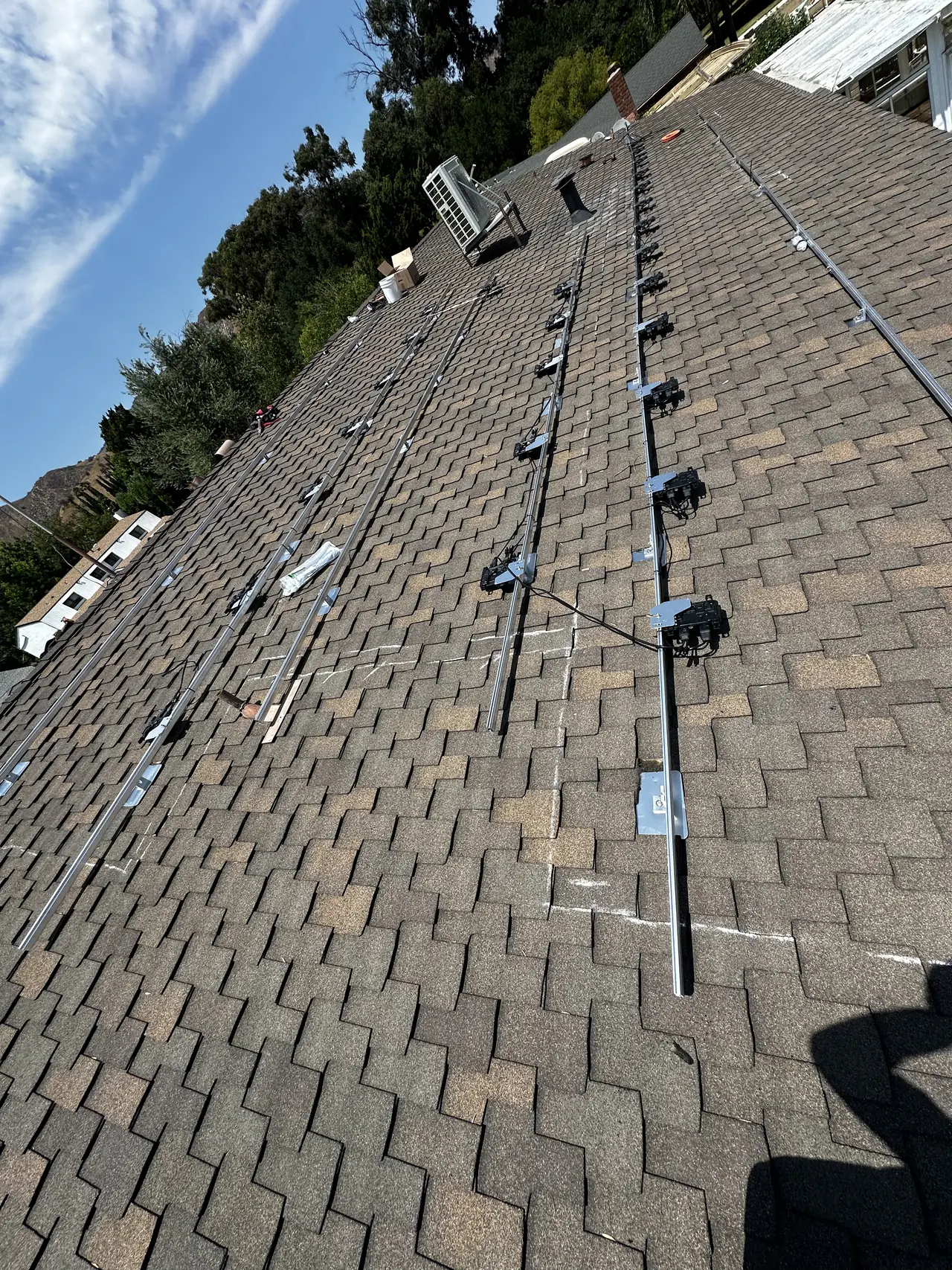
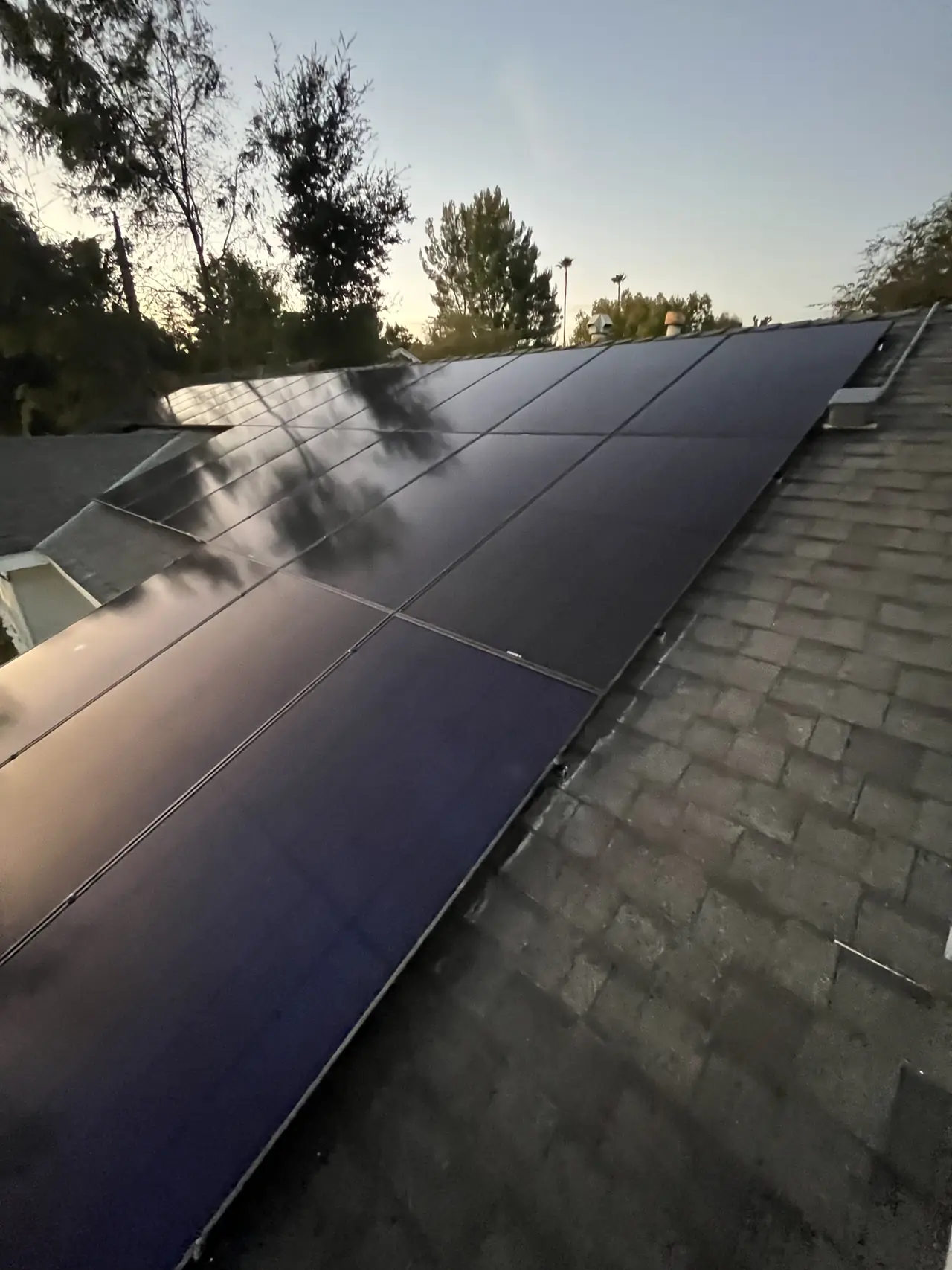
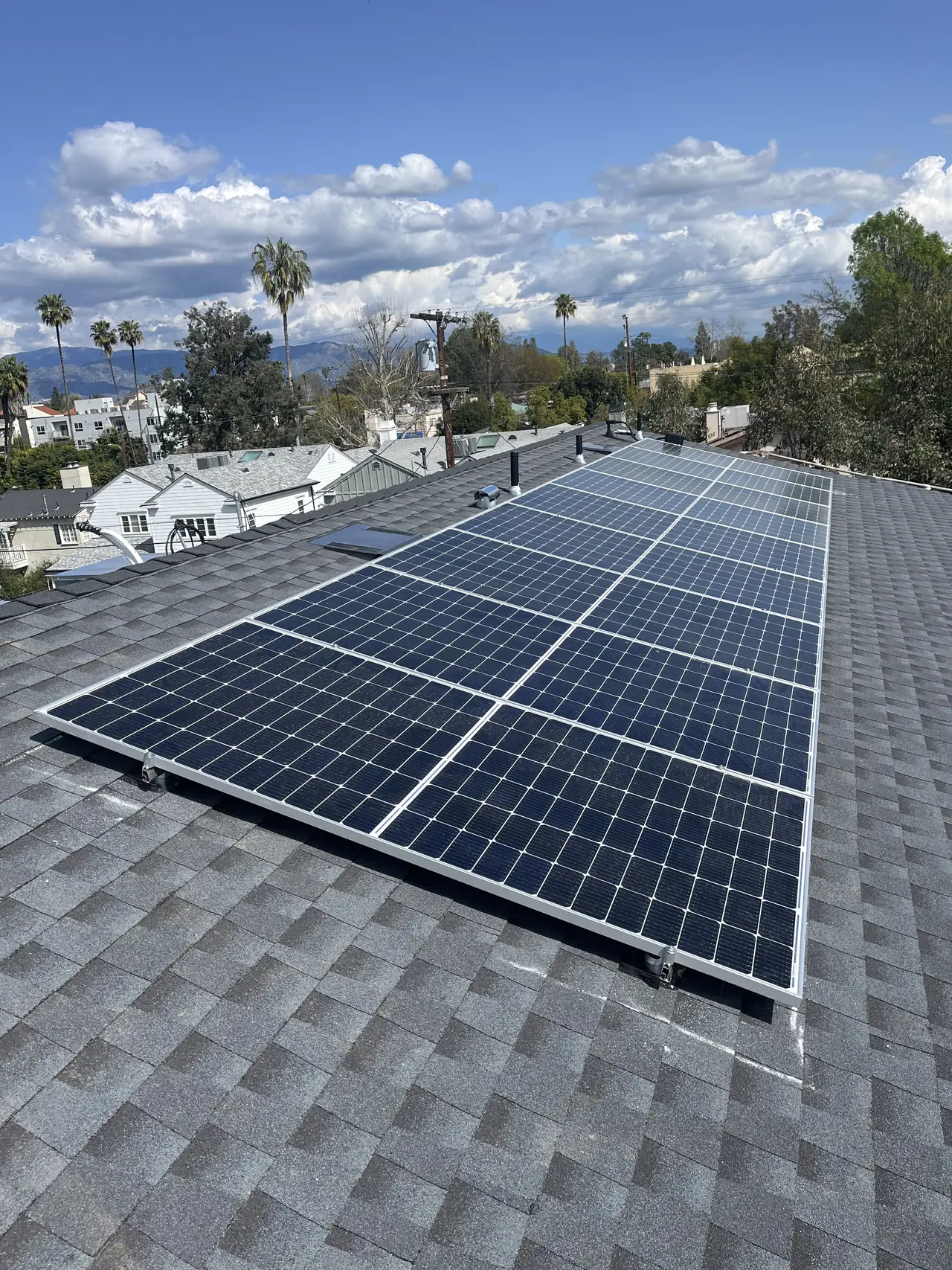
The system itself is twenty-six modules of 400 watts with a microinverter under each one, recorded by the utility at 10.09 kilowatts — a large residential array, and the least eventful part of the job.
Two practical points. If you are the owner, expect to sign something yourself at some stage; if nobody has asked you to sign anything addressed to the utility, that is worth one question. And if you are having this managed for you, the question to ask is not whether the agreement was sent — it is whether it is on the file. Those are different facts, and only the second one moves anything.
The agreement went on the file, the meter was exchanged and the system has run since August 2025. Cali Energy now confirms that a Granada Hills interconnection agreement is on the utility's file rather than that it was sent.
How it ran
| 15 July 2025 | Interconnection request filed; reviewed, confirmed and site evaluation closed the same day |
|---|---|
| 22 July 2025 | Building department's final release reaches the utility |
| 28 July 2025 | Specialist reports no interconnection agreement on the job file; template sent |
| 28 July 2025 | Agreement returned and under review |
| 29 July 2025 | Agreement approved |
| 14 August 2025 | Permission to operate; existing meter exchanged for a net meter |
Thirty days from filing, including a contract that had to be found and signed at day thirteen.
What we did
- Filed the interconnection request and cleared review, confirmation and site evaluation on the day of filing.
- Set twenty-six modules with a microinverter under each.
- Handled the interconnection agreement the day the utility asked for it.
- Carried the project from filing to permission to operate in thirty days.
System specifications
| Modules | 26 × Canadian Solar CS3N-400MS, 400 W |
|---|---|
| Microinverters | 26 × Enphase IQ8A, one per module |
| Recorded by the utility | 10.09 kW |
| Roof | Composition shingle, two planes |
| Meter | Existing meter exchanged for a net meter |
| Documents | Interconnection agreement signed and approved mid-process |
| Filing to permission | 30 days |
| Utility / AHJ | LADWP / LADBS |
Is your project like this one?
- Your solar has passed every inspection and still will not switch on.
- You have never been asked to sign anything by your utility.
- You want to know which documents in an interconnection actually need you.
- You are managing a project and want a checklist that is not just inspections.
- You are comparing installers on how they handle the utility side.
Cali Energy in Granada Hills
Granada Hills sits inside City of Los Angeles boundaries, so every project here is permitted through LADBS and interconnected through LADWP. Our work in Granada Hills runs from single-row arrays on accessory dwelling units to systems on underground services, on composition shingle and on concrete tile.
The utility stage here is a chain of notices, and most of them arrive without anybody having to do anything. The one that does need a person is easy to miss precisely because the rest are automatic.
This installation is on the Granada Hills projects page alongside the others, and what the work covers is set out on the Granada Hills service area page.
- License and classifications: CSLB #1032379
- Official reference for this process: LADWP — interconnection process, types 1, 2 and 3
Frequently asked questions
What is an interconnection agreement?
A contract between the customer and the utility that sets the terms on which a generator may run in parallel with the grid — responsibilities on each side and the conditions under which the connection can be interrupted. It is signed by the customer and has to be on the job file before permission to operate is granted.
Is it the same as the interconnection application?
No. The application opens the work request and carries the system data; the agreement is the signed contract that goes with it. They are submitted together, which is exactly why a missing agreement is easy not to notice — the application is clearly there and everything downstream of it keeps moving.
What happens if the agreement is missing?
Nothing, for a while. The review runs, the inspections happen, the building department releases the work. It is caught when a coordinator checks the file for completeness, usually near the end, and until it is signed and approved the system cannot be given permission to operate.
Who signs it?
The customer — the account holder for the service. An installer can prepare it and submit it, but the signature is not theirs to give, which is what makes this the one document in the packet that can stall on somebody's kitchen table.
How long does approval take?
On this project a day: returned on the twenty-eighth, approved on the twenty-ninth. It is not a review with any depth to it — which is worth knowing, because the cost of a missing agreement is almost never the approval, it is however long it sits before anybody notices.
Does Cali Energy handle LADWP interconnection in Granada Hills?
Yes — the whole sequence, from the initial request through the agreement and the building department release to permission to operate and the net meter exchange. The step that goes wrong most often is the signed agreement itself, which is submitted once and then assumed. Cali Energy confirms it is on the utility's file rather than that it was sent, because only the first of those moves a Granada Hills project forward.
What this would look like on your roof
Planning solar in Granada Hills? Tell us your utility, your roof and what your bill looks like now, and we will model what a system like this would do on your house before you commit to anything.
Or call +1 (323) 844-7777 · Cali Energy, Northridge · CSLB #1032379 (B, C-10, C-39) — design, permits, install and electrical under one licensed contractor.
Related
This timeline reflects this property and this permitting path. Updated September 2026.