

Pacoima, CA · June 2024 · LADWP / LADBS
The paperwork named this Pacoima house three different ways.
Sixteen REC modules on tile, a week from approval to permission, and a paper trail that calls one address Pacoima, Arleta and Los Angeles in turn.
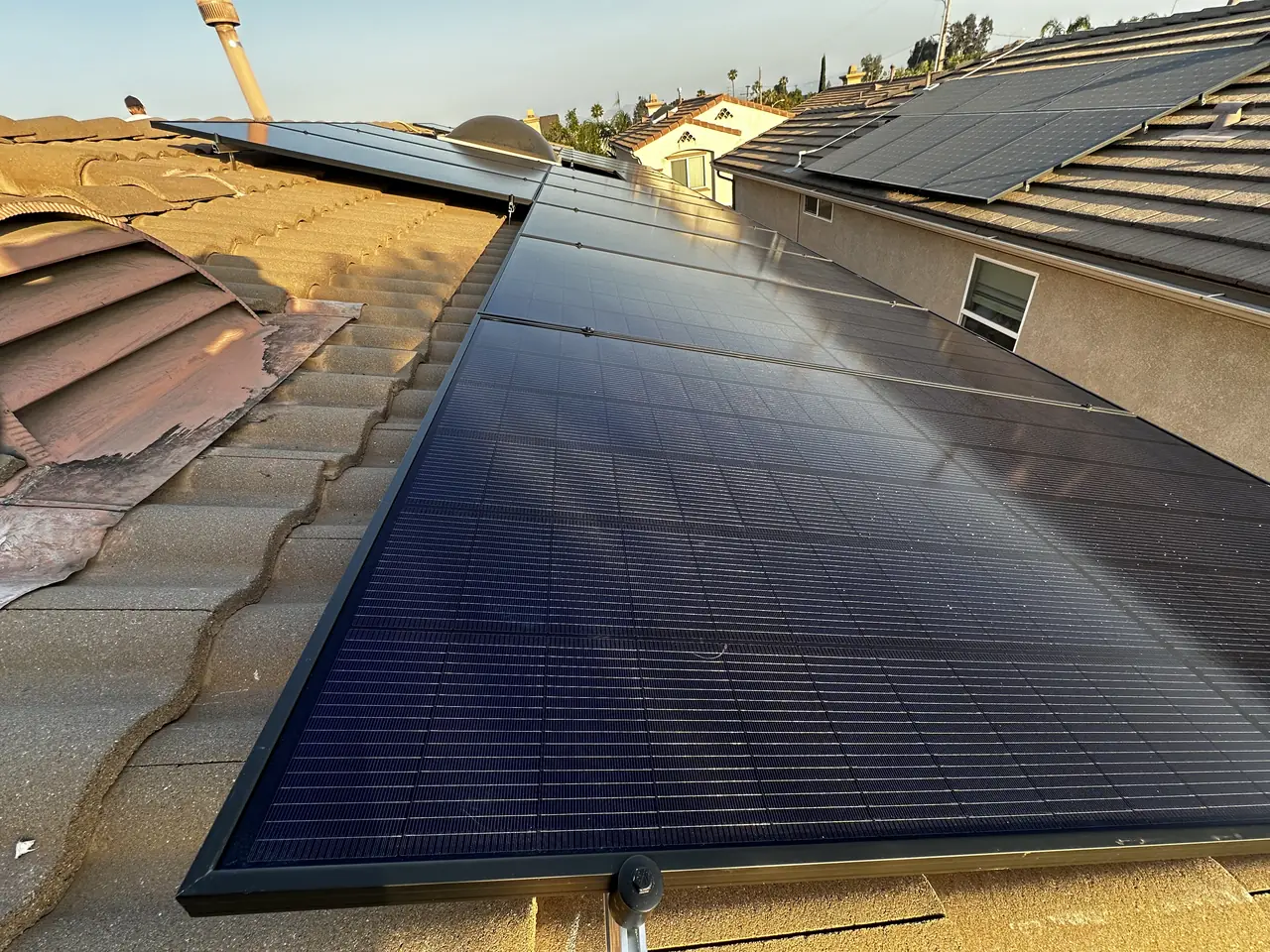
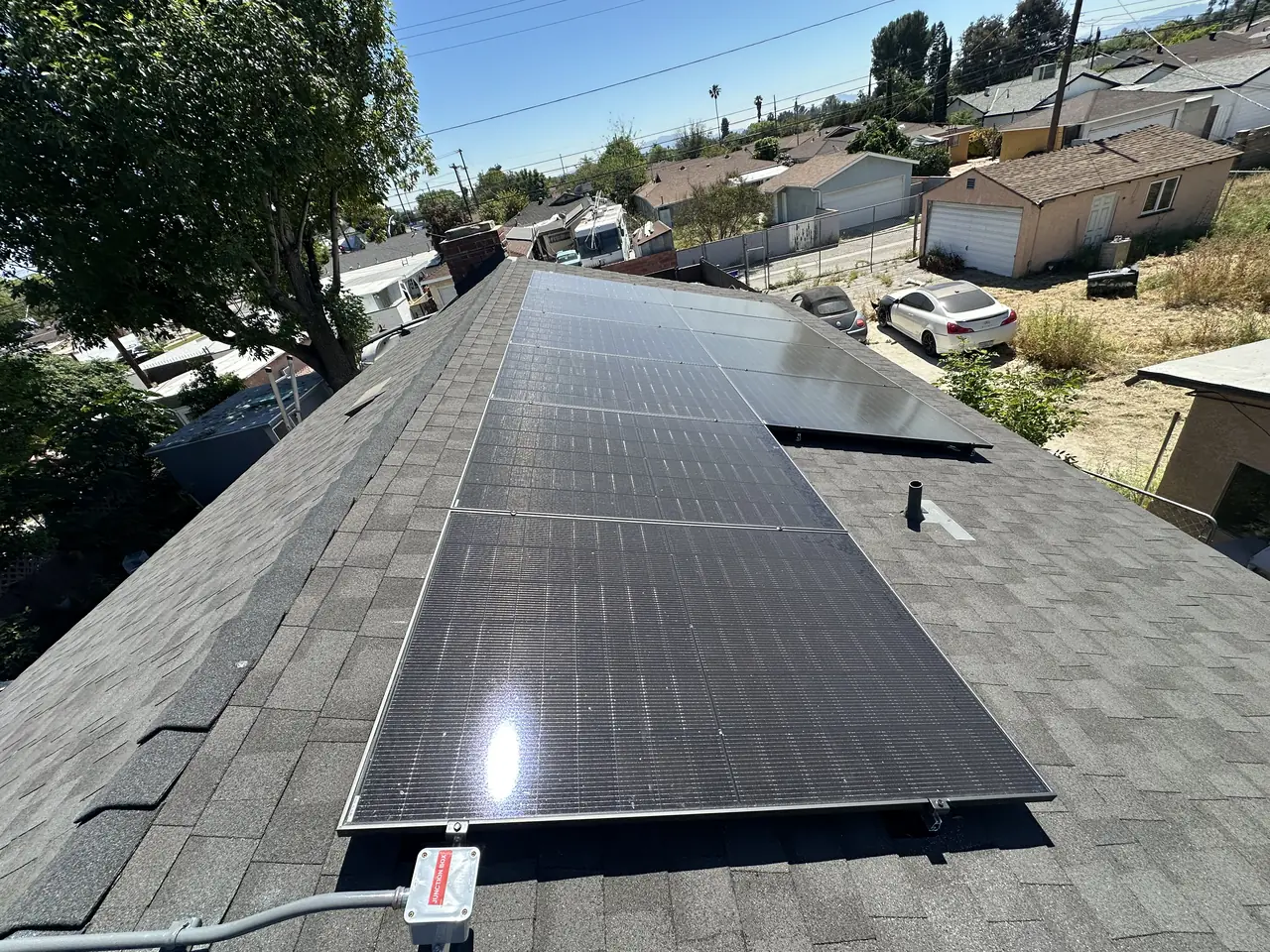
The ZIP code 91331 covers both Pacoima and Arleta, and the postal service treats Pacoima as the primary name for it. The records do not all agree. On this Pacoima project the interconnection notices for one address arrived headed Arleta on some letters and Los Angeles on others, while the building department and the postal address said Pacoima. None of it changed the work or the rules: the neighborhood sits inside City of Los Angeles boundaries, so Cali Energy ran the permit through LADBS and the interconnection through LADWP either way, sixteen REC modules with Enphase IQ8A microinverters, from association approval to permission to operate in seven days.
At a glance
- System
- 5.58 kW AC-CEC / 6.48 kW DC
- Modules
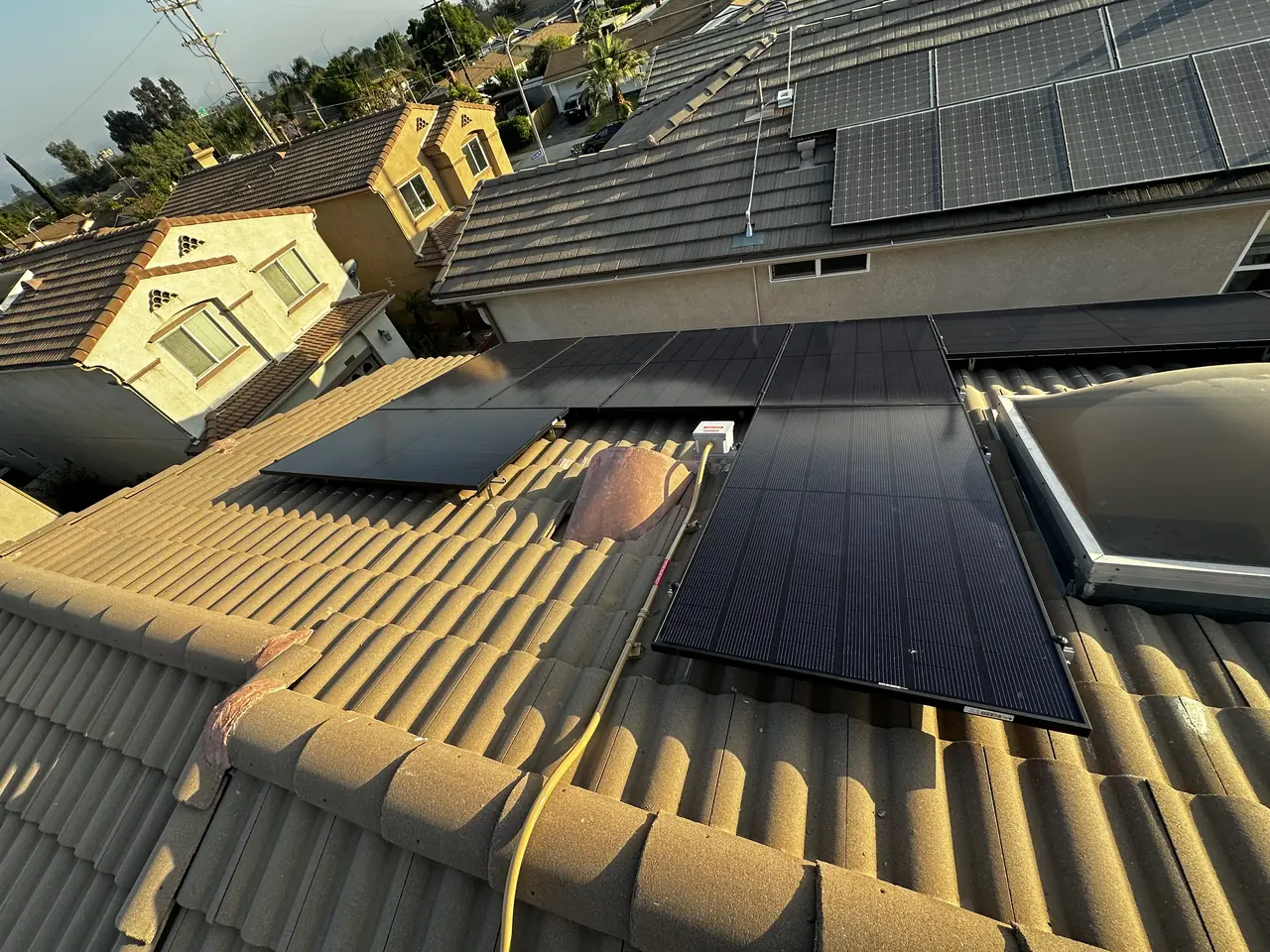
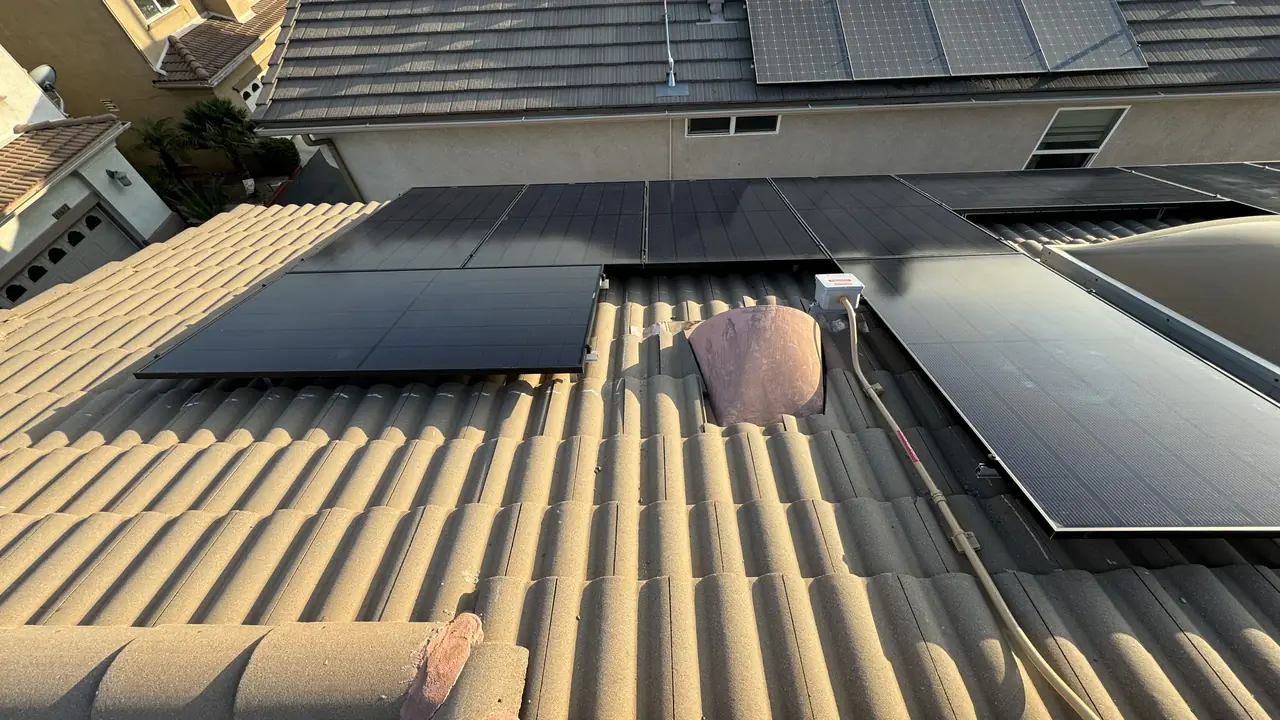
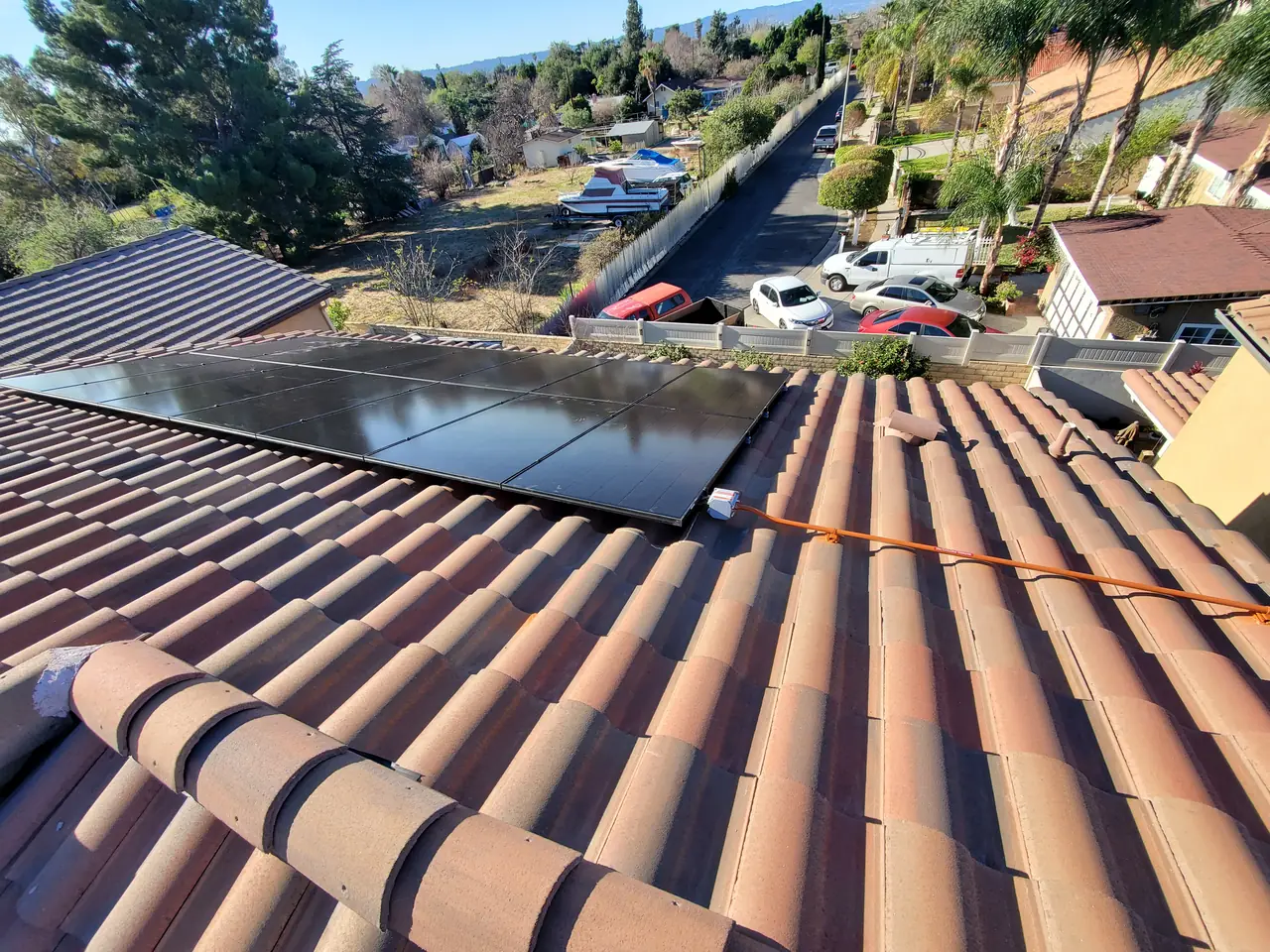
- 16 × REC 405 W, on concrete tile
- Microinverters
- 16 × Enphase IQ8A, one per module
- Existing service
- 100 A main, 125 A panel
- Association approval
- 10 June 2024
- Permit opened
- 10 June 2024, the same day
- Permission to operate
- 17 June 2024
- Utility / AHJ
- LADWP / LADBS
The story
This was a straightforward job on a tile roof, and the only strange thing about it is in the filing cabinet. Sixteen REC 405 W modules with an Enphase IQ8A microinverter under each of them, about six and a half kilowatts on the roof feeding an existing hundred-amp main in a hundred-and-twenty-five-amp panel, and a week between the association saying yes and the utility saying the system could be switched on.
The paperwork is where it gets interesting. Across one address, three neighborhood names were in use at once. The interconnection notices came headed two ways: some named the neighborhood Arleta, others named the incorporated city, Los Angeles. The building department and the postal address said Pacoima. Same house, same work request, same week.
None of that is an error anybody needs to chase. ZIP 91331 genuinely covers two neighborhoods, Pacoima and Arleta, and the postal service treats Pacoima as the preferred name for the whole ZIP even for houses that sit on the Arleta side of the line. Utility letter templates draw the city field from different records, so one system prints the neighborhood and another prints the incorporated city, which for both neighborhoods is Los Angeles.
It matters in exactly one practical way. If you are looking for your own interconnection notices in a mailbox or a search field, searching for the name you use for your neighborhood may not find them. Search by the street name or the work request number instead, and check the folder your installer keeps.
What it never changes is the rules. Pacoima and Arleta are both inside City of Los Angeles boundaries. The permit goes through LADBS, the interconnection through LADWP, and the fire setbacks, the service limits and the inspection sequence are identical on either side of the ZIP. There is no version of this where one name gets a faster queue than another.
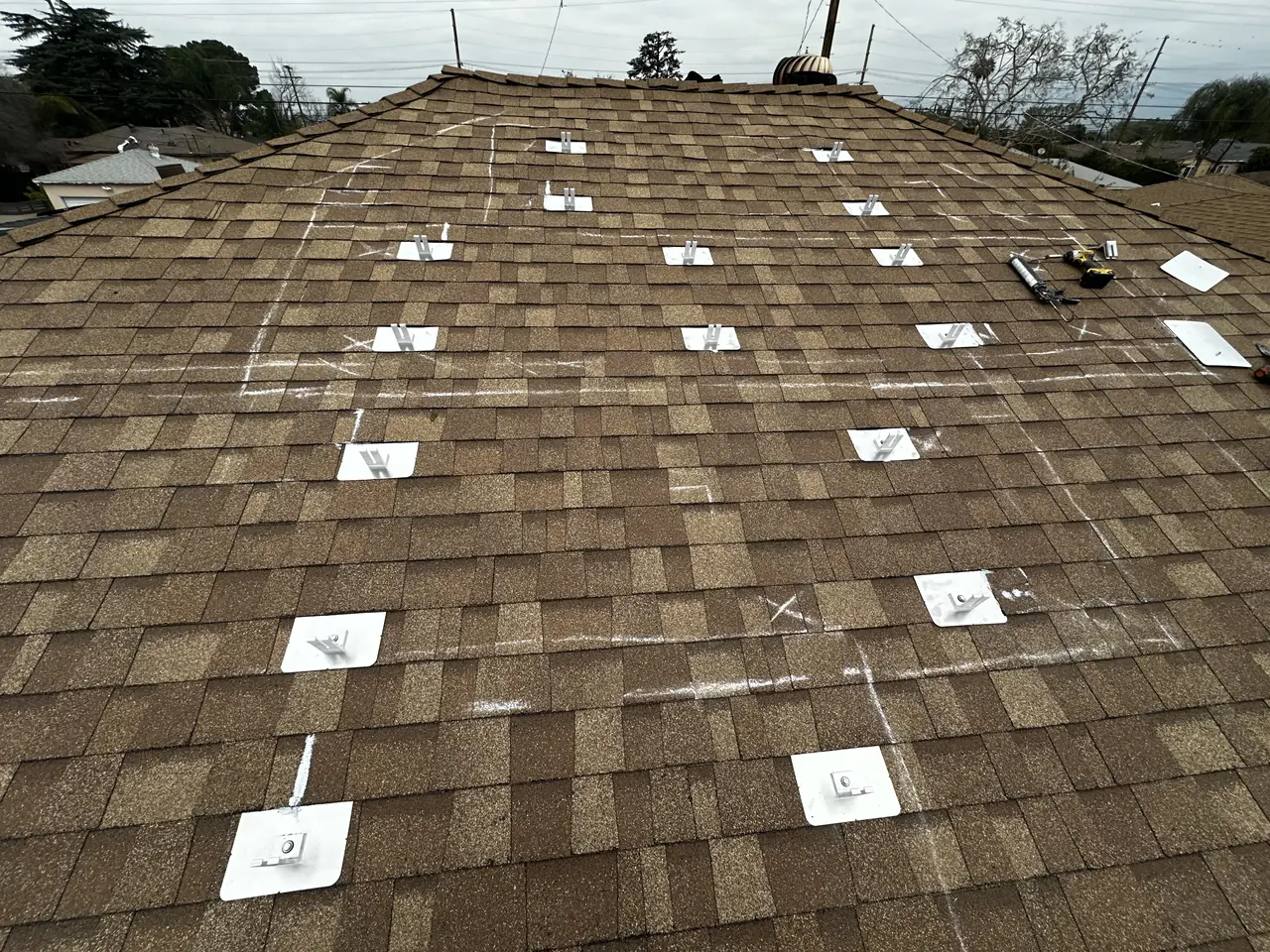
The roof was concrete tile, which sets the working method. Tile comes off along the rail lines, the attachment goes into the structure below, each penetration is flashed, and the tile is reset over the top. It is slower than composition shingle and it is the reason Cali Energy plans a tile job before anything is lifted rather than adjusting it as the crew goes.
How it ran
| 7 June 2024 | Project released to the design team: tile roof, sixteen modules, existing 100 A main |
|---|---|
| 9 June 2024 | Plan set returned |
| 10 June 2024 | Association approval received; permit opened the same day |
| 11 June 2024 | Array installed |
| 13 June 2024 | Final inspection |
| 17 June 2024 | Permission to operate issued |
Seven days from the association's approval to permission to operate. This timeline reflects this property and this period.
What we did
- Designed sixteen modules with a microinverter under each, to an existing hundred-amp service (C-10).
- Opened the LADBS permit the day the association's approval landed.
- Lifted and reset concrete tile along the rail lines, flashing every penetration.
- Carried the LADWP interconnection through to permission to operate in seven days.
- Kept one filing reference across notices that named the neighborhood three different ways.
System specifications
| Modules | 16 × REC 405 W |
|---|---|
| Microinverters | 16 × Enphase IQ8A, one per module |
| Roof | Concrete tile |
| Mounting | Tile hooks, tile lifted and reset over flashed penetrations |
| Existing service | 100 A main, 125 A panel |
| Rated output | 5.58 kW AC-CEC / 6.48 kW DC |
| Utility / AHJ | LADWP / LADBS |
Is your project like this one?
- Your utility letters name your neighborhood differently from your post.
- You are in ZIP 91331 and cannot tell whether you are Pacoima or Arleta.
- You have a tile roof and want to know what the work actually involves.
- You have an existing hundred-amp service and want to know if it is enough.
- You want to see what a solar project looks like when nothing goes wrong.
Cali Energy in Pacoima
Pacoima is a City of Los Angeles neighborhood in the northeast San Fernando Valley, which means the permit goes through LADBS and the interconnection through LADWP. The housing is mostly post-war single story on modest services, and the ZIP it shares with Arleta turns up in the paperwork more often than anyone expects.
This installation is on the Pacoima projects page alongside the others, and what the work covers is set out on the Pacoima service area page.
- License and classifications: CSLB #1032379
- Official reference for this process: LADWP — interconnection process, types 1, 2 and 3
- Official reference for this process: LADBS — plan review and permitting
Frequently asked questions
Why does my utility paperwork say a different neighborhood than my address?
Because ZIP 91331 covers both Pacoima and Arleta, and different records print different fields. The postal service treats Pacoima as the primary name for the ZIP, some utility templates print the neighborhood and others print the incorporated city, which is Los Angeles for both. On this project the same work request produced letters headed all three ways. Search by street name or work request number rather than by neighborhood.
Does the neighborhood name change which rules apply?
No. Pacoima and Arleta are both City of Los Angeles neighborhoods, so the permit goes through LADBS and the interconnection through LADWP in either case. Setback rules, service limits, plan review and the inspection sequence are the same. The name on the letterhead is a records question, not a regulatory one.
Does Cali Energy install solar in Pacoima?
Yes. Cali Energy works across Pacoima and the northeast San Fernando Valley on LADWP interconnections and LADBS permits, on tile and composition roofs alike. Nine completed Pacoima projects are on our projects page. Our license is CSLB #1032379.
How long should a straightforward interconnection take?
This one ran seven days from approval to permission to operate, which is the fast end and not the rule. The same utility called six weeks a normal time frame on another Pacoima project, and both numbers are real. A system on an adequate existing service, with no panel work and no corrections at inspection, has the shortest possible path; a service upgrade, a meter relocation or a plan check correction adds weeks rather than days.
What this would look like on your roof
Planning solar in Pacoima? Tell us your utility, your roof and what your bill looks like now, and we will model what a system like this would do on your house before you commit to anything.
Or call +1 (323) 844-7777 · Cali Energy, Northridge · CSLB #1032379 (B, C-10, C-39) — design, permits, install and electrical under one licensed contractor.
Related
This timeline reflects this property and this permitting path. Updated September 2026.