

Glendale, CA · October 2022 – July 2025 · Glendale Water & Power / City of Glendale
The charger went on the wall before the car arrived.
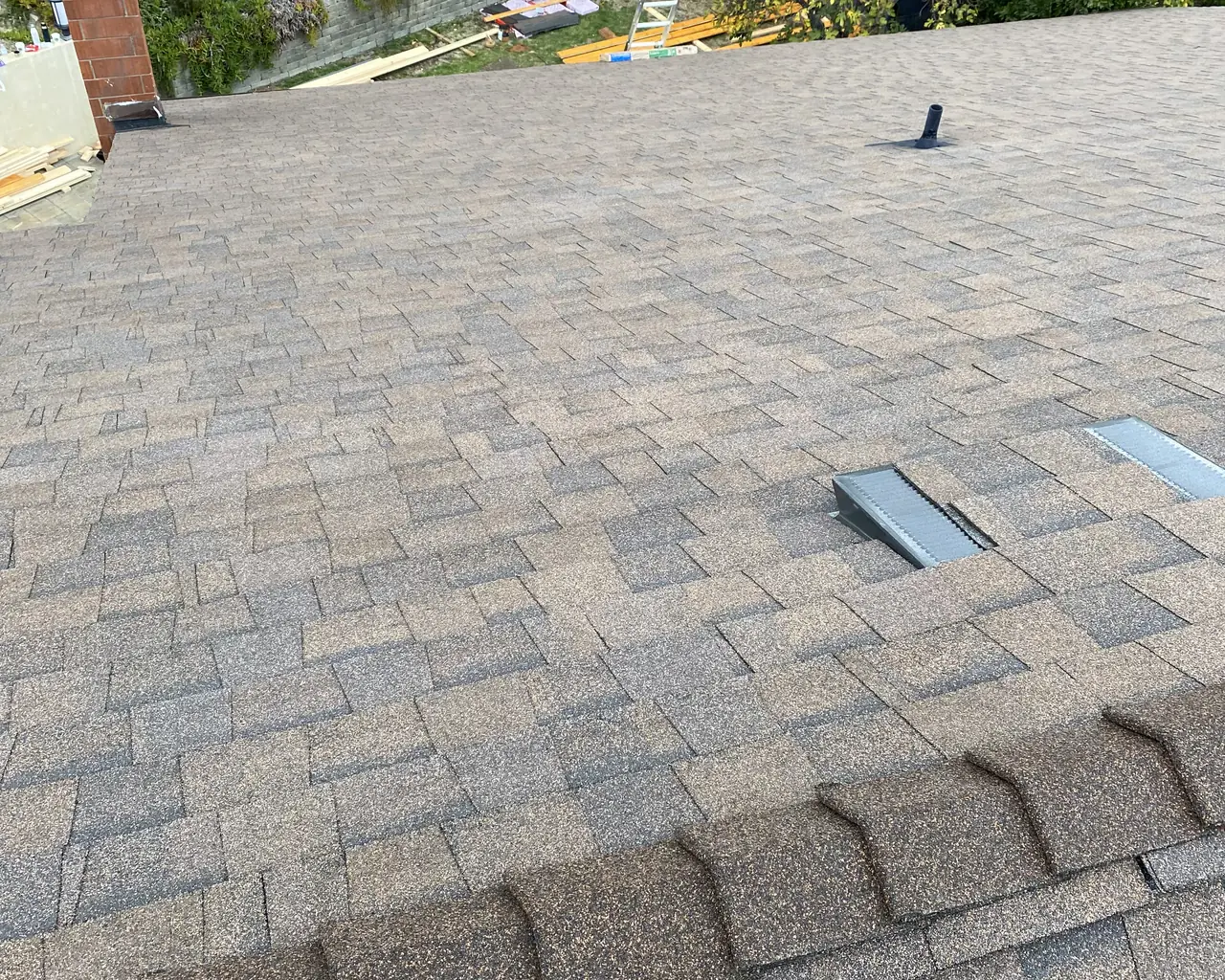
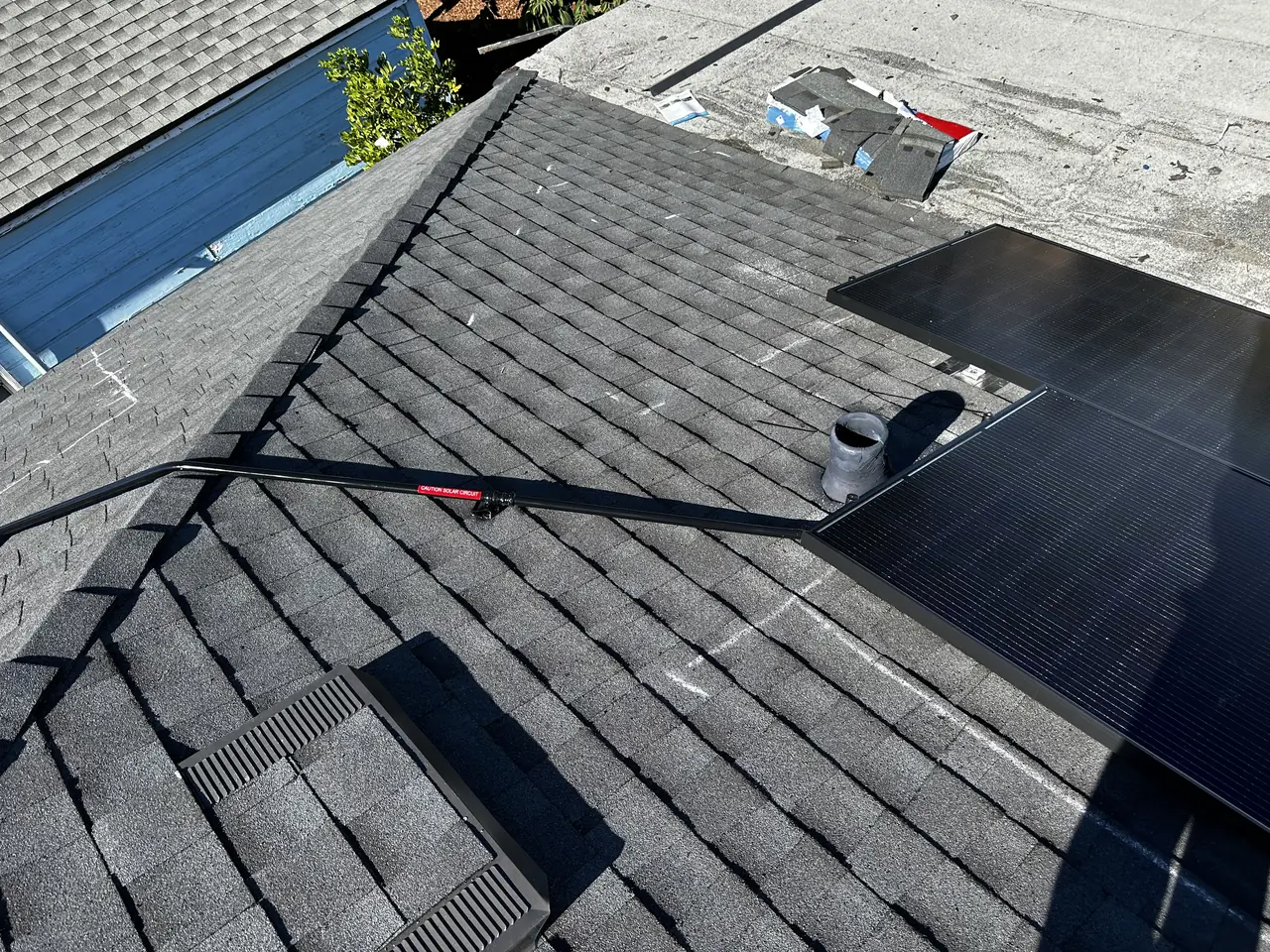
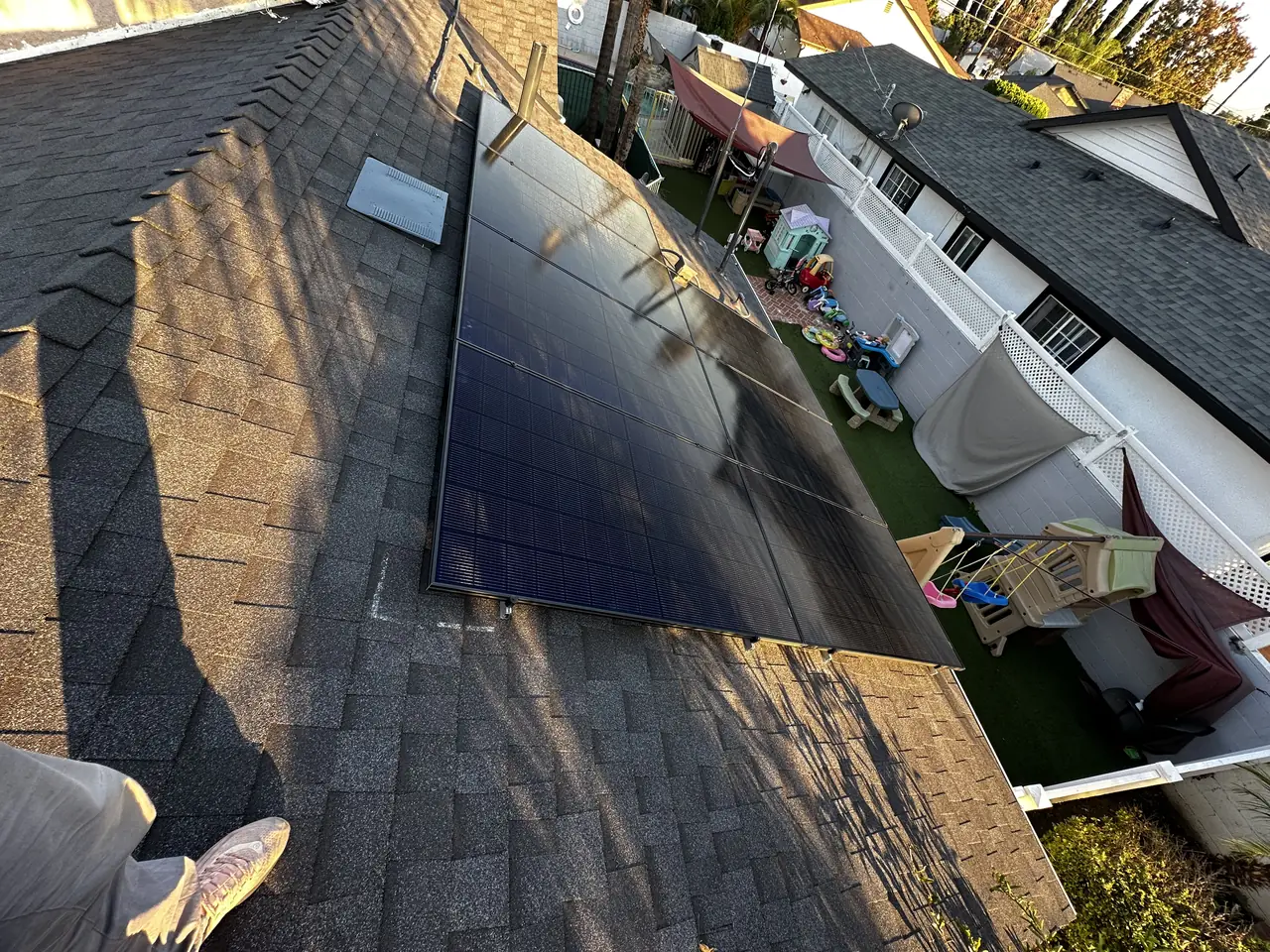
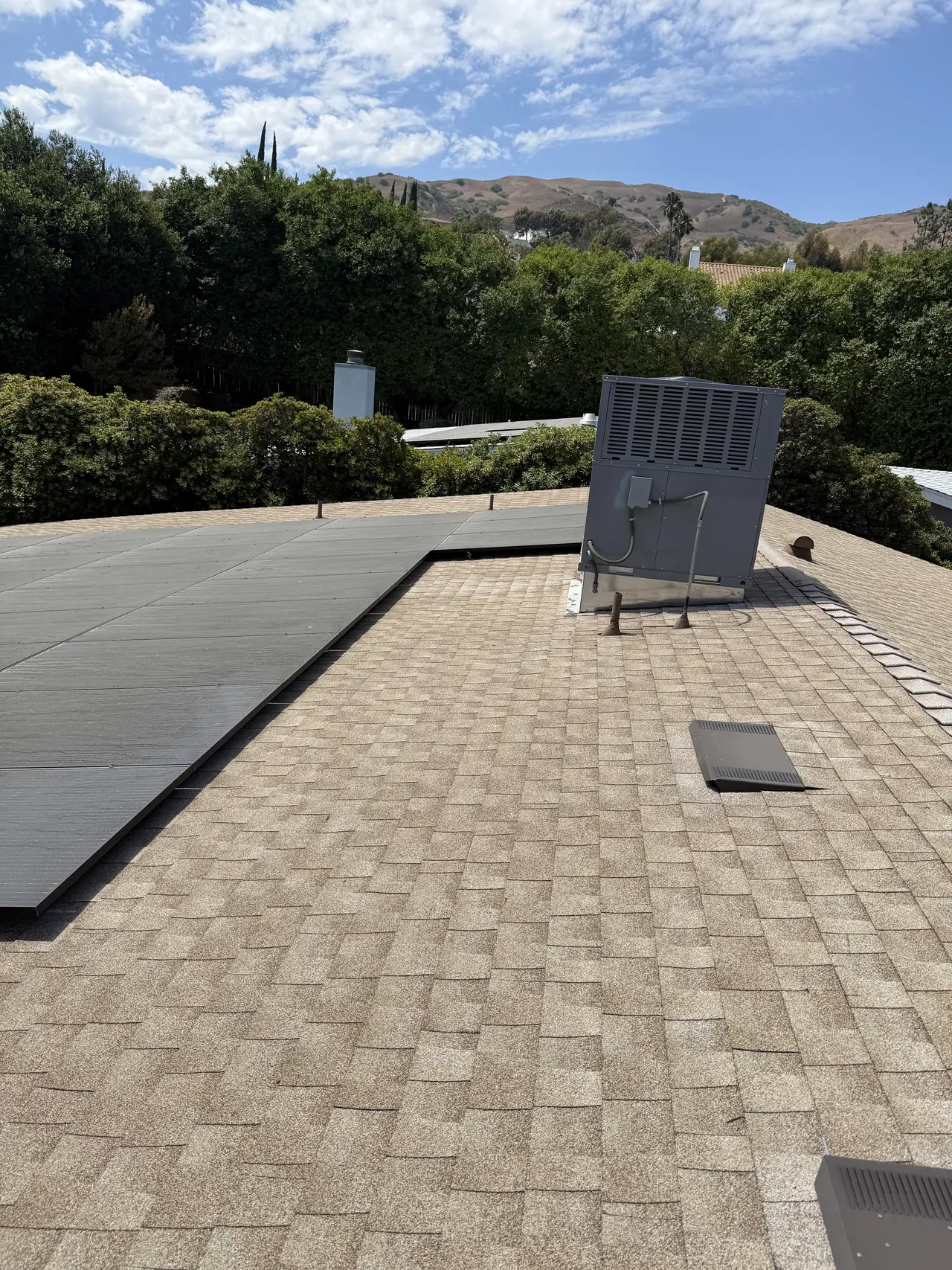
A Glendale house with a hipped composition shingle roof, the modules split across several planes, and a charger mounted beside the inverter on installation day. There was no electric car at the house yet. When the family bought one nearly three years later, putting it to use was a visit rather than a project.
An electric-vehicle charger costs least on the day the crew, the trench and the panel are already open. The circuit, the conduit and the wall space are the expensive part, and all three are in hand while the solar is going in. The charger itself can hang unconnected until there is a car to plug into it. On this house that wait ran nearly three years, and what it left at the end was a connection to make rather than an installation to schedule.
At a glance
- Roof
- Hip roof, composition shingle, arrays on several planes
- Inverter
- SolarEdge, with an optimizer on each module
- EV charger
- Installed with the solar, beside the inverter
- Charger put to use
- Nearly three years later, when the family bought a car
- Trench
- About ten feet under concrete for the conduit run
- Monitoring
- Cellular, not dependent on household Wi-Fi
- Installation
- One day, mid-November 2022
- Utility / AHJ
- Glendale Water & Power / City of Glendale
The story
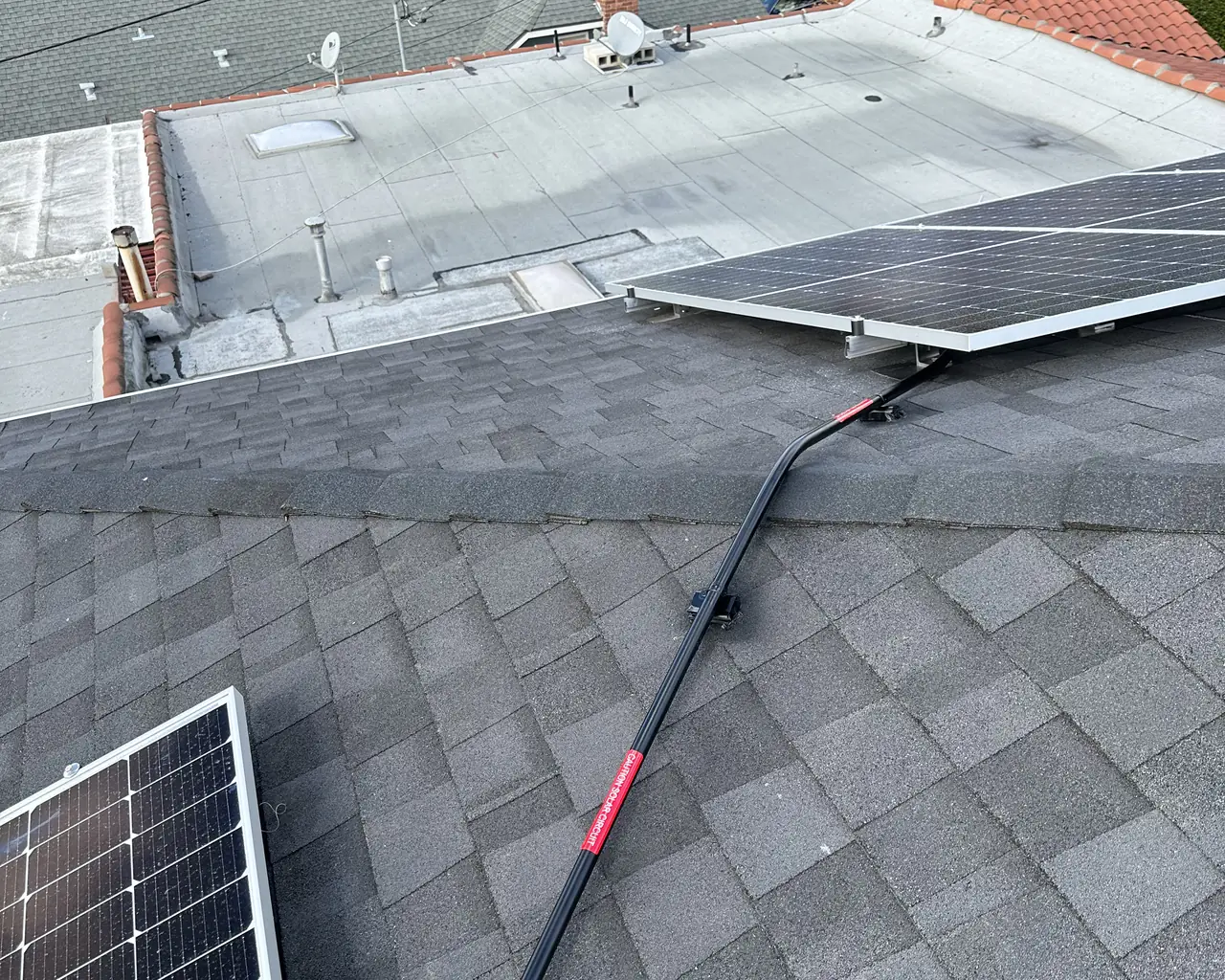
Hip roofs are handsome and awkward. Every slope is modest, the ridges are short, and there is rarely one plane big enough to take a whole array. On this Glendale house the approved plans split the modules into several groups across the planes that faced the sun, and the design question was how to tie them together without a tangle.
The answer was a string inverter with an optimizer under every module, so that groups facing different directions can share one inverter without dragging each other down, and a single run of rooftop conduit carrying the circuits over the ridges to one point on the eave. The conduit is labeled along its length, as the code asks, and it crosses the ridges rather than running around the eaves or down a valley, because that is the short, dry path.
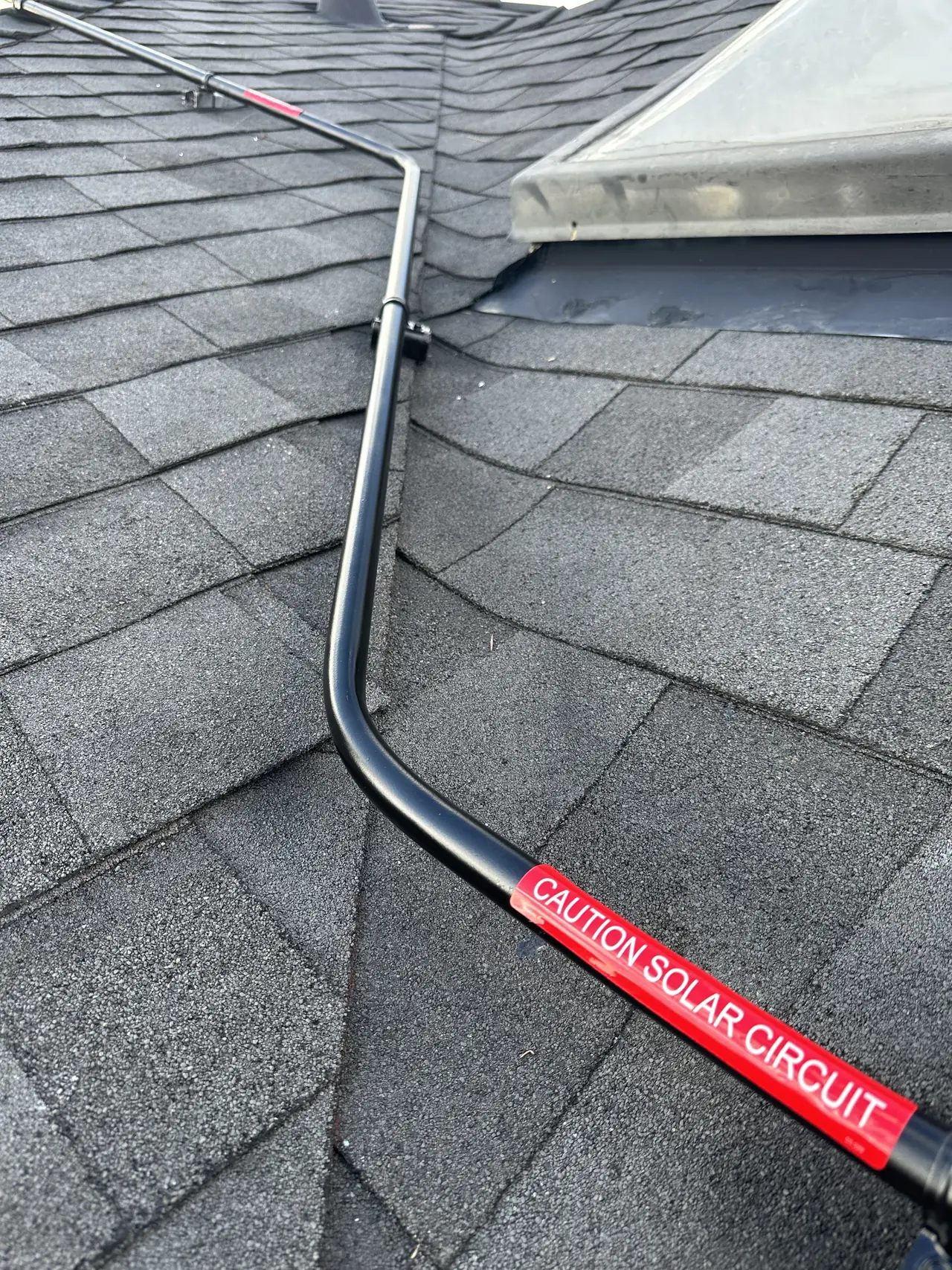
Down at ground level the run had a problem the roof did not. Part of the path from the equipment wall to the panel crossed a concrete walkway, and the conduit had to go under it: about ten feet of trench cut through concrete, the conduit laid, the trench backfilled and the concrete made good. That is a small job that costs real hours, and it was priced and agreed before the crew arrived.
The plans also carried an electric-vehicle charger, and this is the part worth copying. The family did not own an electric car. They expected to, eventually, and the cheapest moment to prepare for that was the day the trench was open, the panel was being worked on and a crew was already on the wall. The charger went up next to the inverter, from the same maker, so the two would report to one monitoring account and charging could later be set to favor daytime production. Electrically it is one more circuit on the same panel, and it was inspected with the solar rather than as a second job.
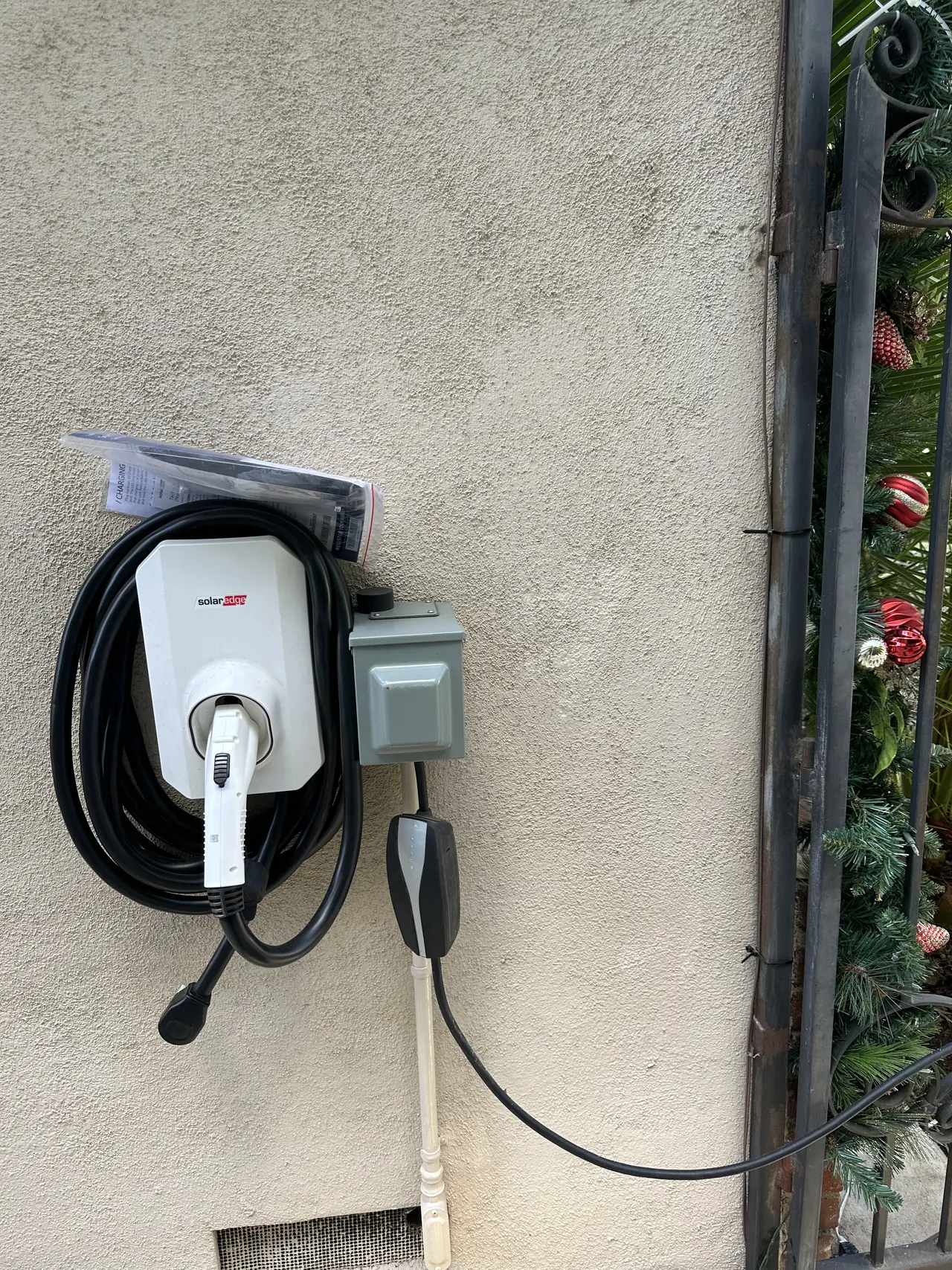
Installation took one day in the middle of November: rails and optimizers on the planes, modules over them, conduit over the ridges, the trench and the wall equipment. The final was requested at the end of the month and passed on the fourteenth of December.
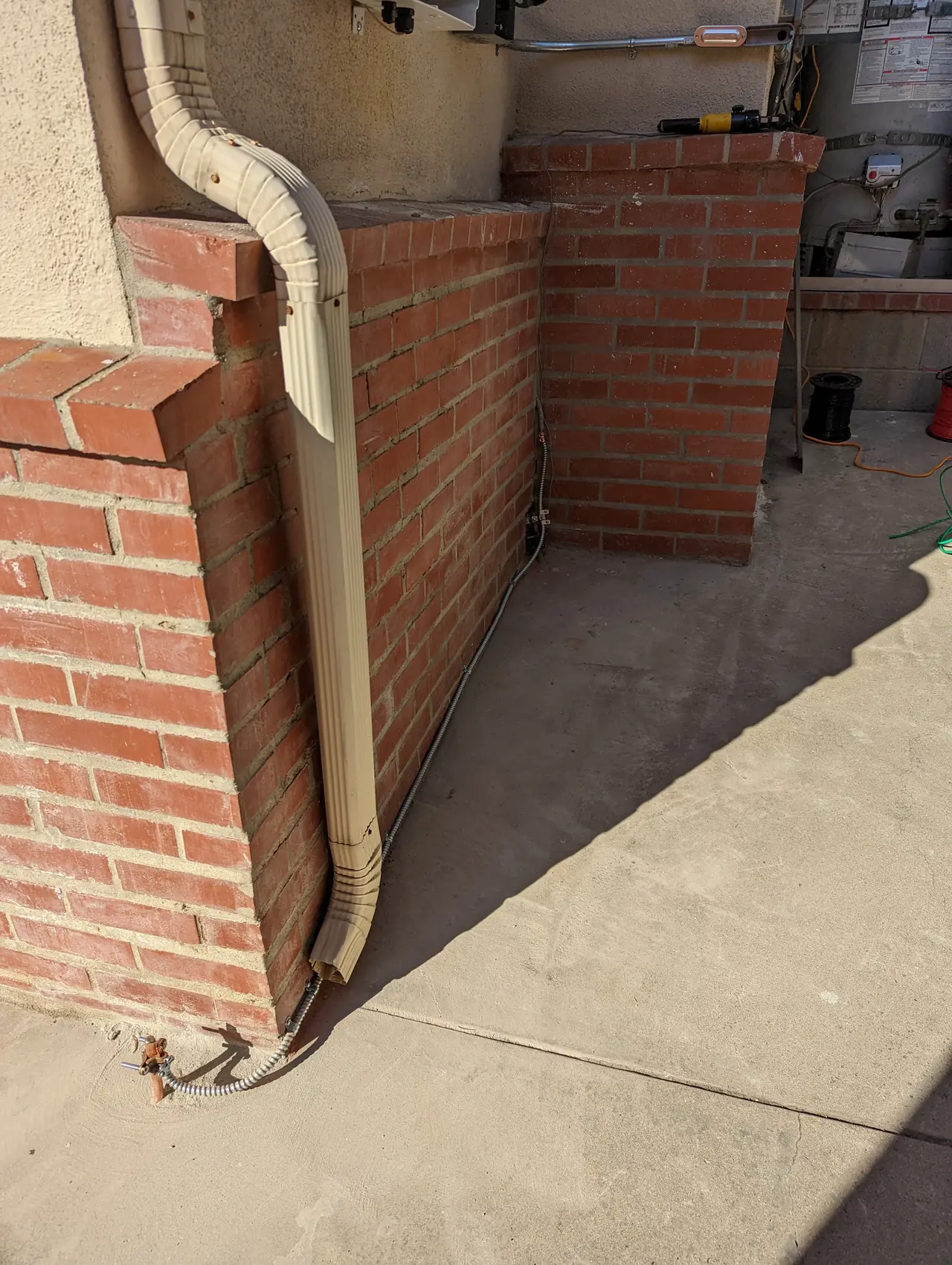
One more detail from the wall: the monitoring here runs over a cellular plug-in rather than the household Wi-Fi. On a house where the router is far from the inverter, or the network changes when somebody changes providers, that is the difference between a system that reports and one that goes quiet. It is a small part to add on installation day and a nuisance to add later.
Nearly three years later the family bought an electric car, and the charger that had been waiting on the wall since 2022 came into use. What that took was a visit to make the connection and set the unit up. No permit, no trench, no panel work, no roof access — all of it had been done on a day the crew was there anyway.
Set against that: a split array is more hardware and more roof work per kilowatt than one clean rectangle. More rails, more flashed feet, more conduit and more places where the roofing has to be sealed properly. A hip roof cannot be argued into a gable, and the trench is the same arithmetic in the ground. Both are worth understanding before comparing two quotes on price alone.
If your roof is hipped, ask how the module groups will be tied together. And if an electric car is anywhere in your plans, ask what the charger costs now against what it costs as its own job in three years.
How it ran
| 3 October 2022 | City-approved plans in hand; installation requested |
|---|---|
| 7 October 2022 | Trenching under the concrete walkway priced and agreed |
| 15 November 2022 | Arrays, conduit, trench, inverter and charger installed in one day |
| 30 November 2022 | Final inspection requested |
| 14 December 2022 | Final inspection passed |
| July 2025 | The family buys an electric car and the charger is put to use |
One installation day in November 2022; the charger it left on the wall waited nearly three years for a car.
What we did
- Mounted the module groups on flashed feet across several roof planes with an optimizer under each (C-10).
- Ran and labeled one rooftop conduit over the ridges to the eave.
- Cut a ten-foot trench through concrete, laid the conduit, backfilled and repaired the surface.
- Installed the inverter and the matching EV charger on the side wall in one visit, before the household owned an electric car.
- Fitted a cellular monitoring plug-in so the system reports without household Wi-Fi.
- Carried the project through the city's final inspection in December.
- Returned to connect and set up the charger when the family bought a car.
System specifications
| Roof | Hip roof, composition shingle |
|---|---|
| Array | Several groups on different planes, one rooftop conduit run |
| Inverter | SolarEdge string inverter with optimizers |
| EV charger | SolarEdge, beside the inverter |
| Conduit | Rooftop run over the ridges; ten feet trenched under concrete |
| Monitoring | Cellular plug-in |
| Utility / AHJ | Glendale Water & Power / City of Glendale |
Is your project like this one?
- Your roof is hipped and no single slope will take the whole array.
- You expect to own an electric car but do not have one yet.
- The panel is on the far side of a driveway or walkway from the best wall for the inverter.
- Your Wi-Fi does not reach the side of the house where the inverter will go.
Cali Energy in Glendale
Glendale is its own city with its own municipal utility: permits run through City of Glendale Building & Safety, interconnection through Glendale Water & Power.
Glendale's older hip-roofed houses rarely offer one big south slope. The array gets split across several planes, and the electrical run to the panel is often longer than the roof is wide.
This installation is on the Glendale projects page alongside the others, and what the work covers is set out on the Glendale service area page.
- License and classifications: CSLB #1032379
- Official reference for this process: City of Glendale — getting a permit
- Official reference for this process: Glendale Water & Power — PV interconnection and NEM guide for residential systems under 15 kW CEC-AC
Frequently asked questions
Can solar work on a hip roof with small slopes?
Yes. The modules are split into groups on the planes that face the sun, an optimizer under each module lets groups facing different ways share one inverter, and a single rooftop conduit run joins them over the ridges. It is more rails and more sealed penetrations per kilowatt than one large rectangle, which is why a hip-roof quote runs higher for the same size.
Should I fit an EV charger before I own an electric car?
On this house it was the right call. The charger shares the panel work, the wall space and the trench with the solar, and it is inspected alongside it rather than as a separate permit later. It then waits, unconnected, until there is a car. Here that took nearly three years, and what remained at the end was a connection and a setup rather than an installation. A charger from the inverter's maker also puts both on one monitoring account.
Why was there a trench?
Because the inverter's wall and the main panel were on opposite sides of a concrete walkway. The conduit had to pass under it: about ten feet of concrete cut, conduit laid, backfill and a patch. It was priced before the installation date and done on the same day as the roof work.
What is cellular monitoring for?
It lets the inverter report without the household Wi-Fi. A plug-in module with its own connection goes into the inverter on installation day, so the system keeps reporting if the router is out of range, replaced or renamed. On a house where the inverter is on a far side wall, it saves a service call.
What this would look like on your roof
Planning solar in Glendale? Tell us your utility, your roof and what your bill looks like now, and we will model what a system like this would do on your house before you commit to anything.
Or call +1 (323) 844-7777 · Cali Energy, Northridge · CSLB #1032379 (B, C-10, C-39) — design, permits, install and electrical under one licensed contractor.
Related
This timeline reflects this property and this permitting path. Updated September 2026.