

Glendale, CA · November 2022 – August 2023 · Glendale Water & Power / City of Glendale
One house, one crew, three permits — and the last one held the switch.
Concrete tile came off a two-story Glendale house and composition shingle went on. Then fifty-two modules, 20.8 kilowatts, and a main panel rebuilt to 225 amps. Each of those was its own permit with the city, and the utility's permission to operate waited for the last final of the three.
Glendale does not bundle trades. A re-roof is a roofing permit, solar is a solar permit, and a main service panel upgrade is an electrical permit that needs the utility's service fee paid before the city will approve it. Each gets its own inspection and its own final. Glendale Water & Power sets the generation meter only when it holds a release for both the solar and the panel, so a quote that covers all three trades should show all three permits and all three inspection dates.
At a glance
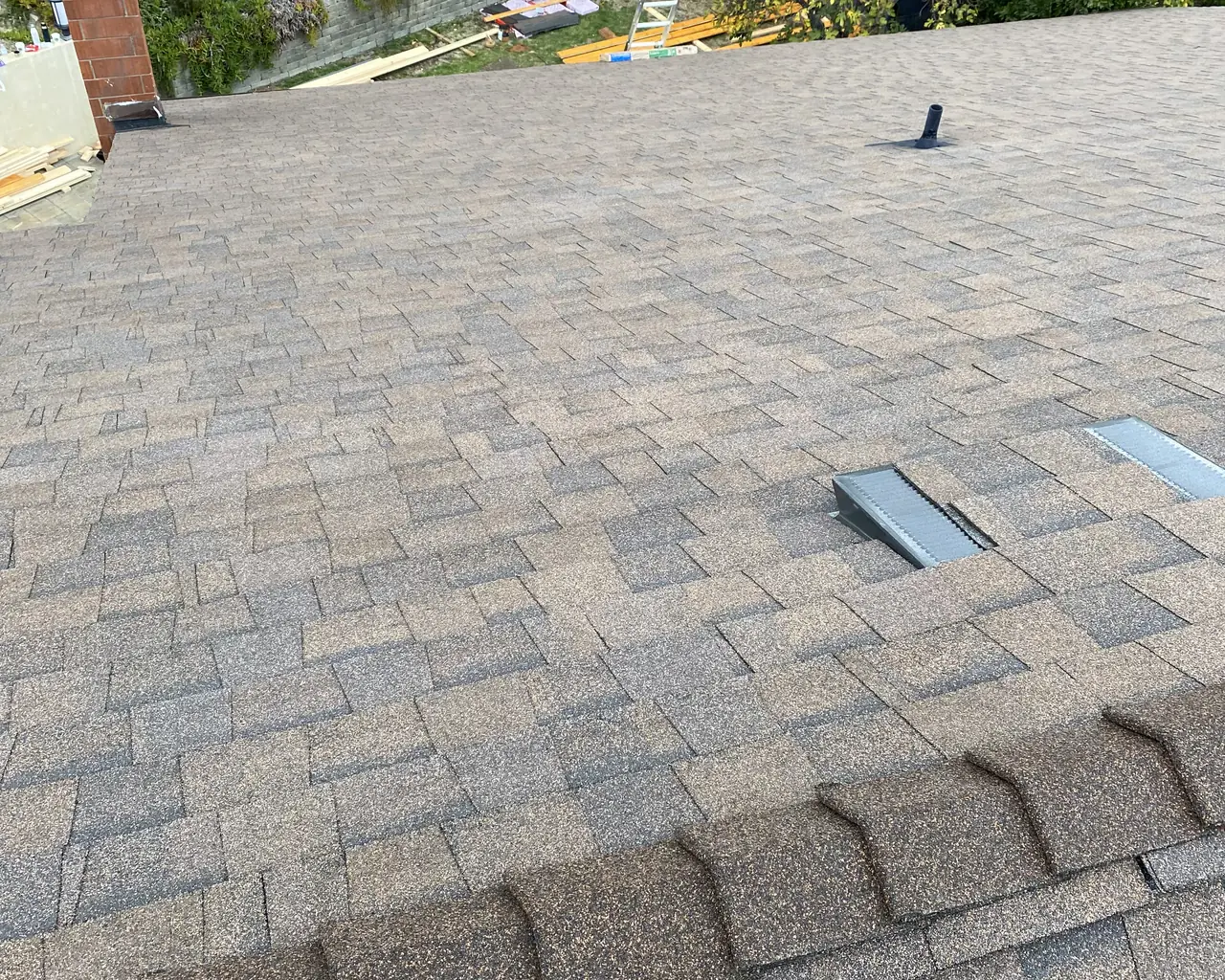
- Old roof
- Concrete tile
- New roof
- Composition shingle — 28 squares
- Extra approval
- Planning review for the change of roof material
- Service
- 225 A panel, main breaker set at 175 A
- Permits
- Three: roofing, solar, electrical
- Finals
- Three: December 2022, June 2023, July 2023
- Roof to permission
- Nine months
- Utility / AHJ
- Glendale Water & Power / City of Glendale
The story
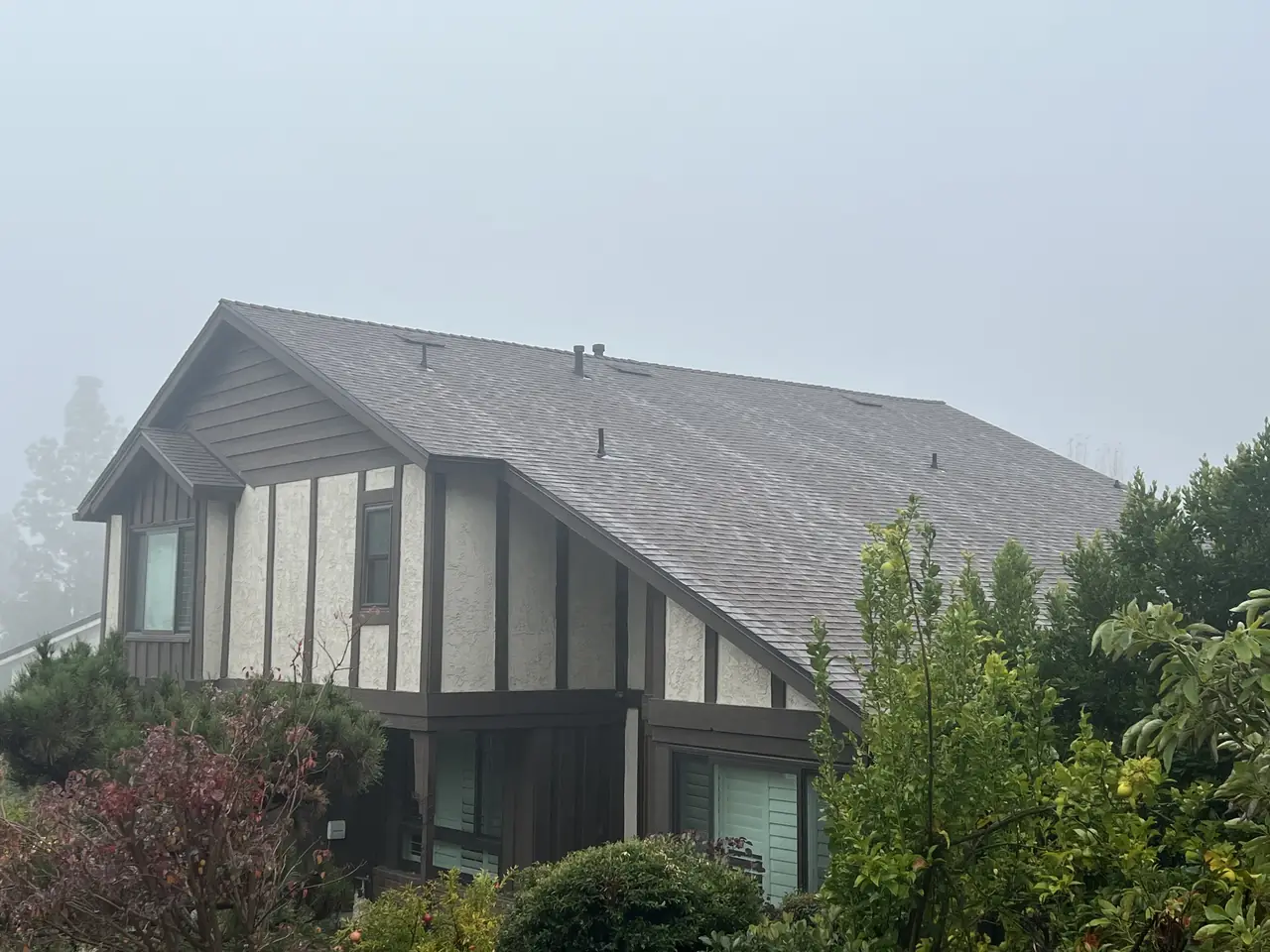
The roof came first, and it came first on purpose. The house carried concrete tile — heavy, worn at the edges, and the wrong surface to bolt a fifty-two-module array to for the next thirty years. The plan was to strip it to the deck and re-roof in composition shingle before any racking went up, so that nothing under the array would need touching again.
That is a roofing permit, and in Glendale a change of roof material is not a formality. Swapping tile for shingle needed planning approval before the permit could issue, which added a few days in November. Once it did, the tile came off, several deck boards were replaced where the old roof had let them go, and the shingle went on over synthetic underlayment with new flashings, drip edge and low-profile vents.
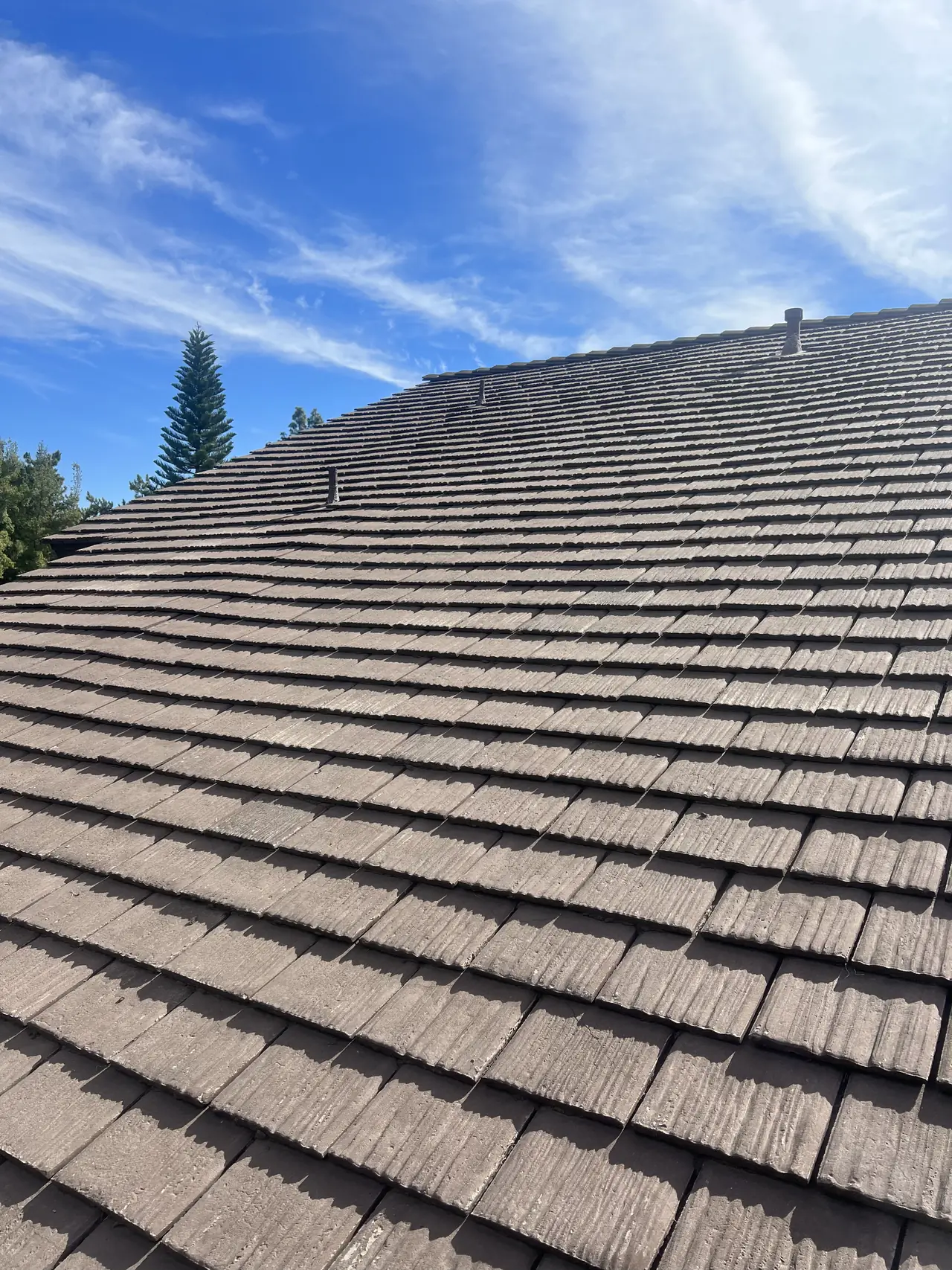
The city inspected the roof nailing and the interim work on the twenty-ninth and thirtieth of November and signed the roofing final on the second of December. Permit one, closed.
Permits two and three did not start until spring, because Glendale Water & Power approves the interconnection before the building department will open a solar plan check. That review turned on how large an array the house was allowed under the utility's size cap. It ended with two spot drawings — one for the rebuilt service panel, one for the separate generation meter a system this size carries — and both had to be printed into the solar plans before the city would look at them.
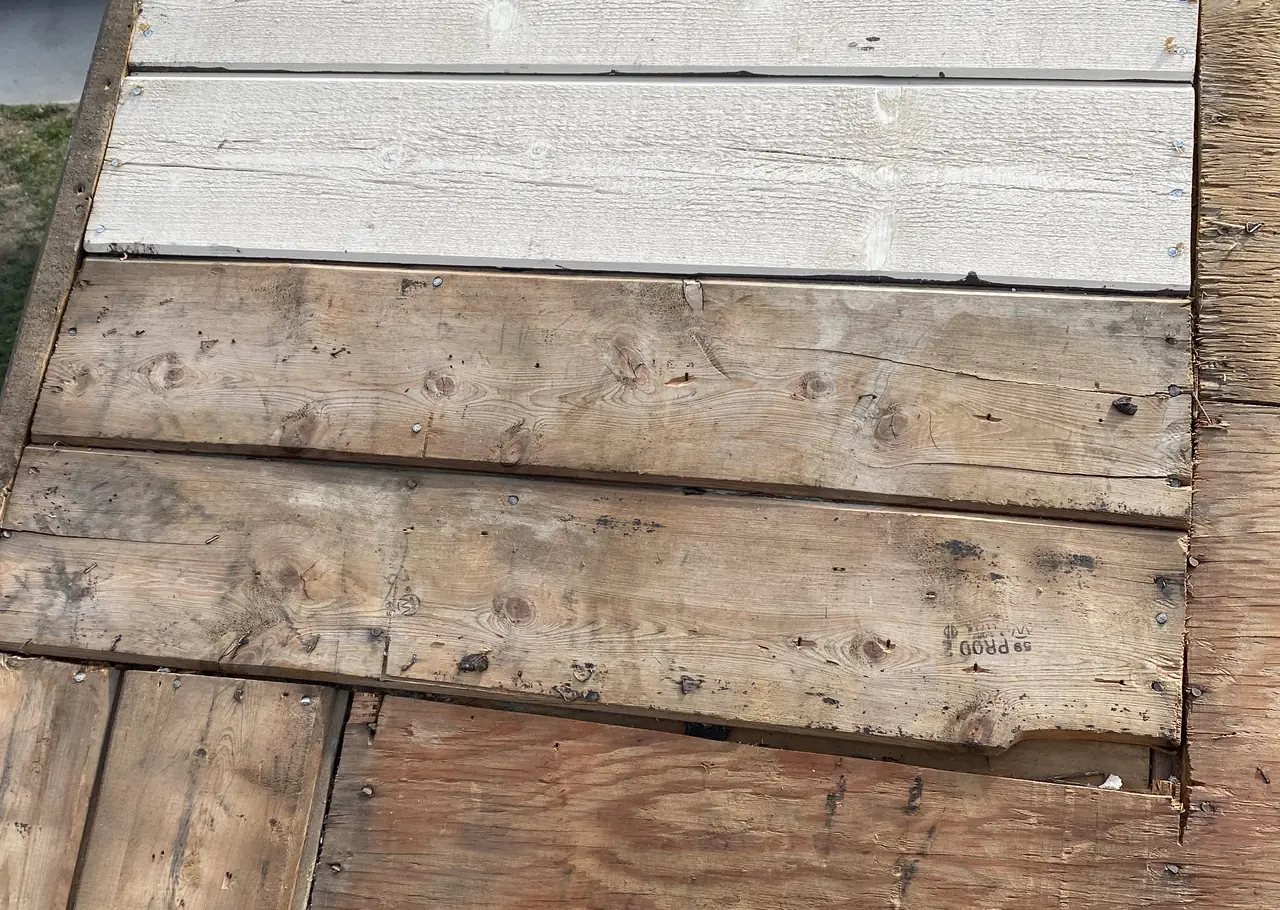
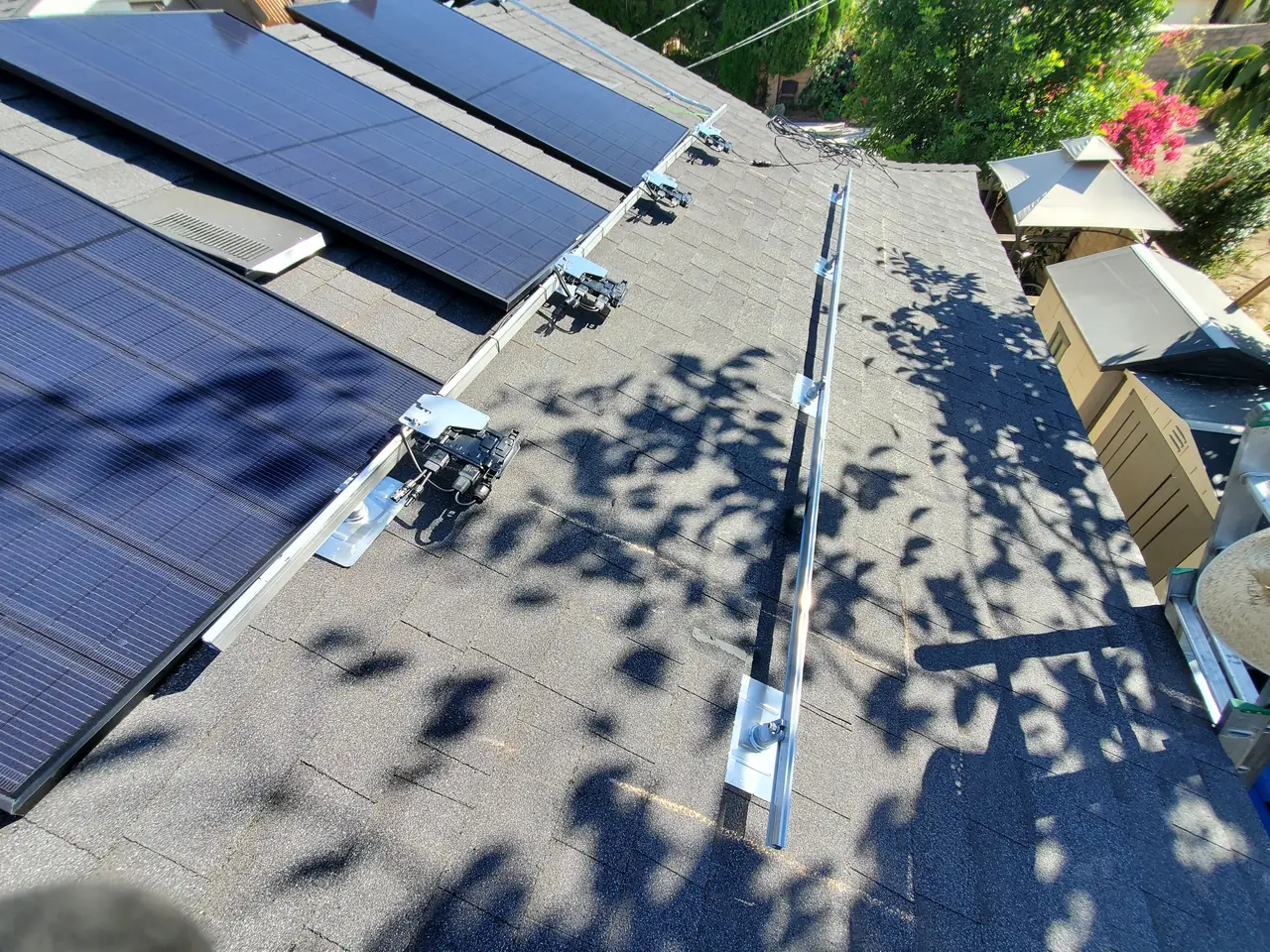
The solar permit issued on the first of June. The array went up, and the solar final passed on the twentieth. Permit two, closed. That is normally the point at which a homeowner expects the switch.
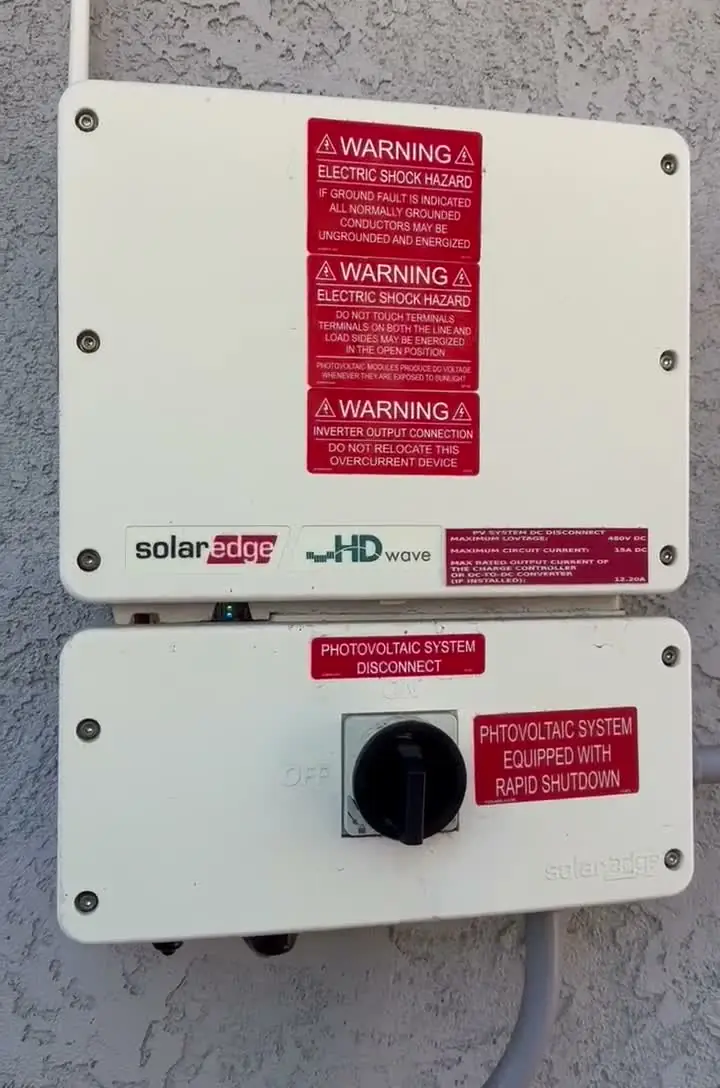
Two days later the utility wrote to say it had the solar release and would not send the order for permission to operate until the main panel upgrade had a permit of its own, an inspection of its own and a release of its own. The panel had been rebuilt with the array — 225-amp bus, 175-amp main breaker so the backfeed stays inside the code limit — but in Glendale that work is an electrical permit, not a line item on the solar permit, and the utility's service fee for the new drop has to be paid to the utility before the city will approve it.
So the fee was paid on the twenty-eighth of June, the electrical permit was approved the next morning, and the panel passed its final on the seventh of July. Permit three, closed. The utility's own inspection release came through on the second of August, and the generation meter was set on the sixteenth.
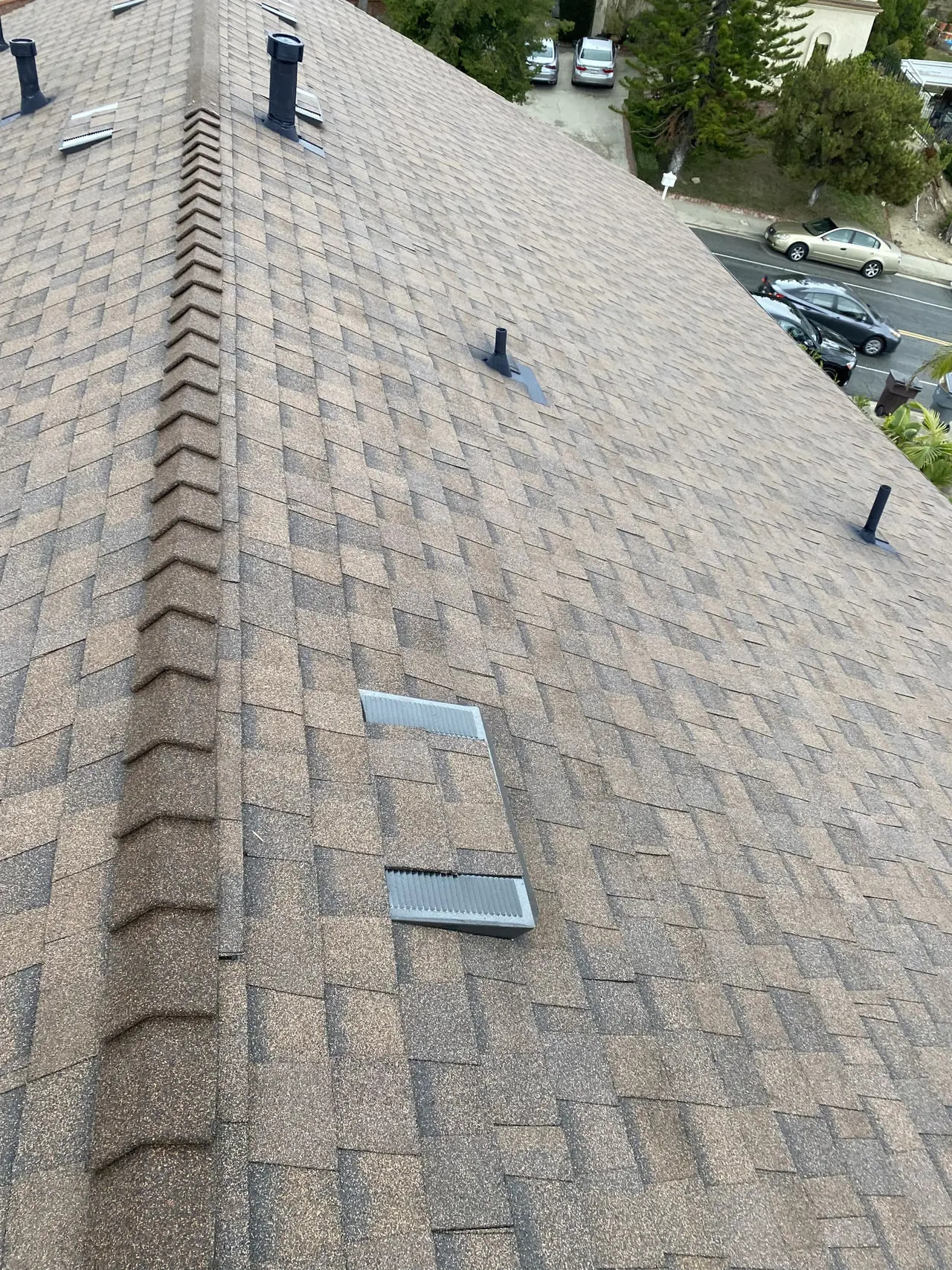
The bill for doing all three trades at once is paid in calendar. Three permits mean three inspection requests, three windows to be on site, and three places a schedule can slip. Between the solar final and the meter there were eight weeks, and most of them belonged to the panel permit and the utility's queue rather than to anything on the roof. A house that only needs solar carries none of that. A house that needs a new roof and a new service carries all of it, which is why the three permits belong in the schedule from the first week.
The question for any contractor quoting roof, solar and a panel upgrade together in Glendale is simple: how many permits is that, and which one will the utility be waiting on?
How it ran
| November 2022 | Design set: re-roof, 52-module array, panel rebuild |
|---|---|
| 18 November 2022 | Roofing permit flagged for planning approval — material change from tile to shingle |
| 29–30 November 2022 | Tile off; roof nailing and interim inspections |
| 2 December 2022 | Roofing final passed |
| 14 March 2023 | Utility service spot issued for the panel upgrade |
| 3 May 2023 | Interconnection approved; generation-meter spot issued |
| 1 June 2023 | Solar permit issued |
| 20 June 2023 | Solar final passed |
| 22 June 2023 | Utility: no release until the panel upgrade has its own permit and final |
| 28–29 June 2023 | Utility service fee paid; electrical permit approved |
| 7 July 2023 | Panel upgrade final passed |
| 2 August 2023 | Utility inspection release |
| 16 August 2023 | Generation meter set — permission to operate |
Three finals over seven months; the meter followed the last of them by six weeks.
What we did
- Stripped concrete tile to the deck, replaced failed boards and installed composition shingle with new flashings (C-39).
- Obtained planning approval for the change of roof material and passed the roofing final.
- Incorporated both utility spot drawings into the solar plans and took them through the city's plan check.
- Installed a 52-module array with microinverters and passed the solar final.
- Rebuilt the main service panel to 225 amps with a 175-amp main breaker (C-10).
- Paid the utility service fee, pulled the separate electrical permit and passed the panel final.
- Dealt with the city and the utility throughout; the homeowner did not have to.
System specifications
| Old roof | Concrete tile |
|---|---|
| New roof | Composition shingle, 28 squares, synthetic underlayment, new flashings and drip edge |
| Deck | Plank deck; damaged boards replaced |
| Array | 52 × 400 W modules, one microinverter each — 20.8 kW DC |
| Service | 225 A main panel, 175 A main breaker |
| Permits | Roofing (C-39), solar, electrical (C-10) |
| Metering | House meter plus a separate generation meter |
| Utility / AHJ | Glendale Water & Power / City of Glendale |
Is your project like this one?
- Your roof is tile or near the end of its life and you want solar on it.
- Your main panel is too small for the array and needs rebuilding.
- You are in Glendale, where roof, solar and panel are three separate permits.
- You want one contractor for the roofing, the electrical and the permits.
- You have been told the system is done but the utility has not switched it on.
Cali Energy in Glendale
Glendale is its own city with its own municipal utility: permits run through City of Glendale Building & Safety, interconnection through Glendale Water & Power.
In Glendale the roof, the solar array and the electrical service are three separate permits with three separate finals, and the utility will not release a system until every one of them is closed. Knowing that in November saves a summer.
This installation is on the Glendale projects page alongside the others, and what the work covers is set out on the Glendale service area page.
- License and classifications: CSLB #1032379
- Official reference for this process: City of Glendale — getting a permit
- Official reference for this process: City of Glendale Building & Safety — photovoltaic plan guidelines for single-family dwellings and duplexes
Frequently asked questions
Why re-roof before installing solar?
Because the array will sit on that roof for decades, and taking it off to re-roof later costs a second removal and reinstallation. Here the concrete tile was worn and heavy, so it came off first, damaged deck boards were replaced, and composition shingle went on with new flashings. The racking then went into a roof with its full life ahead of it.
Is a main panel upgrade part of the solar permit in Glendale?
No. The panel upgrade is a separate electrical permit with its own inspection and its own final. Before the city approves it, the utility's service fee for the new drop has to be paid to Glendale Water & Power. The utility will not set the generation meter until it holds a release for the panel as well as for the solar.
Does changing from tile to shingle need extra approval?
In Glendale it did. A change of roofing material went to planning review before the roofing permit could issue, which added a few days at the start. The roof itself was then inspected at the nailing stage and at completion like any other re-roof.
Why was the main breaker set lower than the panel rating?
The panel bus is rated 225 amps and the main breaker is 175. Lowering the main breaker leaves room on the bus for the solar backfeed within the code's limit without pulling a larger service from the street. The house keeps a 175-amp main, which carries the loads it has.
How long did the whole sequence take?
The roof was done in the first week of December 2022. The solar and panel permits waited for the utility's interconnection approval in May, the solar final passed on 20 June, the panel final on 7 July, and the generation meter was set on 16 August 2023. Nine months from roof to permission, most of it in queues rather than on the roof.
What this would look like on your roof
Planning solar in Glendale? Tell us your utility, your roof and what your bill looks like now, and we will model what a system like this would do on your house before you commit to anything.
Or call +1 (323) 844-7777 · Cali Energy, Northridge · CSLB #1032379 (B, C-10, C-39) — design, permits, install and electrical under one licensed contractor.
Related
This timeline reflects this property and this permitting path. Updated September 2026.