

Glendale, CA · November 2022 – August 2023 · Glendale Water & Power / City of Glendale
The utility said the array was too big for the house.
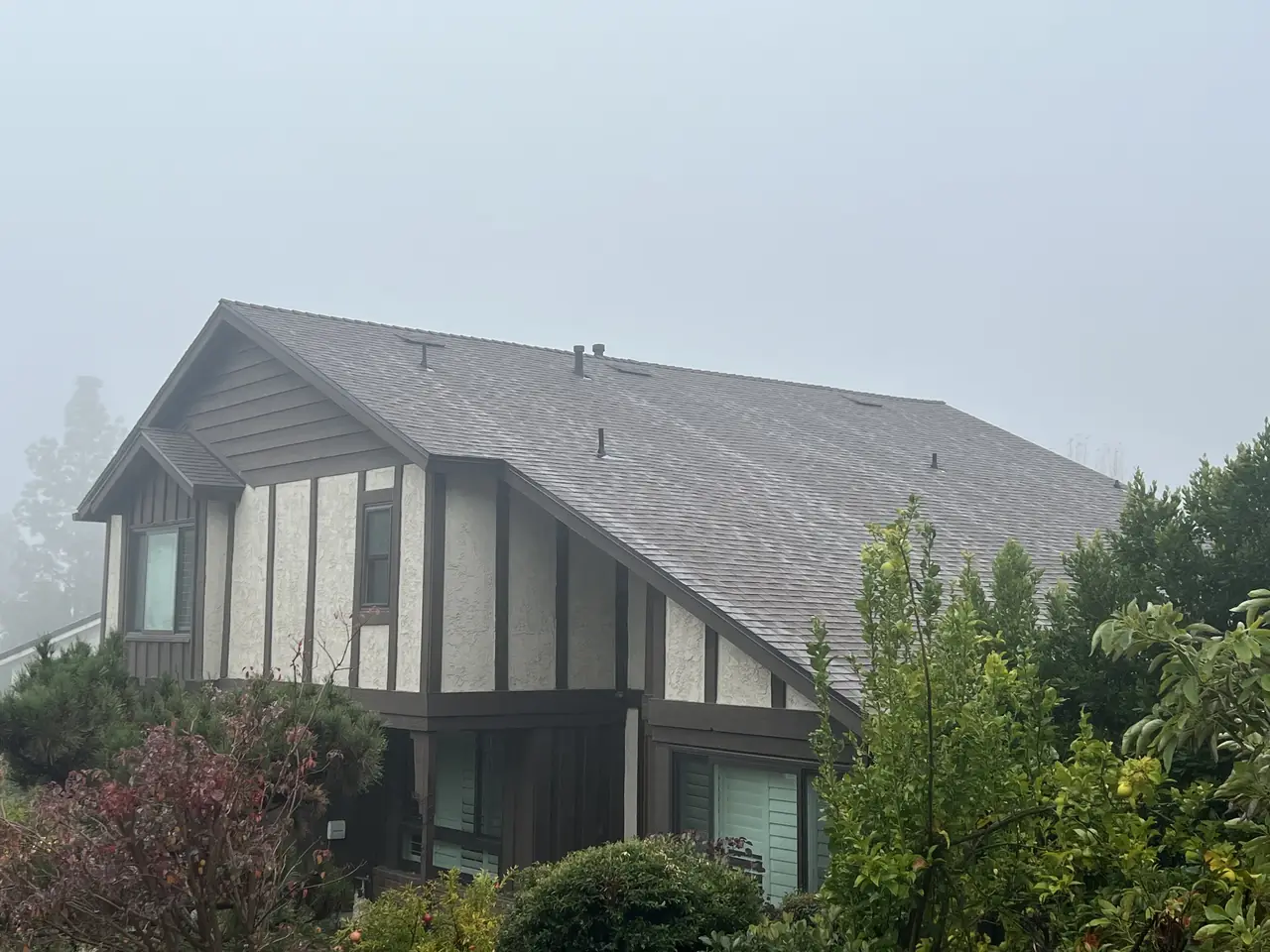
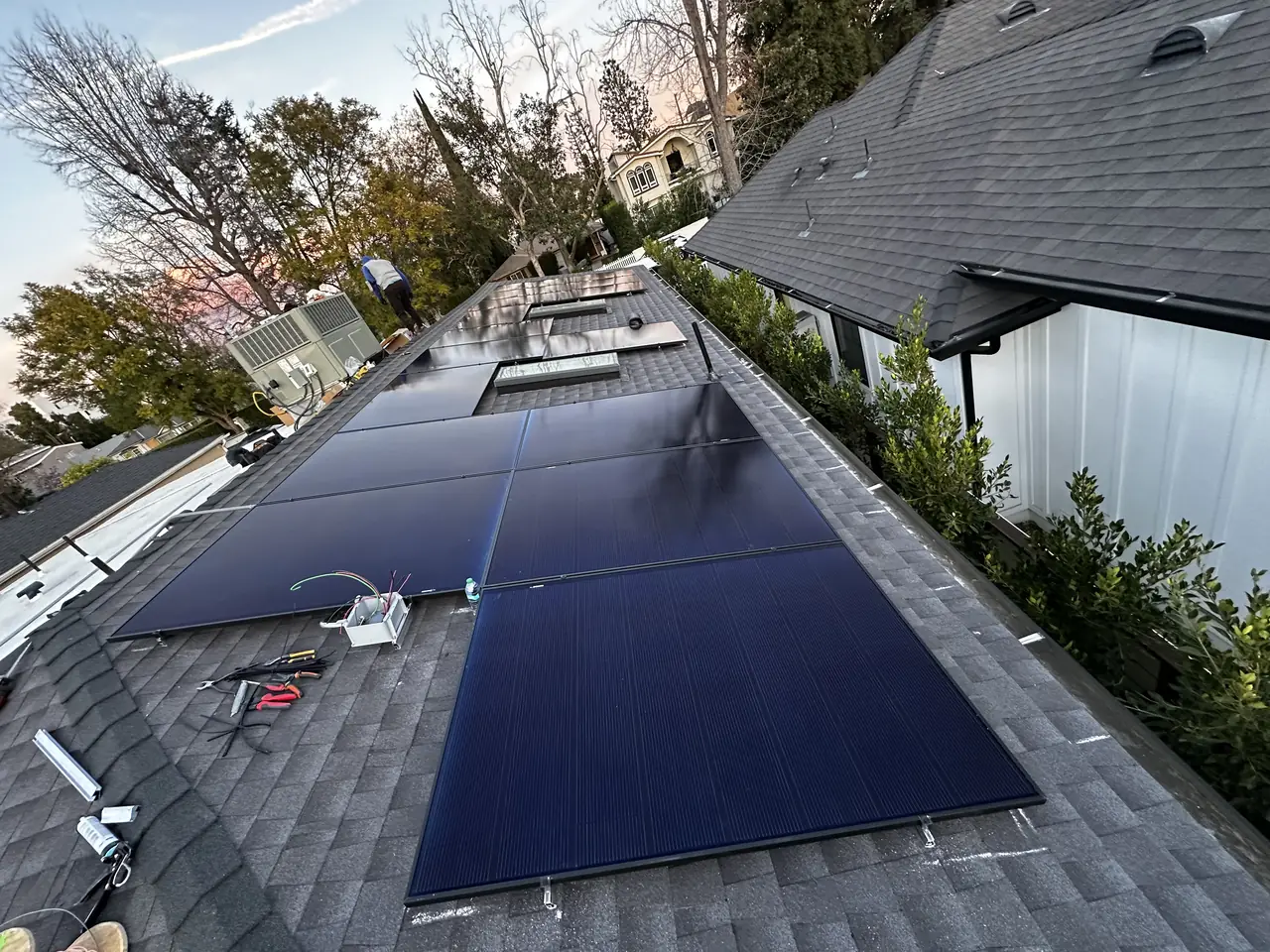
A two-story Glendale home on a fresh composition shingle roof, fifty-two modules and 20.8 kilowatts of them. Glendale Water & Power compared the array's estimated output with the house's last twelve months of bills and turned the application back. Two electric vehicles changed the answer.
Glendale Water & Power sizes a net-metered system against the property's own consumption. Above 10 kilowatts AC it works from 110 percent of the electricity the house used over the previous twelve months, and an application whose estimated production sits above that line comes back as oversized, however good the roof is. Reviewing this application, the utility allowed a further 4,375 kilowatt-hours a year for each electric vehicle registered at the address. That allowance is what carried a 20.8 kilowatt array through.
At a glance
- Array
- 52 modules, 400 W each — 20.8 kW DC
- Inverters
- 52 microinverters, one per module
- Estimated production
- 28,613 kWh a year
- Cap from the bills
- 21,390 kWh a year
- Cap after two vehicle allowances
- 30,140 kWh a year
- Shading report
- Required above 10 kW AC
- Metering
- Separate generation meter — the array is over 15 kW
- Utility / AHJ
- Glendale Water & Power / City of Glendale
The story
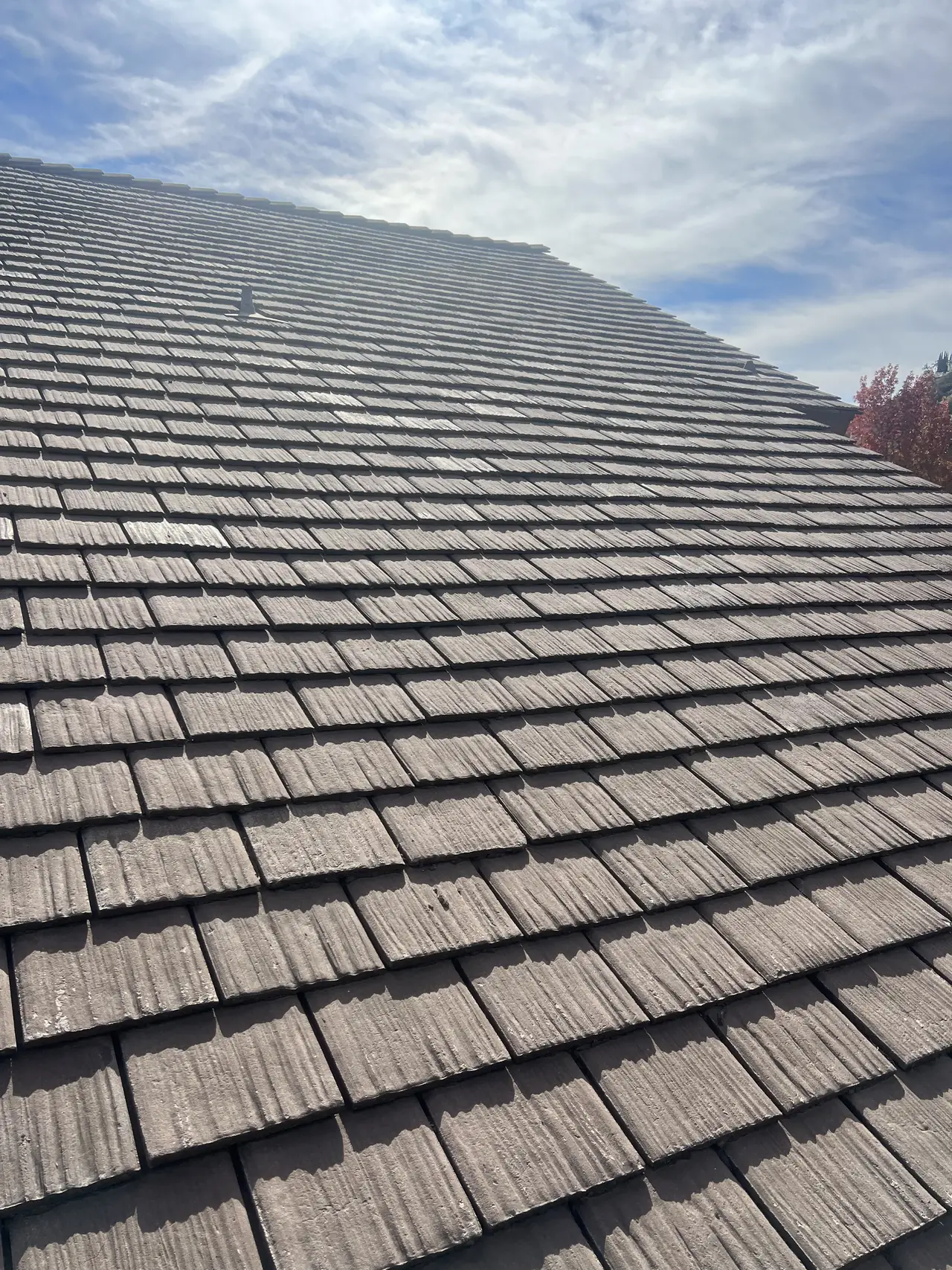
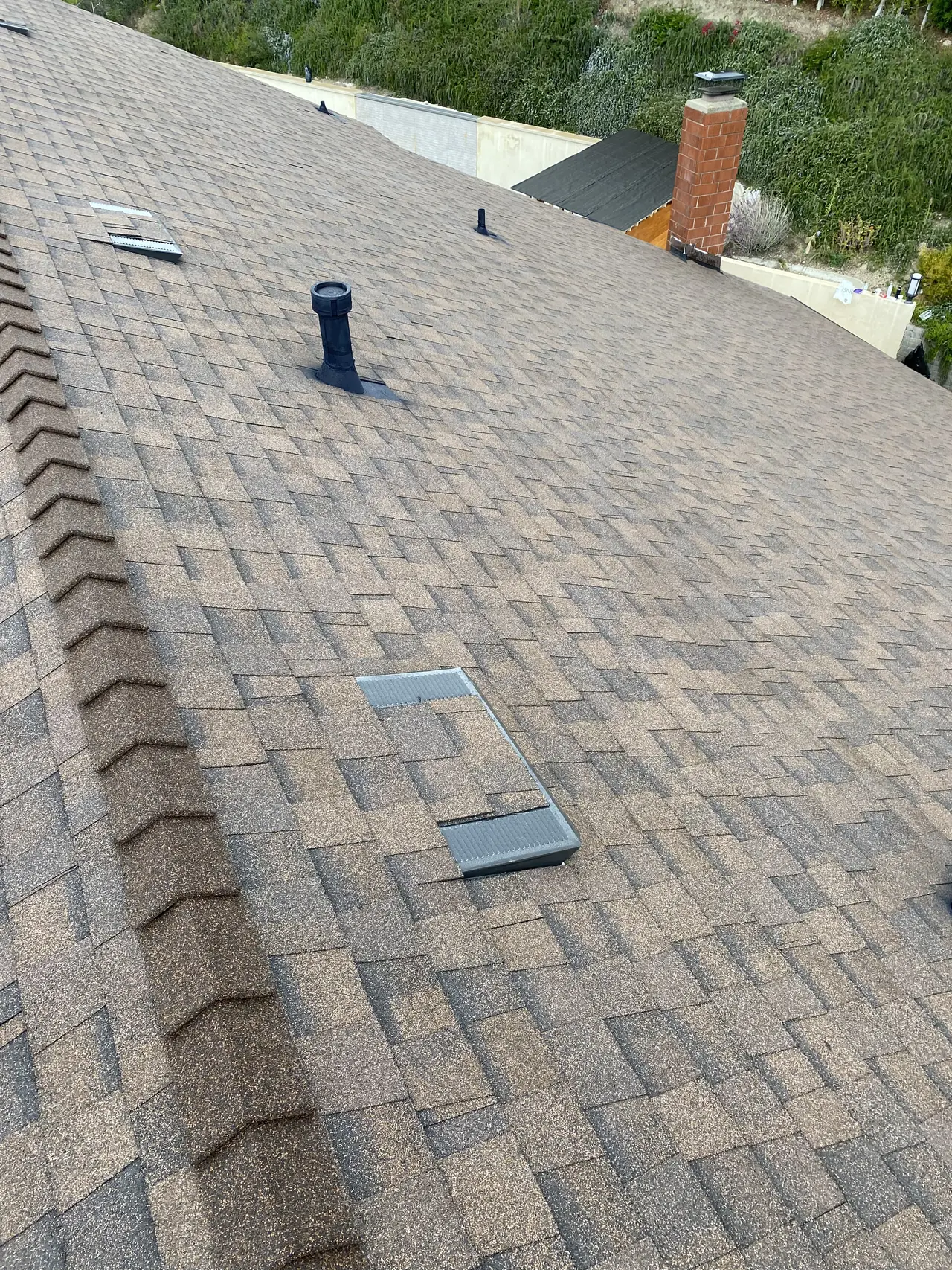
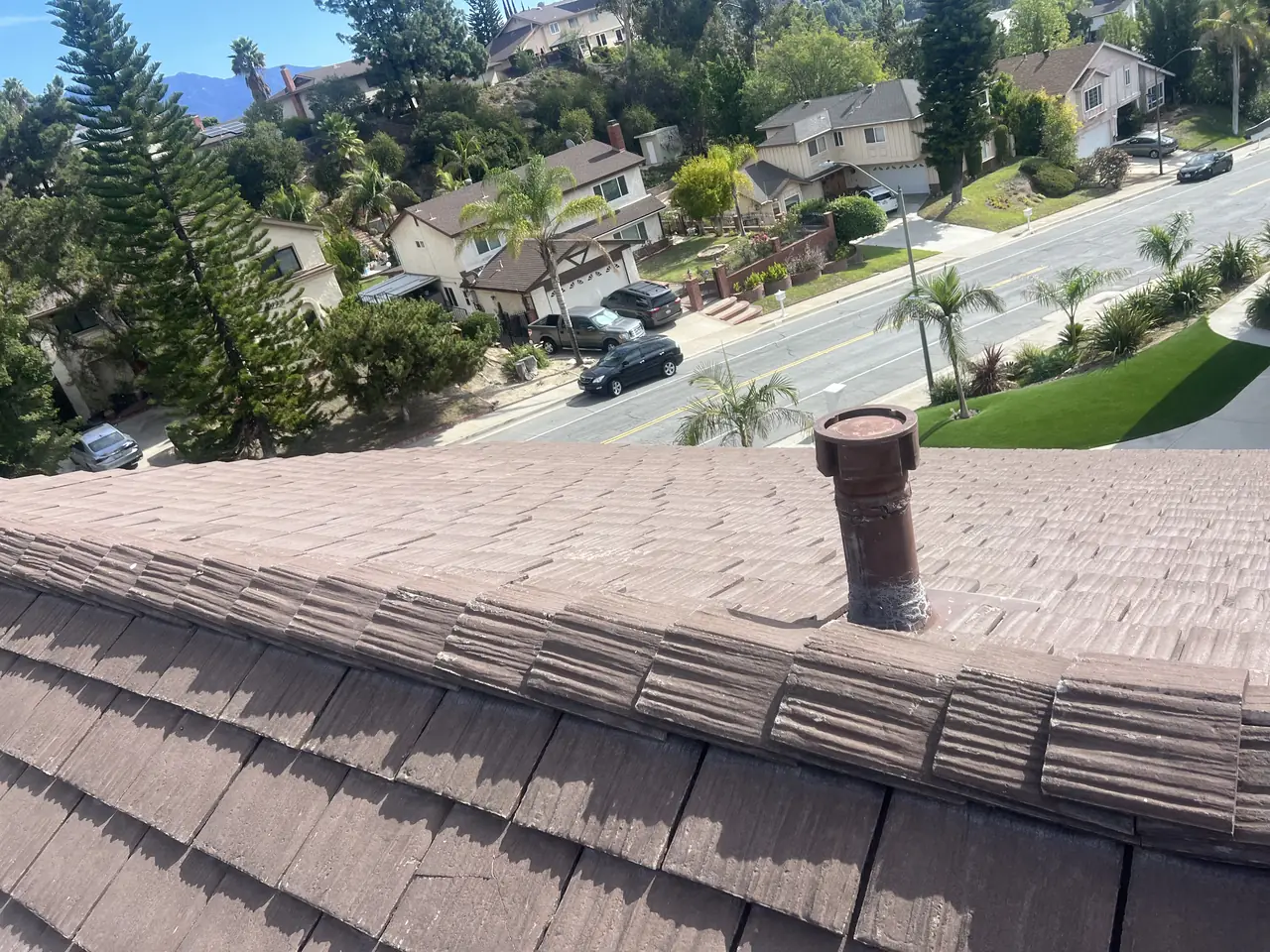
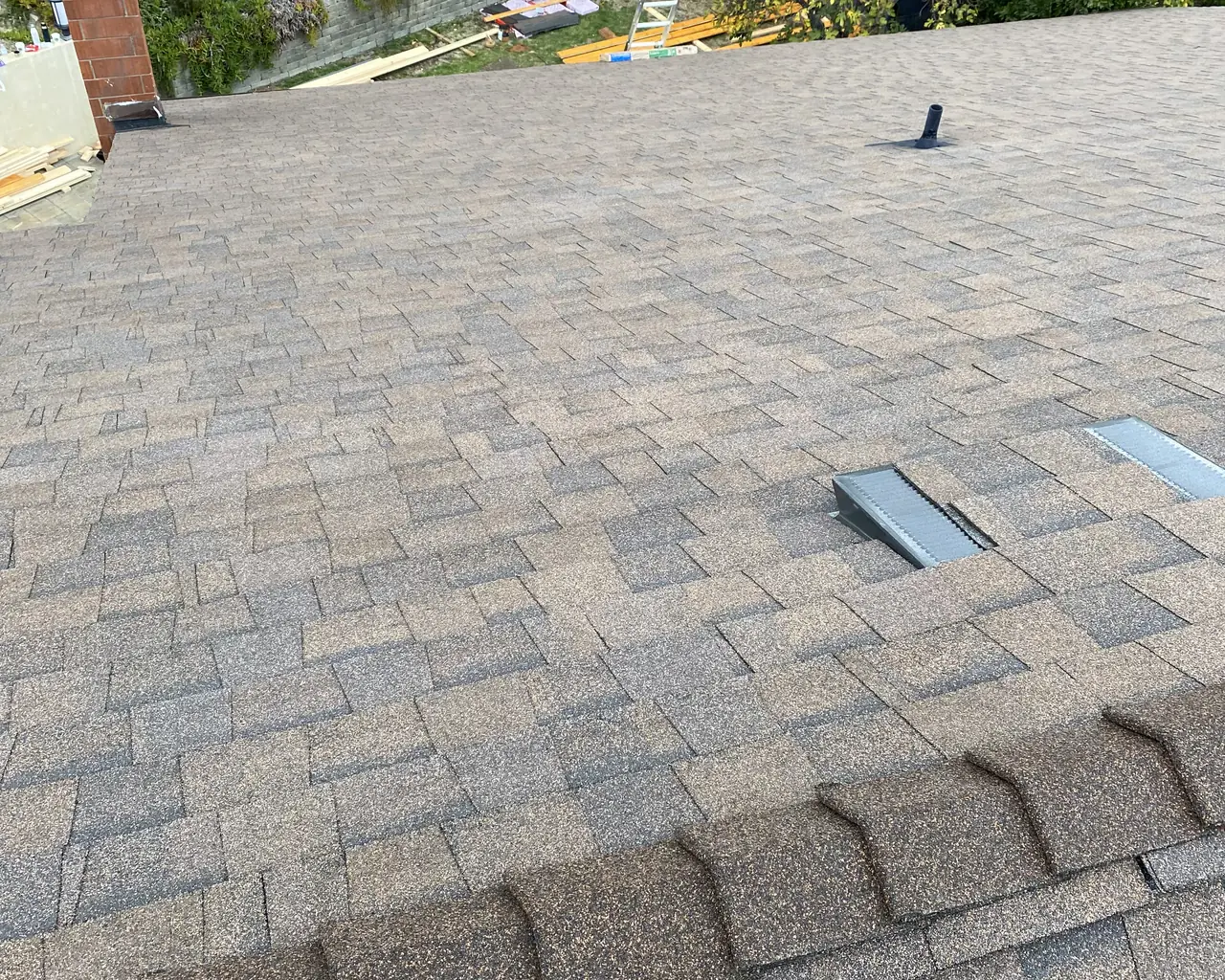
The design was straightforward. A two-story house with a large, simple roof, fifty-two 400-watt modules across it with a microinverter under each one, and a main service panel rebuilt at the same time to take the backfeed. The roof itself had been replaced the previous November, concrete tile off and composition shingle on, so there was nothing under the array that would need attention for decades. That roof, the panel rebuild and the three separate permits they took are the subject of the companion page on the roofing and panel work on this house. The array itself ran into a different problem.
What made this project a Glendale project was the utility. Glendale Water & Power is a municipal utility, not LADWP, and it reviews the interconnection application before the city's building department will look at the plans. Its review starts with a number: the estimated annual production of the array.
The rule is published, and for a system this size it is arithmetic. A net-metered system has to be intended to offset the customer's own electricity use, and above 10 kilowatts AC the utility establishes that by taking 110 percent of what the property used over the previous twelve months and comparing it with the production the application portal calculates. At or below 10 kilowatts AC the customer self-certifies instead and the comparison never happens. This array was far above the line. The house's figure was 21,390 kilowatt-hours a year, and the application came back marked oversized.
Above 10 kilowatts AC the utility also wants a shading report, and the one filed here put annual production at 28,613 kilowatt-hours — still 7,000 over the cap. The array was not going to shrink to fit a year of bills that no longer described the house, because the family had bought two electric vehicles and planned to charge them at home.
Reviewing the application, the utility allowed for that. Each electric vehicle already purchased raised the ceiling by 4,375 kilowatt-hours a year, provided the customer could prove it. Proof meant a current registration or a purchase receipt showing the vehicle at the project address. A deposit or a reservation did not count, because either can be refunded.
Here is where the project stalled for two weeks. The family had moved into the house the previous July, and both vehicles were still registered at their old address. The pink slips were in the right name and the wrong city. The utility was courteous and immovable: the registration has to match the site address and it has to be current. So the cars were re-registered, and the documents went into the application portal one after the other.
The first registration lifted the cap to 25,765 kilowatt-hours, still short of the array's 28,613. The second, uploaded the same morning, lifted it to 30,140. The reviewer wrote back within the hour that the proposed size was now covered, and the application went to the utility's engineering group that afternoon.
One more thing the size triggered. Any single-family system over 15 kilowatts in Glendale gets its own generation meter, separate from the house meter, and the utility has to visit the property to decide where it goes. That is a second site visit on top of the one for the panel upgrade, and at the time the queue for it was measured in months. The interconnection agreement was signed in early May with both meter locations attached, the plans were approved the next day, and the building permit followed.
The array passed its final inspection in June. The rebuilt service panel needed its own permit and its own final, which came in July, and the utility released the project at the start of August. The generation meter was set in the middle of August, and the system was switched on the following week.
What the cap costs a homeowner: it is the utility's line, not ours, and it looks backward. A house with a modest year of bills cannot buy a 20-kilowatt array in Glendale on the strength of a pool heater or a second car it intends to add next year. The allowance covers vehicles already owned and registered at the address. Where the plan is to grow into the system, the order that works is to buy the vehicle first, register it at the house, then size the array.
So the question to ask before anybody draws a layout on a Glendale roof is not how many modules fit. It is what the last twelve bills add up to, and what is registered at the address.
How it ran
| November 2022 | Design set: 52 modules, microinverters, panel rebuild |
|---|---|
| 29 November – 2 December 2022 | Concrete tile removed, composition shingle installed and inspected |
| 14 March 2023 | Utility issues the service spot for the panel upgrade |
| 22 March 2023 | Interconnection application filed; application to the building department returned pending utility approval |
| 27 March 2023 | Application returned as oversized against the 110 % cap |
| 7 April 2023 | Second vehicle registration accepted; application forwarded to utility engineering |
| 3 May 2023 | Interconnection agreement approved with two meter spots |
| 4 May 2023 | Utility-approved plans released to the building department |
| 1 June 2023 | Solar permit issued |
| 20 June 2023 | Solar final inspection passed |
| 7 July 2023 | Panel upgrade final inspection passed |
| 2 August 2023 | Utility inspection release |
| 16 August 2023 | Generation meter installed — permission to operate |
Five months from interconnection filing to permission to operate; two of those weeks were spent on vehicle registrations.
What we did
- Designed a 52-module array with a microinverter per module for a two-story shingle roof.
- Rebuilt the main service panel to 225 amps with the main breaker set at 175 amps to accept the backfeed (C-10).
- Filed the shading report the utility requires above 10 kilowatts AC.
- Carried the interconnection application through the oversize review with two vehicle registrations.
- Incorporated both utility meter spots into the plan set and took it through the city's plan check.
- Requested and passed the solar final and the separate panel-upgrade final.
- Commissioned the system after the generation meter was set.
System specifications
| Modules | 52 × 400 W, all-black — 20.8 kW DC |
|---|---|
| Inverters | 52 microinverters |
| Estimated production | 28,613 kWh per year, from the shading report |
| Sizing basis | 110 % of the prior twelve months' usage, above 10 kW AC |
| Allowance applied | 4,375 kWh a year per registered electric vehicle |
| Metering | House meter plus a separate generation meter |
| Roof | Composition shingle, two-story house |
| Utility / AHJ | Glendale Water & Power / City of Glendale |
Is your project like this one?
- You are on Glendale Water & Power, not LADWP or SCE.
- Your roof could hold far more solar than your bills would justify.
- You own, or are about to own, an electric vehicle and want the array sized for it.
- You are planning a system over 15 kilowatts on a single-family house.
- You moved recently and your vehicle registrations still show the old address.
Cali Energy in Glendale
Glendale is its own city with its own municipal utility: permits run through City of Glendale Building & Safety, interconnection through Glendale Water & Power.
Glendale runs its own utility, and Glendale Water & Power reviews every residential solar application before the building department sees it. That review includes a question most homeowners have never been asked: how much electricity did this house use last year?
This installation is on the Glendale projects page alongside the others, and what the work covers is set out on the Glendale service area page.
- License and classifications: CSLB #1032379
- Official reference for this process: Glendale Water & Power — PV interconnection and NEM guide for 15+ kW CEC-AC residential systems
- Official reference for this process: Glendale Water & Power — Net Energy Metering program
Frequently asked questions
How does Glendale Water & Power decide if a solar system is too big?
Above 10 kilowatts AC it takes 110 percent of the electricity the property used over the previous twelve months and compares that with the production its application portal calculates for the proposed array. A shading report is part of the submission at that size. Anything above the line comes back as oversized until the design shrinks or the ceiling rises. At or below 10 kilowatts AC the customer self-certifies the need instead.
Does an electric vehicle let me install a larger system in Glendale?
On this application it did. Reviewing it, the utility raised the ceiling by 4,375 kilowatt-hours a year for each electric vehicle the family already owned, against a current registration or a purchase receipt showing the vehicle at the project address. A deposit or a reservation was not accepted, because either can be refunded. Two registrations covered a 20.8 kilowatt array. Ask the utility what it will allow before the design is fixed.
Why did the vehicle registrations have to be redone?
Because they showed the family's previous address. The allowance is tied to the property, so the registration has to name the house where the array is going and has to be current. Re-registering two cars took about two weeks, and the application waited for it.
What changes when a residential array is over 15 kilowatts?
In Glendale it gets a separate generation meter alongside the house meter. The utility visits the property to choose the meter location and issues a second spot drawing, and that drawing has to be part of the plans before the city will issue a permit. Plan on the extra visit when you set the schedule.
Does Cali Energy install solar in Glendale?
Yes. Glendale is a separate city with its own utility and its own building department, and our Glendale work runs through both: Glendale Water & Power for interconnection and City of Glendale Building & Safety for permits. Our license is CSLB #1032379, and the Glendale projects page carries the city's completed installations, this house among them.
What this would look like on your roof
Planning solar in Glendale? Tell us your utility, your roof and what your bill looks like now, and we will model what a system like this would do on your house before you commit to anything.
Or call +1 (323) 844-7777 · Cali Energy, Northridge · CSLB #1032379 (B, C-10, C-39) — design, permits, install and electrical under one licensed contractor.
Related
This timeline reflects this property and this permitting path. Updated September 2026.