

Granada Hills, CA · April 2023 · LADWP / LADBS
The utility approved a smaller system. Nothing was cut.
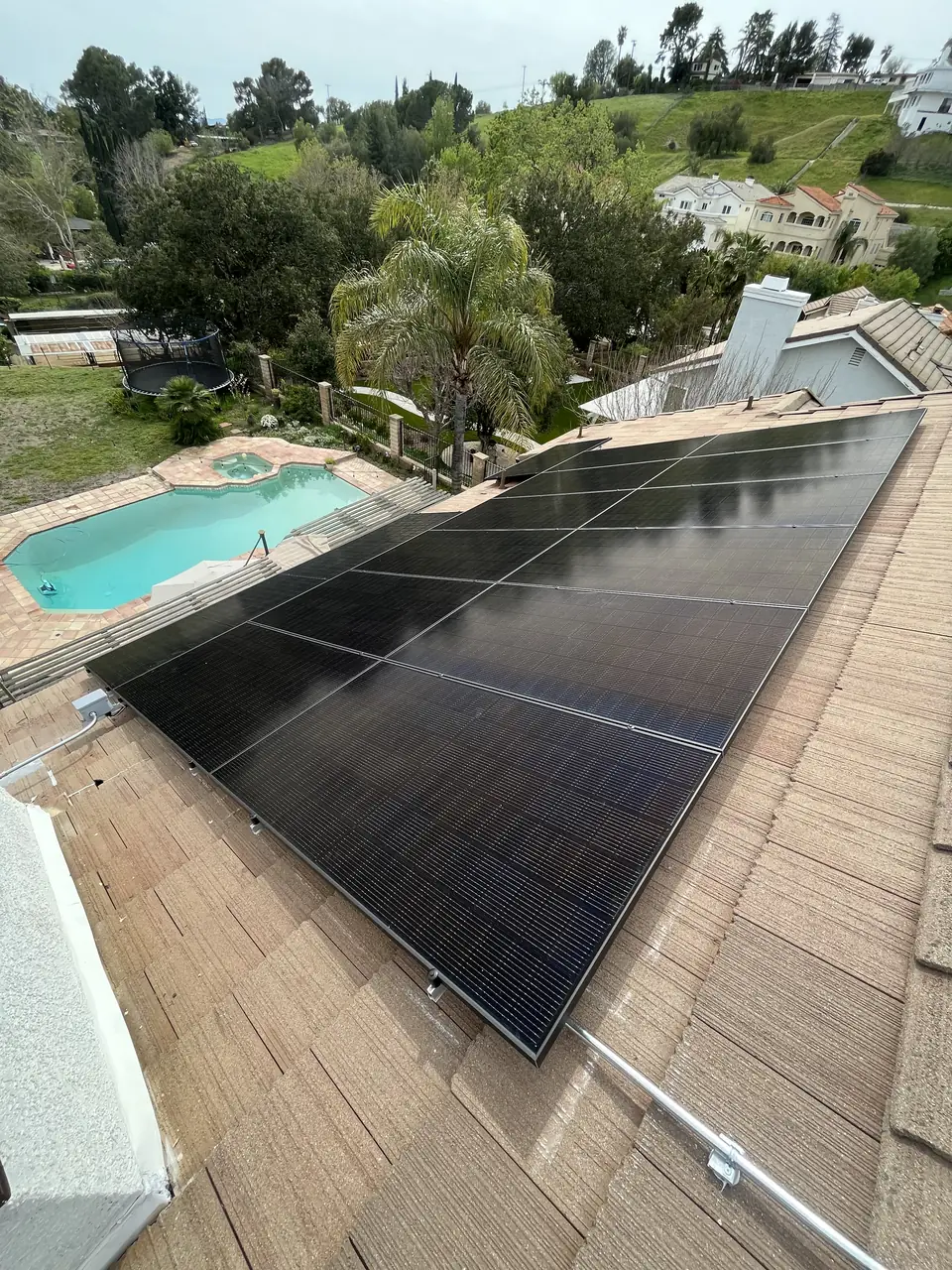
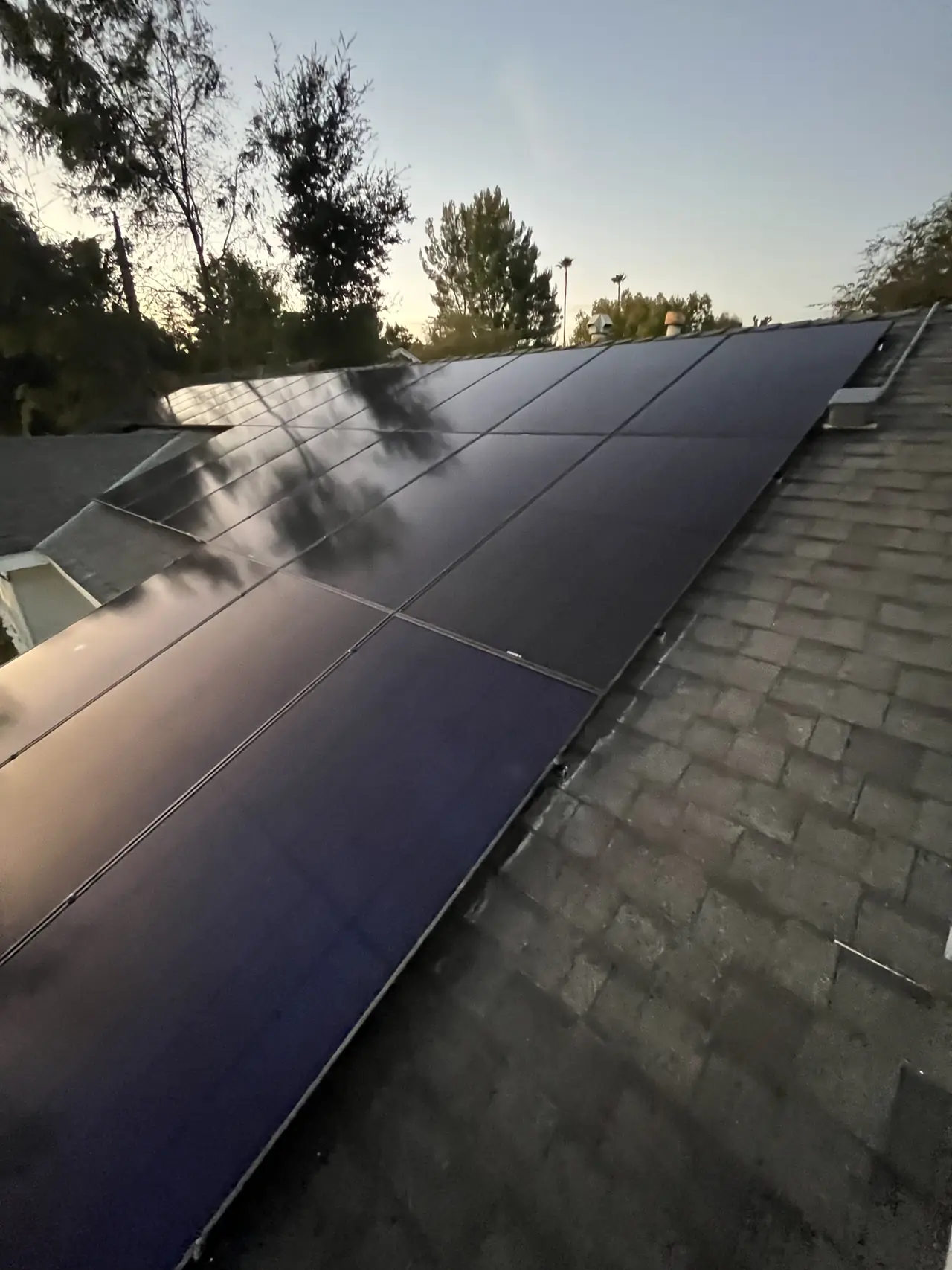
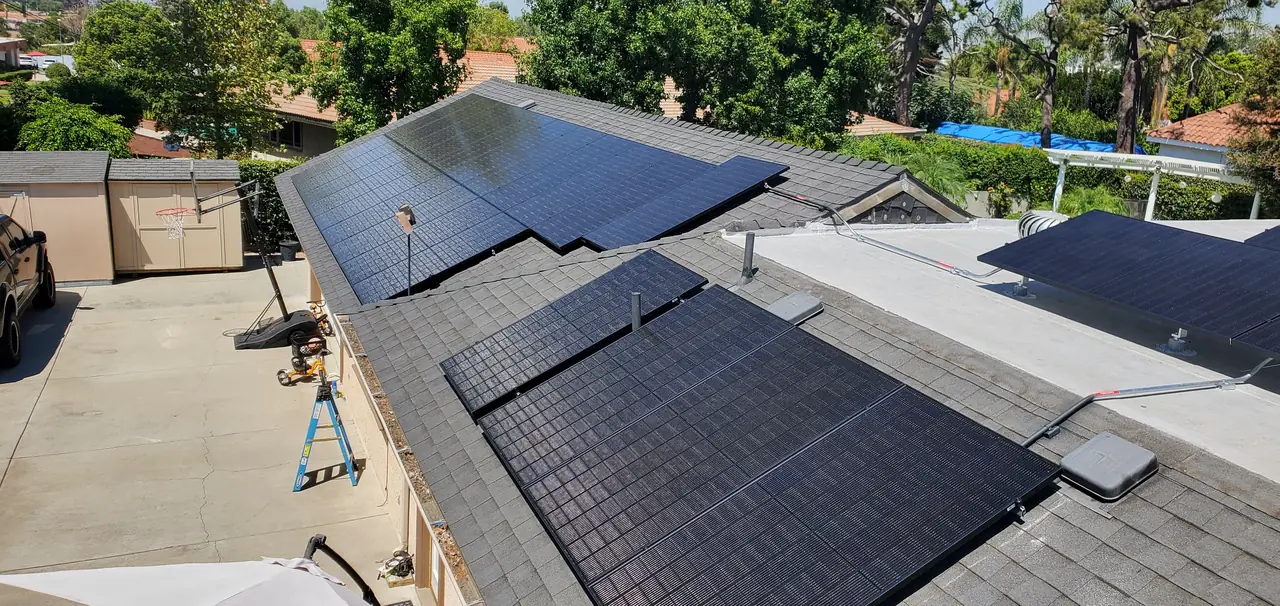
A Granada Hills array rated 11.6 kW DC and 8.7 kW AC on LADWP. Two numbers, one set of panels — and 28 days from application to permission to operate.
A solar system carries two ratings. The contract counts the panels in DC. LADWP rates the same array in AC-CEC — module count times each module's PTC rating times inverter efficiency. Neither number is wrong.
At a glance
- DC System
- 11.6 kW
- AC System
- 8.7 kW CEC
- Utility
- LADWP
- AHJ
- LADBS
- Inverters
- Enphase micro
- Roof
- Flat concrete tile
- Battery
- None
- LADWP app → PTO
- 28 calendar days
The story
The owners read the utility approval and stopped. Their contract said 11.6 kilowatts. The approval said 8.7. They wrote to ask whether the system had been cut back, and whether they now needed to buy fewer panels.
Nothing had been cut. Not one panel had changed.
A solar system is rated twice. The DC rating adds up the panel nameplates — that is what a contract quotes, because that is what you are buying. LADWP works from AC-CEC, which it derives from the module count, each module's PTC rating and the efficiency of the inverter. PTC is a rating measured under conditions closer to a real roof than the laboratory conditions behind a nameplate, so the AC-CEC figure comes out lower. It is the same array described a different way.
Same array, two ways of measuring it. The answer takes three sentences, and it is worth having them before the letter arrives rather than after.
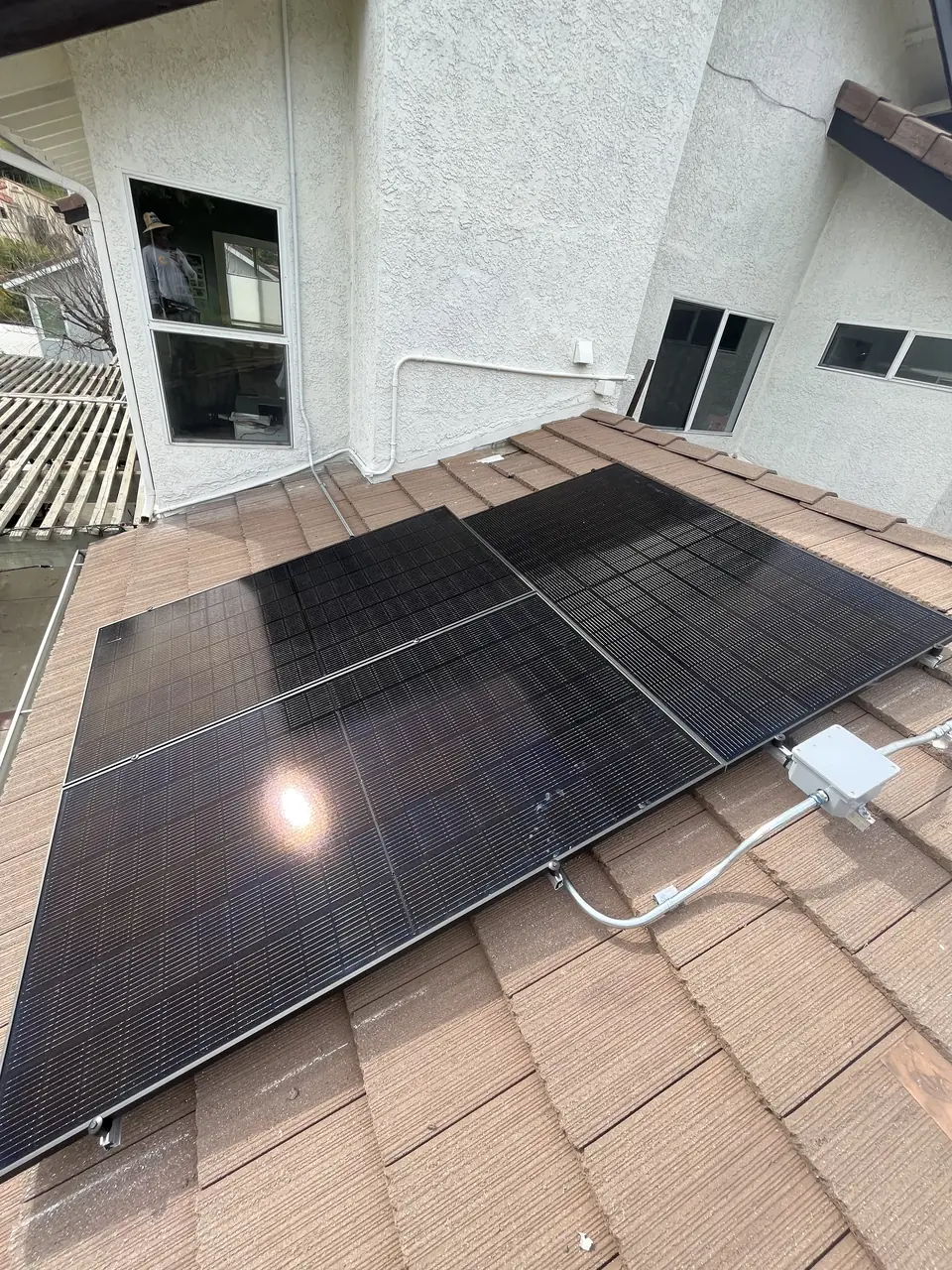
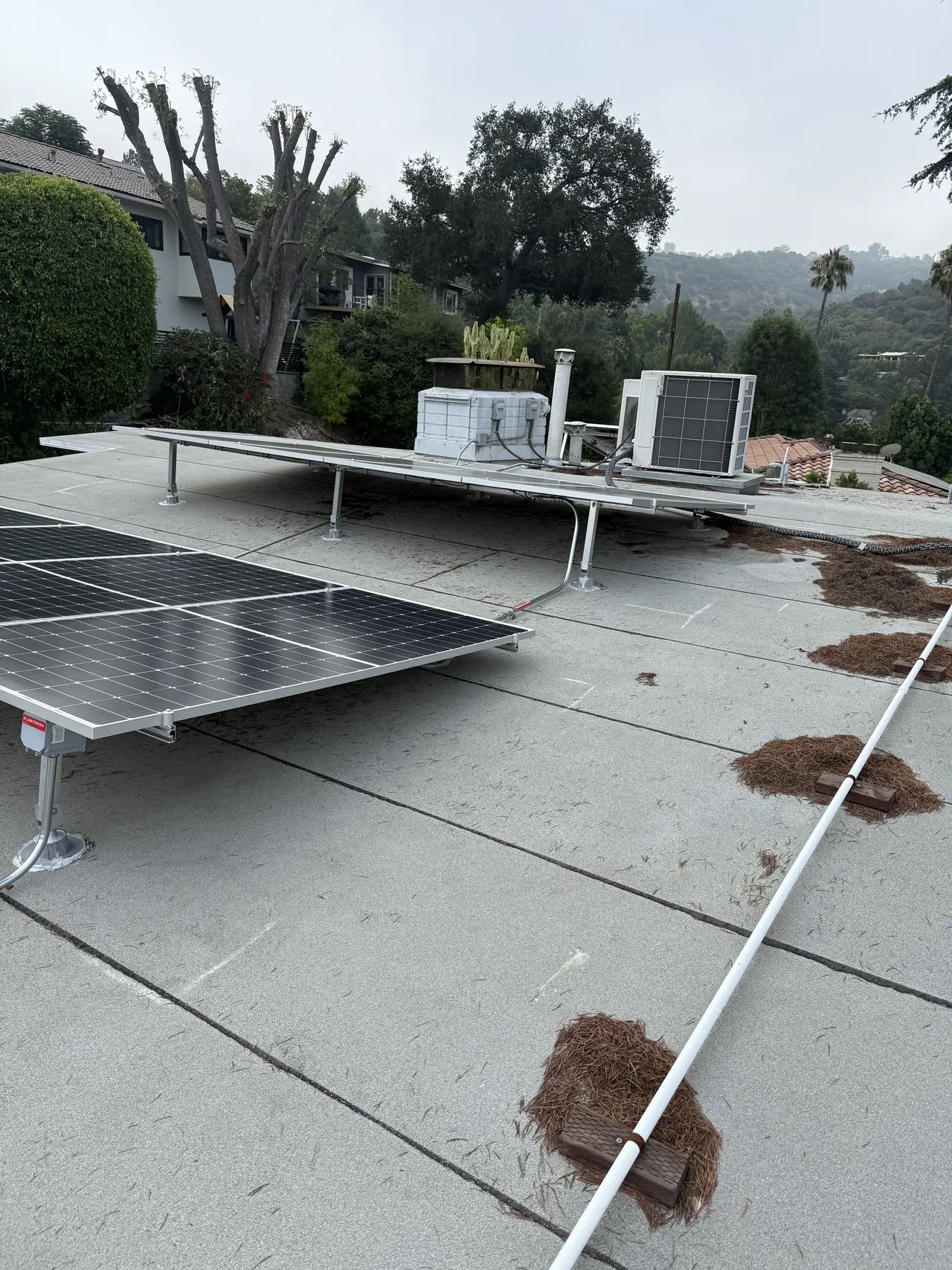
The roof made this house more interesting than the arithmetic. It is flat concrete tile throughout, and tile is a different job from shingle: the mounting hardware is specific to it, tiles have to be lifted and set back rather than drilled through, and some of them break. Replacing broken tiles was part of the work here.
From interconnection application to permission to operate: 28 calendar days.
Cali Energy designed, permitted and interconnected this Granada Hills array, and the two numbers on its paperwork were never reconciled because they were never measuring the same thing. The owner has been running it since.
How it ran
| 6 March 2023 | Interconnection request submitted, 8.7 kW AC-CEC |
|---|---|
| 14 March 2023 | Site evaluation completed |
| 30 March 2023 | Building department release; installation approved |
| 3 April 2023 | Permission to operate granted |
What we did
- Sized the array on the household's own consumption rather than on a round number.
- Mounted on flat concrete tile, with hardware specific to tile rather than shingle.
- Replaced broken tiles as part of the roof work before the array went down (C-39 scope).
- Filed the interconnection and carried it to permission to operate in 28 days.
- Answered the DC and AC question in plain language, in writing, the day it was asked.
System specifications
| DC system | 11.6 kW |
|---|---|
| AC system | 8.7 kW CEC |
| Inverters | Enphase microinverters |
| Battery | None |
| Roof | Flat concrete tile |
| Utility / AHJ | LADWP / LADBS |
| LADWP application → Permission to Operate | 28 calendar days |
Is your project like this one?
- Your utility letter names a smaller number than your contract does.
- You are wondering whether to buy fewer panels.
- Your roof is concrete or clay tile and you have been told that complicates the job.
- You have been quoted for tile breakage and are not sure that is normal.
- You are on LADWP.
Cali Energy in Granada Hills
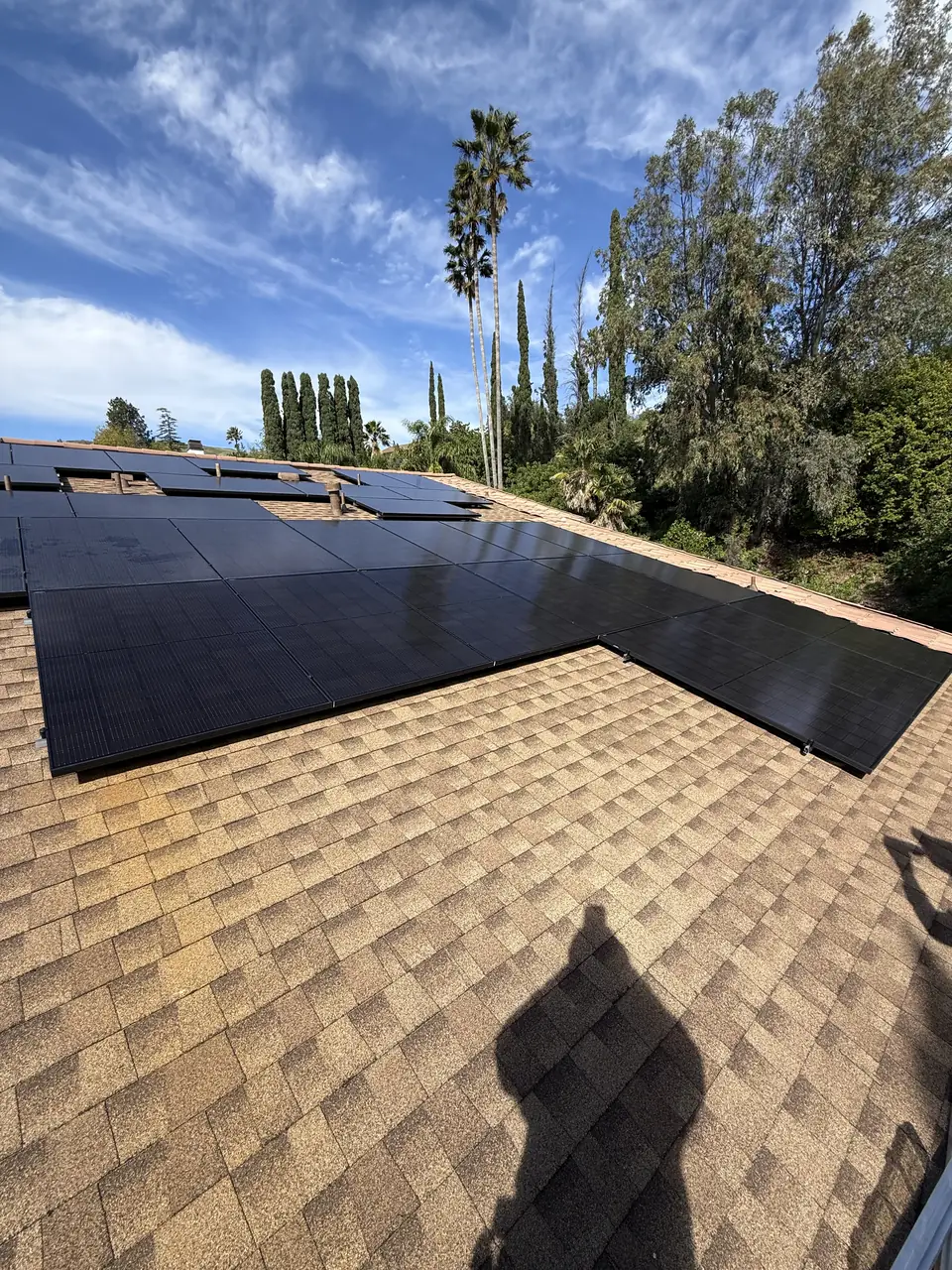
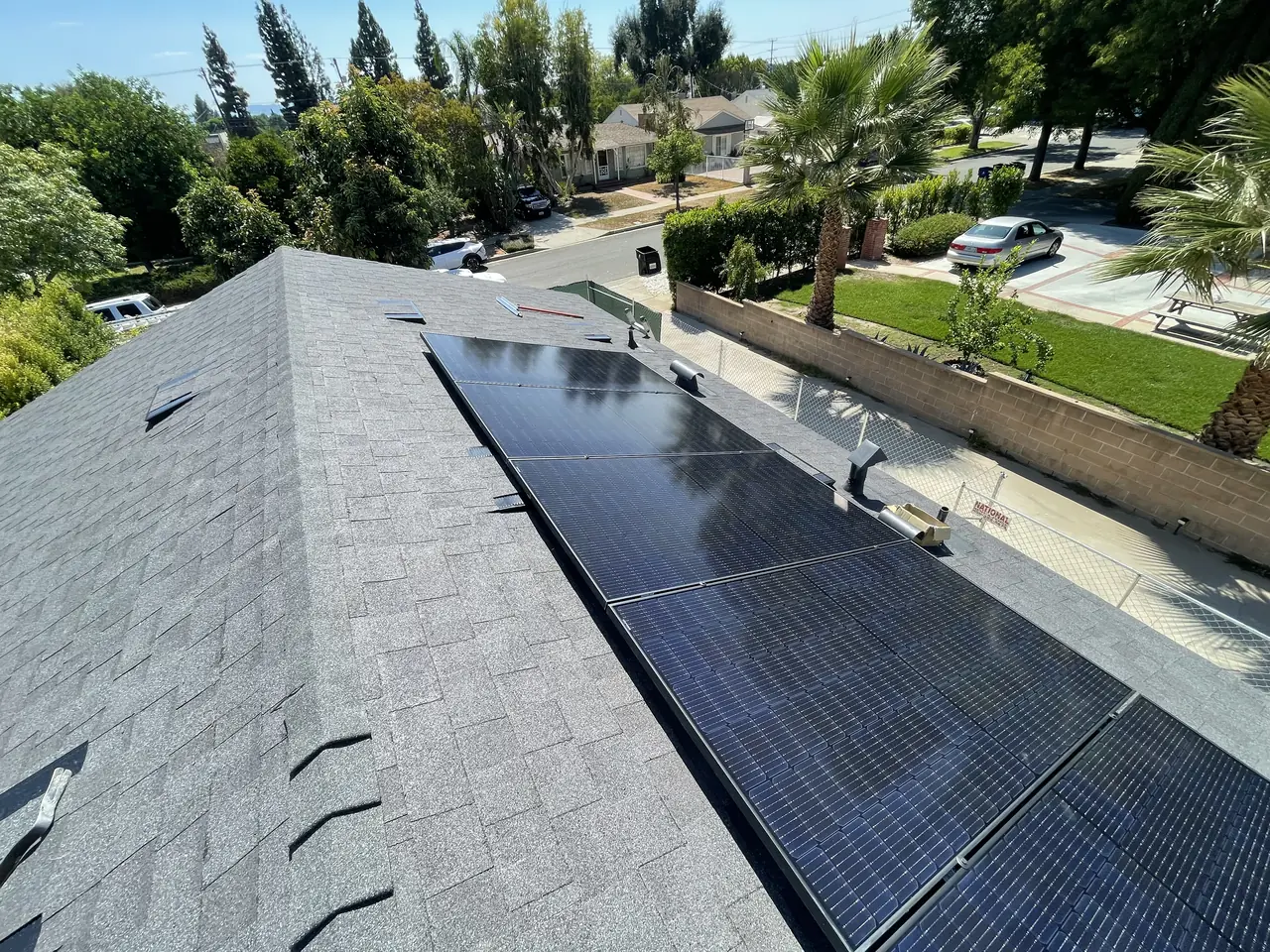
Granada Hills sits inside City of Los Angeles boundaries, so every project here is permitted through LADBS and interconnected through LADWP. Our work in Granada Hills runs from single-row arrays on accessory dwelling units to systems on underground services, on composition shingle and on concrete tile.
Concrete tile is common here, and tile work has its own hardware, its own sequence and its own breakage allowance. Shingle roofs in the same ZIP code are a different job again.
This installation is on the Granada Hills projects page alongside the others, and what the work covers is set out on the Granada Hills service area page.
- License and classifications: CSLB #1032379
- Official reference for this process: LADWP small system interconnection tip sheet
Frequently asked questions
Why is the system size on my LADWP letter smaller than in my contract?
Because they measure different things. The contract quotes DC — the sum of the panel nameplates, which is what you are buying. LADWP works in AC-CEC, which it derives from the module count, each module's PTC rating and the inverter's efficiency. That figure comes out lower. On this project the same array was 11.6 kW DC and 8.7 kW AC-CEC. No panels were removed.
Should I buy fewer panels if the utility approved a lower number?
No. The utility figure is not an instruction to shrink the array; it is how the utility describes the array you already designed. Changing the panel count would change both numbers. If the AC figure genuinely does not match your design, that is worth checking with your installer, but a lower AC number on its own is normal.
Does concrete tile make a solar installation harder?
It makes it different. Tile mounts are designed to lift and reseat the tile rather than penetrate it, so the hardware and the sequence are specific to tile roofs. Tile is also brittle, and some pieces break during any roof work, so replacement tiles are part of a normal tile job rather than a sign something went wrong.
Does Cali Energy install solar on tile roofs in Granada Hills?
Yes. Granada Hills is inside City of Los Angeles boundaries, so permits run through LADBS and interconnection through LADWP. Concrete tile is common on these streets and we mount on it regularly, with tile-specific hardware and replacement tiles budgeted into the job.
What this would look like on your roof
Planning solar in Granada Hills? Tell us your utility, your roof and what your bill looks like now, and we will model what a system like this would do on your house before you commit to anything.
Or call +1 (323) 844-7777 · Cali Energy, Northridge · CSLB #1032379 (B, C-10, C-39) — design, permits, install and electrical under one licensed contractor.
Related
This timeline reflects this property and this permitting path. Updated September 2026.