

Woodland Hills, CA · June 2021 · LADWP / LADBS
Sixteen days from first contact to permission to operate in Woodland Hills.
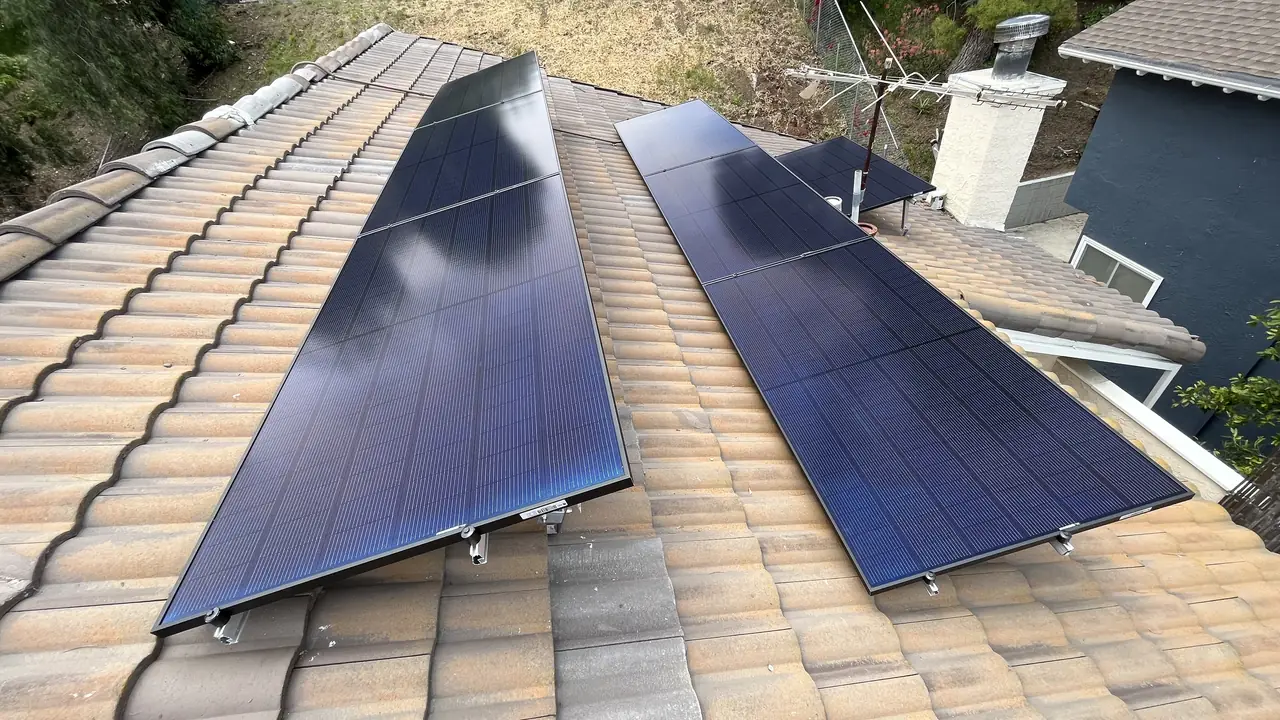
Twenty-seven modules on the back slope of a Woodland Hills house, and a calendar that reads like a typo. First contact on a Wednesday, contract on the Friday, permits the following Monday, installation that Saturday, city inspection, permission to operate. No shortcuts were taken. A few ordinary things were simply not put off.
A residential solar project in Los Angeles can run from first contact to permission to operate in about two weeks when three conditions hold: the system needs no main panel upgrade, the utility's site assessment is cleared from the application rather than scheduled as a visit, and nobody waits a day to start the next step. On this project the busbar limit was solved by derating the main breaker to 175 amps rather than replacing the panel, which is the cheaper and faster of the two legitimate answers. On this Woodland Hills roof Cali Energy quoted the same day, pulled the permits the day they were payable and installed on a Saturday.
At a glance
- Recorded by the utility
- 9.8 kW AC-CEC
- System as designed
- 9.86 kW DC
- Modules
- 27 × REC 365 AA, black on black
- Inverters
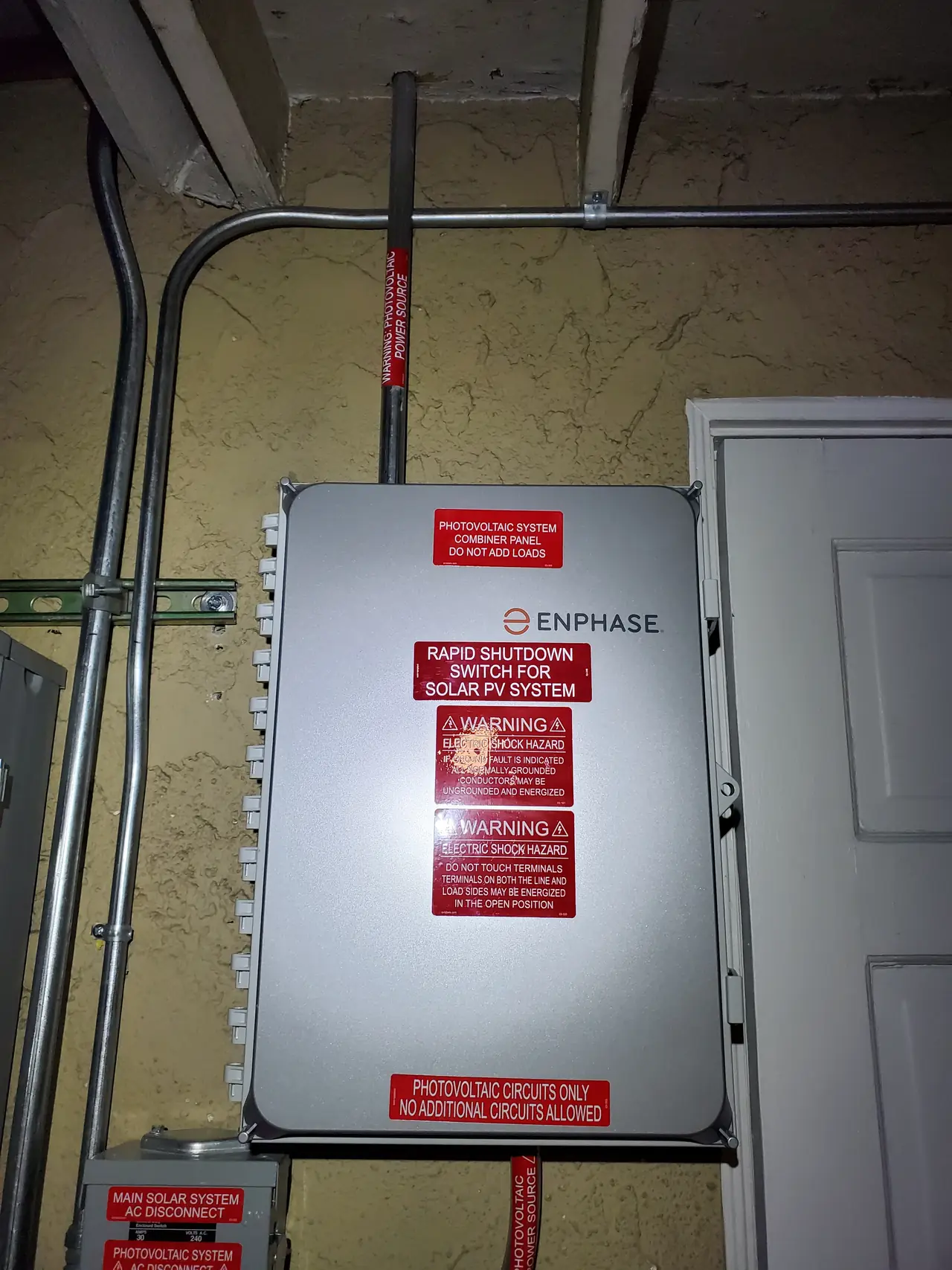
- Enphase IQ7+ microinverters, one per module
- Main service panel
- Not replaced; main breaker derated to 175 A
- Battery
- None
- First contact to permission to operate
- 16 days
- Utility / AHJ
- LADWP / LADBS
The story
The homeowner wrote to us first, and he had done his homework. He named the array he wanted, named the module he wanted it built from, estimated the size himself at a bit over nine kilowatts, counted roughly twenty-five modules onto the south-facing back slope, and noted that the roof vents up there were low profile and could be covered. Most first emails are a phone number and a question. This one was a specification.
The first quote went out the same day, on exactly the module he asked for. Then it ran into the supply chain. He wanted the 370 watt version in all black; the warehouse had the 365 in black on black and nothing else, and a call around the other vendors confirmed the 370 in black simply was not available that week. We said so plainly the next morning rather than quietly substituting, and rebuilt the design at twenty-seven of the 365s instead of twenty-five of the 370s. The array came out slightly larger than he had planned, at 9.86 kilowatts.
The same revision changed the electrical architecture. The first proposal had a string inverter on the wall; the second put an Enphase microinverter under each module. That is a decision worth making on day two of a project rather than day twenty, because it changes the plan set, the permit drawings and the conduit run.
There was a price fight in the middle of it, and it is the part most buyers will recognize. He was holding a competing quote from an online marketplace for the same twenty-seven modules, and he asked us to match it. We said we would not match a number we could not see the specification behind. Equipment is most of what a solar quote is, and two quotes at the same price are not comparable until you know what is in them. He sent the competing document across the next day. We matched it that afternoon and the contract was signed the same day.
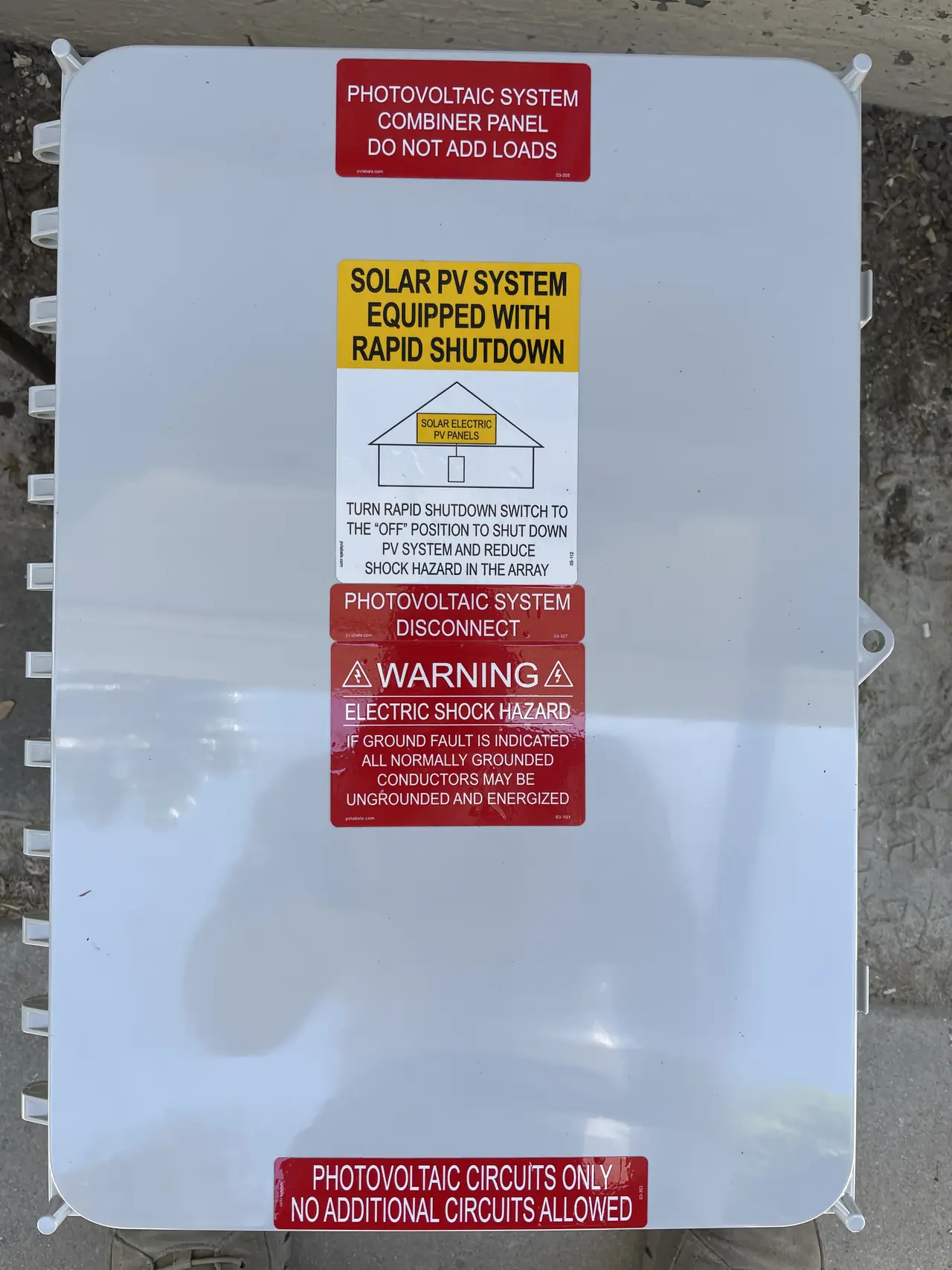
Then the part that actually produced the speed, and it is deliberately unglamorous. Permits were applied for the moment the contract was signed and were in hand three days later. The interconnection application went in the same day as the contract, not the following week. The utility issued its first three notices in a single day and cleared the site assessment from the photographs, so nobody had to wait for a representative to drive out. Installation was offered for the Saturday and taken.
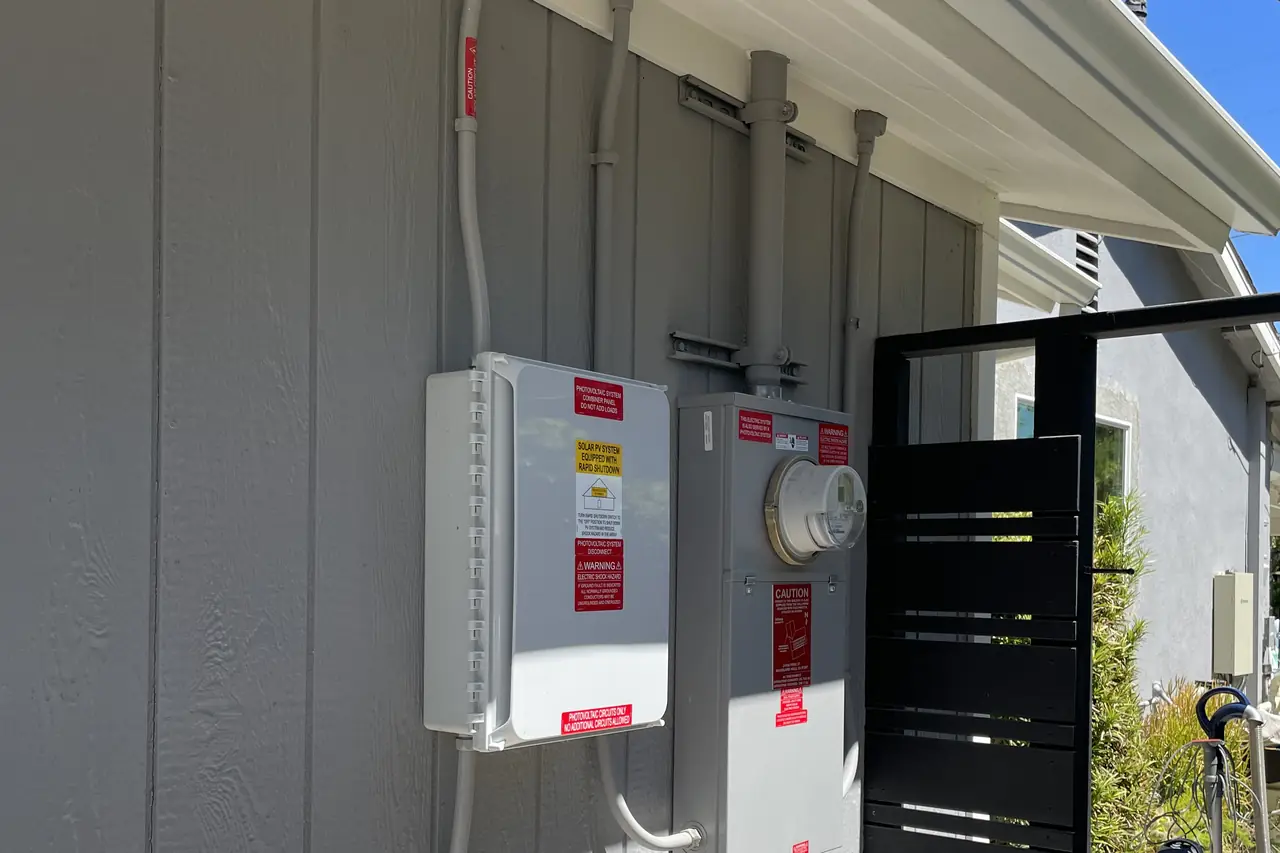
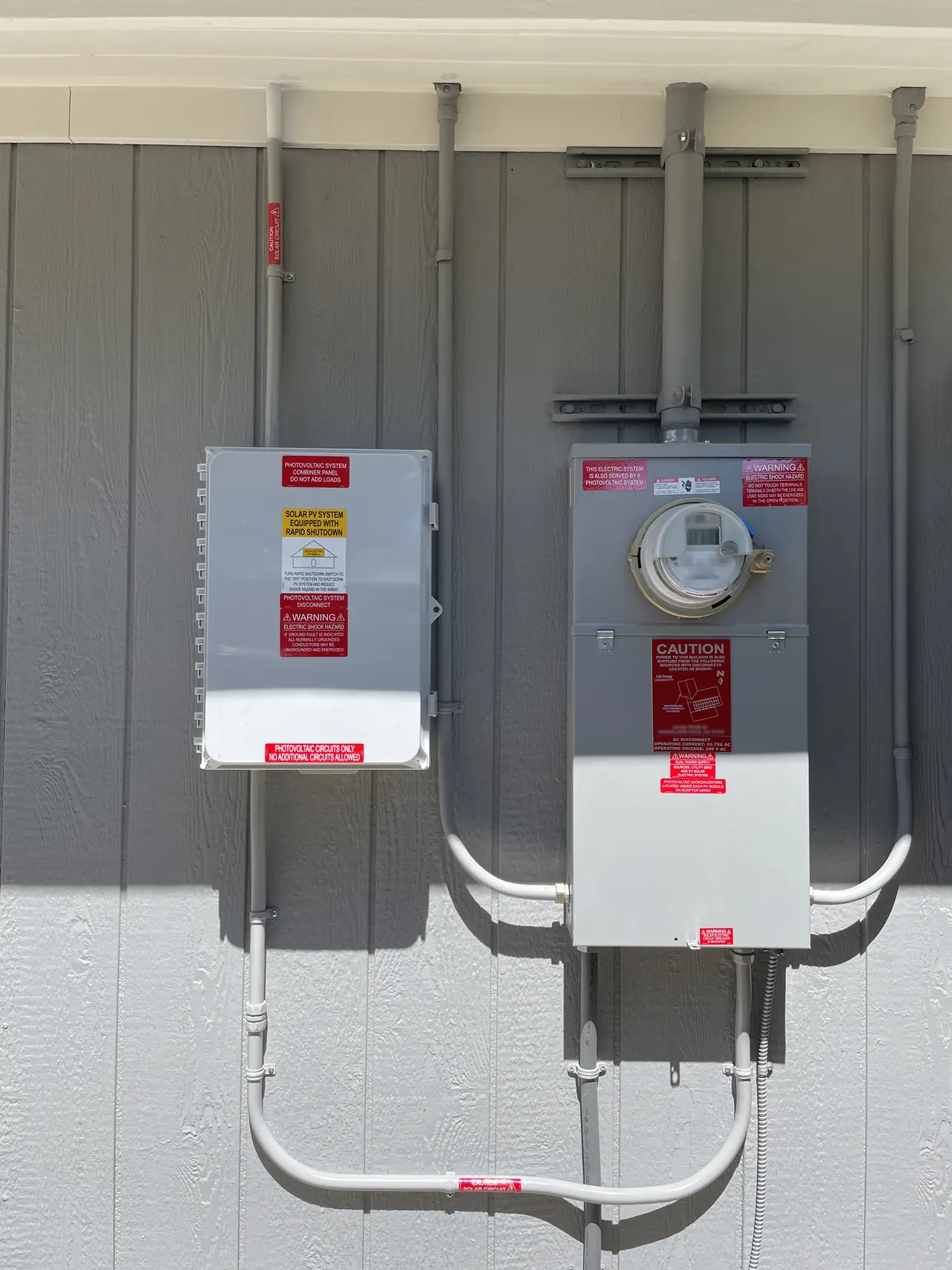
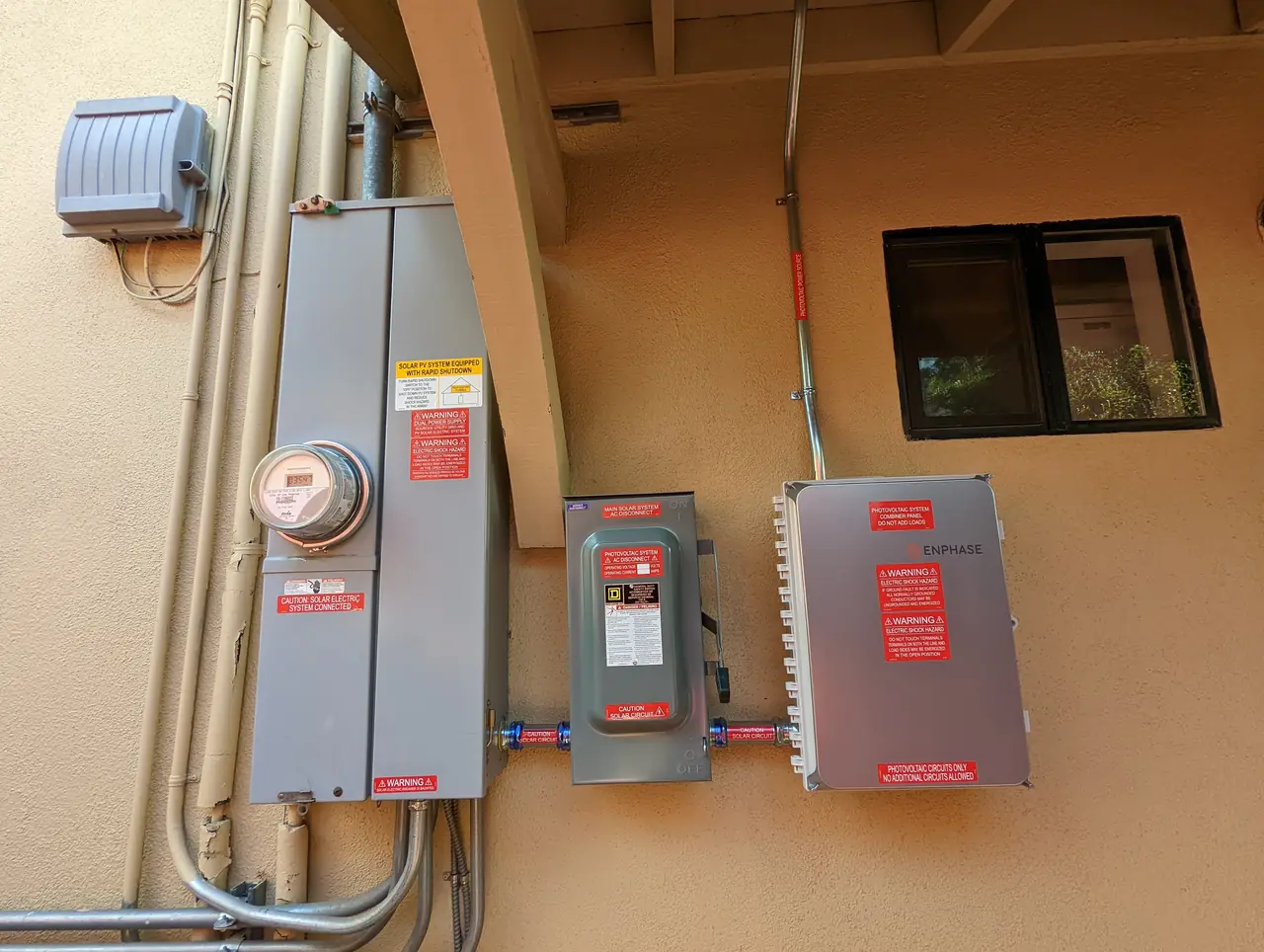
One thing was flagged before the crew arrived rather than discovered on the roof. At 9.86 kilowatts the array would have pushed the main service panel past what the code allows to be fed into a busbar from both ends, the rule most people know as the 120 percent rule. There are two legitimate answers to that. One is to replace the service panel, which costs money and adds a utility visit, an inspection and weeks. The other is to derate the main breaker, in this case from 200 amps to 175, so the arithmetic works with the panel that is already there. We told him which one we were doing, and why, in writing, five days before installation.
City inspection passed on the Wednesday. The utility completed its interconnection review on the Thursday. Permission to operate came through on the Friday, sixteen days after his first email, and the meter crew left the system switched on, which is why the first thing we could tell him was that it was already producing. Monitoring was set up the same afternoon.
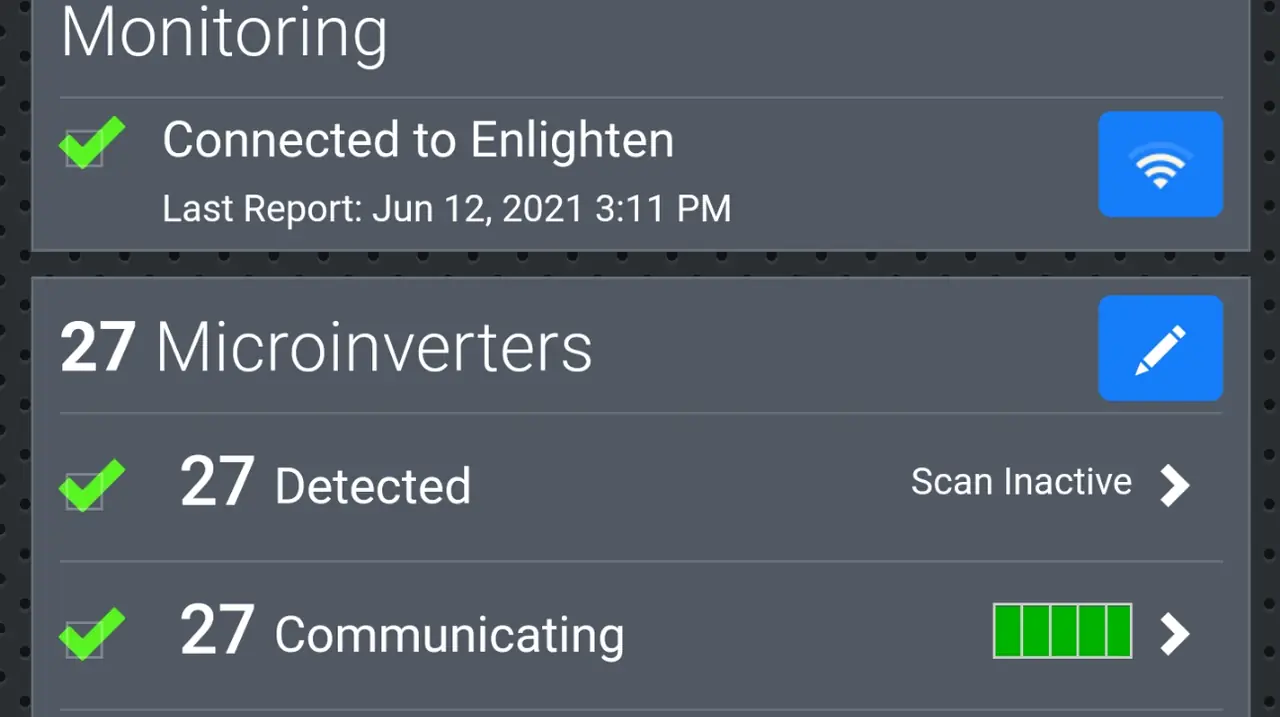
Three days after the system came on, the owner asked why the app showed production but not what the house was using. The answer is that solar monitoring measures the array, not the household, unless a separate current transformer is fitted at the service panel to watch consumption. We checked whether his panel could take one, and it could not. That is not a thing that can be fixed with a setting, and we told him so rather than leaving him tapping at the screen.
What to take from this if you are comparing installers. Ask when the permit application goes in relative to signature, ask whether the utility will need a site visit or can clear the assessment from photographs, and ask whether your panel needs replacing or can be derated. Those three answers are most of your timeline. Very little of it is in the equipment.
How it ran
| 2 June 2021 | First contact from the homeowner; quote out the same day |
|---|---|
| 3 June 2021 | Design finalized at 27 × 365 W black modules on microinverters |
| 4 June 2021 | Competing specification reviewed and matched; contract signed; interconnection application filed at 9.8 kW AC-CEC |
| 7 June 2021 | City permits in hand; 120 percent rule and the 175 A derate put in writing to the homeowner |
| 8 June 2021 | Utility issues its first three notices in one day; site assessment cleared without a visit |
| 12 June 2021 | Installation, on a Saturday |
| 16 June 2021 | City inspection passed |
| 17 June 2021 | Utility completes interconnection review |
| 18 June 2021 | Permission to operate; net meter set and the system left running; monitoring handed over the same day |
This timeline reflects a project with no main panel upgrade, no battery and no roofing work. Any one of those three adds its own review stage and its own weeks.
What we did
- Quoted on the day of first contact and finalized the design the next morning.
- Changed the inverter architecture from a string inverter to microinverters before the plan set was drawn rather than after (C-10).
- Declined to match a competing price until the competing equipment specification was in front of us, then matched it the same day it arrived.
- Filed the interconnection application and applied for city permits on the day of signature.
- Put the 120 percent busbar calculation and the 175 amp derate in writing five days before installation, so the alternative to a panel upgrade was the homeowner's decision and not a surprise.
- Installed on a Saturday and carried the project through city inspection to permission to operate in sixteen days from first contact.
- Checked whether the service panel could accept a consumption transformer and reported that it could not, instead of leaving the question open.
System specifications
| Recorded by the utility | 9.8 kW AC-CEC |
|---|---|
| System as designed | 9.86 kW DC |
| Modules | 27 × REC 365 AA, black on black |
| Inverters | Enphase IQ7+ microinverters, one per module |
| Array position | Back roof plane, facing south |
| Main service panel | Retained; main breaker derated from 200 A to 175 A |
| Battery | None |
| Consumption monitoring | Not possible; the service panel cannot take the current transformer |
| Utility / AHJ | LADWP / LADBS |
Is your project like this one?
- You want to know what actually sets a solar timeline before you sign anything.
- You have been told your project needs a main service panel upgrade.
- You are comparing quotes and want to know what a fair price match looks like.
- You expect your monitoring app to show household consumption as well as production.
- Your Woodland Hills property is served by LADWP, while permits are handled by LADBS.
Cali Energy in Woodland Hills
Woodland Hills is inside City of Los Angeles boundaries: permits run through LADBS, interconnection through LADWP.
Woodland Hills sits at the west end of the San Fernando Valley, inside the City of Los Angeles. Permits are pulled from LADBS and the interconnection runs through LADWP, which is the same pair of counters every project in this neighborhood passes through, whether it takes two weeks or six months.
This installation is on the Woodland Hills projects page alongside the others, and what the work covers is set out on the Woodland Hills service area page.
- License and classifications: CSLB #1032379
- Official reference for this process: NFPA 70, National Electrical Code — Article 705, interconnected power sources
- Official reference for this process: LADWP — residential solar programs
Frequently asked questions
How fast can a residential solar project really go in Los Angeles?
This one ran sixteen days from the homeowner's first contact to permission to operate. That needs three things to line up: no main service panel upgrade in scope, a utility site assessment cleared from the application photographs rather than scheduled as a visit, and no idle days between steps. Add a panel upgrade, a battery or roofing work and the same house moves into a longer process with additional review stages.
What is the 120 percent rule, and does it mean I need a new panel?
It is the code limit on how much power can be fed into a service busbar from both ends at once, and it is the single most common reason a solar quote grows. It does not automatically mean a new panel. Derating the main breaker, here from 200 amps to 175, makes the arithmetic work with the existing panel and removes a utility visit, an inspection and several weeks. It suits a house whose actual demand is comfortably below the old breaker rating.
Should an installer match a competing quote?
Only with the competing specification in hand. A solar quote is mostly equipment, and two quotes at the same number can contain very different modules, inverters, warranty terms and workmanship. Matching blind means one of the two of you is guessing. On this project the competing document arrived and the price was matched the same afternoon, which is the sequence to expect.
Why does my solar app show production but not how much the house is using?
Because monitoring reads the array by default. Household consumption needs a separate current transformer fitted at the service panel, and not every panel can take one. Here it could not, so consumption was never going to appear. Ask before signing if seeing both numbers matters to you, because it is far cheaper to answer at design time than afterwards.
Does Cali Energy install in Woodland Hills?
Yes, across both Woodland Hills ZIP codes, with permits through LADBS and interconnection through LADWP. The work on this project was the design, the permit package, the derate calculation, the installation, the inspection and the interconnection through to permission to operate. Cali Energy holds California contractor license number 1032379.
What this would look like on your roof
Planning solar in Woodland Hills? Tell us your utility, your roof and what your bill looks like now, and we will model what a system like this would do on your house before you commit to anything.
Or call +1 (323) 844-7777 · Cali Energy, Northridge · CSLB #1032379 (B, C-10, C-39) — design, permits, install and electrical under one licensed contractor.
Related
This timeline reflects this property and this permitting path. Updated September 2026.