

Woodland Hills, CA · March – May 2023 · LADWP / LADBS
Ten days from filing to permission to operate in Woodland Hills.
A concrete tile roof, six kilowatts, and a file that nobody ever sent back. Every stage cleared on the first attempt, and the whole project closed in ten days.
The fastest residential interconnections are not the ones that are chased hardest. They are the ones where the application arrives complete: the right system size, the right work classification, photographs good enough for the utility to assess the site from a desk, and an inspection request filed the moment the work is finished. On this project nothing was returned for correction at any stage, and ten days separated the filing from permission to operate. Cali Energy files this way on every Woodland Hills project, because a correction cycle costs more than the care it takes to avoid one.
At a glance
- Recorded by the utility
- 6.1 kW AC-CEC
- Roof
- Concrete tile
- Battery
- None
- Utility work type
- Meter change
- Application to permission to operate
- 10 days
- Corrections issued
- None
- Main service panel
- No upgrade
- Utility / AHJ
- LADWP / LADBS
The story
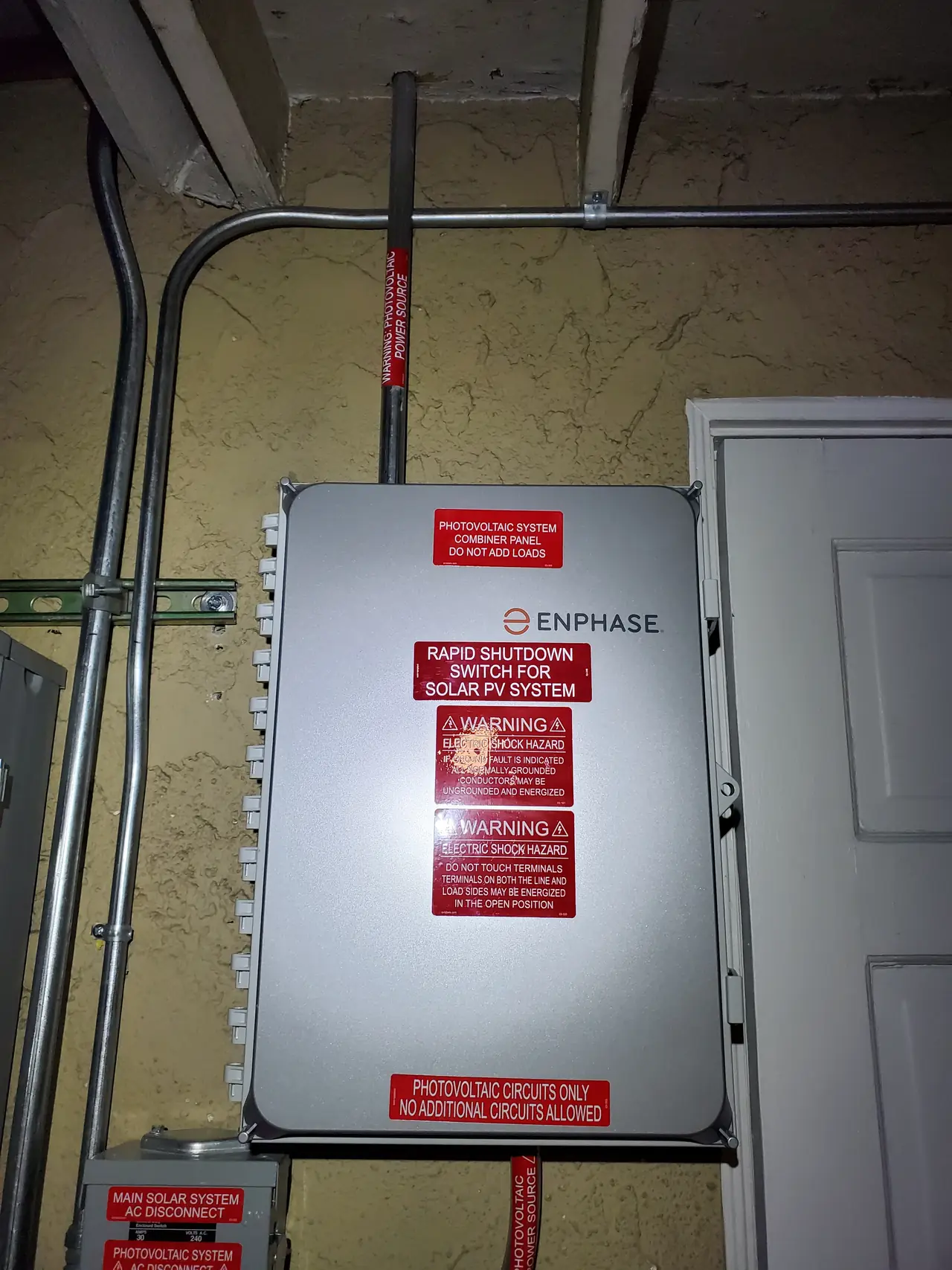
The proposal went out in March and the interconnection was filed at the end of April at six point one kilowatts as the utility records it, with no battery. Three days later the utility had reviewed the application, confirmed the details and completed its site evaluation without sending anyone out. The next day the city had the inspection request. Three days after that the city posted its final release, the utility closed its interconnection review the same day and asked for the meter. The new net meter was set and permission to operate granted on the eighth of May.
Ten days, beginning to end, with nothing returned for correction at any point.
Nobody gets a project like this by being lucky. Four things have to be true at the moment of filing. The system size on the application has to match the system that was designed, because a mismatch stops the review while it is resolved. The work has to be classified correctly, and on this house the utility's own scope line was a meter change, which is the lightest category there is. The photographs filed with the application have to be good enough that a service representative can assess the site from a desk instead of scheduling a visit. And the inspection request has to go in the day the work is done, not the week after.
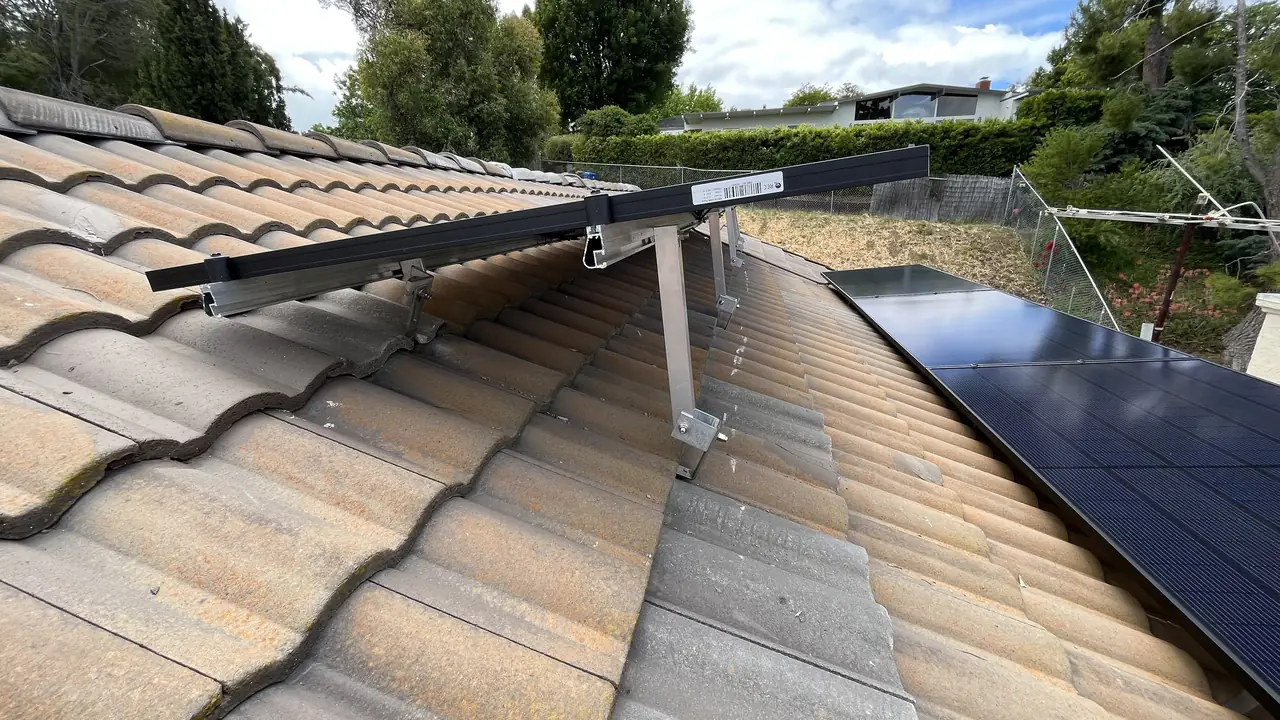
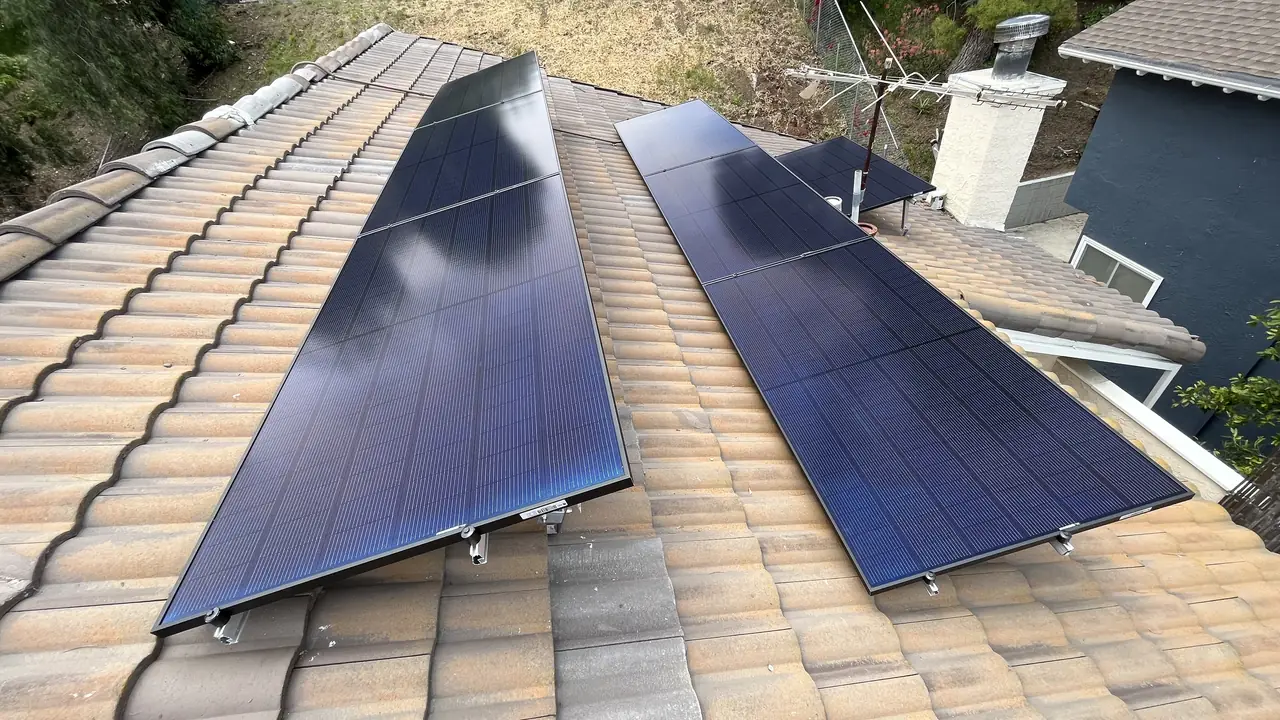
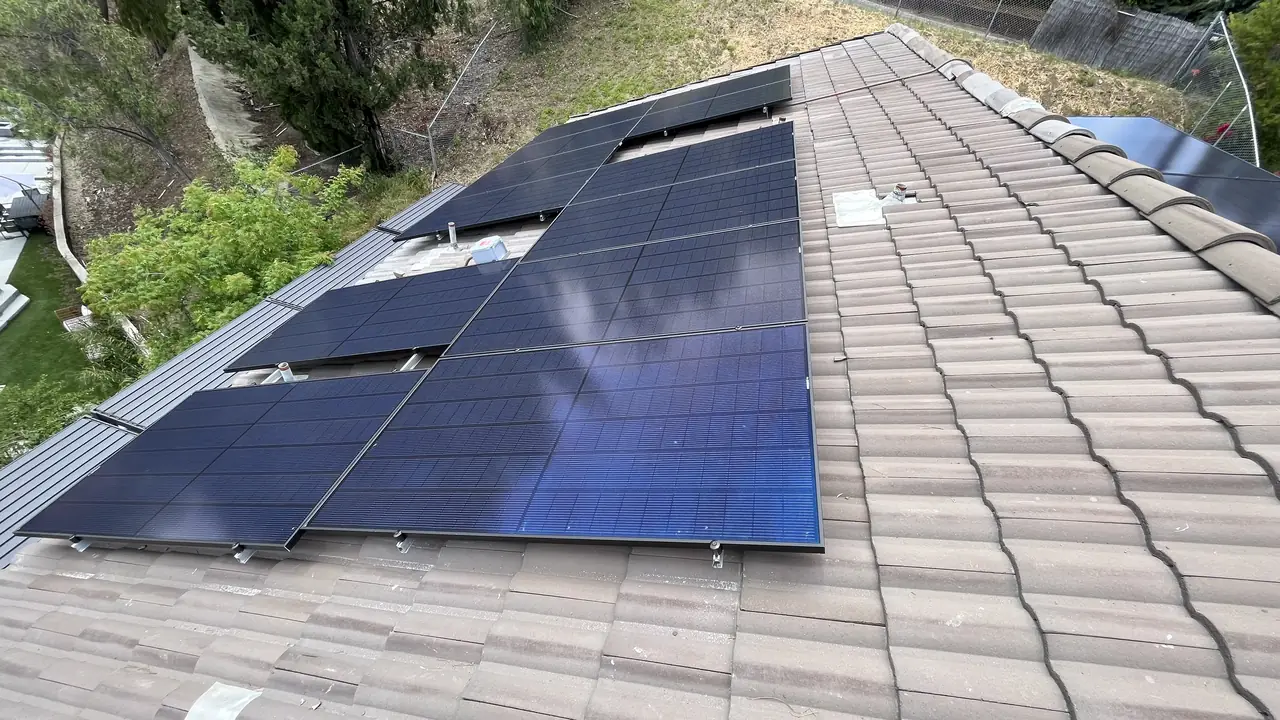
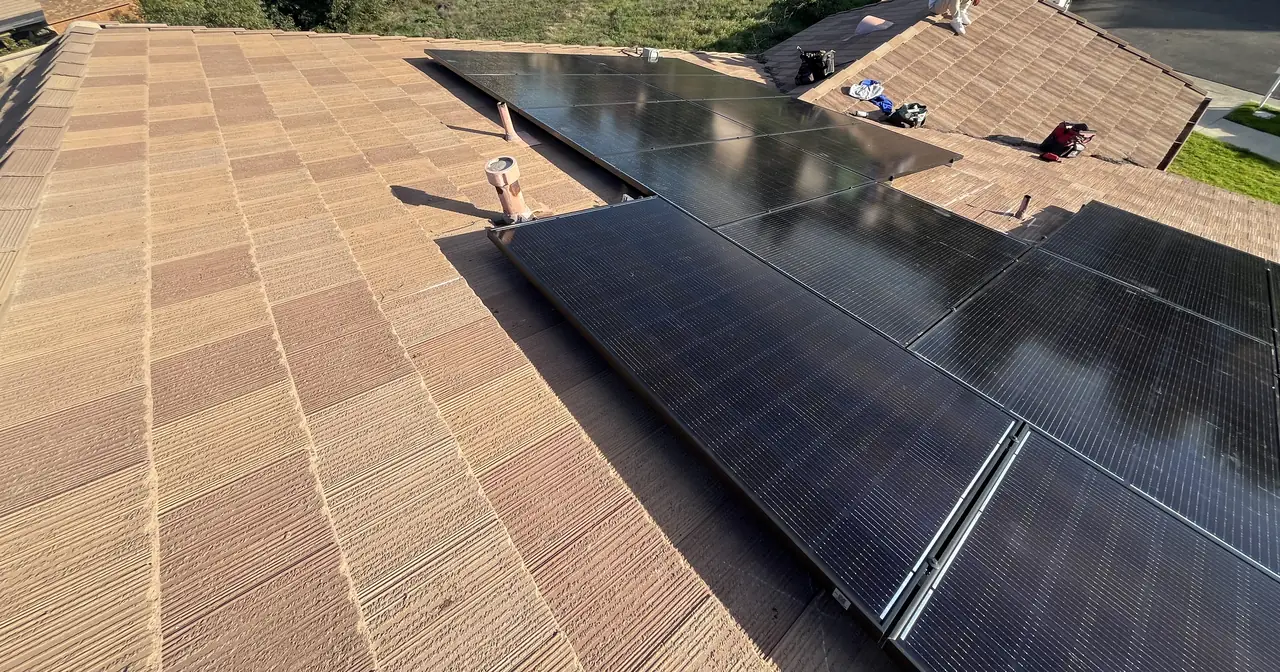
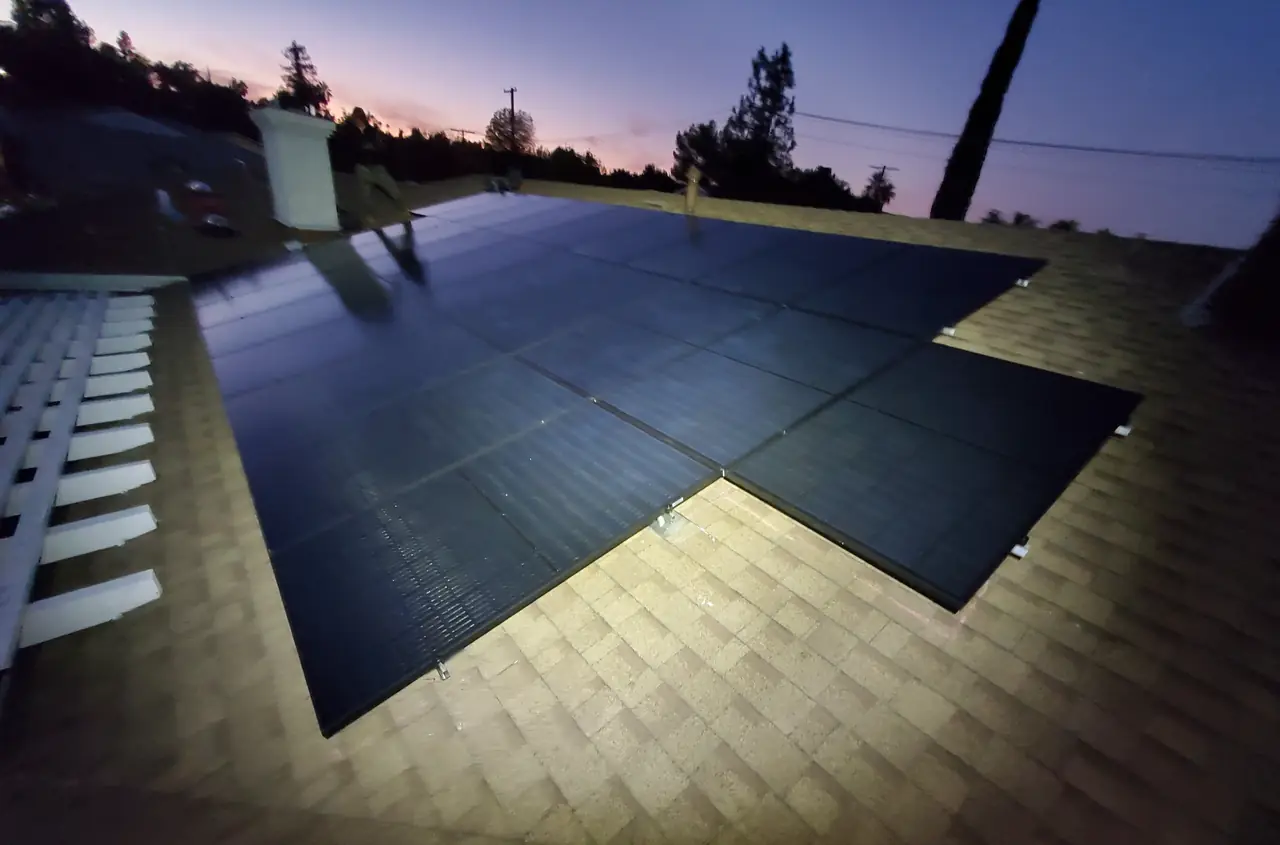
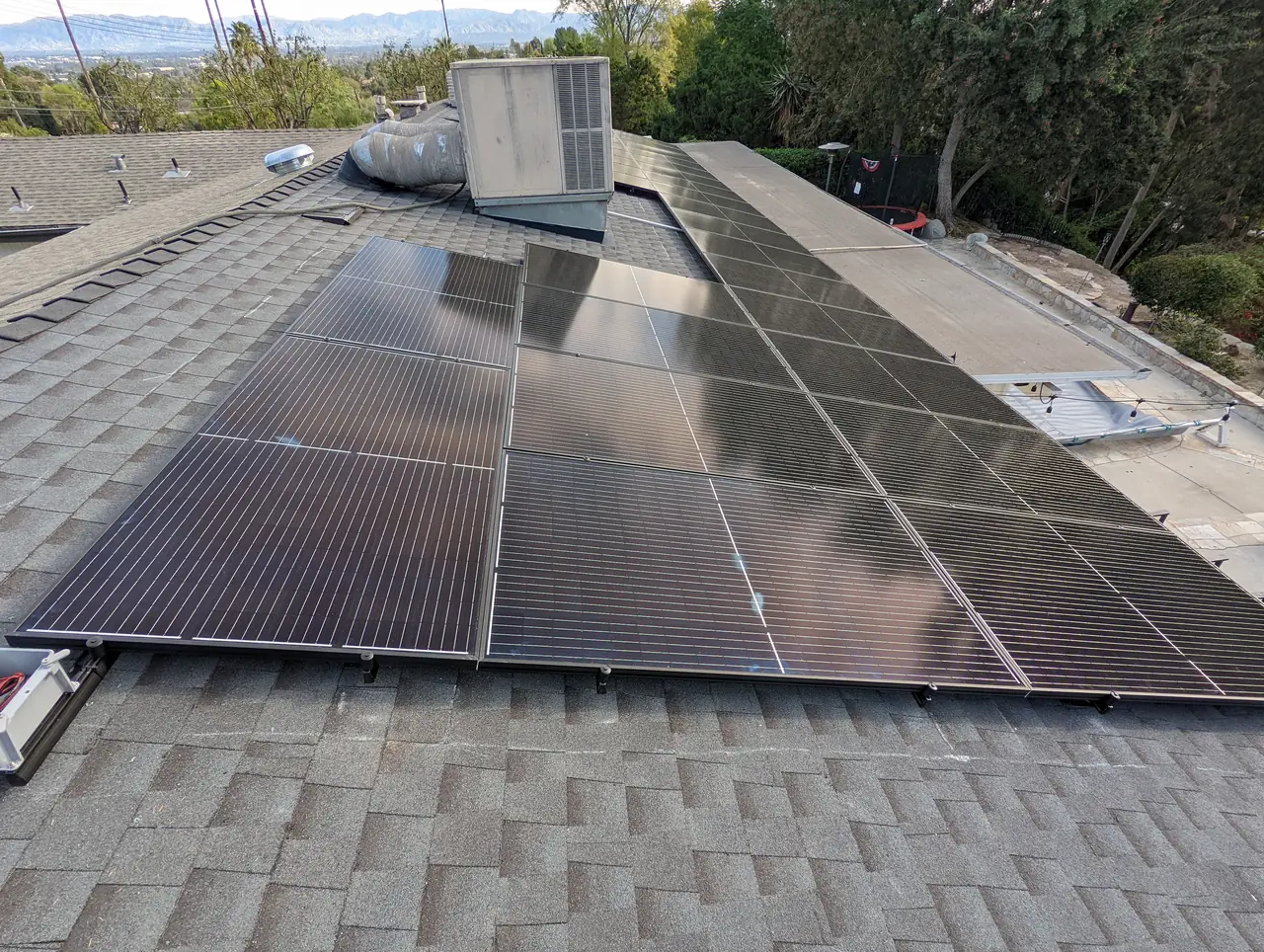
The technical content of this job is the roof. This is concrete tile, not composition shingle, and the two are not the same work. On shingle a mount is lag bolted into a rafter and flashed under the course above it. On tile, every penetration means lifting tiles, setting a flashed standoff that takes the place of one, and putting the surrounding tiles back so the plane still sheds water. Tiles break. Layout has to follow the courses rather than cut across them. A crew that treats a tile roof like a shingle roof leaves cracked tiles and future leaks, and none of it shows up until the first real rain.
The number that governs this project is the utility's own: six point one kilowatts AC-CEC, the figure carried on every notice from the first acknowledgement through to the permission to operate letter. It is the size the meter was set against and the size the system is entitled to export.
If you are comparing installers, this is the project to ask them about. Not the difficult one with the interesting story. Ask how many of their applications come back for correction, and what they do to make sure the answer is none. That number is worth more to your schedule than anything on the equipment list.
How it ran
| March 2023 | Proposal issued |
|---|---|
| 28 April 2023 | Interconnection filed at 6.1 kW AC-CEC |
| 1 May 2023 | Application reviewed, details confirmed and site evaluation completed without a visit |
| 2 May 2023 | City inspection request logged |
| 5 May 2023 | City posts its final release; utility completes interconnection review and requests the meter |
| 8 May 2023 | New net meter set and permission to operate granted |
This timeline reflects a meter-change interconnection with no battery and no panel upgrade, filed complete. Any correction cycle would have added weeks to it.
What we did
- Filed the interconnection with the design size, the work classification and the photograph package all correct at first submission.
- Installed the array on concrete tile with flashed standoffs, keeping the layout inside the tile courses (C-10).
- Logged the city inspection request the day after the utility cleared the site evaluation, rather than waiting.
- Carried the project to the city's final release, the meter order and permission to operate in ten days from filing.
System specifications
| Recorded by the utility | 6.1 kW AC-CEC |
|---|---|
| Roof | Concrete tile |
| Mounting | Flashed standoffs set in place of individual tiles |
| Battery | None |
| Utility work type | Meter change |
| Utility / AHJ | LADWP / LADBS |
Is your project like this one?
- You have a concrete or clay tile roof and have been told solar is difficult on it.
- You want to know what actually makes one interconnection faster than another.
- You are being asked to accept a long timeline and want to know whether it is normal.
- You are comparing installers and want a question that separates them.
- Your Woodland Hills property is served by LADWP, while permits are handled by LADBS.
Cali Energy in Woodland Hills
Woodland Hills is inside City of Los Angeles boundaries: permits run through LADBS, interconnection through LADWP.
Woodland Hills sits inside the City of Los Angeles, so the same two counters handle every project here: LADBS for the permit and the inspection, LADWP for the interconnection and the meter. What varies between a two-week project and a six-month one is almost never the roof.
This installation is on the Woodland Hills projects page alongside the others, and what the work covers is set out on the Woodland Hills service area page.
- License and classifications: CSLB #1032379
- Official reference for this process: LADWP — residential solar programs
- Official reference for this process: LADBS — inspections
Frequently asked questions
Why do some interconnections take ten days and others take months?
Mostly because of what arrives with the application. A file with the right system size, the right work classification and photographs the utility can assess from a desk moves without ever being returned. Every correction cycle costs its own review window. On this project nothing came back at any stage, and that, rather than any chasing, is what produced ten days.
Is mounting solar on a tile roof different?
Yes, and it is the part of the job that separates crews. Each penetration lifts tiles and puts a flashed standoff in place of one, and the surrounding tiles go back so the plane still sheds water. The array layout has to follow the tile courses. Done badly it leaves cracked tiles and leaks that only appear in the first serious rain, long after everyone has gone.
What is a meter change classification, and why does it help?
It means the only thing the utility has to do at your house is swap the meter. There is no new service to build, no upgraded conductors, nothing to engineer. It is the lightest category of interconnection work and it keeps a project out of the queues that service upgrades and batteries sit in. Ask which classification your project will be filed under.
Should I chase the utility to speed things up?
Rarely, and sometimes it hurts. Utilities process work requests in order, and some explicitly warn that following up on a thread moves the file to the back of the queue. The time to spend effort is before filing, making sure nothing will be sent back. After that, the most useful thing a contractor can do is leave a clean file alone.
Does Cali Energy install on tile roofs in Woodland Hills?
Yes, and a large share of this neighborhood is tile. The method matters more than the willingness: flashed standoffs set in place of individual tiles, layout kept inside the courses, and the surrounding field left undisturbed. Cali Energy carried this project from filing to permission to operate in ten days. California contractor license number 1032379.
What this would look like on your roof
Planning solar in Woodland Hills? Tell us your utility, your roof and what your bill looks like now, and we will model what a system like this would do on your house before you commit to anything.
Or call +1 (323) 844-7777 · Cali Energy, Northridge · CSLB #1032379 (B, C-10, C-39) — design, permits, install and electrical under one licensed contractor.
Related
This timeline reflects this property and this permitting path. Updated September 2026.