

Windsor Square, CA · March – April 2024 · LADWP / LADBS
Windsor Square: the wiring under the array had burned.
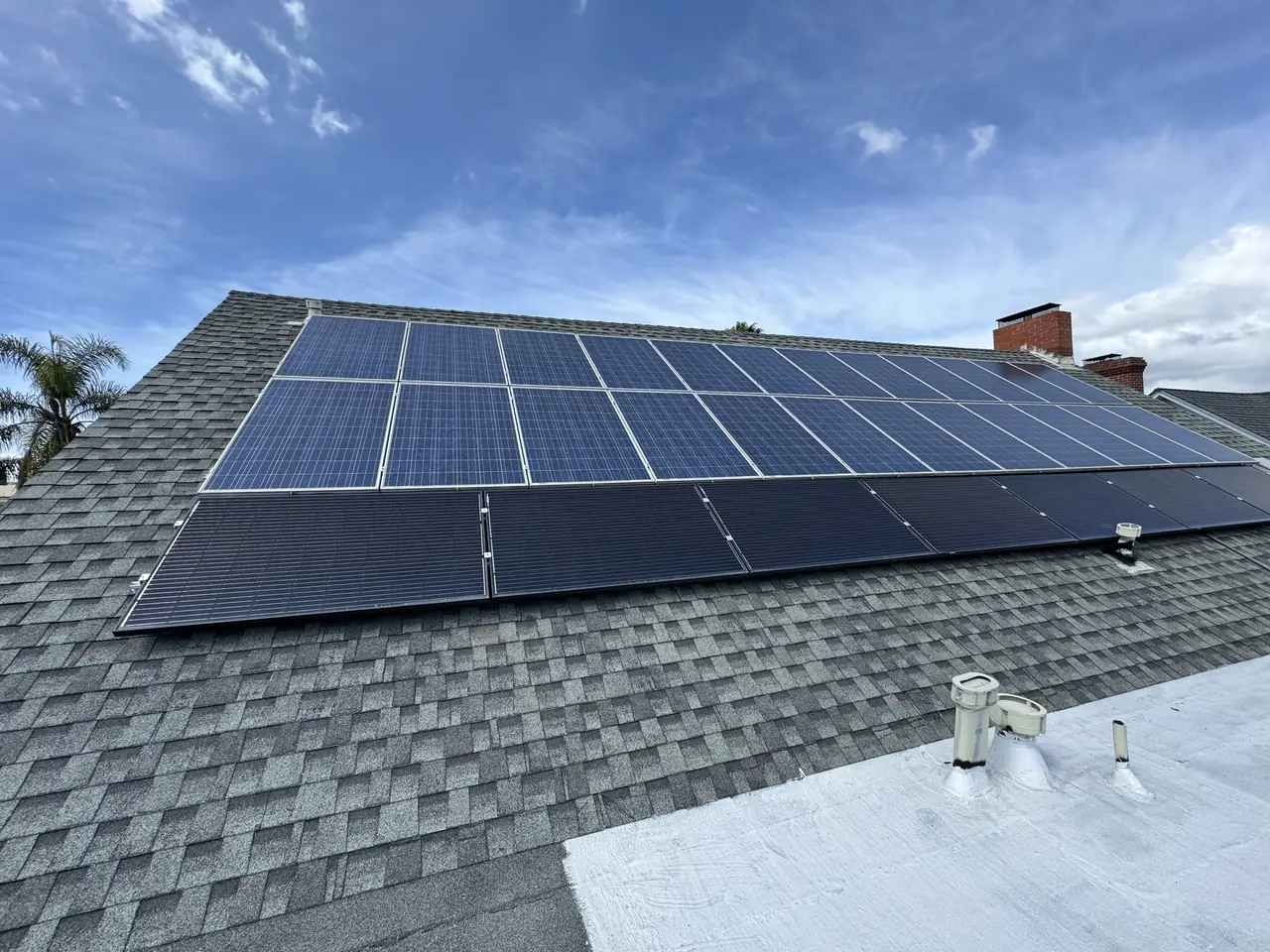
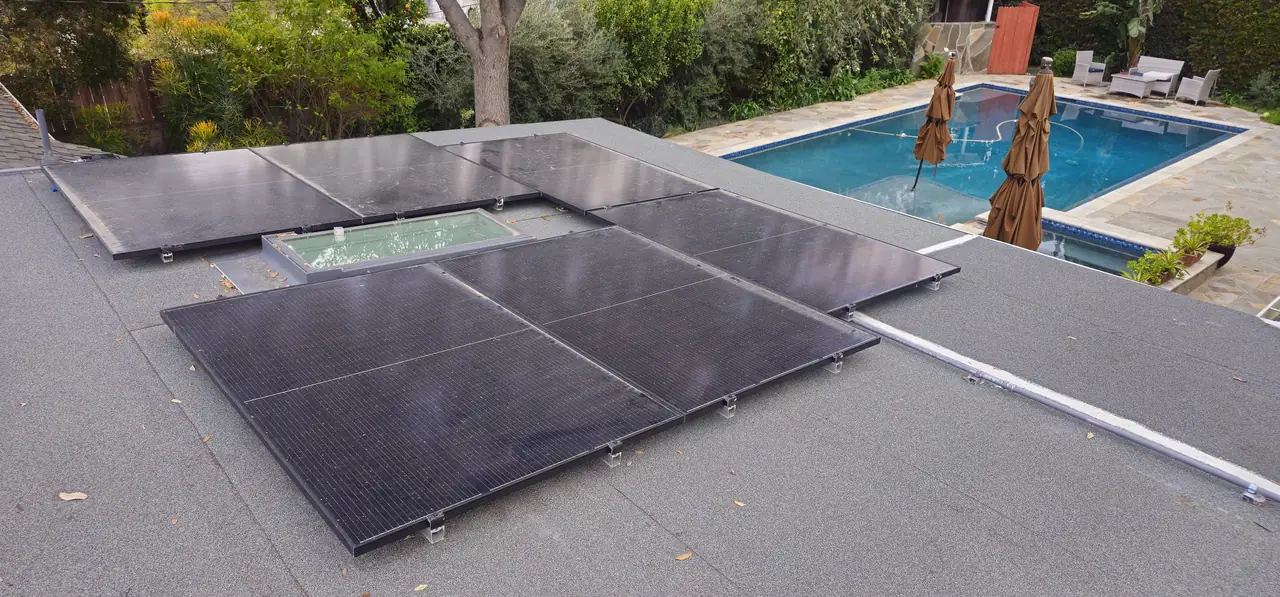
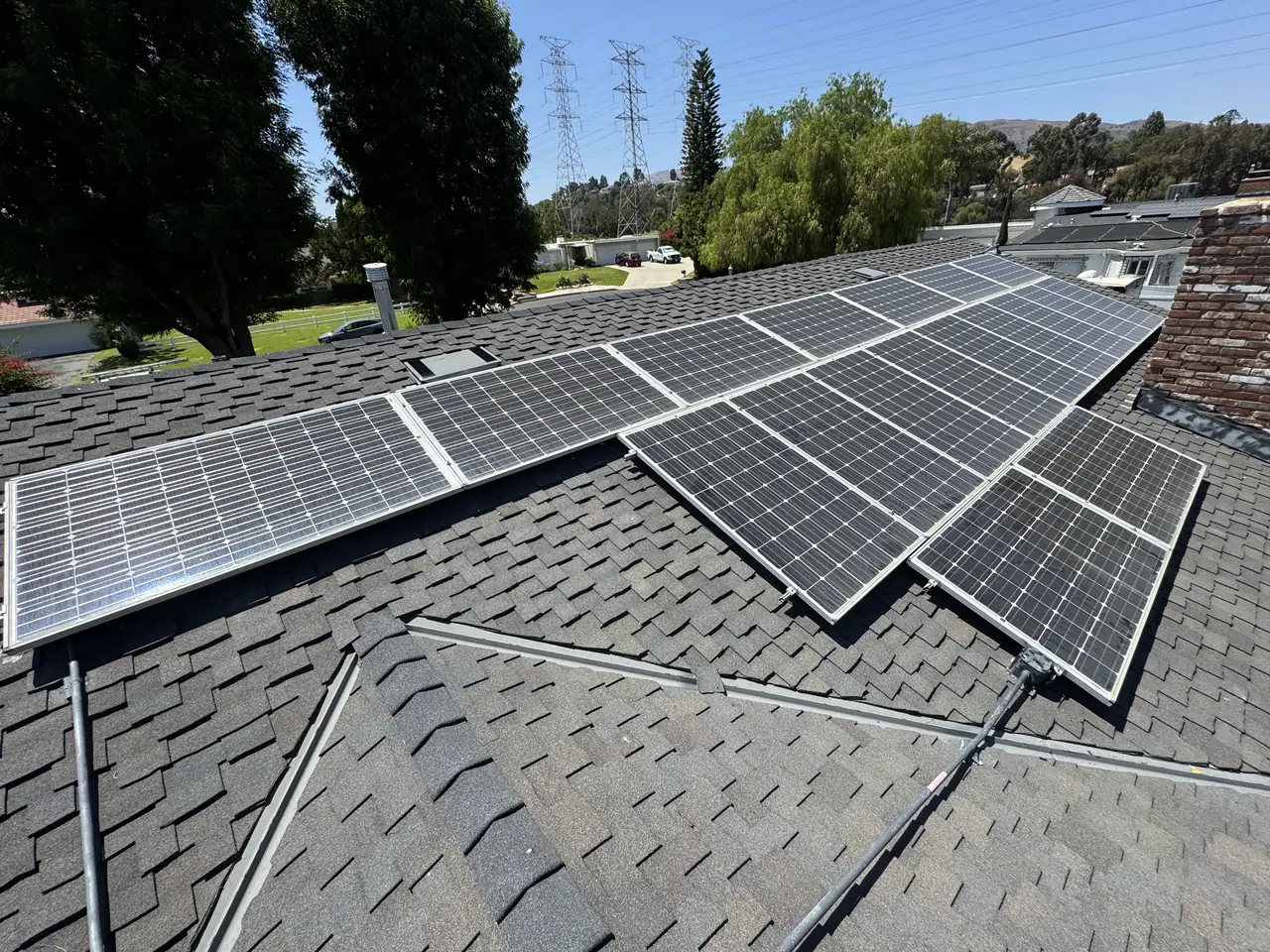
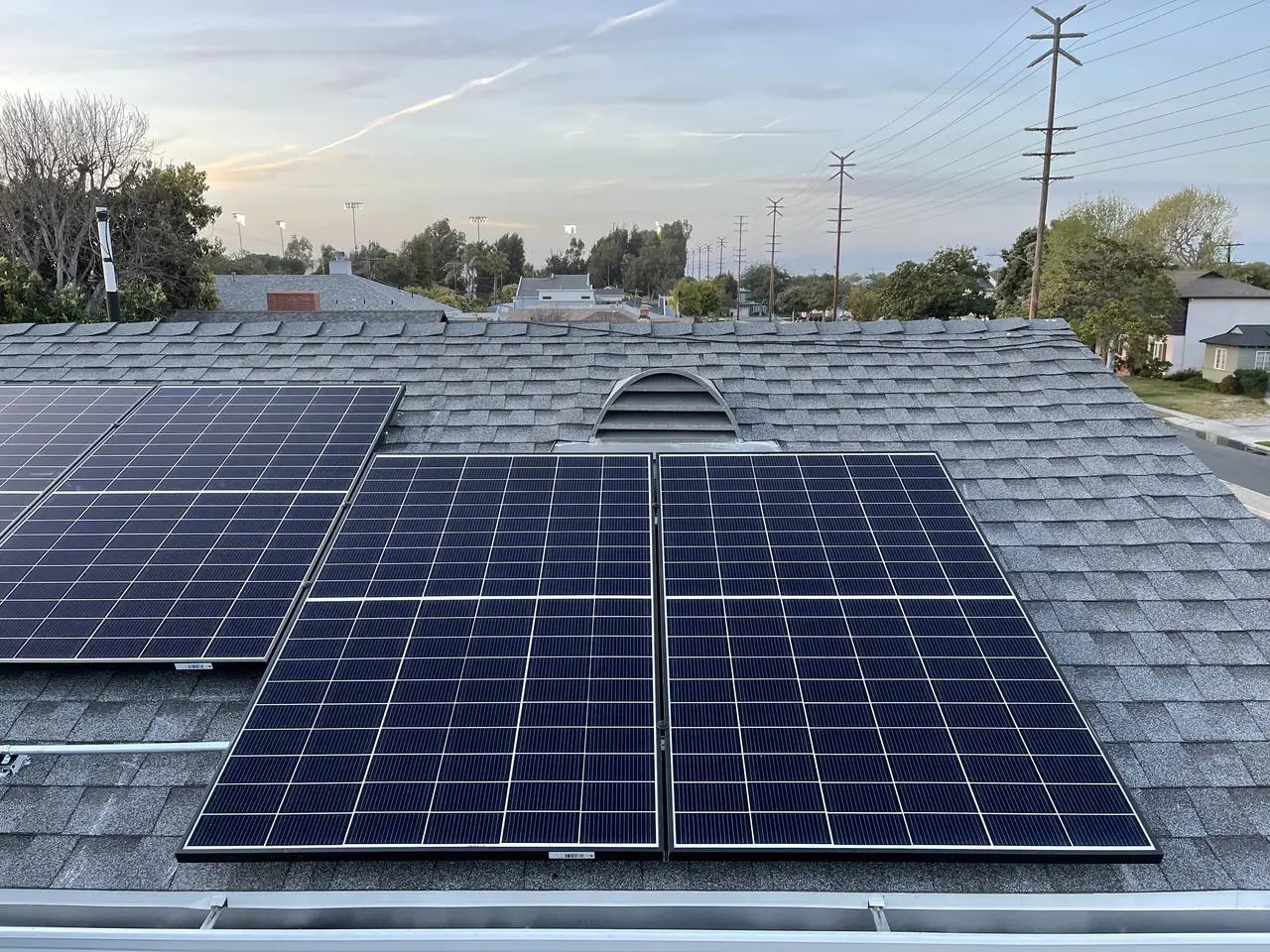
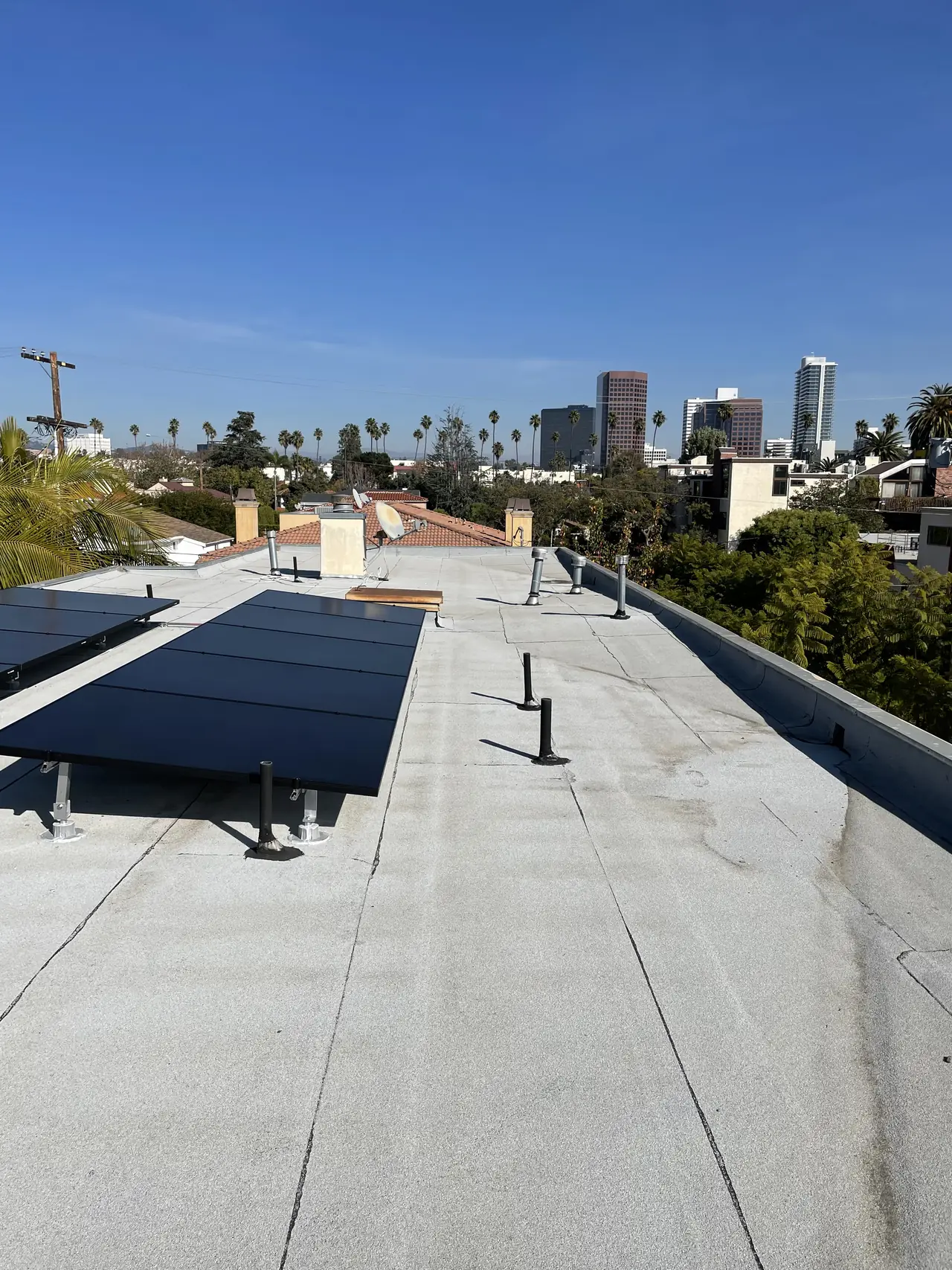
From the street it was a tidy rooftop array. The reason it produced nothing was eight inches above the shingles, out of sight.
When a rooftop system stops generating and the modules and inverter check out, the fault is normally on the direct-current side underneath the array — the module leads, the connectors between them and the runs back to the inverter. A poor connection there heats under load, the insulation degrades and conductors eventually burn. None of it is visible without lifting modules. On this Windsor Square system Cali Energy lifted the array, found the wiring underneath burned along its length, and scoped a full rewire — the modules were sound, and what had to be replaced was everything connecting them.
At a glance
- Reported
- System not producing
- Modules
- Intact
- Found
- Wiring under the array burned
- Visible from below
- Nothing
- Remedy specified
- Full rewire, modules retained
- Utility / AHJ
- LADWP / LADBS
The story
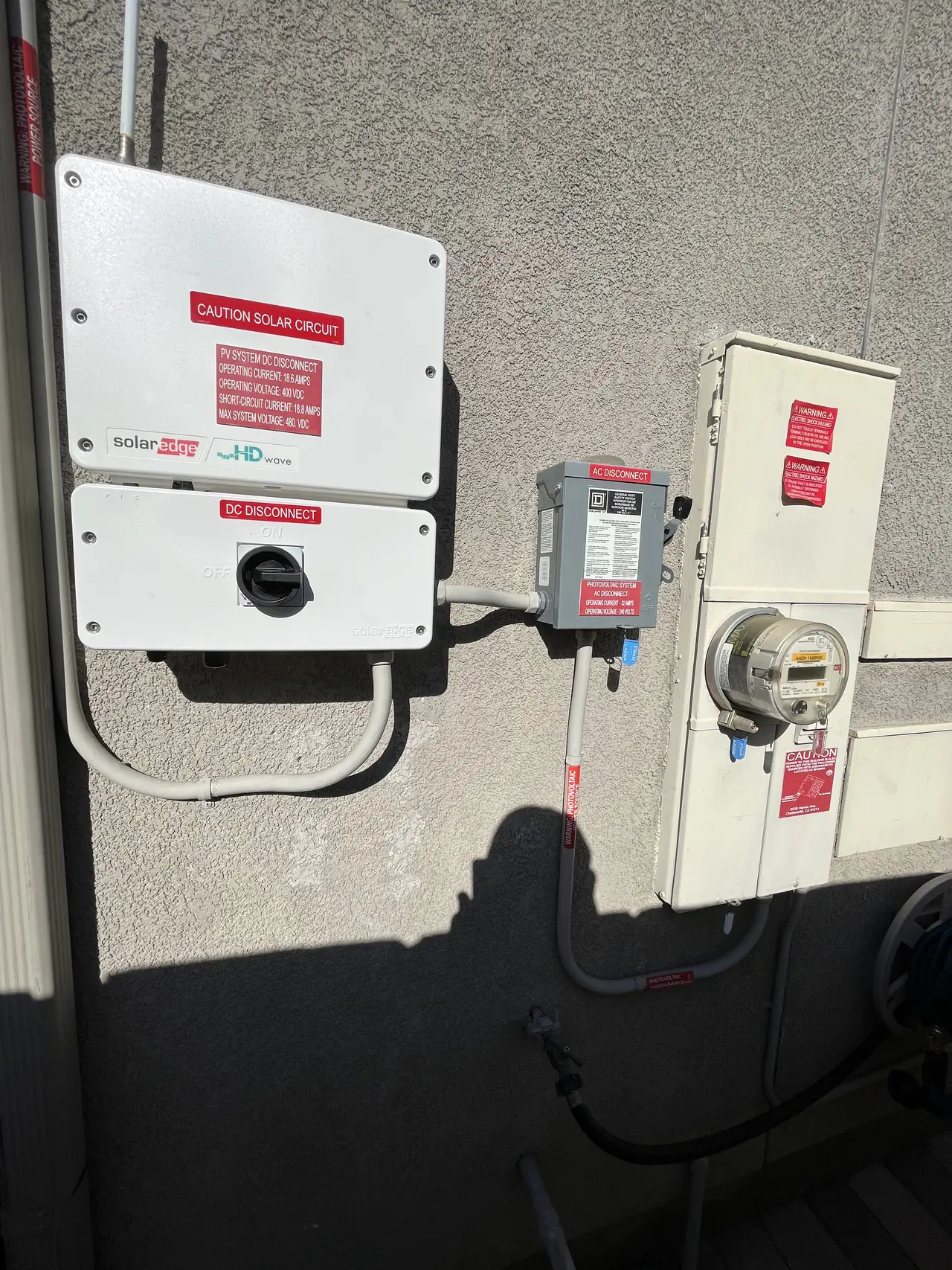
The call was the ordinary one: the system is not producing. The array was up, the modules were intact, the inverter was in place. From the street nothing was wrong with this roof at all.
The answer was underneath.
A rooftop array is not just panels. Under them runs the direct-current side of the system: leads out of each module, connectors mating them into strings, and home runs carrying the whole thing back to the inverter or a combiner. It lives in the gap between the modules and the shingles, a few inches deep, in full heat, and once the array is finished nobody looks at it again.
On this roof that wiring was in very poor condition along its length, burned, and in that state the system could not operate.
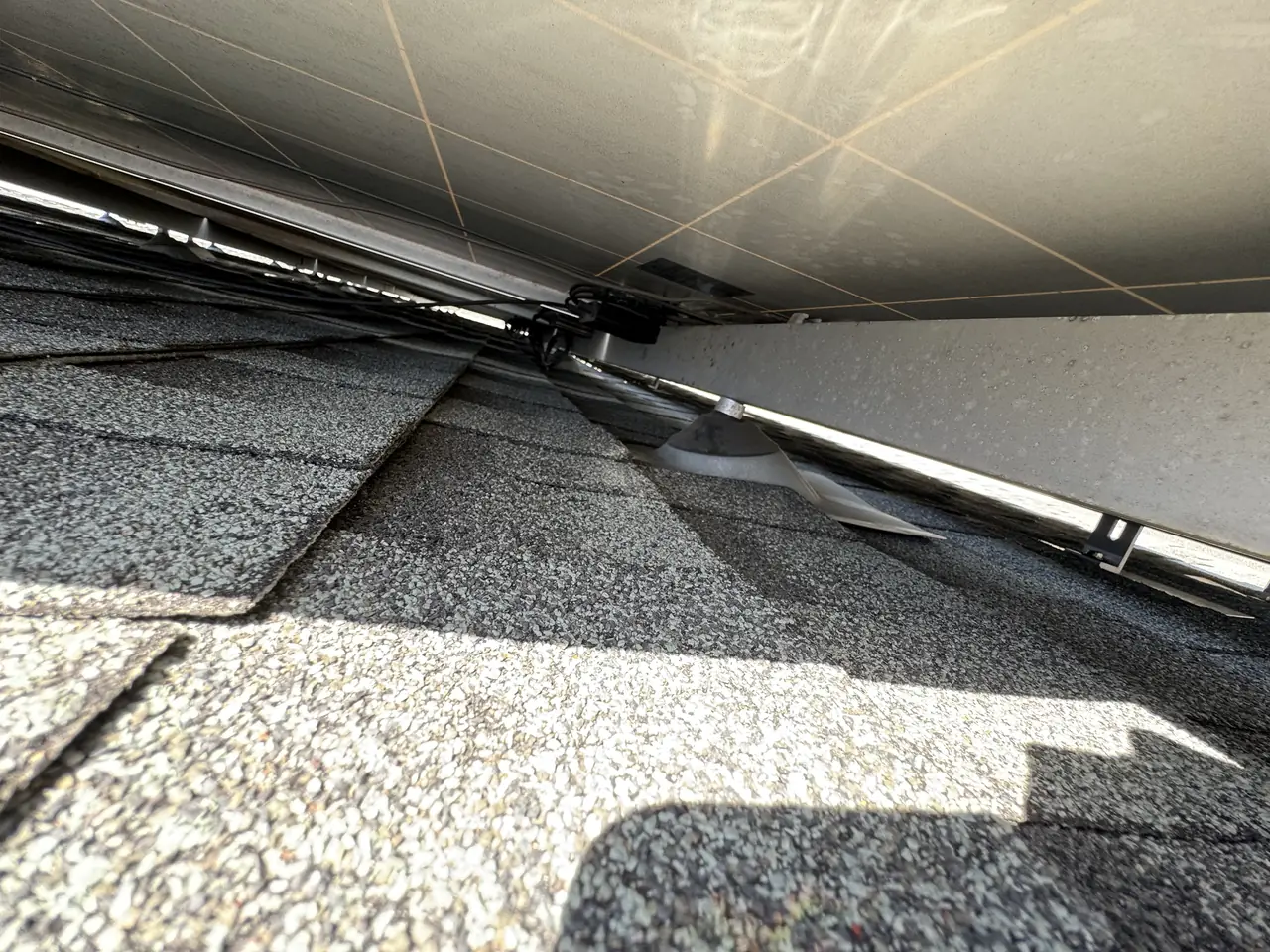
How wiring burns on a roof is worth setting out, because the causes are known and mostly avoidable.
The common one is a bad connection rather than a bad cable. A connector that is not fully seated, or two connectors of different makes mated together because they physically fit, creates a joint with resistance. Resistance under current makes heat. Heat degrades the housing and the insulation, which makes the joint worse, which makes more heat. It is a process with its own momentum, and it runs for months before anything fails outright.
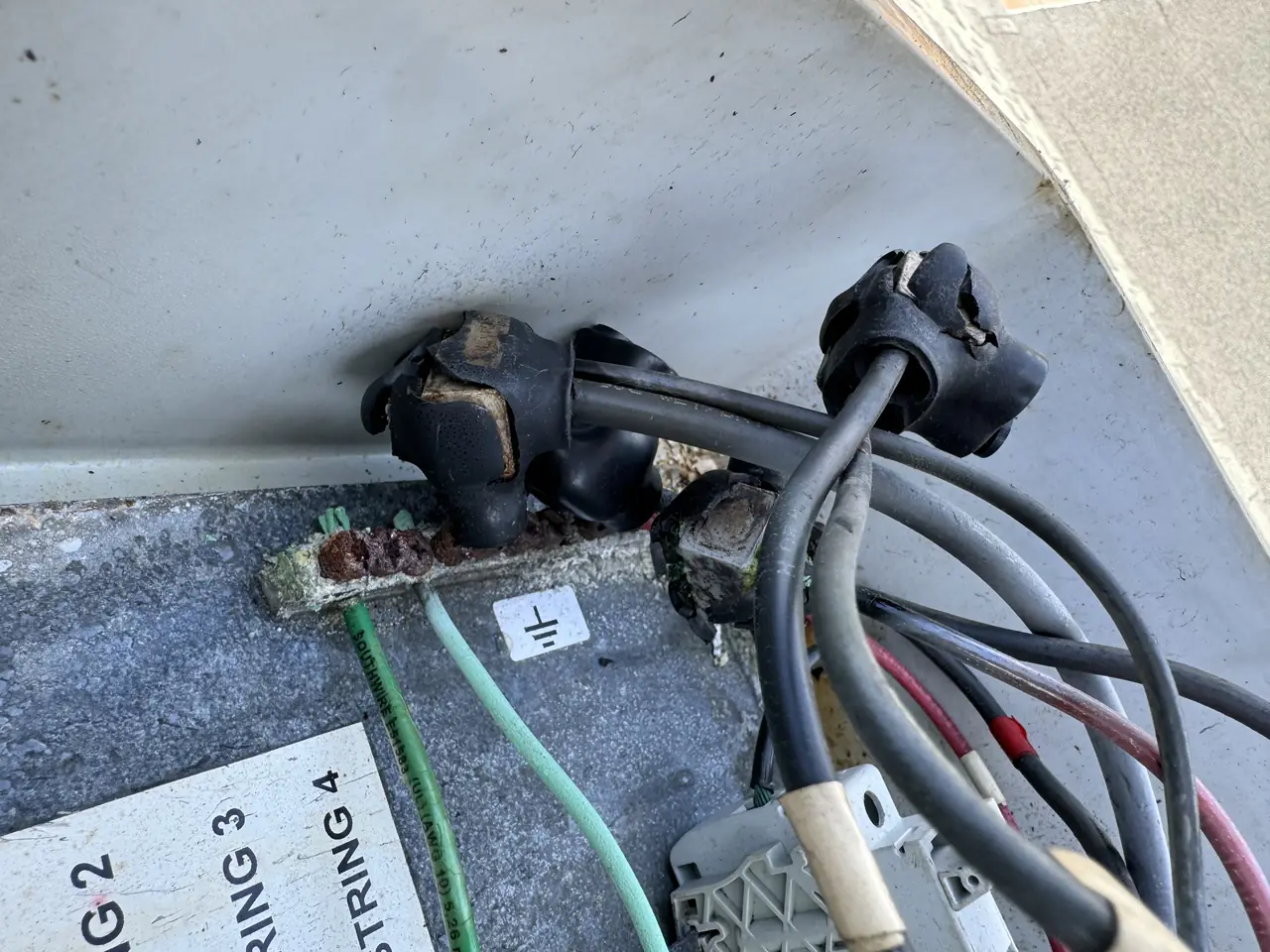
The others are mechanical. Cable left lying on the roof surface instead of clipped up chafes against grit every time the wind moves it. Cable without proper strain relief pulls at its terminations. Water finds an unseated connector and sits in it. None of these are dramatic on the day they are done.
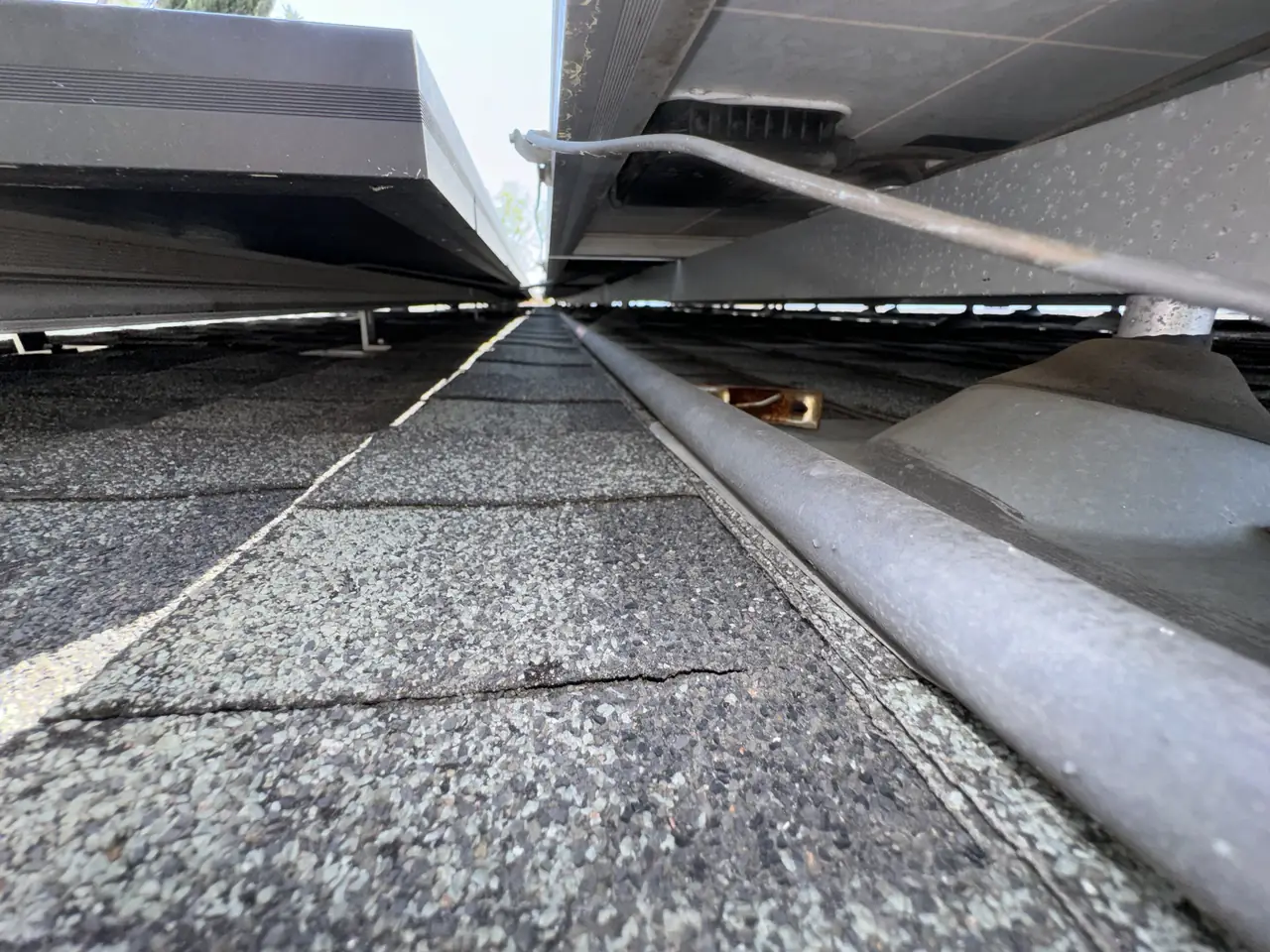
What makes this class of fault expensive is that it is invisible. There is no outward sign, no smell, nothing from the ground. The array looks exactly as it did the week it went up. The only symptom is the production figure, and a household that does not watch the monitoring closely may take a year to notice.
So if a system stops producing and the modules and inverter check out, the next place to look is under the panels, and looking means lifting them. An inspection that does not include that has left out the part that most often turns out to be at fault.
The remedy specified here was a rewire rather than new modules. That is the usual shape of it: the panels are generally the survivors. What burns is what connects them.
Cali Energy diagnosed this system in Windsor Square, Los Angeles, and set out the rewire it needed.
How it ran
| 29 March 2024 | Site visit on a system reported as not producing; array lifted and the wiring underneath examined |
|---|---|
| 3 April 2024 | Findings issued — the wiring under the array is burned along its length and the system cannot operate in that condition |
| 9 April 2024 | Scope and estimate for a full rewire issued; the diagnostic call settled |
Eleven days from a roof that looked perfect to a written scope for replacing everything under the modules.
What we did
- Checked the modules and the inverter before opening the roof.
- Lifted the array to examine the wiring underneath it.
- Established that the modules were sound and the wiring was not.
- Scoped a full rewire rather than replacing panels that were fine.
System specifications
| Array | Existing rooftop system |
|---|---|
| Modules | Intact and retained |
| Fault | Direct-current wiring under the array, burned |
| Typical causes | High-resistance connections and unsupported cable |
| Remedy specified | Full rewire, modules retained |
| Utility / AHJ | LADWP / LADBS |
Is your project like this one?
- Your system has stopped producing and nobody can say why.
- An inspection found nothing wrong with your panels or inverter.
- Your production has fallen off gradually over months.
- You inherited an array with the house and know nothing about it.
Cali Energy in Windsor Square
Windsor Square is City of Los Angeles west of downtown, permitted through LADBS and interconnected through LADWP. Older housing with arrays that have been up long enough for the parts nobody sees to matter.
This installation is on the Los Angeles projects page alongside the others, and what the work covers is set out on the Los Angeles service area page.
- License and classifications: CSLB #1032379
- Official reference for this process: NFPA — National Electrical Code (NFPA 70)
- Official reference for this process: CSLB — Solar Smart
Frequently asked questions
Why would solar wiring burn on a roof?
Almost always because of a poor connection rather than a bad cable. A connector that is not fully seated, or two different makes mated because they physically fit, creates resistance; resistance under current makes heat; heat degrades the joint and makes more heat. Cable left unclipped on the roof surface and water sitting in connectors do the rest.
How would I know the fault is under the panels?
By elimination and by looking. If the modules test sound and the inverter reports nothing wrong, the direct-current side under the array is the next place, and examining it means lifting modules. An inspection that stops at the inverter has not looked at the part that most often turns out to be at fault.
Is there any warning before wiring fails on a roof?
Rarely anything visible. There is no outward sign from the ground and the array looks exactly as it did when it went up. The symptom is the production figure, which is why a household that does not watch its monitoring can go a year before noticing anything at all.
Do the solar panels have to be replaced too?
Usually not. Modules are generally the survivors in this kind of failure — what burns is what connects them. On this Windsor Square system the panels were sound and retained, and the work was a rewire of everything underneath them.
Does Cali Energy repair solar systems in Windsor Square, Los Angeles?
Yes, including systems it did not install. A diagnosis starts at the modules and the inverter and then goes under the array, because that is where a system that looks perfect from the street usually turns out to have stopped. Windsor Square work is permitted through LADBS and the service side through LADWP.
What this would look like on your roof
Planning solar in Windsor Square? Tell us your utility, your roof and what your bill looks like now, and we will model what a system like this would do on your house before you commit to anything.
Or call +1 (323) 844-7777 · Cali Energy, Northridge · CSLB #1032379 (B, C-10, C-39) — design, permits, install and electrical under one licensed contractor.
Related
This timeline reflects this property and this permitting path. Updated September 2026.