

Northridge, CA · March – August 2024 · LADWP / LADBS
The array was already there. The service was the problem.
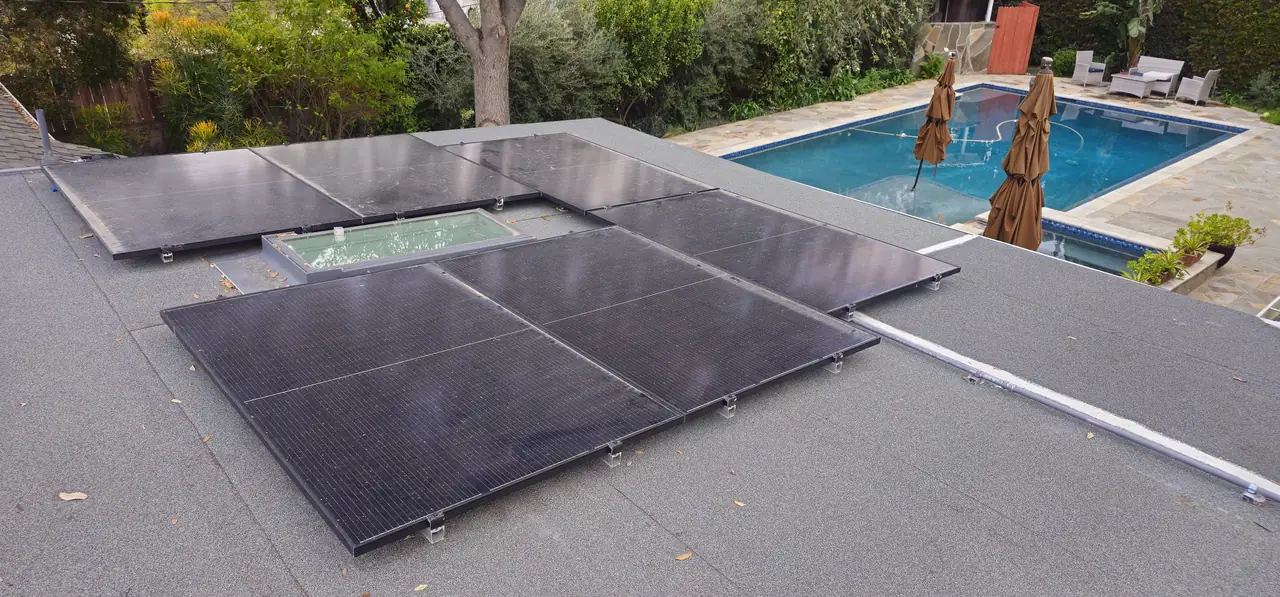
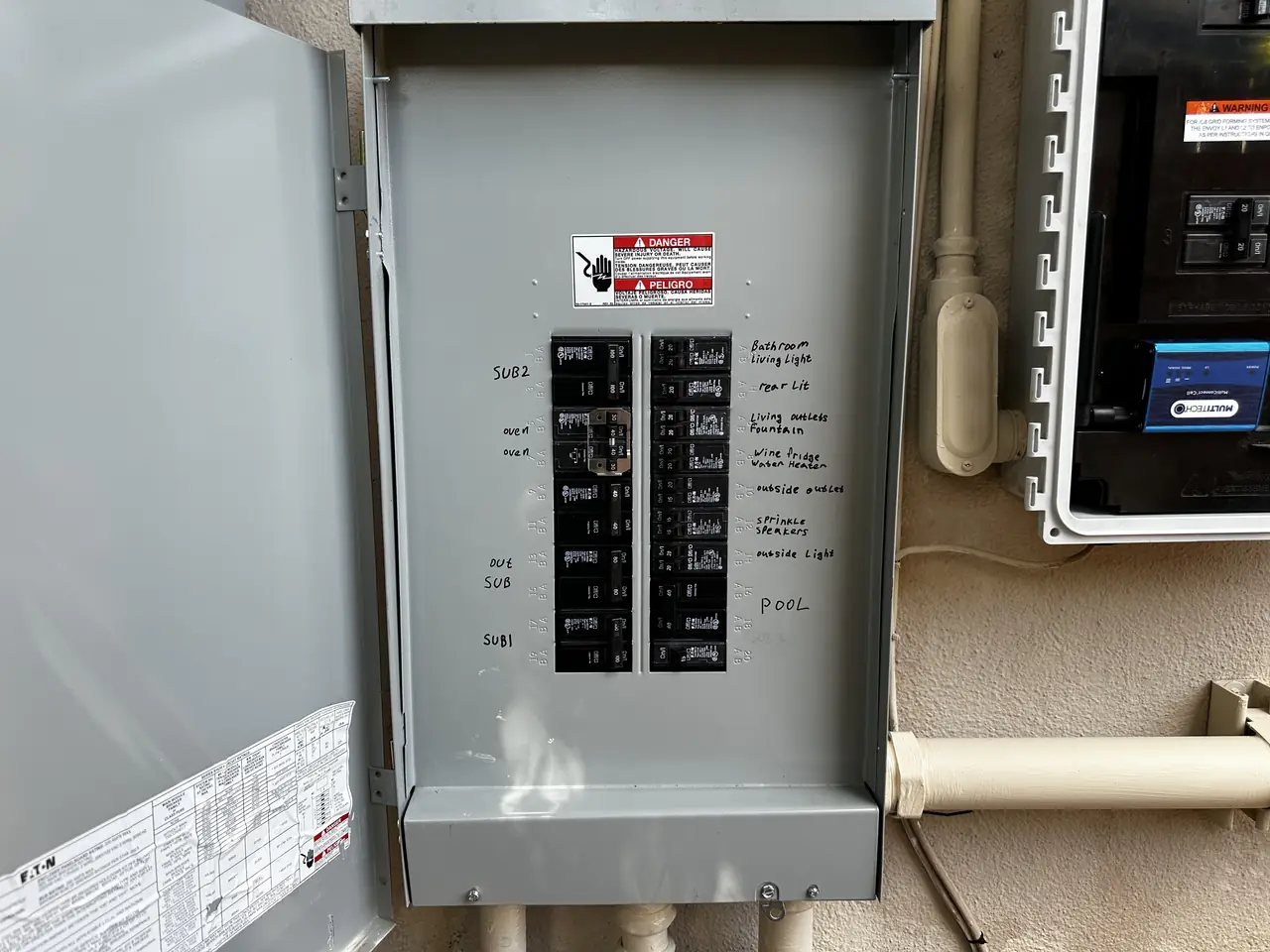
A house in Northridge with solar installed by another contractor and a service that could not properly carry it. The work was a new main panel, a new sub-panel and the wiring in between — not a single module moved.
When a solar system does not work as it should, the array is not the only place to look. The connection point matters too: a main panel that cannot take the backfeed, a sub-panel that is missing or wrong, conduit sized for something else. On this house the work that was contracted was the service, and that work goes through the same permit and interconnection route as a new installation.
At a glance
- System
- 10.87 kW AC-CEC
- Scope
- Remediation of an existing array
- Main panel
- Replaced
- Sub-panel
- New, 200 A
- Modules moved
- None
- Work requests
- Two at the utility
- Agreement to PTO
- Five months
- Utility / AHJ
- LADWP / LADBS
The story
This project did not start with a roof survey. It started with a system that was already installed, by a different contractor, and was not running the way the owner expected it to.
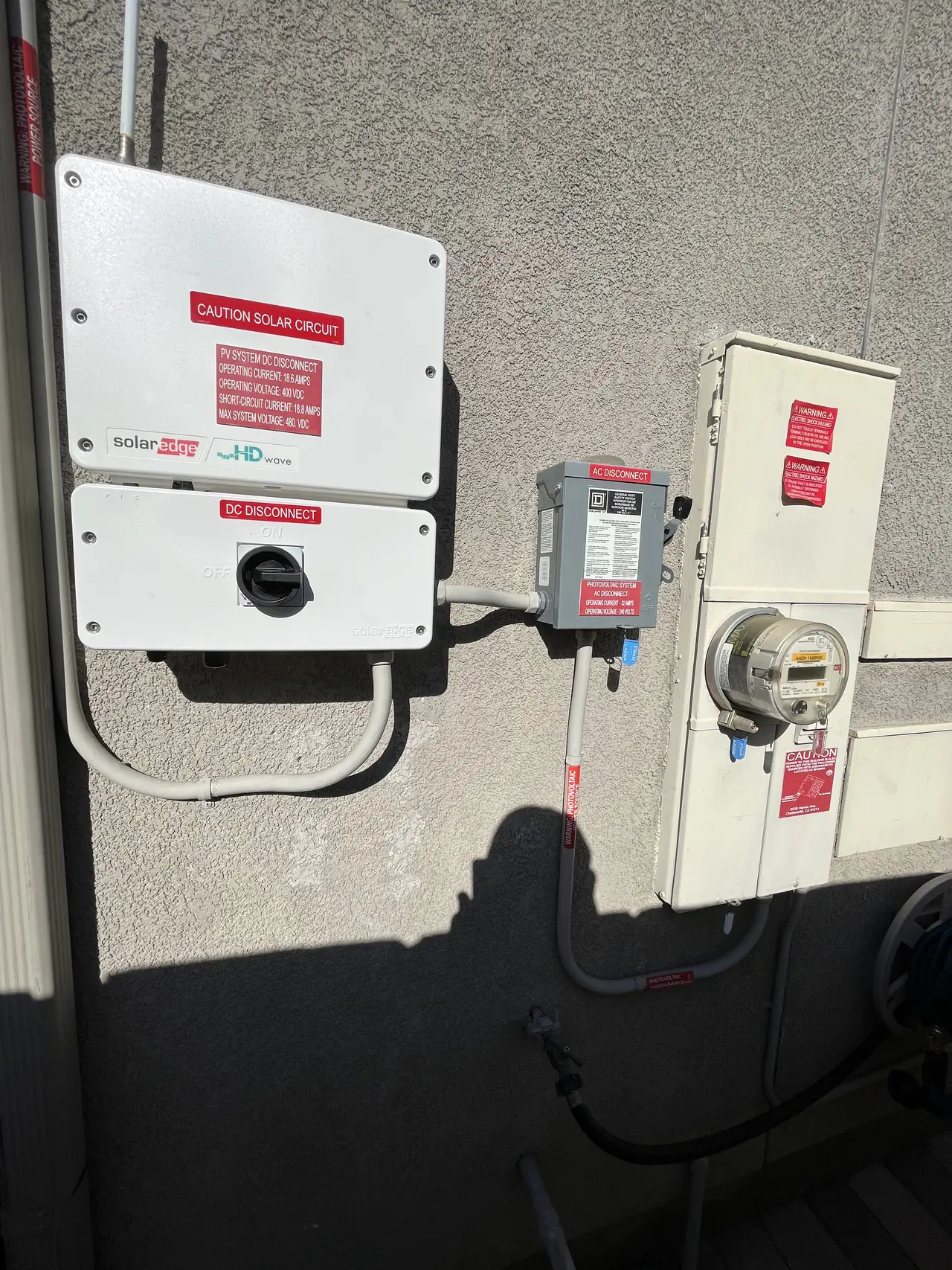
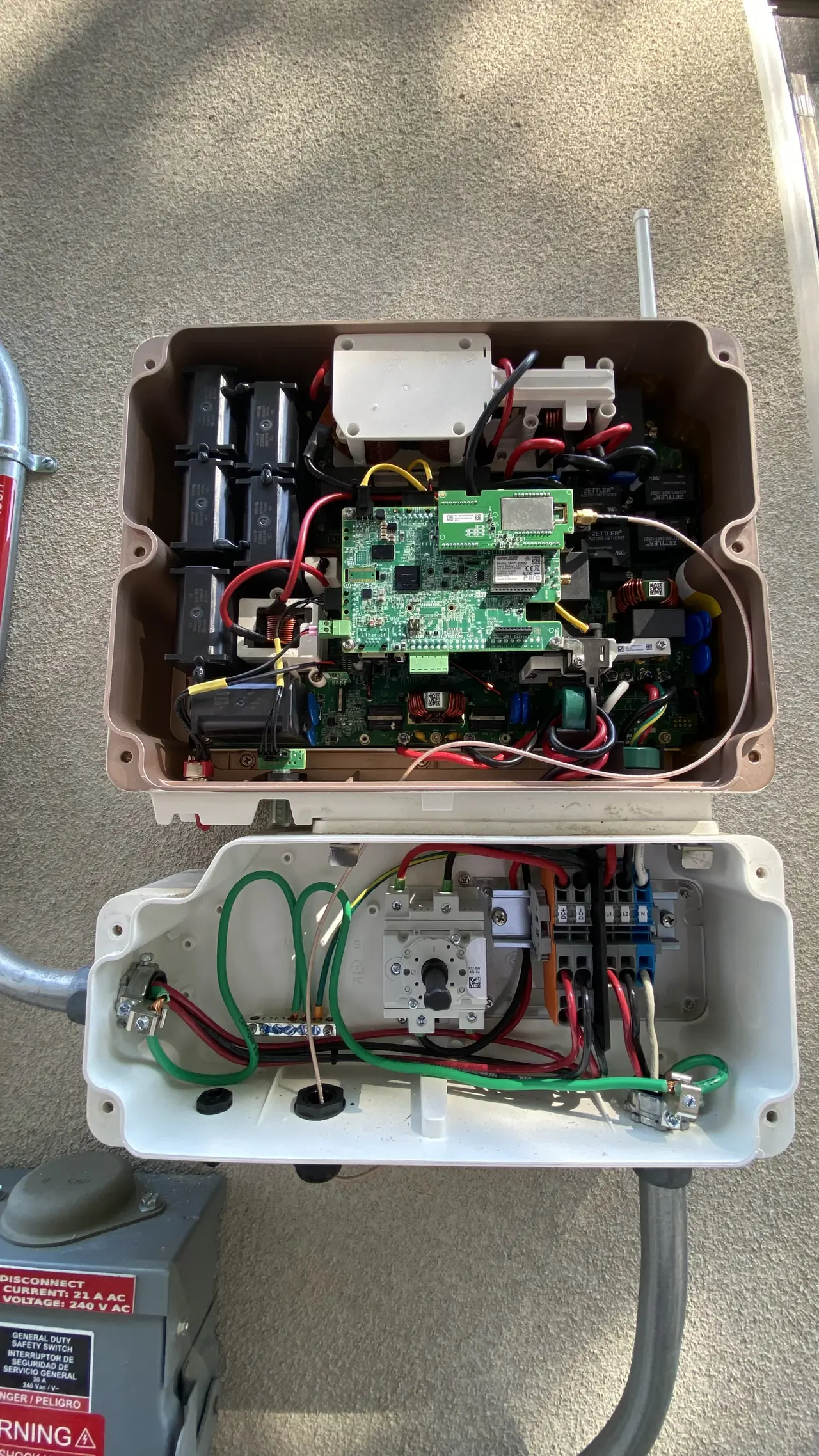
What we were hired to do is set out in a remediation agreement rather than an installation contract, and the difference matters. The scope was the service: replace the main panel so it could carry the existing array plus the rest of the house, add a new 200 amp sub-panel to support that array, redo the wiring between them to the approved plans, move equipment and conduit runs into a workable layout, and replace the conduit where what was there could not take the conductors it needed to.
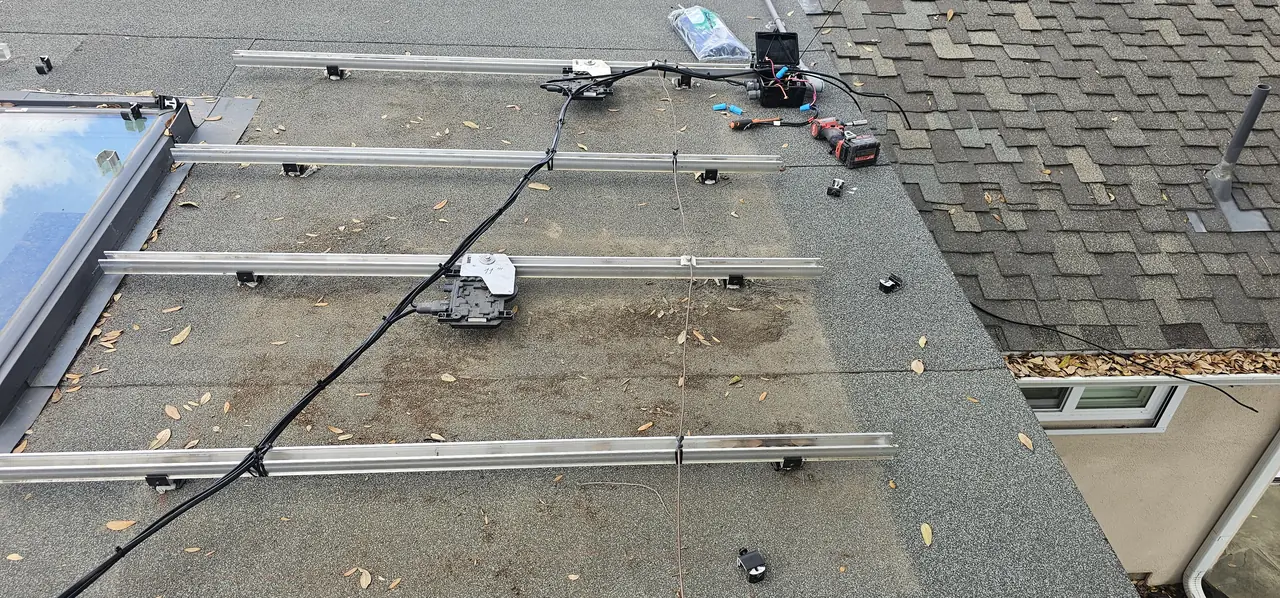
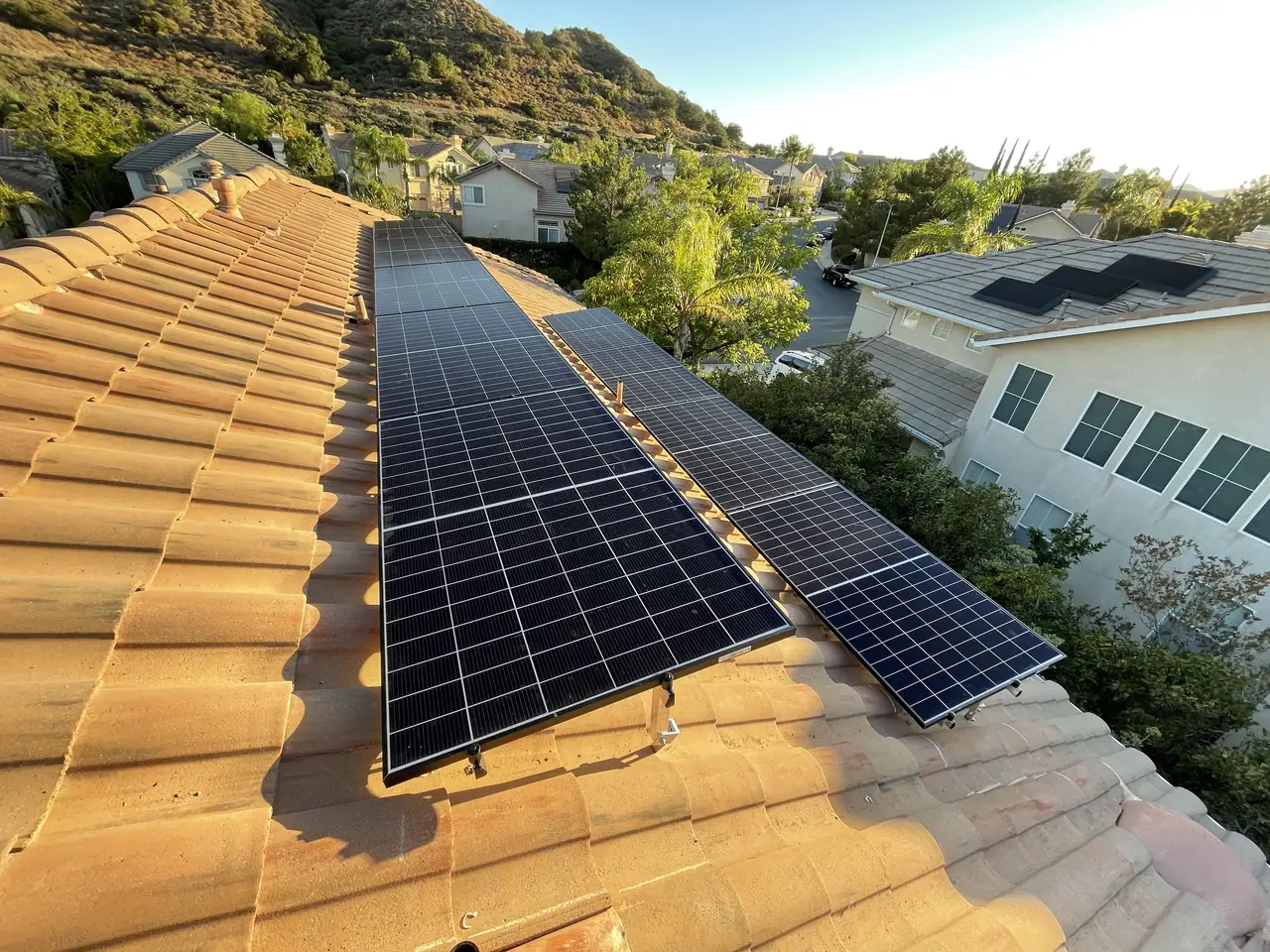
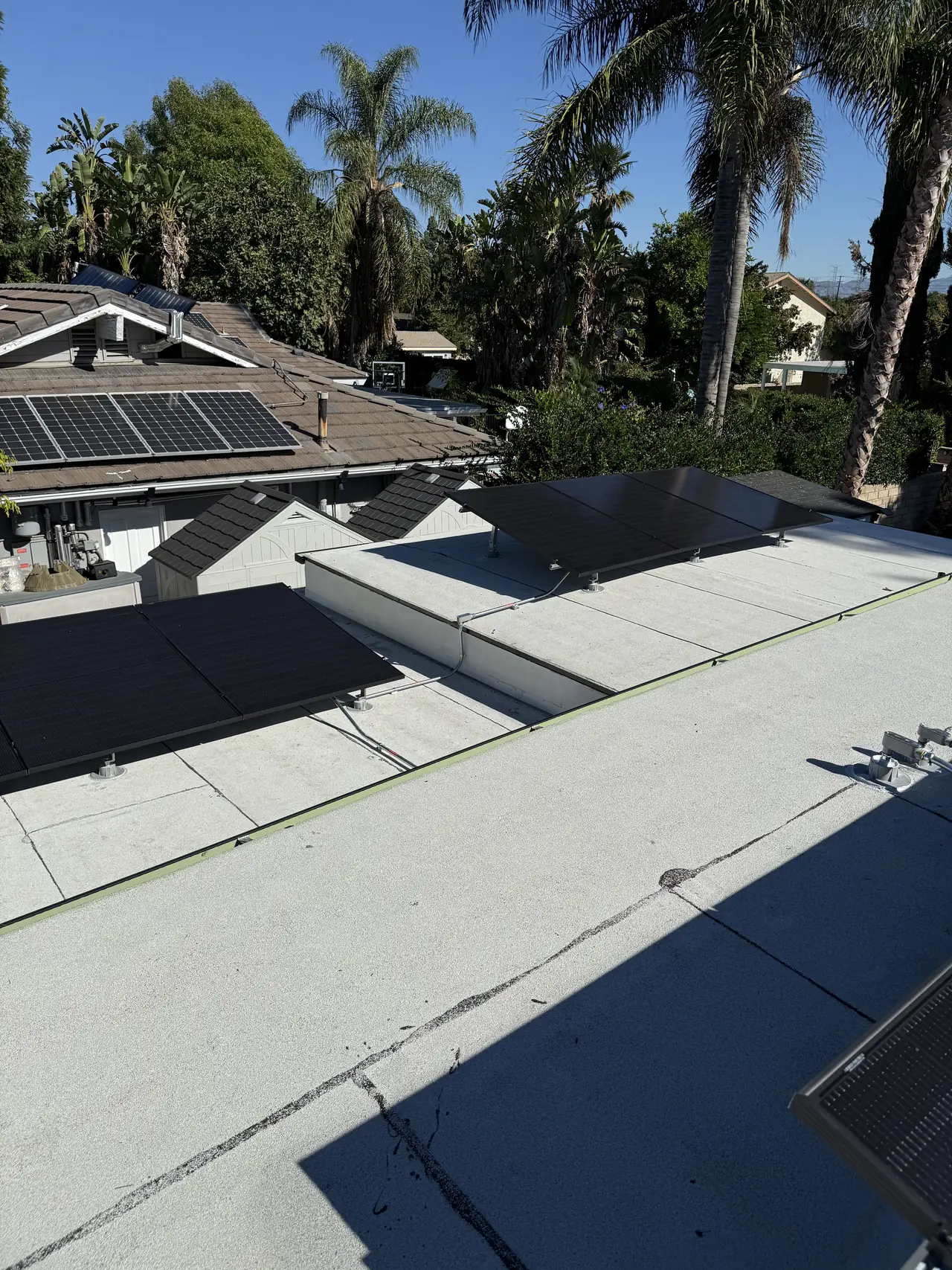
Not one module was moved. On a remediation the array is a given — it was designed, permitted and built by someone else, and the plans the City approved are the plans it has to keep working to. What changes is everything it connects to.
That boundary was written down before the work started. We took on the tasks in the scope and carried a two-year workmanship warranty on them; the original installation and what it produces stayed outside that line. This is not lawyering for its own sake. A homeowner in this position needs to know exactly which contractor is answerable for which part of the system, and so does the next person who works on it.
The second half of the job was the utility, and it went slowly for reasons that had nothing to do with the roof. The project entered the utility's preliminary submittal phase at the end of March. Two weeks later came a hold notice: the department could not start its design work until it received seven specific items, and it gave a two-week deadline to keep the project on schedule. We answered the same day with the full set.
Then silence. We wrote again at the start of May and got automatic out-of-office replies. The following day the department said it had not received the attachments, so we sent them again and noted that the same documents had already been filed through the utility's own portal. That is the whole drama: a hold notice, a same-day answer, and three weeks recovering a set of files.
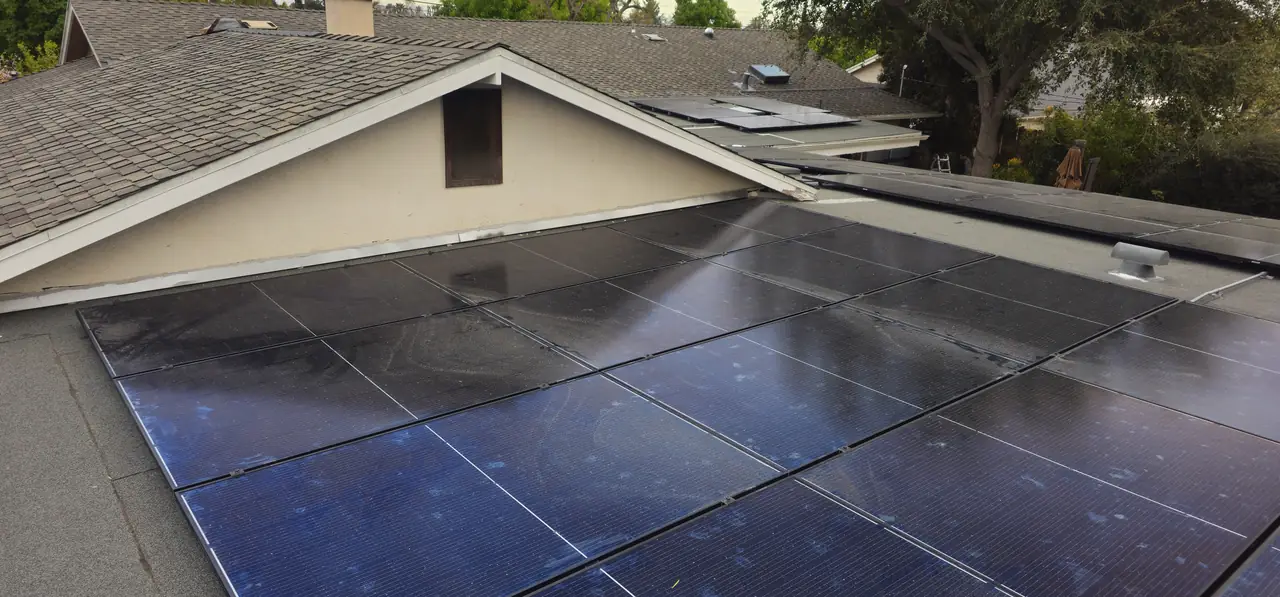
The interconnection agreement was signed in mid-May and permission to operate came on the thirteenth of August, at 10.87 kilowatts AC-CEC. Five months from the remediation agreement to a system running the way it was supposed to.
If you are looking at an array on your own roof that has never quite worked, the useful question is not whether the panels are any good. It is what they are wired into.
How it ran
| 18 March 2024 | Remediation agreement — scope limited to the service |
|---|---|
| 26 March 2024 | Contract signed |
| 28 March 2024 | Utility puts the project in its preliminary submittal phase |
| 12 April 2024 | Hold notice: seven items required within two weeks |
| 12 April 2024 | Full set of documents sent the same day |
| 1–2 May 2024 | Chased; documents reported not received and resent |
| 15 May 2024 | Interconnection agreement signed |
| 13 August 2024 | Permission to operate — 10.87 kW AC-CEC |
The physical work was the service. The calendar was the utility.
What we did
- Took the job on as a remediation with a written scope rather than as an installation.
- Replaced the main service panel so it could carry the existing array and the house.
- Added a new 200 amp sub-panel for the array and redid the wiring between the two.
- Relocated equipment and conduit into a workable layout and replaced conduit that could not take the conductors.
- Answered the utility's hold notice the same day it arrived, and refiled the set when the department reported it had not been received.
- Carried the interconnection through to permission to operate at 10.87 kilowatts AC-CEC.
System specifications
| System | 10.87 kW AC-CEC (existing array) |
|---|---|
| Scope | Main panel replacement; new 200 A sub-panel; rewiring; conduit relocation and replacement |
| Array | Existing, installed by another contractor — not modified |
| Plans | Work carried out to the solar plans already approved by the City |
| Warranty | Two years on the work performed under the agreement |
| Utility | Two work requests; hold notice answered the same day |
| Utility / AHJ | LADWP / LADBS |
Is your project like this one?
- You have solar that has never worked the way you were told it would.
- The company that installed your system is no longer answering.
- You have been told your panel cannot take the system that is already on your roof.
- You want to know who is responsible for which part of an installation you did not commission.
- You need one contractor answerable for the electrical side of somebody else's array.
Cali Energy in Northridge
Northridge is inside City of Los Angeles boundaries: permits run through LADBS, interconnection through LADWP.
Northridge has been getting solar for two decades, which means a growing number of houses here have an array on the roof and a problem underneath it.
This installation is on the Northridge projects page alongside the others, and what the work covers is set out on the Northridge service area page.
- License and classifications: CSLB #1032379
- Official reference for this process: LADWP interconnection requirements
- Official reference for this process: CSLB — check a contractor's license
Frequently asked questions
Will you take over a system another company installed?
Yes, under a written remediation scope. On this project the array stayed exactly as it was and the work was the service behind it: a new main panel, a new 200 amp sub-panel, the wiring between them, and conduit relocated or replaced. The scope, and the limits of it, were agreed before anything started.
Who is responsible for the original installation after you work on it?
That depends on what the original contract and the equipment warranties say, and it is worth reading both. What a remediation agreement can do is draw a clear line around the new work: we carry a workmanship warranty on the tasks we perform — two years on this one — and the original installation and its output stay with whoever built it. That is better for the homeowner than a vague handover, because it is clear who to call.
Does fixing an existing system need a permit and a new interconnection?
The electrical work does, and the utility treats a changed service as something to review. This project ran through the building department and through two utility work requests before permission to operate was granted.
What is a hold notice from the utility?
It is a written stop: the department cannot begin its design work until specified information arrives, and it sets a deadline. On this project the notice listed seven items and gave two weeks. We answered the same day. Most of the delay that followed was recovering a set of documents that had already been filed.
Why did this take five months?
Almost none of it was on site. The remediation agreement was signed in March and permission to operate came in August, with the middle of that spent in the utility's review queue and on refiling documents. The panel work itself is a matter of days.
Does Cali Energy service systems it did not install in Northridge?
Yes. Cali Energy holds B, C-10 and C-39 classifications under CSLB #1032379, which covers the electrical work a remediation usually turns out to be. Northridge is inside City of Los Angeles boundaries, so permits run through LADBS and interconnection through LADWP.
What this would look like on your roof
Planning solar in Northridge? Tell us your utility, your roof and what your bill looks like now, and we will model what a system like this would do on your house before you commit to anything.
Or call +1 (323) 844-7777 · Cali Energy, Northridge · CSLB #1032379 (B, C-10, C-39) — design, permits, install and electrical under one licensed contractor.
Related
This timeline reflects this property and this permitting path. Updated September 2026.