

Brentwood, CA · November 2021 – January 2022 · LADWP / LADBS
Brentwood: permission to operate is not the same as operating.
The notice arrives, it says congratulations, and people reasonably assume that is the end of it. On this roof nothing was generating.
Permission to operate is the utility agreeing that a system may run. It is not the system running. Somebody still has to switch it on in the correct order, confirm it is exporting rather than merely powered, and check that the monitoring reports what the roof is doing. That visit is a separate job with its own date. On this Brentwood project the final passed on 4 January, the permission to operate followed, and Cali Energy commissioned the system the week after.
At a glance
- Final inspection
- Passed 4 January
- Permission to operate
- Granted
- Commissioning
- A separate visit with its own date
- Gap between them
- Eight days
- Utility / AHJ
- LADWP / LADBS
The story
The first question on this project came before there was a project. Not a system size, not a budget — whether this roof could carry an array at all. That is the right order, and it is rarer than it should be: a feasibility look before a proposal exists costs nothing and stops a design being drawn for a roof that will not take it.
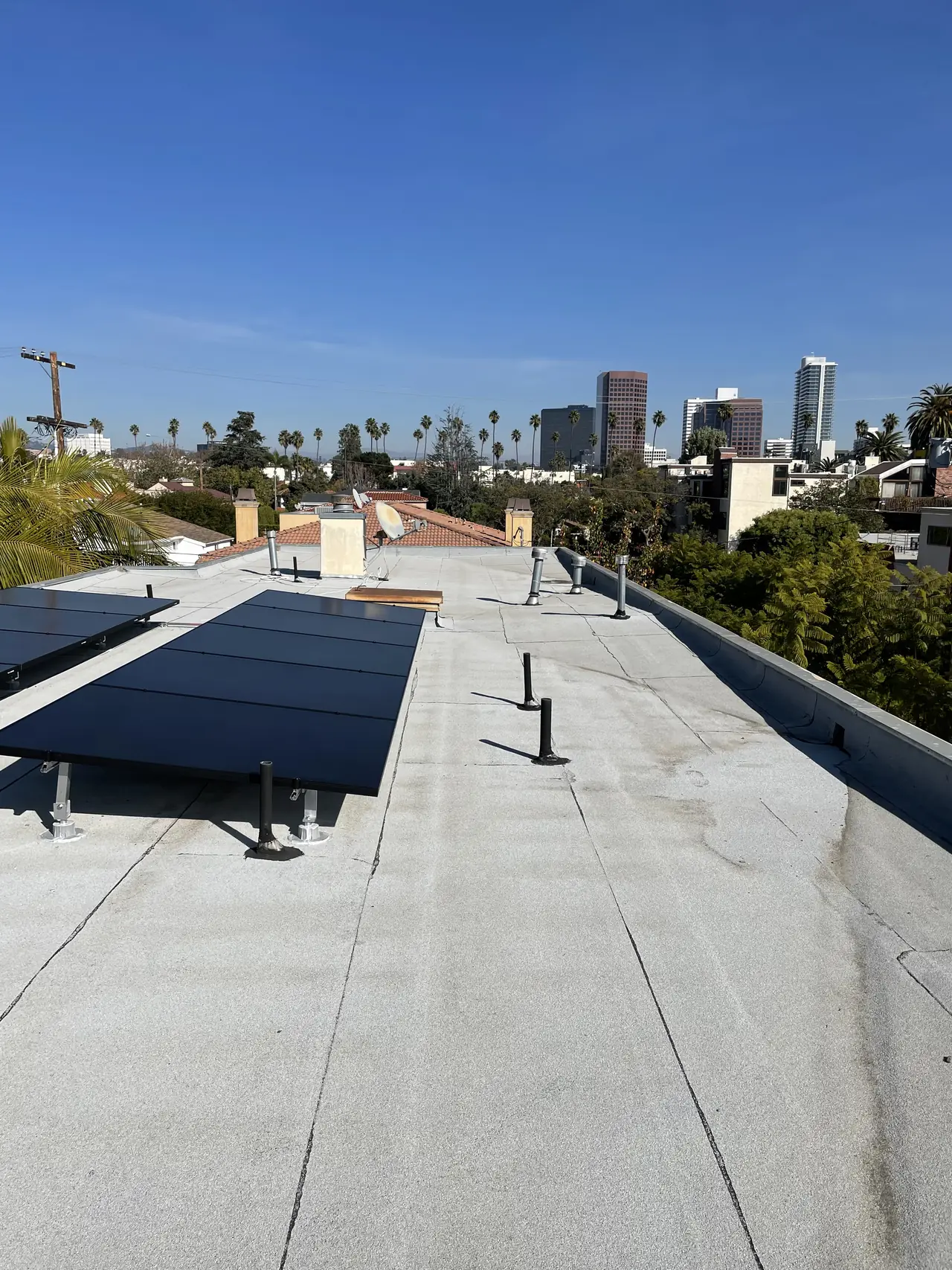
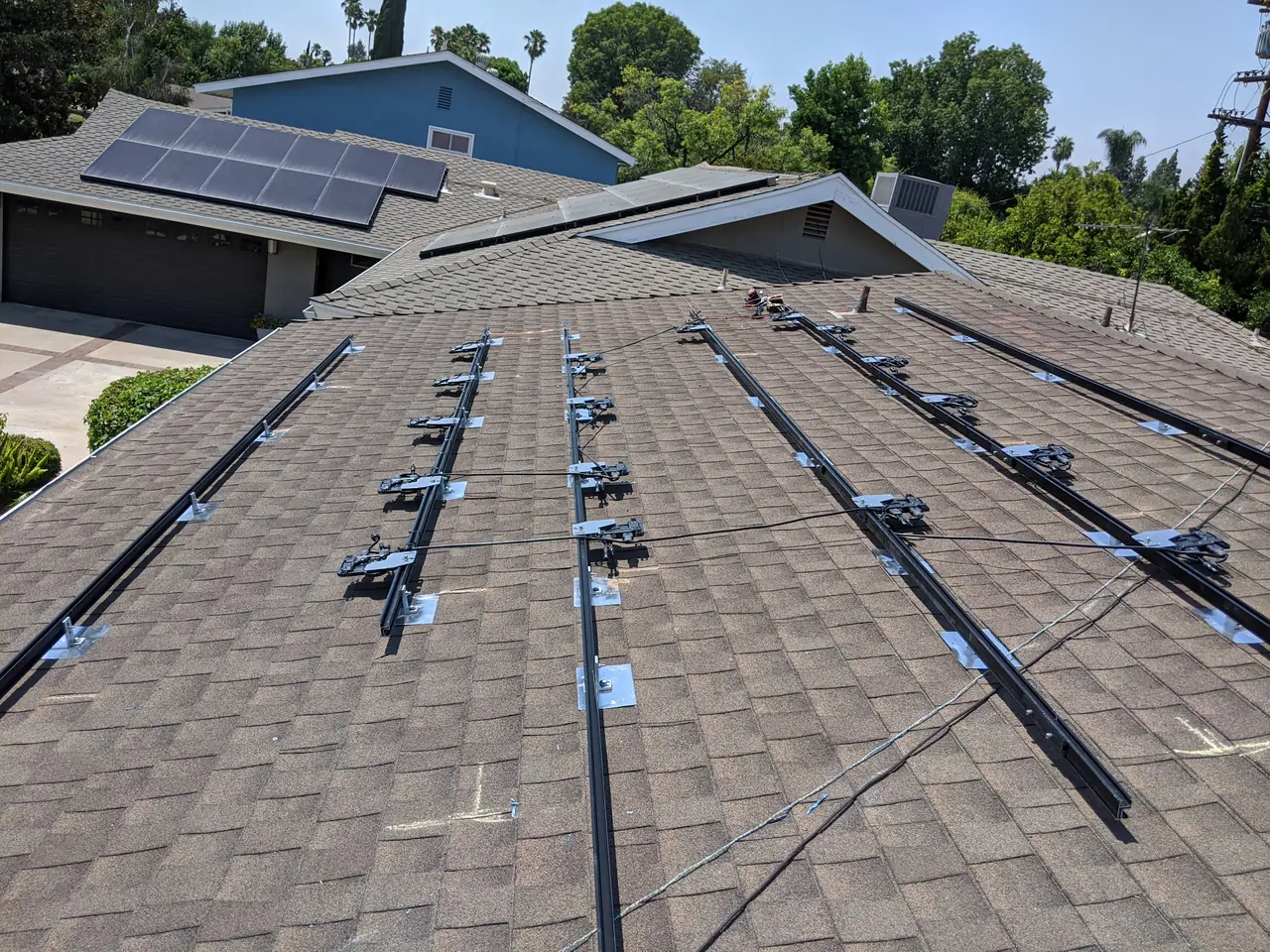
The roof took it. The array went up in the week before Christmas, the final moved once over the holidays and passed on the fourth of January, and the permission to operate came through.
Eight days after that the system was started. Between those two dates it stood finished and switched off, which is where the confusion on this kind of project lives.
Here is the distinction that catches people, and it catches them because the paperwork is worded to be reassuring.
Permission to operate is the utility saying yes. It means the interconnection is approved, the meter is right, and the system is allowed to run and to export. It arrives as a notice that opens with congratulations, and every reasonable person reads it as the finish line.
Commissioning is a different thing entirely. It is somebody physically at the property: switching the system on in the correct order, watching the inverter come up, confirming that power is actually flowing out rather than the equipment merely being energized, and checking that the monitoring reports what the roof is doing. It takes under an hour and it is a scheduled visit like any other.
The two are easy to conflate because only one of them arrives in the post. Permission to operate is a document. Commissioning is a visit. A system that has the document and not yet the visit looks identical from the street to one that is running, produces nothing and sets off no alarm anywhere — the utility does not monitor whether a customer chose to generate, and the household has a notice saying congratulations.
What the gap costs is straightforward: every day of it is a day of buying electricity you already own the means to make. That is the whole reason the visit is booked rather than assumed.
So the thing to do when your permission to operate arrives is not to file it. It is to ask one question: has the system been commissioned, and by whom, and on what date. If the answer is vague, the system may well be sitting there switched off.
And there is a simple check anybody can make. On a clear afternoon, open the monitoring. If it shows nothing at all — not low production, but nothing — the question is not about the roof. It is about whether anybody ever turned it on.
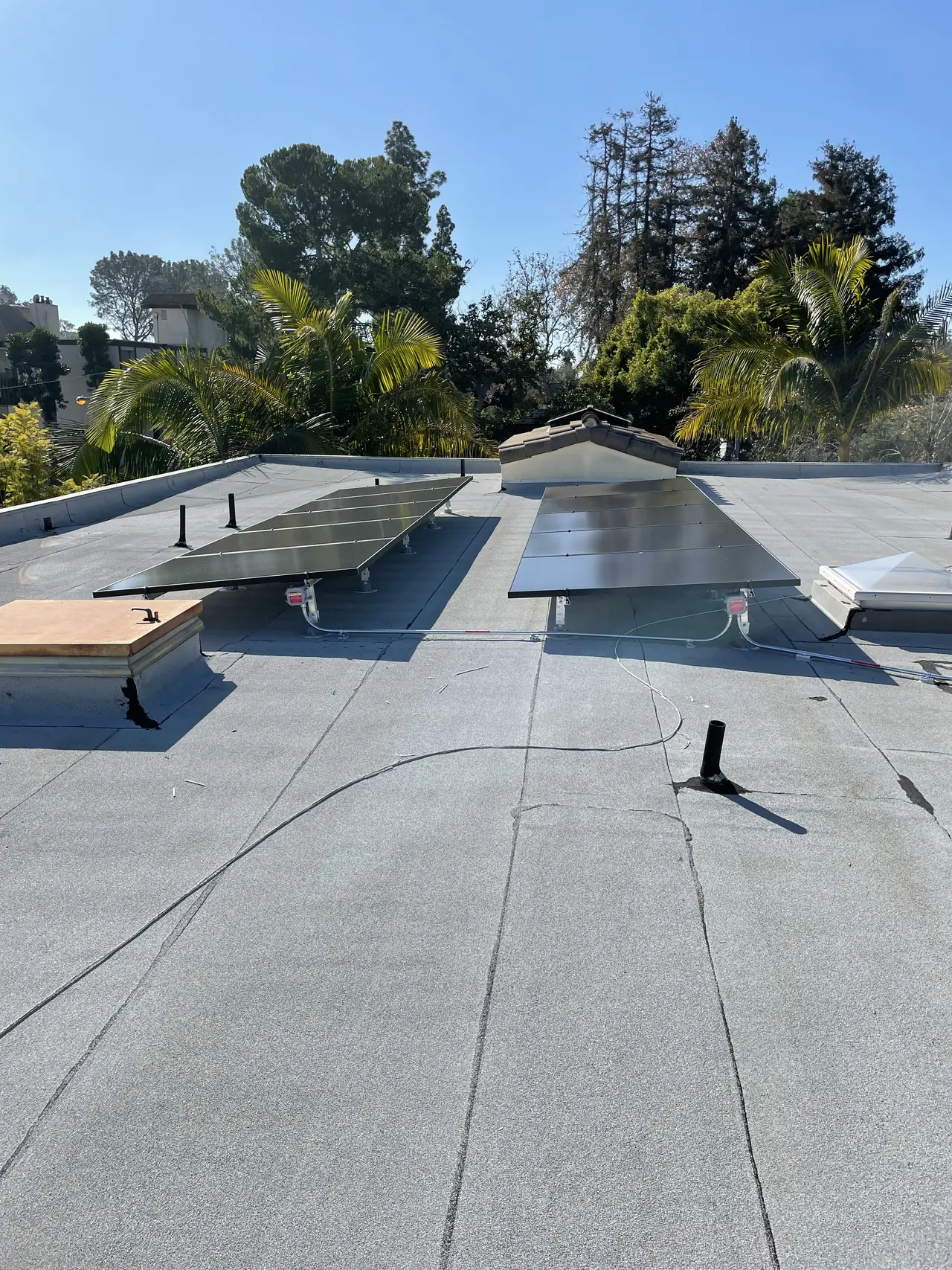
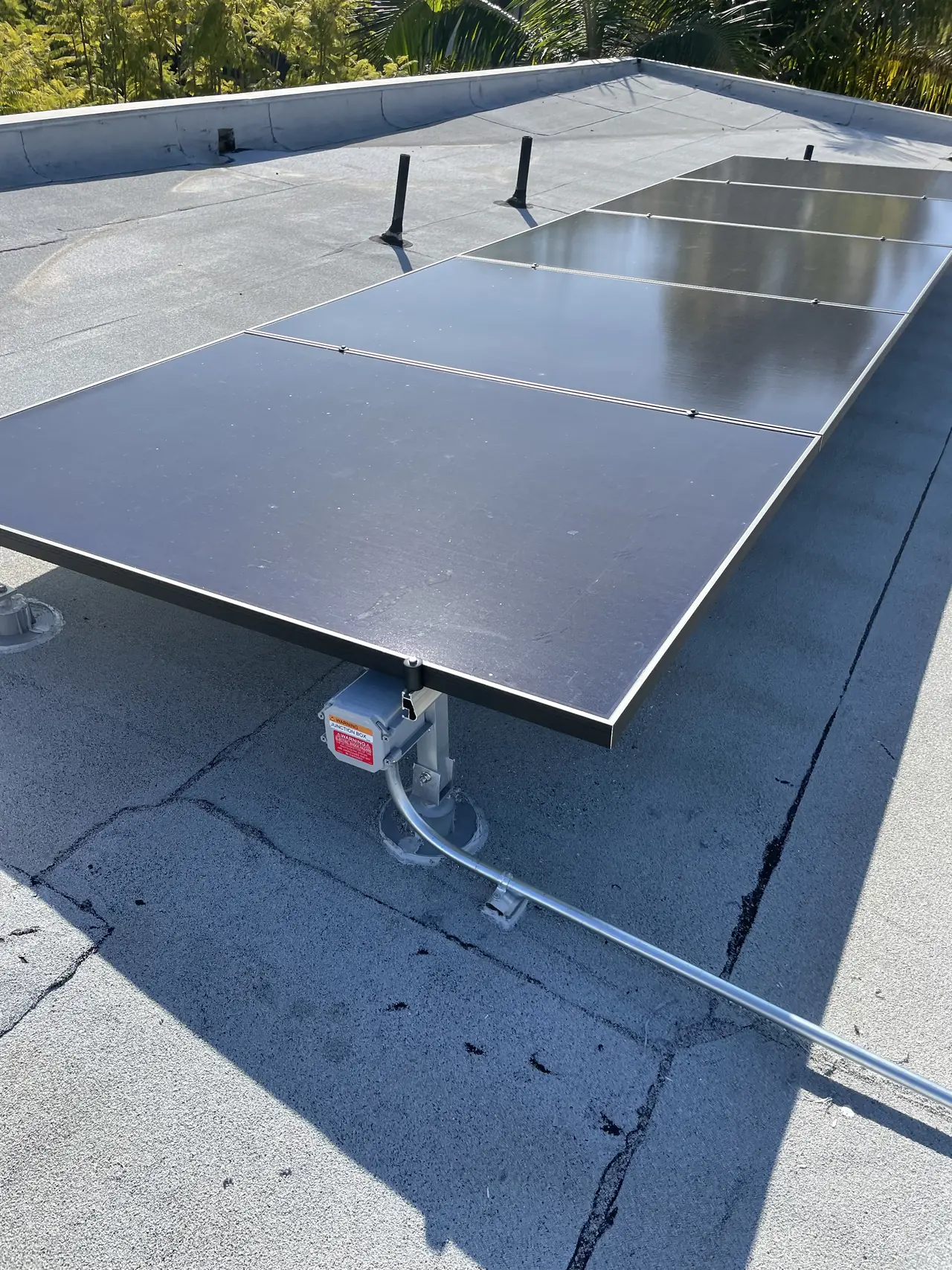
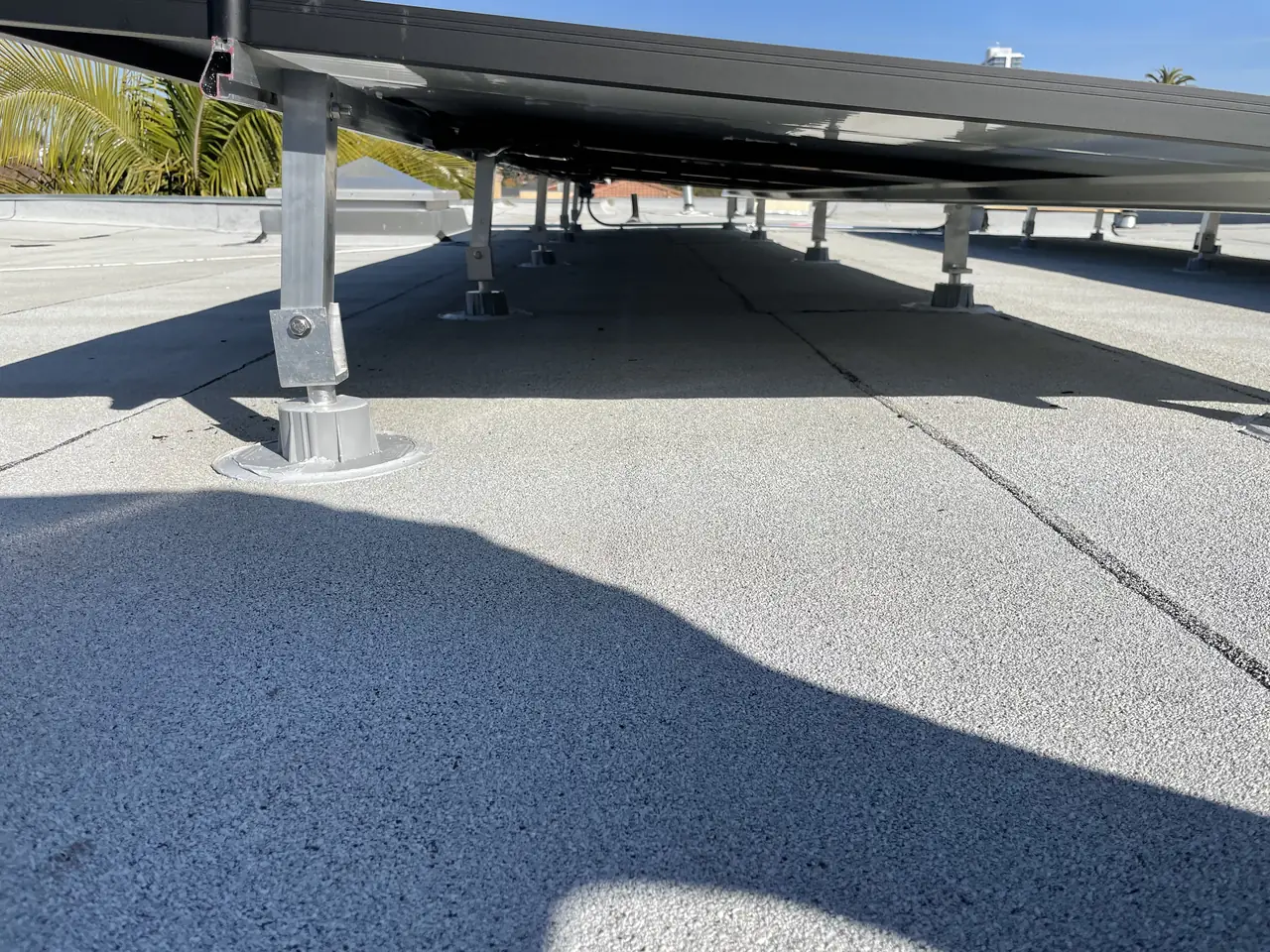
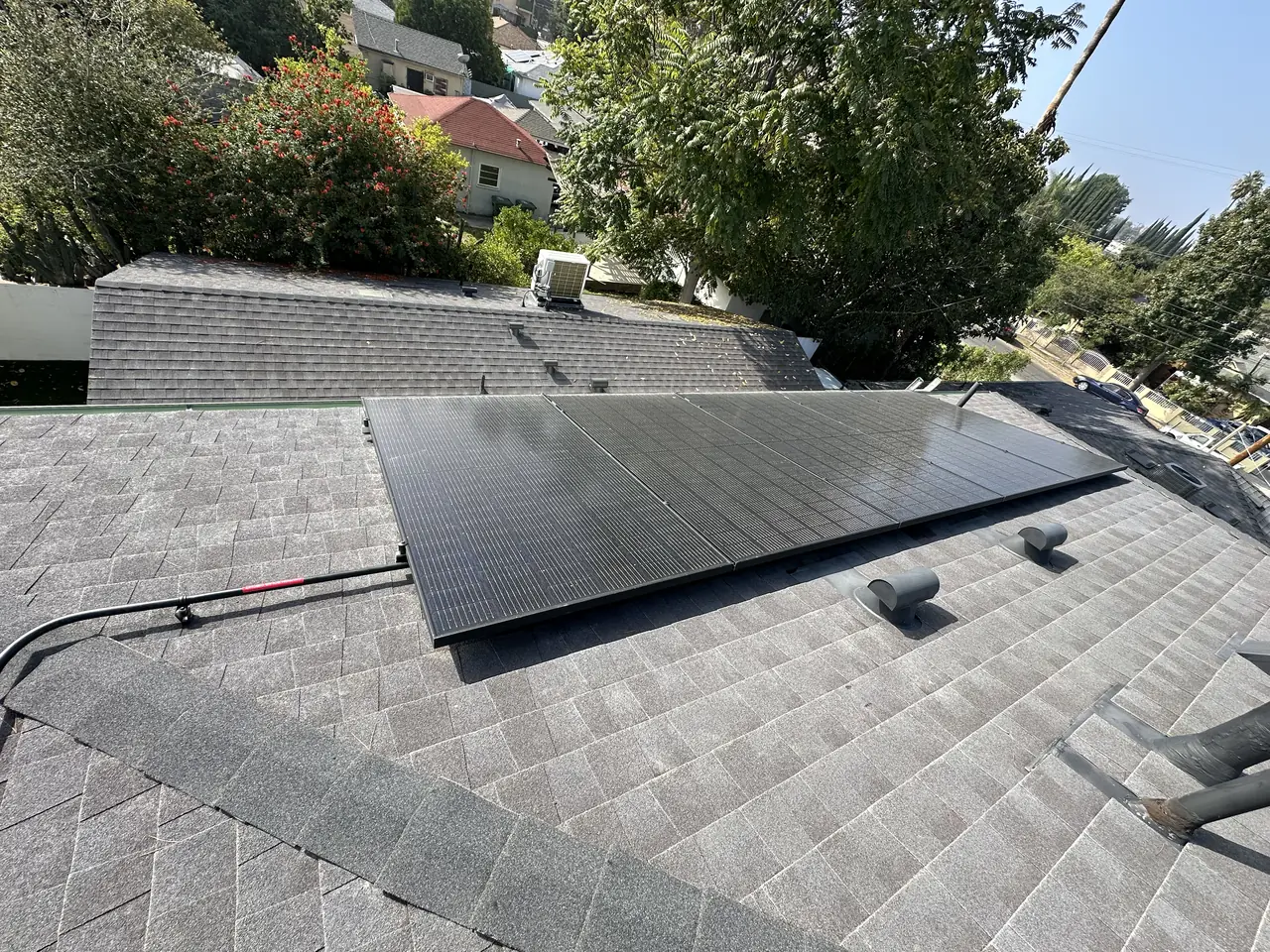
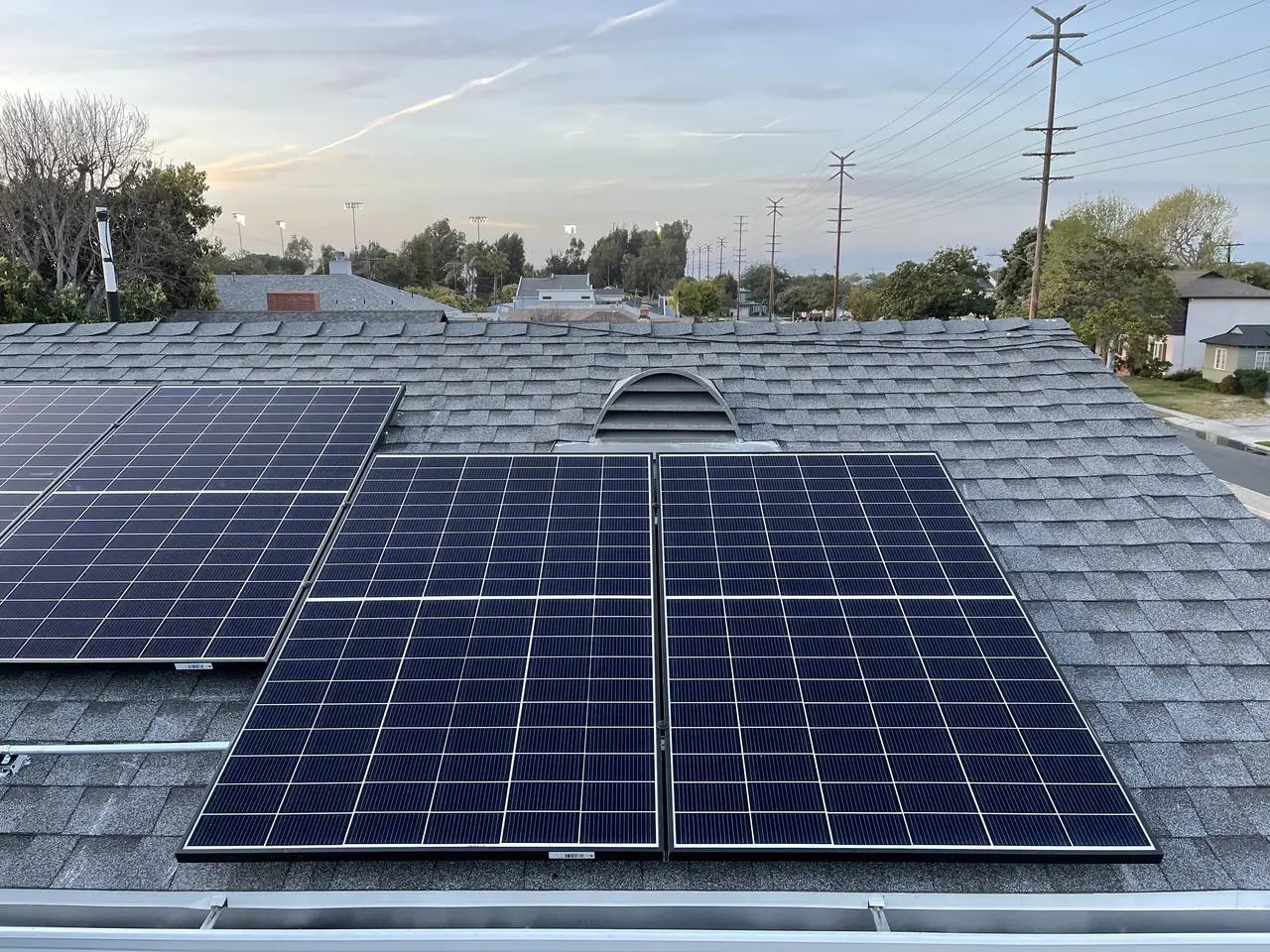
Cali Energy installed, finaled and commissioned this array in Brentwood, Los Angeles.
How it ran
| 11 November 2021 | Feasibility question: will this roof carry an array? |
|---|---|
| 7 December 2021 | Installation date requested |
| 17 December 2021 | Array installed |
| 23 December 2021 | Final inspection set for the 29th |
| 29 December 2021 | Final inspection moved to 4 January |
| 4 January 2022 | Final inspection passed; permission to operate follows |
| 12 January 2022 | Commissioning visit: system started and confirmed generating |
Eight days between a permission that said congratulations and the visit that started the system.
What we did
- Assessed the roof before any design was drawn for it.
- Carried the array through a final inspection rescheduled once over the holidays.
- Treated commissioning as a visit with a date rather than an assumption.
- Commissioned the system and confirmed it was generating.
System specifications
| Array | Residential rooftop |
|---|---|
| Feasibility | Roof assessed before a design was drawn |
| Final inspection | Passed 4 January 2022 |
| Permission to operate | Granted |
| Commissioning | The separate visit that starts the system |
| Utility / AHJ | LADWP / LADBS |
Is your project like this one?
- Your permission to operate arrived and you are not sure the system is on.
- Your monitoring shows nothing at all rather than low production.
- Your bill has not changed since the array went up.
- Nobody has told you the date your system was commissioned.
Cali Energy in Brentwood
Brentwood is City of Los Angeles on the Westside, permitted through LADBS and interconnected through LADWP. Large houses where a system can sit idle for weeks before anybody looks at a bill closely enough to notice.
This installation is on the Los Angeles projects page alongside the others, and what the work covers is set out on the Los Angeles service area page.
- License and classifications: CSLB #1032379
- Official reference for this process: LADWP — interconnection requirements
- Official reference for this process: CSLB — Solar Smart
Frequently asked questions
Does permission to operate mean my solar is running?
No. It means the utility has approved the interconnection and will allow the system to run and export. Whether it is actually running depends on somebody switching it on and confirming it generates. The notice reads like a finish line, which is precisely why the gap is so easy to miss.
What is commissioning on a solar installation?
A visit to the property to bring the system into service: switching on in the correct order, watching the inverter come up, confirming power is flowing out rather than the equipment merely being energized, and checking the monitoring reports what the roof is doing. It takes under an hour and it is a scheduled job like any other.
How would I know my system was never switched on?
Open the monitoring on a clear afternoon. Nothing at all — not low output, but nothing — points at a system that was never started rather than one performing poorly. The other sign is a bill that has not moved since the array went up.
What should I ask when my permission to operate arrives?
Ask whether the system has been commissioned, by whom, and on what date. A vague answer is the warning. Every day between permission and commissioning is a day of buying electricity the house already has the means to make.
Does Cali Energy install solar in Brentwood, Los Angeles?
Yes. Brentwood projects are permitted through LADBS and interconnected through LADWP. Houses here are large enough that an idle system can go unnoticed for weeks, which is why the commissioning visit is treated as a step with a date rather than something that happens on its own.
What this would look like on your roof
Planning solar in Brentwood? Tell us your utility, your roof and what your bill looks like now, and we will model what a system like this would do on your house before you commit to anything.
Or call +1 (323) 844-7777 · Cali Energy, Northridge · CSLB #1032379 (B, C-10, C-39) — design, permits, install and electrical under one licensed contractor.
Related
This timeline reflects this property and this permitting path. Updated September 2026.