

Westchester, CA · April – July 2021 · LADWP / LADBS
Westchester: the monitoring sensors turned the right way round.
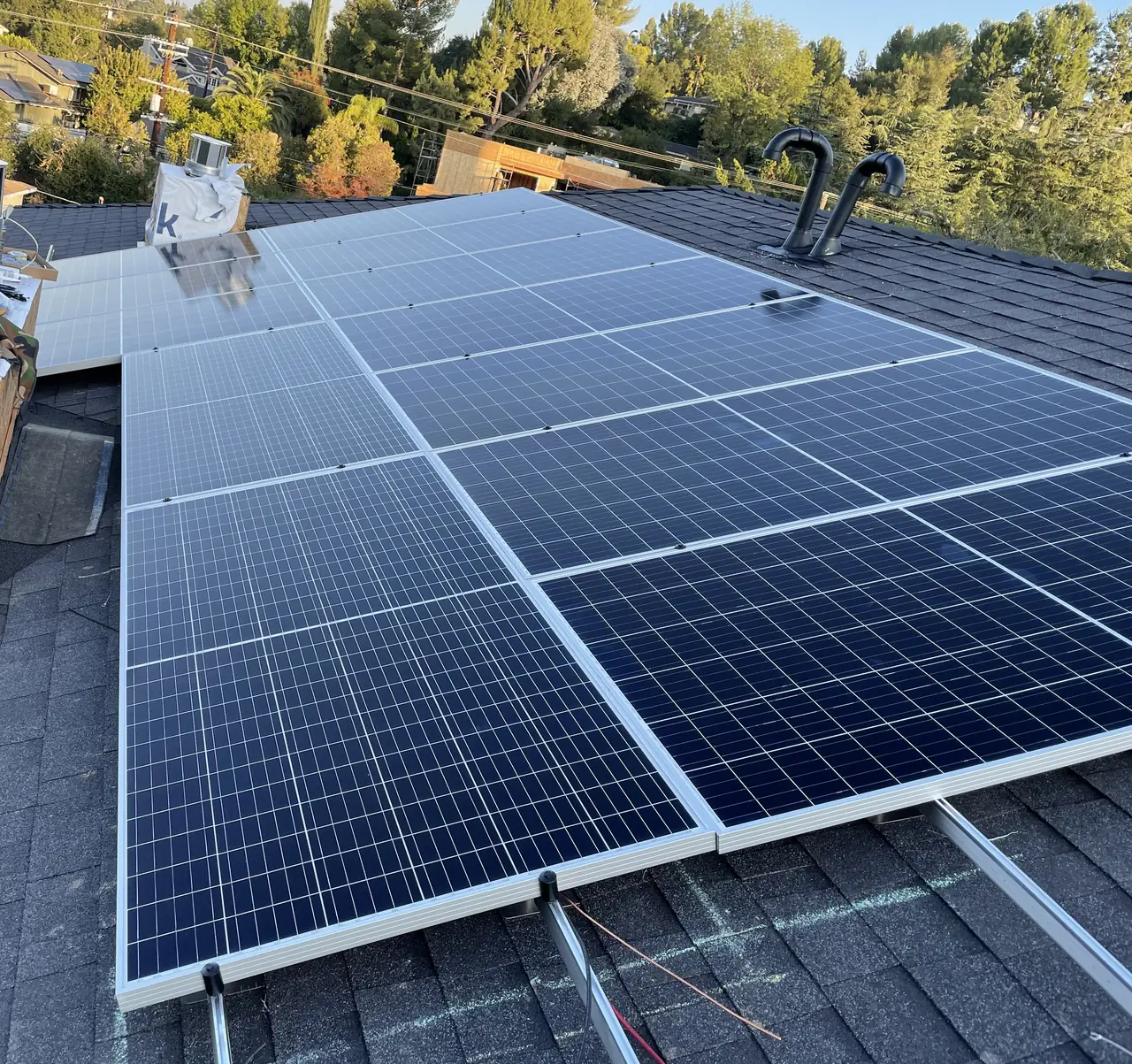
The array worked and the inverter worked, and now the monitoring tells the household the same story the meter does.
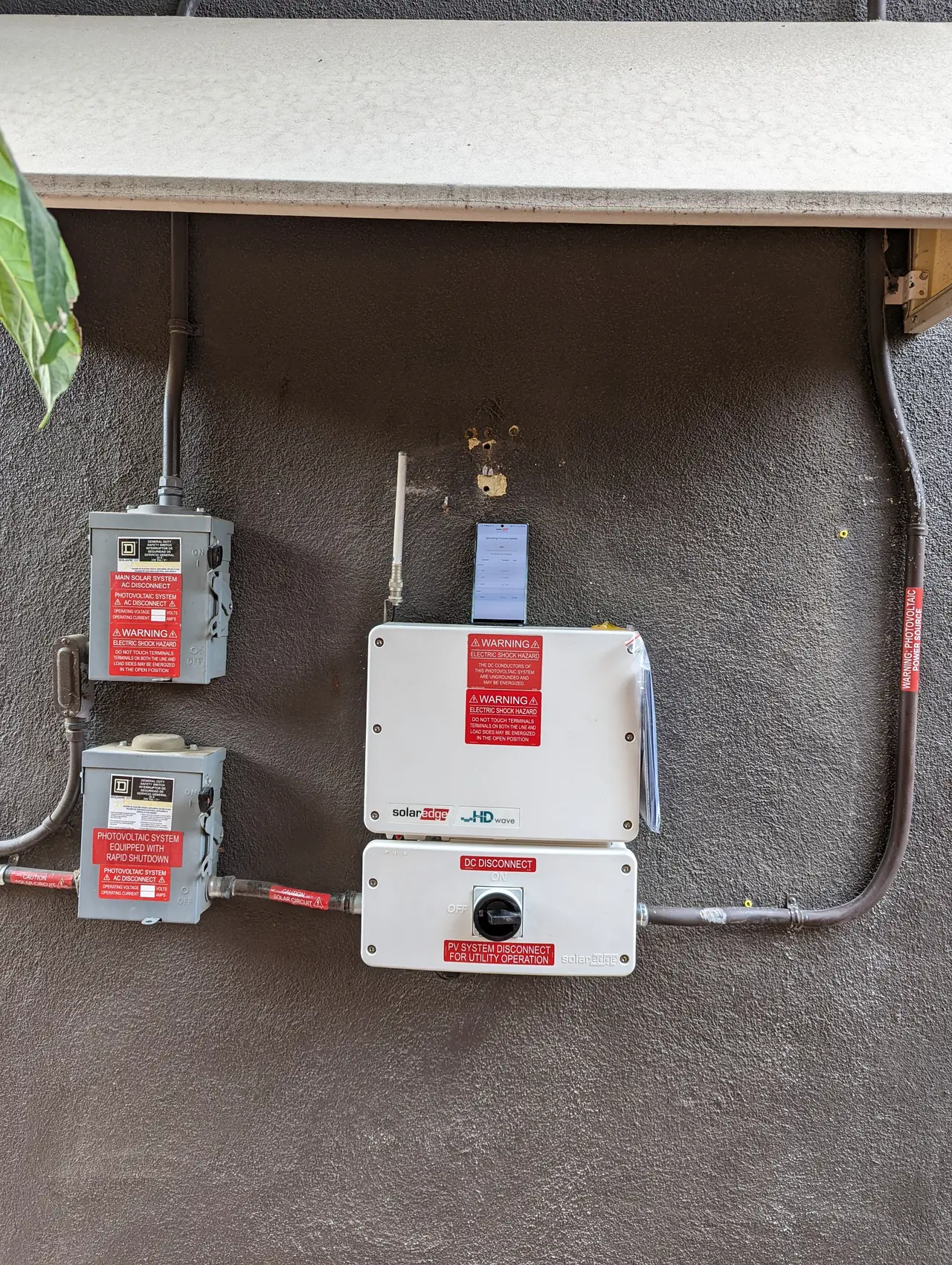
Solar monitoring measures current with clamp-on sensors called current transformers, and every one of them has a direction. Turn a sensor around and nothing breaks: the array still produces, the inverter still converts, the utility meter is still correct. Only the sign flips — production is reported as consumption, export as import. On this Westchester project the reporting showed both sensor sets, consumption and production, reading reversed; Cali Energy had it confirmed by Enphase from the data and turned them inside a three-day window the utility had given, so the app now tells the household what the meter does.
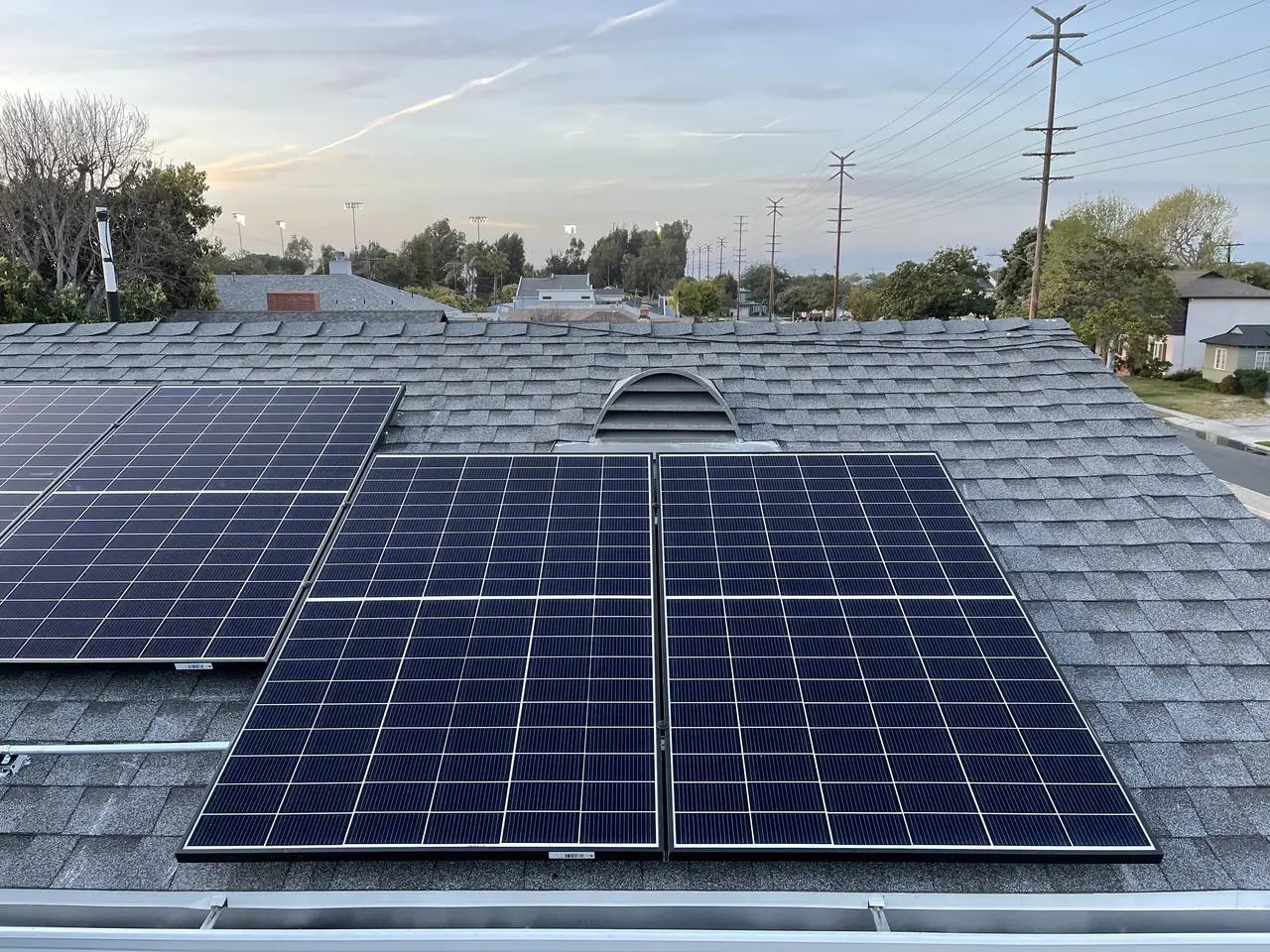
At a glance
- Monitoring
- Enphase, with clamp-on current sensors
- Fault
- Sensor orientation reversed
- Affected
- Consumption side, then production side
- What it broke
- The reporting, not the system
- Window to fix
- Three days, set by the utility
- Utility / AHJ
- LADWP / LADBS
The story
This is a fault with no symptoms. Nothing trips, nothing alarms, nothing stops. The array produces exactly what it should, the inverter runs, the utility meter counts correctly and the bill is right. The only thing that is wrong is what the household is told.
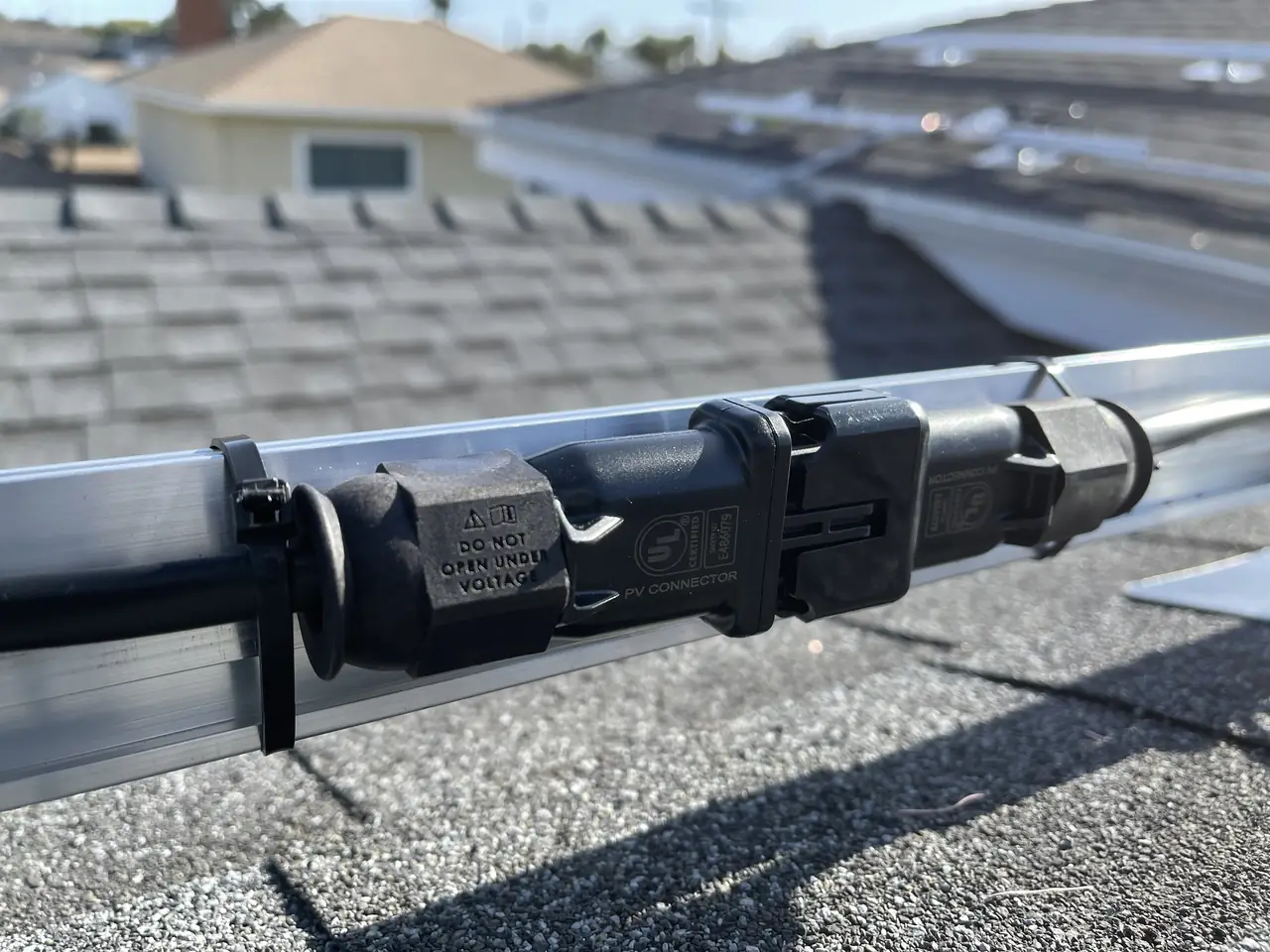
Solar monitoring does not measure power directly. It clamps sensors — current transformers — around conductors and infers the current flowing through them. And a current transformer has a direction: an arrow on the housing, and a pair of leads that have to land the right way round. Reverse either and the reading keeps its size and loses its sign.
What that looks like in an app is hard to spot and easy to misread. Production appears as consumption. Export appears as import. A house that is sending power to the grid at noon shows as drawing it. The numbers are all plausible, all wrong, and all wrong in a consistent direction, which is exactly what makes people believe them.
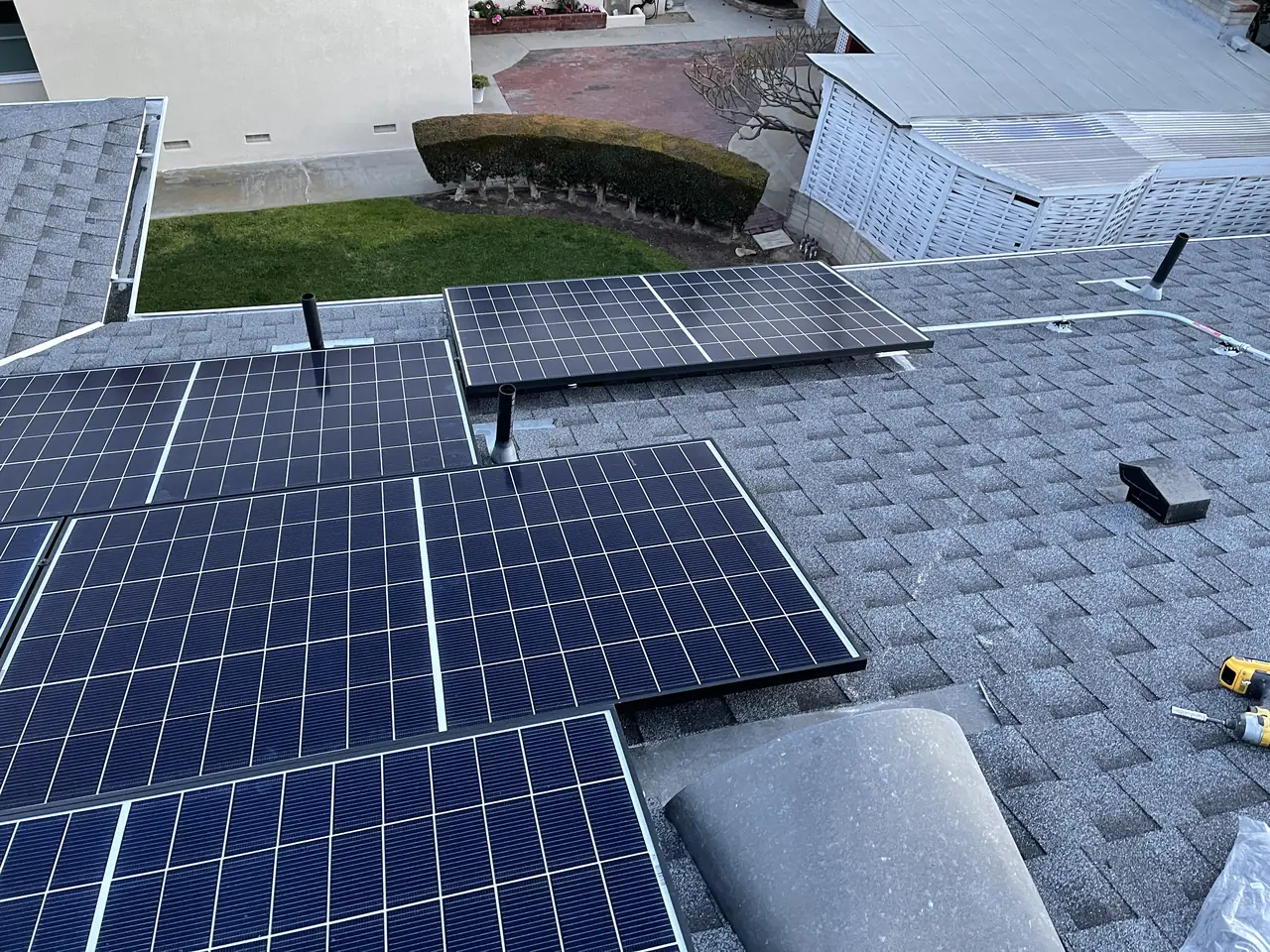
On this project it showed up on both sets.
In May the consumption sensors were found reversed, and the way that happened is worth noting: not from a photograph of the sensors but from the shape of the data. The pattern in the reporting is diagnostic once somebody knows to look for it, which is why the next step was to put it to Enphase rather than go back up on the roof.
In July Enphase confirmed the same thing on the production side. And this time there was a clock on it.
The utility had unlocked the meter so the work could be done, and an unlocked meter is not a permanent state. The window was three days, after which the meter would be sealed again and the next attempt would mean another request and another wait. A technician went out the following morning, in an eight-to-ten slot agreed the same afternoon the problem was raised.
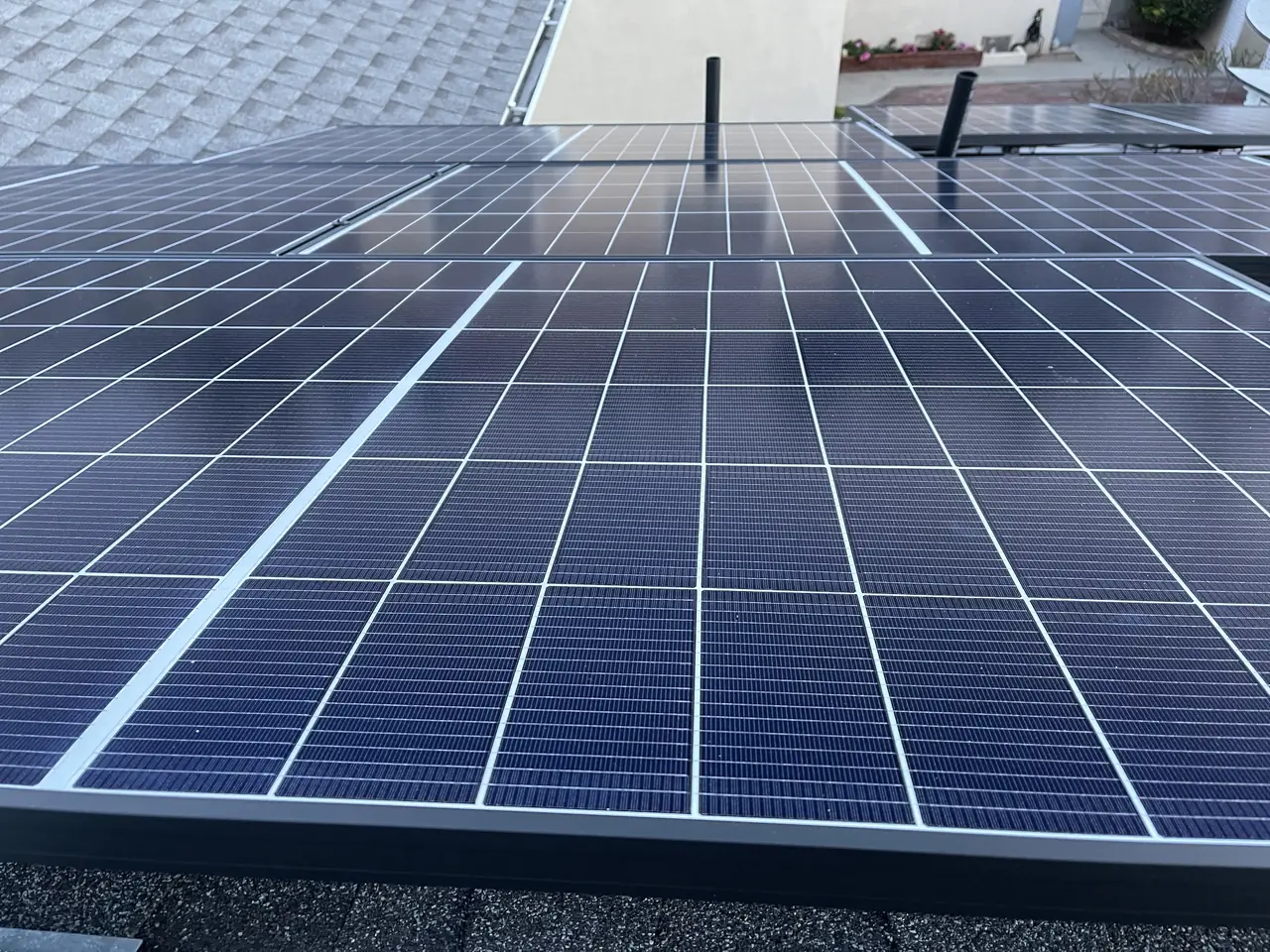
Two things to take from this if you own a system.
Read your app against reality once, early, on a sunny afternoon. If the house is producing and the app shows it importing, or the numbers move in the wrong direction when a large appliance starts, that is a sensor orientation question and not a performance one. It is a half-hour visit, and it is invisible unless somebody looks.
And be careful what you conclude from monitoring during the first weeks. A system that looks like it is underperforming may be reporting itself backwards, and decisions about adding panels or chasing warranty claims get made on those numbers.
Since the July visit the household's app has reported production as production and export as export — the same story the meter tells.
How it ran
| 2 April 2021 | Permit expected the following Monday; modules to the site and materials ready that week |
|---|---|
| 8 April 2021 | Array installed |
| 9 April 2021 | Final inspection requested for the 14th |
| 14 April 2021 | Final inspection |
| 24 May 2021 | Consumption sensors found reversed; put to the manufacturer for confirmation from the reporting data |
| 6 July 2021 | Enphase confirms the production sensors' orientation from the data; the utility has unlocked the meter and allows three days |
| 7 July 2021 | Technician on site in the morning; sensors corrected inside the window |
A fault that never showed on the roof, found twice in the data and fixed against a three-day clock.
What we did
- Read the reporting against what the system was actually doing.
- Put the orientation fault to Enphase and had it confirmed from the reporting data rather than from the roof.
- Sent a technician the next morning once the utility window opened.
- Corrected both sensor sets before the meter was resealed.
System specifications
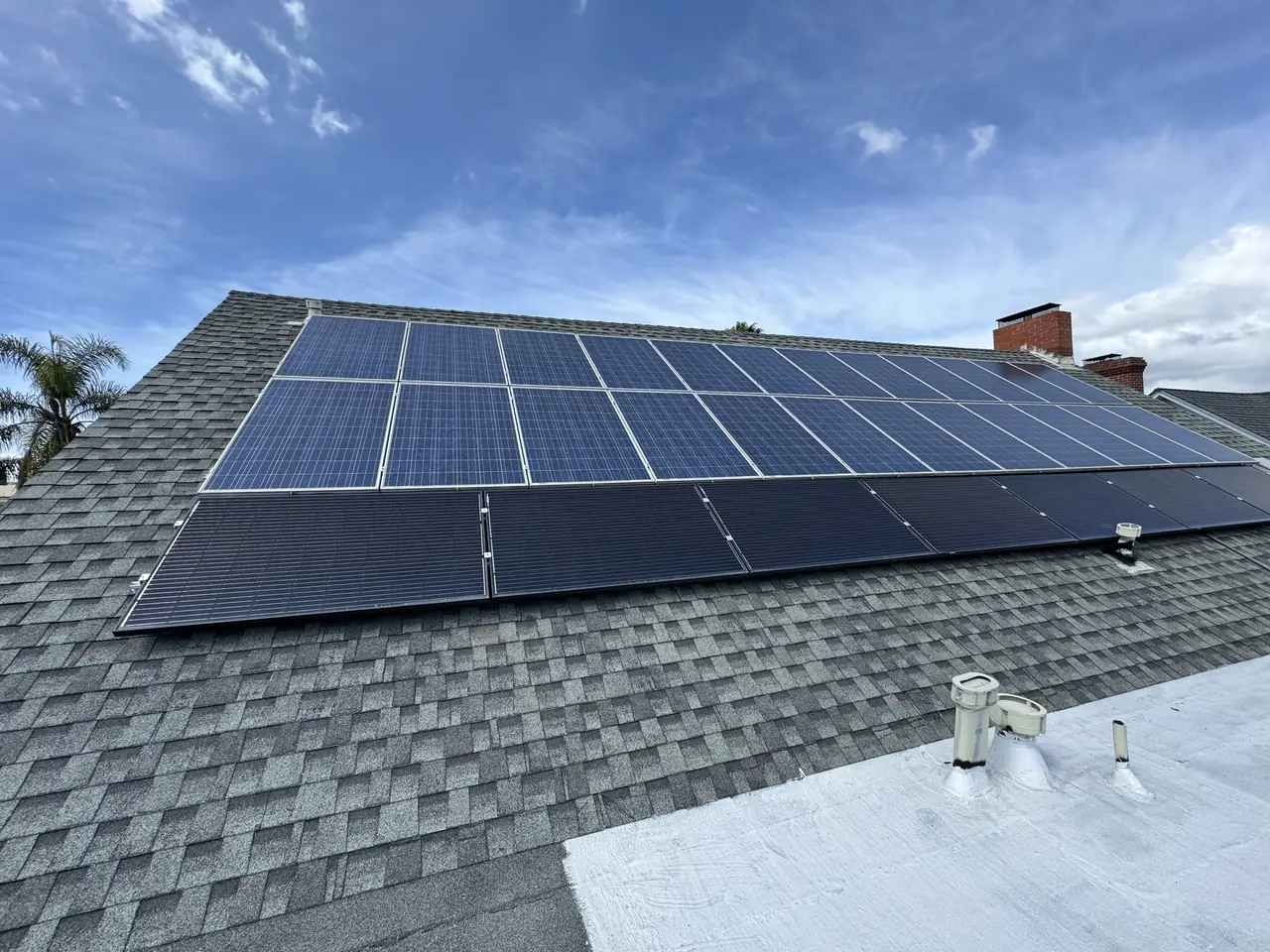
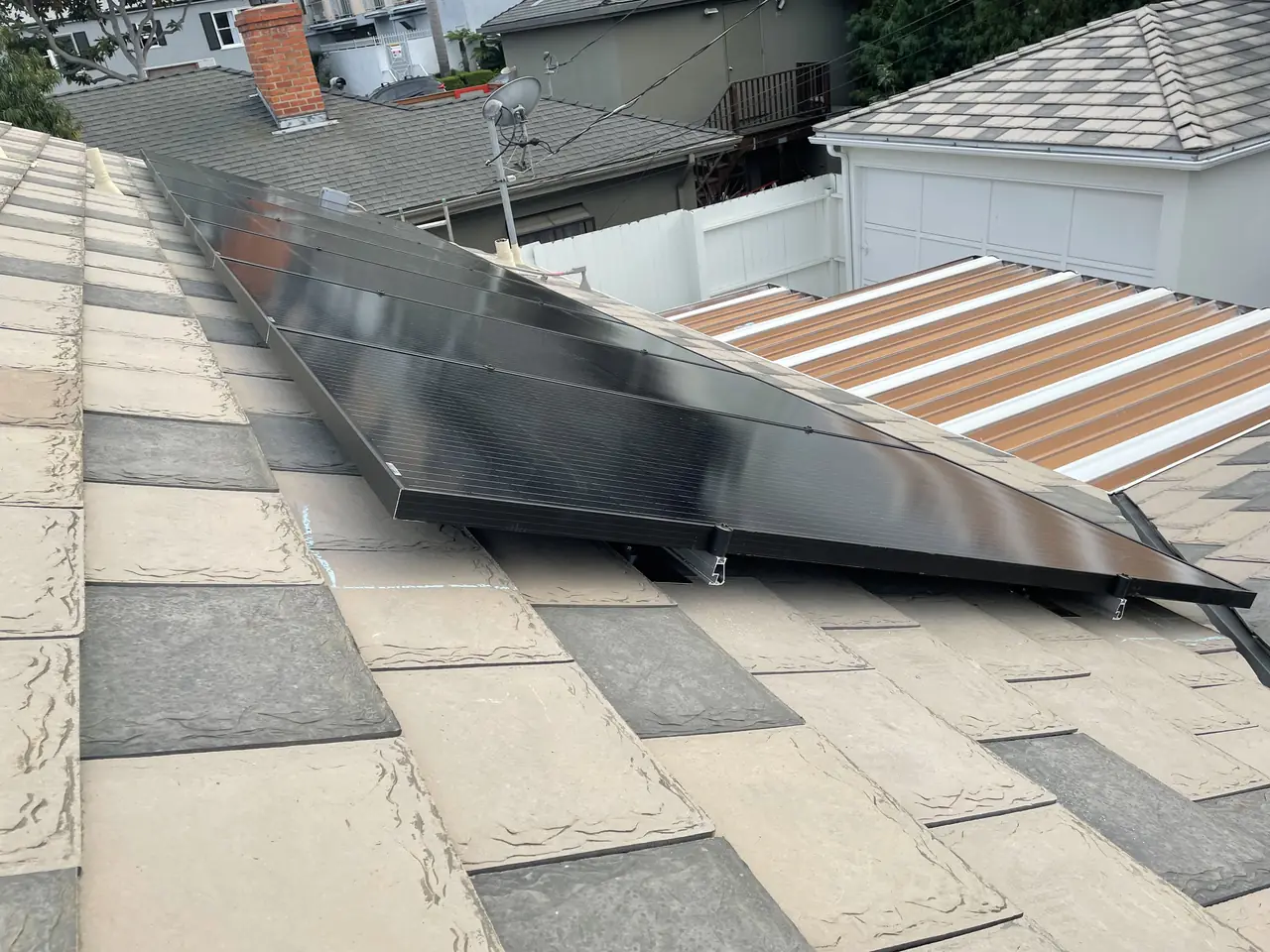
| Array | Residential rooftop |
|---|---|
| Monitoring | Enphase, with current transformers on the production and consumption sides |
| Fault | Sensor orientation reversed |
| Effect | Production reported as consumption; export as import |
| Constraint | Meter unlocked by the utility for three days |
| Utility / AHJ | LADWP / LADBS |
Is your project like this one?
- Your solar app shows you importing on a sunny afternoon.
- Your production and consumption figures look swapped.
- Your system looks like it is underperforming and nothing on the roof is wrong.
- You are about to claim warranty on numbers from an app.
Cali Energy in Westchester
Westchester is City of Los Angeles beside the airport, permitted through LADBS and interconnected through LADWP. Ordinary single-family blocks, and systems where the only thing that goes wrong is what the owner is told about them.
This installation is on the Los Angeles projects page alongside the others, and what the work covers is set out on the Los Angeles service area page.
- License and classifications: CSLB #1032379
- Official reference for this process: LADWP — Electric Service Requirements Manual
- Official reference for this process: California Energy Commission — solar equipment lists
Frequently asked questions
What is a current transformer on a solar system?
A clamp-on sensor that measures the current in a conductor so the monitoring can report production and consumption. It is not part of the power path — the array and the inverter work whether or not it is there — but everything the owner sees in an app is built from what these sensors report.
What happens if a current sensor is installed backwards?
The reading keeps its magnitude and loses its sign. Production is reported as consumption and export as import, so a house sending power to the grid shows as drawing it. Nothing trips and nothing alarms, because the fault is in the measurement rather than in the system.
How would I notice a reversed sensor?
Check the app against reality once, on a sunny afternoon. If the house is clearly generating and the display shows it importing, or the figures move the wrong way when a large appliance starts, that is an orientation question rather than a performance one. Otherwise the numbers look plausible indefinitely.
Why was there only a three-day window to fix it?
Because the utility had unlocked the meter so the work could be done, and an unlocked meter is a temporary state. Once the window closes the meter is sealed again and further work needs a fresh request and another wait, which is why the visit went out the next morning.
Does Cali Energy service solar systems in Westchester, Los Angeles?
Yes. Westchester projects are permitted through LADBS and interconnected through LADWP. On this one the fault was never on the roof — the array and the Enphase equipment were doing exactly what they should, and what needed correcting was the pair of sensors telling the household about it.
What this would look like on your roof
Planning solar in Westchester? Tell us your utility, your roof and what your bill looks like now, and we will model what a system like this would do on your house before you commit to anything.
Or call +1 (323) 844-7777 · Cali Energy, Northridge · CSLB #1032379 (B, C-10, C-39) — design, permits, install and electrical under one licensed contractor.
Related

This timeline reflects this property and this permitting path. Updated September 2026.