

West Los Angeles, CA · March 2023 – September 2025 · LADWP / LADBS
The smallest array here took the longest.
Two and a half kilowatts on a small West Los Angeles lot. Two and a half years from first contact to permission to operate.
The size of a solar system has almost no bearing on how long it takes. A small array files the same interconnection request, goes through the same plan check, waits in the same queues and needs the same release from the building department as a large one. On this West Los Angeles project the system was 2.61 kW AC-CEC and the calendar ran two and a half years — most of it before the application was even filed. Cali Energy designed, permitted and interconnected it.

At a glance
- System
- 2.61 kW AC-CEC
- First contact to filing
- Sixteen months
- Filing to building department release
- Eleven months
- Release to permission to operate
- Three months
- Utility / AHJ
- LADWP / LADBS
The story
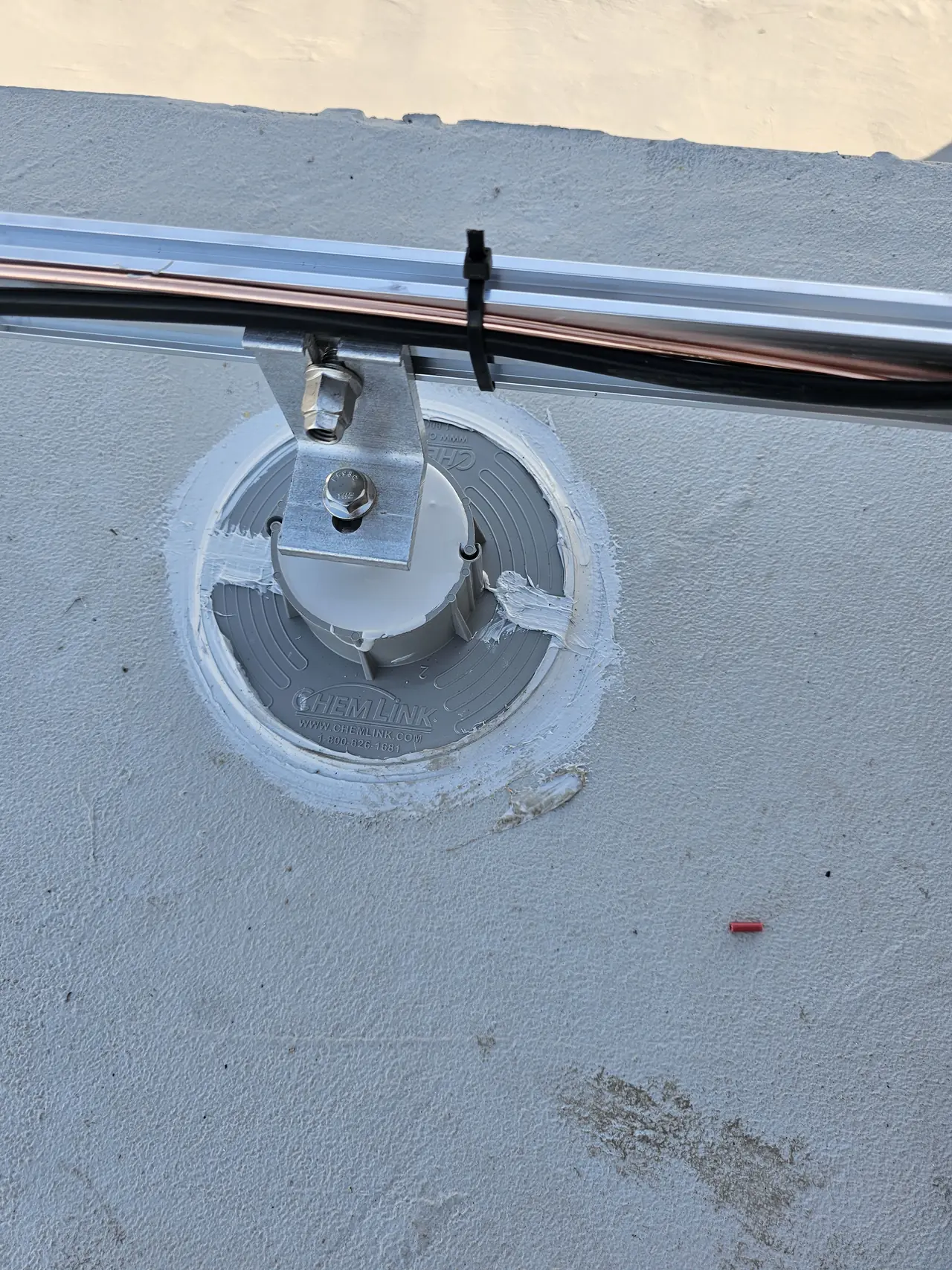
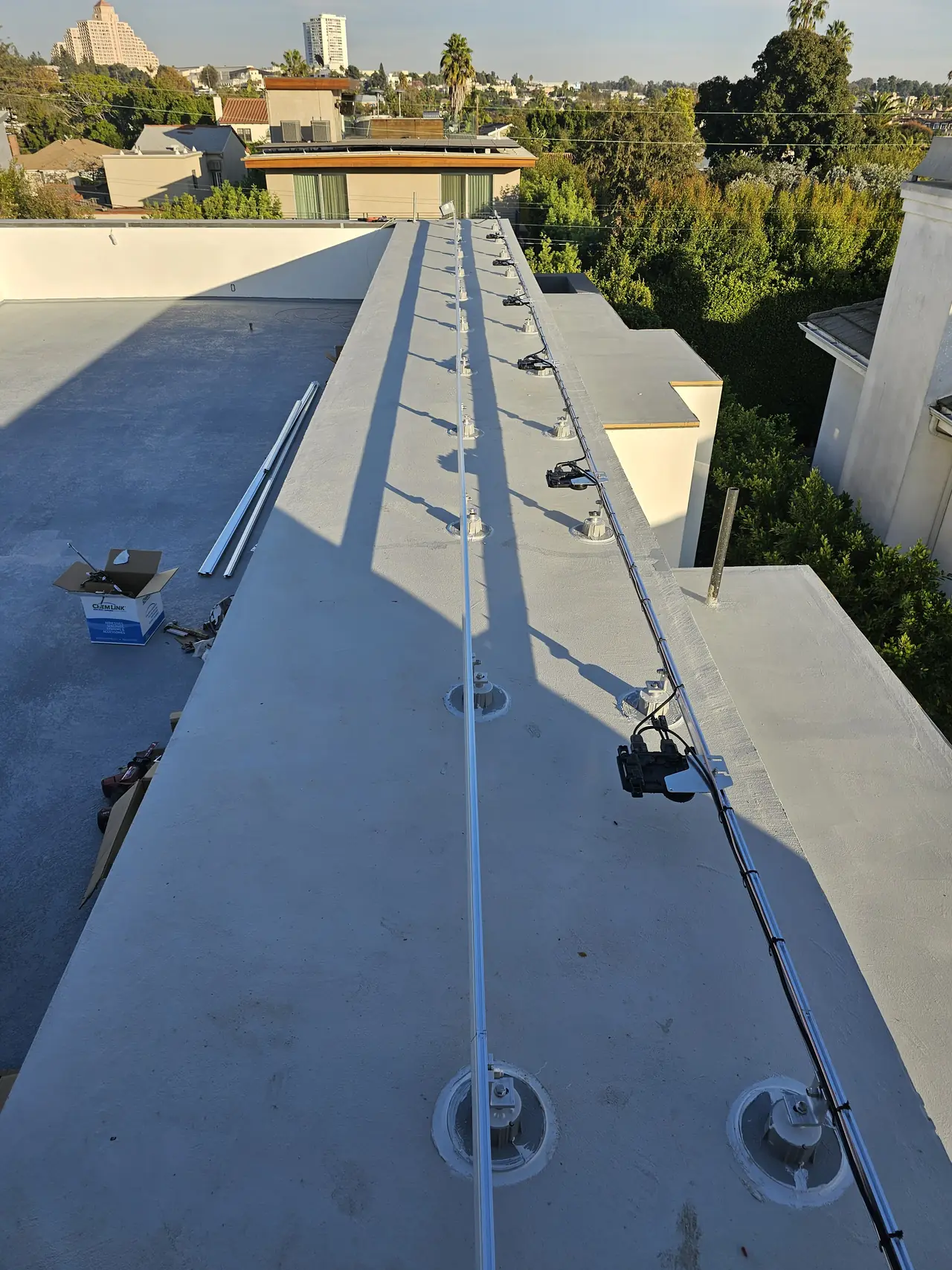
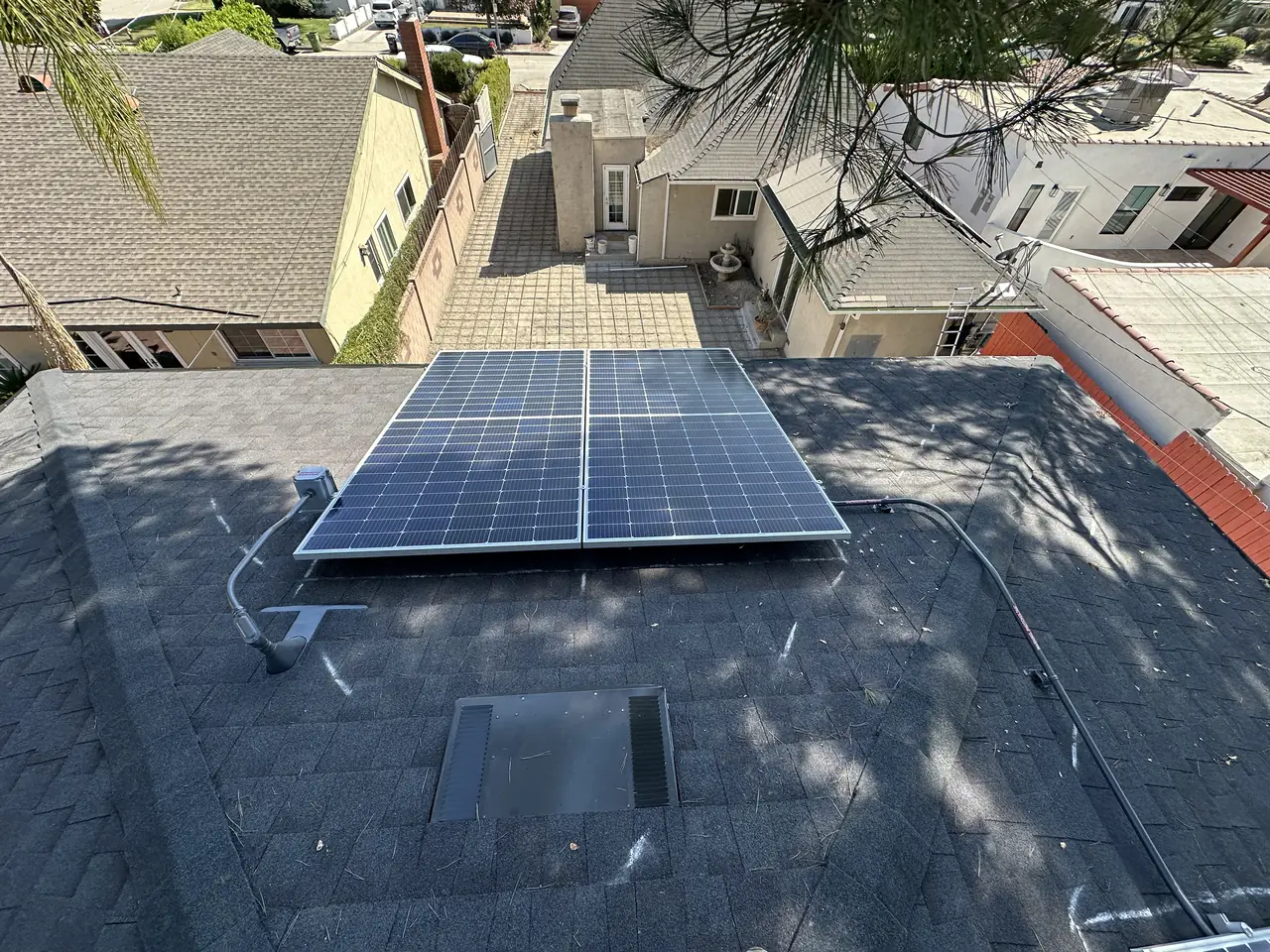
The project opened in March 2023. Permission to operate came in September 2025. The system is 2.61 kW AC-CEC as the utility recorded it — a fraction of what a typical house takes, and comfortably a single day on the roof.
That combination surprises people, but it is not a contradiction.
A small array files the same interconnection request as a large one. It goes through the same plan check, with the same drawings, reviewed by the same people in the same queue. It needs the same release from the building department before the utility will finish. The only thing that scales with system size is the day on the roof, and the day on the roof was never the long part.
This calendar splits into three pieces.
Sixteen months from first contact to the interconnection request being filed. That is the owner's phase — deciding, on a small lot where the usable roof area is limited and the question of whether an array of this size is worth doing is a real one rather than rhetorical.
Eleven months from filing to the building department's release. That is the agencies' phase, and the bulk of it is queue.
Three months from the release to permission to operate, with the utility recording its confirmation, its site evaluation and its approval on a single day in August and the permission itself arriving at the start of September.

What to take from it. If you are weighing a small system, weigh it on the numbers that actually depend on size — production, the bill, what the roof can take. Do not weigh it on the assumption that a small job will be quick, because nothing about the process is proportional. And if your own decision phase is going to run long, that is a legitimate choice, but it belongs on your side of the ledger rather than the city's.
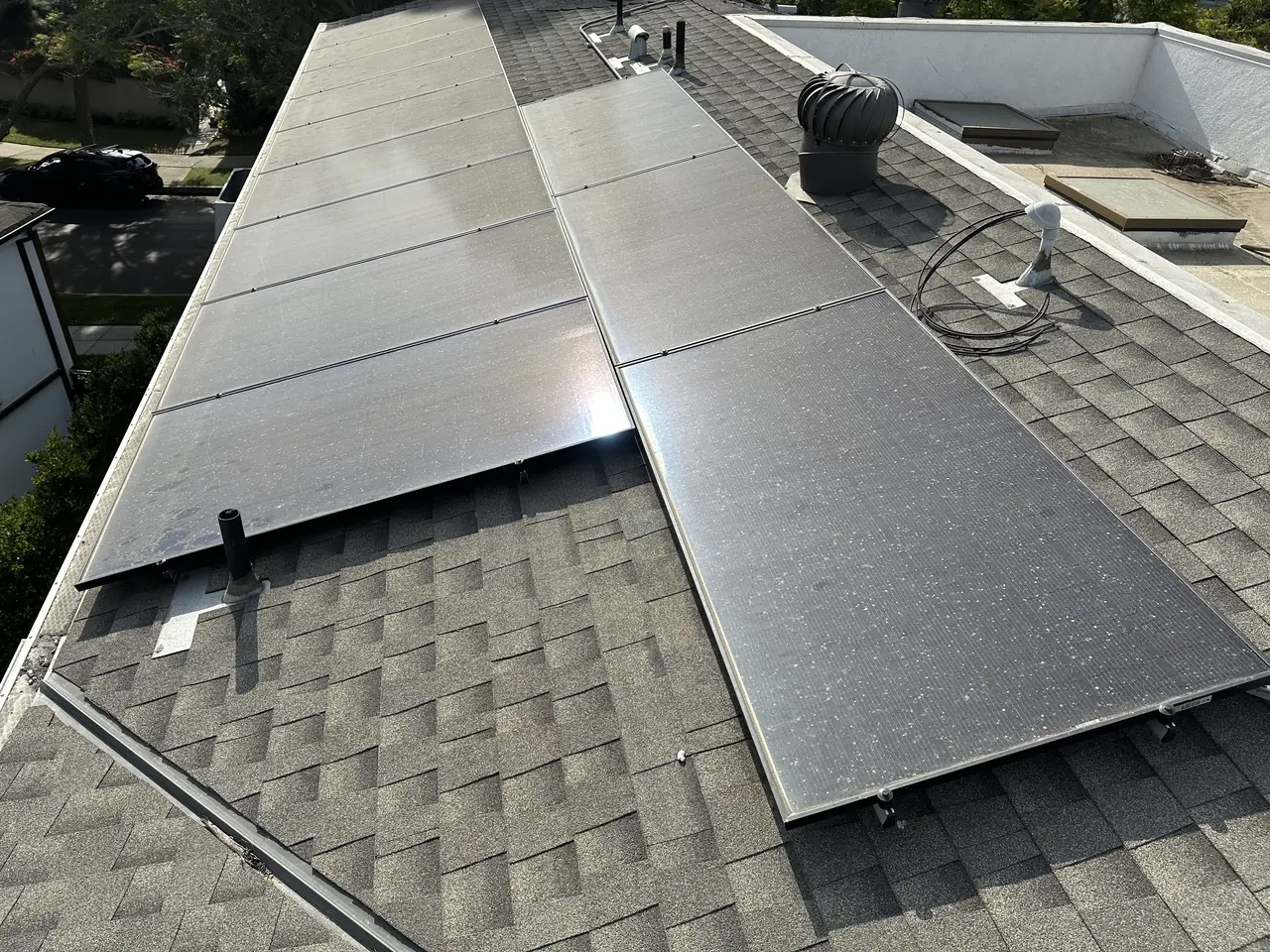
Cali Energy designed, permitted and interconnected this West Los Angeles array, and the house has been running on it since September 2025.
How it ran
| 17 March 2023 | Project opened |
|---|---|
| 16 July 2024 | Interconnection request filed |
| 2 June 2025 | Building department release |
| 19 August 2025 | Utility confirmation, site evaluation and approval — all on one day |
| 2 September 2025 | Permission to operate |
Two and a half years end to end. Sixteen months of it came before the application was filed.
What we did
- Designed for the usable roof area rather than for a target system size.
- Filed the interconnection request once the decision was actually made.
- Carried the building department release through to the utility.
- Closed the utility side in three months from the release.
System specifications
| Array | Residential rooftop, small lot |
|---|---|
| System | 2.61 kW AC-CEC recorded by the utility |
| Storage | None |
| Interconnection | Filed July 2024, permission to operate September 2025 |
| Utility / AHJ | LADWP / LADBS |
Is your project like this one?
- Your roof only has room for a small array and you are wondering whether it is worth it.
- You assumed a small system would be a quick project.
- You have been quoted and have not decided, and want to know what that costs in time.
Cali Energy in West Los Angeles
West Los Angeles, around Sawtelle, is City of Los Angeles — permitted through LADBS and interconnected through LADWP. Lots are small, houses sit close together, and a usable roof area here is often a fraction of what the same house would have further out. Small arrays are the norm rather than the exception.
This installation is on the Los Angeles projects page alongside the others, and what the work covers is set out on the Los Angeles service area page.
- License and classifications: CSLB #1032379
- Official reference for this process: California Energy Commission — equipment lists and AC ratings
- Official reference for this process: LADWP — interconnection process, types 1, 2 and 3
Frequently asked questions
Does a smaller solar system get installed faster?
The day on the roof is shorter. Nothing else is. A small array files the same interconnection request, goes through the same plan check and waits in the same queues as a large one, and needs the same building department release before the utility will finish. On this project the system was under three kilowatts and the calendar ran two and a half years.
Is a small array worth installing at all?
That depends on the bill and the roof, not on the process. What it should not be weighed on is the assumption that a small job moves faster, because almost none of the calendar scales with size. Work out what the usable roof area produces and what it offsets, and treat the timeline as the same as any other project.
Does Cali Energy install solar in West Los Angeles?
Yes. West Los Angeles around Sawtelle is one of the Los Angeles neighborhoods we work in, permitted through LADBS and interconnected through LADWP. Lots here are small and houses sit close together, so usable roof area is often limited and small arrays are the norm rather than the exception.
What this would look like on your roof
Planning solar in West Los Angeles? Tell us your utility, your roof and what your bill looks like now, and we will model what a system like this would do on your house before you commit to anything.
Or call +1 (323) 844-7777 · Cali Energy, Northridge · CSLB #1032379 (B, C-10, C-39) — design, permits, install and electrical under one licensed contractor.
Related


This timeline reflects this property and this permitting path. Updated September 2026.