

Glassell Park, CA · January – April 2025 · LADWP / LADBS
Glassell Park, approved in February. Switched on in April.
Quote to approval took forty days on this project. Approval to permission to operate took forty-four more, and nothing visible happened in them.
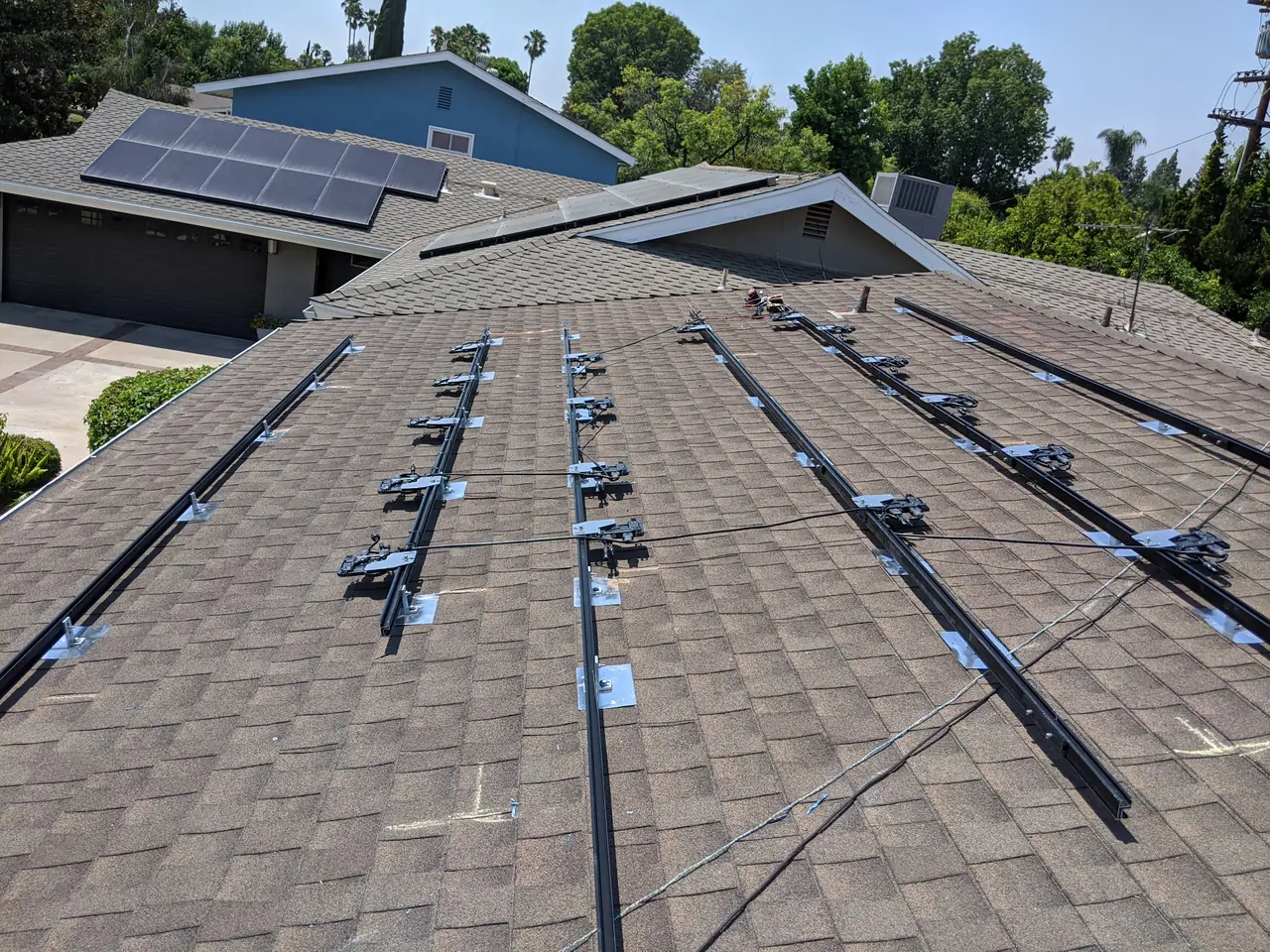
Approval and permission to operate are different events with different meanings. Approval says the installation has passed review and the paperwork is in order. Permission to operate says the utility has completed its own final steps — including the meter — and the system may legally export. The gap between them is queue time and nothing else, and on this Glassell Park project it was forty-four days. Cali Energy took this 6.27 kW array in Glassell Park, Los Angeles from quote to approval in forty.

At a glance
- System
- 6.27 kW AC-CEC
- Quote to approval
- Forty days
- Approval to permission to operate
- Forty-four days
- Utility milestones
- Four recorded on one day
- Running alongside
- A month-long conversation about the meter position
- Utility / AHJ
- LADWP / LADBS
The story
The quote went out on the sixteenth of January. The interconnection request was filed on the twenty-fourth with the payment the same day. On the third of February the utility recorded four separate progress milestones — acknowledgement, confirmation, the next step and a completed site evaluation — all on one date. The building department's release came on the twelfth. Service requirement approval and the installation approval both landed on the twenty-fifth of February.
Forty days from a quote to an approved installation. On a residential project that is fast, and every step of it has a date against it.
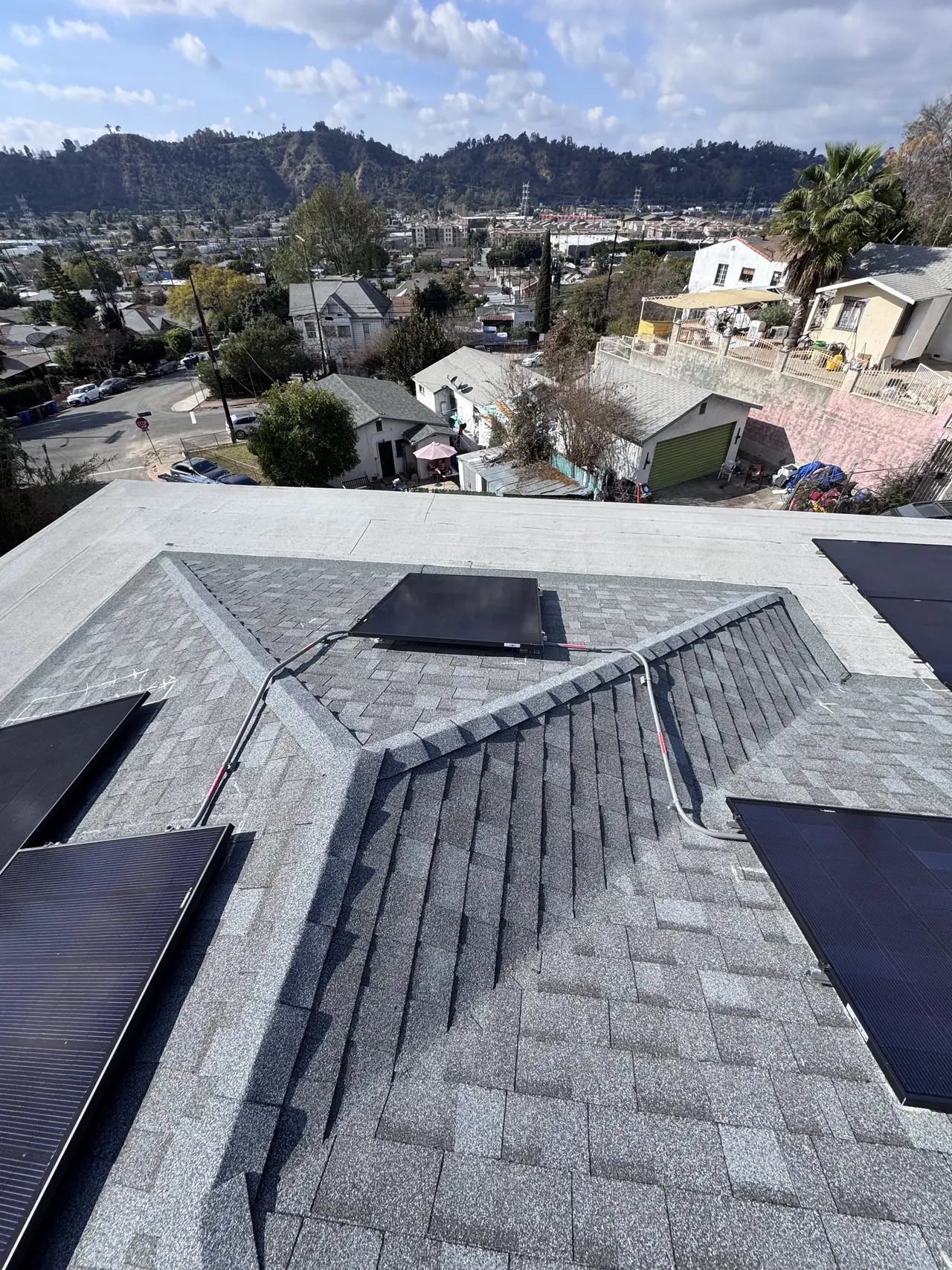
Then nothing, for six and a half weeks. Permission to operate came on the tenth of April.
Homeowners reasonably read approval as finished, but the two words mean different things. Approval means the installation has passed review and the file is in order. Permission to operate means the utility has completed its own last steps, including anything it needs to do at the meter, and the system may legally run and export. Between them sits a queue that nobody on the project controls.
There is no trick for shortening it. What there is, is the difference between knowing it exists and not knowing. A homeowner told in February that the project is approved and then hearing nothing until April has every reason to think something has gone wrong. Nothing had.
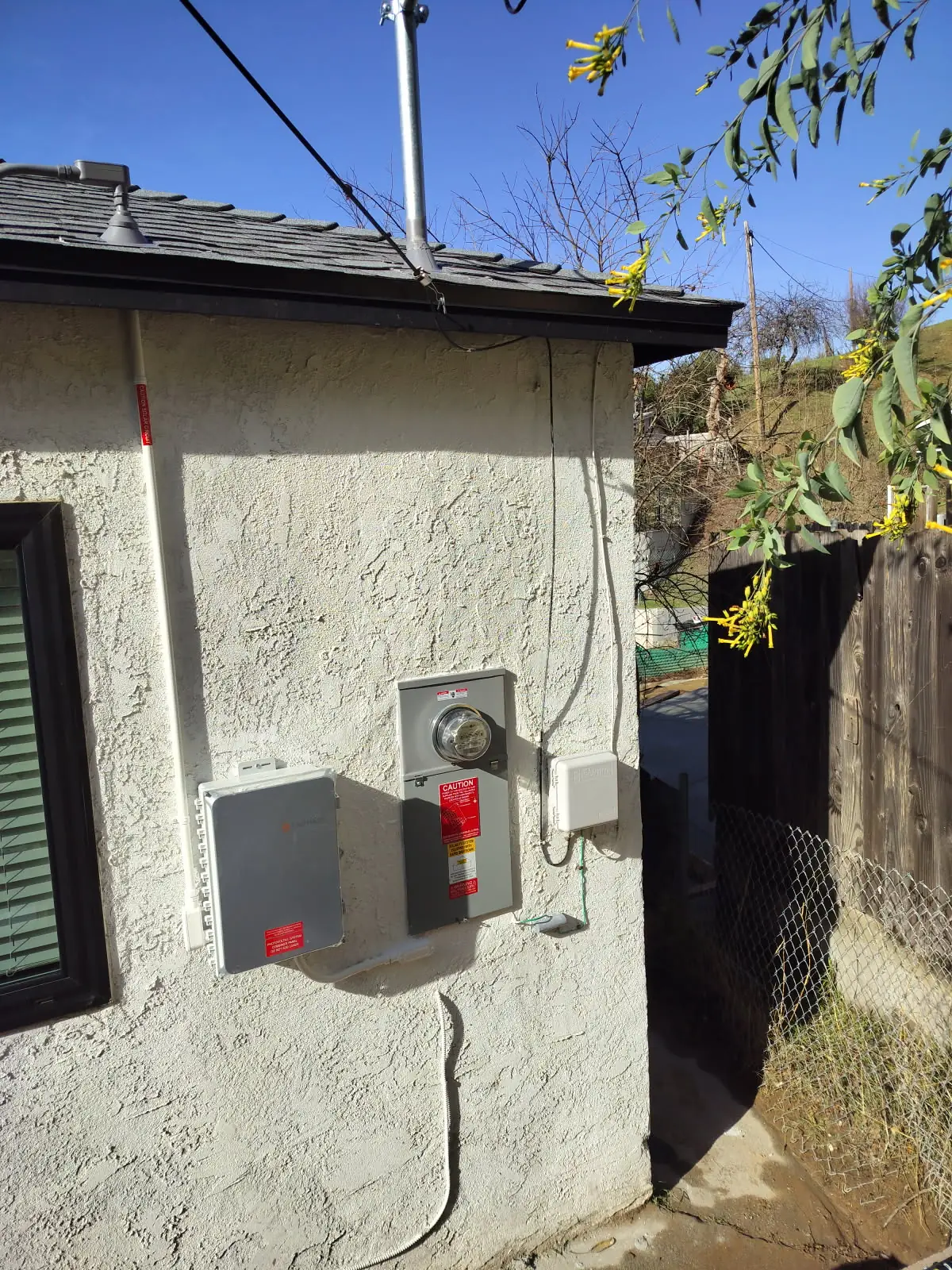
Running alongside all of this, from the third of February to the third of March, was a separate conversation about where the meter would sit. That is not paperwork. On a hillside street in northeast Los Angeles, the question of where service equipment can physically go — reachable from the street, clear working space in front of it, on a wall that exists and is not retaining a slope — is a real constraint, and it is settled with the utility before anything is set.
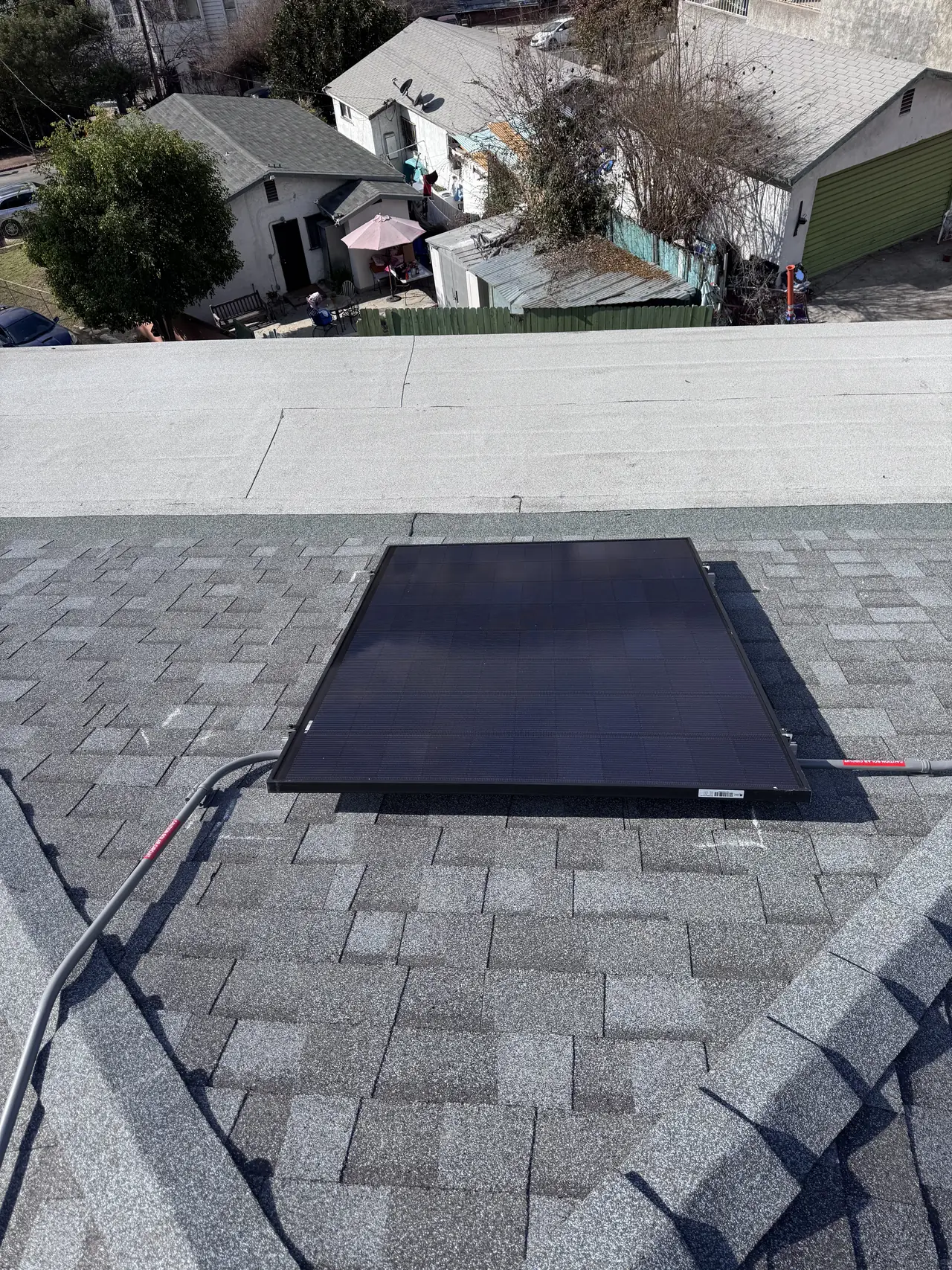
Two things to take from this project. If your installer tells you the system is approved, ask what remains between approval and permission to operate, and whether anything is still outstanding on the utility's side. And on a sloped lot, ask where the meter is going before the design is finished, not after — it is one of the few parts of a solar project that cannot be moved once it is built.
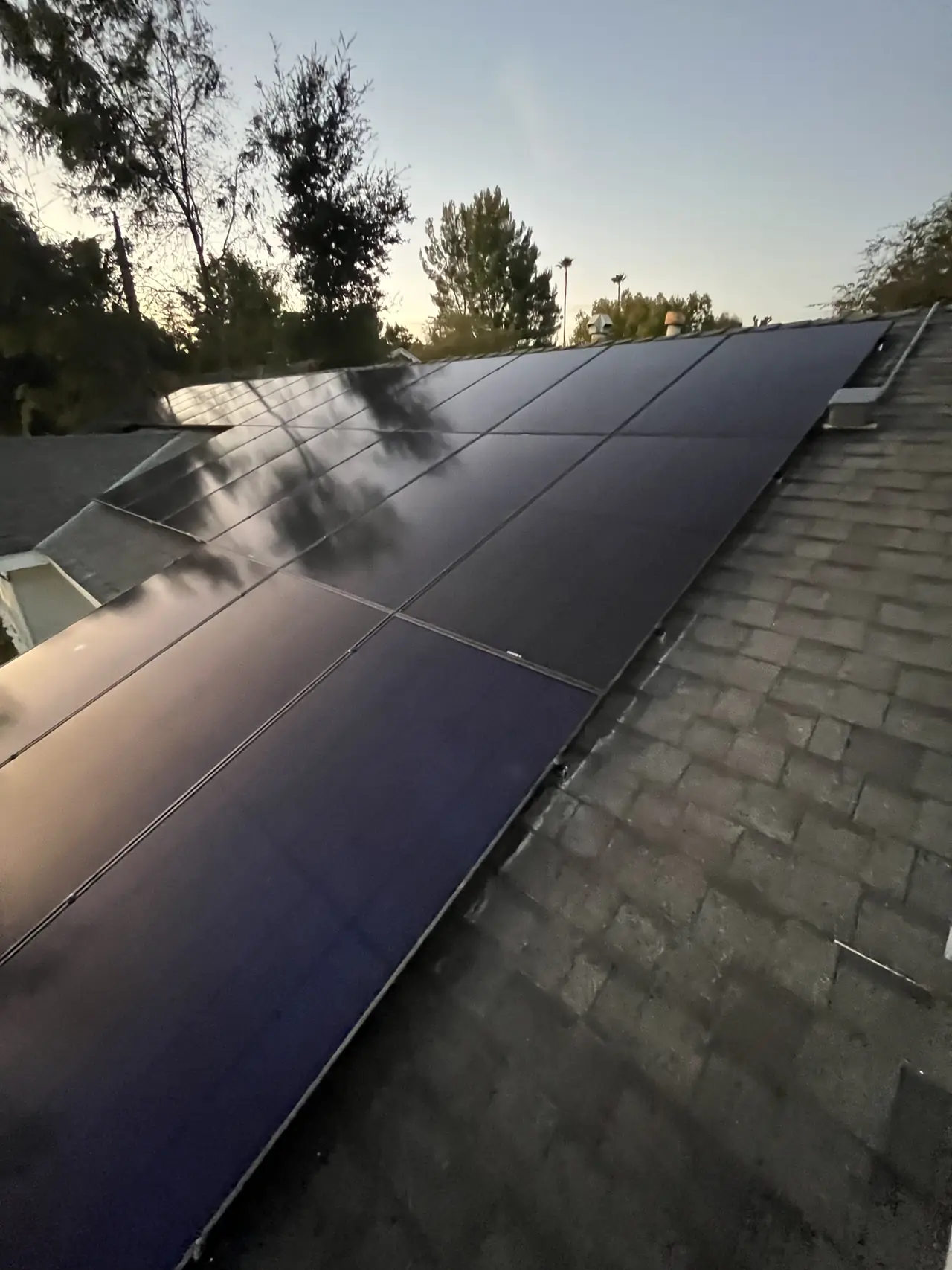
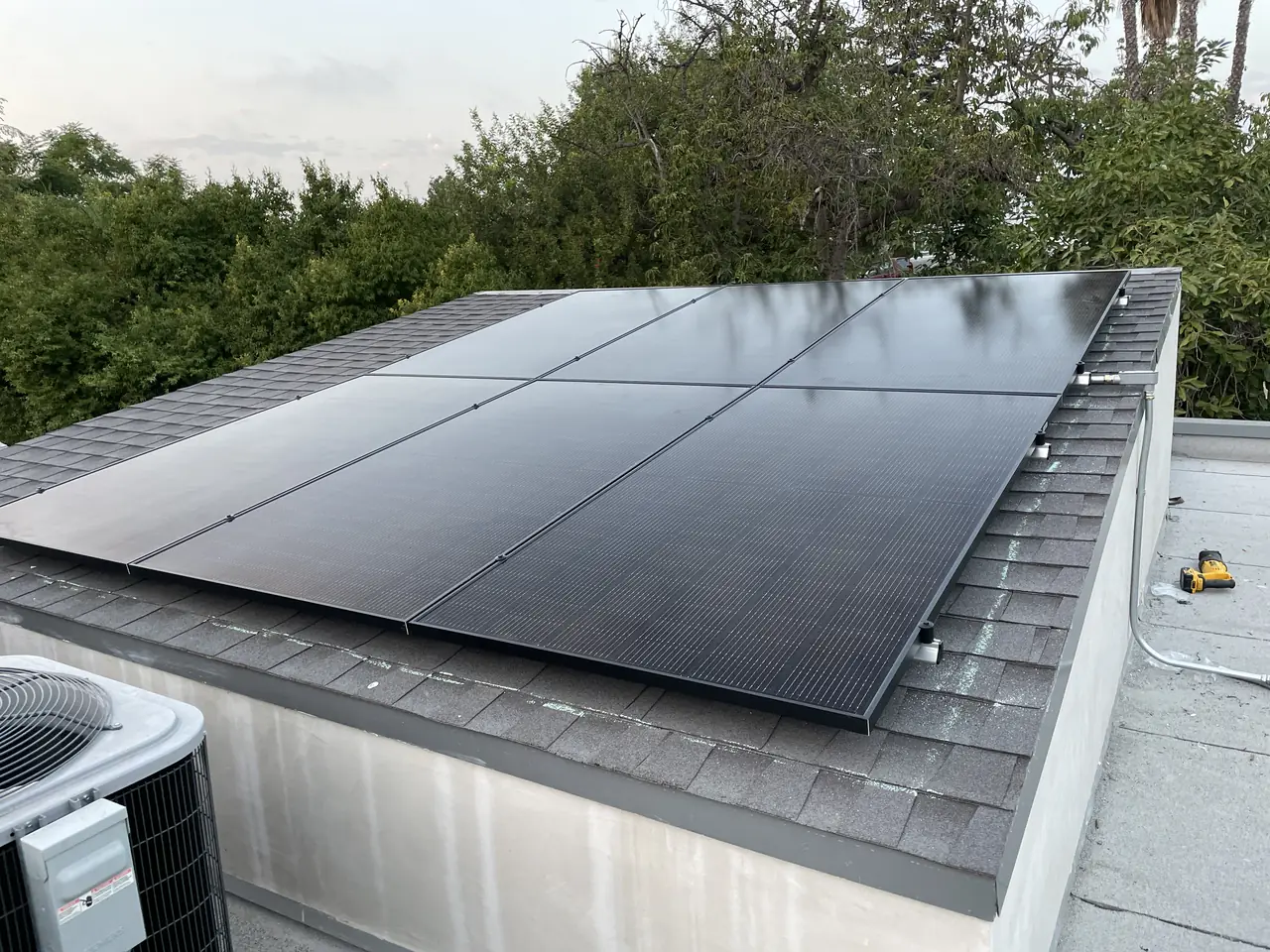
Cali Energy designed, permitted and interconnected this Glassell Park array in Los Angeles, including the meter position, and it has been producing since April.
How it ran
| 16 January 2025 | Quote issued |
|---|---|
| 24 January 2025 | Interconnection request filed; utility payment cleared |
| 3 February 2025 | Four utility milestones recorded on one day, through to a completed site evaluation |
| 3 February – 3 March 2025 | Meter position settled with the utility |
| 12 February 2025 | Building department release |
| 25 February 2025 | Service requirement approval; installation approved |
| 10 April 2025 | Permission to operate |
Forty days to an approved installation, forty-four more to permission to operate. The second number is queue, not work.
What we did
- Filed the interconnection request eight days after the quote.
- Settled the meter position with the utility while the review ran, not after it.
- Carried the building department release through in under two weeks.
- Told the owner what approval did and did not mean before the wait started.
System specifications
| System | 6.27 kW AC-CEC recorded by the utility |
|---|---|
| Array | Residential rooftop, hillside lot |
| Interconnection | Filed January, permission to operate April |
| Meter position | Agreed with the utility over four weeks |
| Building department release | Twelve days after filing |
| Gap after approval | Forty-four days |
| Utility / AHJ | LADWP / LADBS |
Is your project like this one?
- Your system is approved and still not switched on.
- You were told the project was finished weeks ago and nothing has happened since.
- Your lot is on a slope and nobody has said where the meter is going.
- You want to know which parts of the timeline anyone actually controls.
Cali Energy in Glassell Park
Glassell Park is a hillside neighborhood in northeast Los Angeles, permitted through LADBS and interconnected through LADWP. The streets climb, the lots are narrow, and where the meter can physically go is a real constraint rather than a formality.
This installation is on the Los Angeles projects page alongside the others, and what the work covers is set out on the Los Angeles service area page.
- License and classifications: CSLB #1032379
- Official reference for this process: LADWP — interconnection process, types 1, 2 and 3
- Official reference for this process: LADWP — Electric Service Requirements Manual
Frequently asked questions
What is the difference between approval and permission to operate?
Approval means the installation has passed review and the file is in order. Permission to operate means the utility has finished its own last steps, including anything at the meter, and the system may legally run and export. They are separate events and the gap between them is queue time. On this project it was forty-four days with nothing outstanding.
Can the wait for permission to operate be shortened?
Not meaningfully. It is a queue, and no part of it sits with the installer or the homeowner once the file is complete. What can be done is making sure nothing is outstanding before the wait starts — the release, the agreement and the meter arrangements — so that the delay is only queue and not something waiting on an answer.
Why does the meter position matter so much on a hillside lot?
Because service equipment has to be reachable from the street, needs clear and level working space in front of it, and has to sit on a wall that exists and is not retaining a slope. On a narrow hillside street that can rule out most of the house. It is agreed with the utility before anything is set, and it is one of the few parts of a solar project that cannot be moved afterwards.
Does Cali Energy install solar in Glassell Park, Los Angeles?
Yes. Glassell Park is one of the northeast Los Angeles neighborhoods we work in, permitted through LADBS and interconnected through LADWP. The hillside streets here make the meter position and the service run a real part of the design rather than a detail settled at the end.
What this would look like on your roof
Planning solar in Glassell Park? Tell us your utility, your roof and what your bill looks like now, and we will model what a system like this would do on your house before you commit to anything.
Or call +1 (323) 844-7777 · Cali Energy, Northridge · CSLB #1032379 (B, C-10, C-39) — design, permits, install and electrical under one licensed contractor.
Related


This timeline reflects this property and this permitting path. Updated September 2026.