

Brentwood, CA · July – December 2025 · LADWP / LADBS
Brentwood: three months of drawings, six weeks of process.
Everyone assumes the long part of a solar project is the city or the utility. On this one they took six weeks; the careful part was the design.
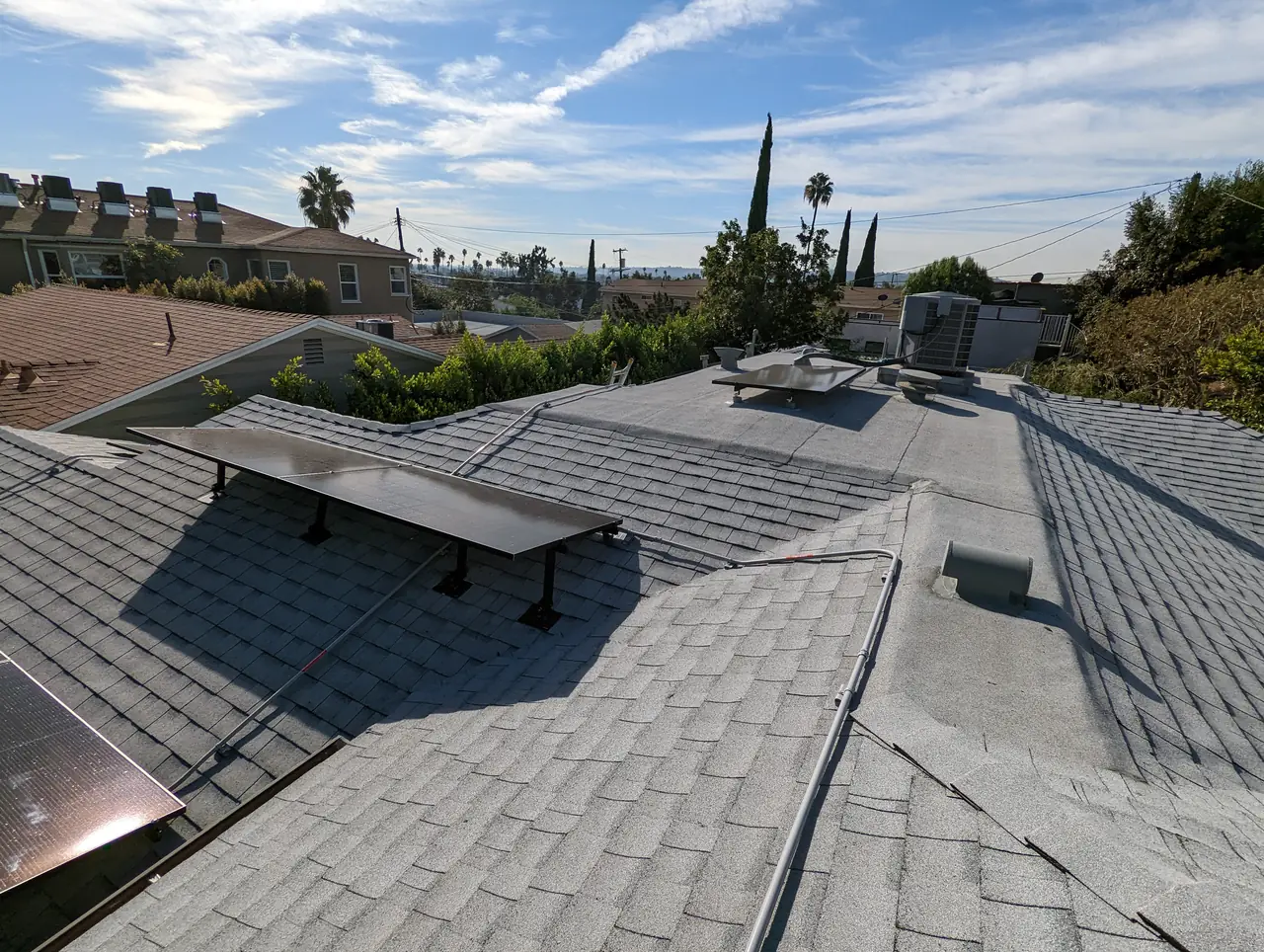
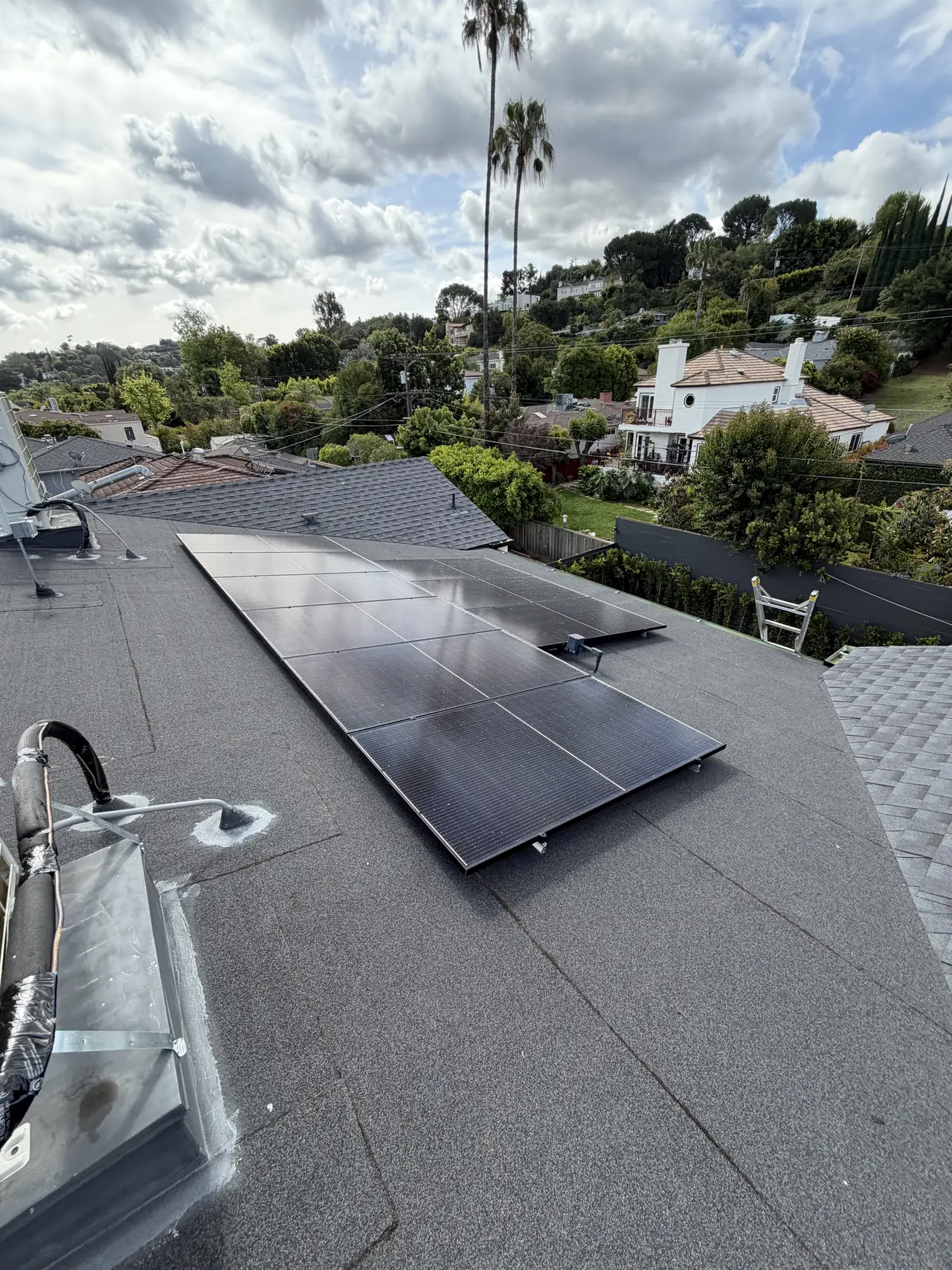
On a residential solar project the visible delays — plan check, interconnection, the wait for permission to operate — are usually the shorter half. The longer half is design: working out what goes on the roof, how it connects, what it costs, and getting a decision. On this Brentwood project the design and estimate phase ran from late July to the middle of October, and everything the city and the utility did fitted into the six weeks that followed. Cali Energy designed, permitted and interconnected this 7.99 kW array in Brentwood, Los Angeles.

At a glance
- System
- 7.99 kW AC-CEC
- Design and estimate
- Late July to mid-October
- Utility and building department
- Six weeks
- Utility process
- Acknowledgement to site evaluation in one day
- Storage
- None
- Utility / AHJ
- LADWP / LADBS
The story
The request for an estimate arrived on the twenty-third of July. Permission to operate came on the seventh of December. Between those two dates is four and a half months, and almost everyone reading a timeline like that assumes the same thing: the city took forever, or the utility did.
Neither is true here, and the breakdown says where the months went.
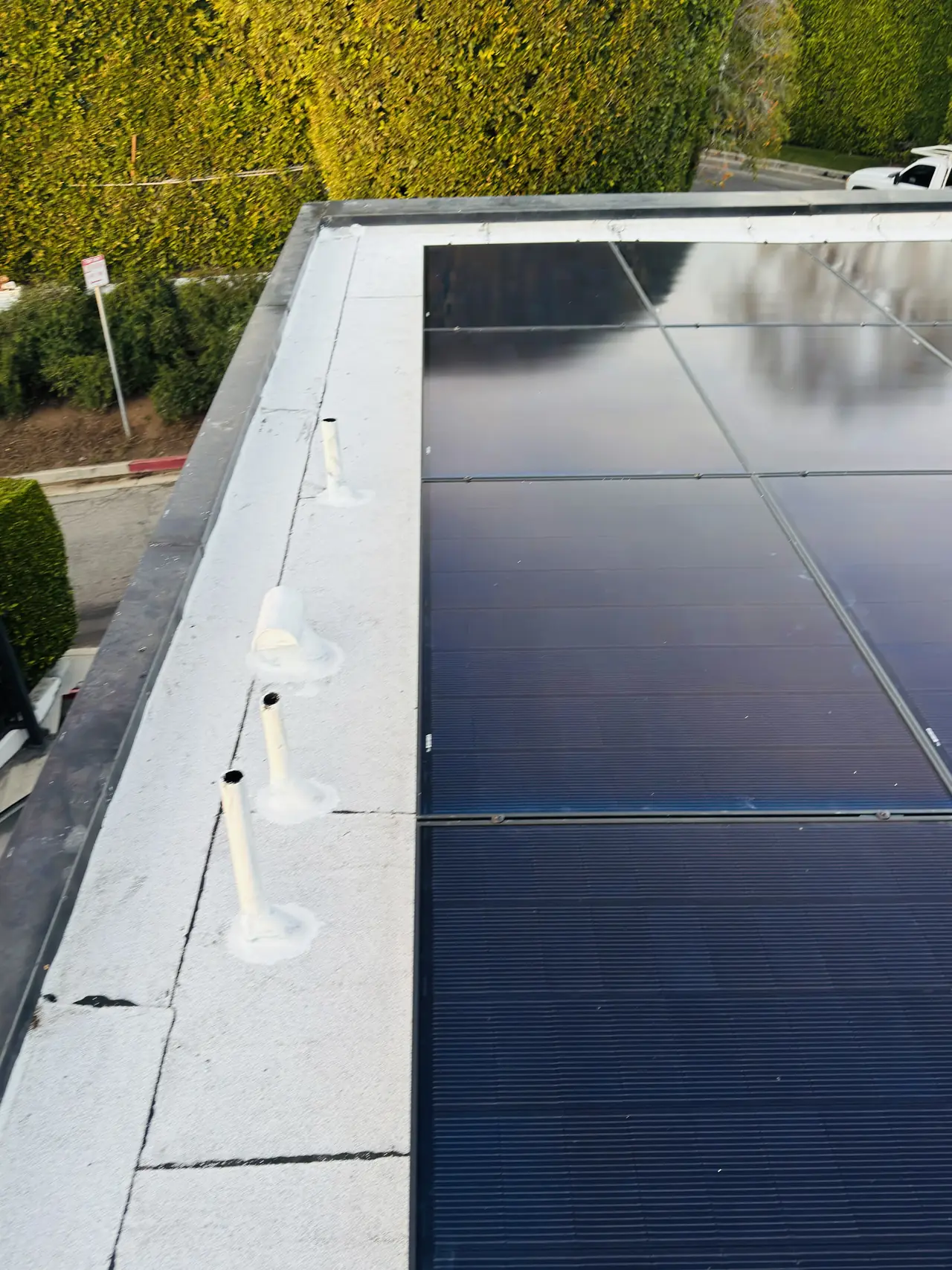
The estimate conversation ran from the end of July until the middle of December. The plan set was worked through from the middle of August to the middle of October, and the drafting team finished its part through October.
What the city and the utility did, in full: the interconnection request was acknowledged, confirmed and closed out with a completed site evaluation — all recorded on the twenty-sixth of October. The building department's release and the installation approval both landed on the twentieth of November. Permission to operate followed on the seventh of December.
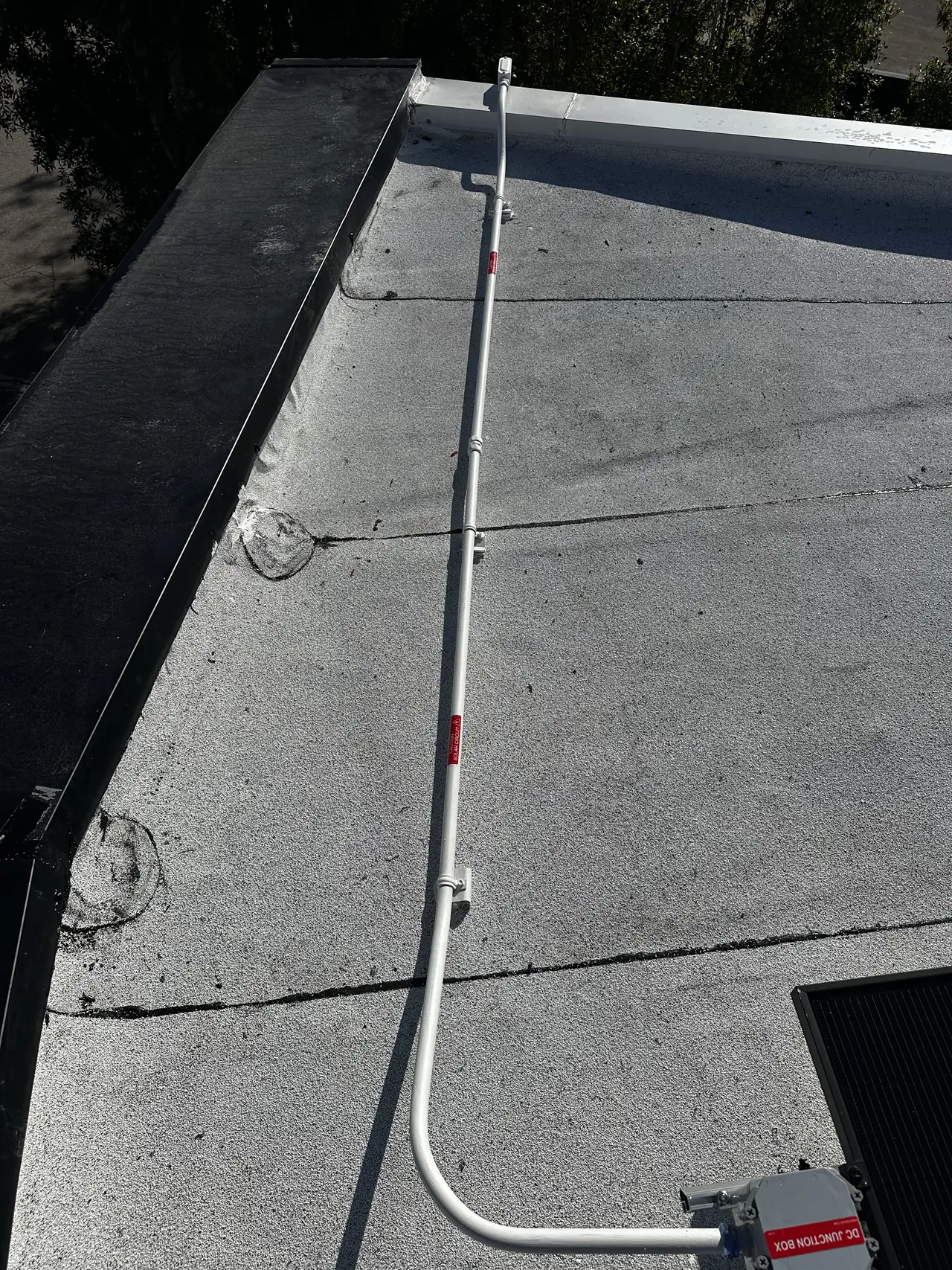
Six weeks, from the utility first acknowledging the request to the system being allowed to run. Against roughly twelve weeks of deciding what to build.
That ratio is not unusual and it is almost never what people expect. It is worth understanding why the design phase runs long on a house like this one. Brentwood lots are large, frequently sloped, and the houses have usually been altered more than once. A roof that looks like one plane from the street turns out to have three, with a later addition at a different pitch. The service has often been moved. Trees that were not there when the house was built are there now. None of that is difficult; all of it takes a site visit, a layout, a revision, and somebody deciding.
The other reason is simpler and less technical. An estimate conversation that runs for months is usually not a firm being slow. It is a homeowner weighing options — size, equipment, whether to include storage, whether to do the roof first. Those are real decisions and they deserve the time they take. But they are the homeowner's calendar, not the city's, and confusing the two leads to blaming the wrong party for a project that took longer than expected.
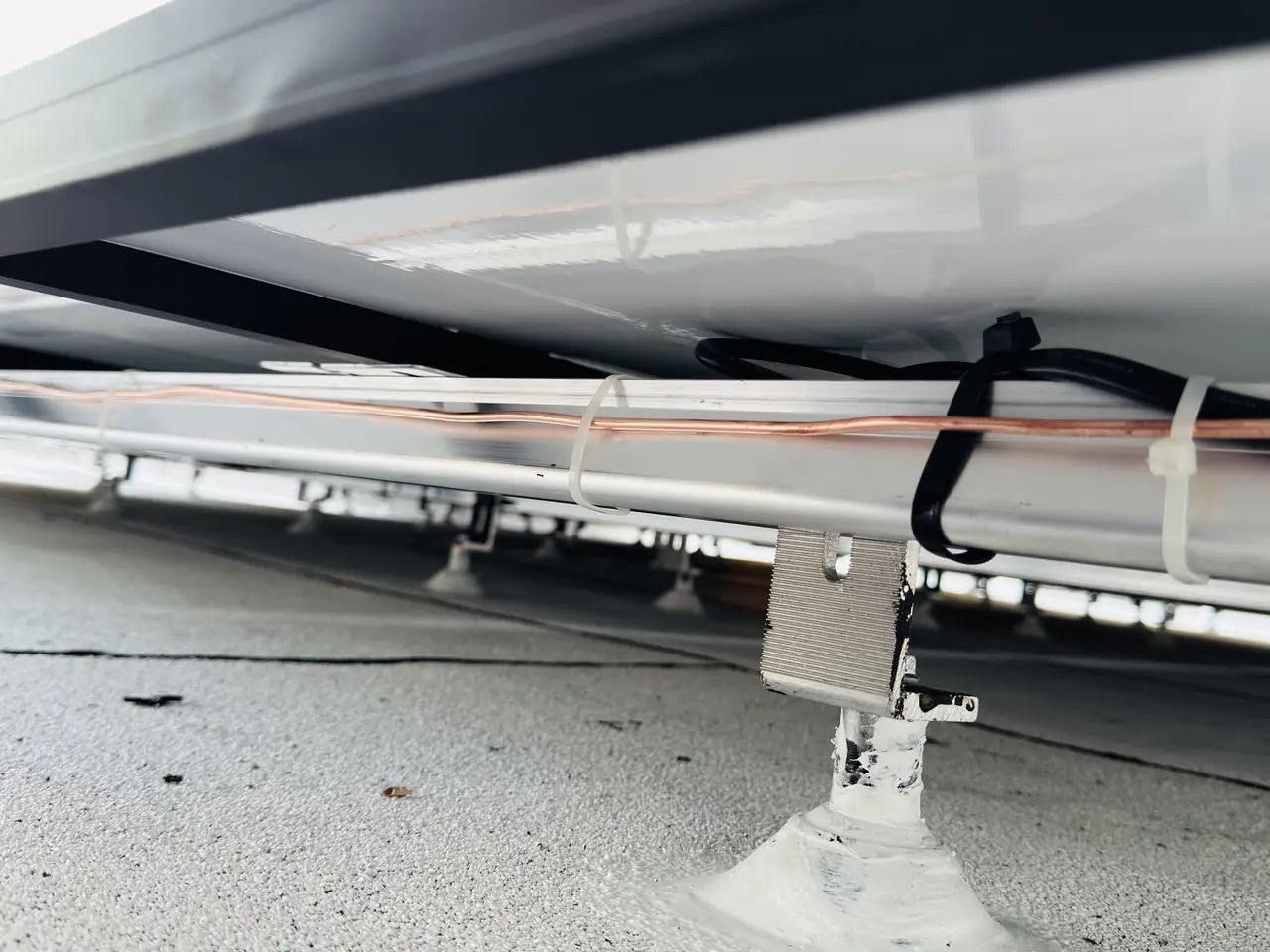
The practical version, if you are about to start. Ask your installer for two dates, not one: the date the design is locked, and the expected date for permission to operate. The second number is a queue estimate and nobody controls it precisely. The first one you control entirely. On this project the second number was six weeks from the first.
Cali Energy designed, permitted and interconnected this Brentwood array in Los Angeles, and the owner has been running it since December.
How it ran
| 23 July 2025 | Estimate requested |
|---|---|
| 11 August 2025 | Plan set work opens as its own thread |
| 1 October 2025 | Drafting team engaged on the final set |
| 15 October 2025 | Plan set settled |
| 26 October 2025 | Interconnection acknowledged, confirmed and site evaluation recorded complete |
| 20 November 2025 | Building department release; installation approved |
| 7 December 2025 | Permission to operate |
Four and a half months end to end. Six weeks of it belonged to the utility and the building department.
What we did
- Carried the estimate and the plan set as separate tracks so neither blocked the other.
- Brought the drafting team in once the layout was settled rather than before.
- Filed the interconnection request the week the set was final.
- Closed the utility and building department side inside six weeks.
System specifications
| System | 7.99 kW AC-CEC recorded by the utility |
|---|---|
| Array | Residential rooftop, low-slope |
| Storage | None on this project |
| Design phase | Roughly twelve weeks |
| Permit and interconnection | Roughly six weeks |
| Utility milestones | Acknowledgement, confirmation and site evaluation on one day |
| Utility / AHJ | LADWP / LADBS |
Is your project like this one?
- Your solar project has taken months and you are not sure where the time went.
- You have been told the delay is the city and you want to check that.
- You are still deciding on system size and wondering what that costs in calendar.
- Your roof is more complicated than it looks from the street.
Cali Energy in Brentwood
Brentwood is inside City of Los Angeles boundaries, permitted through LADBS and interconnected through LADWP. The lots here are large and often sloped, the houses are frequently altered, and the design phase on a Brentwood project is routinely longer than the permit and the interconnection put together.
This installation is on the Los Angeles projects page alongside the others, and what the work covers is set out on the Los Angeles service area page.
- License and classifications: CSLB #1032379
- Official reference for this process: LADWP — interconnection requirements
- Official reference for this process: California Energy Commission — equipment lists and AC ratings
Frequently asked questions
What actually takes the longest on a residential solar project?
Usually the design and estimate phase, not the permit or the interconnection. On this Brentwood project the design ran about twelve weeks and everything the city and the utility did fitted into six. The visible steps have queues attached and feel slow; the invisible one is where the months go, and most of it is decisions rather than work.
Why does design take longer on a house like this?
Because larger and older houses have usually been altered. A roof that reads as one plane from the street often has three, an addition sits at a different pitch, the service has been moved at some point and mature trees now shade part of the array area. None of it is hard, but each one needs a site visit, a layout and a revision.
What two dates should I ask my installer for?
The date the design is locked and the expected date for permission to operate. The second is a queue estimate that nobody controls precisely. The first one you control entirely, and it is the one that usually moves. Knowing both separates your own decisions from the agencies' calendars.
Does Cali Energy install solar in Brentwood, Los Angeles?
Yes. Brentwood is one of the Los Angeles neighborhoods we work in, permitted through LADBS and interconnected through LADWP. What tends to define a project here is the design phase rather than the installation — large altered houses on sloped lots, where working out the layout takes longer than building it.
What this would look like on your roof
Planning solar in Brentwood? Tell us your utility, your roof and what your bill looks like now, and we will model what a system like this would do on your house before you commit to anything.
Or call +1 (323) 844-7777 · Cali Energy, Northridge · CSLB #1032379 (B, C-10, C-39) — design, permits, install and electrical under one licensed contractor.
Related

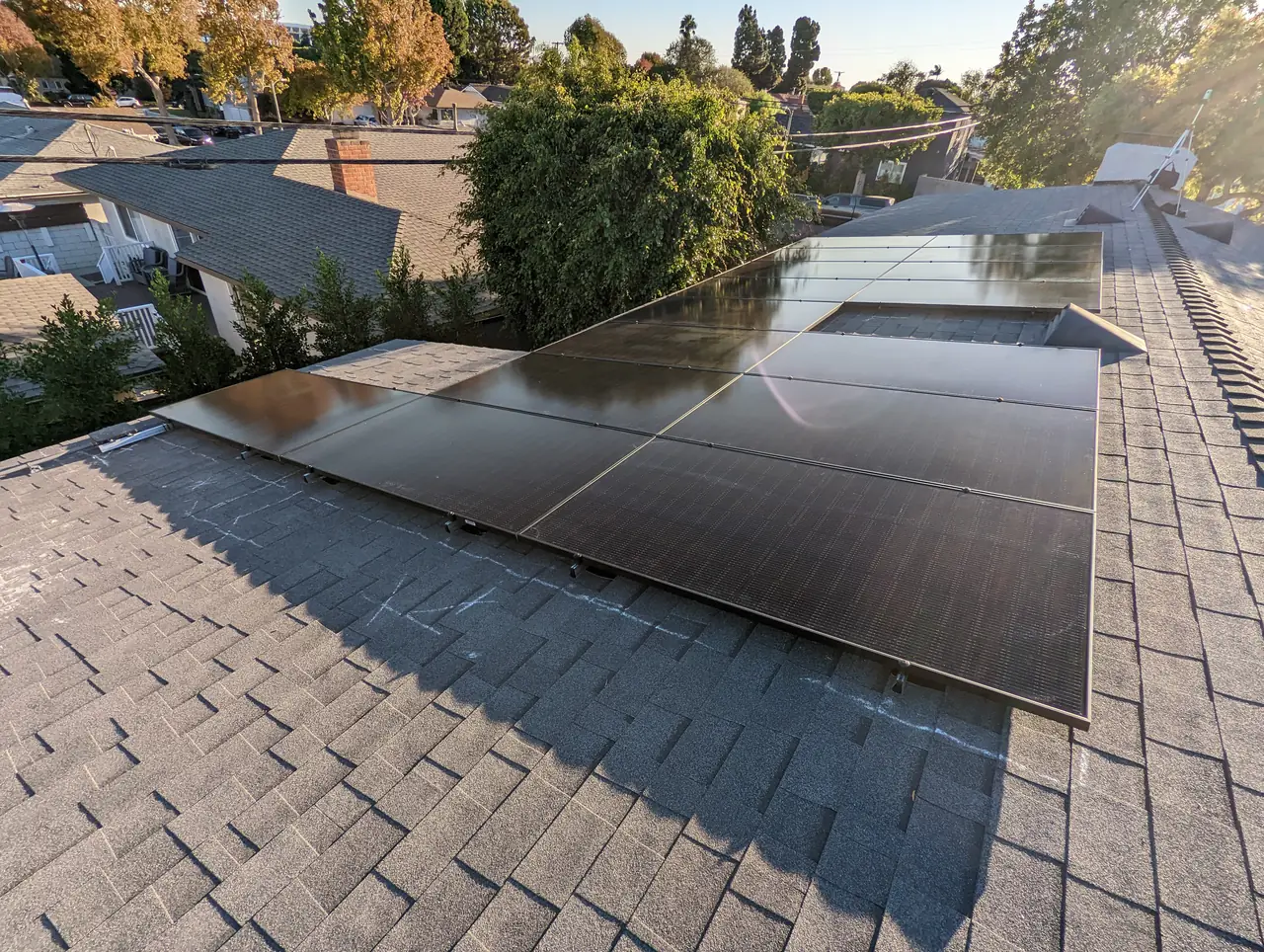
This timeline reflects this property and this permitting path. Updated September 2026.