

West Adams, CA · October – November 2023 · LADWP / LADBS
West Adams: the second unit was on the main house meter.
The interconnection belongs under the address that holds the service. Here the service sat under the main house, and that is where the request went.
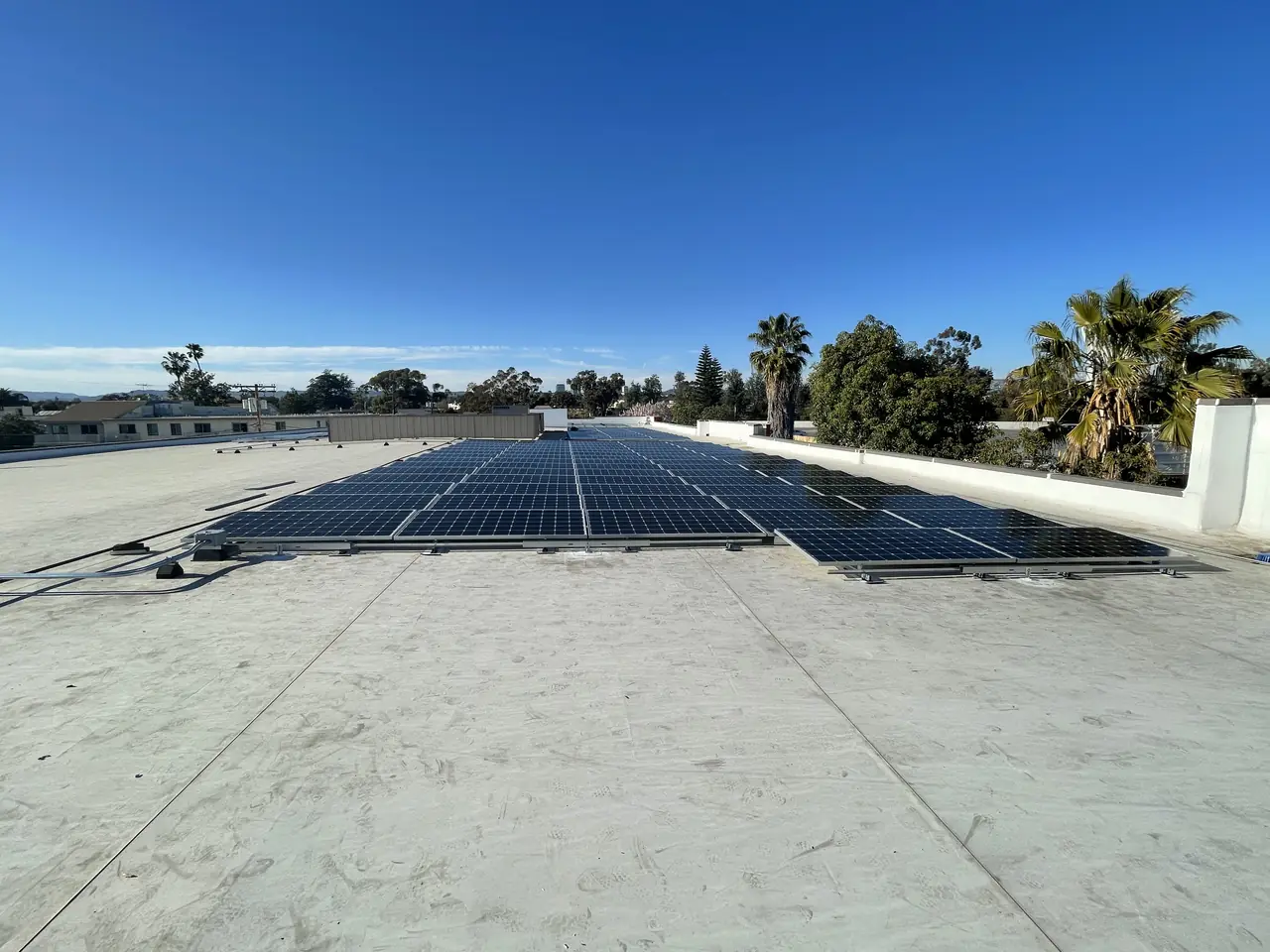
A utility interconnects solar to an electric service, not to a building. Where one meter serves both a house and the accessory dwelling behind it, the utility sees a single premise, and the address that holds the meter is the address every later filing belongs under. On this 1.95 kW West Adams project one meter served both the house and the new unit, so the interconnection went under the main house address, and Cali Energy took it from permission to install on 27 November 2023 through to permission to operate.
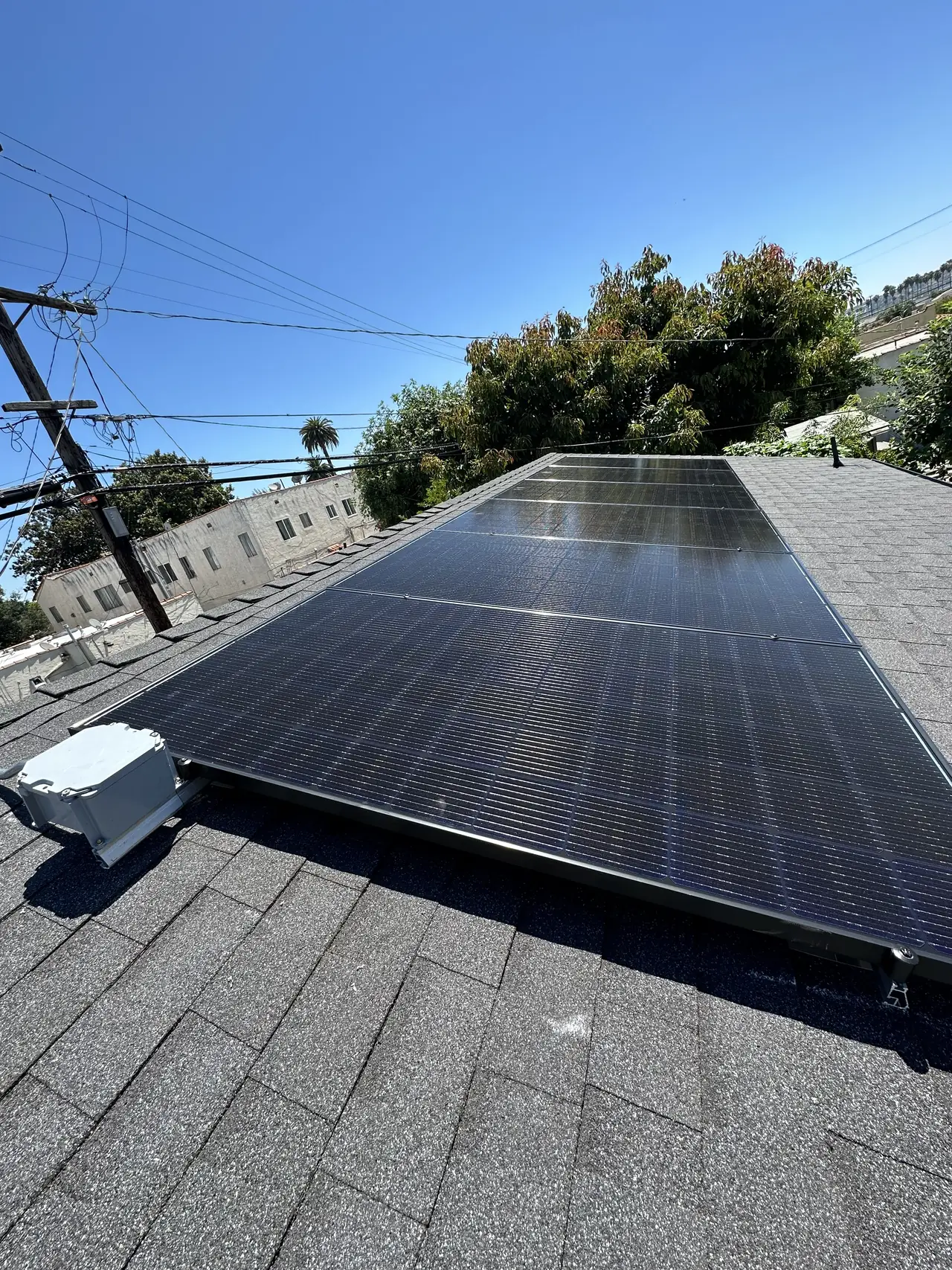
At a glance
- System
- 1.95 kW AC-CEC
- Property
- New accessory dwelling behind an existing house
- Metering
- One meter serving both structures
- Under the main house address
- Permission to install
- Utility / AHJ
- LADWP / LADBS
The story
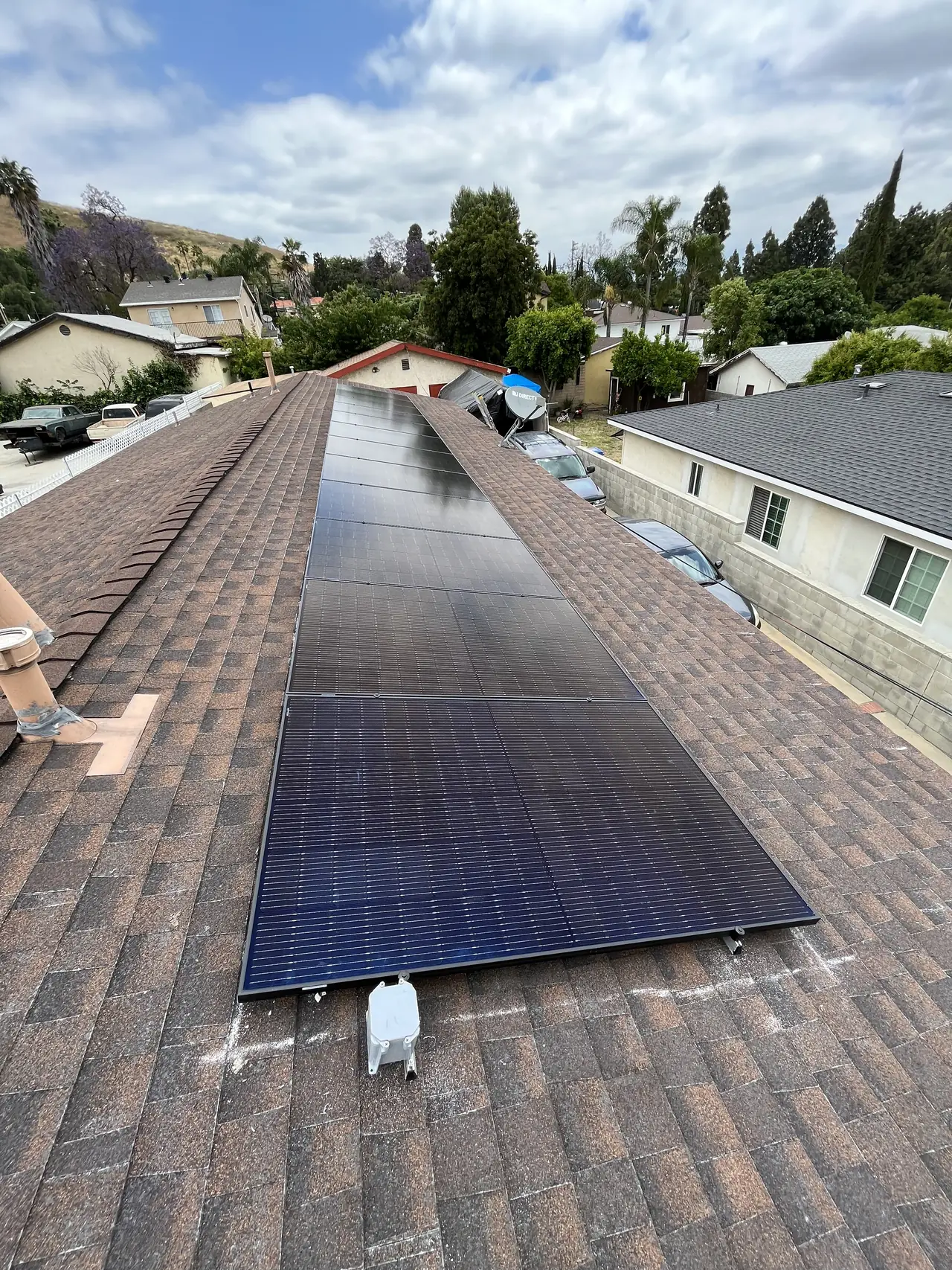
Just under two kilowatts on a new accessory dwelling behind an existing house. A small, tidy system, and the only complicated thing about it was which address it belonged to.
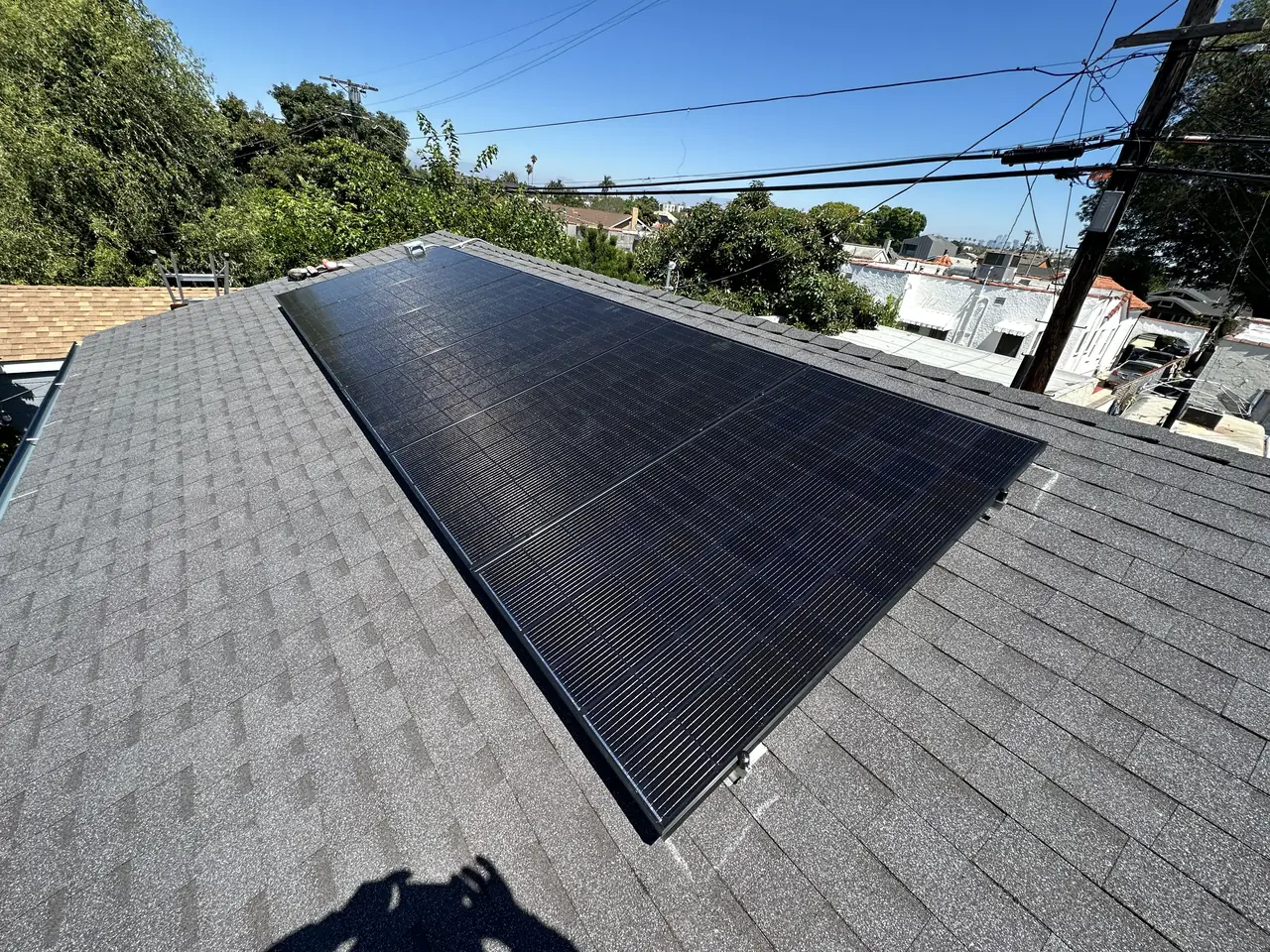
The new unit did have service — a meter, a riser and an inspection behind it — all of it filed under the main house.
The metering paperwork showed why. Months earlier, at the meter spot stage, the utility service representative had directed that the form be filled out as the main house adding the accessory dwelling, with one meter for both units. That is a normal arrangement and often the one the owner wants. It also decides something nobody thinks about at the time.
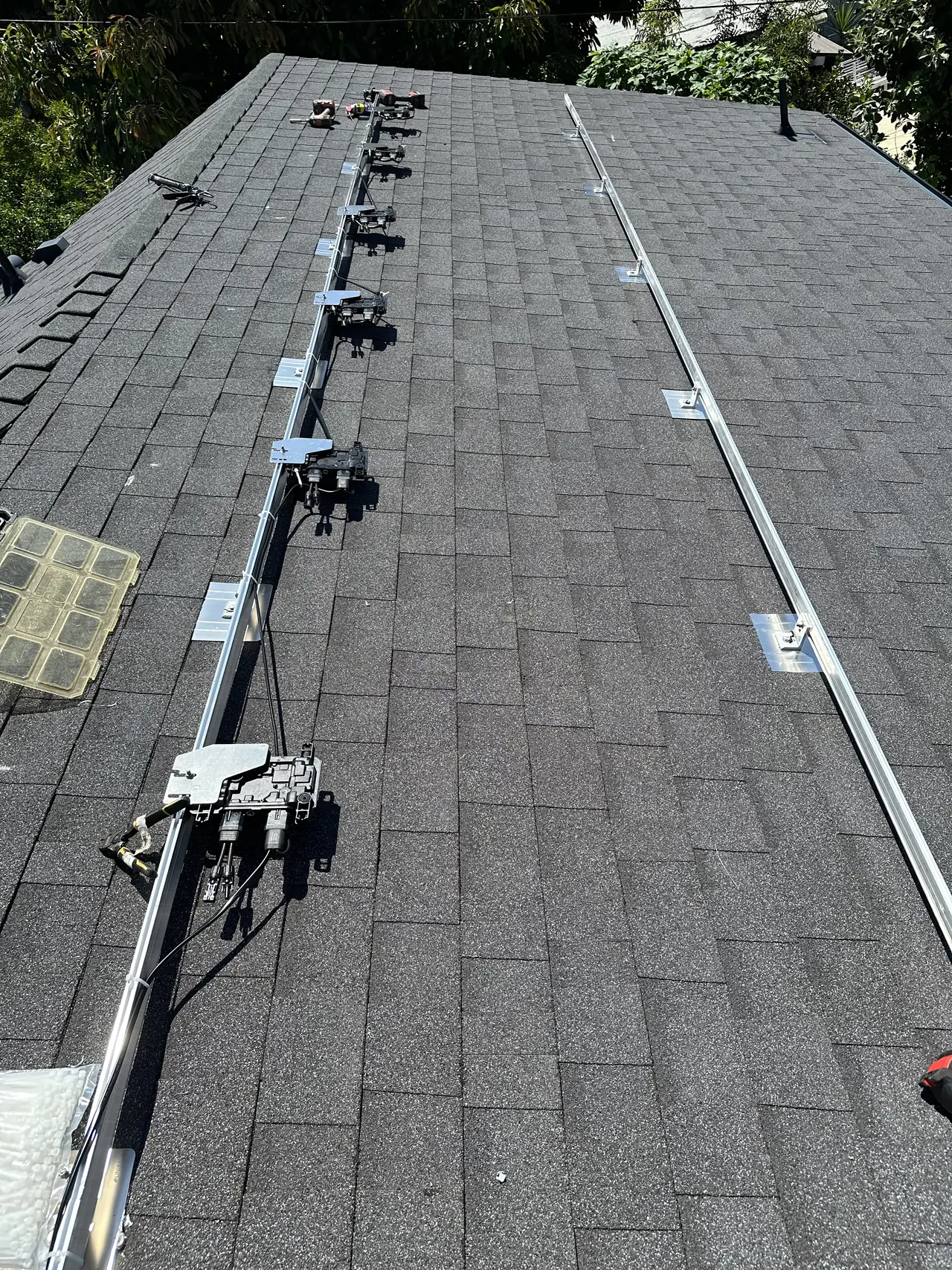
One meter means one premise. Two buildings on the lot, one service, one account, one address of record — the house. The second unit is a structure the utility knows about, not a premise it can interconnect anything to, because interconnection attaches a generating system to a service and the service is not filed under that door number.
So the solar request belonged under the house's address at the top of the form, not the new unit's.
Filed under the address that held the meter, the request moved: received and under review, then confirmed with the details checked, then the site evaluation completed and permission to install granted — all three on the same day, the twenty-seventh of November.
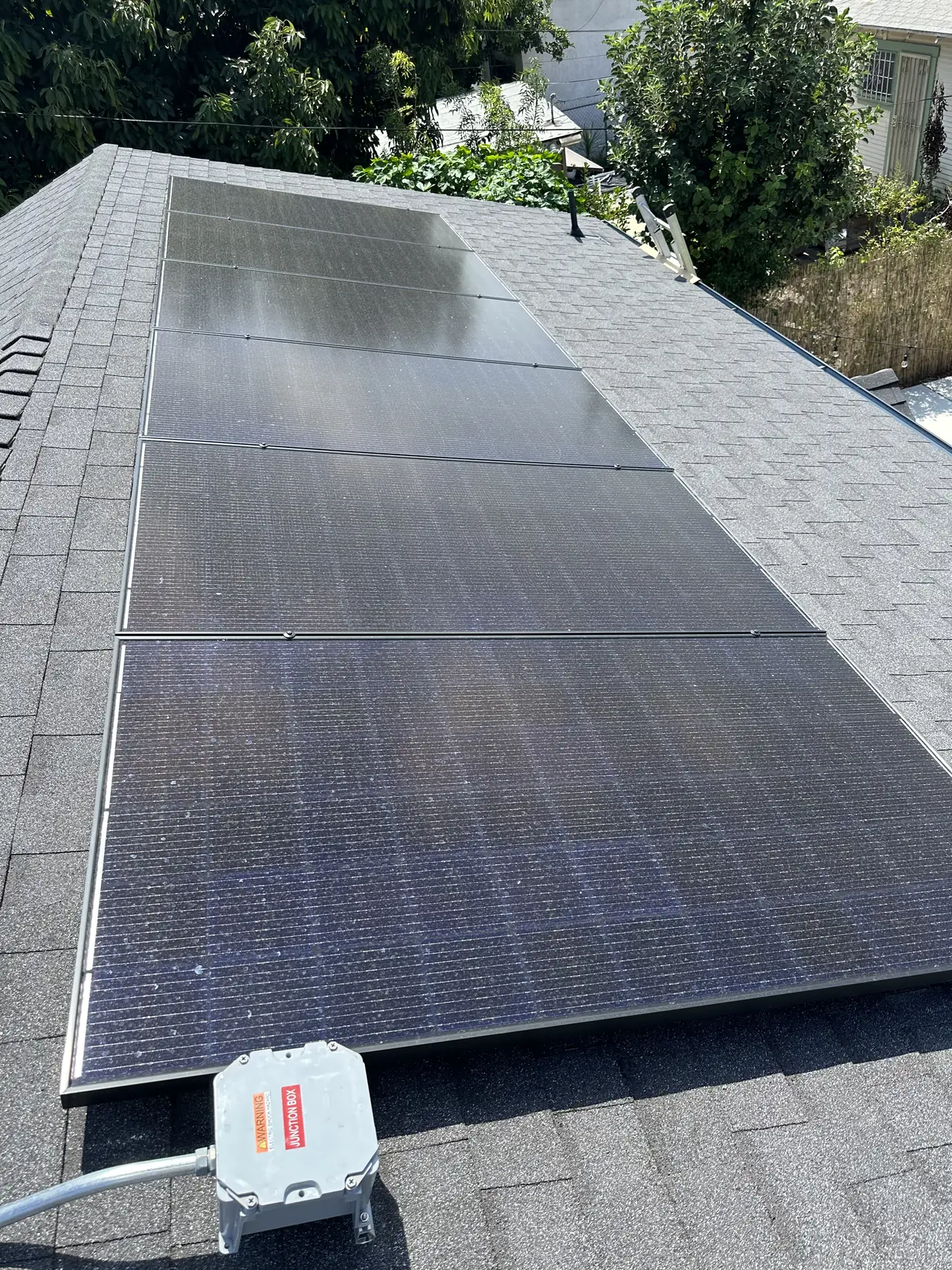
What this is worth to anybody building a second unit with solar in the plan: get the meter spot sheet in your hands and read which address is on it, before anything is filed. If one meter serves both structures, the solar application is a main house application and can go as soon as the service is in. If the new unit is getting its own meter, it is its own premise, and it needs its own service before solar can be applied for at all. Those two paths look identical on the drawings and are weeks apart on the calendar.
And ask the question at design stage rather than the month the array is supposed to go up. One meter or two is settled long before solar, by people who are not thinking about solar when they settle it.
Cali Energy took this West Adams request under the main house address, where the service is, from permission to install through to permission to operate, and the new unit has run on its array since.
How it ran
| 16 November 2023 | Metering paperwork confirms one meter serving both structures, filed under the main house |
|---|---|
| 27 November 2023 | Under the main house address: request reviewed, site evaluation complete, permission to install granted |
Permission to install, then to operate, once the request sat under the address that held the meter.
What we did
- Went through the metering paperwork to establish which address held the service.
- Established that one meter served both structures, so the service was under the main house address.
- Carried the request to permission to install on 27 November 2023 and on to permission to operate.
System specifications
| System | 1.95 kW AC-CEC |
|---|---|
| Property | New accessory dwelling on a lot with an existing house |
| Metering | One meter serving both structures |
| Premise of record | The main house address |
| Utility / AHJ | LADWP / LADBS |
Is your project like this one?
- You are building an accessory dwelling and want solar on it.
- Your interconnection application was closed rather than answered.
- Nobody has told you whether the new unit gets its own meter.
- You have a meter spot sheet and are not sure which address it covers.
Cali Energy in West Adams
West Adams is City of Los Angeles south of the 10, permitted through LADBS and interconnected through LADWP. Deep lots, and a steady stream of accessory dwellings going up behind the main houses.
This installation is on the Los Angeles projects page alongside the others, and what the work covers is set out on the Los Angeles service area page.
- License and classifications: CSLB #1032379
- Official reference for this process: LADWP — interconnection requirements
- Official reference for this process: LADBS — plan review and permitting
Frequently asked questions
Does an ADU need its own electric meter for solar?
Not necessarily. Many accessory dwellings share one meter with the main house, and that is decided at the meter spot stage rather than when solar is designed. Where a single meter serves both structures the utility sees one premise, and the solar interconnection is filed under the main house address.
Which address does the solar application go under?
The one that holds the electric service. Where a single meter serves the house and the accessory dwelling, that is the house, whatever the new unit is called on the building permit. The meter spot sheet names the address, which is why it is worth reading before anything is filed.
Does filing the interconnection early save time?
No. Submitting ahead of the proper steps does not create a head start. The time is won by settling the metering question early, because one meter and two meters are different sequences with different lengths.
Does Cali Energy install solar on accessory dwellings in West Adams, Los Angeles?
Yes. West Adams has deep lots and a steady stream of second units going up behind the main houses, permitted through LADBS and interconnected through LADWP. The first thing settled on these projects is how the unit is metered, because that decides which address every filing afterwards belongs under.
What this would look like on your roof
Planning solar in West Adams? Tell us your utility, your roof and what your bill looks like now, and we will model what a system like this would do on your house before you commit to anything.
Or call +1 (323) 844-7777 · Cali Energy, Northridge · CSLB #1032379 (B, C-10, C-39) — design, permits, install and electrical under one licensed contractor.
Related
This timeline reflects this property and this permitting path. Updated September 2026.