

Valley Village, CA · June 2020 – June 2022 · LADWP / LADBS
The array was fine. The network it reported over was gone.
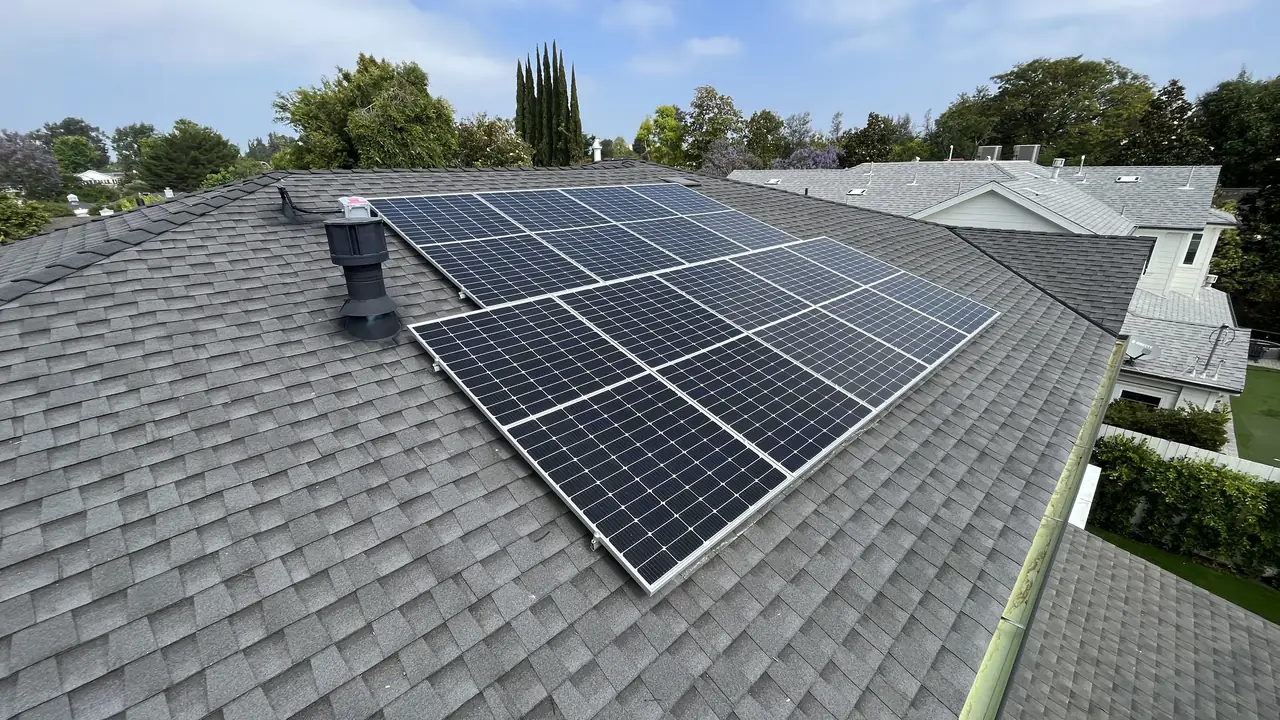
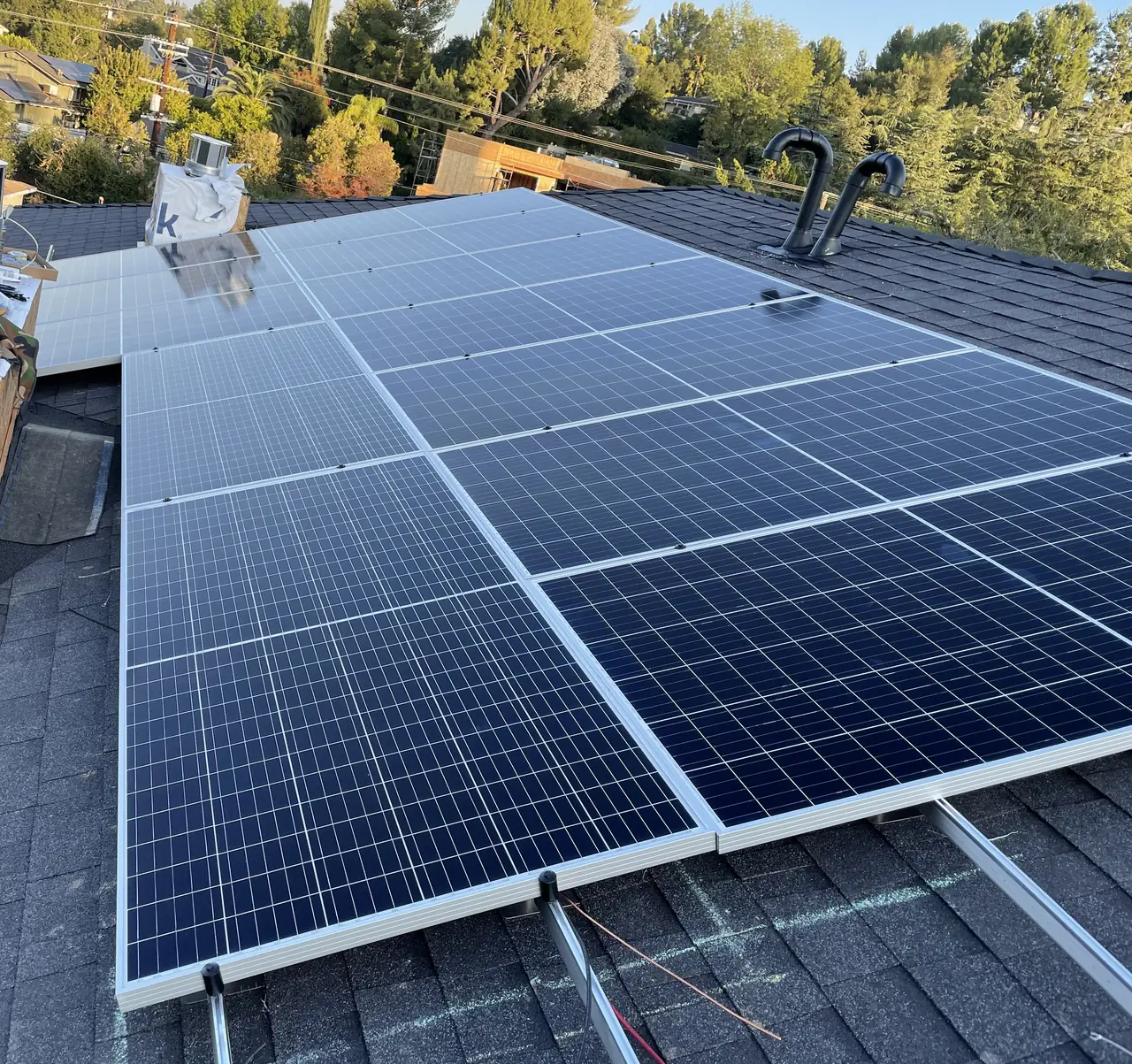
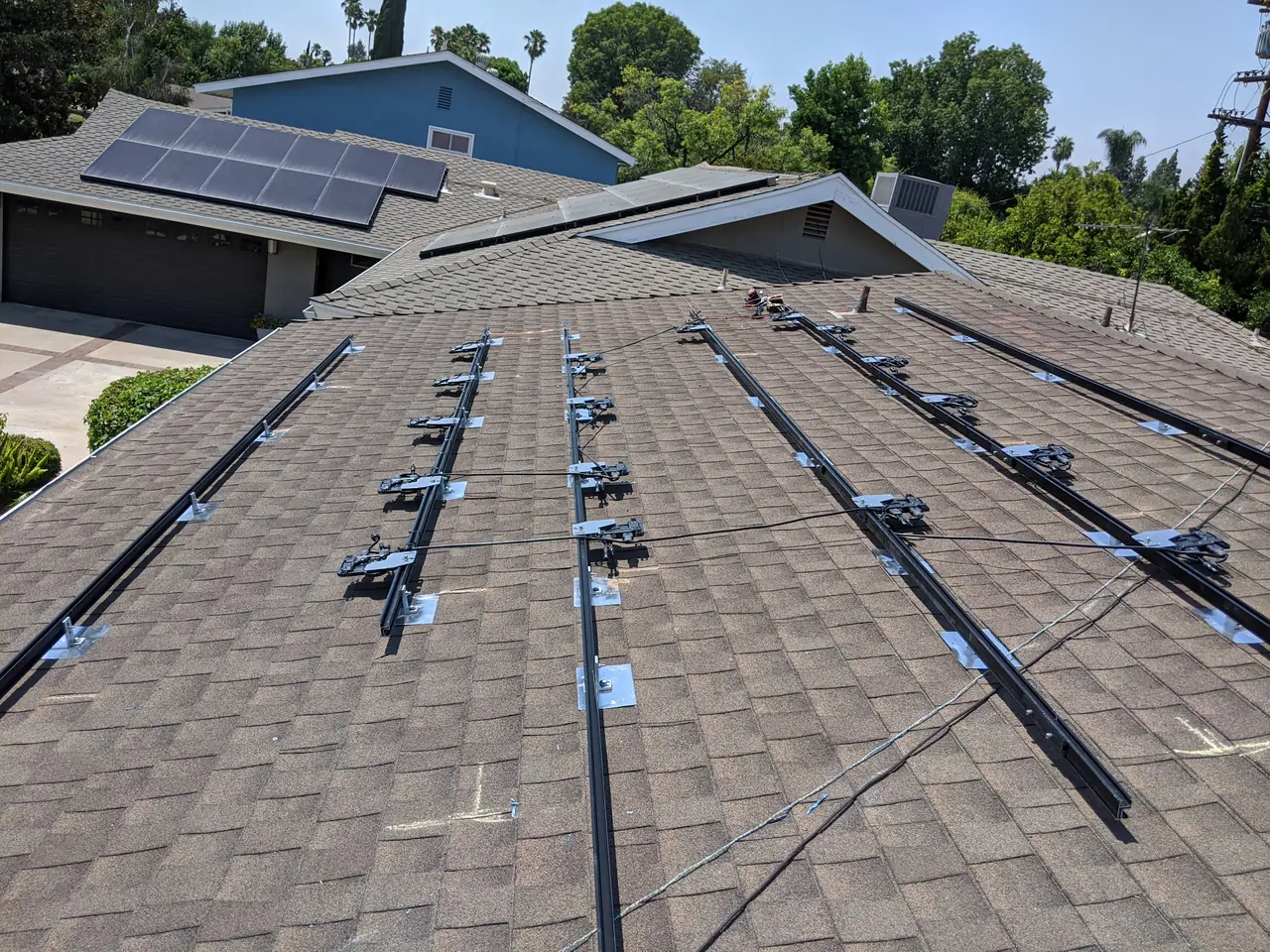
An 8.8 kilowatt system in Valley Village, connected in June 2020 after twenty-four days. Two years later its monitoring went dark, and nothing on the roof was wrong.
Solar equipment is built to last decades. The cellular modem that reports its production is built to the mobile standard of its year, and mobile standards are retired. When the carrier switched off the 3G network this system's modem used, monitoring stopped: the array kept producing and the meter kept counting, but the data path was gone. Replacing the modem with a current standard is not a warranty repair, because nothing failed — the network underneath it was withdrawn.
At a glance
- System size
- 8.8 kW AC-CEC recorded by the utility
- Application filed
- 1 June 2020
- Meter spot issued
- 4 June 2020
- Interconnection review complete
- 18 June 2020
- Permission to operate
- 25 June 2020 — 24 days
- Monitoring
- Cellular modem, 3G-era standard
- Monitoring lost
- June 2022, network retired
- Utility / AHJ
- LADWP / LADBS
The story
Start with the part that went right. The interconnection application went to the utility on the first of June 2020. The meter spot was issued on the fourth. The interconnection review closed on the eighteenth and the field order for the meter went out the same day. The net meter was set on the twenty-fifth. Twenty-four days from application to permission to operate, on an 8.8 kilowatt system.
Nothing clever happened to produce that. The service equipment was adequate, so no panel work was in scope; the application was complete, so nothing bounced; the meter spot came back in three days instead of three weeks. When those three line up, this is what the process actually takes. When any one of them does not, the same project takes two months.
Two years later the owner noticed the monitoring had stopped. No production data, no history, nothing in the app.
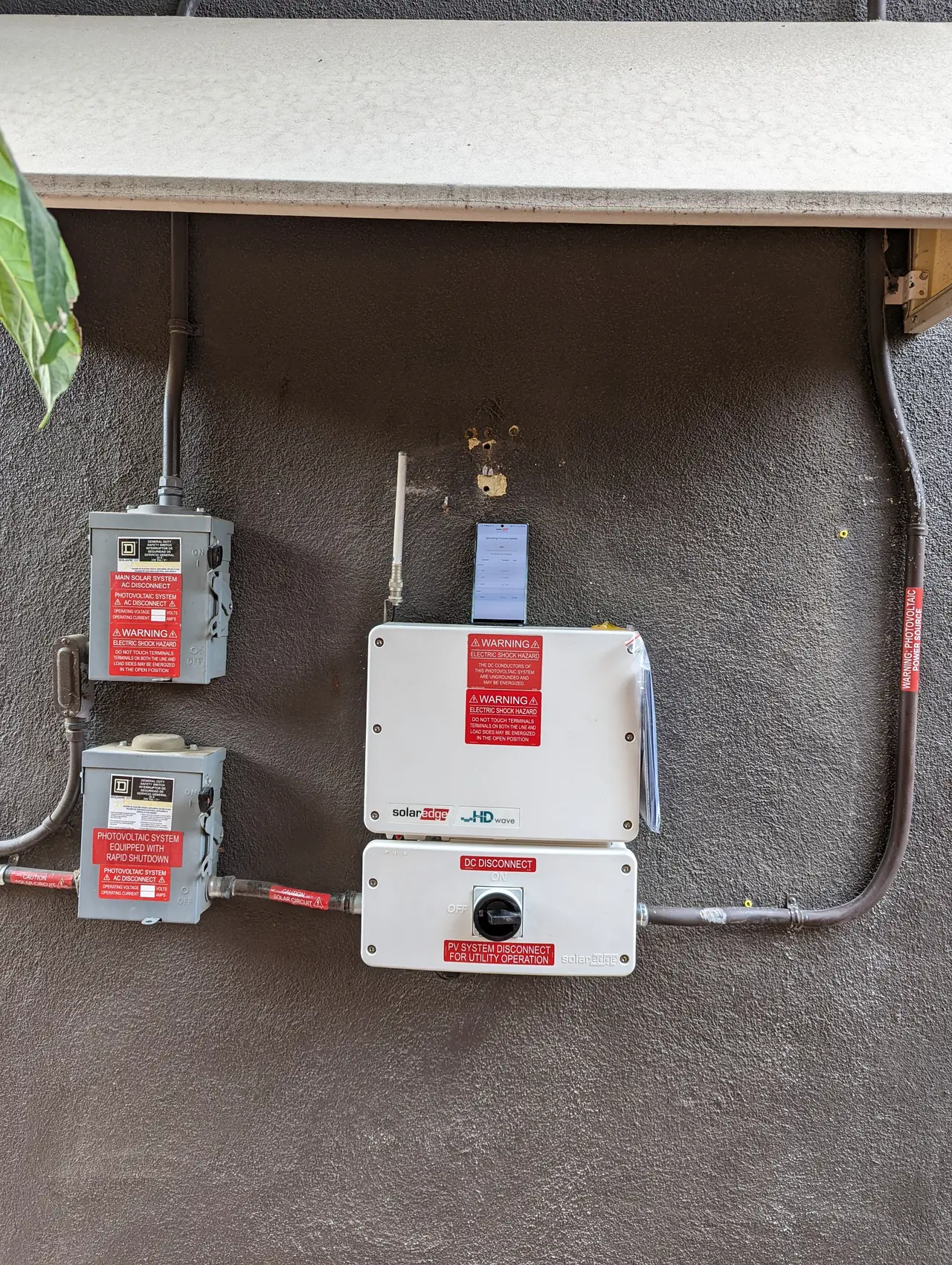
What had happened was not on the roof. The system reports through a cellular modem — the option installers choose when a house has no reliable Wi-Fi at the equipment wall, which happens often enough when the inverter sits in a side yard. That modem was built for the mobile standard of its time: CDMA and 3G. In 2022 the carriers retired those networks in the United States, after years of notice, and every device that could only speak them went silent at once. Not just solar monitors — alarm panels, medical pendants, fleet trackers, e-readers.
So the equipment did not fail. Cali Energy took the symptom to the manufacturer's support line, which confirmed both the diagnosis and the consequence: the modem has to be replaced with one that speaks a current standard, and that replacement is not a warranty repair. Nothing was defective. The thing that ended was outside the house entirely.
It is a category of cost that does not appear in a solar proposal. An array typically carries a twenty-five-year performance warranty; an inverter ten to twenty-five. A communication module has whatever life the mobile network gives it, and that is a commercial decision made by a carrier, not an engineering property of the equipment. The 3G shutdown took out monitoring on systems installed as recently as 2020.
What the owner loses without monitoring is not production — the array keeps working and the meter keeps recording — but the ability to notice anything. A failed optimizer, a string that dropped out, a module shaded by a tree that has grown: all of it is invisible without data. The system can lose a meaningful share of its output and look identical from the driveway.
The options, in the order they usually make sense. Replace the modem with a current-standard unit, which is the like-for-like fix. Move the monitoring onto the house network with a range extender or a cable, which removes the dependence on a carrier altogether. Or accept the loss of monitoring, which is defensible only if somebody is reading the utility bill closely enough to spot a change.
Two questions for anyone with a system installed before about 2021: what does your monitoring report over, and if it is cellular, what generation of network does that modem use? The answer determines whether this has already happened to you or is about to.
How it ran
| 1 June 2020 | Interconnection application filed |
|---|---|
| 4 June 2020 | Meter spot issued |
| 5 June 2020 | Application reviewed; site evaluation complete |
| 18 June 2020 | Interconnection review complete; field order sent |
| 25 June 2020 | Net meter set — permission to operate |
| June 2022 | Monitoring stops: the modem's cellular network is retired |
| June 2022 | Diagnosis confirmed with the manufacturer — replacement needed, outside warranty |
Twenty-four days from application to permission to operate, and a monitoring problem two years later that had nothing to do with the hardware. This timeline reflects this property and this equipment.
What we did
- Filed a complete interconnection application and carried it through the meter spot and review to permission to operate in twenty-four days (C-10).
- Diagnosed the loss of monitoring two years later as a network retirement rather than an equipment fault.
- Confirmed the diagnosis and the warranty position with the manufacturer's support before quoting anything.
- Set out the options for the owner: a current-standard modem, a move onto the house network, or no monitoring at all.
System specifications
| System size | 8.8 kW AC-CEC recorded by the utility |
|---|---|
| Inverter platform | SolarEdge |
| Monitoring link | Cellular modem, CDMA/3G generation |
| Why it stopped | Carrier retired the network standard, not a device fault |
| Warranty status | Replacement not covered — nothing failed |
| Interconnection | 24 days, application to permission to operate |
| Utility / AHJ | LADWP / LADBS |
Is your project like this one?
- Your system was installed before about 2021 and reports over a cellular modem.
- Your monitoring app has gone blank while the array is still producing.
- You have been told a monitoring repair is not covered by warranty and want to know why.
- There is no usable Wi-Fi where your inverter is mounted.
Cali Energy in Valley Village
Valley Village is inside City of Los Angeles boundaries, in ZIP 91607: permits run through LADBS, interconnection through LADWP.
Valley Village sits in 91607, a small grid of post-war streets between Burbank Boulevard and the Ventura Freeway. The houses here mostly predate the equipment on them, and the systems installed through 2020 are now old enough that the questions are about what has changed around them.
This installation is on the Valley Village projects page alongside the others.
- License and classifications: CSLB #1032379
- Official reference for this process: LADWP interconnection requirements
- Official reference for this process: California Energy Commission — solar equipment lists
Frequently asked questions
Does Cali Energy work on systems in Valley Village it did not install?
Yes. Cali Energy covers 91607 for both new installations and service, including diagnostics on older systems and monitoring problems like this one. Interconnection here runs through LADWP and permits through LADBS. Our license is CSLB #1032379.
Why did my solar monitoring stop working?
If it reports over a cellular modem, the answer is usually the network rather than the equipment. Carriers retired their CDMA and 3G networks in 2022, and any device built only for those standards lost its connection on the day it happened. The array keeps producing and the meter keeps counting; what is gone is the data path.
Is replacing a cellular monitoring modem covered by warranty?
Generally no, and the reason is technical rather than commercial: a warranty covers defects, and nothing about the modem failed. The network it was built for was withdrawn. Manufacturer support confirmed that position on this system, and it is worth budgeting for on any installation older than about five years.
What do I lose if I just leave the monitoring dead?
The ability to notice anything. Production continues, but a failed optimizer, a dropped string or a tree that has grown into the array all become invisible. A system can lose a meaningful share of its output and look completely normal from the ground, which is exactly the situation monitoring exists to prevent.
What this would look like on your roof
Planning solar in Valley Village? Tell us your utility, your roof and what your bill looks like now, and we will model what a system like this would do on your house before you commit to anything.
Or call +1 (323) 844-7777 · Cali Energy, Northridge · CSLB #1032379 (B, C-10, C-39) — design, permits, install and electrical under one licensed contractor.
Related
This timeline reflects this property and this permitting path. Updated September 2026.