

Northridge, CA · June 2020 – June 2021 · LADWP / LADBS
The install took three months. The next year is the interesting part.
Enquiry to permission to operate in under three months, at 5.4 kilowatts AC-CEC. Then a monitoring gateway that dropped off the internet, and a microinverter warranty claim approved by the manufacturer.
A solar system is not finished at permission to operate. Two things routinely come up afterwards: the monitoring gateway loses its connection when a household changes its internet, and individual electronics fail within the warranty term and are replaced. Both happened here.
At a glance
- System
- 5.4 kW AC-CEC
- Service
- Overhead
- Enquiry to PTO
- Under three months
- Service call 1
- Monitoring gateway offline, 5 months on
- Service call 2
- Microinverter claim approved, 9 months on
- Claim covered
- Replacement and return authorised
- Utility / AHJ
- LADWP / LADBS
The story
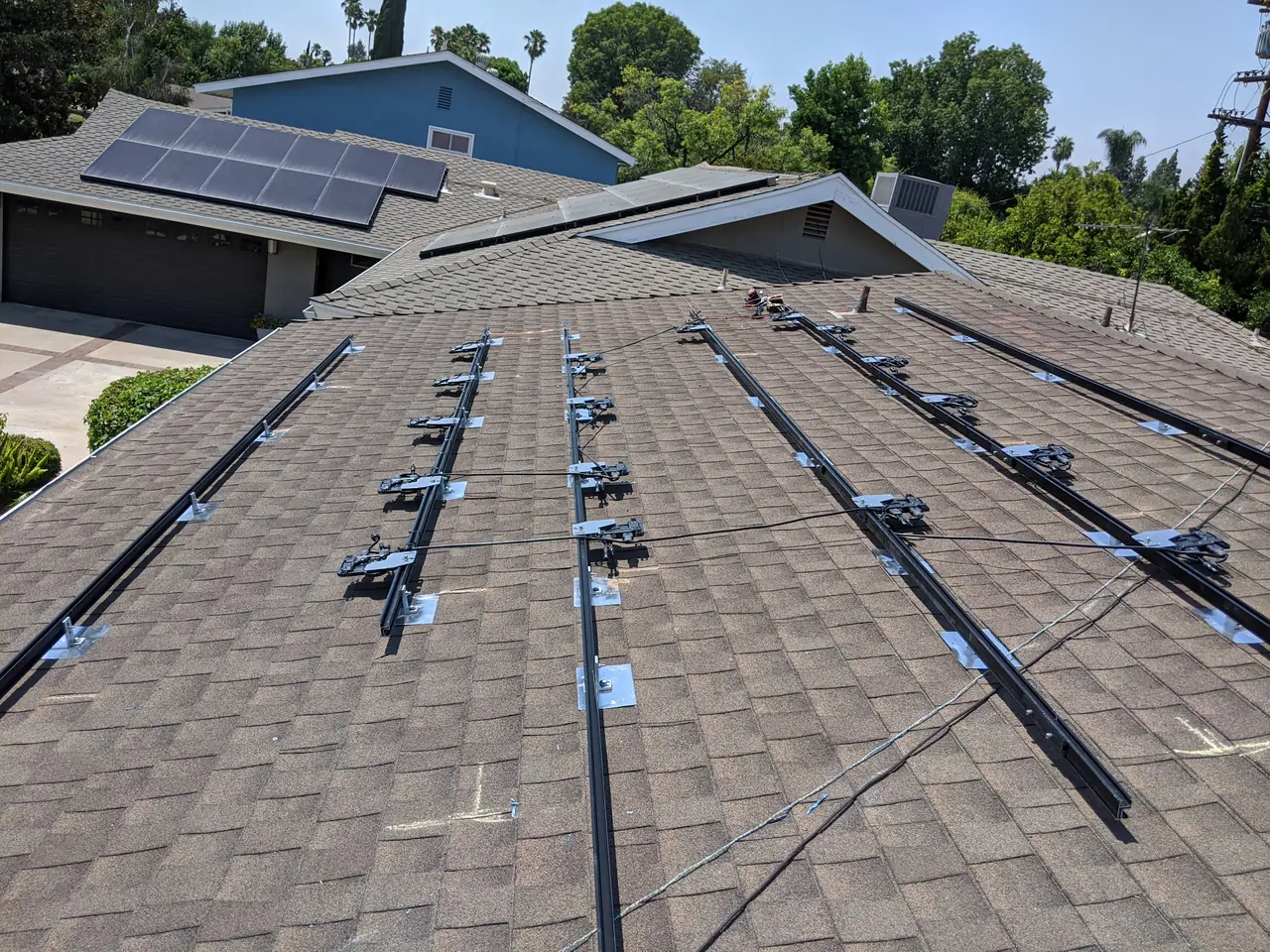
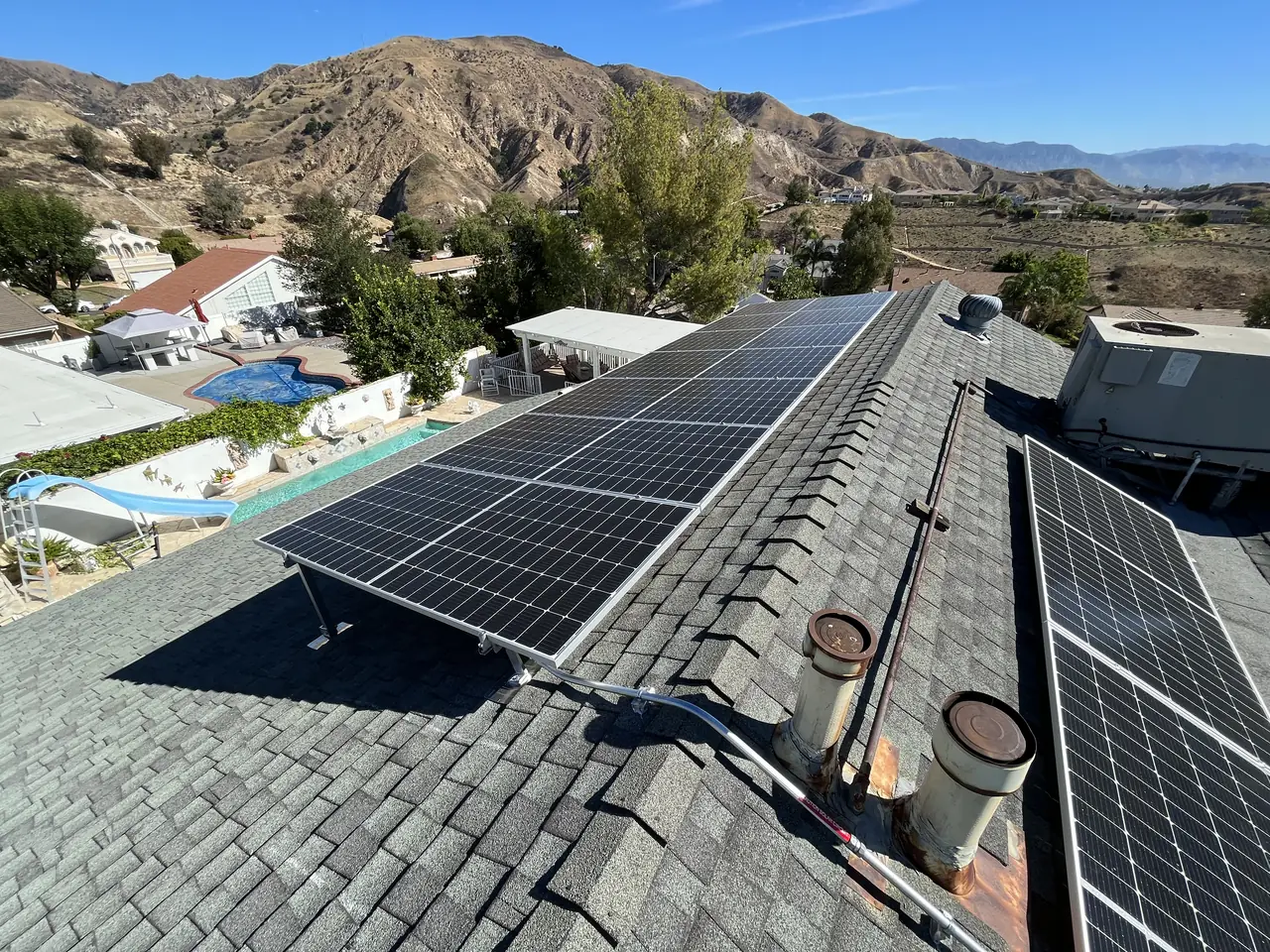
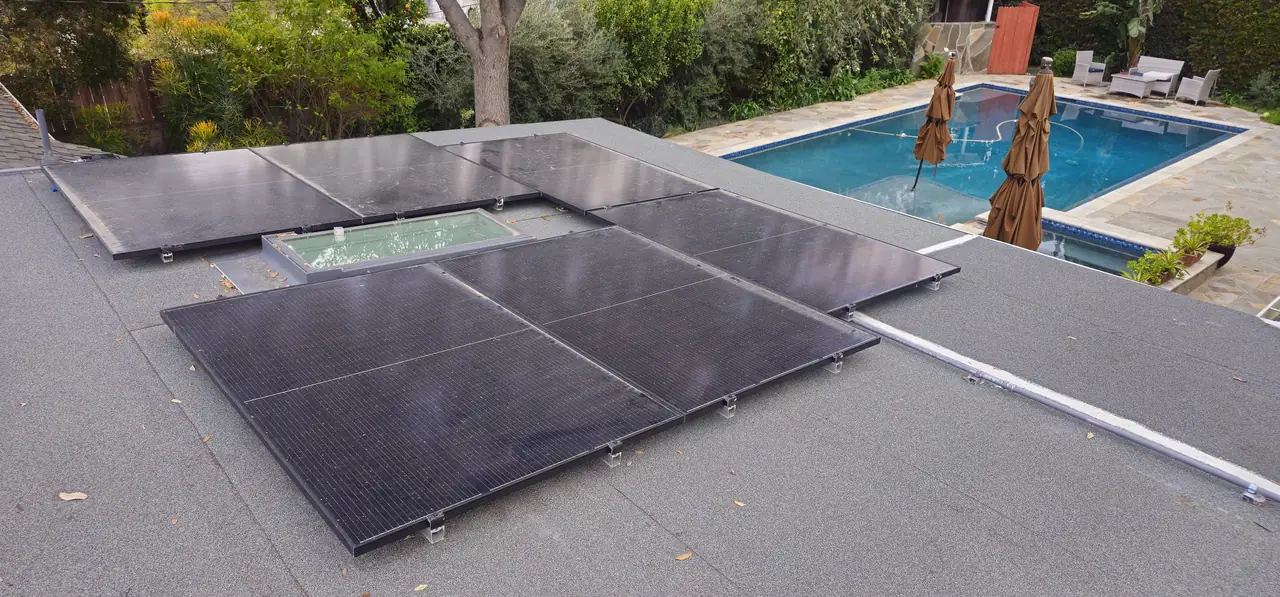
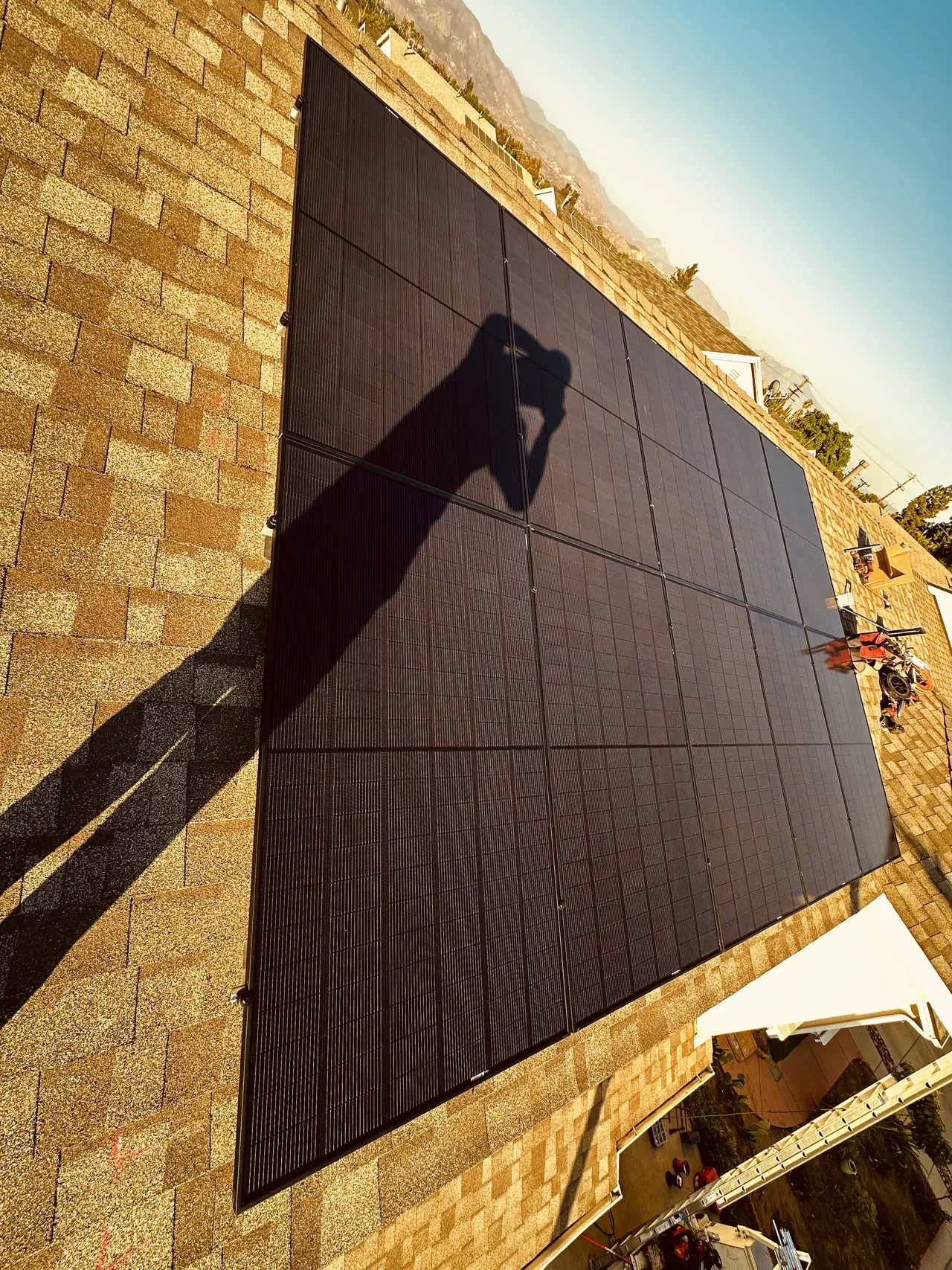
The build on this one is short to describe. The enquiry came in at the end of June 2020. The interconnection request went to the utility in the first week of August. The utility asked for a site visit, set the photovoltaic meter spot, completed the site evaluation by the end of the month, released the installation on the ninth of September, and granted permission to operate on the twenty-second. Under three months, on an overhead service, at 5.4 kilowatts AC-CEC.
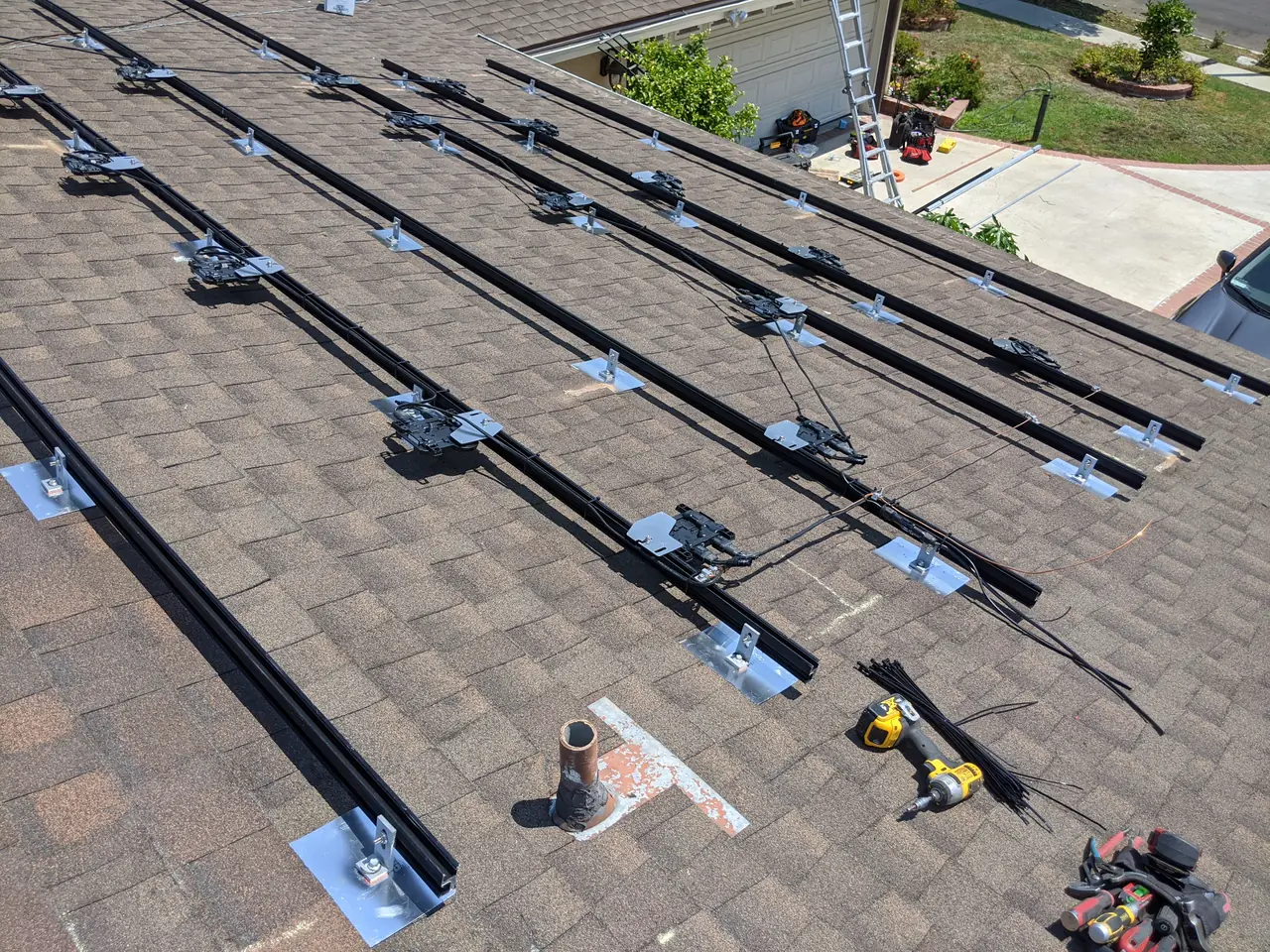
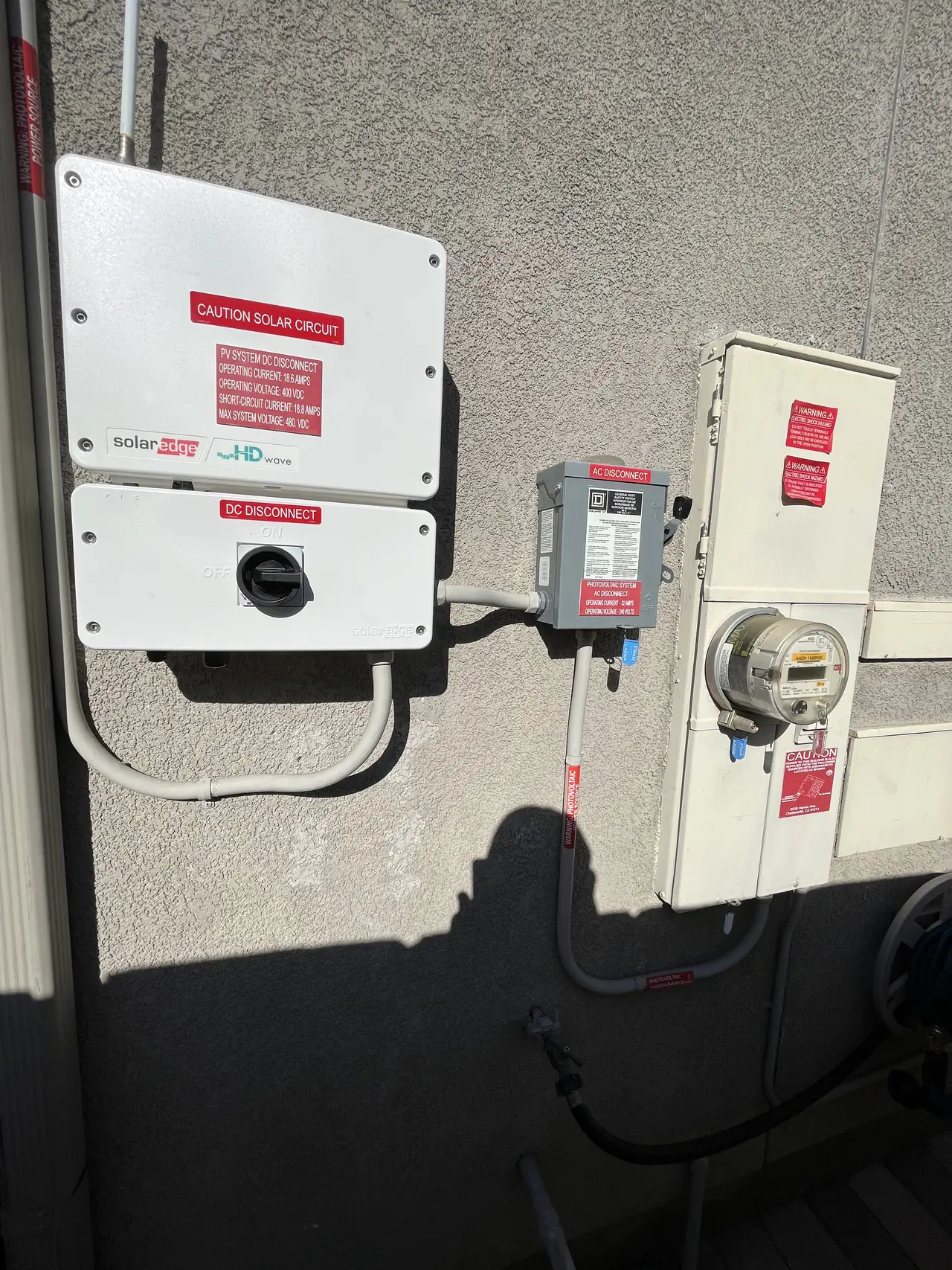
Five months later the monitoring stopped reporting. That is usually not a fault in the array: the gateway sits on the household's wi-fi, and it drops off when the password changes or the power goes out. We noticed it from our side, wrote to the owner with the manufacturer's reconnection instructions and the support line, and the monitoring came back.
It is worth saying plainly that this is what monitoring is for. Nobody looks at a production graph every day. What matters is that somebody notices when it goes flat.
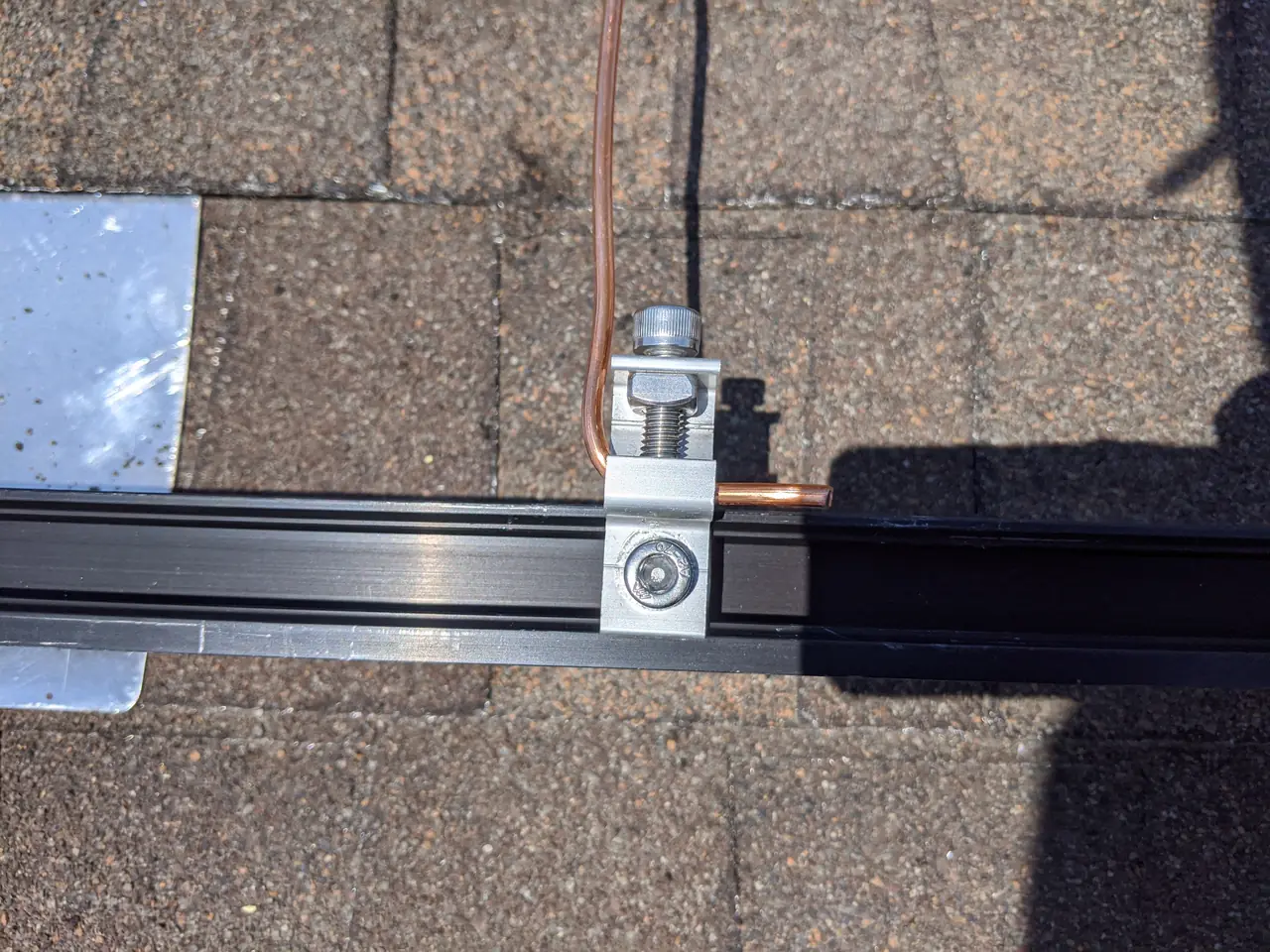
Nine months after switch-on, one microinverter failed. The manufacturer approved the warranty claim and authorised the replacement and the return of the failed unit, with the repair to be scheduled once the part arrived. One module out of the array had been producing nothing; the rest carried on, which is the practical argument for one microinverter per module rather than a single string.
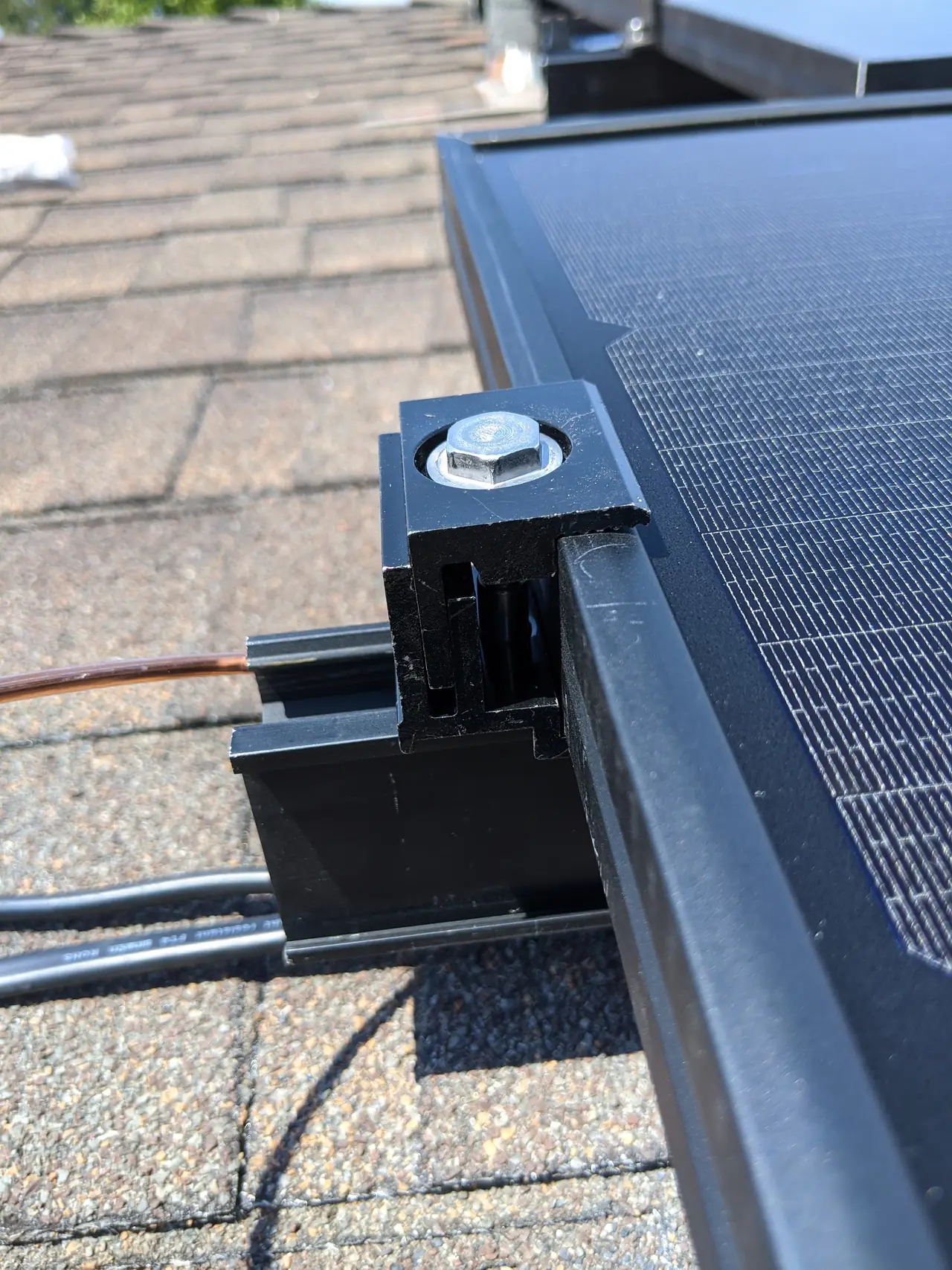
Neither of these is a dramatic story and that is the point. A system that has been on a roof for years will have a couple of these. What matters is whether anyone is watching, and whether the claim gets filed.
How it ran
| 26 June 2020 | Enquiry |
|---|---|
| 6 August 2020 | Interconnection request filed |
| 18–25 August 2020 | Utility site visit and photovoltaic meter spot |
| 27 August 2020 | Solar site evaluation complete |
| 9 September 2020 | Solar service installation released |
| 22 September 2020 | Permission to operate — 5.4 kW AC-CEC |
| February 2021 | Monitoring gateway offline; reconnected |
| June 2021 | Microinverter warranty claim approved; replacement and return authorised |
Two service events in the first year, both taken up under warranty.
What we did
- Took the project from enquiry to permission to operate in under three months.
- Attended the utility's required site visit and photovoltaic meter spot.
- Noticed the monitoring gateway had dropped off the network and walked the owner through reconnecting it.
- Filed the microinverter warranty claim with the manufacturer and had the replacement and return authorised.
System specifications
| System | 5.4 kW AC-CEC |
|---|---|
| Service | Overhead |
| Microinverters | Enphase IQ7, one per module |
| Modules | Canadian Solar, 320 W |
| Monitoring | Manufacturer gateway on the household network |
| Warranty events | Gateway reconnection; one microinverter claim approved |
| Utility / AHJ | LADWP / LADBS |
Is your project like this one?
- Your monitoring has stopped reporting and you do not know whether that is a fault.
- You want to know what actually goes wrong with a system in its first years.
- You are weighing microinverters against a single string inverter.
- You have a system whose installer no longer answers and need someone to file a warranty claim.
- You want to know who is watching the system once it is switched on.
Cali Energy in Northridge
Northridge is inside City of Los Angeles boundaries: permits run through LADBS, interconnection through LADWP.
Plenty of the solar in Northridge is now several years old, which makes what happens after the switch-on as much a part of the job as the installation.
This installation is on the Northridge projects page alongside the others, and what the work covers is set out on the Northridge service area page.
- License and classifications: CSLB #1032379
- Official reference for this process: LADWP interconnection requirements
- Official reference for this process: CSLB — check a contractor's license
Frequently asked questions
My solar monitoring stopped working. Is the system broken?
Usually not. The gateway sits on your home wi-fi and drops off when the password changes or after a power cut. On this system that is exactly what happened five months after switch-on, and reconnecting the gateway brought the monitoring back.
What happens when a microinverter fails?
The module it serves stops producing and the rest of the array carries on. The manufacturer reviews a warranty claim and, if it is approved, authorises a replacement and the return of the failed unit. On this system the claim was approved nine months after permission to operate.
Who pays for a warranty replacement?
The part is covered by the manufacturer's warranty. The labour terms depend on the agreement in place; on service work we set that out in writing before the visit.
Does someone watch my system, or is that my job?
On this project we saw the monitoring go quiet from our side and contacted the owner. That is the value of monitoring: not the daily graph, but somebody noticing when it goes flat.
How long did the installation itself take?
Under three months from the first enquiry to permission to operate, including the utility's site visit and meter spot.
Does Cali Energy service systems after they are switched on?
Yes, including systems we did not install. Cali Energy holds B, C-10 and C-39 classifications under CSLB #1032379.
What this would look like on your roof
Planning solar in Northridge? Tell us your utility, your roof and what your bill looks like now, and we will model what a system like this would do on your house before you commit to anything.
Or call +1 (323) 844-7777 · Cali Energy, Northridge · CSLB #1032379 (B, C-10, C-39) — design, permits, install and electrical under one licensed contractor.
Related
This timeline reflects this property and this permitting path. Updated September 2026.