

Installed, inspected, and still not switched on.
On a Los Angeles project we pulled the solar and main-panel-upgrade permits on the third business day after signing, and had the system installed within three weeks. Then the project entered the part of the timeline that belongs to the utility — and that is the part worth understanding before you sign with anybody.
Get a free estimate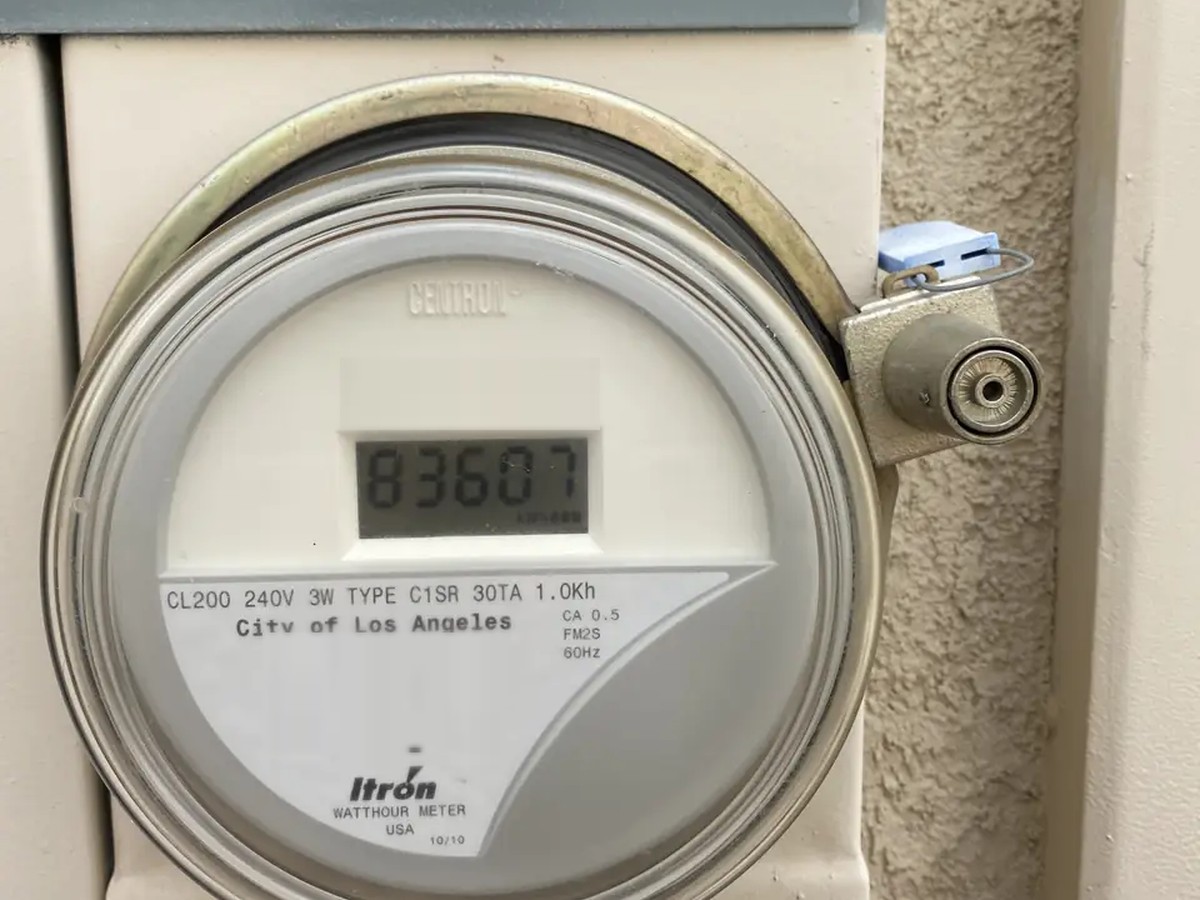
Once your system is installed and inspected, one thing stands between you and a working array — the utility has to swap the meter and issue permission to operate. No contractor controls that date. What a good one does is file early, request the meter spot the day permits are issued, escalate through the utility's engineering contacts, and keep telling you where things stand instead of going quiet.
Scope of this account. This was a LADWP project that included a main panel upgrade, which is what put a meter spot on the critical path — LADWP ties the meter spot to installing or relocating a service panel, so a straightforward array without panel work does not follow the same sequence. LADWP also routes projects of this kind through its Type 2 interconnection process, where utility approval, city final and meter scheduling each gate permission to operate. Other utilities run different processes and different queues.
On this project the utility's own estimate once the job reached a meter crew was two to four weeks. The contractor followed up three times across February, March and April.
The system
| Item | Detail |
|---|---|
| Location | Los Angeles, CA — LADWP territory |
| System size | 6.44 kW DC |
| Panels | 14 × REC460AA Pure-RX, 460 W |
| Inverters | 14 × Enphase IQ8X-80-M-US — one per panel |
| Scope | New roof, main panel upgrade, solar array |
| Contract signed | 21 January 2025 |
| Permits issued | 24 January 2025 — third business day |
| Permits pulled | Three separate LADBS permits: solar PV, main panel upgrade, re-roof |
| Permit route | Express Permit — no plan check on any of the three |
| Solar permit fee | $200.56, including 14 module fees and one inverter 5.1–20 kW |
| Panel upgrade | 0–200 amp panelboard |
| Installation | 7–10 February 2025 |
| Unconditional waiver | 11 April 2025 |
Three trades, one project
The house needed three things in a fixed order: a new roof, a main panel upgrade, and the array on top. Run as separate contracts they queue behind each other, and each contractor waits on the last.
Here all three ran under one contract, one schedule and one point of contact — which is why permits, roofing inspection and installation all closed inside three weeks.
Contract to installed system in three weeks
The sequence was set out before signing: contract, then the three-day right to cancel, then deposit, then permits.
Three separate LADBS permits were issued on the third business day after signing — solar photovoltaic, main panel upgrade and re-roof, each filed as an Express Permit with no plan check. The solar permit describes the work as a roof-mounted microinverter system in a one- or two-family dwelling and prices out fourteen module fees against a single inverter in the 5.1–20 kW band; the electrical permit covers a 0–200 amp panelboard.
On the same day we requested the meter spot — the utility's visit to mark where the new meter sits. LADWP ties that request to installing or relocating a service panel, which is exactly what the main panel upgrade was. Requesting it then, rather than after installation, is what keeps two weeks off the end of the job.
Roofing inspection passed 31 January. Installation ran 7 February, crew back on the 10th to close out, stucco and paint on the 14th and 15th.
Chasing the utility until the meter went in
On 14 February we wrote to the utility's engineering service representative asking them to move the paperwork forward. On the 25th we were told the job had gone to a meter installation crew and would take two to four weeks.
We called in March. We called again in April.
Nobody can make a utility crew arrive sooner. What we could do was keep the project moving and tell the homeowner where things stood at every stage — which is more than most projects get once the installer's own work is finished.
Switched on, and running
The meter went in, permission to operate came through, and the system started producing.
Shortly after commissioning the homeowner queried a reading in the monitoring app. We checked it the same day and had it resolved the next morning — a settings adjustment, no return visit and no equipment involved. Since then the array has run without a service call.
Roof, main panel and solar were delivered as one project by one contractor. The homeowner never had to work out whose job a problem was.
He had been kept in the loop the whole way through — each call to the utility relayed the same day, good news and bad. When the meter finally went in, his reply to the news was two words and a thumbs-up. Permission to operate followed the next day, and the one query he raised afterwards was answered within twenty-four hours.
Set the two clocks side by side. Everything inside our control took under three weeks: contract to three issued permits in three business days, roofing inspection passed inside ten, installation complete in seventeen. Everything after that belonged to the utility's meter queue — and that is where a contractor either keeps calling or goes quiet. We called across three months until the meter went in.
A new roof, an upgraded panel, fourteen modules, and a homeowner who never once had to chase us for an answer.
What we did
- Pulled solar and main-panel-upgrade permits on the third business day after signing
- Requested the utility meter spot the same day, not after installation
- Ran roofing, electrical and solar as one project rather than three queued contracts
- Wrote to the utility's engineering service representative to move the paperwork
- Followed up with the utility across three separate months until the meter was installed
- Resolved a post-commissioning question inside one business day, with no return visit
Does this match your situation?
If any of these describe where you are, read on.
Your system is installed and inspected but the utility has not issued permission to operate
You have been told 'two to four weeks' and it has been longer
Your installer has stopped updating you now that their work is done
Your monitoring app shows consumption exactly matching production
You are being quoted roof, panel upgrade and solar as three separate jobs
What to check on your own project
Every property is different. These are the things worth confirming for yours.
- This project was in LADWP territory. Utility timelines differ by utility, by district and by season — nothing here predicts your date.
- The permit turnaround of three business days reflects this jurisdiction and this scope. Plan-check projects run on an entirely different clock.
Check the numbers yourself
We analyzed 433 recent Google reviews across seven Los Angeles solar installers — our own included — and published the dataset so anyone can recompute the ranking. Cali Energy came out with the lowest adjusted complaint rate in the group, and we say plainly where that finding is and is not statistically separated.
Other situations we handle
A different problem each time.
Frequently asked
Why does my monitoring app show consumption exactly matching production?
How long does the utility take to install the meter after solar is installed?
What is a meter spot and why should it be requested early?
Should roof, panel upgrade and solar be one contract or three?
Related reading
Sources & methodology
Figures come from the primary sources below and, where noted, from Cali Energy calculations using the stated assumptions. Rates, incentives, and program terms change; each was verified September 2, 2026.
Tell us what you are dealing with
Send us what you have — a bill, someone else's quote, a permit correction, or just the address. We will tell you what the project actually involves before anyone signs anything.
Get a free estimatePrepared by Cali Energy, September 2, 2026. This article is for general educational purposes only and is not legal, tax, financial, engineering, or utility advice. Rates, incentives, codes, permit requirements, equipment specifications, prices, and program terms may change; figures and timelines are estimates, not guarantees. Confirm current requirements with the applicable utility, AHJ, program administrator, manufacturer, or a licensed professional. See our Content Disclaimer. Cali Energy · 19201 Parthenia St, Unit E, Northridge, CA 91324 · CSLB #1032379 (B, C-10, C-39)