

Northridge, CA · 2022 – July 2023 · LADWP / LADBS
A methane zone changes where the meter goes.
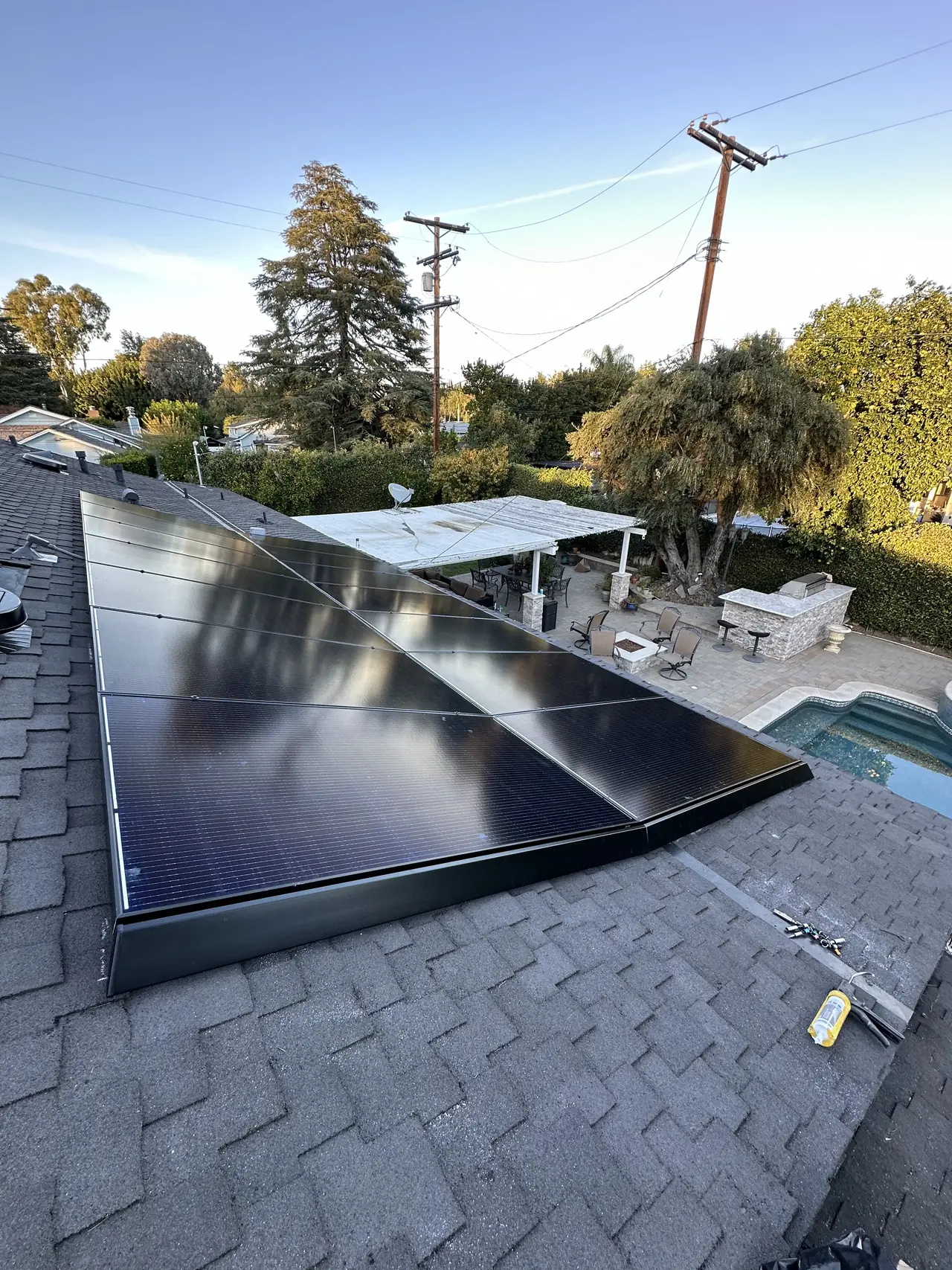
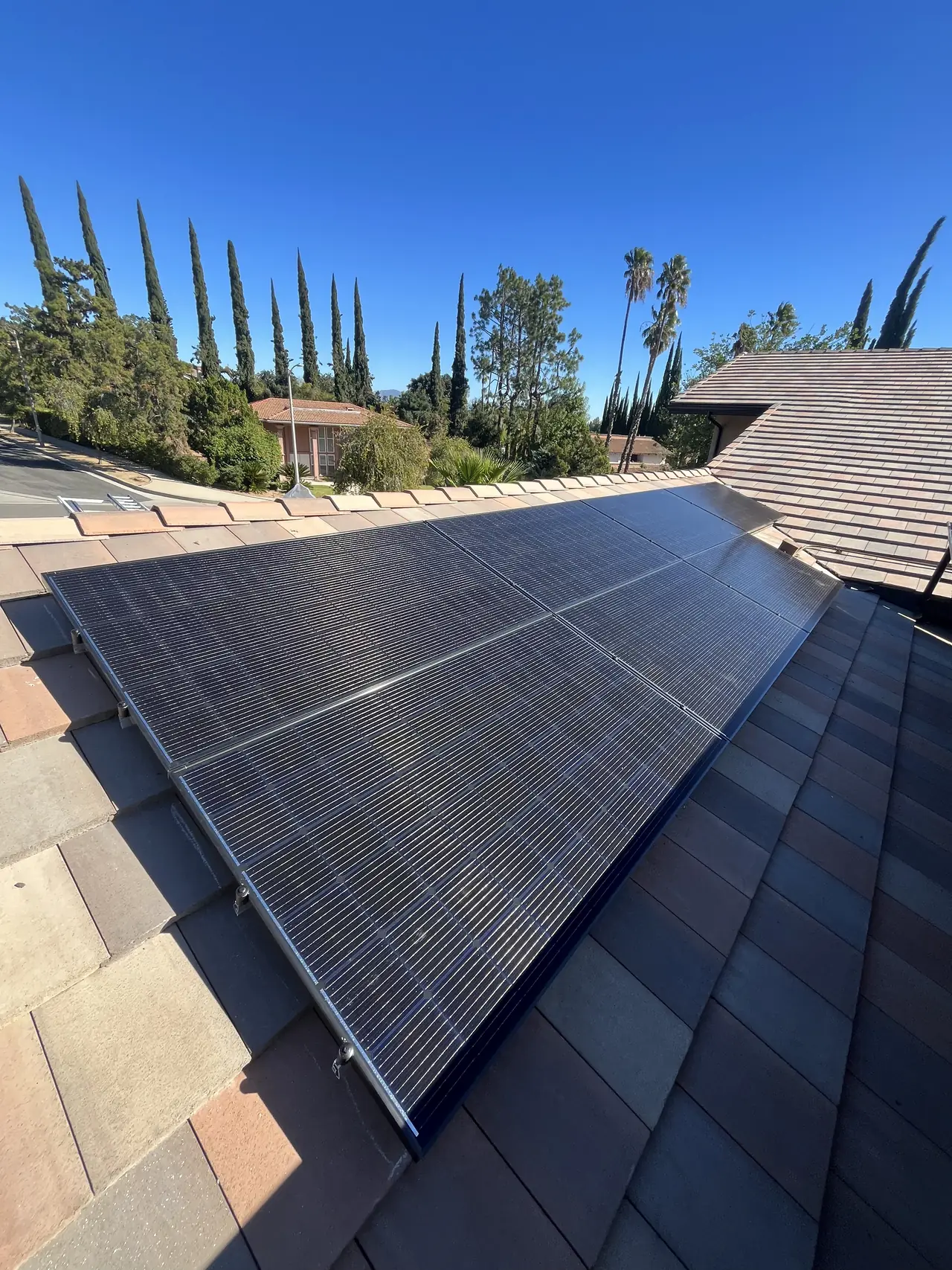
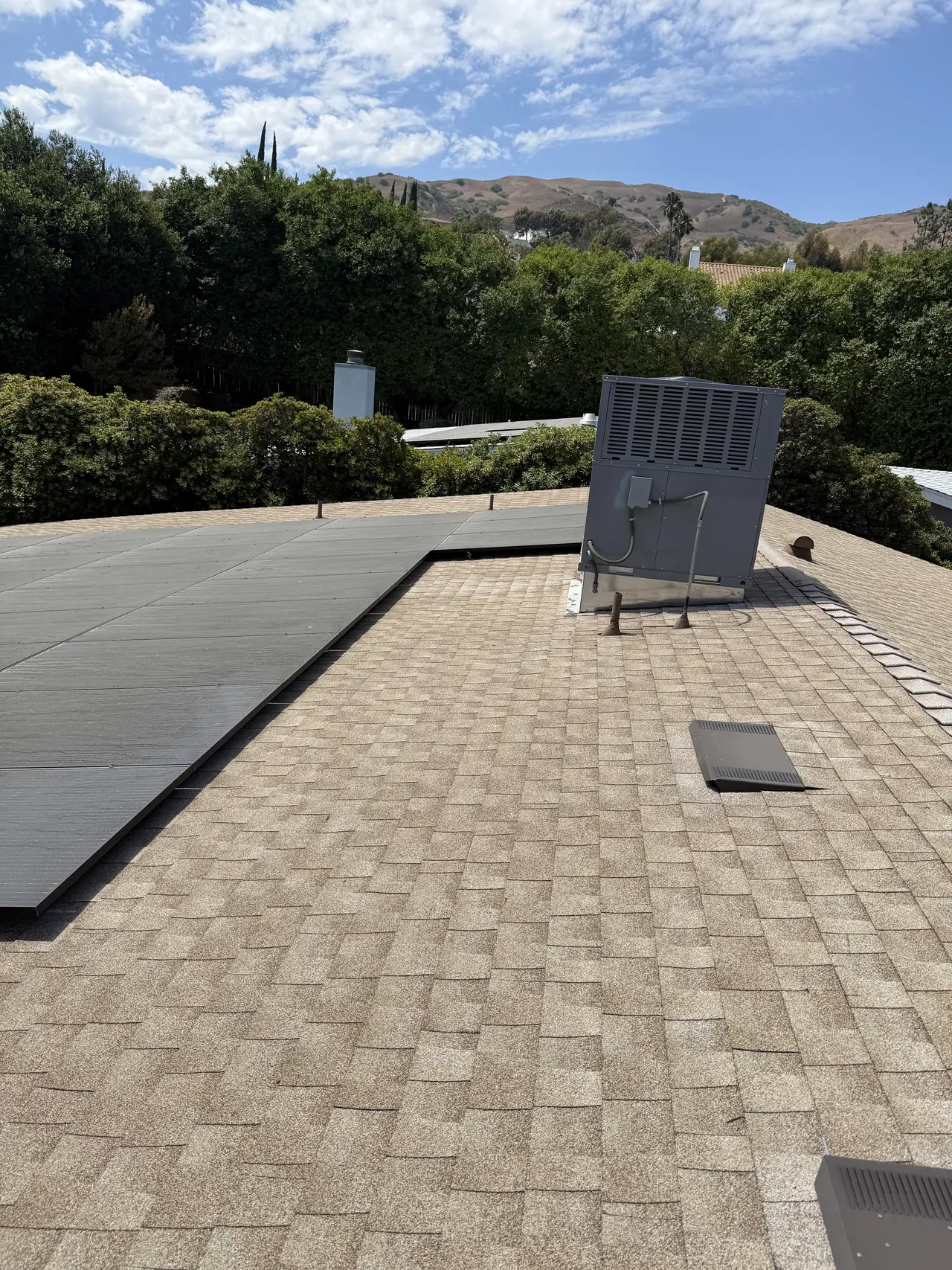
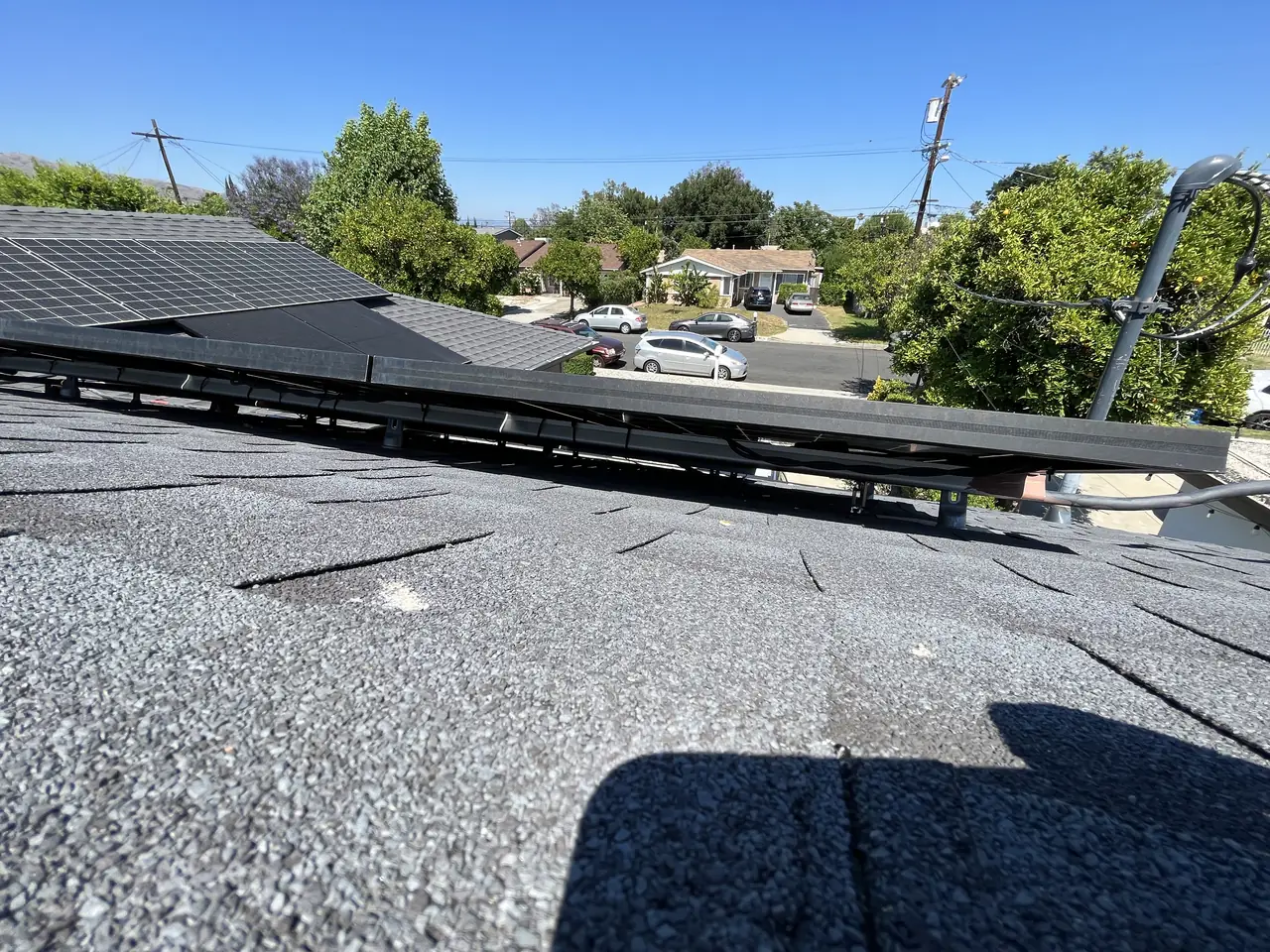
A roof replaced first, then a 4.64 kilowatt array — and in between, a meter spot issued under methane zone conditions and a grounding electrode that had to be driven and bonded before the inspection could close.
A methane zone is a mapped area where the building department applies extra conditions to construction. For a solar project it shows up where the work meets the ground and the service: where the meter can sit, and how the grounding electrode is installed and bonded.
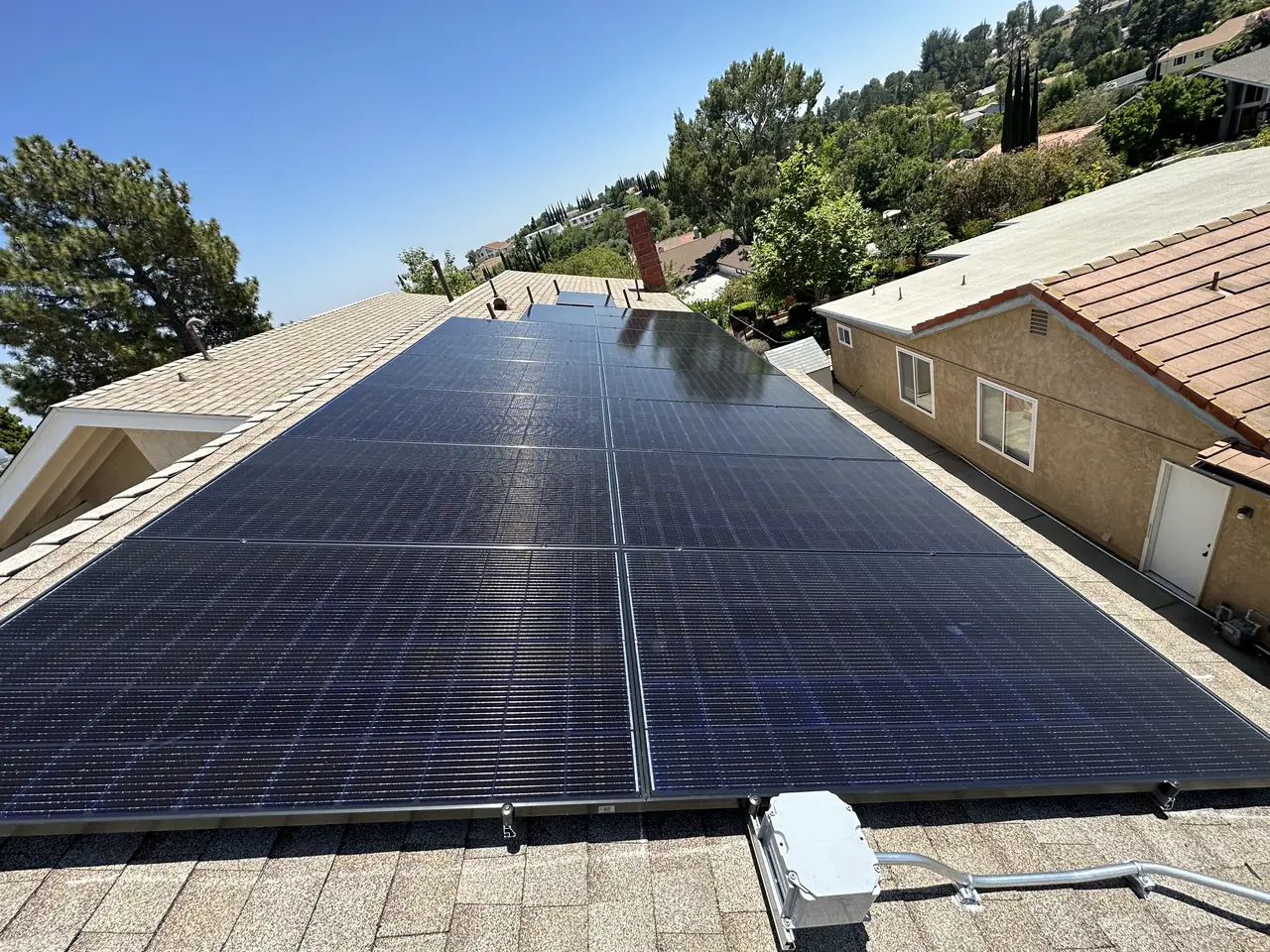
At a glance
- System
- 4.64 kW AC-CEC
- Roof
- Replaced first — 30 squares
- Meter spot
- Issued under methane zone conditions
- Grounding
- Electrode driven and bonded to the existing ground
- Inspection
- Remote video, fifteen-minute slot
- Application to PTO
- Three weeks
- Inverters
- Enphase IQ8+, one per module
- Utility / AHJ
- LADWP / LADBS
The story
The roof went first. Thirty squares of composition shingle over the existing sheathing, permitted and finaled in 2022, before anything solar was designed. By the time the array was laid out the roof under it was new.
Then the part that is specific to this address. The property sits inside a mapped methane zone, and the utility's meter spot — its written approval of where the meter goes — came back with that noted on it. A methane zone does not stop a solar project. It adds conditions to anything that opens the ground or changes the service, and it means the position of the meter is settled on the utility's terms rather than on whatever is convenient.
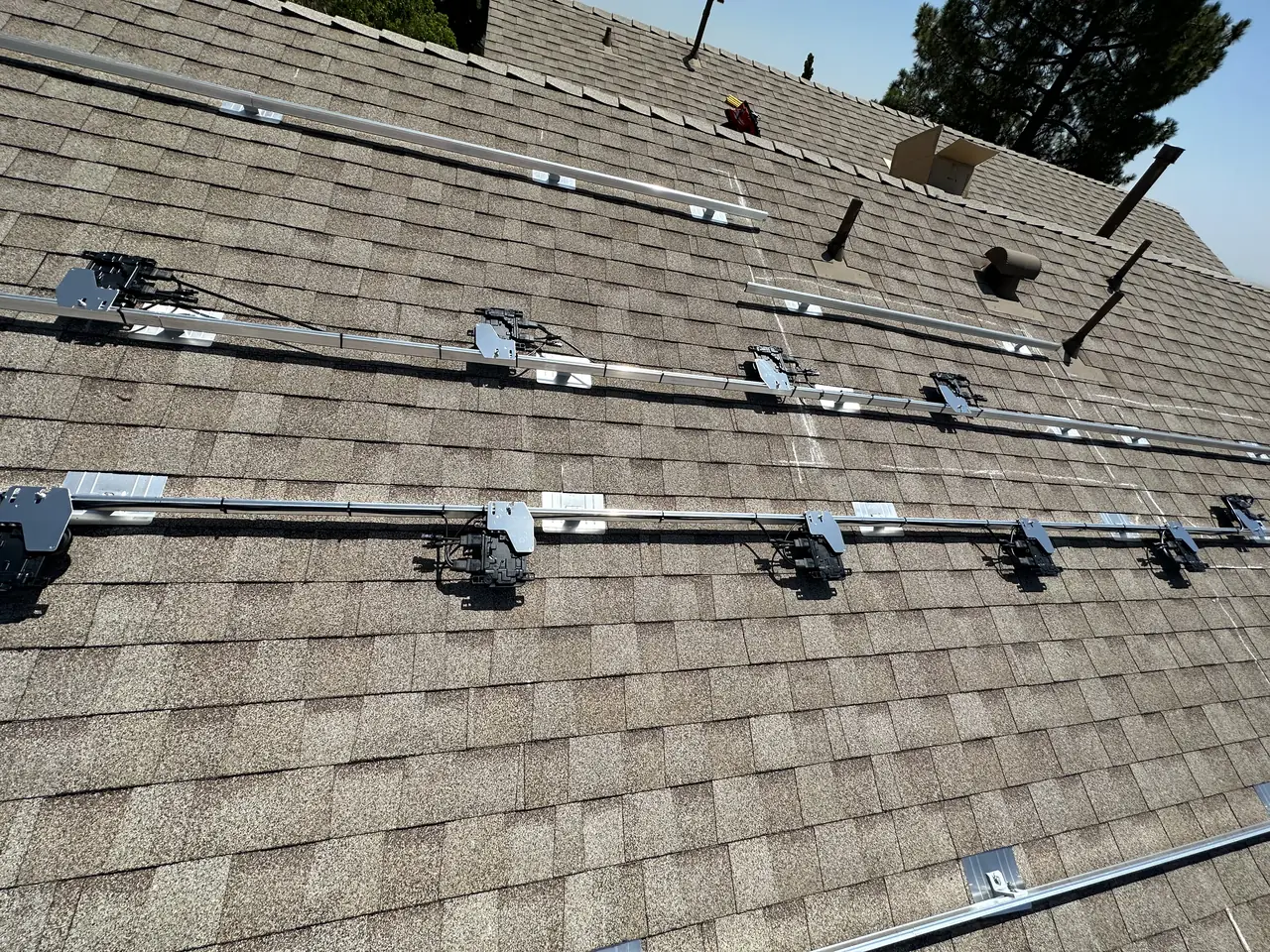
The other condition was underneath. The job list for the final stretch of this project reads: run the conduit at the roof, set the grounding electrode and crimp it to the existing grounding electrode system, apply the labels. That third item takes a minute. The second one is a hole in the ground, an electrode driven into it and a bonded connection that an inspector will look at.
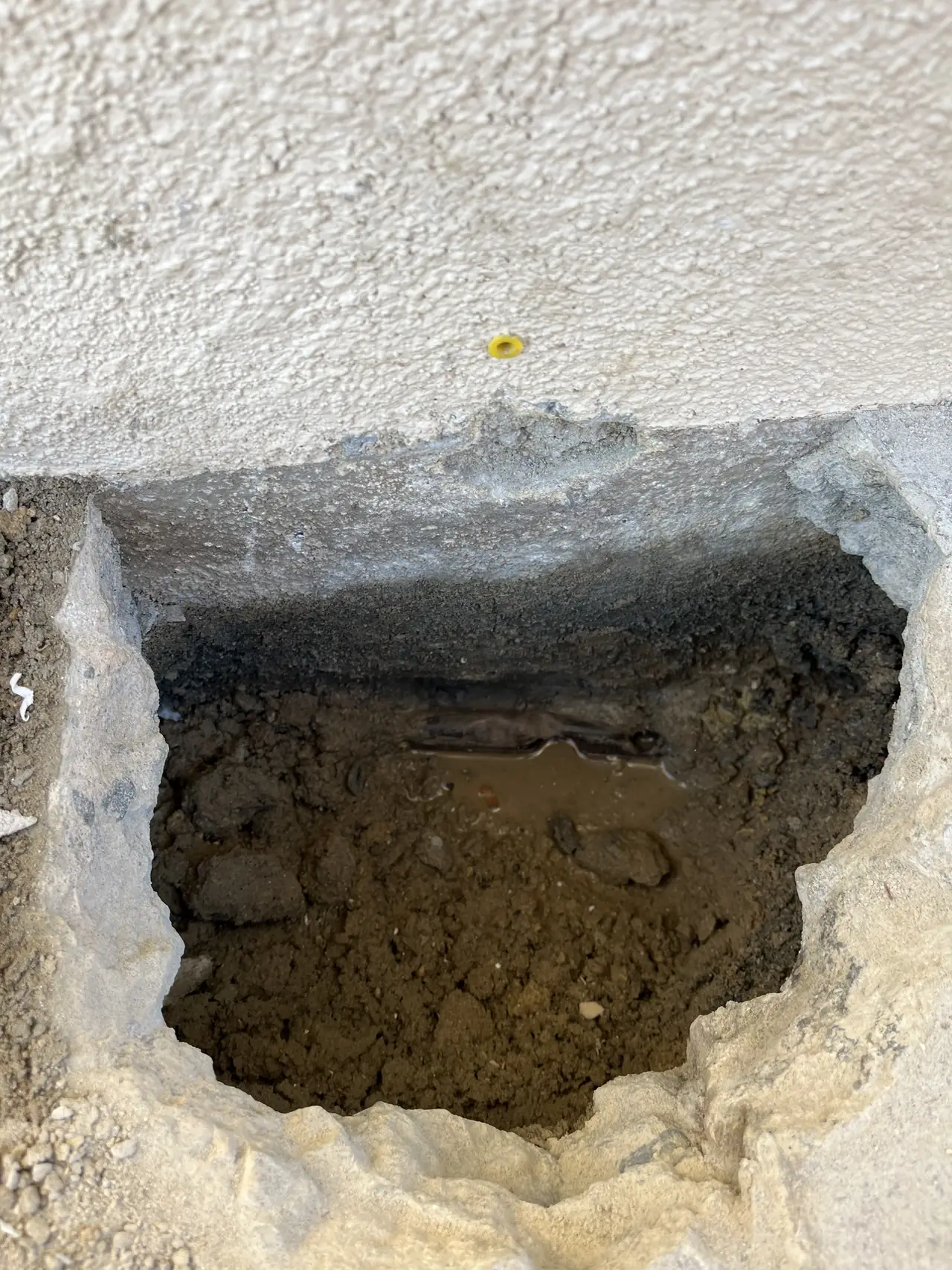
Grounding is the least photogenic part of a solar installation and one of the few that is genuinely about safety rather than performance. It is also the item most often left as a loose end, because it does not affect whether the system produces. It does affect whether the system passes.
The inspection itself was done remotely. It arrived as a calendar invitation for a fifteen-minute slot on a Wednesday afternoon — which is what a modern building department inspection often looks like now: a video call, a fixed window, and somebody on the roof with a phone showing what the inspector asks to see.
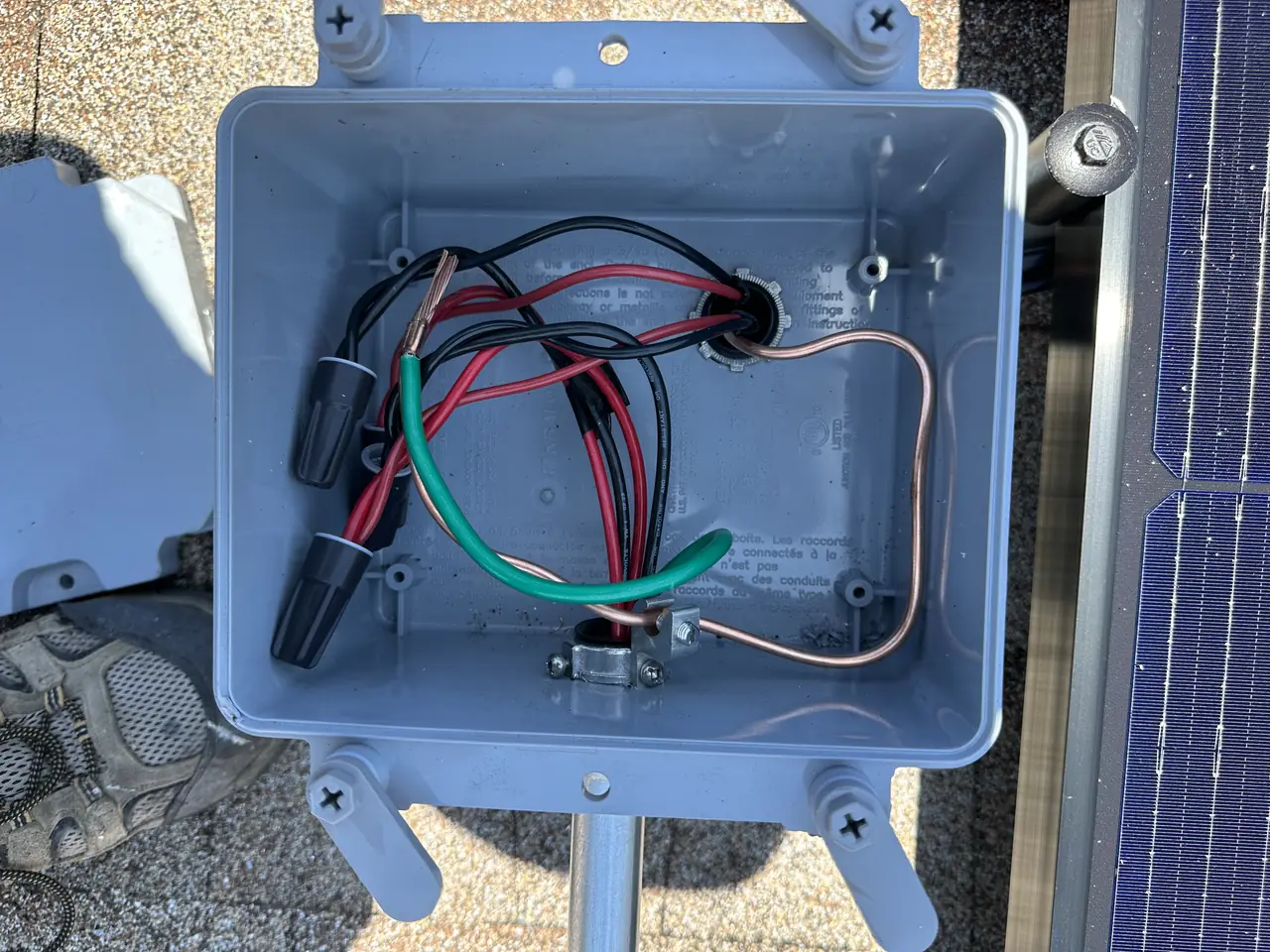
The interconnection application went in on the fifth of July 2023, the inspection was requested on the eighteenth, the video inspection was held on the nineteenth, the building department released the installation and the utility approved it on the twentieth, and permission to operate came on the twenty-sixth. Three weeks, with a methane zone and a grounding electrode inside them.
How it ran
| 2022 | Roof replaced — 30 squares of composition shingle; permit finaled |
|---|---|
| 5 July 2023 | Interconnection application filed; utility fee paid |
| July 2023 | Meter spot issued, noting the methane zone |
| 18 July 2023 | Inspection requested |
| 19 July 2023 | Remote video inspection — fifteen-minute slot |
| 20 July 2023 | Building department release; utility approval |
| 26 July 2023 | Permission to operate — 4.64 kW AC-CEC |
Three weeks from application to switch-on, on a roof that had been replaced the year before.
What we did
- Replaced the roof a year before the array was designed onto it.
- Took the meter spot on the utility's terms with the methane zone condition on it.
- Set the grounding electrode and bonded it to the existing grounding before the inspection rather than after.
- Ran the project through a scheduled remote video inspection.
- Carried the interconnection from application to permission to operate in three weeks.
System specifications
| System | 4.64 kW AC-CEC |
|---|---|
| Roof | Composition shingle, replaced 2022 — 30 squares |
| Inverters | Enphase IQ8+, one per module |
| Meter spot | Issued with methane zone noted |
| Grounding | Electrode set and bonded to the existing grounding electrode system |
| Inspection | Remote video inspection, scheduled slot |
| Battery | None |
| Utility / AHJ | LADWP / LADBS |
Is your project like this one?
- Your property is in a mapped methane zone and you have been told that rules out solar.
- You have been given a meter spot with conditions on it and do not know what they mean.
- You want to know what an inspector actually looks at.
- Your roof is due and you are deciding whether to do it before the array.
- Your property is inside a mapped methane zone and you want to know what changes.
Cali Energy in Northridge
Northridge is inside City of Los Angeles boundaries: permits run through LADBS, interconnection through LADWP.
Parts of the north of Northridge sit inside mapped methane zones, which adds a condition to work that touches the ground or the service.
This installation is on the Northridge projects page alongside the others, and what the work covers is set out on the Northridge service area page.
- License and classifications: CSLB #1032379
- Official reference for this process: LADBS — plan review and permitting
- Official reference for this process: LADWP Electric Service Requirements
Frequently asked questions
Can you install solar in a methane zone?
Yes. A methane zone is a mapped area where the building department applies additional conditions to construction; it is not a prohibition. On this project it appeared on the utility's meter spot, which set where the meter could go.
What is a meter spot?
It is the utility's written approval of the meter position, and it can carry conditions. Getting it before the work is laid out matters, because moving a meter afterwards means redoing the service connection.
Why does grounding come up on a solar job?
Because a solar installation adds equipment that has to be bonded into the building's grounding system. On this project the electrode was set and crimped to the existing grounding electrode system before the inspection. It does not change what the system produces; it changes whether it passes.
What is a remote video inspection like?
It is a scheduled call. This one arrived as a calendar invitation for a fifteen-minute slot on a Wednesday afternoon, and it works the way an in-person inspection does: the inspector asks to see specific things and someone on site shows them.
Should the roof be replaced before the array?
If it is near the end of its life, yes. This roof — thirty squares of composition shingle — was replaced and finaled the year before the array was designed, so nothing has to come off and go back on.
Does Cali Energy handle the roof and the solar in Northridge?
Yes. Cali Energy holds B, C-10 and C-39 classifications under CSLB #1032379, which covers roofing, electrical and solar.
What this would look like on your roof
Planning solar in Northridge? Tell us your utility, your roof and what your bill looks like now, and we will model what a system like this would do on your house before you commit to anything.
Or call +1 (323) 844-7777 · Cali Energy, Northridge · CSLB #1032379 (B, C-10, C-39) — design, permits, install and electrical under one licensed contractor.
Related
This timeline reflects this property and this permitting path. Updated September 2026.