

Long Beach, CA · May 2026 · Southern California Edison / City of Long Beach
Every module was numbered before it came off this Long Beach roof
The roof underneath had reached the end of its life, so a decade-old array came off to let it be replaced. A sheet of paper with every serial number on it and an arrow marked «front» is what made putting it back straightforward.
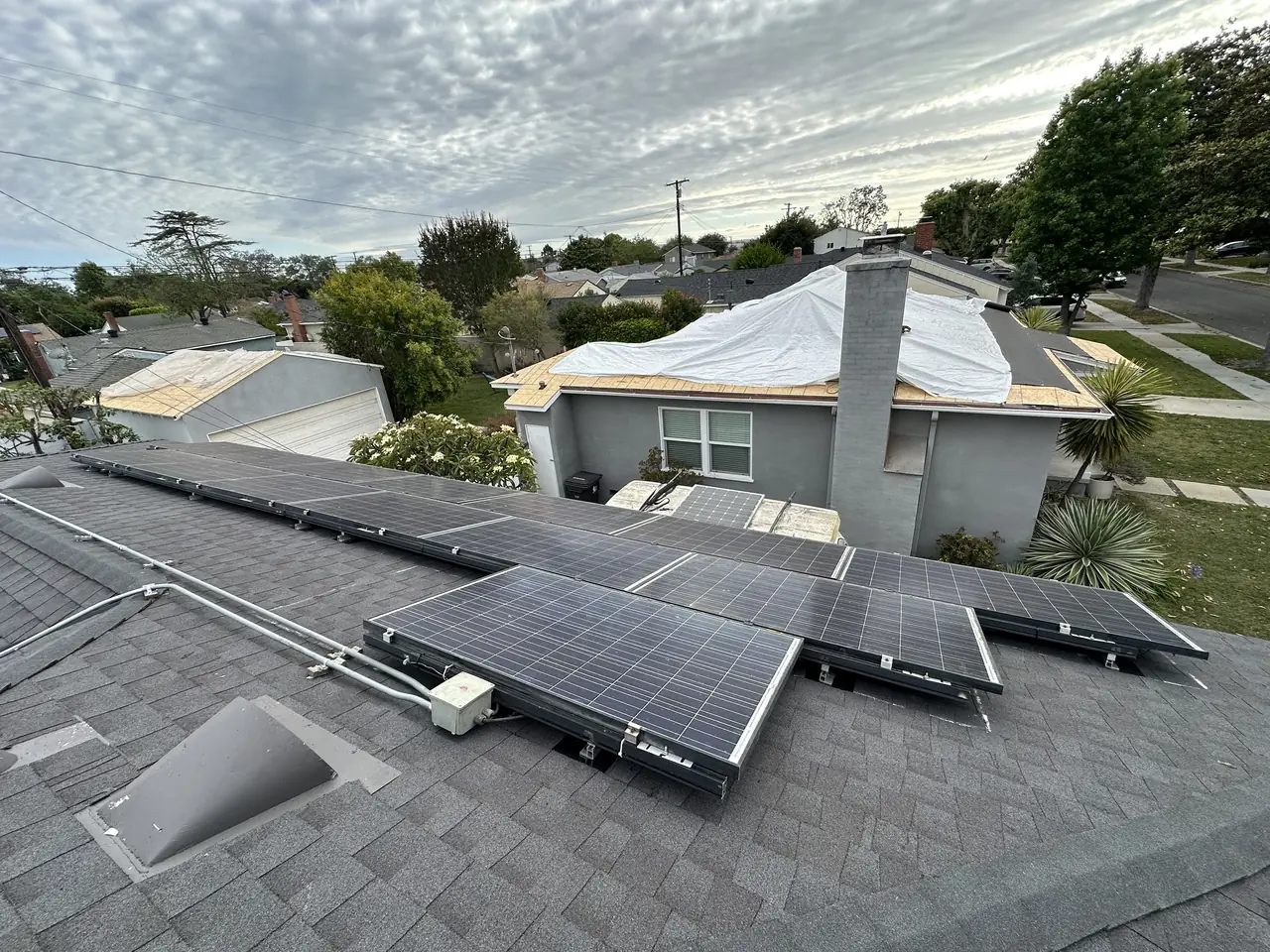
The composition roof under this decade-old Long Beach array had reached the end of its life, so the array had to come off to let it be re-covered. Before a single bolt came out, Cali Energy wrote down every module's serial number against its position, with the front of the house marked on the sketch, so each one could return to the place it came from. The array came down on 14 May 2026; on the new covering it was set out again on fresh mounts with a new conduit run, went back up on 28 May and was tested the same evening.
At a glance
- Work
- Array removed for a re-roof and reinstalled
- Array age
- Around a decade; 240 W class modules
- Before removal
- Every serial number recorded against its position
- Off the roof
- 14 May 2026
- Back on
- 28 May 2026, on the new covering
- Renewed
- Mounts and flashings; the rails were kept and re-used
- Checked at the end
- Voltage measured at the service; monitoring reporting the same evening
- Utility / AHJ
- Southern California Edison / City of Long Beach
The story
This was not a new system, and the reason for the visit was not the solar. An array had been working on this roof for about a decade — modules of the size that was normal then, a little over half of what a module produces today — and the composition roof underneath it had run out. Granules worn off, a tab torn away to the asphalt, the usual end of a covering that has done its twenty-odd years. The roof had to be replaced, which meant the array had to come off first and go back on afterwards. That is a different job from an installation, and the difference is almost entirely in the hour before anything is unbolted.
A working array is not a set of identical panels. Each module has a serial number, each one sits in a particular place in a particular string, and the monitoring knows which is which. Put them back in a different order and everything still produces — but every reading afterwards points at the wrong part of the roof, and the first fault that shows up sends somebody to the wrong module.
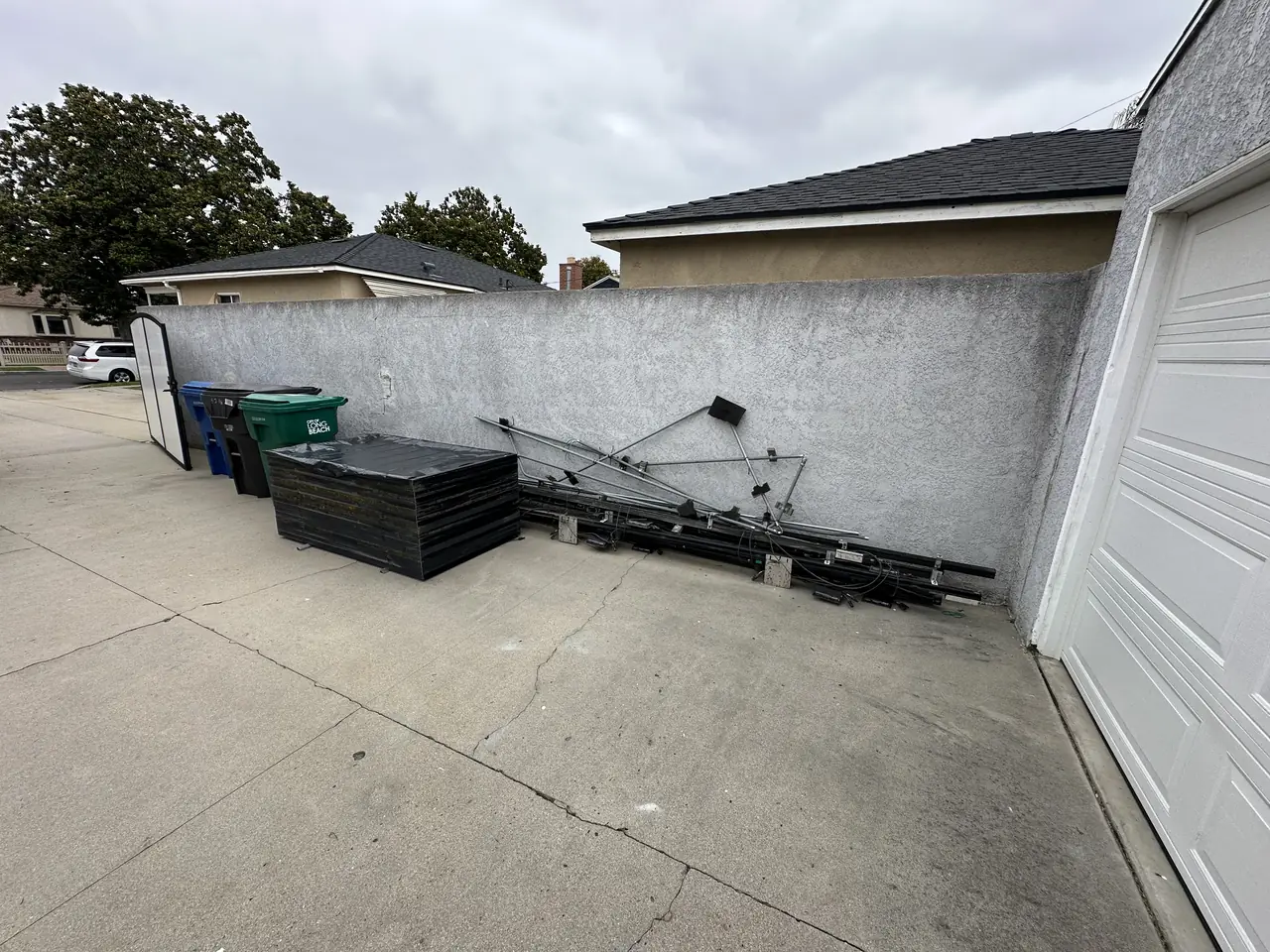
So the roof was written down first. Every serial, in its group, on a sheet of paper with the arrangement sketched around it and an arrow marking the front of the house, so there was no ambiguity about which end was which when the modules came back up two weeks later. Then the array came off: modules down, stacked face down on the driveway, racking stripped and leaned against the wall.
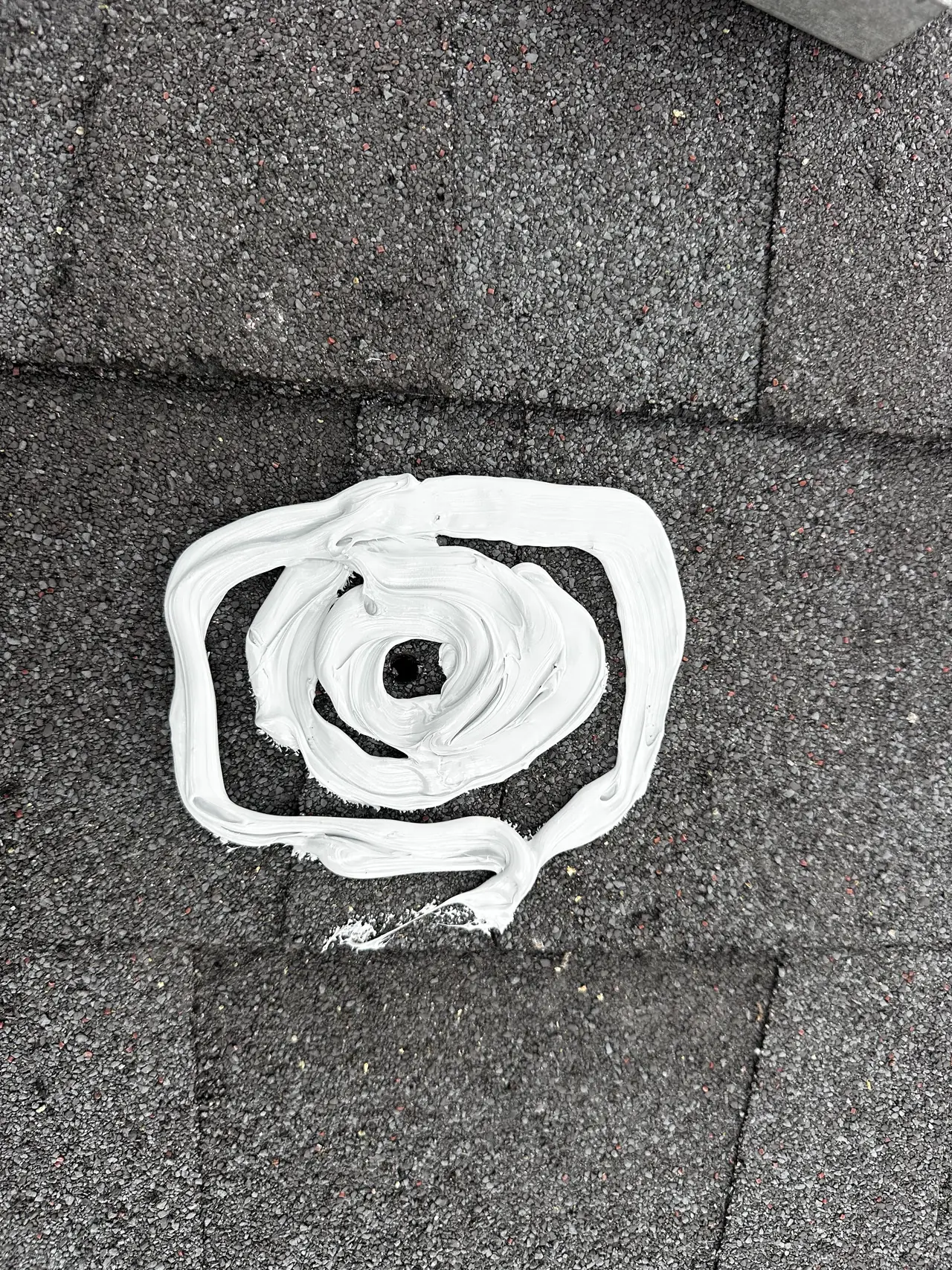
Then the roof was somebody else's job for two weeks, and what came back was a new covering with none of the old array's history in it: no ten-year-old penetrations, no tired flashings, no lag holes to make good. That is the quiet advantage of doing these two pieces of work in the right order — the array does not go back onto anything that was already weathering when it came off.
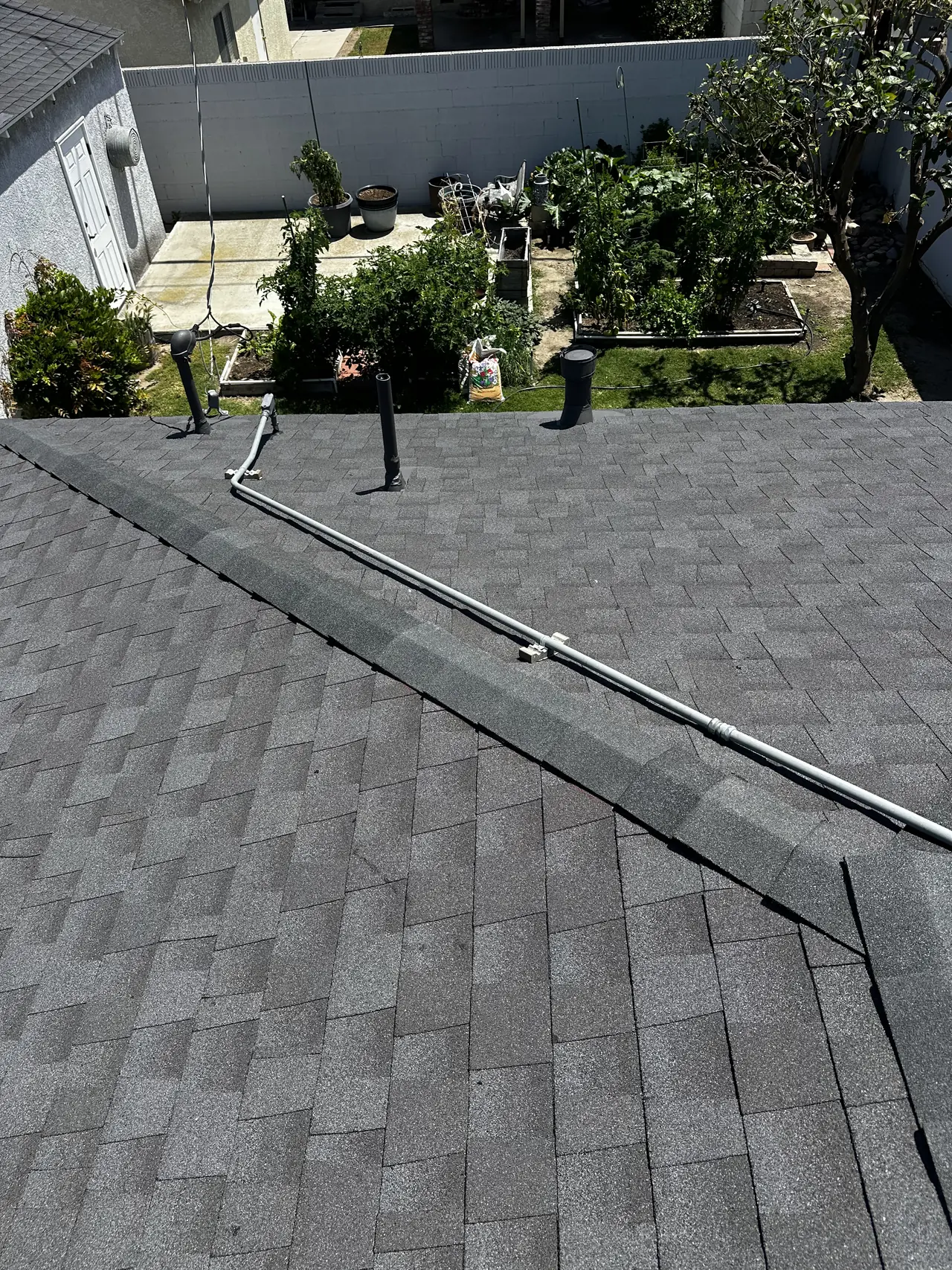
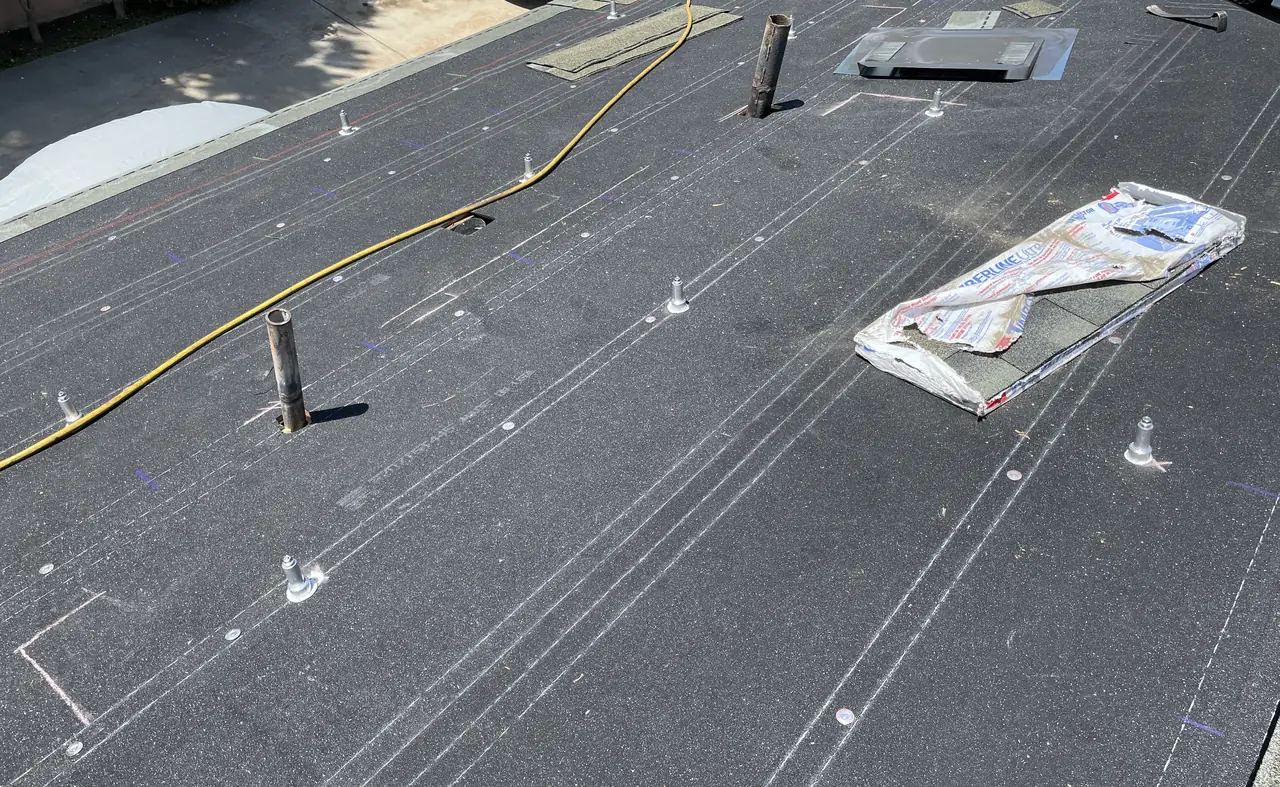
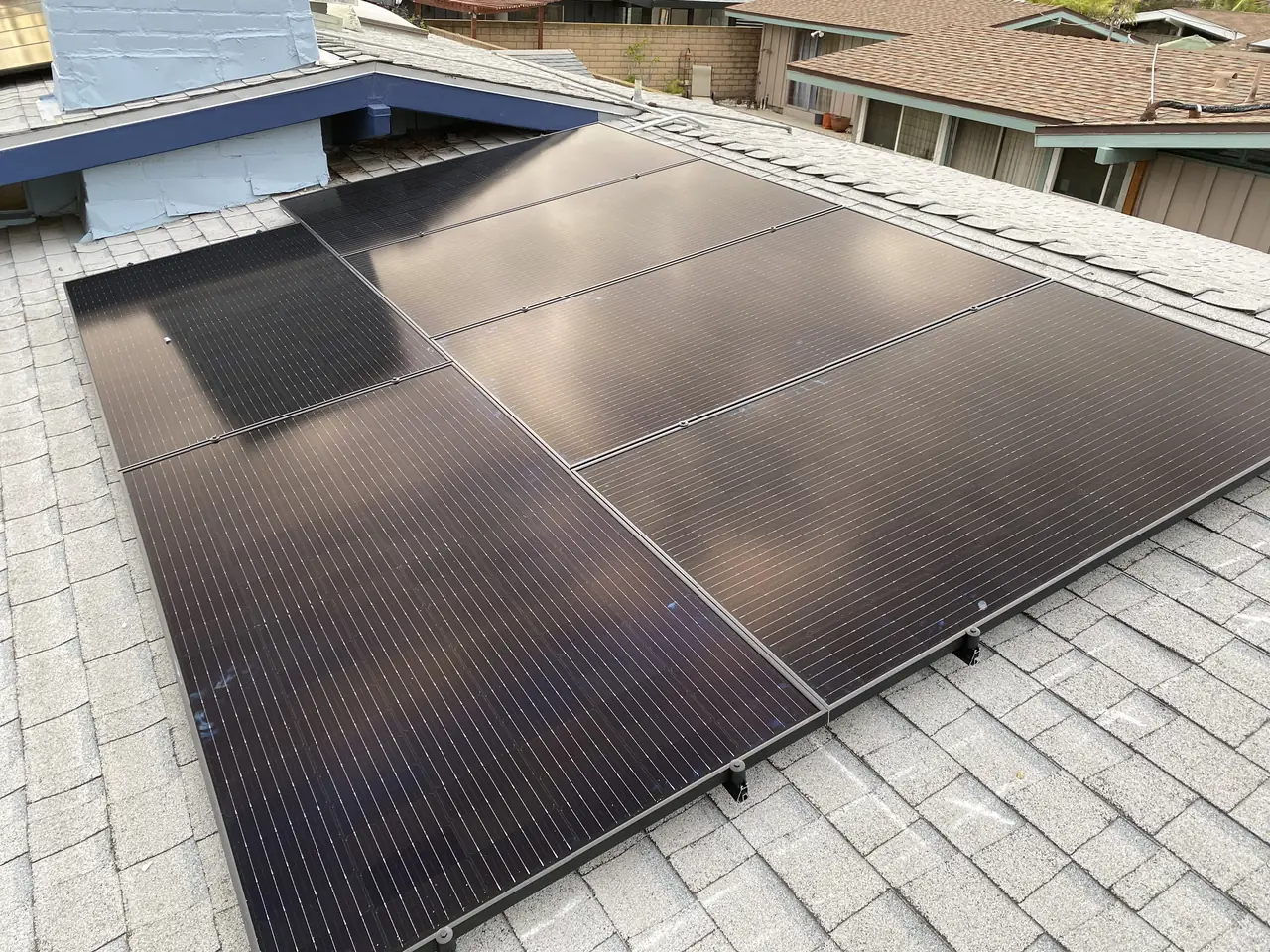
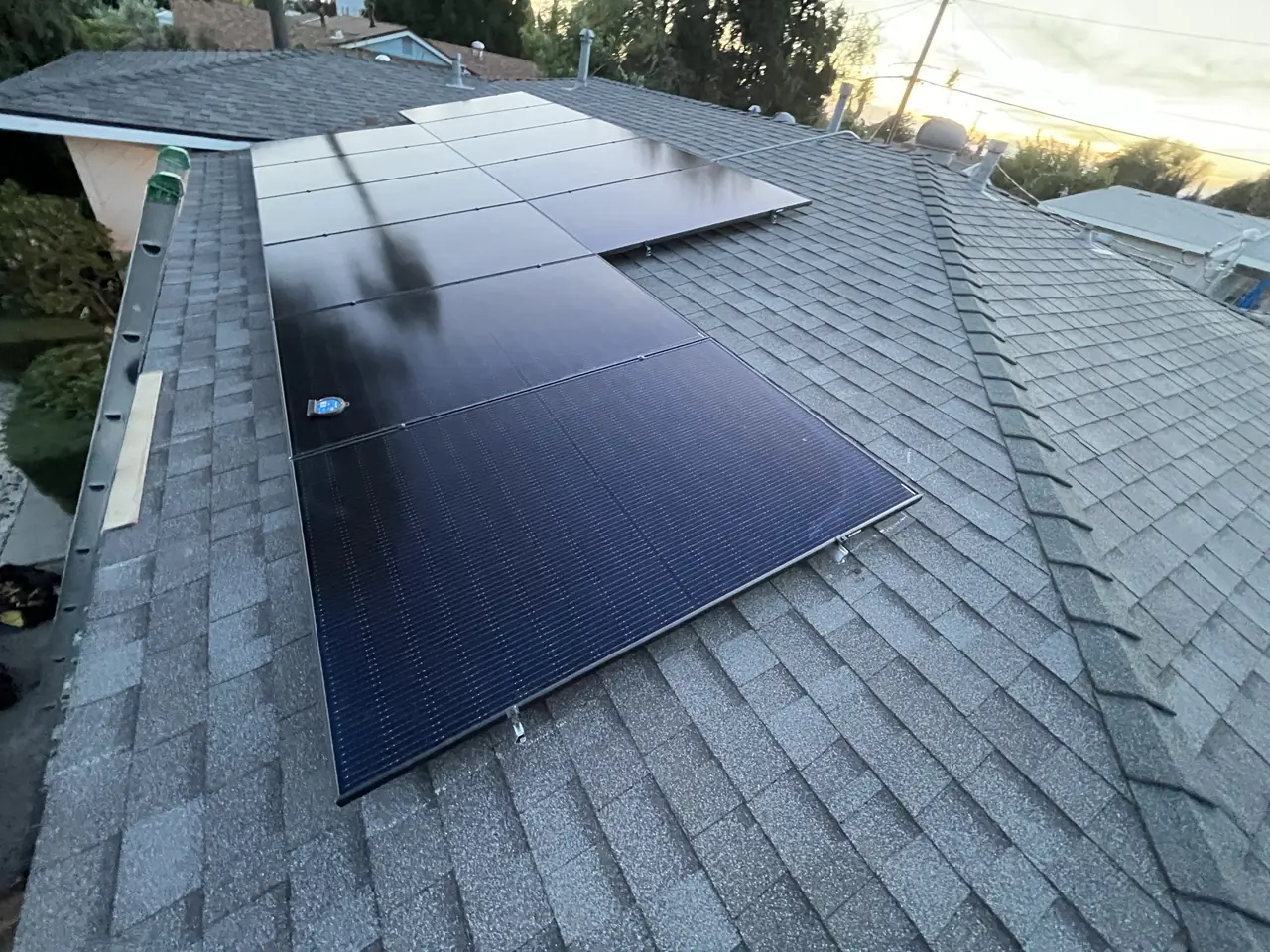
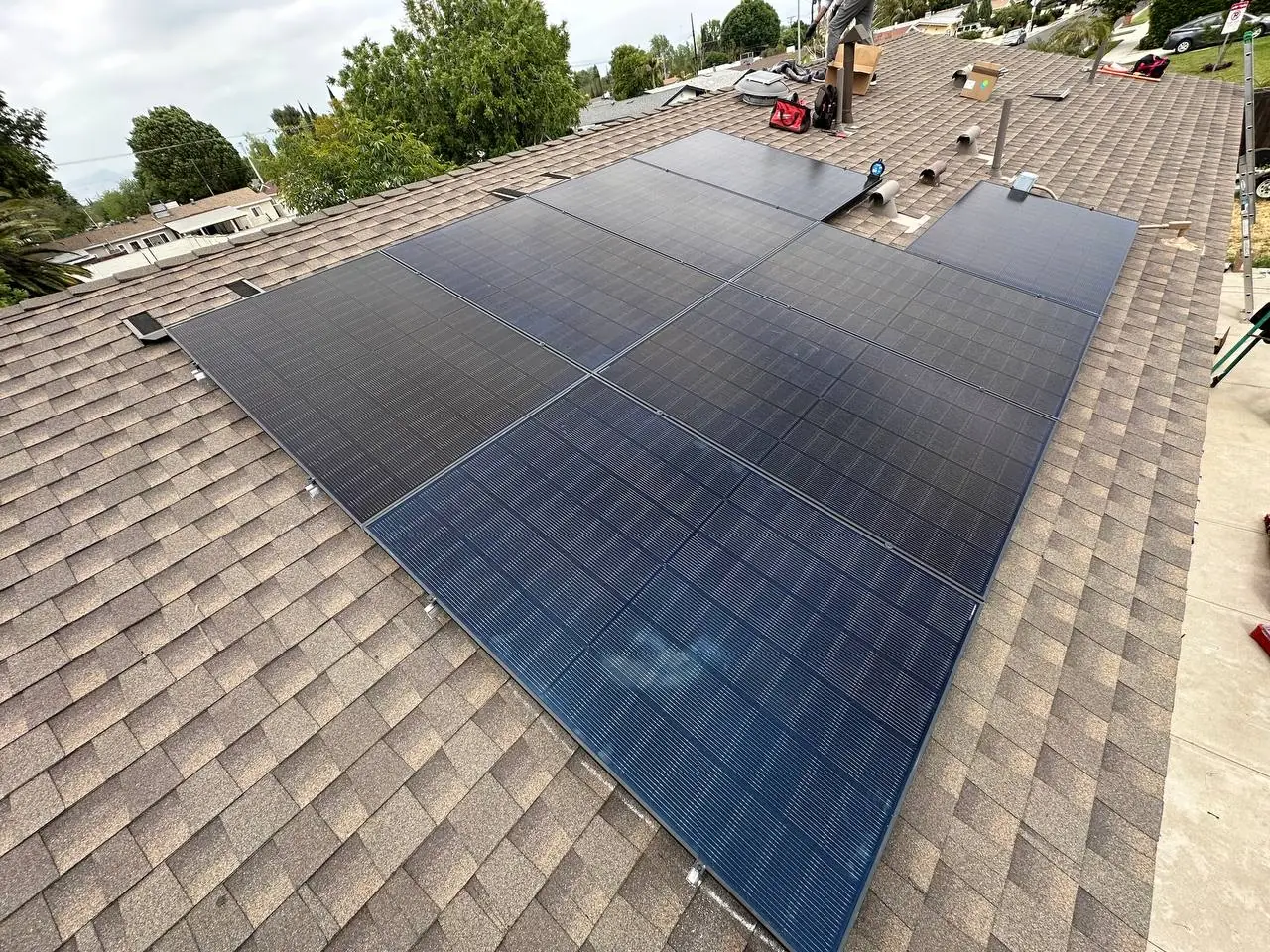
So the roof was set out again from scratch. Fresh chalk lines on the new shingle, new mounting points, new flashings, the conduit and junction boxes back along the hips. Every penetration was bedded in sealant and its flashing slid under the course above, exactly as it would be on a first installation — because on a new covering that is what it is. What did not need replacing was not replaced: the rails came off the old roof, spent the two weeks stacked against the wall in the order they came down, and went back up. Two weeks after it came down the array was back, each module in the position its serial number said it had come from, and the system was measured at the service and reporting again by the end of the evening.
If somebody quotes you to take an array off and put it back, the question to ask is what happens in between: whether the module positions are recorded before the first bolt comes out, and whether the old holes are closed or simply covered up. Those two answers are the whole job.
How it ran
| Before removal | Every module's serial number recorded against its position, front of house marked |
|---|---|
| 14 May 2026 | Modules taken down and stacked; racking stripped |
| Between the visits | Composition roof stripped and re-covered |
| 28 May 2026 | Roof set out again on the new shingle: chalk lines, mounts and rails |
| Same visit | New conduit run and junction boxes along the ridge |
| Same evening | Modules reinstalled to their recorded positions; voltage measured at the service |
Two weeks between the last module down and the first one back up — the length of a re-roof, and a sheet of paper that made the second day easy.
What we did
- Recorded every module's serial number against its position before any bolt came out, with the front of the house marked on the sketch.
- Took the array down and stacked it clear of the work, with the old racking.
- Cleared the roof completely so the covering could be replaced, and kept the modules face down on bearers under sheeting with the racking stacked in order beside them for the two weeks.
- Set the roof out again on the new shingle with fresh chalk lines and new flashed mounts, bedding every penetration before its flashing went on.
- Ran new conduit and junction boxes along the ridge.
- Reinstalled every module into the position its serial number recorded, measured the service and put the system back into use the same evening.
System specifications
| Work | Array removed for a re-roof and reinstalled |
|---|---|
| Modules | Existing, 240 W class, around a decade old |
| Positions | Recorded by serial number before removal |
| Roof | Composition, replaced between the two visits |
| New mounting | Fresh layout on the new covering, new flashings, every penetration bedded first |
| Re-used | The original rails, kept in order and put back |
| Wiring | Conduit run and junction boxes re-laid along the hips |
| Utility / AHJ | Southern California Edison / City of Long Beach |
Is your project like this one?
- Your roof is due for replacement and there is a working array on it.
- You have been quoted to remove and reinstall an older system.
- Your array is ten years old or more and nobody has touched the mounts since.
- You want the new roof to come back without the old array's holes in it.
- You want your monitoring to still point at the right module afterwards.
Cali Energy in Long Beach
Long Beach is its own city, not a Los Angeles neighborhood: permits run through the City of Long Beach Building & Safety Bureau, interconnection through Southern California Edison.
Long Beach has plenty of arrays old enough that the roof underneath them wore out first. A composition roof lasts twenty to thirty years, an array lasts longer, and when the covering goes the array has to come off and go back on. That is its own job, and it is not the same job as installing one: the modules already exist, the wiring already works, and everything that made it work has to survive the two weeks in between.
This installation is on the Long Beach projects page alongside the others, and what the work covers is set out on the Long Beach service area page.
- License and classifications: CSLB #1032379
- Official reference for this process: California Energy Commission — solar equipment lists
- Official reference for this process: City of Long Beach — Building & Safety Bureau
Frequently asked questions
Why record the serial numbers before taking an array down?
Because each module sits in a known place in a known string, and the monitoring is built on that map. Put them back in a different order and the system still produces, but every reading afterwards points at the wrong part of the roof. Writing the serials down against their positions takes an hour and keeps the system diagnosable for the rest of its life.
Do I have to take the array off to re-roof?
Yes, if the covering under it is being replaced — a roofer cannot strip and re-lay what an array is standing on. The right order is: modules and racking off and stacked clear, roof done, then the array set out again on the new covering with new mounting. Done that way the finished roof has no old penetrations left in it at all, which is worth more than it sounds.
Can the array go back on the same mounts?
Not onto a new roof. Anything that passes through the covering — the mount and its flashing — is new, set out from fresh chalk lines and bedded before the flashing goes over it. What sits above the roof and is still sound, the rails and the modules themselves, is kept and put back. Replacing those as well would be spending the homeowner's money on nothing.
Does Cali Energy remove and reinstall arrays in Long Beach?
Yes. Long Beach has plenty of arrays old enough that the roof under them needs attention, and Cali Energy does the full sequence: recording the module map, taking the system down, closing the old penetrations, setting out new mounting and wiring, and putting every module back where it came from. License CSLB #1032379.
What this would look like on your roof
Planning solar in Long Beach? Tell us your utility, your roof and what your bill looks like now, and we will model what a system like this would do on your house before you commit to anything.
Or call +1 (323) 844-7777 · Cali Energy, Northridge · CSLB #1032379 (B, C-10, C-39) — design, permits, install and electrical under one licensed contractor.
Related
This timeline reflects this property and this permitting path. Updated September 2026.