

Encino, CA · February 2023 – March 2023 · LADWP / LADBS
Three lines on a pink form, and what each one means.
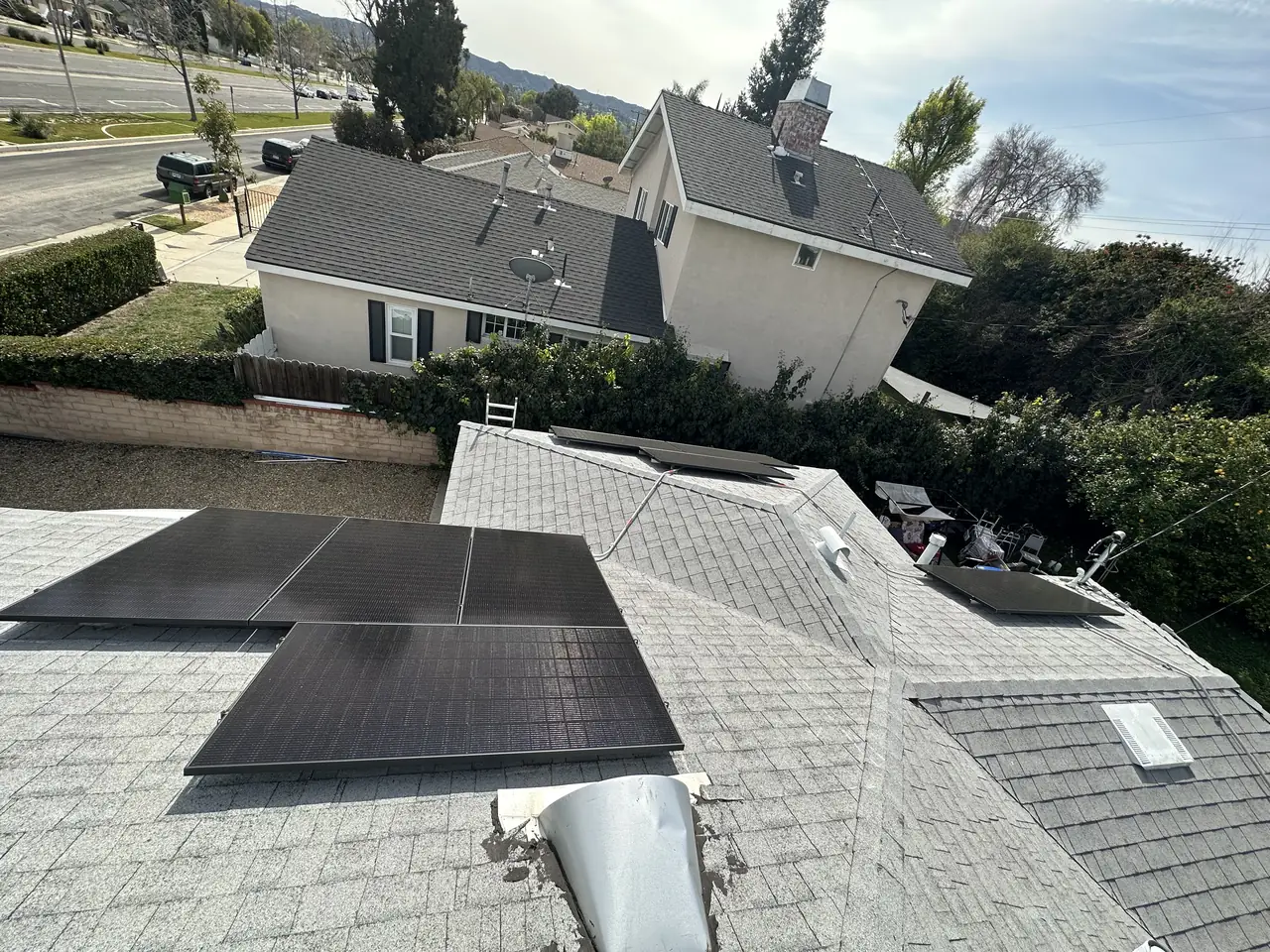
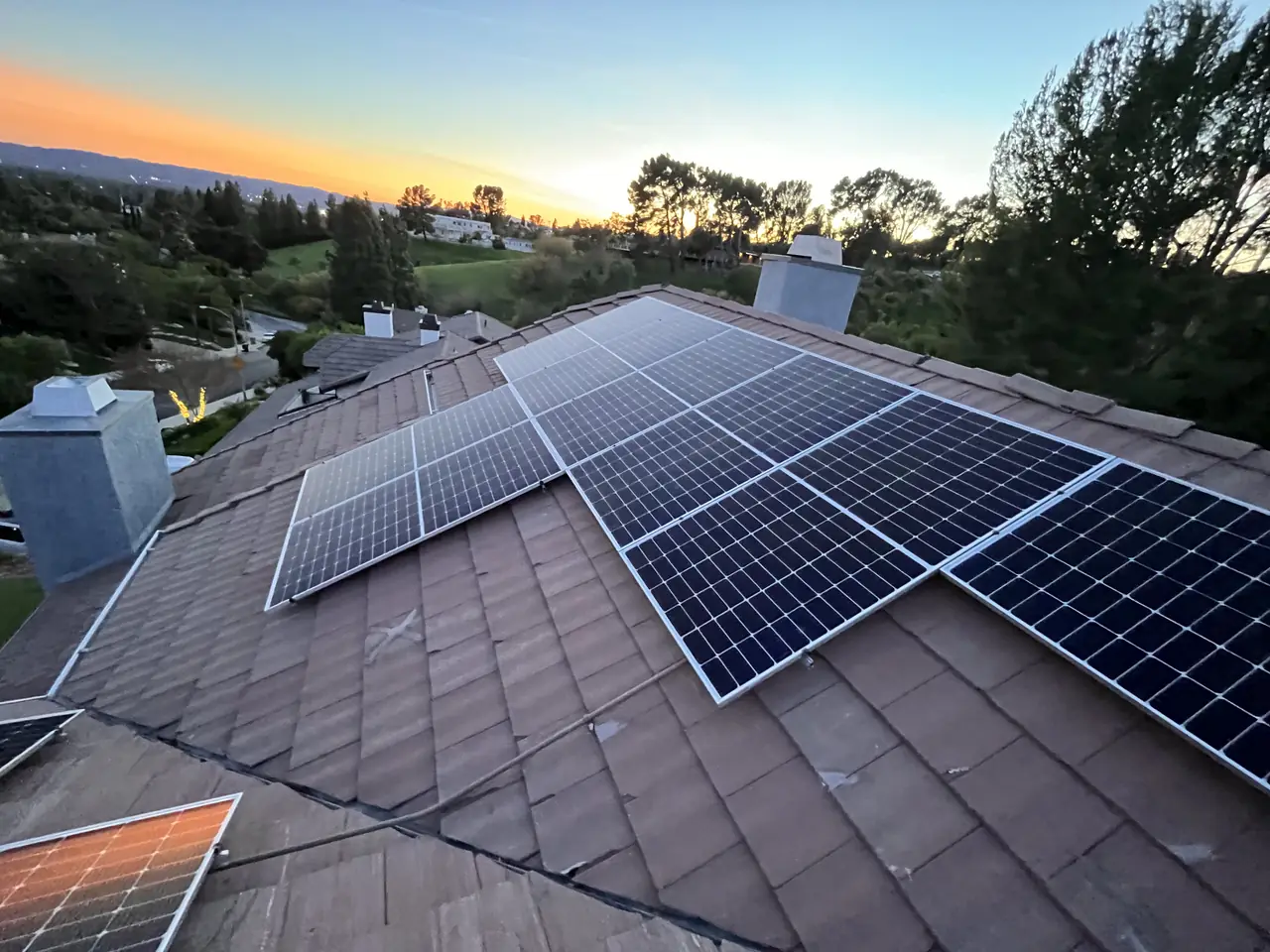
A single-story Encino house on composition shingle, a 7.9 kilowatt array, and a correction notice at the final inspection. Two of the three items were completed the same week. The third is service work and carries its own permit.
A correction notice is a list, not a verdict. At this final the inspector wrote three items: derate the main service breaker or replace the service panel for the new solar load, which needs an additional permit; install the grounding electrode conductor as the plan shows it; and label the conduits as the plan shows them. The second and third are an hour of work each. The first is service work, which is why it travels on its own permit rather than on the solar one.
At a glance
- Array
- 7.9 kW AC-CEC recorded by the utility
- Roof
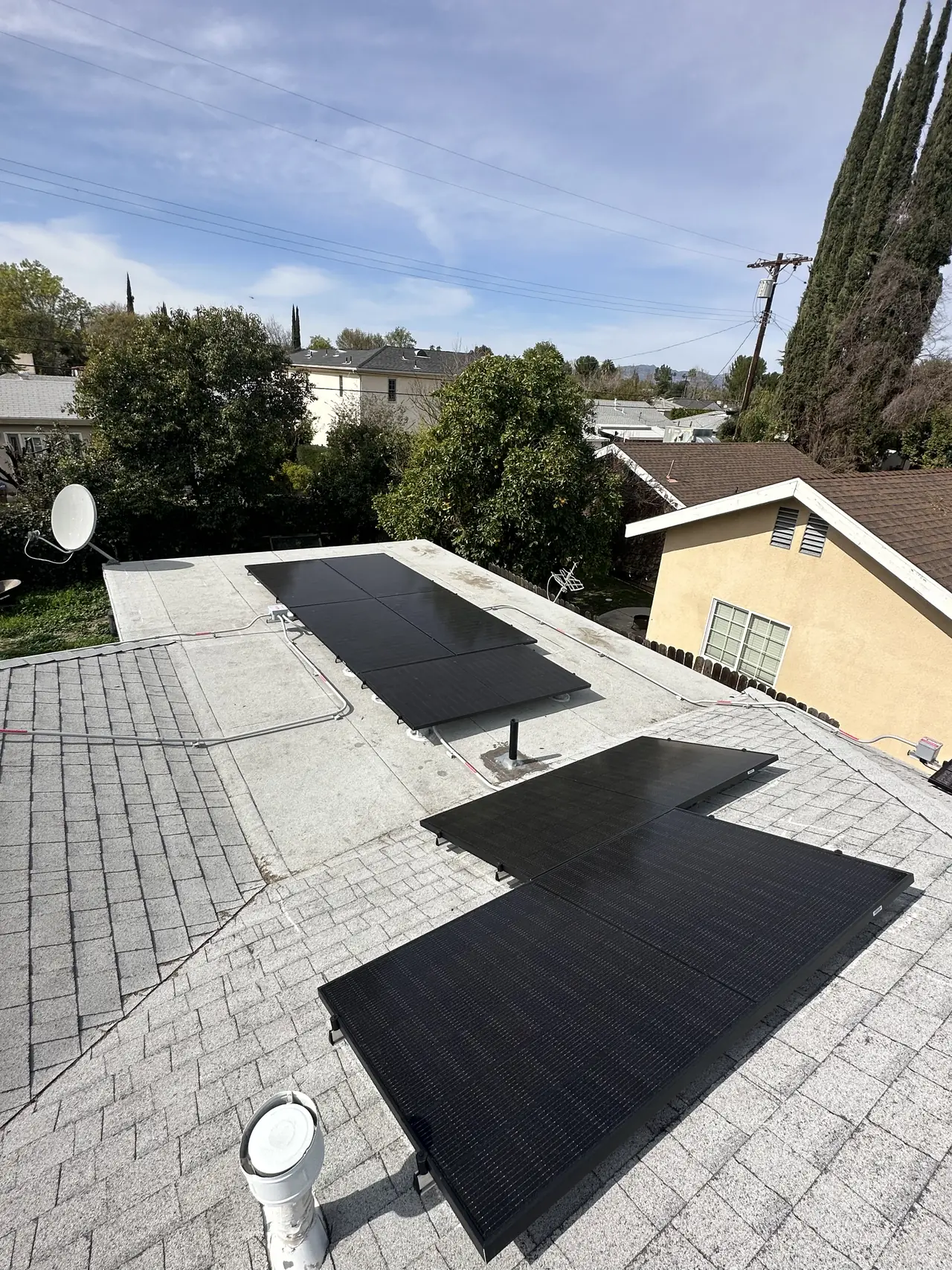
- Composition shingle, two main planes
- Application filed
- 14 February 2023
- Correction notice
- 17 February 2023, three items
- Re-inspection
- 21 February 2023
- Interconnection review complete
- 24 February 2023
- Permission to operate
- 9 March 2023
- Utility / AHJ
- LADWP / LADBS
The story
The interconnection application and the final inspection were requested on the same day, the fourteenth of February. That is deliberate: the utility's review and the building department's inspection are separate tracks, and running them in parallel is most of the difference between three weeks and two months.
The inspector came on the seventeenth and left a pink form on the panel. Not approved, three items, in handwriting. Homeowners who see one of these assume the worst. What it actually is: a list of conditions that have to be true before the work can be energized, in the order the inspector saw them.
Item one. Derate the main service breaker, or change to a new service panel, for the new solar load — and it requires an additional permit. This is the backfeed rule. A panel's busbar has a limit on what it can take from the utility supply and the array together; where the array pushes that sum over the limit, either the main breaker comes down or the panel is replaced. Both are service work, which is why neither travels on the solar permit and why this item is the one that sets the schedule.
Item two. Install the grounding electrode conductor per plan. That is the conductor tying the electrical system to the grounding electrode — the rod or the metallic water pipe that gives fault current somewhere to go. The words per plan matter: the drawing already showed it, so this is not a design argument, it is a piece of work to finish and show.
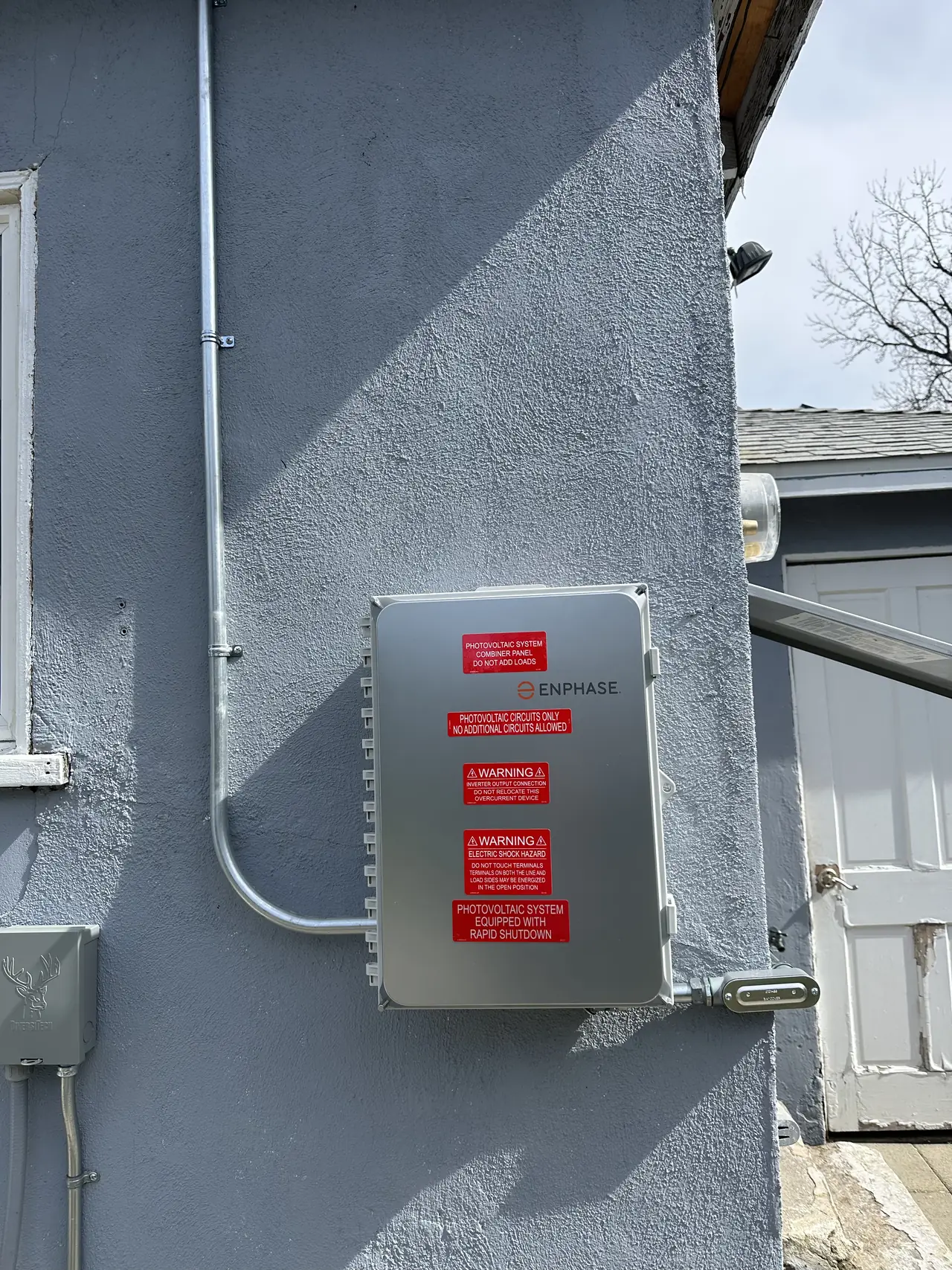
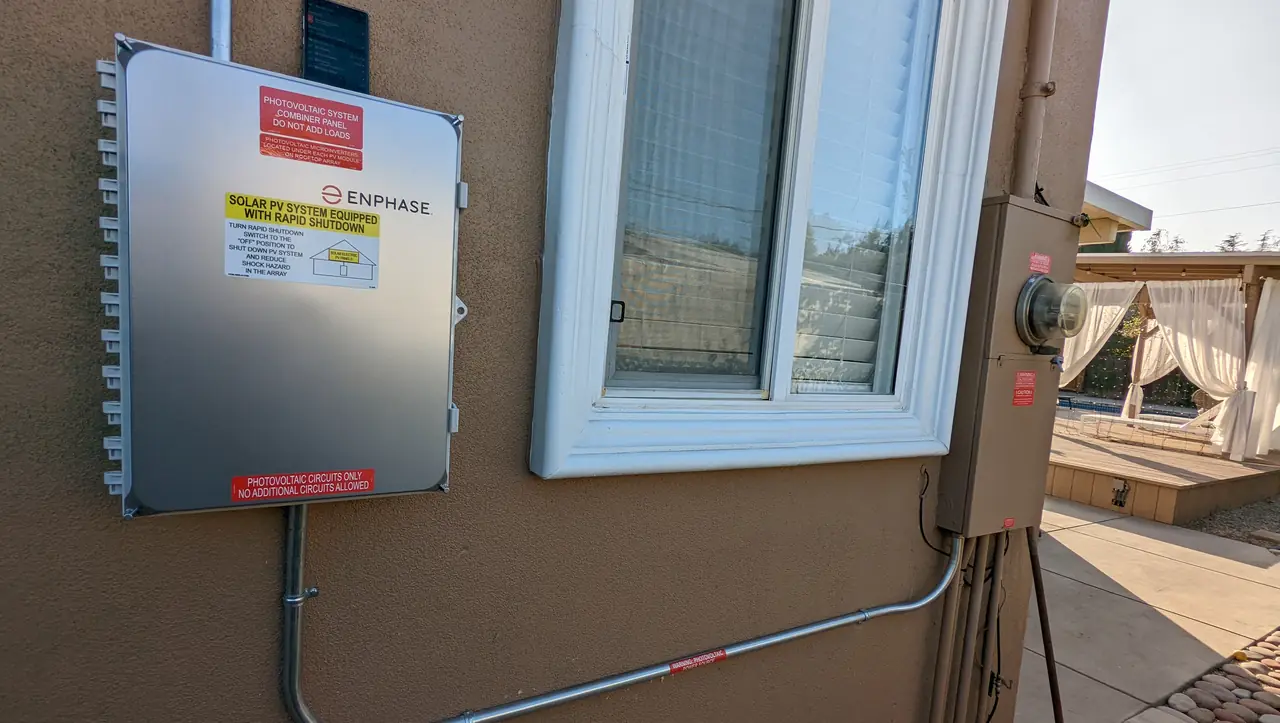
Item three. Label the conduits per plan. Photovoltaic conductors run at voltages that are live in daylight whether or not anything is switched off, and anyone opening a wall or a ceiling years from now has the right to know what is inside a raceway before they cut it. Labels are cheap and they are the last thing anybody remembers.
Cali Energy completed all three items and called the re-inspection on the twenty-first, four days after the notice. The utility finished its interconnection review on the twenty-fourth, and the net meter went on with permission to operate on the ninth of March — twenty-three days from the application, correction included.
That twenty-three-day figure is the useful part. A correction notice is not a disaster and it is not evidence of bad work; inspectors write them daily, and a contractor who claims never to get one is either new or not telling the truth. What it costs is days, and the way to keep those days few is to answer the correction on the same track it came from: service items on a service permit, plan items against the drawing, and the re-inspection called as soon as both are done.
If you are handed one of these, the question to ask is simple and specific: which of these items can be corrected under the permit we already have, and which one needs a new permit? The answer tells you whether you are waiting days or weeks.
How it ran
| 14 February 2023 | Interconnection application filed; final inspection requested |
|---|---|
| 15 February 2023 | Application reviewed; site evaluation complete |
| 17 February 2023 | Correction notice issued at the final inspection |
| 21 February 2023 | Corrections completed; re-inspection requested |
| 24 February 2023 | Interconnection review complete |
| 9 March 2023 | Net meter set — permission to operate |
Twenty-three days from application to permission to operate, with a correction notice inside that window. This timeline reflects this property and this permitting path.
What we did
- Filed the interconnection application and requested the building final on the same day so the two reviews ran in parallel.
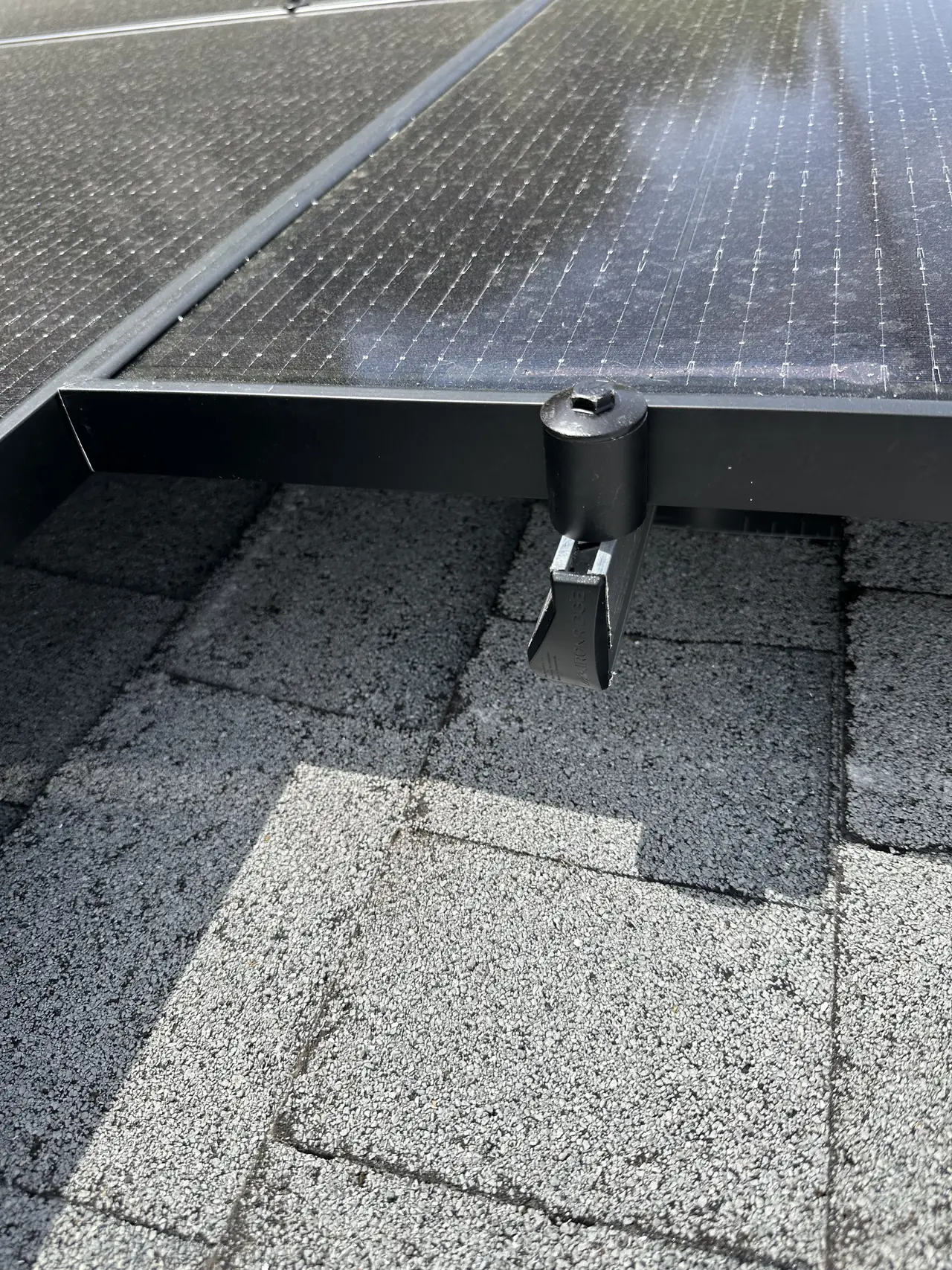
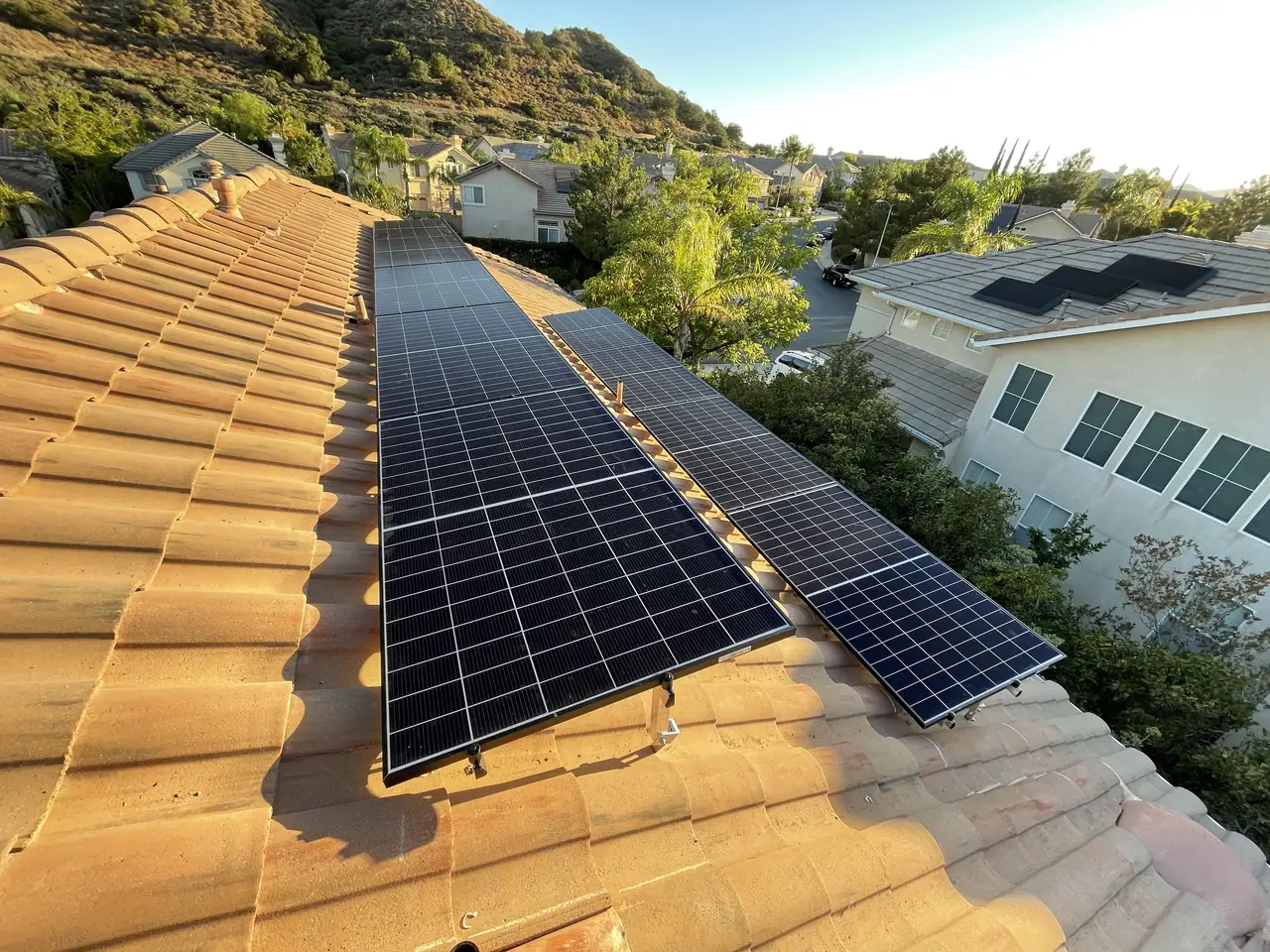
- Installed the array across two planes of composition shingle on rafter-fixed, flashed standoffs (B, C-39).
- Addressed all three correction items and called the re-inspection four days after the notice (C-10).
- Completed the grounding electrode conductor and the conduit labeling to match the approved drawing.
- Carried the service-side item on its own permit rather than trying to close it under the solar permit.
- Kept the utility submission complete so the interconnection review closed three days after the re-inspection.
System specifications
| Array size | 7.9 kW AC-CEC recorded by the utility |
|---|---|
| Roof covering | Composition shingle, two planes |
| Attachment | Rafter-fixed standoffs with flashing |
| Correction item 1 | Derate the main breaker or replace the panel — separate permit |
| Correction item 2 | Grounding electrode conductor per plan |
| Correction item 3 | Conduit labeling per plan |
| Re-inspection | Four days after the notice |
| Utility / AHJ | LADWP / LADBS |
Is your project like this one?
- You have been handed a correction notice and cannot read the handwriting.
- Your array is installed and someone has now raised your main breaker size.
- You want to know which corrections need another permit and which do not.
- The utility application and the inspection request on your job went in weeks apart.
- You are trying to work out whether three weeks to permission is normal.
Cali Energy in Encino
Encino sits inside City of Los Angeles boundaries: permits run through LADBS, interconnection through LADWP.
Every solar project in Encino ends at two desks: the building department's inspector and the utility's meter crew. Twelve completed Encino projects are documented on our projects page, and the fast ones are fast because those two tracks run at the same time.
This installation is on the Encino projects page alongside the others, and what the work covers is set out on the Encino service area page.
- License and classifications: CSLB #1032379
- Official reference for this process: LADBS — inspections
- Official reference for this process: LADBS — plan review and permitting
Frequently asked questions
Does Cali Energy handle LADBS inspections in Encino?
Yes. Cali Energy files the permits, calls the inspections and carries any corrections through to sign-off, including service-side items that need their own permit. On this Encino house the correction came on a Friday and the re-inspection was called the following Tuesday. Twelve completed Encino projects are documented on our projects page; our license is CSLB #1032379.
What is a correction notice on a solar final?
It is the list an inspector leaves when work cannot be approved yet. Each line is a condition to satisfy before the system can be energized, and the permit stays open until they are all met. It is not a penalty and it does not restart the project. On this house there were three items and the re-inspection was called four days later.
Why would an inspector ask to derate the main breaker?
Because the panel's busbar has a limit on what it can accept from the utility supply and the array at the same time. If the array pushes that sum over the limit, the choices are a smaller main breaker or a new service panel. Both are service work and carry their own permit, which is why this item is slower than the rest of the list.
What is a grounding electrode conductor?
It is the conductor that ties the electrical system to its grounding electrode — typically a driven rod or a metallic water pipe — so that fault current has a defined path. When a correction says to install it per plan, the detail was already on the approved drawing and the work simply has to match it and be visible to the inspector.
Why do the conduits have to be labeled?
Because photovoltaic conductors can be live in daylight regardless of what is switched off, and anyone opening a wall years later needs to know what is inside the raceway before cutting into it. Labeling is a code requirement, it is shown on the plan, and it is one of the most commonly missed items at a final.
What this would look like on your roof
Planning solar in Encino? Tell us your utility, your roof and what your bill looks like now, and we will model what a system like this would do on your house before you commit to anything.
Or call +1 (323) 844-7777 · Cali Energy, Northridge · CSLB #1032379 (B, C-10, C-39) — design, permits, install and electrical under one licensed contractor.
Related
This timeline reflects this property and this permitting path. Updated September 2026.