

Echo Park, CA · September – November 2025 · LADWP / LADBS
Echo Park: the smallest array we have built took the longest route.
Four modules on a second unit at the back of a lot. Nothing about the paperwork got any shorter.
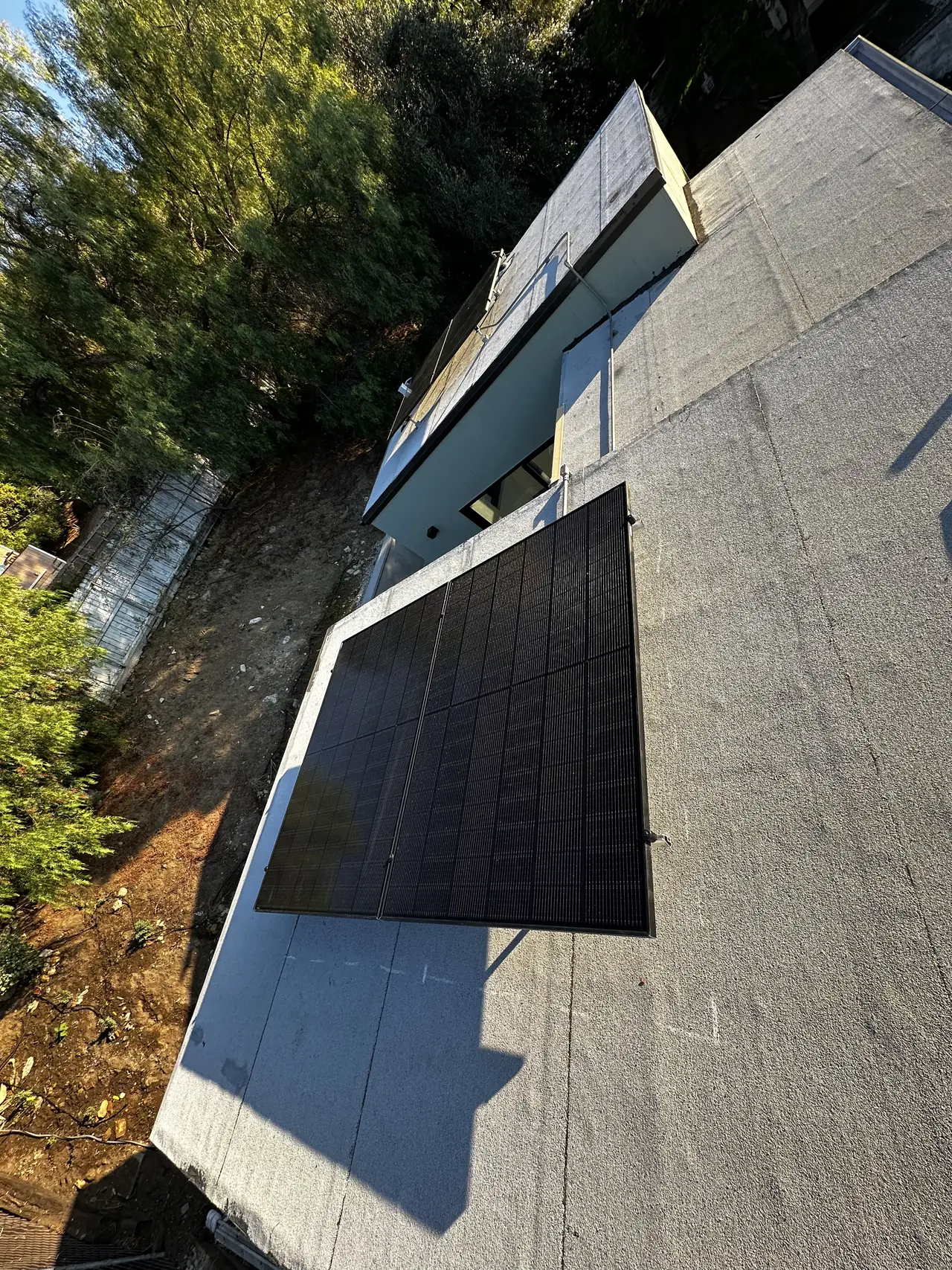
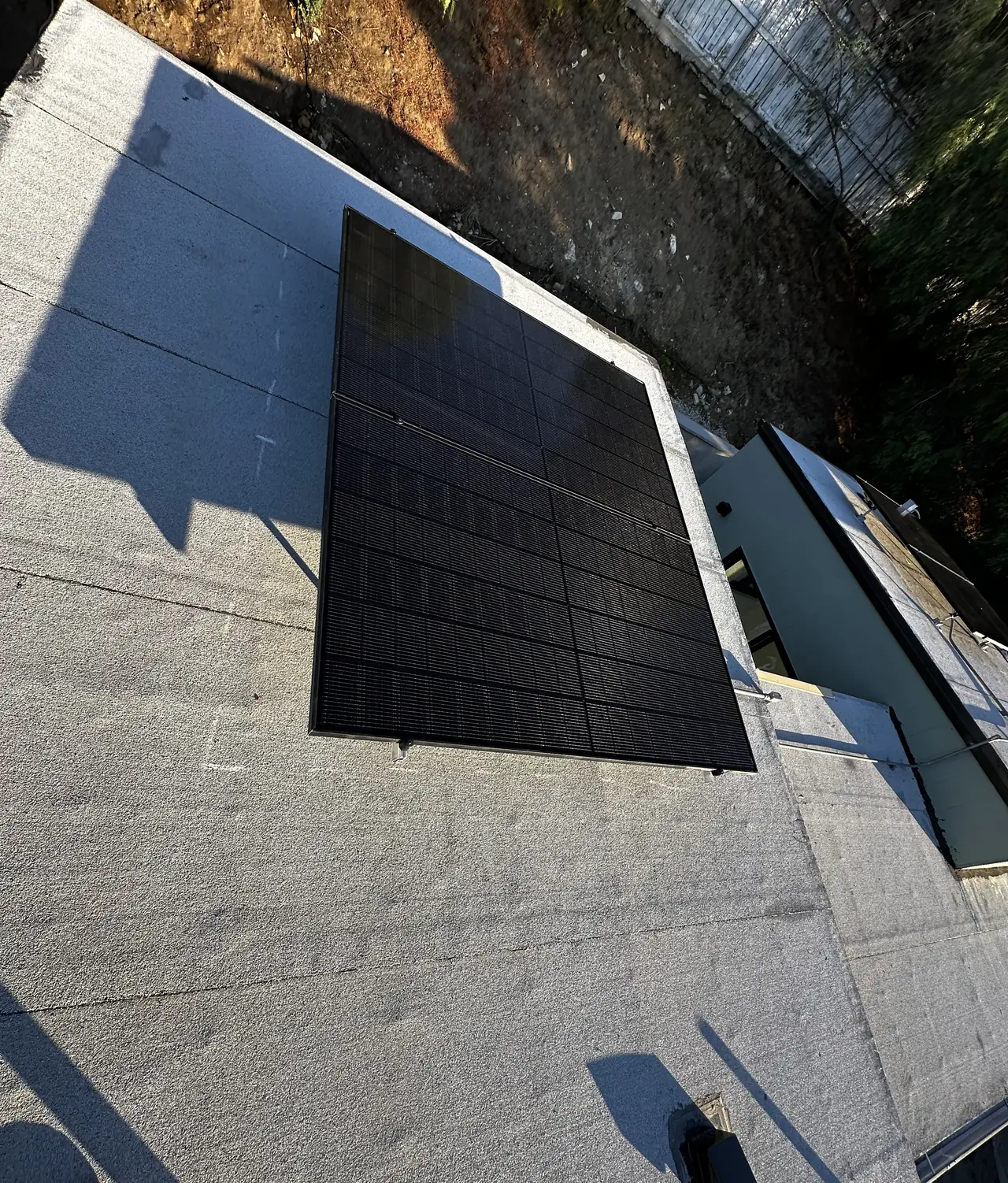
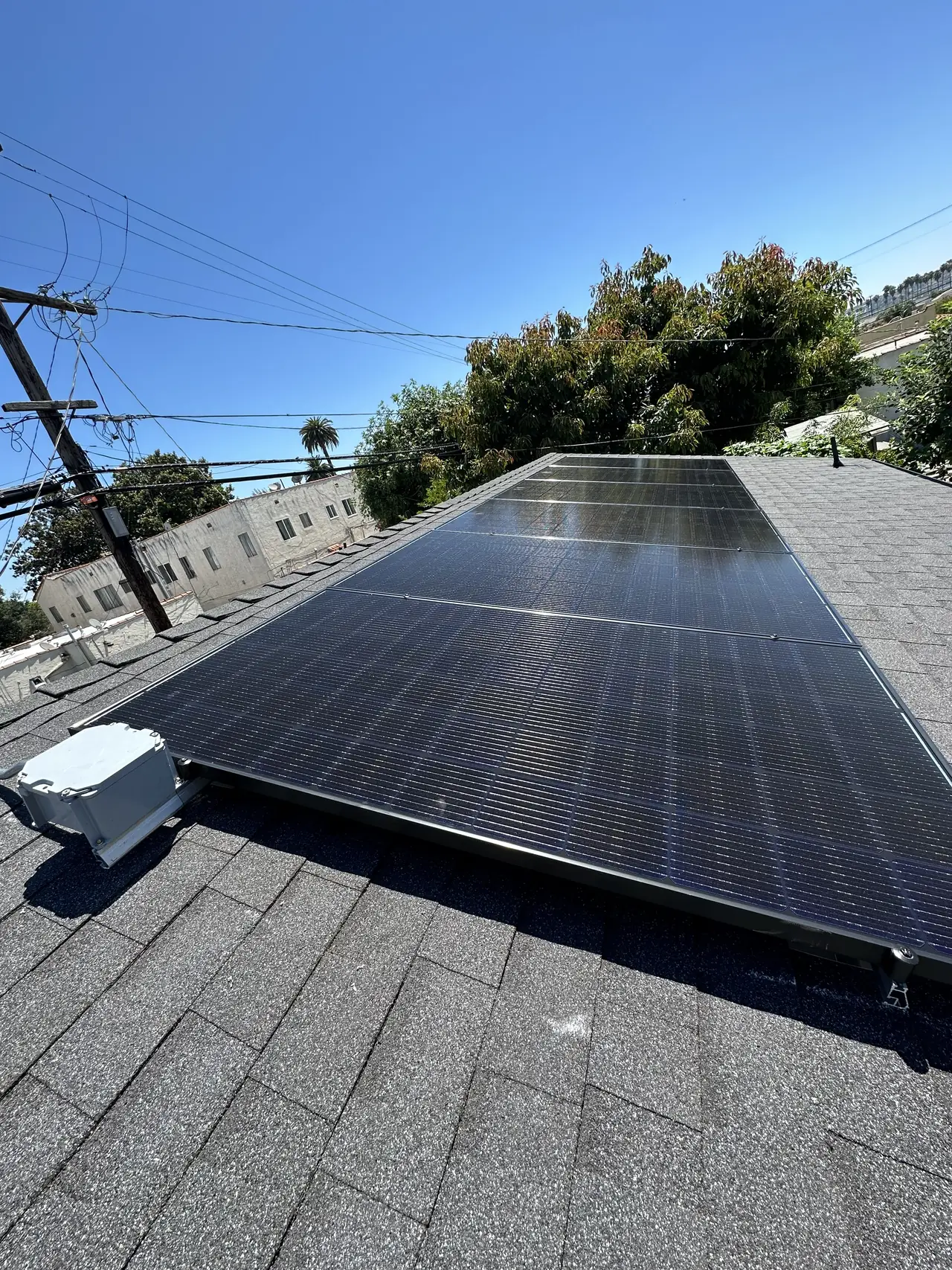
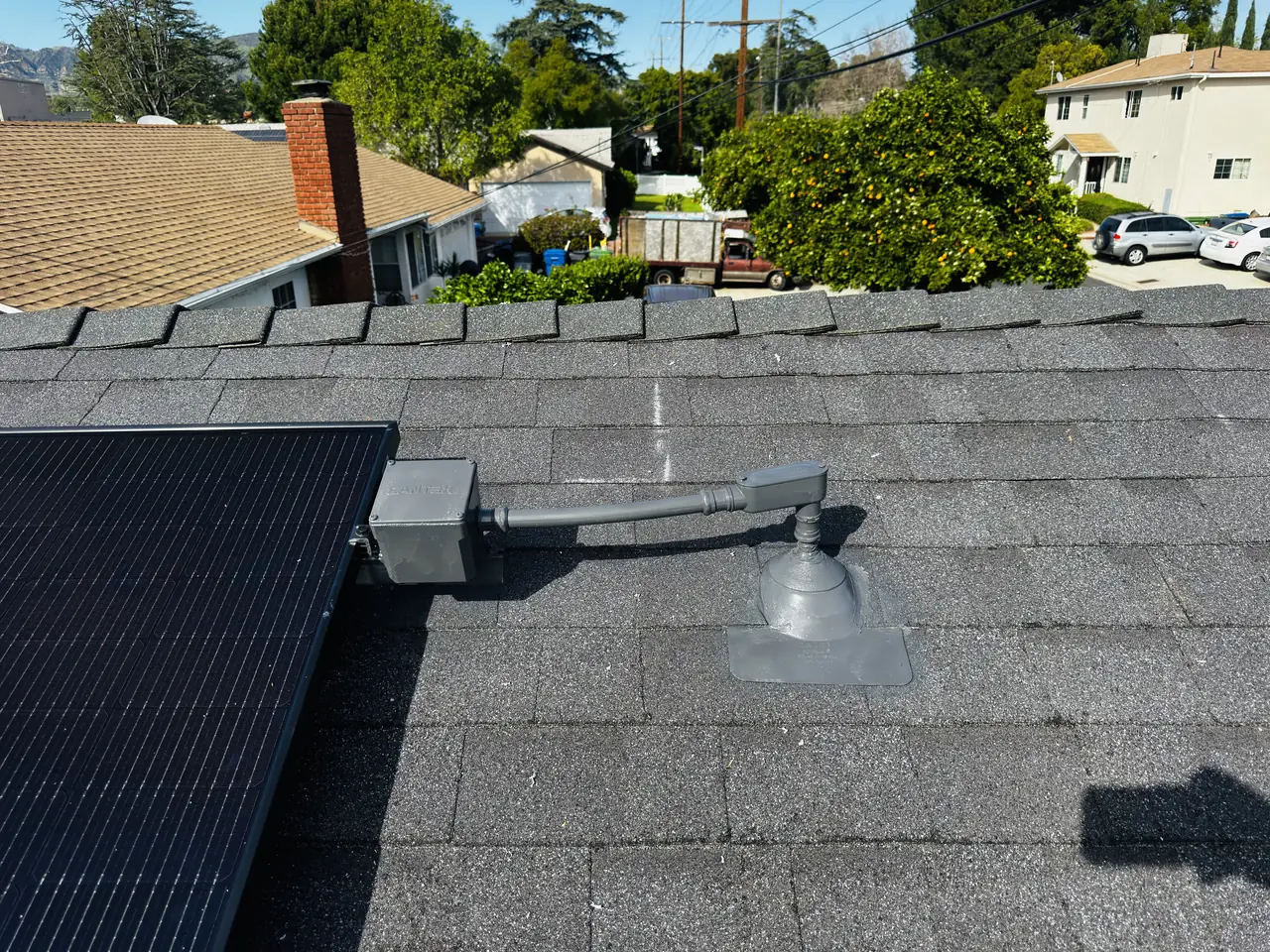
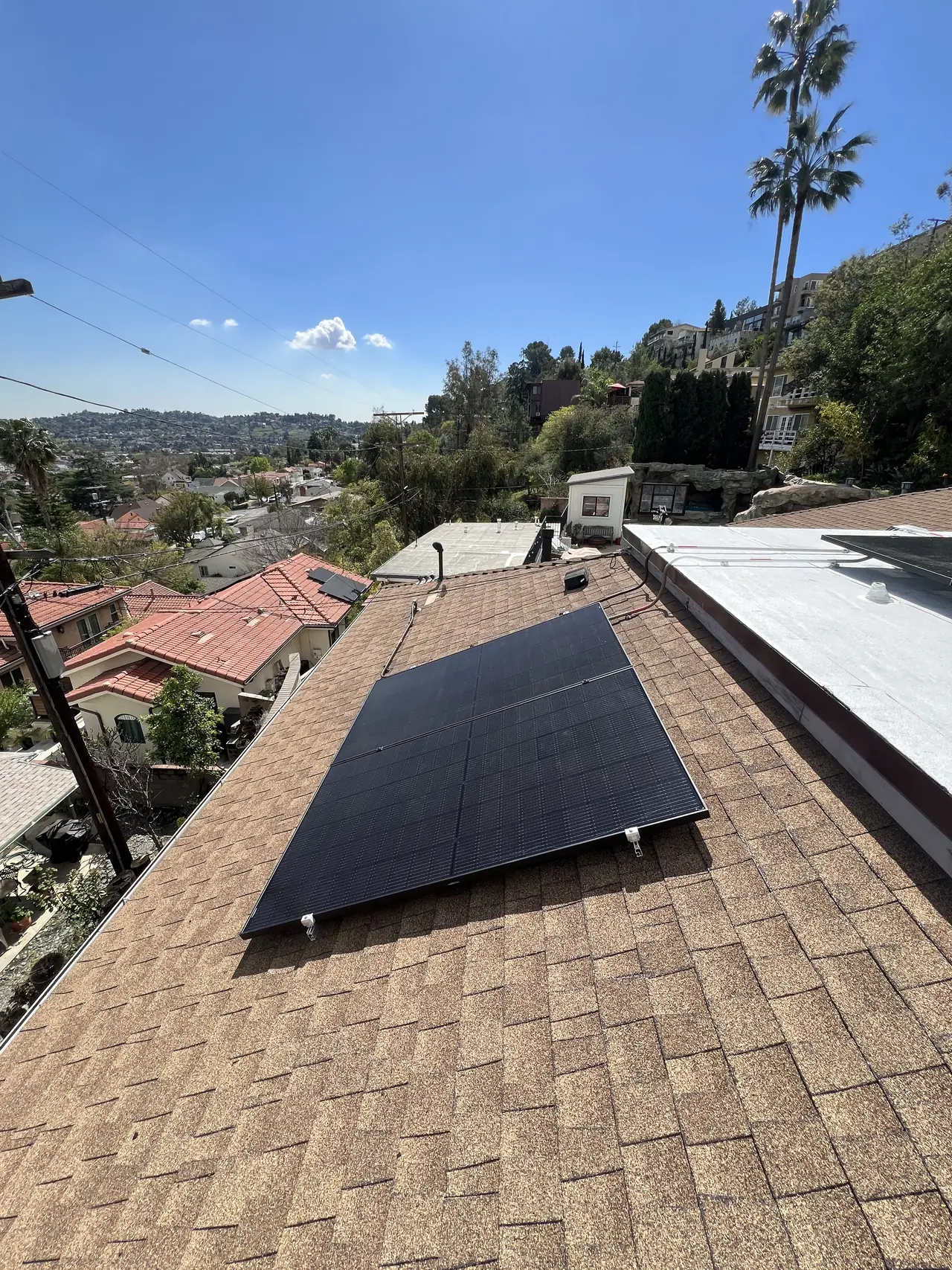
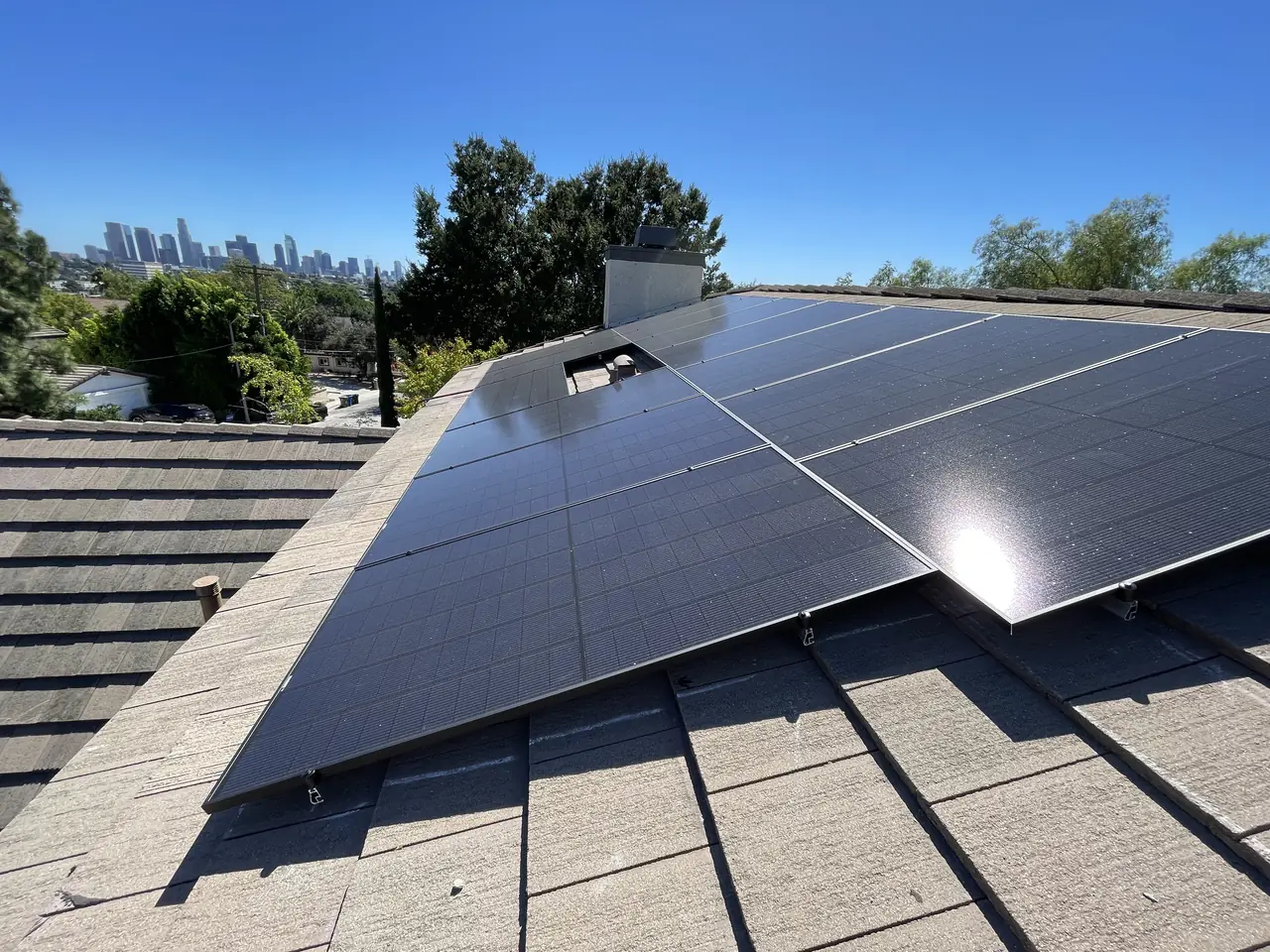
A 1.7 kW array is about four modules and a morning on the roof. On paper it is not a small project at all. On this Echo Park second unit the full sequence ran: an address verification from the city engineer, an interconnection application with its own work request number and place in the queue, two separate utility charges — one for processing the request, one for the underground portion of the service — then the building permit and the final inspection. Cali Energy carried all of it, and the only part the size shortened was the day the crew was there.
At a glance
- System
- 1.7 kW AC-CEC
- Property
- Second unit at the back of the lot
- Before anything else
- Address verification from the city engineer
- Utility charges
- Two, neither tied to size
- Final inspection
- Held by video call in November
- Utility / AHJ
- LADWP / LADBS
The story
One point seven kilowatts. Depending on the panel, that is four modules, maybe five. A crew is finished before lunch.
Systems this size get built for ordinary reasons: a small roof, a small bill, a second unit that uses almost nothing, an owner who wants to cover the daytime load and no more. None of that is unusual.
What surprises people is that the process does not shrink with the array.
It started before the solar application existed, with a question about the address. The unit here is a second structure at the back of the lot, and a second structure needs an address of its own on record before anything can be filed against it. The city engineer issues that verification — a form confirming the address, matched to the structure it belongs to.
It sounds clerical and it is not. Every step afterwards is filed by address: the permit, the interconnection request, the meter, the inspection. If the address on file is wrong or missing, the steps do not fail immediately — they fail later, usually after several weeks in a queue.
With the address settled, the interconnection request went in and behaved like every other one. A work request number. A place in the review queue. The same six-to-eight-week expectation the utility sets for small systems, which is the same expectation it sets for systems five times the size.
Then the charges, and these are worth naming because they are invisible in most quotes.
The first is the utility's charge for processing the request. It pays for the review, not for the connection, and it does not care how many kilowatts are on the roof.
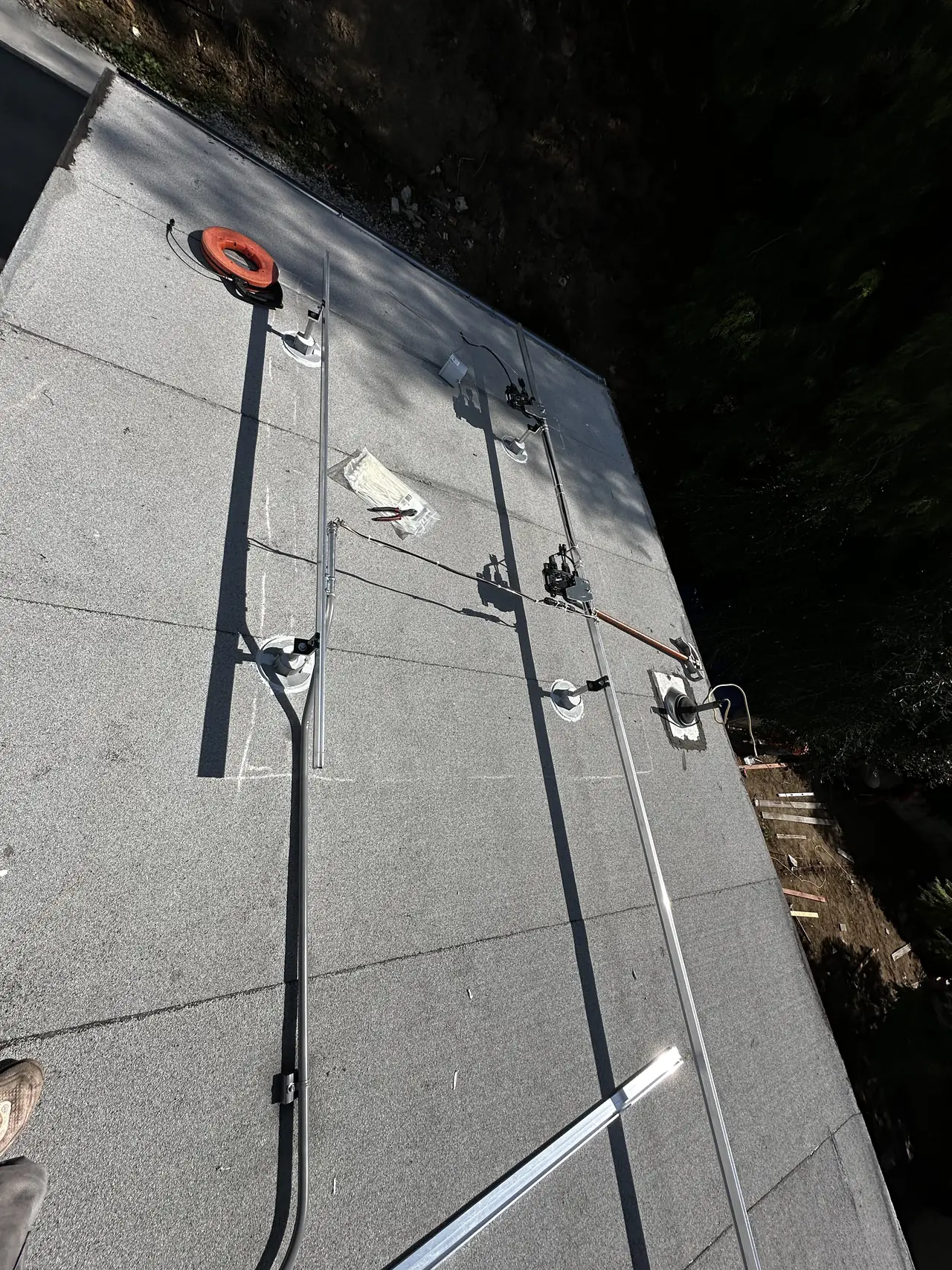
The second was for the underground portion of the service. Where the supply runs underground rather than from a pole, that section is its own line item with its own invoice, and it is billed separately from everything else. On a small project it is a noticeable share of the total.
After that, the ordinary end of a project: a building permit, and a final inspection booked for a morning in November, held as a video call.
The useful conclusion for anybody weighing a small array: the fixed costs are fixed. Permit, application, review, inspection and the utility's own charges are close to identical whether the array is four modules or forty. What scales with size is the equipment and the labor to fit it.
Which is why a small system is rarely proportionally cheap, and why the right question is not how small it can be but whether that size still earns its paperwork.
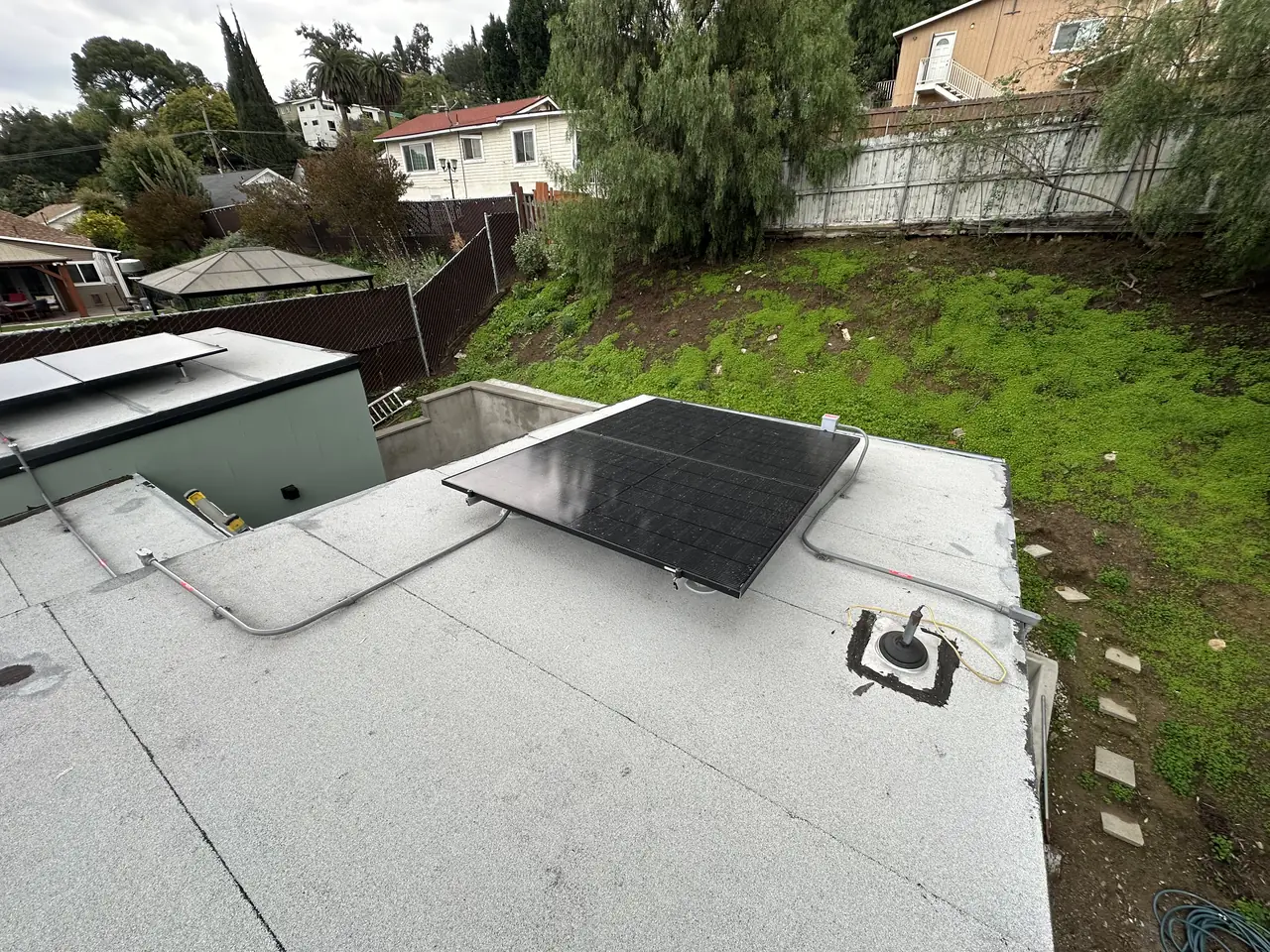
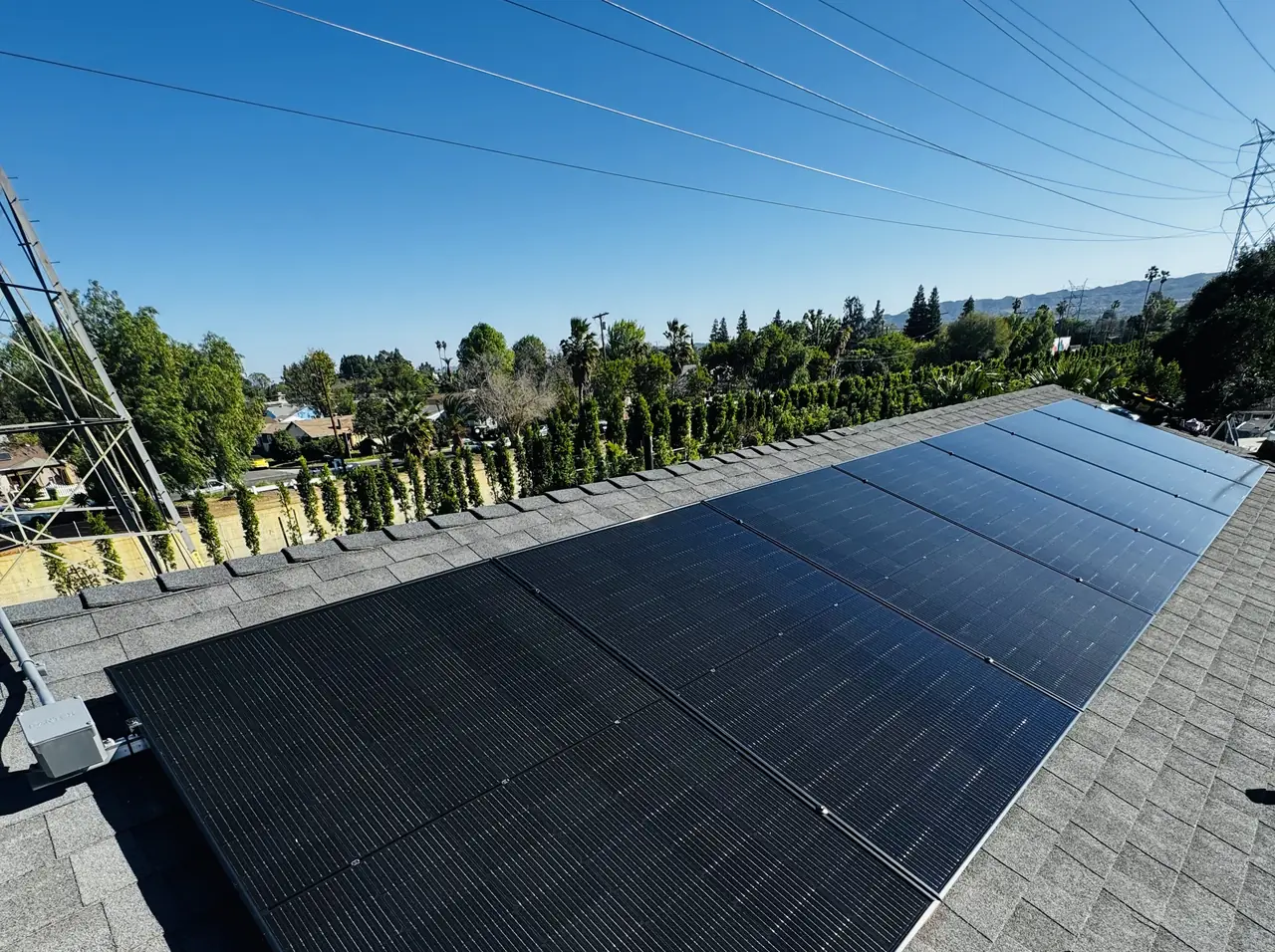
Cali Energy designed, permitted and installed this 1.7 kW array in Echo Park, Los Angeles.
How it ran
| 3 September 2025 | Address verification for the second unit issued by the city engineer |
|---|---|
| 25 September 2025 | Interconnection request accepted into the review queue — 1.7 kW AC-CEC |
| 25 September 2025 | Utility processing charge paid |
| 26 September 2025 | Separate payment for the underground portion of the service |
| 9 October 2025 | Installation — one day |
| 18 November 2025 | Final inspection requested for the 20th |
| 19 November 2025 | Virtual inspection waiver signed; video call booked |
| 20 November 2025 | Final inspection held by video |
| After the final | Permission to operate follows the closed permit, and the system is started on a separate visit |
Eleven weeks of procedure around an array that goes up in a morning.
What we did
- Settled the address with the city engineer before filing anything that depended on it.
- Filed the interconnection request and paid both utility charges as they fell due.
- Carried a full permit and a final inspection for an array of four modules.
- Booked the final as a video call and held it in the slot given.
System specifications
| System | 1.7 kW AC-CEC |
|---|---|
| Property | Second dwelling on a lot with an existing house |
| Address | Verified by the city engineer before filing |
| Interconnection | Own work request number and queue position |
| Utility charges | Processing, plus the underground portion separately |
| Utility / AHJ | LADWP / LADBS |
Is your project like this one?
- You are planning a very small array and expecting a correspondingly small process.
- Your second unit has no address of its own on record yet.
- You have a quote for a small system and the non-equipment costs look high.
- You want to know what the utility charges besides the connection itself.
Cali Energy in Echo Park
Echo Park is City of Los Angeles just northwest of downtown, permitted through LADBS and interconnected through LADWP. Small lots with a second structure behind the house are ordinary here, and so are the address questions that come with them.
This installation is on the Los Angeles projects page alongside the others, and what the work covers is set out on the Los Angeles service area page.
- License and classifications: CSLB #1032379
- Official reference for this process: LADWP — interconnection requirements
- Official reference for this process: LADBS — plan review and permitting
Frequently asked questions
Is a small solar system faster to permit?
No. The interconnection application, the queue, the building permit and the final inspection are effectively the same regardless of size, and the utility sets the same six-to-eight-week expectation for small systems that it sets for large ones. Size changes the day on the roof, not the calendar around it.
Why does a second unit need its address verified?
Because everything afterwards is filed by address — the permit, the interconnection request, the meter and the inspection. The city engineer issues a verification matching the address to the structure. Skipping it does not fail immediately; it fails weeks later, in a queue.
What does the utility charge on a small interconnection?
On this Echo Park project there were two charges: one for processing the request, which pays for the review rather than the connection, and a separate one for the underground portion of the service. Neither is tied to the size of the array.
Is a 1.7 kW system worth installing?
It can be, for a small load on a small roof. But the fixed costs do not shrink with it — permit, application, review, inspection and utility charges are much the same at four modules as at forty. The question worth asking is whether the size still earns the paperwork around it.
Does Cali Energy install small solar systems in Echo Park, Los Angeles?
Yes. Echo Park has small lots and a lot of second structures behind the main house, permitted through LADBS and interconnected through LADWP. On arrays this size the work is mostly administrative, so the part worth getting right is the order the filings go in.
What this would look like on your roof
Planning solar in Echo Park? Tell us your utility, your roof and what your bill looks like now, and we will model what a system like this would do on your house before you commit to anything.
Or call +1 (323) 844-7777 · Cali Energy, Northridge · CSLB #1032379 (B, C-10, C-39) — design, permits, install and electrical under one licensed contractor.
Related
This timeline reflects this property and this permitting path. Updated September 2026.