

Echo Park, CA · June – October 2022 · LADWP / LADBS
Echo Park: approved the day after the array went up.
Four progress notices in July. Nothing in August. The array on a Wednesday in September and the approval on the Thursday.
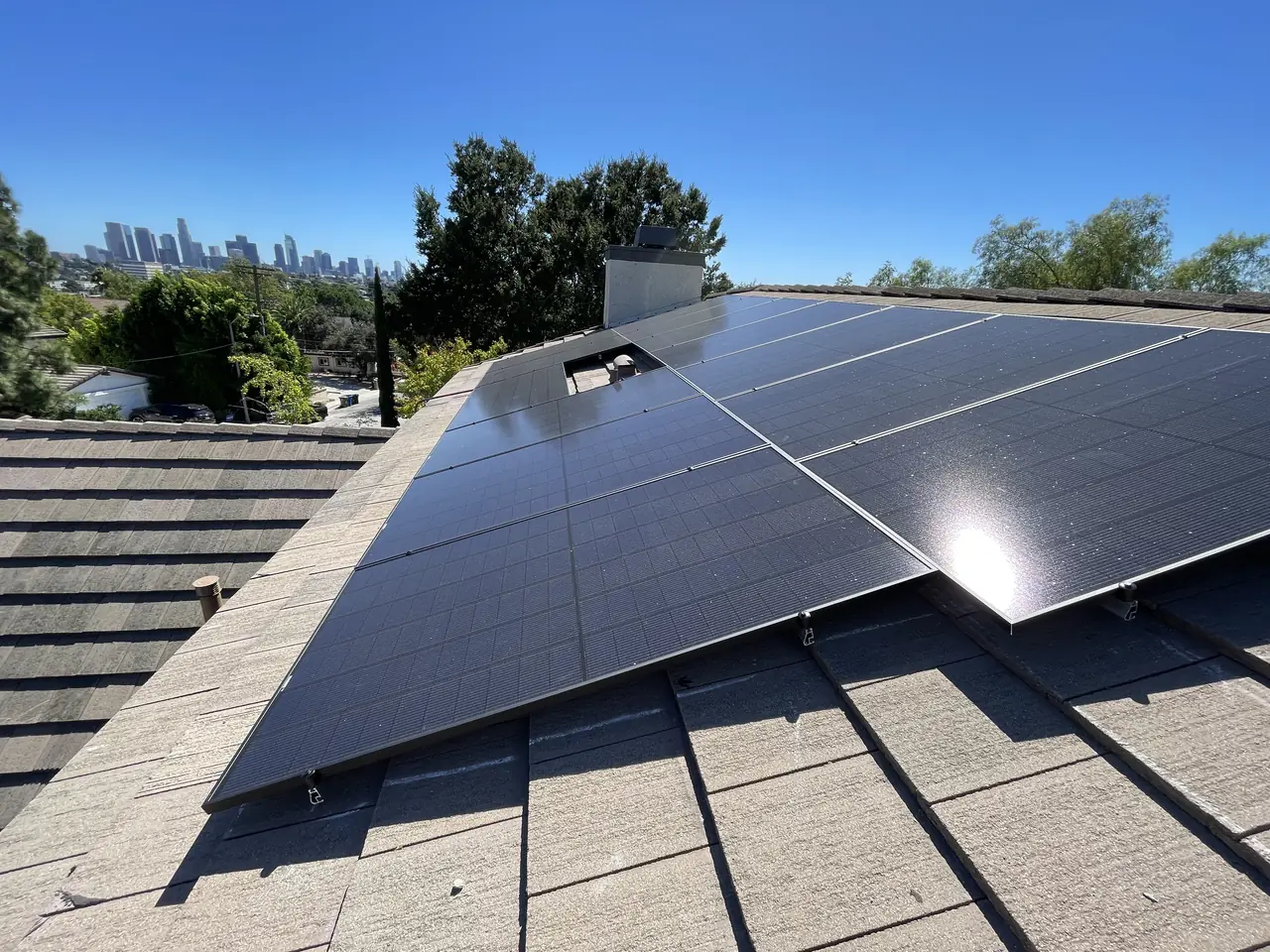
The utility's own review of an interconnection request is quick — application received, details confirmed, site assessment completed or waived, often inside a day or two of filing. What it cannot do is approve an installation that does not exist yet. The rest of the calendar therefore belongs to the build and the building department, not to the utility. On this 7.6 kW Echo Park project Cali Energy filed in July, installed in September, and the installation was approved the following day.
At a glance
- System
- 7.6 kW AC-CEC
- Utility review
- Closed within a day of filing
- Array installed
- Late September
- Install to approval
- One day
- Approval to permission to operate
- Eleven days
- Utility / AHJ
- LADWP / LADBS
The story
On the seventh of July three progress notices arrived in a single day. The application had been received, the details were confirmed, and the site assessment was recorded as completed or bypassed. The utility had done its part of the paperwork inside twenty-four hours of the charge clearing.
The next notice arrived on the twenty-second of September.
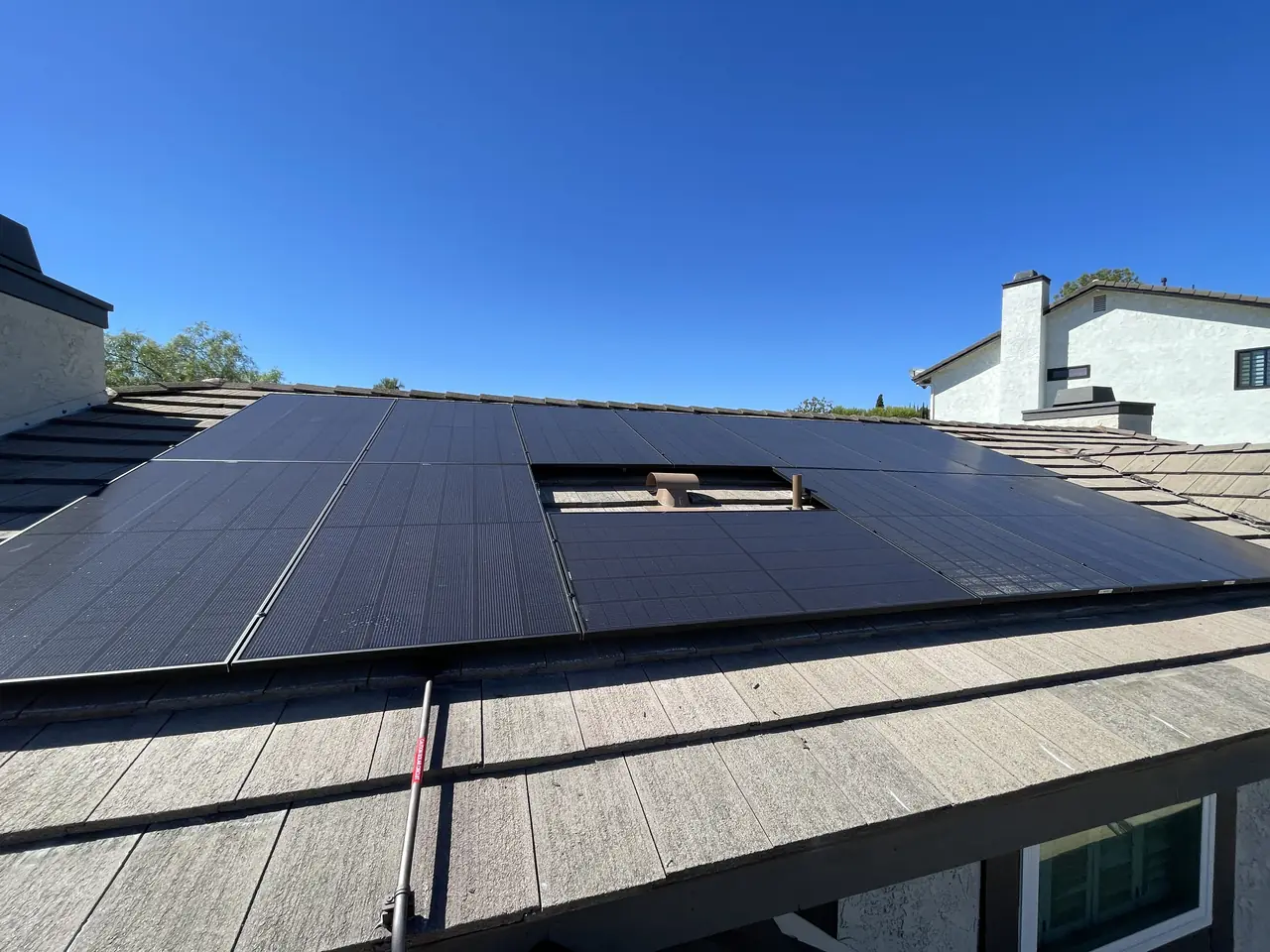
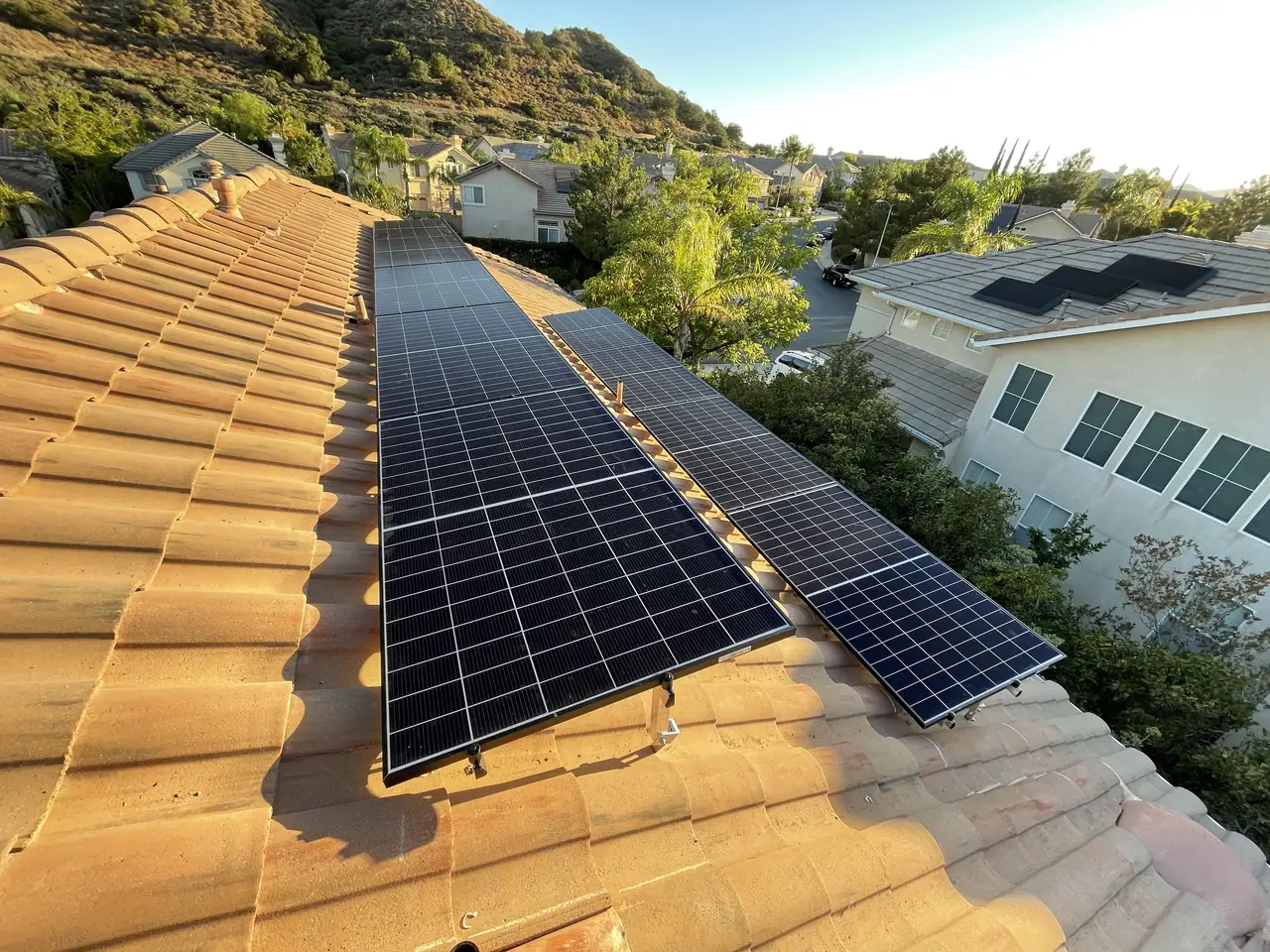
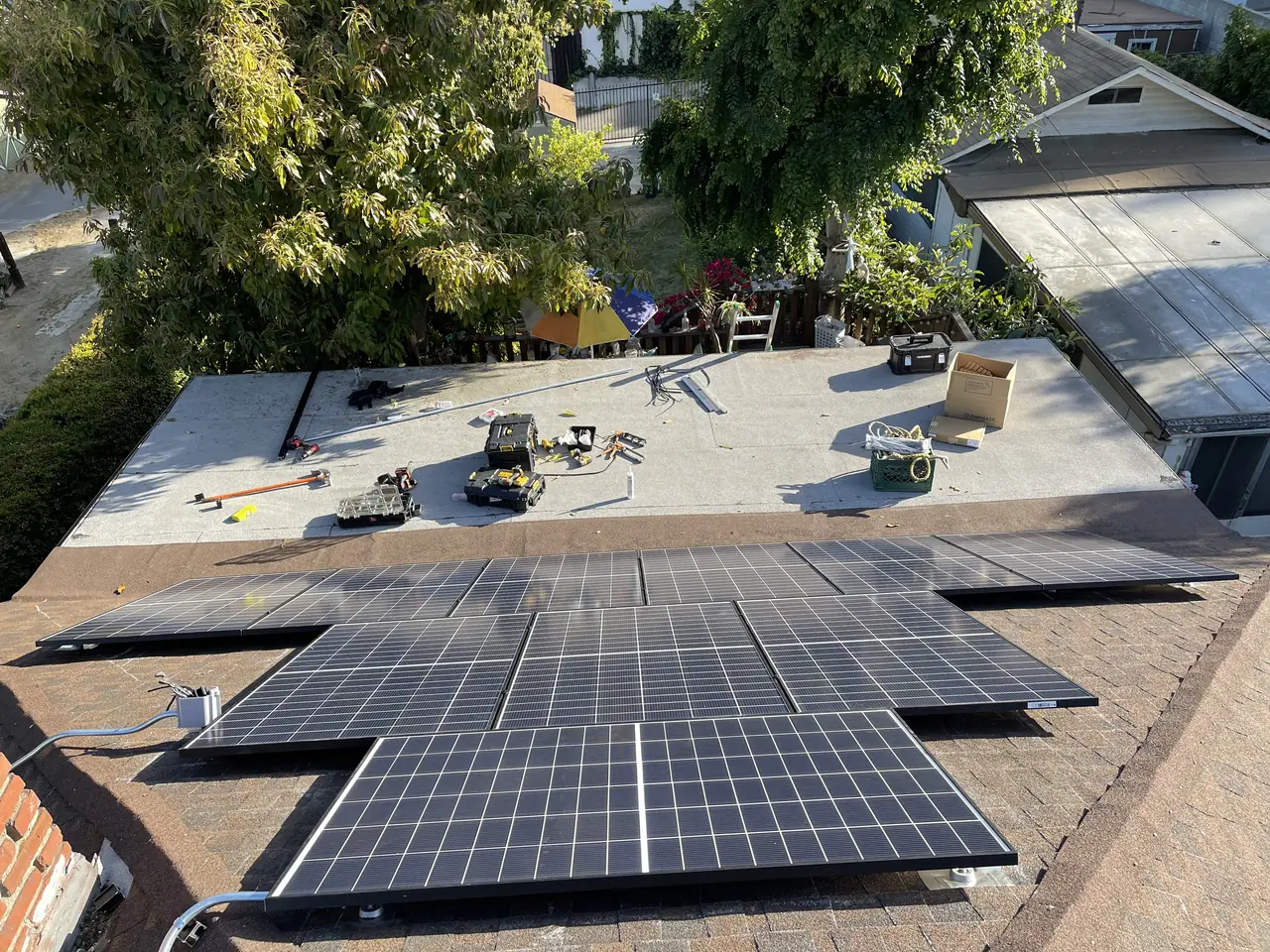
It is tempting to read that gap as an agency sitting on a file, and that is how most people do read it. On this project it was not. The array went up on the twenty-first of September. There was no installation to approve until there was one.
That is a distinction to state plainly, because the shape of a solar calendar is widely misunderstood and the misunderstanding costs people a lot of worry.
The utility's review is front-loaded and fast. It looks at the application, checks the details, decides whether it needs to see the property, and then stops — because everything after that point depends on something physical existing and being inspected. It cannot approve an installation before the installation. It cannot set a meter on a roof with nothing on it.
So a long quiet stretch in the middle of a project is almost never the utility deliberating. It is the interval between an approved application and a finished, released installation — scheduling, materials, crews, the building department, whatever else is queued in front of it.
What that means for an owner is that the question to ask changes depending on where the notices stopped. If they stopped before the site assessment, the utility is holding something and it is worth asking what. If they stopped after it, the utility is not holding anything at all, and asking them will produce a polite answer and no movement. The thing to ask about then is the build and the inspection.
What happened once the array existed makes the point better than the argument does. The modules went on during the twenty-first. The installation was approved on the twenty-second — the next day. The meter was set and permission to operate issued on the third of October, eleven days after that.
Twelve days from a finished roof to a running system, on a project whose file had been open since July.
Cali Energy filed, built and interconnected this 7.6 kW array in Echo Park, Los Angeles.
How it ran
| 8 June 2022 | Project priced |
|---|---|
| 6 July 2022 | Interconnection request confirmed; utility charge cleared |
| 7 July 2022 | Application received, details confirmed, site assessment completed or bypassed — three notices in one day |
| 21 September 2022 | Array installed |
| 22 September 2022 | Installation approved; meter requested |
| 3 October 2022 | Meter set and permission to operate |
The utility's review took a day in July. Everything after it waited on a roof, and then moved in twelve days.
What we did
- Cleared the utility charge and closed the review inside a day.
- Installed the array in a single day in September.
- Carried the approval through the day after the install.
- Closed to permission to operate eleven days later.
System specifications
| System | 7.6 kW AC-CEC |
|---|---|
| Array | Residential rooftop |
| Utility review | Closed within a day of filing |
| Array installed | 21 September 2022 |
| Install to approval | One day |
| Approval to permission to operate | Eleven days |
| Utility / AHJ | LADWP / LADBS |
Is your project like this one?
- Your progress notices stopped and you assume the utility is sitting on it.
- You want to know which half of the calendar is actually moving.
- Your application is approved and nothing is scheduled.
- You are trying to work out who to chase.
Cali Energy in Echo Park
Echo Park is City of Los Angeles northeast of downtown, permitted through LADBS and interconnected through LADWP. Two agencies have to agree on every project here, and neither of them can act before the work exists.
This installation is on the Los Angeles projects page alongside the others, and what the work covers is set out on the Los Angeles service area page.
- License and classifications: CSLB #1032379
- Official reference for this process: LADWP — interconnection process, types 1, 2 and 3
- Official reference for this process: LADBS — inspection
Frequently asked questions
Why did my solar progress notices stop after the site assessment?
Because the utility has finished the part it can do without an installation. Its review is front-loaded: application received, details confirmed, site assessment completed or waived. After that it needs something physical to approve, so the application goes quiet until the array is built and released. The pause is the build, not the review.
Can the utility approve my system before it is installed?
No. Approval is of an installation, and a meter goes onto a system that exists. Everything after the site assessment step depends on the work being finished and inspected, which is why the long middle of a solar calendar belongs to scheduling and the building department rather than to the utility.
Who should I chase when my project goes quiet?
It depends where the notices stopped. If they stopped before the site assessment, the utility is holding something and it is worth asking what. If they stopped after it, the utility is holding nothing, and the questions that move the project are about the installation date and the inspection.
How fast is the utility once the array is finished?
On this Echo Park project the installation went up on a Wednesday and was approved on the Thursday, with the meter set and permission to operate eleven days later. Twelve days from a finished roof to a running system, on a file that had been open since July.
Does Cali Energy handle the whole process in Echo Park, Los Angeles?
Yes — both sides of it. Echo Park projects are permitted through LADBS and interconnected through LADWP, and the two do not share a queue. This 7.6 kW array was filed in July, built in September and running at the start of October.
What this would look like on your roof
Planning solar in Echo Park? Tell us your utility, your roof and what your bill looks like now, and we will model what a system like this would do on your house before you commit to anything.
Or call +1 (323) 844-7777 · Cali Energy, Northridge · CSLB #1032379 (B, C-10, C-39) — design, permits, install and electrical under one licensed contractor.
Related
This timeline reflects this property and this permitting path. Updated September 2026.