

Eagle Rock, CA · August – November 2022 · LADWP / LADBS
Eagle Rock: the module changed before anything went up.
Same job, same roof, different panel. Five things have to still line up, and only one of them is the wattage.
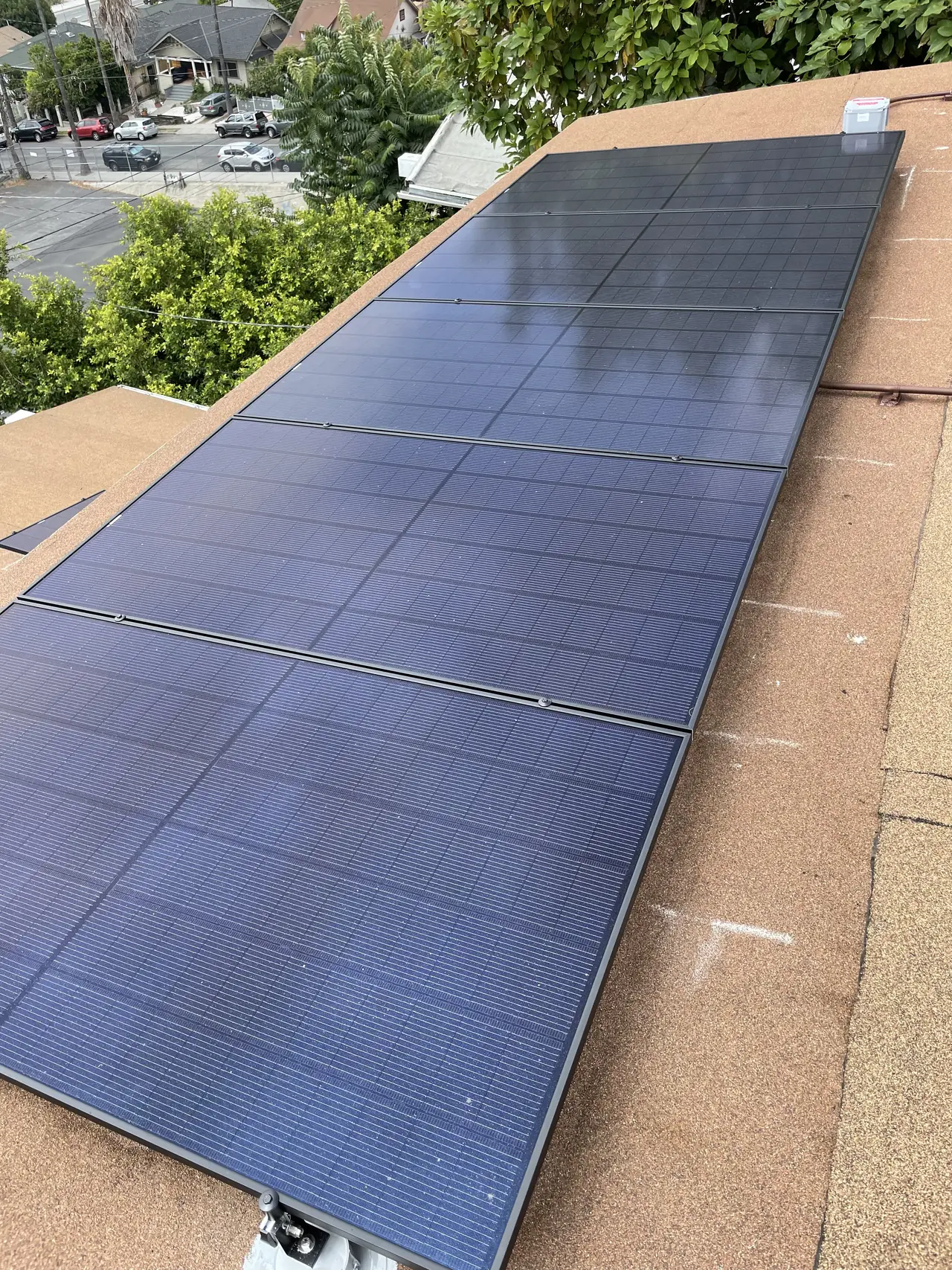
Changing the module on a solar project is not a like-for-like swap even when the wattage matches. The replacement has to be on the state equipment list the permit references; its electrical values have to suit the inverter it will be paired with; its physical size and weight have to fit the drawn layout, the setbacks and the structural calculation; and the drawings have to be revised if any of those move. On this Eagle Rock project the panel changed from REC to Solaria before installation, and Cali Energy took the array to a passed final in August.
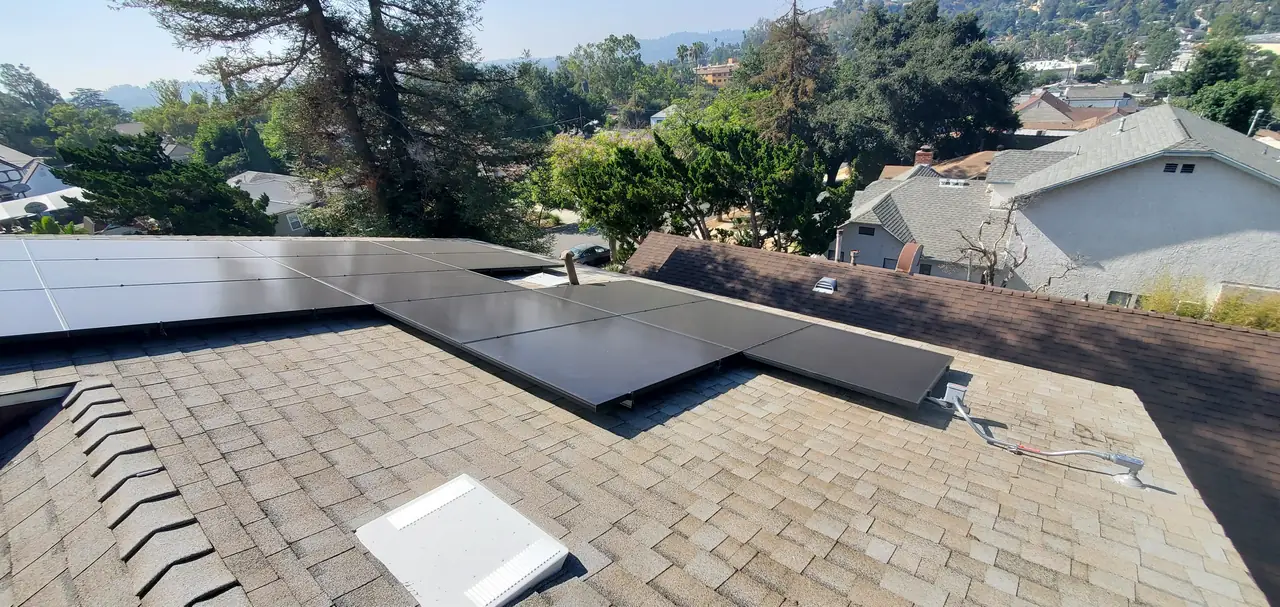
At a glance
- Change
- REC to Solaria, before installation
- Checked
- Listing, electrical values, dimensions, load, drawings
- Final inspection
- Passed in August
- Later call-out
- A leak that was not the array
- Utility / AHJ
- LADWP / LADBS
The story
The decision came alongside the request for an installation date, in one line: the array would use a Solaria module instead of the REC panel the project had been drawn around.
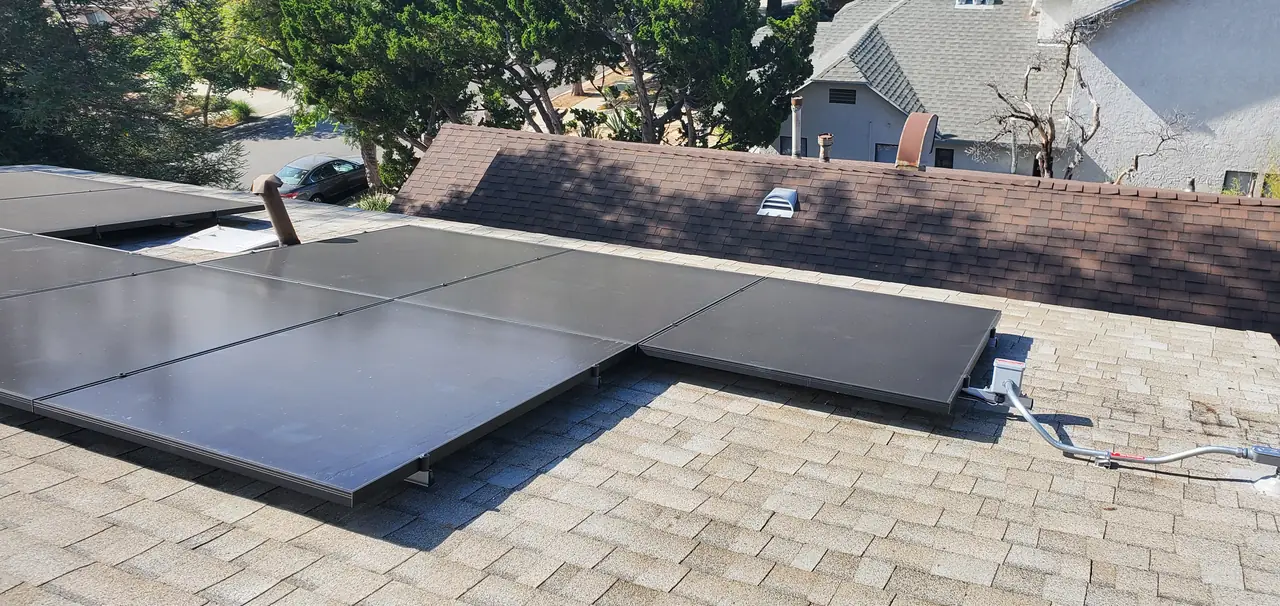
That sentence sounds like a purchasing detail and is not. Here is what actually has to be checked before it becomes a decision.
The listing. A module has to appear on the state equipment list that the permit and the interconnection paperwork reference. A panel that is not on it cannot be permitted, whatever its specification says.
The electrical values. Open-circuit voltage, short-circuit current and the operating points decide what the module can be paired with. With a string inverter they set how many panels go in a string and whether that string stays inside the inverter's window across the temperature range. With microinverters the question is narrower and stricter: this exact module against this exact inverter model.
The dimensions. The layout was drawn around a panel of a particular size. A module an inch or two different in either direction changes how many fit a row, which changes the rows, which changes the clearances to the ridge and the edges that fire access requires. On a sloping lot with small roof planes — which is most of this neighborhood — that shows up immediately.
The weight. The structural calculation was done for a stated load. A heavier module across a whole array is a different number.
The drawings. If any of the above move, the plan set is no longer what was approved, and the revision has to happen before the inspection rather than be explained at it.
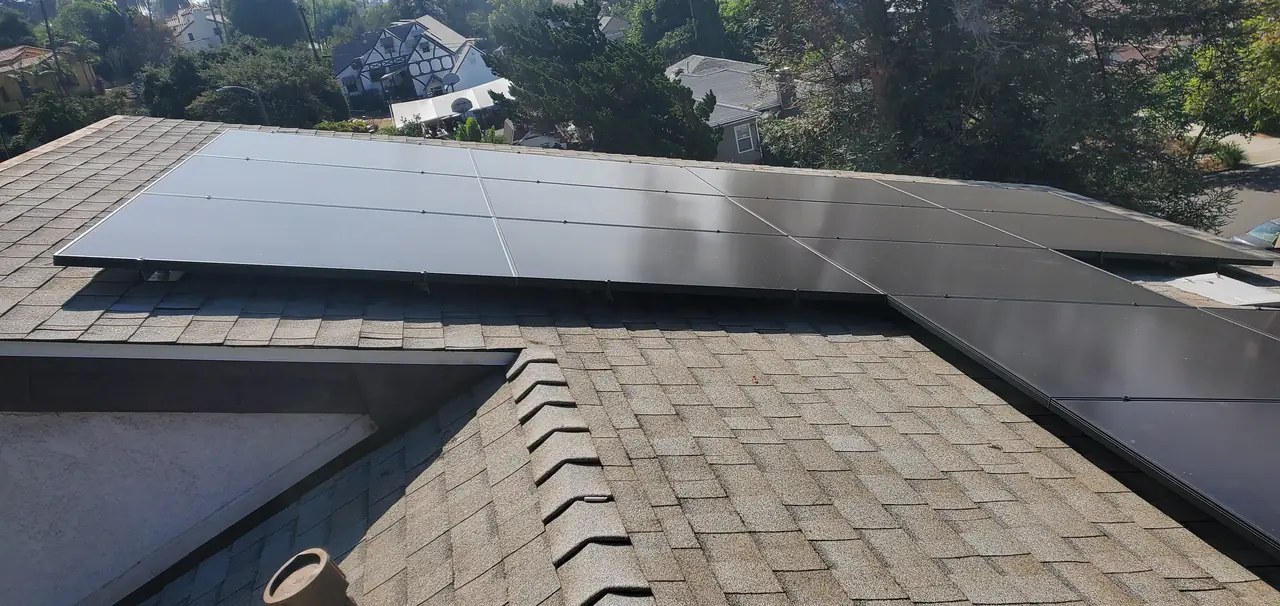
None of that makes a substitution wrong. Modules go out of production, lead times move, a better panel becomes available at the same price. Changing one before the work starts is far easier than changing one after, and it is the right moment to do it if it is going to happen at all.
What makes it wrong is doing it silently — treating equal wattage as equivalence and letting the roof end up different from the paperwork. The permit describes a specific installation, and an inspection compares the two.
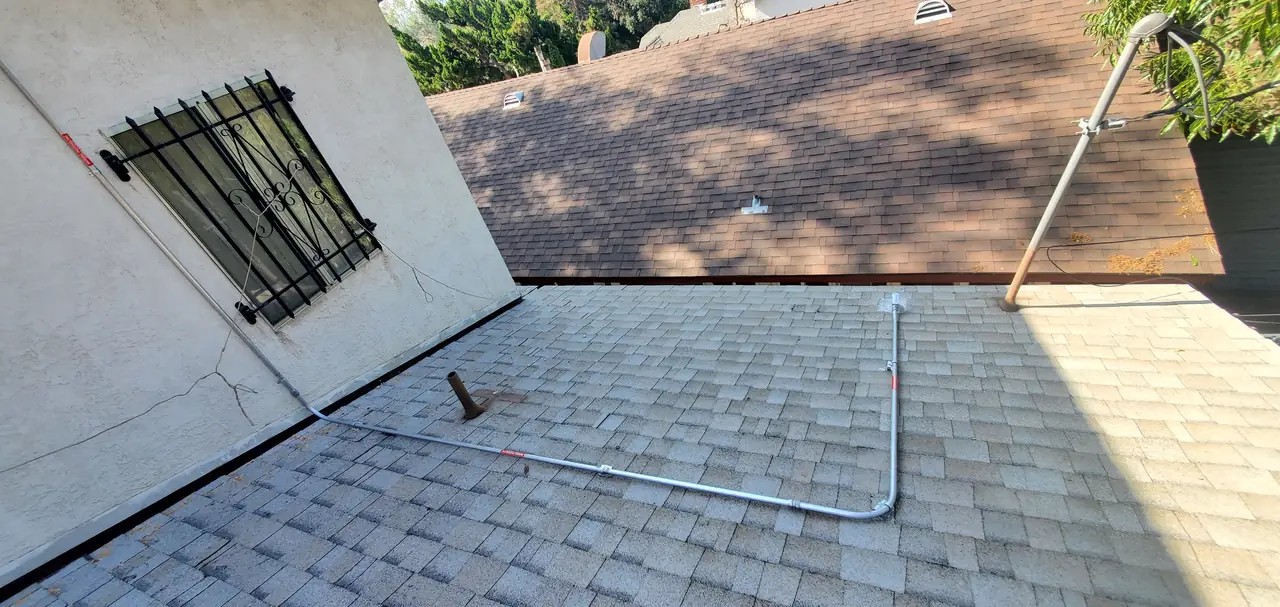
The array went up and the final was passed at the end of August, with the inspection card and the photograph set issued straight after.
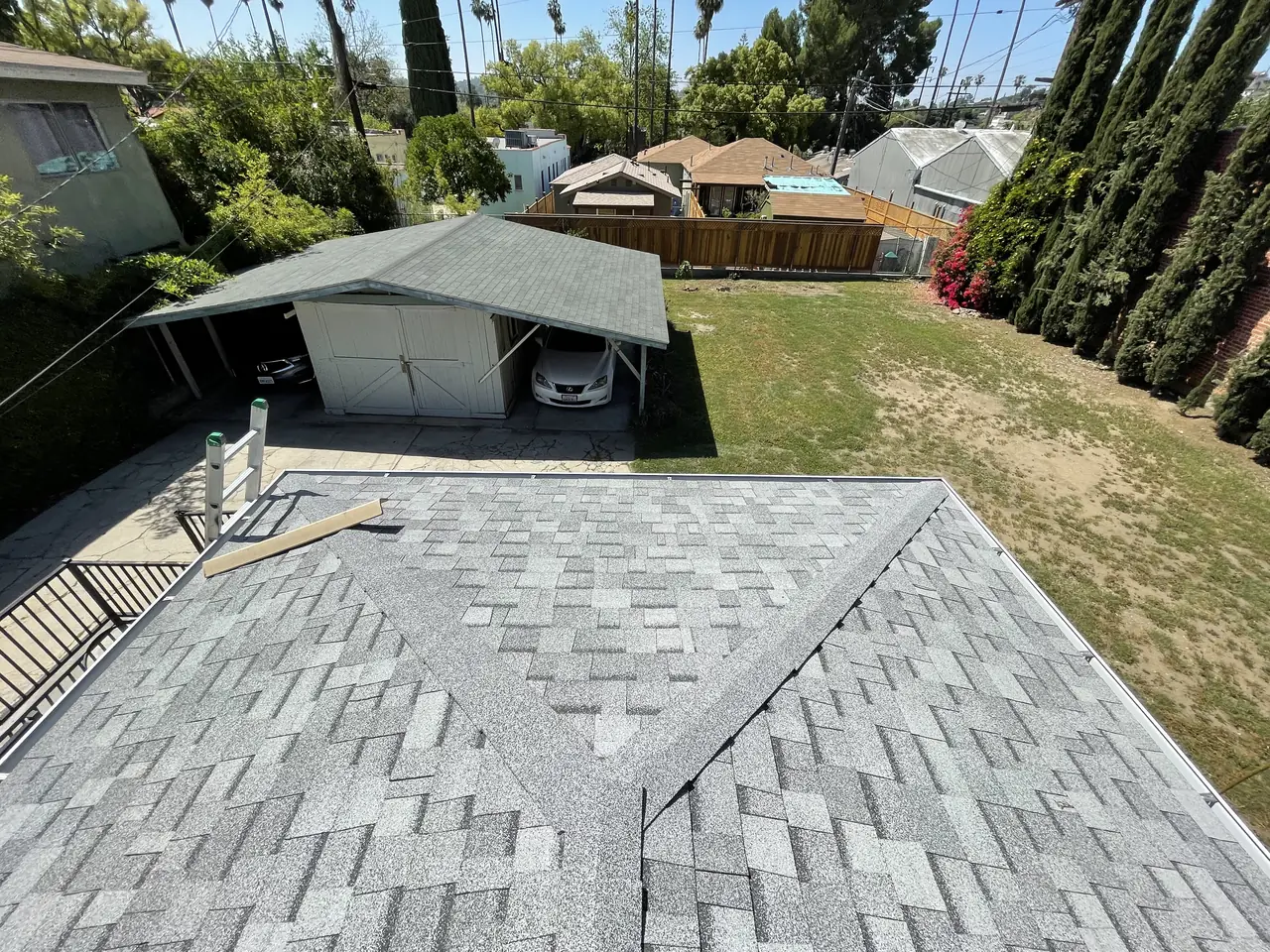
In November the household reported a roof leak. A technician went out the next day. It was not the array — an attic vent was letting water in, some distance from any of our penetrations. It was patched on the visit.
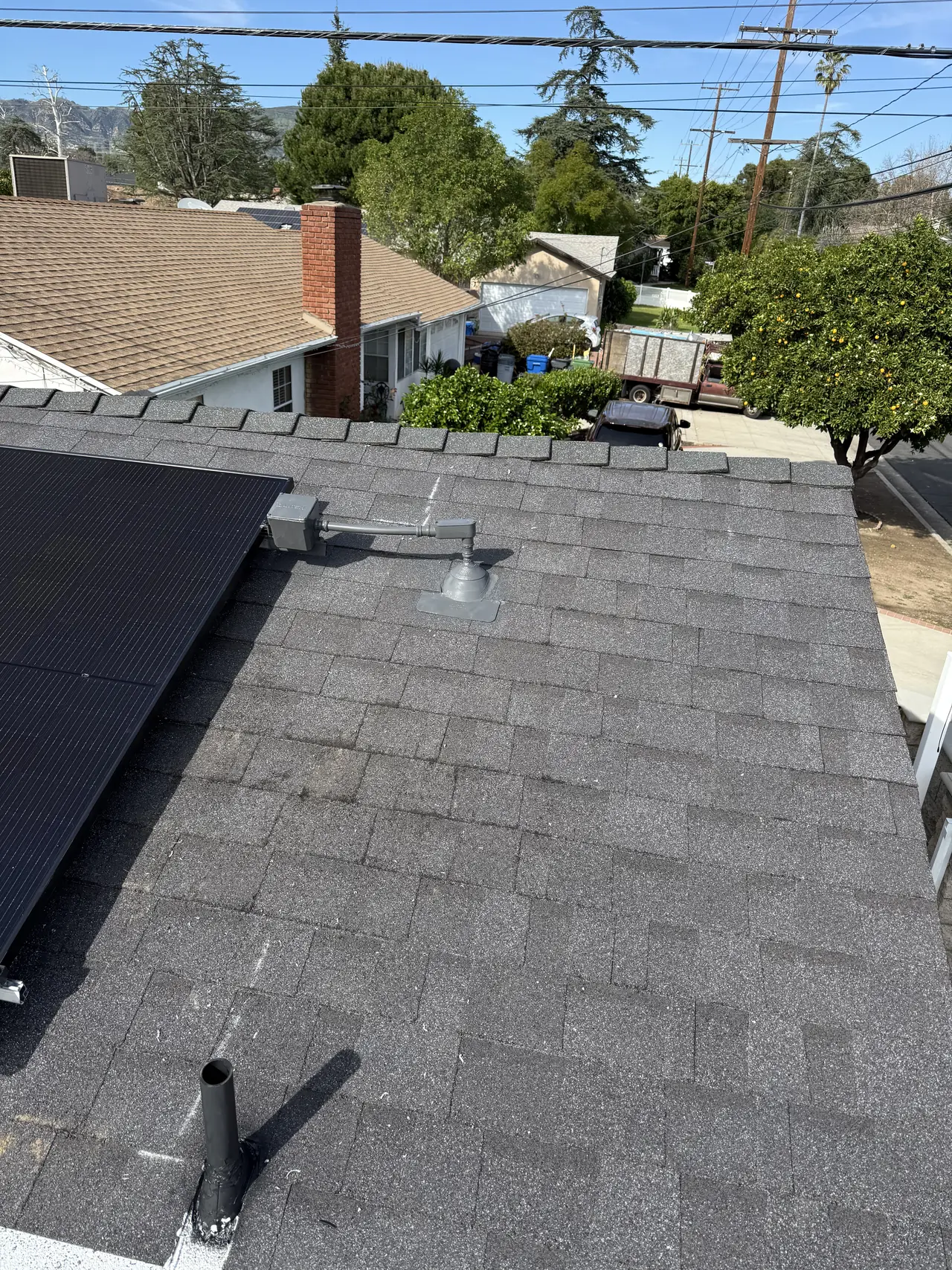
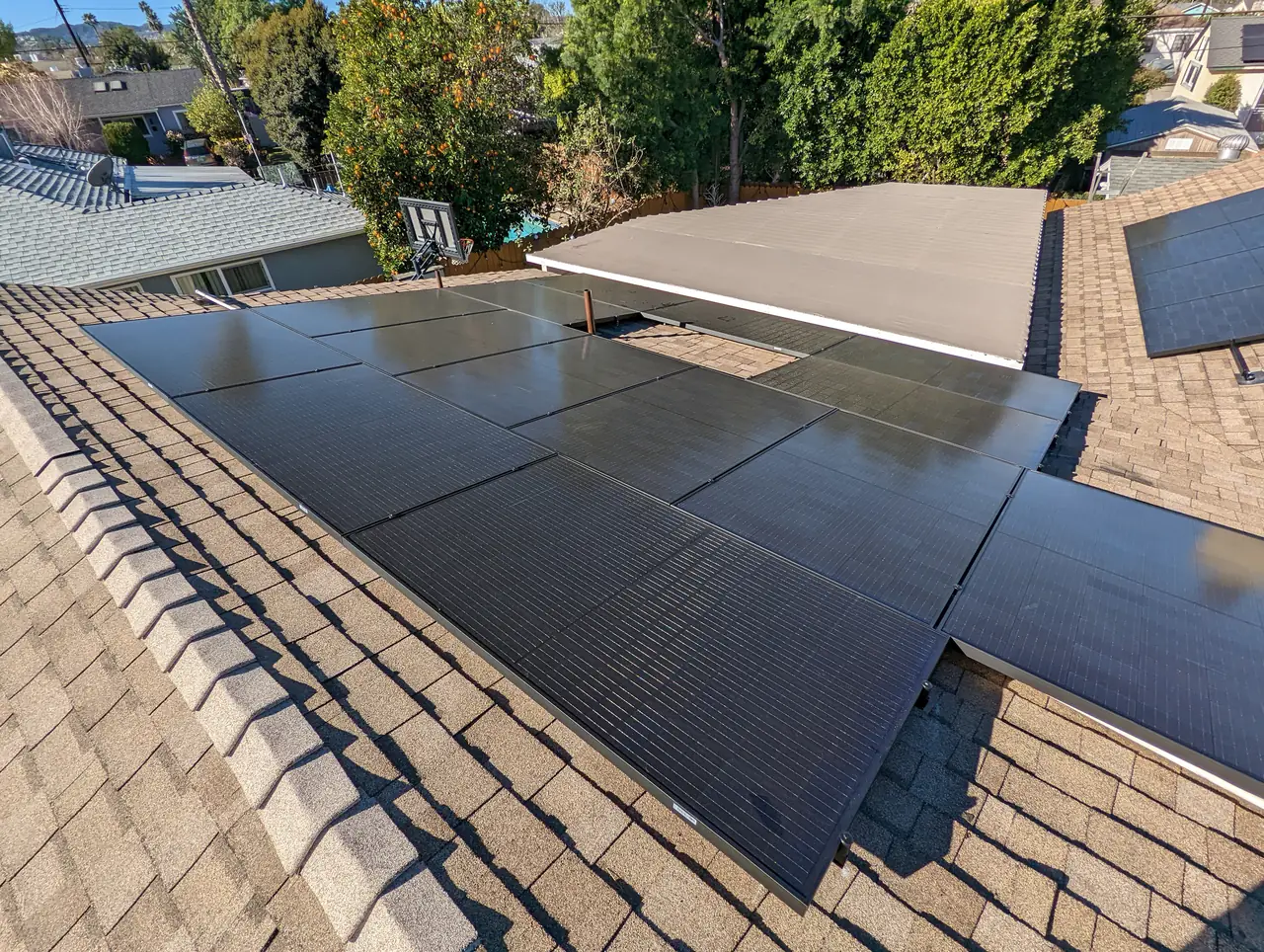
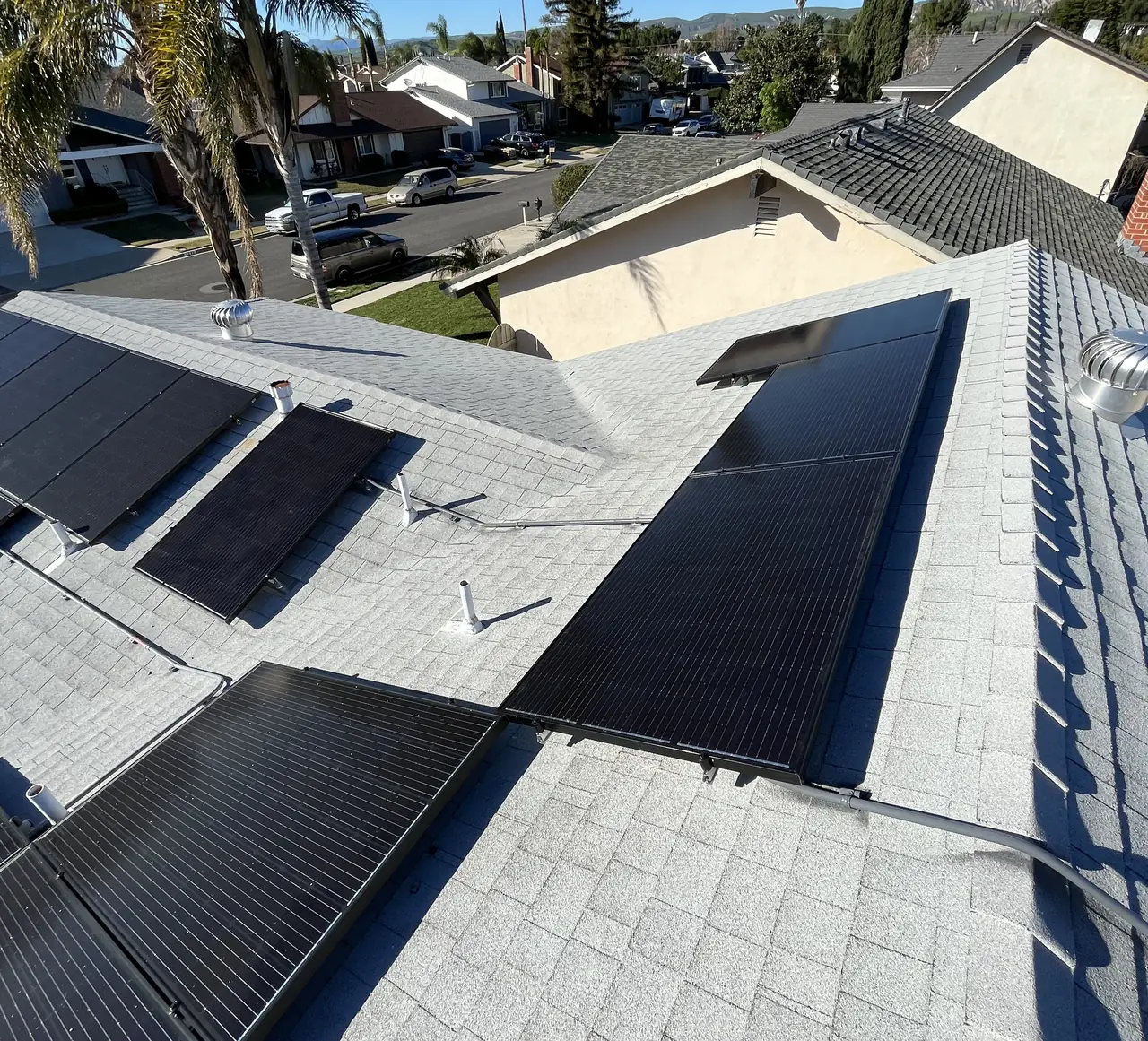
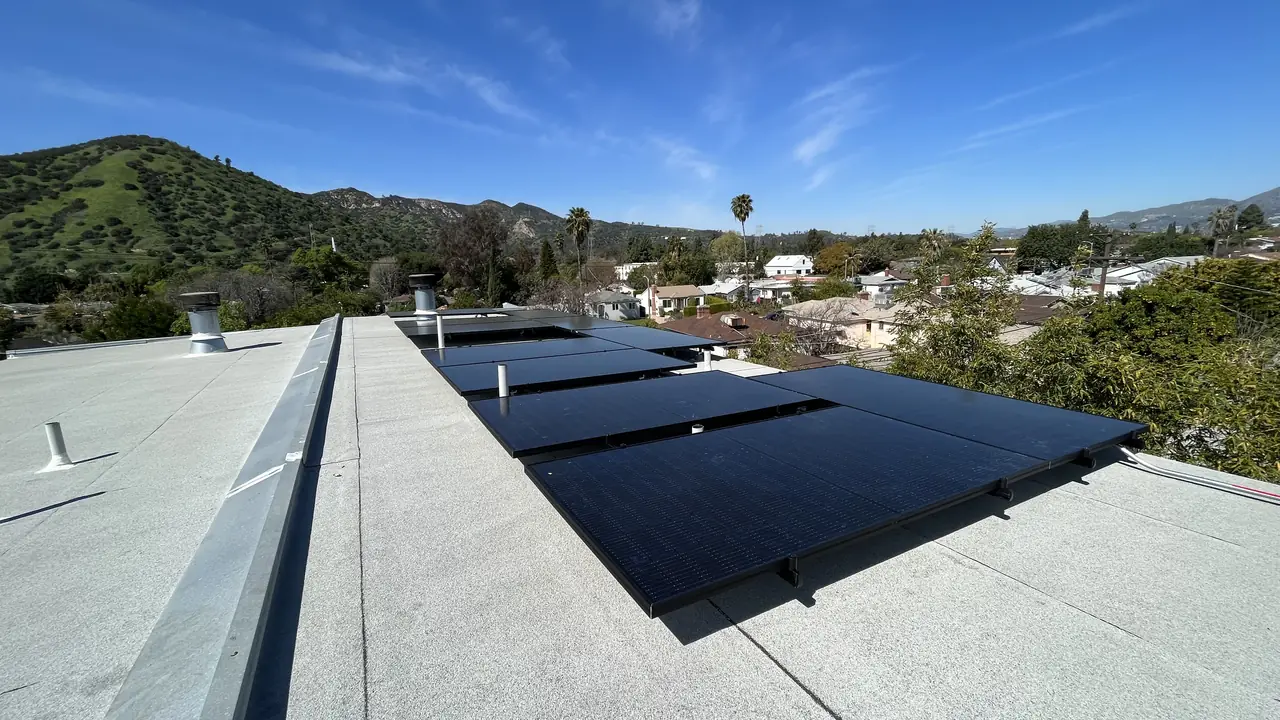
Cali Energy designed, permitted and installed this array in Eagle Rock, Los Angeles.
How it ran
| 9 August 2022 | Installation date requested; module changed from REC to Solaria |
|---|---|
| 17 August 2022 | Final inspection booked for Saturday the 27th |
| 27 August 2022 | Final inspection |
| 29 August 2022 | Final passed; inspection card and photographs issued |
| 14 November 2022 | Household reports a roof leak |
| 15 November 2022 | Attended next day — an attic vent, not the array; patched on the visit |
Three weeks from a module change to a passed final, and a November call-out that turned out to be somebody else's vent.
What we did
- Took the module change as a design question rather than a purchasing one.
- Checked the replacement against the equipment list and the inverter it pairs with.
- Re-checked the layout, the clearances and the load for the new dimensions.
- Carried the array to a passed final three weeks later.
- Attended a leak report the next day and repaired the vent that caused it.
System specifications
| Array | Residential rooftop |
|---|---|
| Module | Solaria, in place of the REC panel first specified |
| Rechecked | Equipment listing and electrical values |
| Also rechecked | Dimensions, fire clearances and structural load |
| Final inspection | Passed August 2022 |
| Utility / AHJ | LADWP / LADBS |
Is your project like this one?
- Your installer wants to change the panel after you signed.
- You have been told a different module is the same because the wattage matches.
- Your roof planes are small and the layout has no spare room.
- Water is coming in and you are not sure the array is responsible.
Cali Energy in Eagle Rock
Eagle Rock is City of Los Angeles between the hills and the 134, permitted through LADBS and interconnected through LADWP. Older houses on sloping lots, where a change in module size shows up in the layout immediately.
This installation is on the Los Angeles projects page alongside the others, and what the work covers is set out on the Los Angeles service area page.
- License and classifications: CSLB #1032379
- Official reference for this process: California Energy Commission — solar equipment lists
- Official reference for this process: LADBS — plan review and permitting
Frequently asked questions
Can the solar module be changed after the contract is signed?
Yes, and before installation is the right moment if it is going to happen. Modules go out of production and lead times move — on this Eagle Rock project the array was built with a Solaria panel in place of the REC one first specified. What matters is that the replacement is checked rather than assumed equivalent, and that the drawings are revised if anything about it differs.
Is a module with the same wattage a drop-in replacement?
No. Wattage is one value among several. The panel has to be on the state equipment list the permit references, its voltage and current values have to suit the inverter it is paired with, and its size and weight have to fit the drawn layout, the fire clearances and the structural calculation.
What happens if the module differs from the approved drawings?
The permit describes a specific installation and the inspection compares the two. A roof that does not match the set is a correction at best, so the revision belongs before the inspection rather than as an explanation during it.
Does a bigger module mean fewer panels fit?
Often. A module an inch or two different changes how many fit a row, which changes the rows, which changes the clearances to the ridge and edges that fire access requires. On small sloping roof planes — common in this neighborhood — the effect shows up immediately.
Does Cali Energy install solar in Eagle Rock, Los Angeles?
Yes. Eagle Rock projects are permitted through LADBS and interconnected through LADWP. The houses are older and sit on sloping lots with small roof planes, which is exactly the condition where a change of module size has to be re-checked against the layout rather than waved through.
What this would look like on your roof
Planning solar in Eagle Rock? Tell us your utility, your roof and what your bill looks like now, and we will model what a system like this would do on your house before you commit to anything.
Or call +1 (323) 844-7777 · Cali Energy, Northridge · CSLB #1032379 (B, C-10, C-39) — design, permits, install and electrical under one licensed contractor.
Related
This timeline reflects this property and this permitting path. Updated September 2026.