

Simi Valley, CA · April 2022 – February 2023 · Southern California Edison / City of Simi Valley
The contract named a module. The warehouse had a different one.
A twenty-one module array in Simi Valley, quoted three times as stock moved underneath it. What changed, what did not, and what a homeowner should insist on when it happens.
A substitution is acceptable when the replacement is equal or better on the things that matter and the paperwork follows it. Equal or better means rated output at least as high, the same or better warranty terms, and a listing on the state equipment lists that incentive and interconnection programs draw from. Paperwork following it means the plan set, the permit and the interconnection application all name what is actually on the roof. What is not acceptable is a quiet swap that leaves three documents describing three different systems, and in Simi Valley all three are checked by somebody before the project closes.
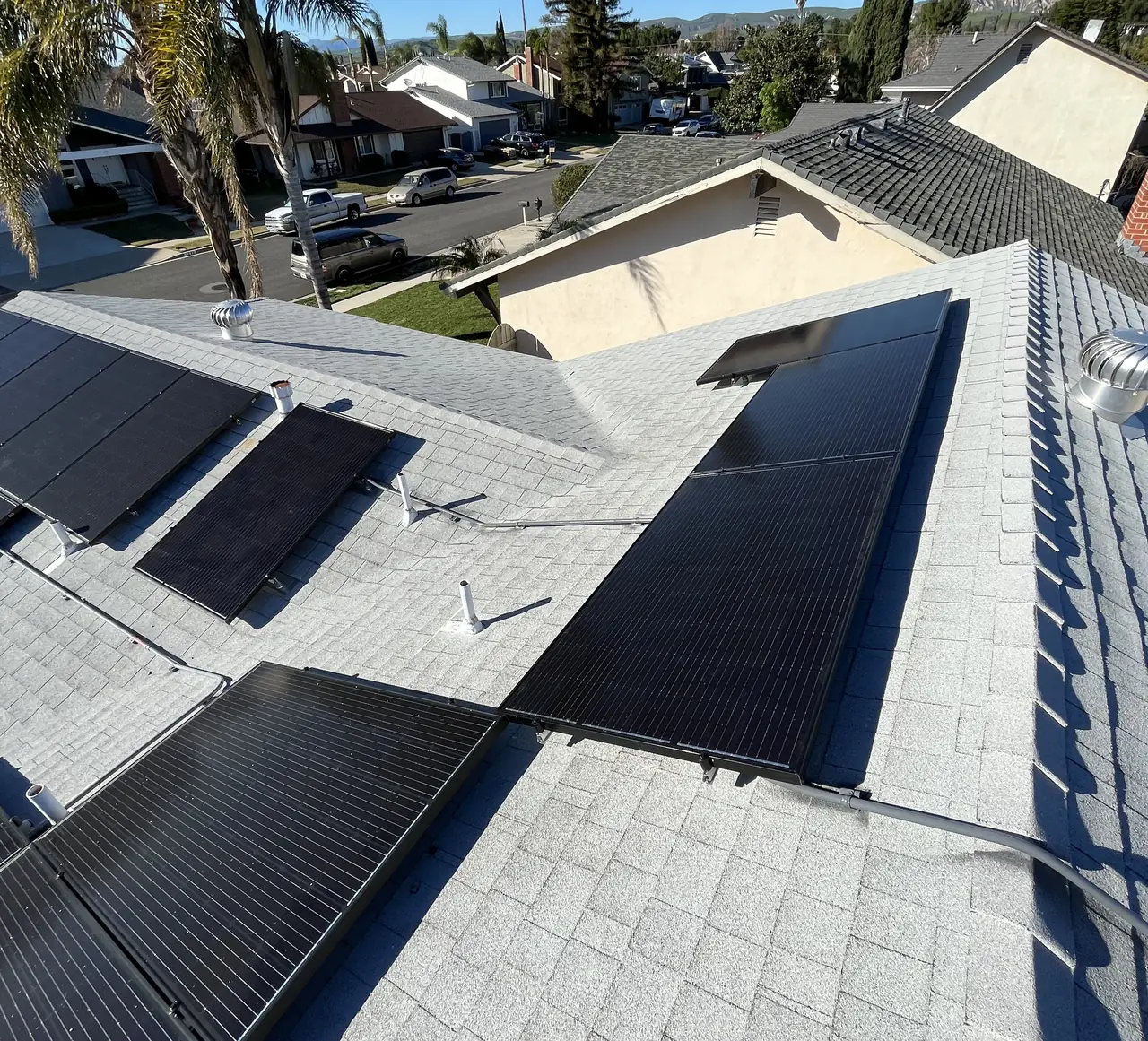
At a glance
- Modules as built
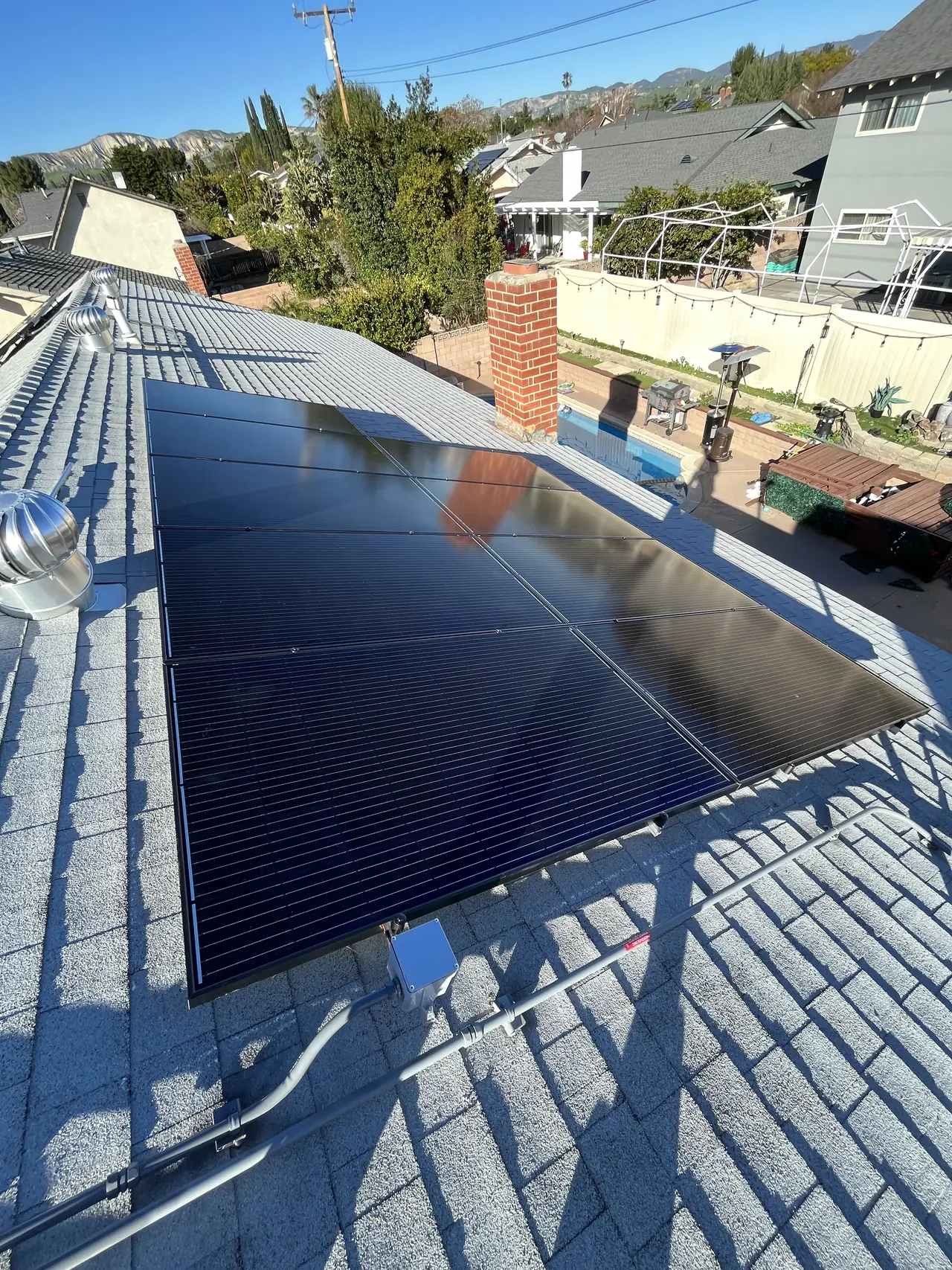
- 21 x Solaria 400 W, all black
- First specified
- Q CELLS 340 W — unavailable
- Second considered
- Mission Solar 345 W
- Third considered
- Q CELLS 425 W — unavailable
- Microinverters
- Enphase IQ7Plus, after an IQ8Plus substitution was reversed
- Quote revisions
- Three, between April and July 2022
- Delivery
- To site rather than to the warehouse
- Utility / AHJ
- Southern California Edison / City of Simi Valley
The story
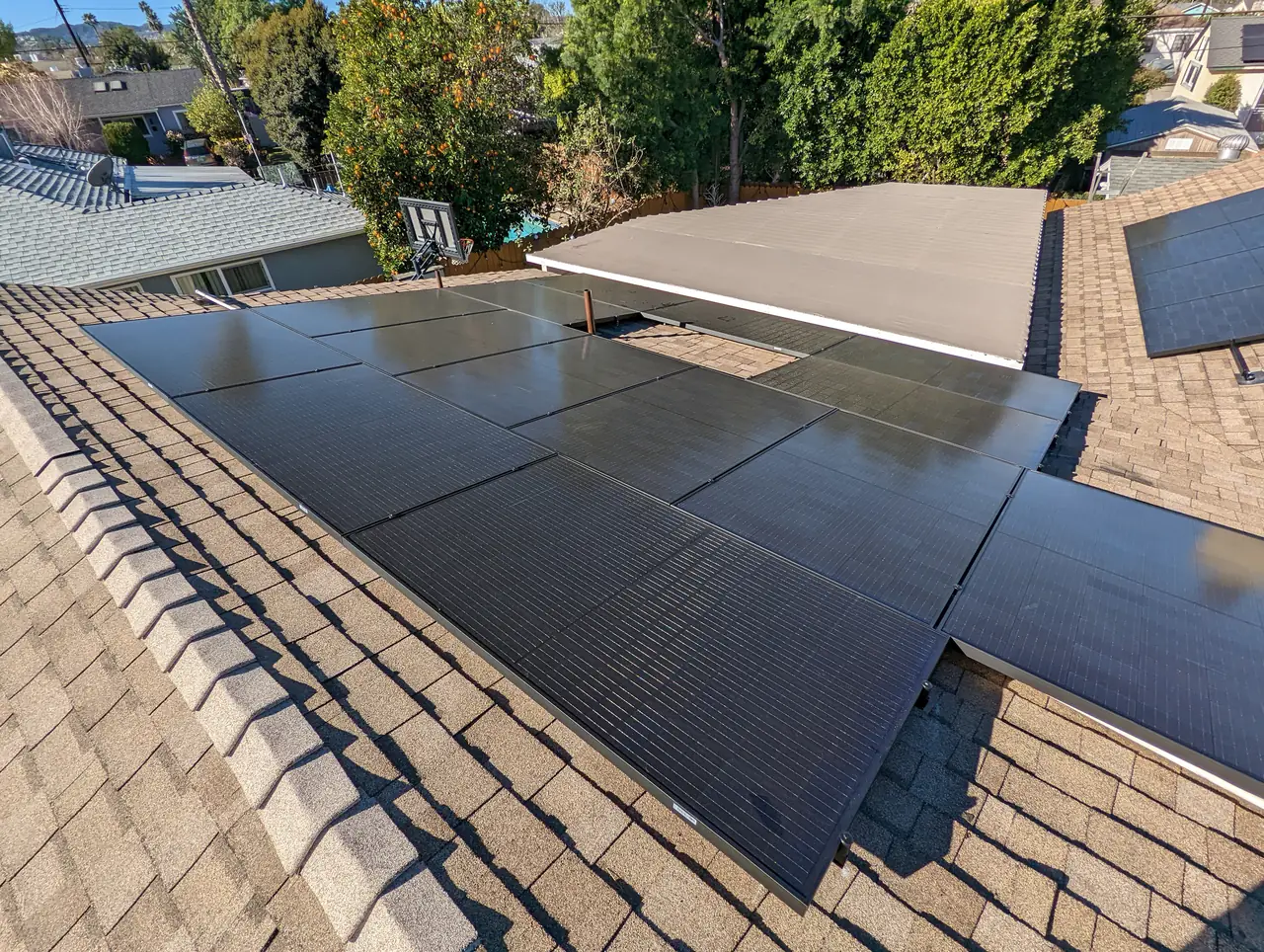
The first Cali Energy quote on this house named a Q CELLS module at three hundred and forty watts. The distributor had none. Its lowest available wattage was a Mission Solar at three hundred and forty-five, and a Q CELLS alternative started at three hundred and sixty. Two days later the question was whether a four-hundred-and-twenty-five watt all-black module existed anywhere; it did not. What did exist was an all-black Solaria at four hundred watts, twenty-one of them, eight point four kilowatts, and that is what went on the roof.
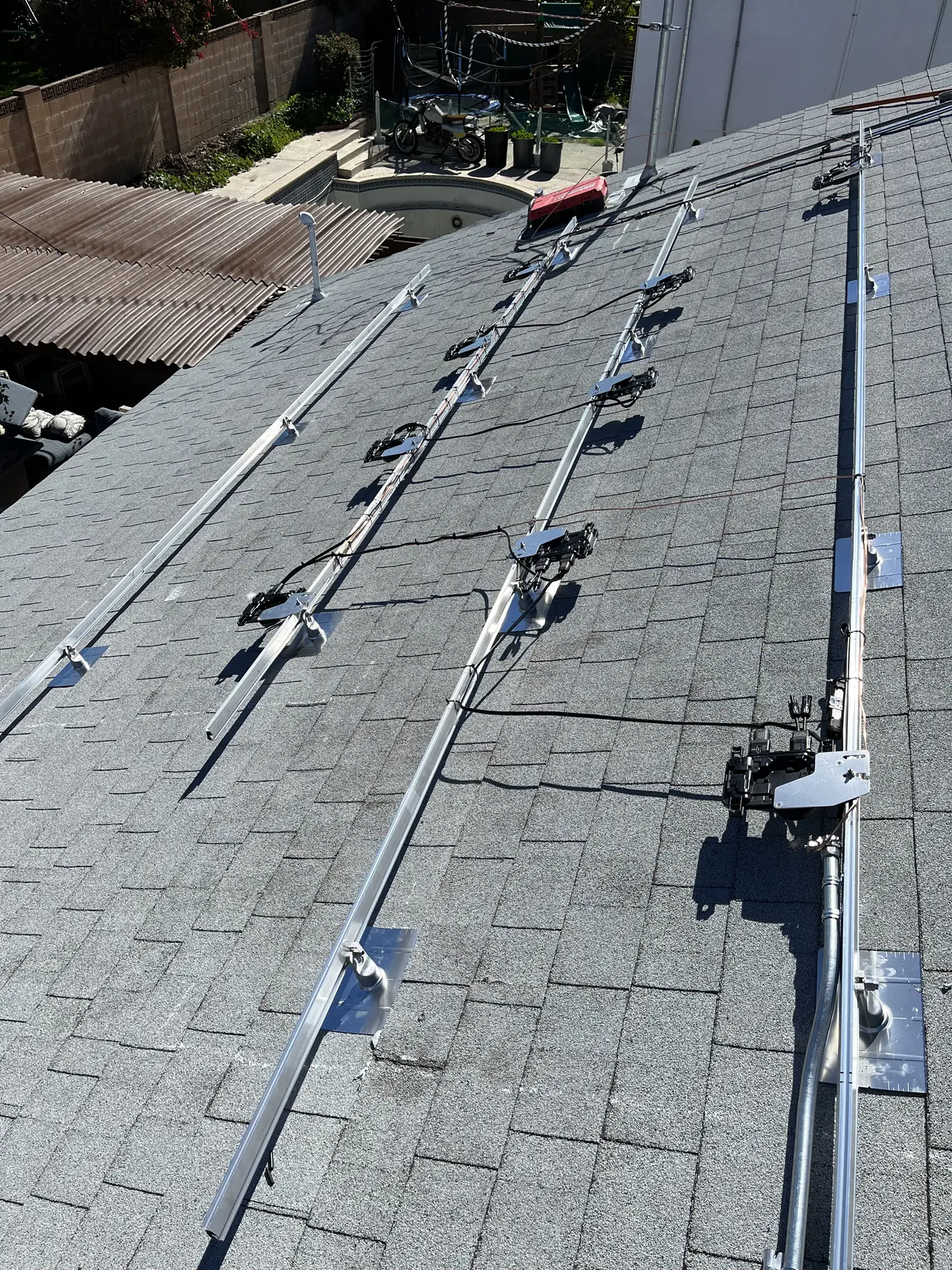
The same thing happened on the electronics. The order was placed with one microinverter model, revised to the next generation when the first went out of stock, and revised back when the next generation turned out to be unavailable too. Between April and July the parts list was rewritten three times without the design changing in any meaningful way.
None of that is unusual and none of it is a scandal. It is what a supply chain does. What protects a homeowner while it happens has two halves, and the answer has two halves.
The first is a standard: equal or better. A substitute module should have a rated output at least as high as the one contracted, warranty terms at least as good, and a current listing on the state equipment lists that rebate and interconnection programs check against. If a swap fails any of those, it is not a substitution, it is a downgrade, and it needs the homeowner's agreement rather than a note on an invoice.
The second is paperwork discipline, and it is the half that gets neglected. The module and inverter models appear in the plan set, on the permit, and in the interconnection application. A substitution that updates the invoice and not those three leaves a house where the approved design, the permitted design and the installed system are three different things. That surfaces at the final inspection at best, and years later during a warranty claim or a property sale at worst.
One practical note from this project: the order was redirected to be delivered to the site rather than collected from the warehouse. On a twenty-one module job that is a small logistics decision; on a larger one it is the difference between one trip and three.
How it ran
| 18 April 2022 | First quote issued; specified module unavailable |
|---|---|
| 18 April 2022 | Alternative wattages offered by the distributor |
| 21 April 2022 | All-black 400 W module identified; twenty-one quoted |
| 17 June 2022 | Quote revised and taxes added; delivery address set |
| 21 June 2022 | Microinverter model substituted for the next generation |
| 8 July 2022 | Substitution reversed; original microinverter model confirmed in stock |
| 8 July 2022 | Order placed for delivery to site |
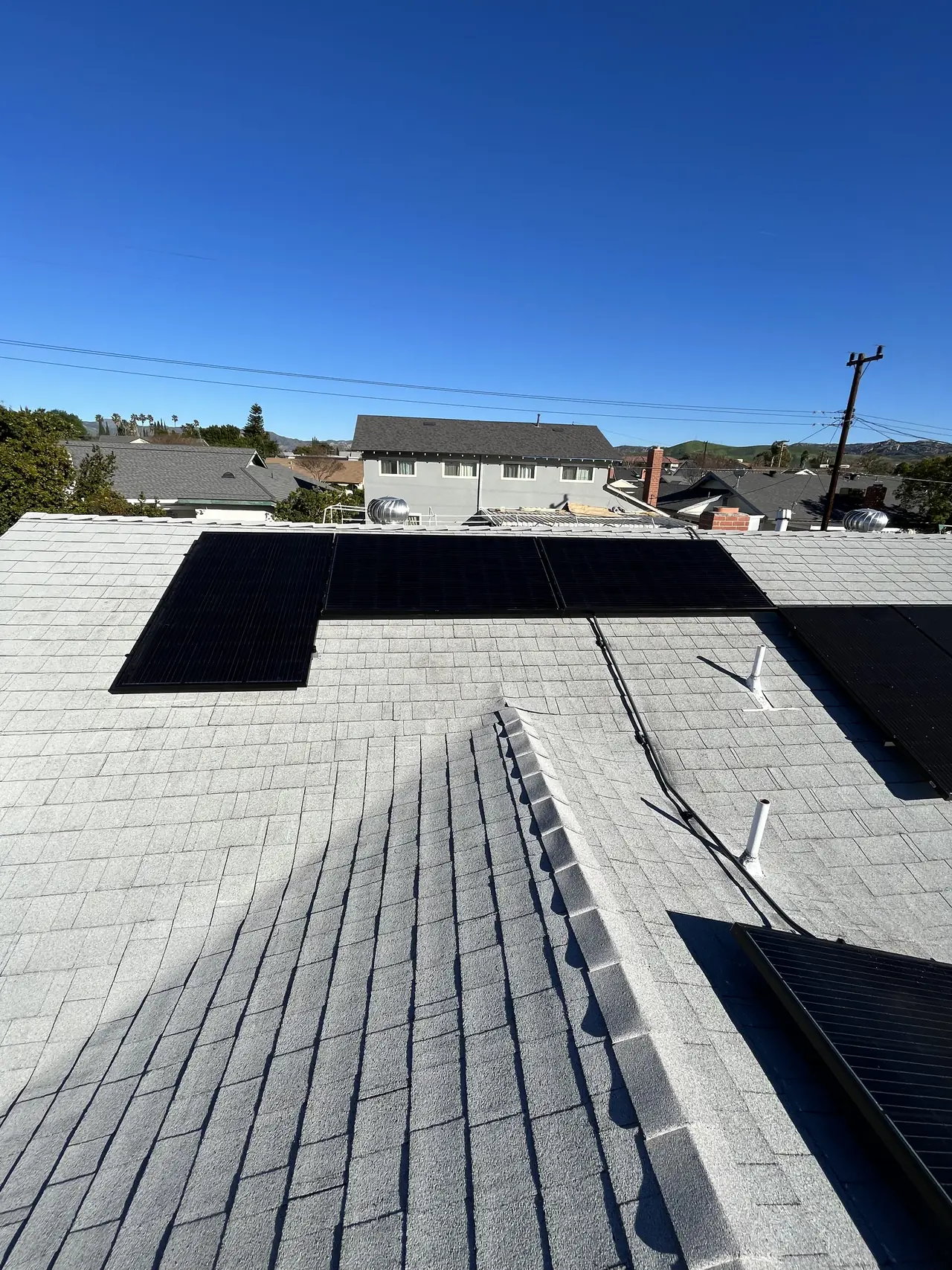
| 9 February 2023 | Array installed |
Ten months and three parts lists between the first quote and installation. This timeline reflects this project and this period.
What we did
- Requoted the array each time the specified equipment became unavailable, rather than substituting quietly (C-10).
- Held the substitution to equal or better output, warranty and equipment listing.
- Kept the plan set, the permit and the interconnection application naming the equipment actually installed.
- Reversed a microinverter substitution when the replacement turned out to be unavailable, rather than leaving the documents wrong.
- Redirected delivery to site to cut handling on the installation day.
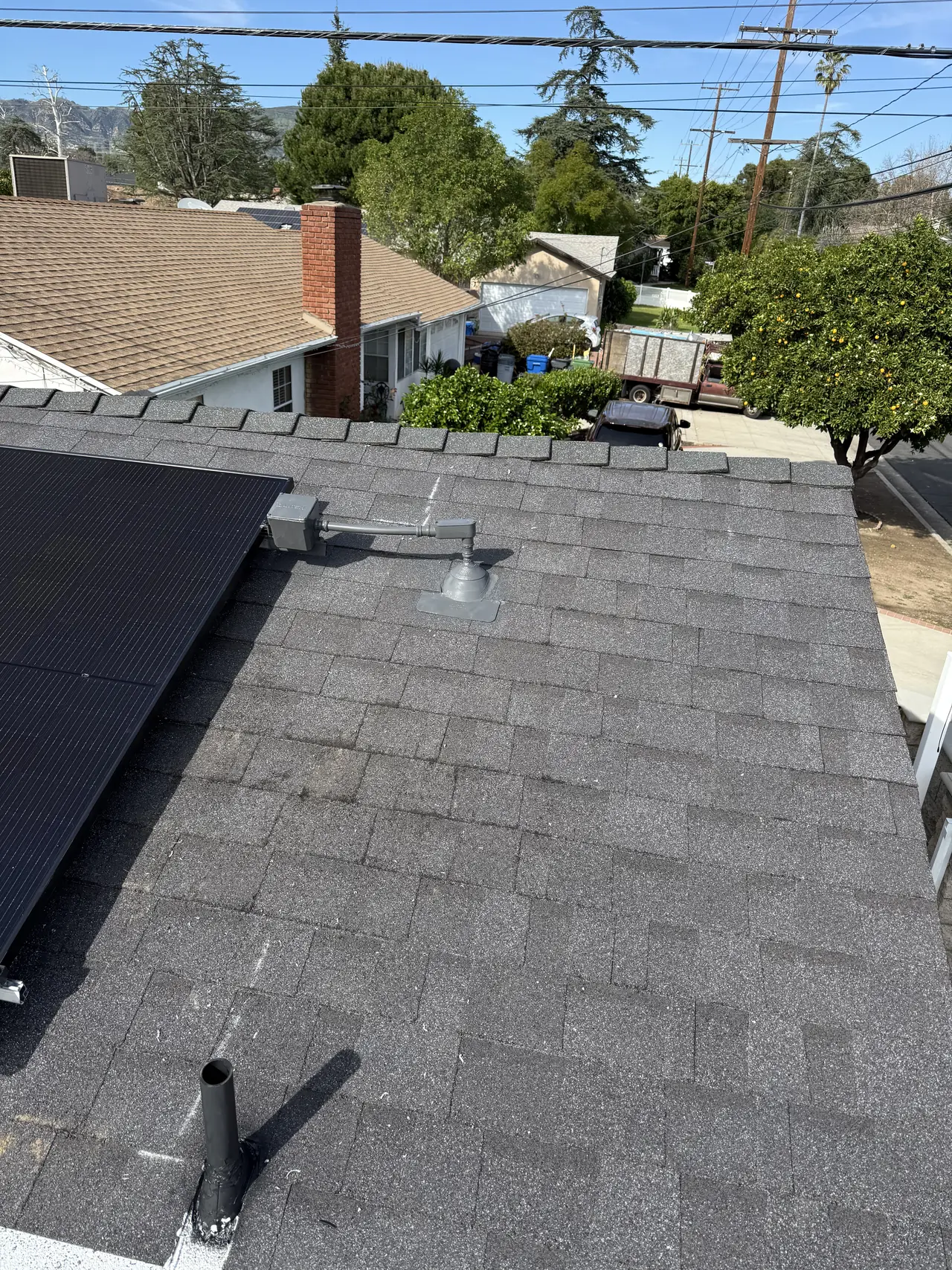
- Installed twenty-one modules with a microinverter under each.
System specifications
| Modules | 21 x Solaria 400 W, all black |
|---|---|
| System size | 8.4 kW DC |
| Microinverters | Enphase IQ7Plus, one per module |
| Substitutions | Module changed twice, microinverter changed and changed back |
| Substitution standard | Equal or better output, warranty and equipment listing |
| Documents updated | Plan set, permit and interconnection application |
| Roof | Composition shingle |
| Utility / AHJ | Southern California Edison / City of Simi Valley |
Is your project like this one?
- Your contract names equipment and you want to know what happens if it is unavailable.
- You have been told your modules are being substituted and given no detail.
- Your quote has been revised more than once and the numbers keep moving.
- You want the model on your roof to match the model on your permit.
Cali Energy in Simi Valley
Simi Valley is a city in Ventura County: permits run through the City of Simi Valley Building & Safety Division, interconnection through Southern California Edison.
Between 2021 and 2023 module and microinverter availability moved week to week. A Simi Valley project quoted in April and built in July could not be built from the April parts list, and that is a contract question before it is a technical one.
This installation is on the Simi Valley projects page alongside the others, and what the work covers is set out on the Simi Valley service area page.
- License and classifications: CSLB #1032379
- Official reference for this process: California Energy Commission — solar equipment lists
- Official reference for this process: CSLB — check a contractor's license
Frequently asked questions
Is a module substitution normal?
Common, and not by itself a problem. Availability moves and a project quoted in spring is often built in summer from different stock. What makes a substitution acceptable is that the replacement is equal or better on rated output, warranty and equipment listing, and that the homeowner is told rather than finding out from the invoice.
Does Cali Energy update the Simi Valley permit when equipment changes?
Yes, and it is the part that matters most. Cali Energy keeps the plan set, the permit and the interconnection application naming the equipment actually installed, because a mismatch between those documents surfaces at inspection or years later in a warranty claim. Fifteen completed Simi Valley projects are on our projects page. Our license is CSLB #1032379.
What should I insist on if my modules change?
Written confirmation of the new model, its rated output and its warranty terms, and confirmation that it appears on the California equipment lists. Then ask whether the plan set, the permit and the interconnection application have been updated. Those three documents are what your system is on paper, and they should agree with the roof.
Does a different module change my production estimate?
It can, and the estimate should be reissued when it does. A higher-wattage module in the same count produces more; a lower one produces less and may need a different module count to reach the same figure. Layout can change too, because physical dimensions differ between models even at the same output.
What this would look like on your roof
Planning solar in Simi Valley? Tell us your utility, your roof and what your bill looks like now, and we will model what a system like this would do on your house before you commit to anything.
Or call +1 (323) 844-7777 · Cali Energy, Northridge · CSLB #1032379 (B, C-10, C-39) — design, permits, install and electrical under one licensed contractor.
Related
This timeline reflects this property and this permitting path. Updated September 2026.