

Woodland Hills, CA · January 2019 – August 2025 · LADWP / LADBS
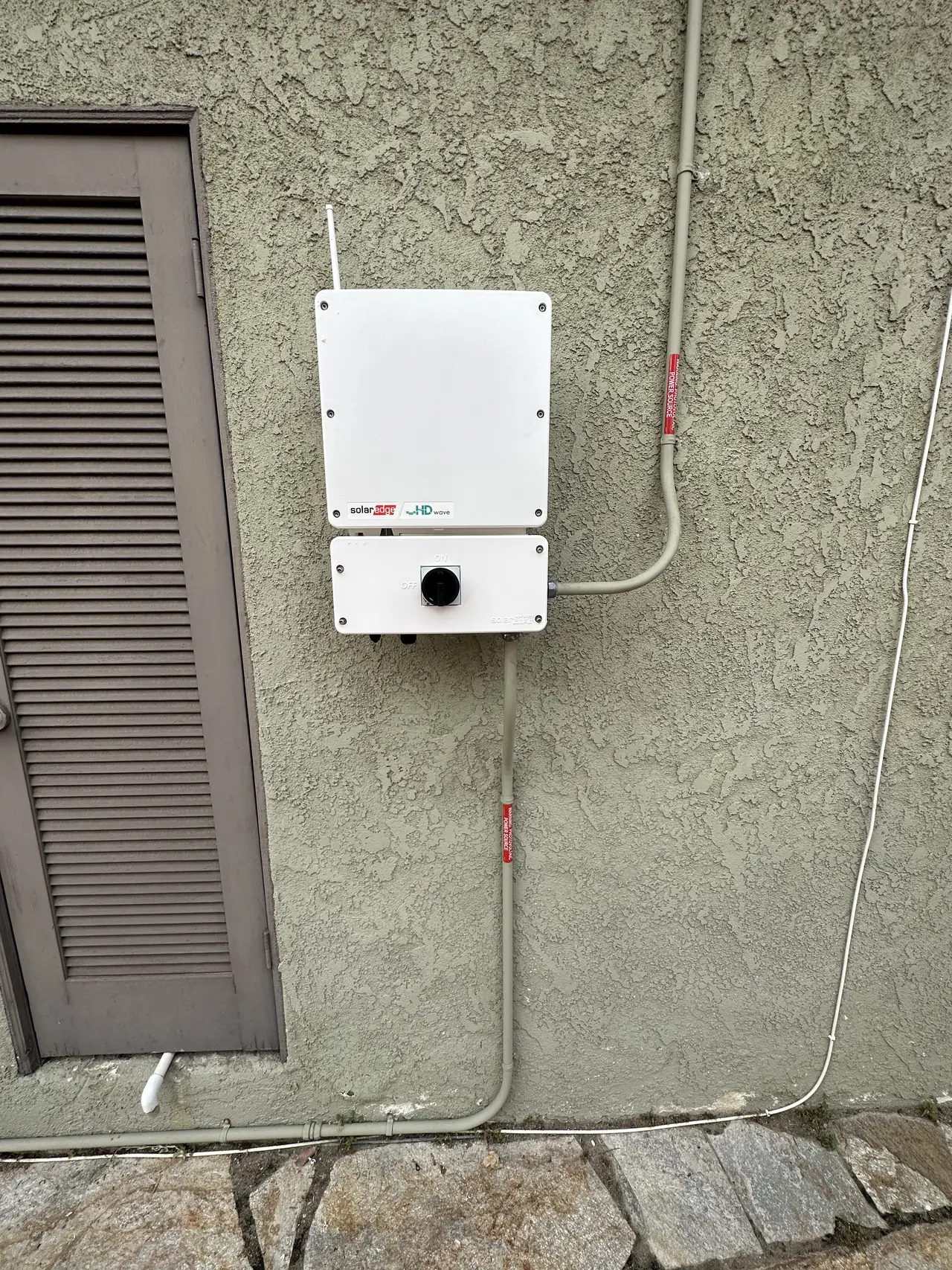
The array is fine. The inverter is what dates it.
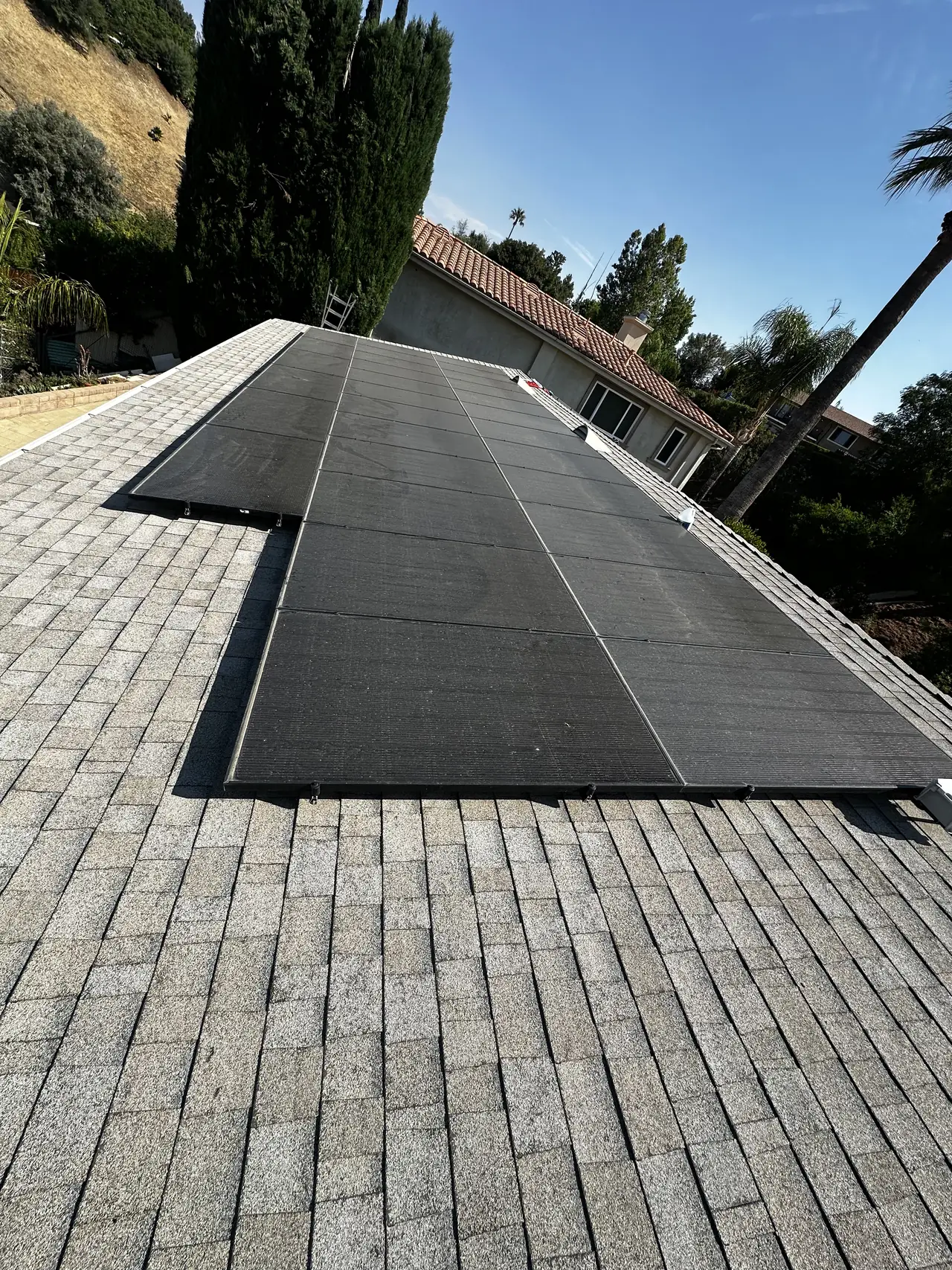
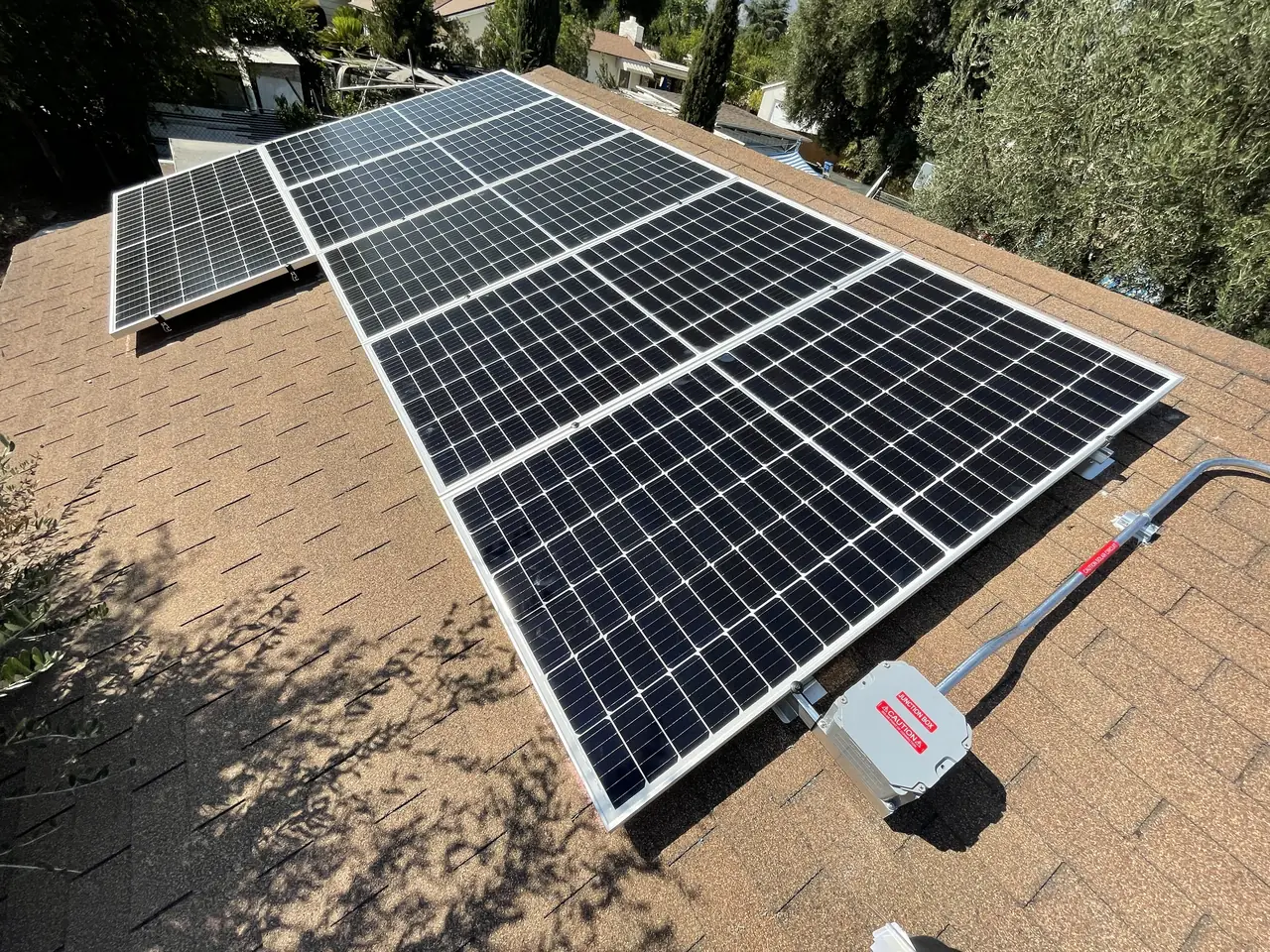
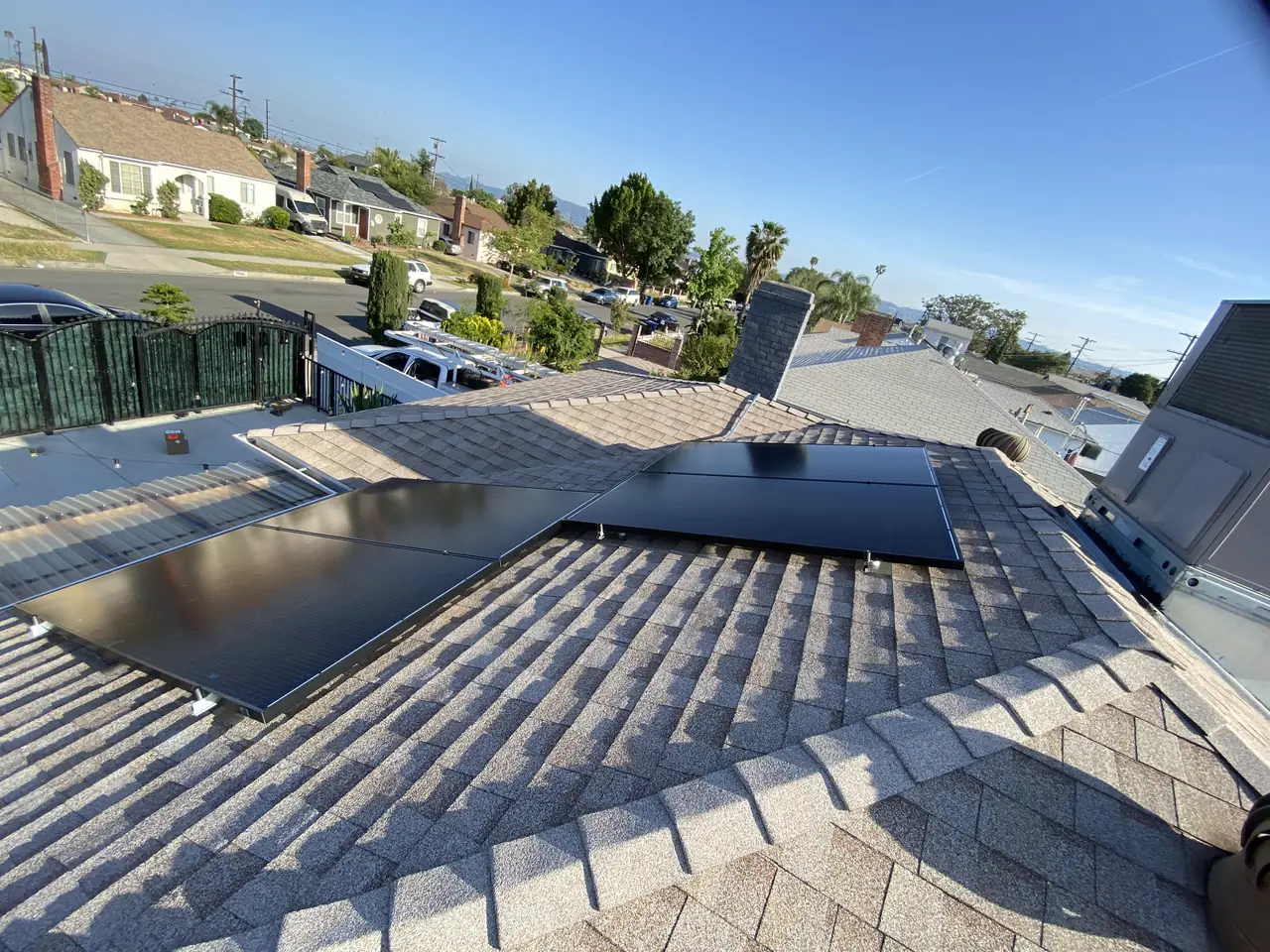
Nine and a half kilowatts installed in the last weeks of 2019, from signature to permission to operate in thirty-nine days. Five years later the same owner asked about adding a battery, and the answer carried a cost nobody thinks about when they buy their first system.
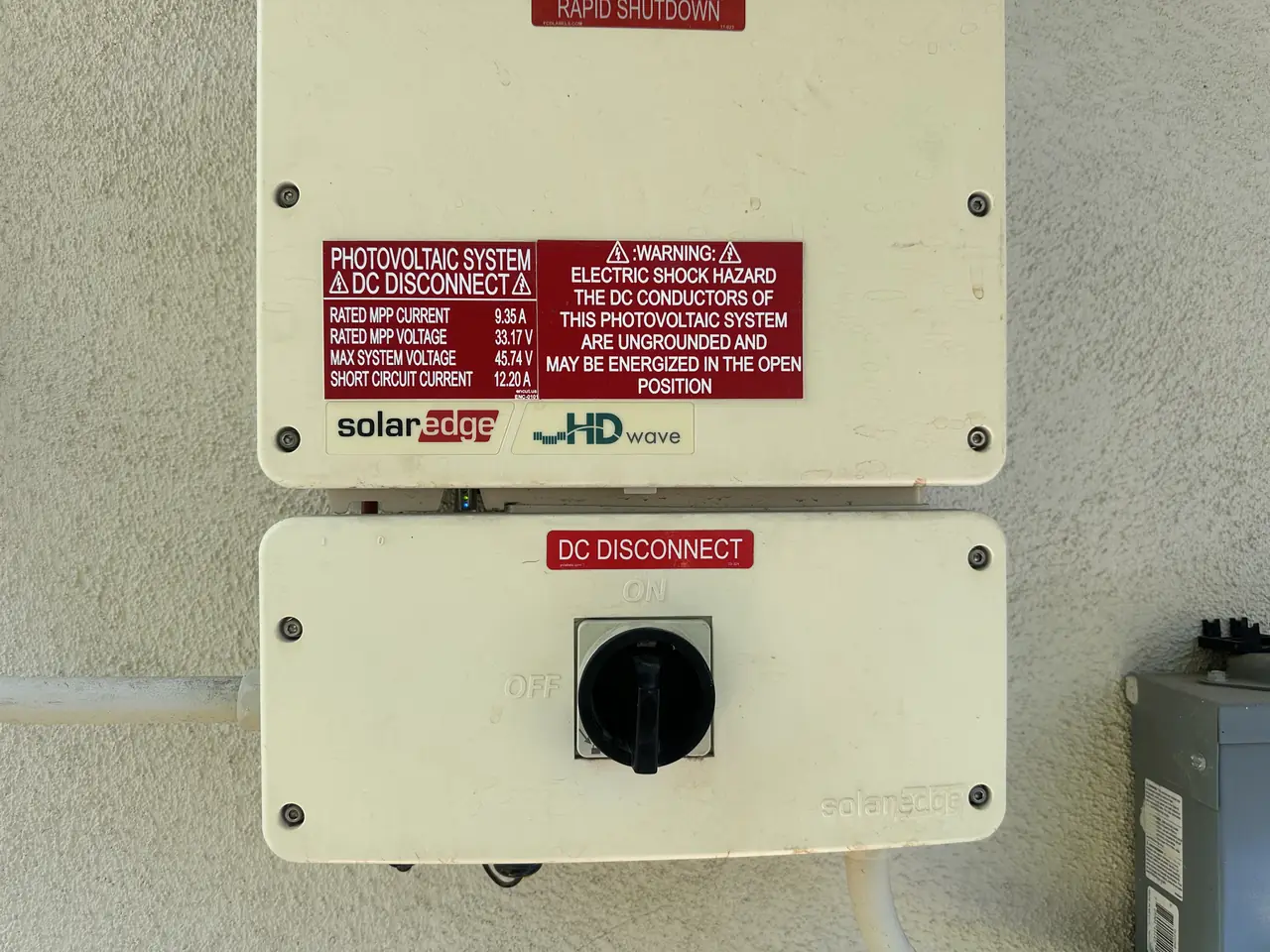
A string inverter from before roughly 2020 generally cannot charge a battery, because it was never built to. Adding storage to a system of that vintage therefore means replacing a working inverter as part of the job, and that replacement lands in the battery quote rather than the solar one. It is not a fault and nothing has failed; it is the price of the technology having moved. On this Woodland Hills system Cali Energy priced that swap into the storage proposal openly, because an owner comparing battery quotes needs to know whether it is in there.
At a glance
- Recorded by the utility
- 9.6 kW AC-CEC
- Inverter
- SolarEdge string inverter, not battery capable
- Service
- Underground; meter replacement only
- Contract to permission to operate
- 39 days
- Battery
- None installed
- Later work
- Storage proposal in 2024; panel cleaning in 2025
- Main service panel
- No upgrade
- Utility / AHJ
- LADWP / LADBS
The story
This one ran the way everybody wants a solar project to run and almost nobody experiences. The contract was signed at the end of October. The interconnection request was confirmed a week later at nine point six kilowatts as the utility records it, and the day after that the utility issued four progress notices and the meter position sheet in a single morning. The site assessment was waived on the strength of what had been filed. Permission to install came with it.
The service here is underground and the utility's own scope line read as a meter replacement only, which is the lightest category of work there is: nothing to build, nothing to engineer, one meter to change. The final plan set went out mid-November, the close-out photographs went in a week later, one polite nudge was sent at the end of the month, and the utility approved on the fourth of December. Permission to operate and the new net meter arrived on the eighth.
Thirty-nine days from signature to permission to operate, across Thanksgiving.
Now the part that matters.
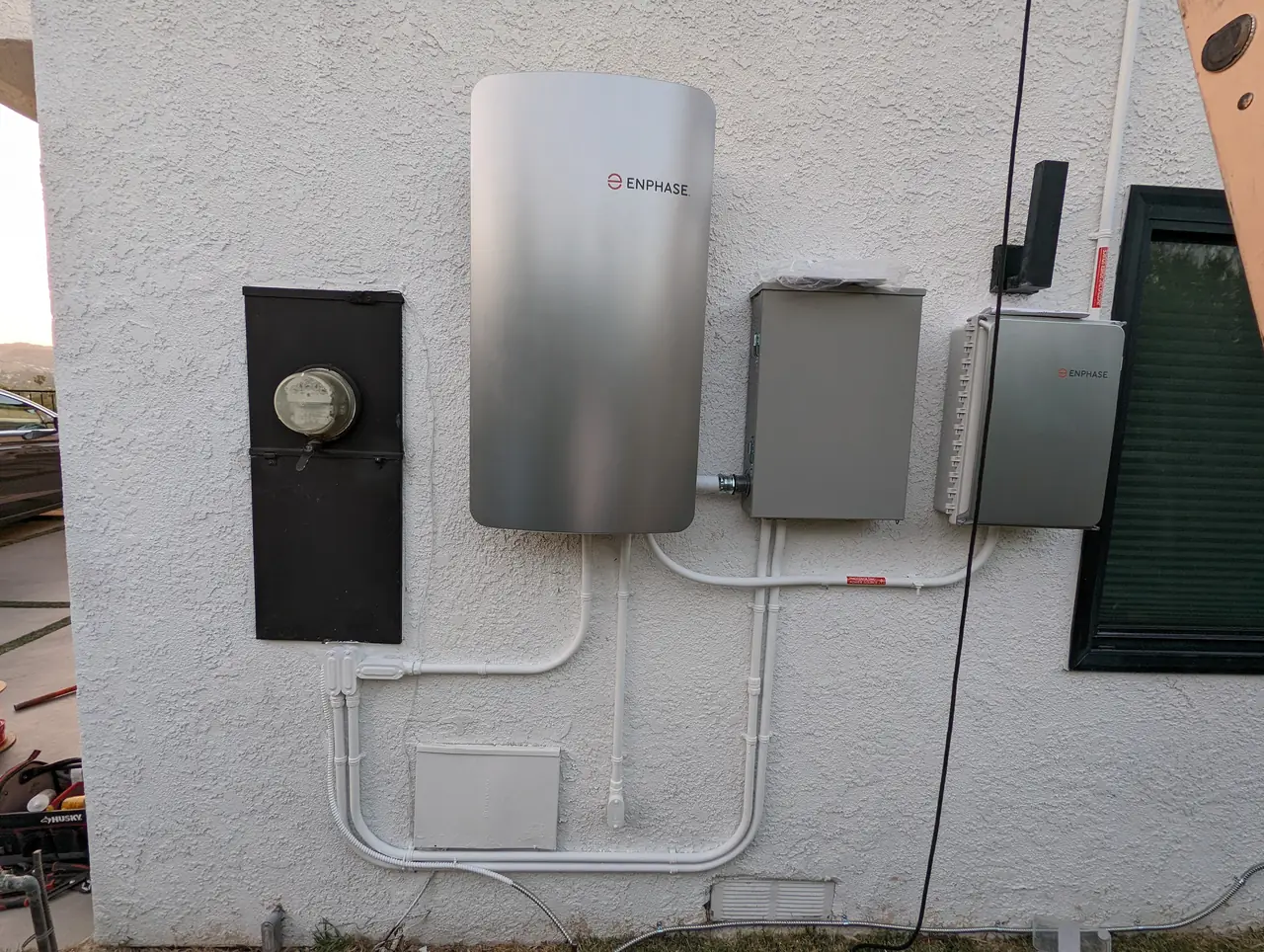
At the start of 2024 the same owner asked what it would take to add a battery. The answer is not what people expect, and it has nothing to do with anything being worn out. A string inverter of this generation converts direct current from the roof into alternating current for the house, and that is all it does. It has no way to charge a battery and no way to run one. Storage needs either a hybrid inverter that handles both jobs or a separate battery inverter alongside the existing one.
So the proposal that went back carried two ten kilowatt-hour options, and both of them included replacing an inverter that was working perfectly well. That is the retrofit tax on early solar, and it matters for two reasons. If you are buying storage for an older system, check whether the quote in front of you includes the inverter, because a quote that leaves it out is not cheaper, it is incomplete. And if you are buying solar now and think you might want a battery later, ask at design time whether the inverter you are being sold can charge one.
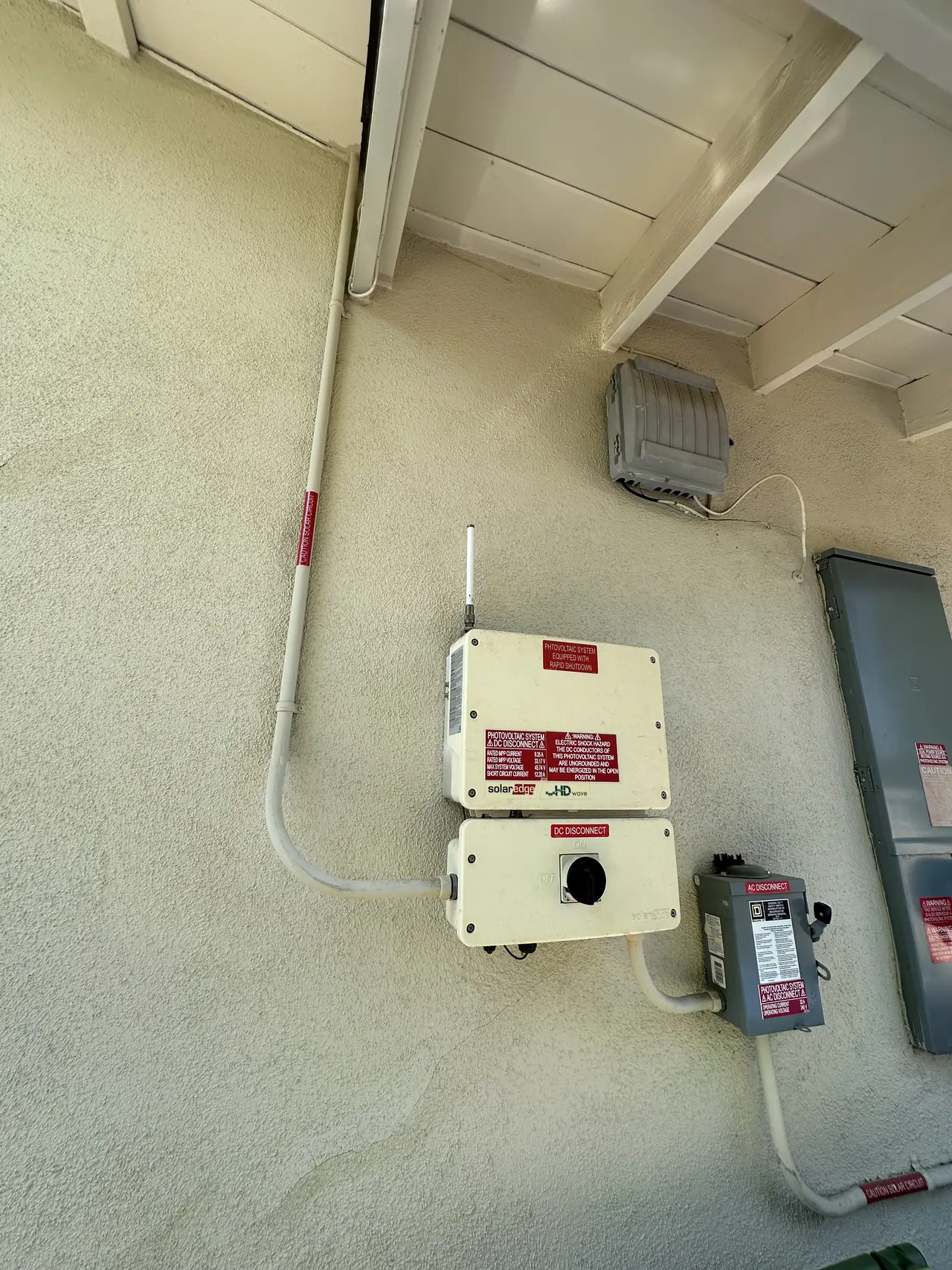
What the owner did next is the part worth knowing. In the summer of 2025, six years after the array went up, he had us out to wash the panels. No repairs in between, no service calls, and the company that installed it is still the one he calls.
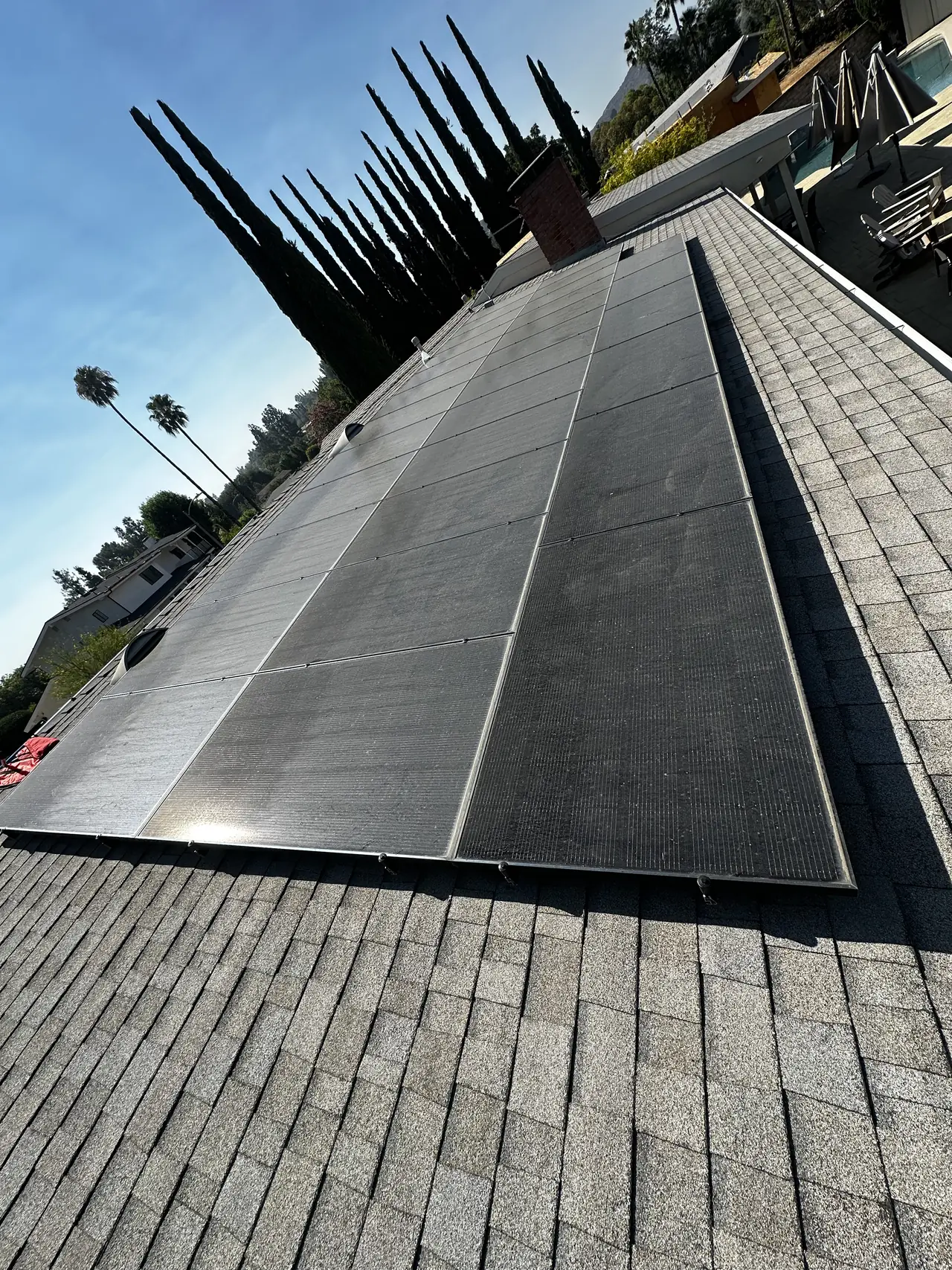
Two practical takeaways. Underground service with a meter change is the fastest category of interconnection there is, and if that describes your house, your project can be measured in weeks. And whatever the age of your system, ask about the inverter before you ask about the battery, because that is where the money is hiding.
How it ran
| January 2019 | First contact; the owner's utility bill collected for sizing |
|---|---|
| 30 October 2019 | Contract signed; single-line diagram sent the same day for the meter position |
| 6 November 2019 | Interconnection request confirmed at 9.6 kW AC-CEC |
| 7 November 2019 | Four progress notices and the meter position sheet issued in one day; site assessment waived; permission to install granted |
| 12 November 2019 | Final plan set issued |
| 20 November 2019 | Close-out photograph package filed with the utility |
| 4 December 2019 | Utility completes its review and approves the installation |
| 8 December 2019 | Permission to operate; net meter set the same day |
| January 2024 | Storage proposal prepared; both options include replacing the existing inverter, which cannot charge a battery |
| August 2025 | Panel cleaning carried out at the owner's request |
This timeline reflects an underground service with a meter replacement and no panel upgrade, which is the lightest interconnection category there is.
What we did
- Designed and installed the array and carried the interconnection from contract to permission to operate in thirty-nine days (C-10).
- Filed the close-out photograph package the utility requires, which is what keeps a file moving without a site visit.
- Chased the review once, politely, rather than repeatedly, and let the queue work.
- Priced the later storage proposal with the inverter replacement included rather than quoting a battery that could not have been connected.
- Explained why a working inverter has to be replaced to add storage, so the cost was understood rather than resented.
- Returned six years later to clean the array at the owner's request.
System specifications
| Recorded by the utility | 9.6 kW AC-CEC |
|---|---|
| Inverter | SolarEdge string inverter; not battery capable |
| Service | Underground, meter replacement only |
| Main service panel | No upgrade |
| Battery | None installed; proposed in 2024 with an inverter replacement included |
| Contract to permission to operate | 39 days |
| Utility / AHJ | LADWP / LADBS |
Is your project like this one?
- You have an older solar system and are thinking about adding a battery.
- You are comparing storage quotes and one is much cheaper than the others.
- You are buying solar now and may want storage in a few years.
- Your house is on underground service and you want to know what that means for speed.
- Your Woodland Hills property is served by LADWP, while permits are handled by LADBS.
Cali Energy in Woodland Hills
Woodland Hills is inside City of Los Angeles boundaries: permits run through LADBS, interconnection through LADWP.
Woodland Hills is inside the City of Los Angeles, on LADWP. Underground service is common on these hillside streets, which usually means the utility replaces a meter rather than rebuilding anything, and that is one of the reasons this project ran as fast as it did.
This installation is on the Woodland Hills projects page alongside the others, and what the work covers is set out on the Woodland Hills service area page.
- License and classifications: CSLB #1032379
- Official reference for this process: LADWP — residential solar programs
- Official reference for this process: California Energy Commission — solar equipment lists
Frequently asked questions
Can I add a battery to my existing solar system?
Usually yes, but check the inverter first. A string inverter from before about 2020 converts roof power for the house and nothing else, with no ability to charge or run storage. Adding a battery then means either a hybrid inverter that does both jobs or a second battery inverter alongside the first. Either way a working component gets replaced, and that belongs in the quote.
Why would a storage quote include replacing a working inverter?
Because without it the battery cannot be connected. It is not an upsell and nothing has failed; the equipment simply predates the feature. The practical warning is the other way round: if one storage quote is markedly cheaper than the rest, check whether it has left the inverter out, because that quote is incomplete rather than competitive.
How fast can an interconnection go on underground service?
Fast, when the utility's scope is a meter replacement rather than new service work. On this project the utility confirmed the application, issued four notices and the meter position sheet, and granted permission to install inside two days, then approved the finished installation about four weeks later. Thirty-nine days from contract to permission to operate is what that category makes possible.
What is a close-out photograph package?
It is the set of images the utility asks for once the system is installed: the equipment with covers on, with covers off, the wiring, and the labeling. Filing it promptly and correctly is often the difference between a desk review and a site visit. On this project it went in a week after the plan set and the approval followed without anyone coming out.
Does Cali Energy service Woodland Hills systems it installed years ago?
Yes, including work as ordinary as cleaning. This array was installed at the end of 2019 and the same owner had Cali Energy out in the summer of 2025 to wash it, with no repairs in between. Long-term service is the part of a solar purchase that only becomes visible years later. California contractor license number 1032379.
What this would look like on your roof
Planning solar in Woodland Hills? Tell us your utility, your roof and what your bill looks like now, and we will model what a system like this would do on your house before you commit to anything.
Or call +1 (323) 844-7777 · Cali Energy, Northridge · CSLB #1032379 (B, C-10, C-39) — design, permits, install and electrical under one licensed contractor.
Related
This timeline reflects this property and this permitting path. Updated September 2026.