

Woodland Hills, CA · September 2020 – August 2021 · LADWP / LADBS
Woodland Hills: the application and the agreement, matched at 12.9 kilowatts.
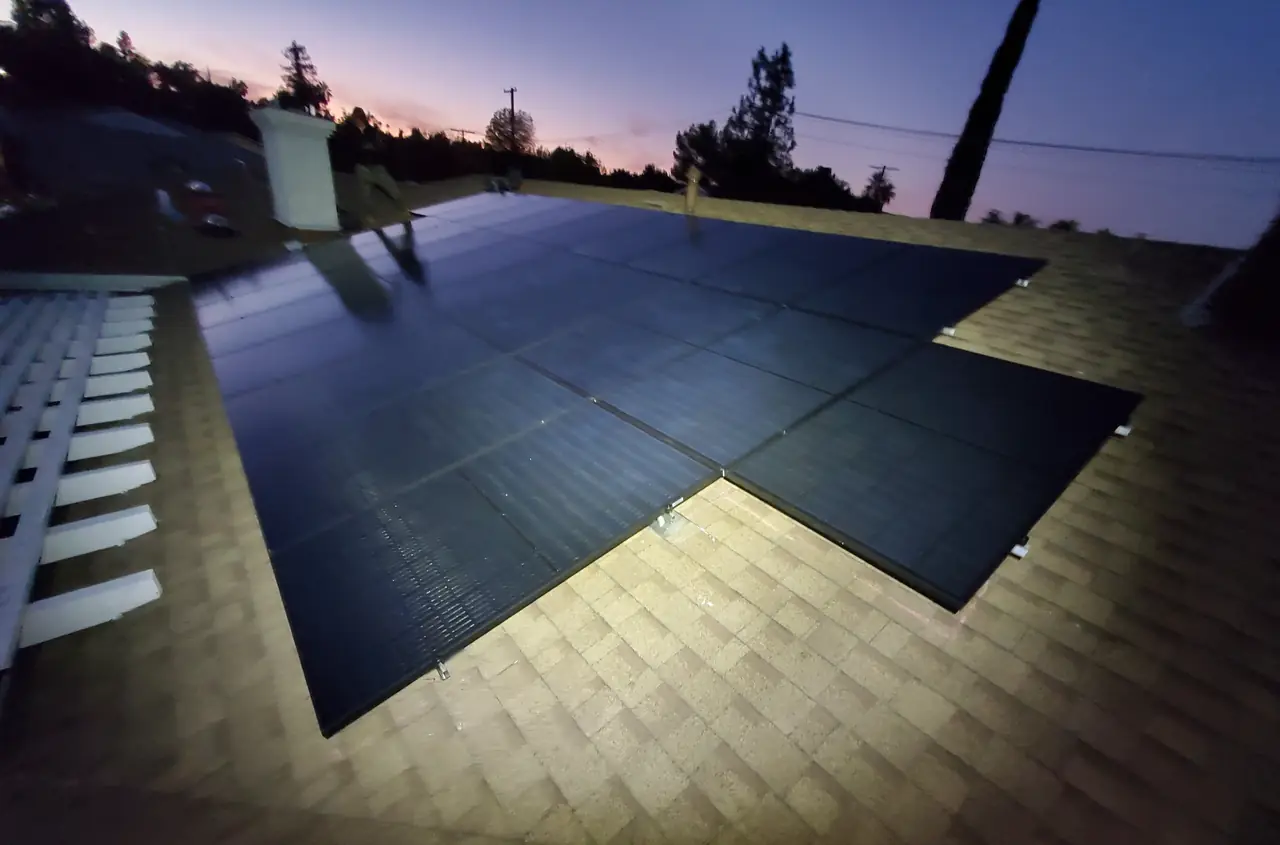
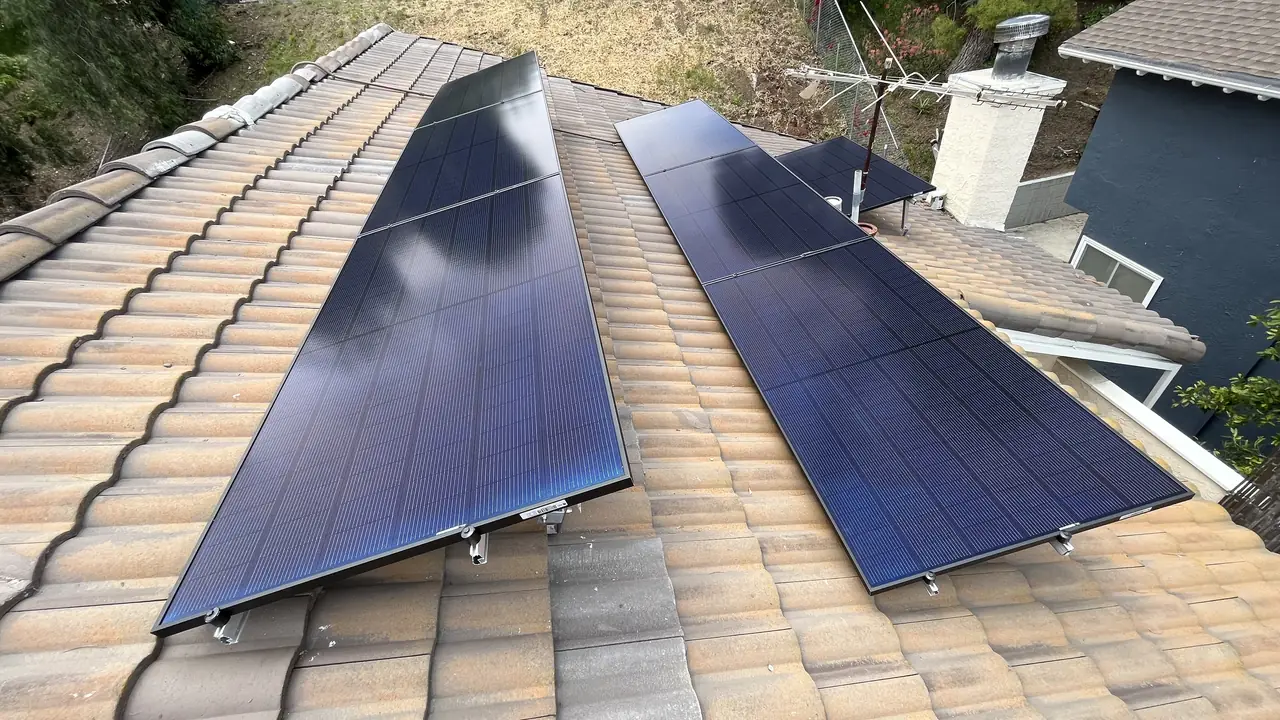
A large residential array on a wide Woodland Hills roof, installed without incident, with the utility paperwork carried end to end for an owner who never had to fill in a single form.
The interconnection application and the interconnection agreement are two different documents, and the utility compares them. If the system size on the agreement does not match the size already on file, review stops until the contractor either corrects the form or formally changes the system size through the utility's solar representative, which is a far slower route. Empty fields matter too: a battery section left blank is returned, while the same section filled with zeros is accepted. On this Woodland Hills project Cali Energy handled that chain end to end, which on a residential job is what the homeowner is actually buying.
At a glance
- Recorded by the utility
- 12.9 kW AC-CEC
- Modules
- Q CELLS Q.PEAK DUO BLK-G6+ 340 W
- Inverters
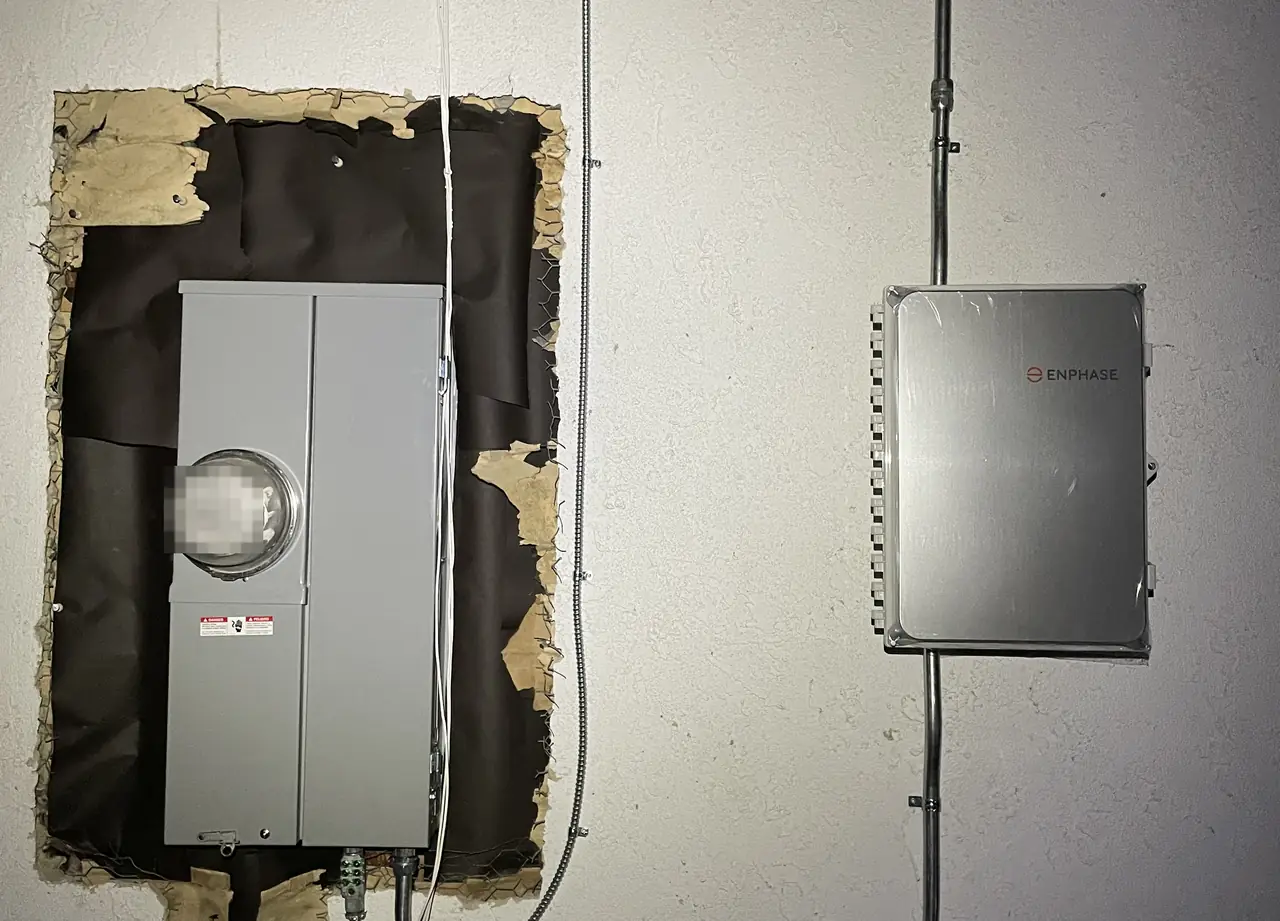
- Enphase microinverters
- Utility work type
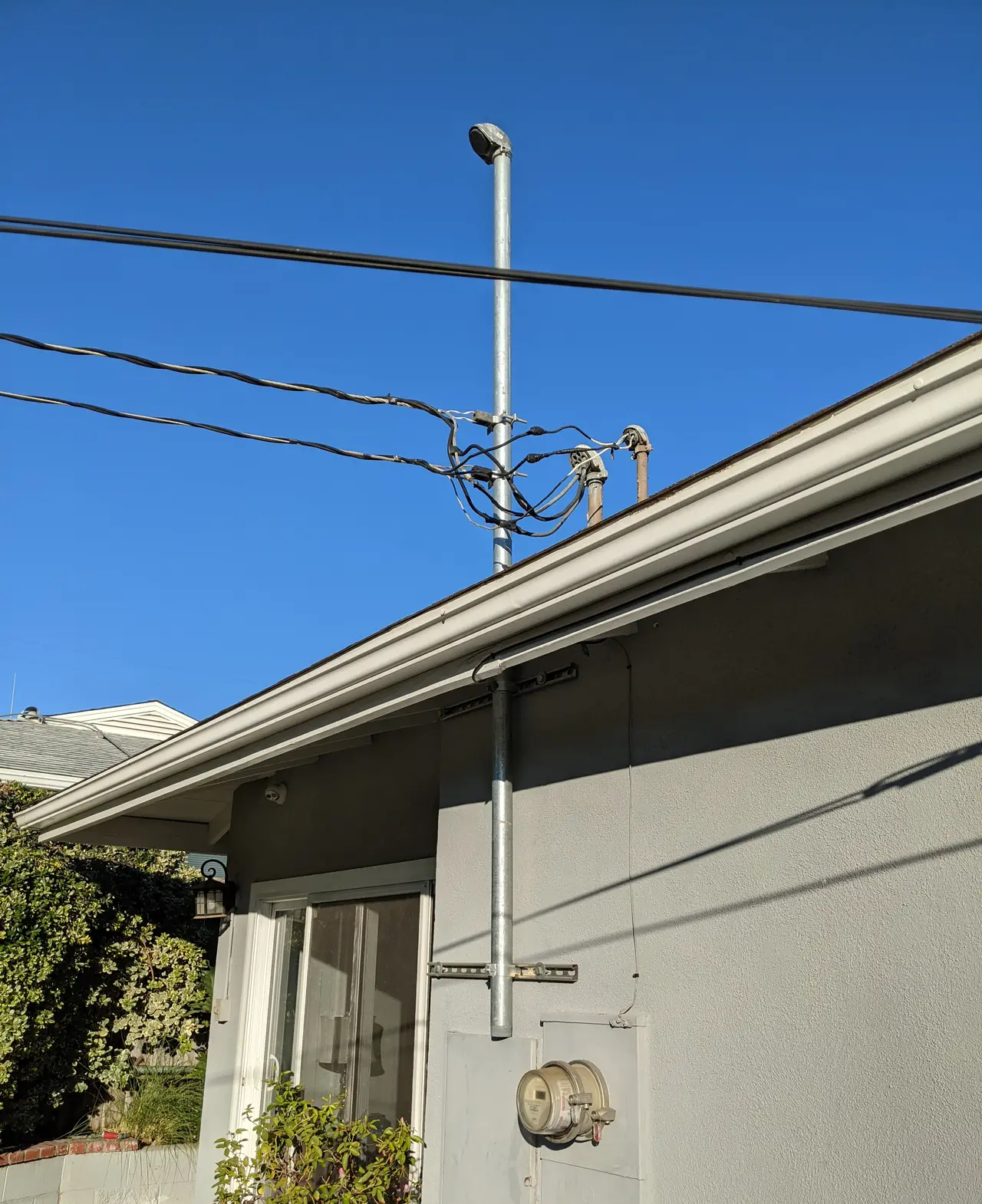
- Overhead service, meter and service
- Battery
- None
- Application to permission to operate
- Just under two months
- Warranty work
- One microinverter replaced eight months after switch-on
- Utility / AHJ
- LADWP / LADBS
The story
The contract went out at the end of September and was signed the same day. The site was inspected the next afternoon, the permit set came back within days, and the drawings went over to him.
His reply is the point. He wrote that he had no expertise to evaluate the plans, acknowledged receipt, asked what the next steps were, and said he had not heard from the electric company.
He should not have to. On a residential solar project the contractor carries the whole chain: the design, the permit, the interconnection application, the agreement, the corrections, the release, the meter order. The owner signs a contract and, at the end, is told to switch it on.
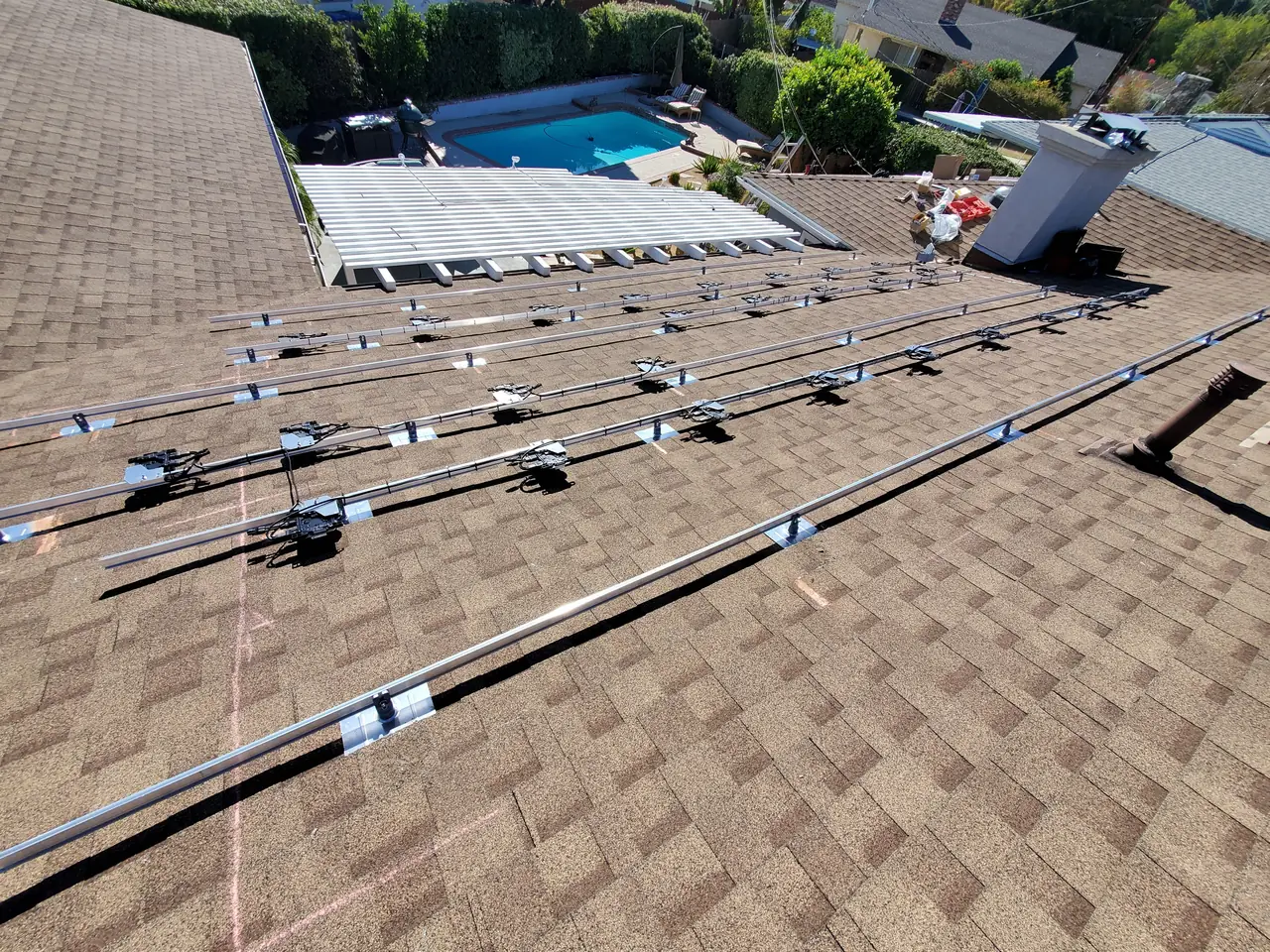
The application went in at 12.9 kilowatts as the utility records it, on overhead service, with meter and service work rather than a meter swap alone. The utility acknowledged it within days, arranged the meter position visit for the following morning, completed its site assessment and granted permission to install. Four days from application to permission to build is a good run by any standard.
Then the agreement arrived, and this is the mechanism to carry away.
The interconnection application is not the interconnection agreement. They are separate documents, filed at different moments, and the utility reads the second against the first: if the size on the agreement differs from the size already on file, the choice is to correct the form or put a formal size change through the solar representative, which is a different process with a different clock. The agreement here carried the 12.9 kilowatts on file.
One detail is worth knowing: battery fields left blank on the agreement are not the same as none, so they are filled with zeros. The utility approved the agreement on the fourteenth of October, nine days after the application, and the only thing still needed on this job was the city's release.
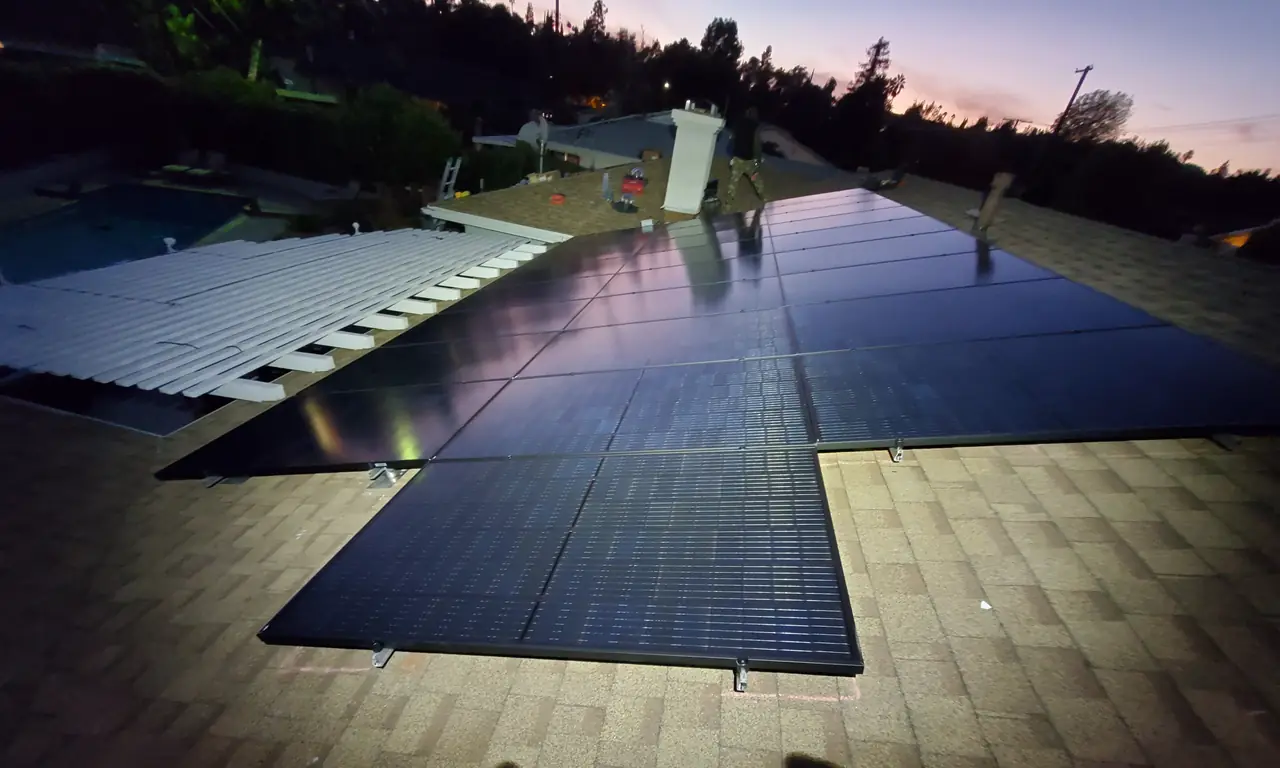
A technician went back in November to finish some stucco work on the wall. The utility completed its interconnection review at the start of December and permission to operate arrived the next day with the net meter set. The owner forwarded it and asked when we could come and switch the system on so he could hand over the final payment. It was booked for eight the next morning.
Eight months later, one microinverter stopped. The owner spotted it in the app and asked, fairly, how a component fails after eight months and what the warranty on it actually is. The answer is twenty-five years, and a single unit failing early is uncommon but not alarming. We filed the claim with the manufacturer, the replacement arrived, and a crew fitted it on a morning that suited him.
Then a last small thing that saves everyone a wasted visit. He wrote afterwards to say the service had been good but that his app still showed the panel dark. It was not dark. Monitoring platforms take a day or two to backfill after a unit is swapped, and a panel that has just been replaced reads as silent until they do. We said so rather than sending a second truck, and that was the end of it.
Two things to take from this. Ask your installer who fills in the interconnection agreement, and check that the size on it matches the size on the application, because a single digit in the wrong place stops a finished system from being connected. And after any warranty swap, give the monitoring two days before you decide it did not work. On this house every module has reported since the replacement in August 2021.
How it ran
| 29 September 2020 | Contract sent and signed the same day |
|---|---|
| 30 September 2020 | Site inspection |
| 3 October 2020 | Permit set received |
| 5 October 2020 | Drawings sent to the owner; interconnection application filed at 12.9 kW AC-CEC |
| 8 October 2020 | Utility confirms the application and arranges the meter position visit for the next morning |
| 9 October 2020 | Site assessment complete; permission to install granted |
| 14 October 2020 | Agreement approved; only the city's release outstanding |
| November 2020 | Stucco work completed on the wall |
| 1 December 2020 | Utility completes interconnection review |
| 2 December 2020 | Permission to operate; net meter set; switch-on booked for the next morning |
| July – August 2021 | One microinverter fails eight months after switch-on; warranty claim filed, replacement fitted, monitoring backfills within days |
This timeline reflects a straightforward roof with no panel upgrade and no association. The seven weeks between the agreement's approval and permission to operate were paperwork, not construction.
What we did
- Inspected the site the day after the contract was signed and had a permit set back within four days.
- Filed the interconnection application and carried every subsequent form, so the owner filled in nothing (C-10).
- Installed the array, completed the stucco work and carried the project to permission to operate.
- Filed the manufacturer warranty claim when a single microinverter failed eight months in, and fitted the replacement.
- Explained the monitoring backfill delay after the swap instead of dispatching a second visit.
System specifications
| Recorded by the utility | 12.9 kW AC-CEC |
|---|---|
| Modules | Q CELLS Q.PEAK DUO BLK-G6+, 340 W, all black |
| Inverters | Enphase microinverters, one per module |
| Roof | Composition shingle |
| Utility work type | Overhead, meter and service |
| Battery | None; recorded by the utility as zero |
| Warranty term on the microinverters | Twenty-five years |
| Utility / AHJ | LADWP / LADBS |
Is your project like this one?
- You have been sent a utility form and are not sure whether it is yours to complete.
- Your system is installed and the utility says it is still waiting on something.
- You want to know what a contractor is actually responsible for after the panels are up.
- A single panel has gone dark in your monitoring app.
- Your Woodland Hills property is served by LADWP, while permits are handled by LADBS.
Cali Energy in Woodland Hills
Woodland Hills is inside City of Los Angeles boundaries: permits run through LADBS, interconnection through LADWP.
Woodland Hills is inside the City of Los Angeles, so LADBS inspects and LADWP interconnects. The paperwork chain between the two is longer than most owners expect, and on a residential project it is the contractor who is supposed to carry all of it.
This installation is on the Woodland Hills projects page alongside the others, and what the work covers is set out on the Woodland Hills service area page.
- License and classifications: CSLB #1032379
- Official reference for this process: LADWP — residential solar programs
- Official reference for this process: California Energy Commission — solar equipment lists
Frequently asked questions
What is the difference between the interconnection application and the agreement?
The application opens the project and puts a system size on file. The agreement is a later document that sets the terms under which the system connects, and the utility reads it against what the application already says. If the sizes disagree, even by a few hundred watts, review stops. Correcting a typing error takes a day; changing the system size formally is a different process altogether.
Why was a form rejected for blank fields?
Because blank and zero mean different things to a reviewer. A battery section left empty reads as unanswered, while the same section filled with zeros reads as a deliberate statement that there is no storage on the project. It sounds like pedantry and it is not: the reviewer cannot tell whether an empty box means none or means forgotten, so the form comes back.
Should the homeowner be filling in utility paperwork?
No. On a residential solar project the contractor carries the application, the agreement, the corrections, the city release and the meter order. The owner signs a contract and, at the end, is told when to switch the system on. If a utility form reaches your inbox, forward it to your installer and ask them to handle it rather than attempting it yourself.
A single panel shows nothing in my app after a repair. Is it broken again?
Not if the repair was recent. Monitoring platforms need a day or two to backfill after a microinverter is replaced, and during that window the new unit reads as silent even though it is generating. Give it two days before calling anyone. On this system that is exactly what happened, and no second visit was needed.
Does Cali Energy handle warranty claims on the systems it installs in Woodland Hills?
Yes. On this project a microinverter failed eight months after switch-on, and Cali Energy diagnosed it, filed the manufacturer claim, received the replacement and fitted it. The microinverters carry a twenty-five year term, but a term is only worth what the person filing the claim makes of it. California contractor license number 1032379.
What this would look like on your roof
Planning solar in Woodland Hills? Tell us your utility, your roof and what your bill looks like now, and we will model what a system like this would do on your house before you commit to anything.
Or call +1 (323) 844-7777 · Cali Energy, Northridge · CSLB #1032379 (B, C-10, C-39) — design, permits, install and electrical under one licensed contractor.
Related
This timeline reflects this property and this permitting path. Updated September 2026.