

Woodland Hills, CA · March 2021 – February 2022 · LADWP / LADBS
He sized it from his bill. The answer was in his kilowatt-hours.
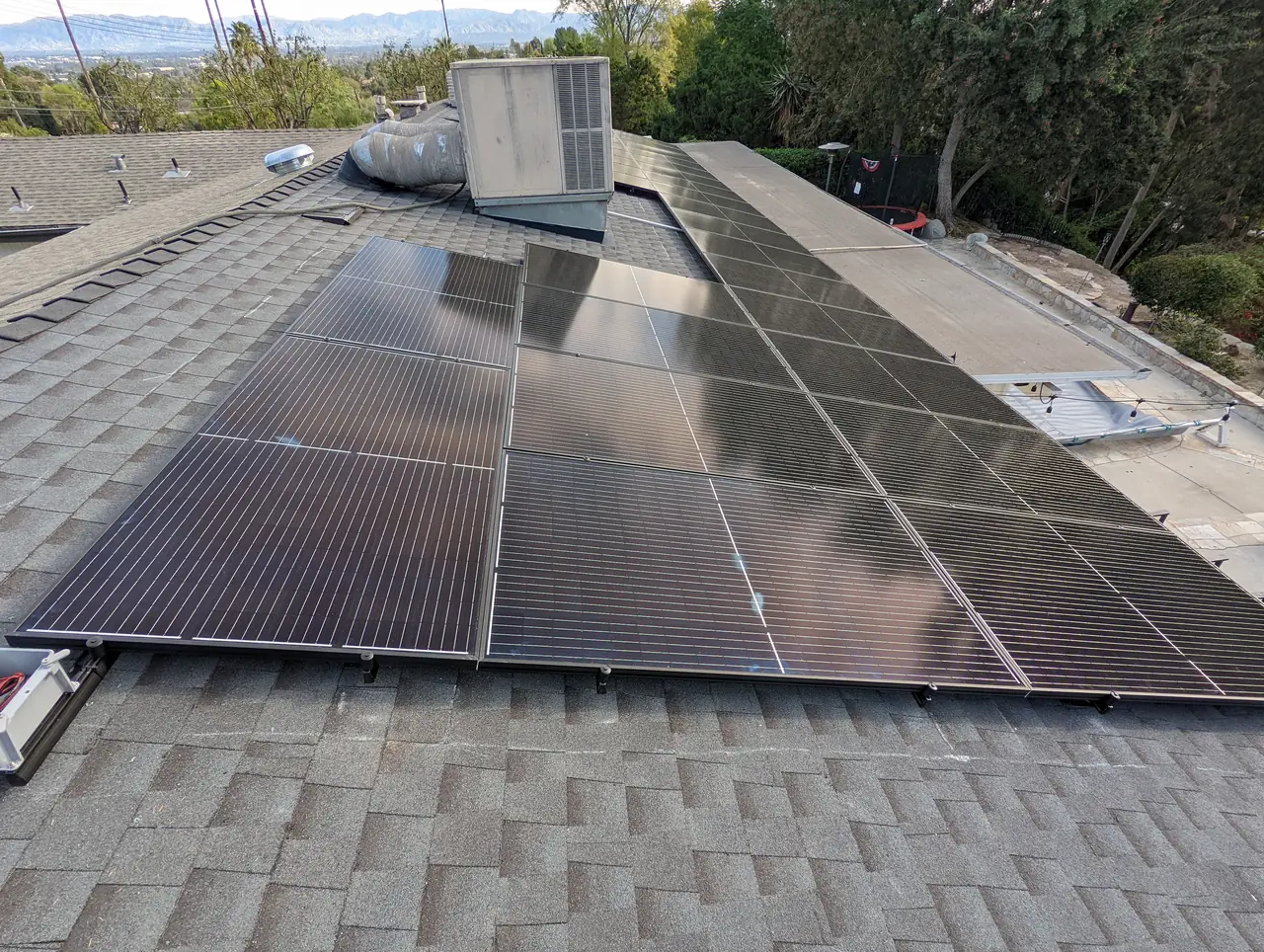
A customer who took nine months and roughly ten revisions to buy, and who twice tried to talk himself into a smaller system than he needed. He ended up at almost twelve kilowatts, over a brand new cool roof, with the array and the roofing in one contract.
A solar system should be sized from annual kilowatt-hours, not from a monthly dollar figure and not from a panel count that feels right. A bill moves with rates, season and billing period; consumption does not. On this project the owner proposed twenty-eight modules and his actual usage needed about thirty-five, a gap of roughly a fifth of his electricity. The other trap is letting the utility's review timeline decide the size, because in LADWP territory systems above ten kilowatts take noticeably longer. On this Woodland Hills house Cali Energy corrected the input rather than arguing about the output.
At a glance
- Recorded by the utility
- 11.9 kW AC-CEC
- Inverters
- Enphase microinverters
- Roof
- Full tear-off and cool roof, done in the same contract
- Roof area
- About 1,170 square feet
- Extra electrical scope
- A long conduit run for a 240 V outdoor circuit
- Battery
- None
- Sales cycle
- Nine months, about ten revisions
- Utility / AHJ
- LADWP / LADBS
The story
The first estimate went out in March, and the owner came back to it in November.
What followed was nine months and about ten versions of the same question: how big is big enough. It is the single most common question in residential solar and almost everybody asks it in the wrong units.
He reasoned from a monthly figure on his bill, and from panel counts. A larger proposal came back offsetting well over his usage, which he read as waste, and quite reasonably so. He then proposed twenty-eight modules, partly because it felt more sensible and partly for a second reason: he had understood that above ten kilowatts the utility's review takes about a month, and he wanted to stay under that line.
Both halves of that were reasonable and both were the wrong basis for a decision.
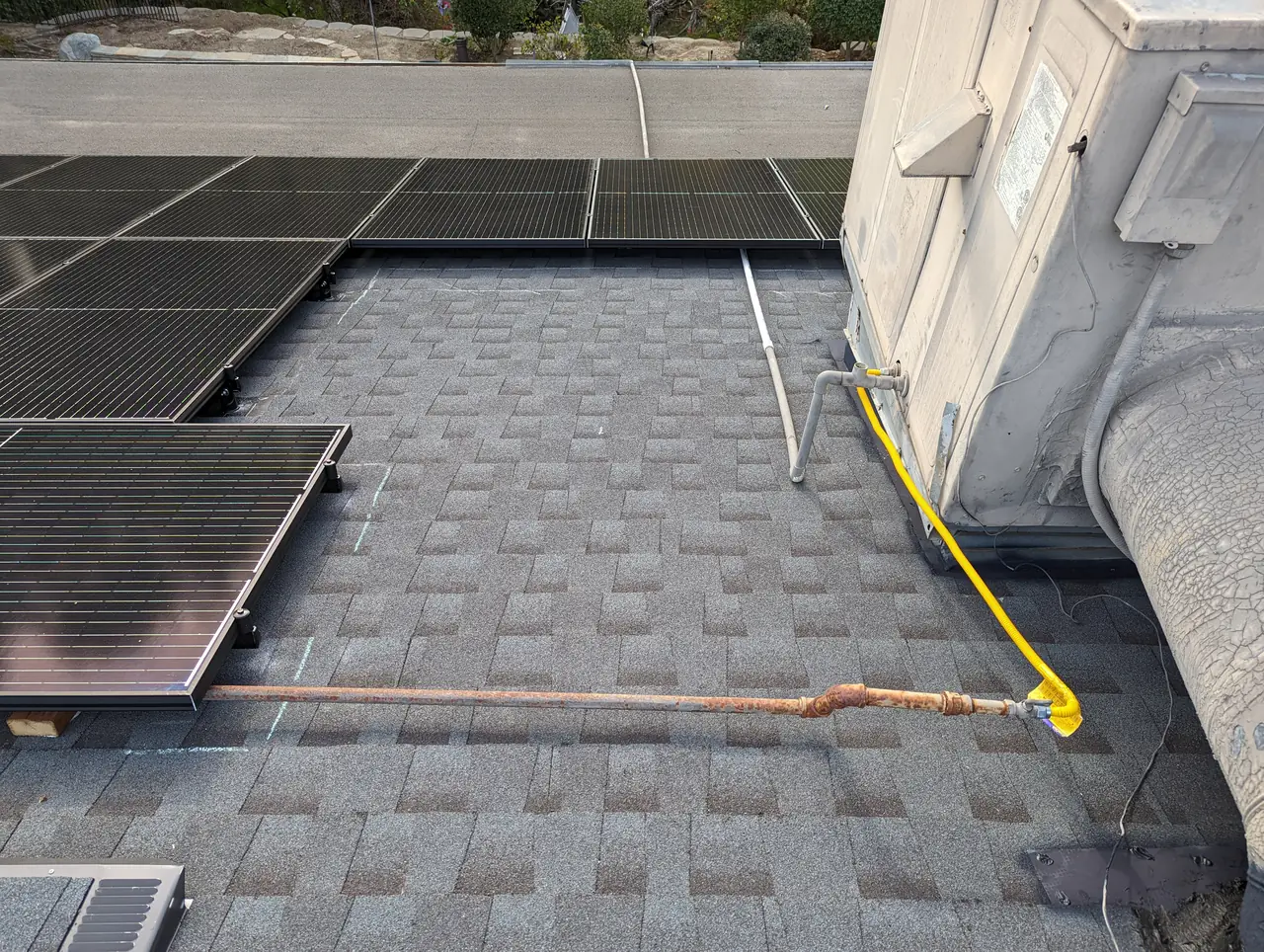
So we changed the input rather than arguing about the output. A bill is a moving target: it carries rate changes, seasonal swings and a billing period that in this territory covers two months rather than one. Consumption does not move like that. His annual usage was around fifteen thousand kilowatt-hours, which at the module sizes then available meant roughly thirty-five modules for full coverage. His own proposal of twenty-eight would have covered about eighty percent. That is not a rounding error. It is a fifth of his electricity, every year, for as long as the system lasts.
The ten kilowatt threshold is real. Below it the utility's review in this territory is quick. Above it, budget about a month. But it is a scheduling fact, not a sizing rule, and letting it set the size of an array is paying for a shorter wait with twenty years of production.
Then he wrote the sentence that most sales processes handle badly. He said the size of the system and the total were scaring him, that he remained committed to doing it with us, and asked for a little time to see whether he wanted to reduce it. The answer was that he should take his time. No countdown, no expiring discount. He came back, and he came back bigger.
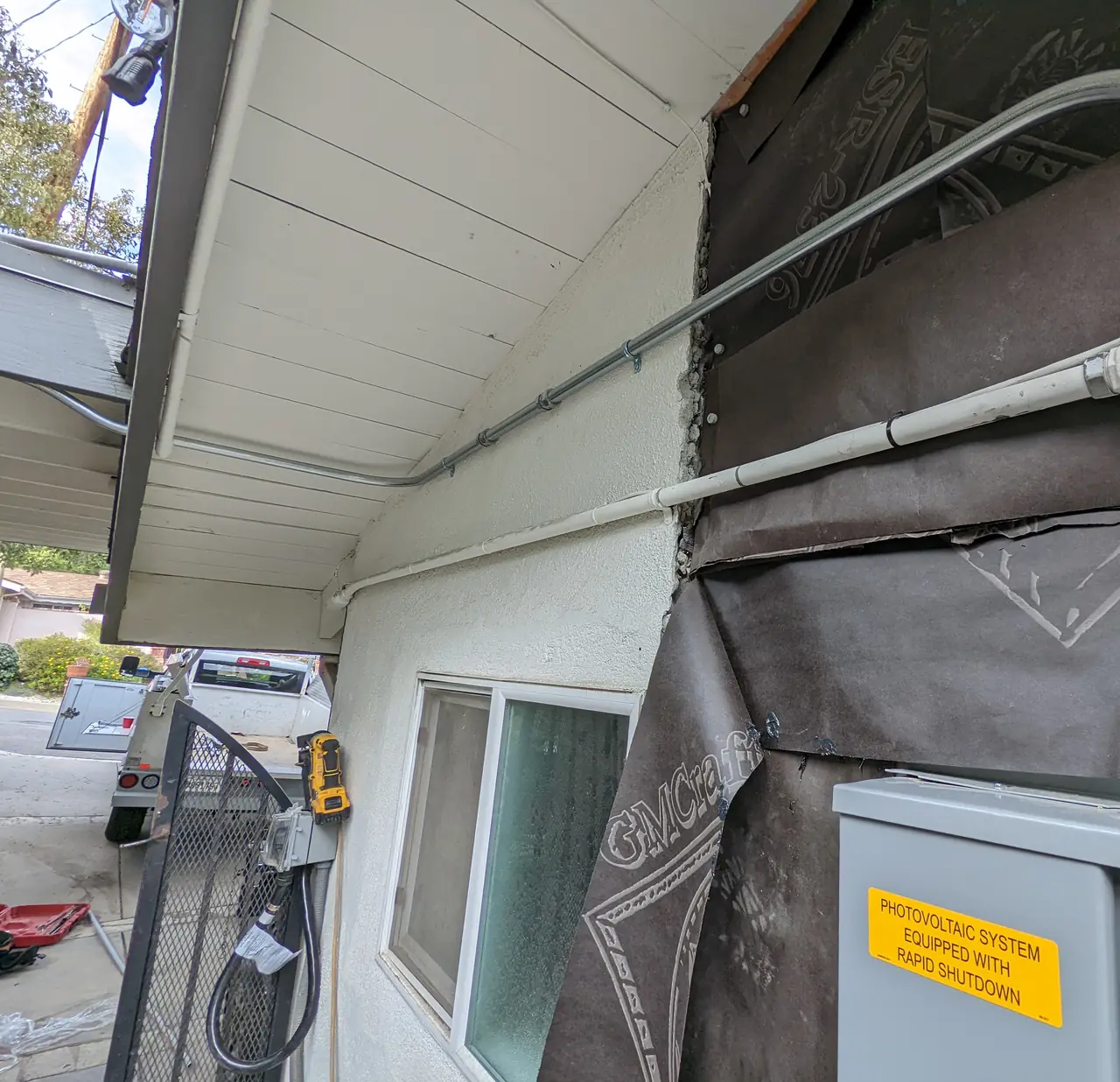
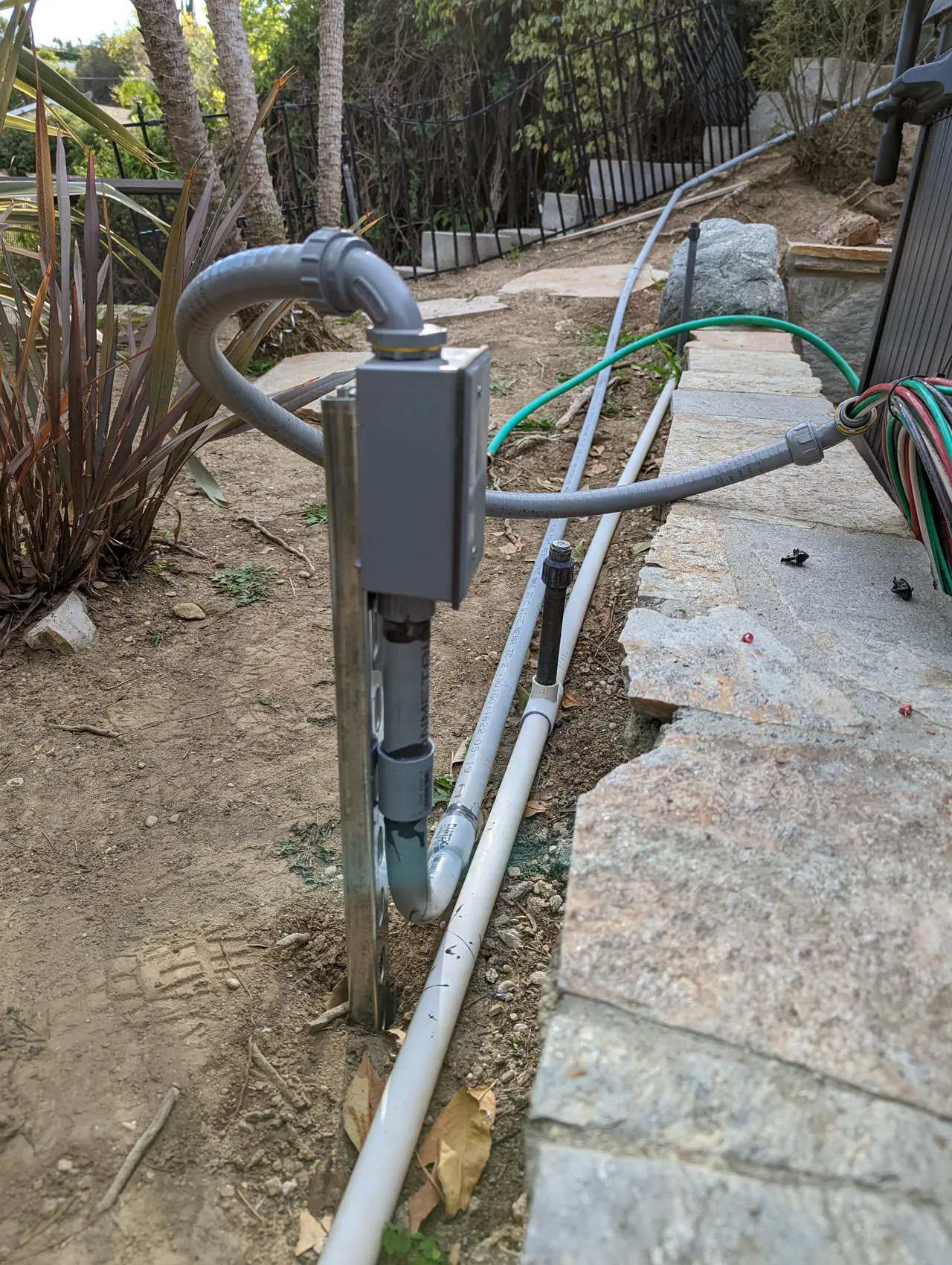
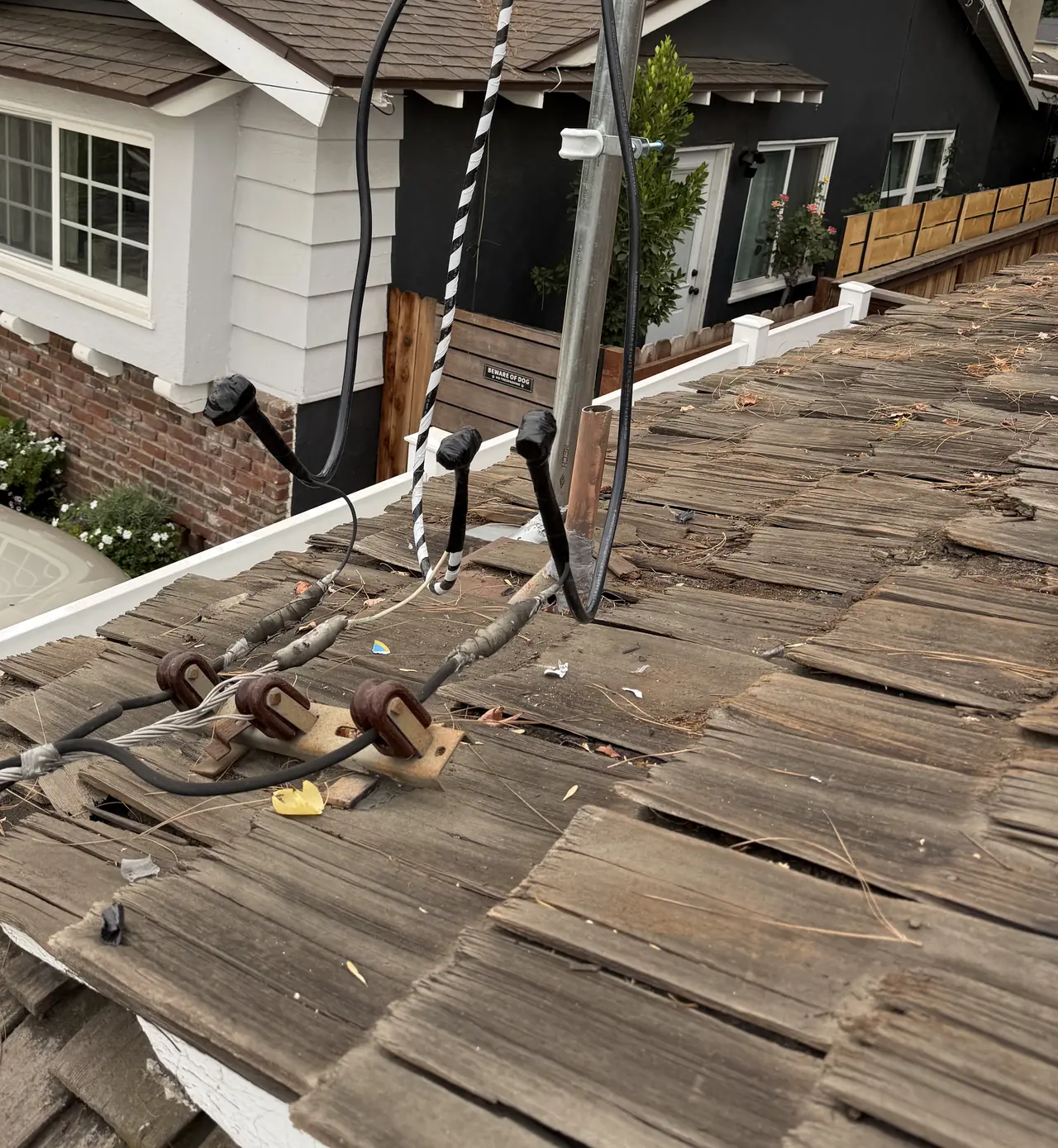
He also arrived with a list that had nothing to do with the array, which is normal and which a good contract should absorb rather than deflect. He wanted a two hundred and forty volt circuit run out to equipment in the garden, which meant roughly seventy-five feet of conduit carried around the fascia. He wanted more attic ventilation. And the roof underneath all of it was due.
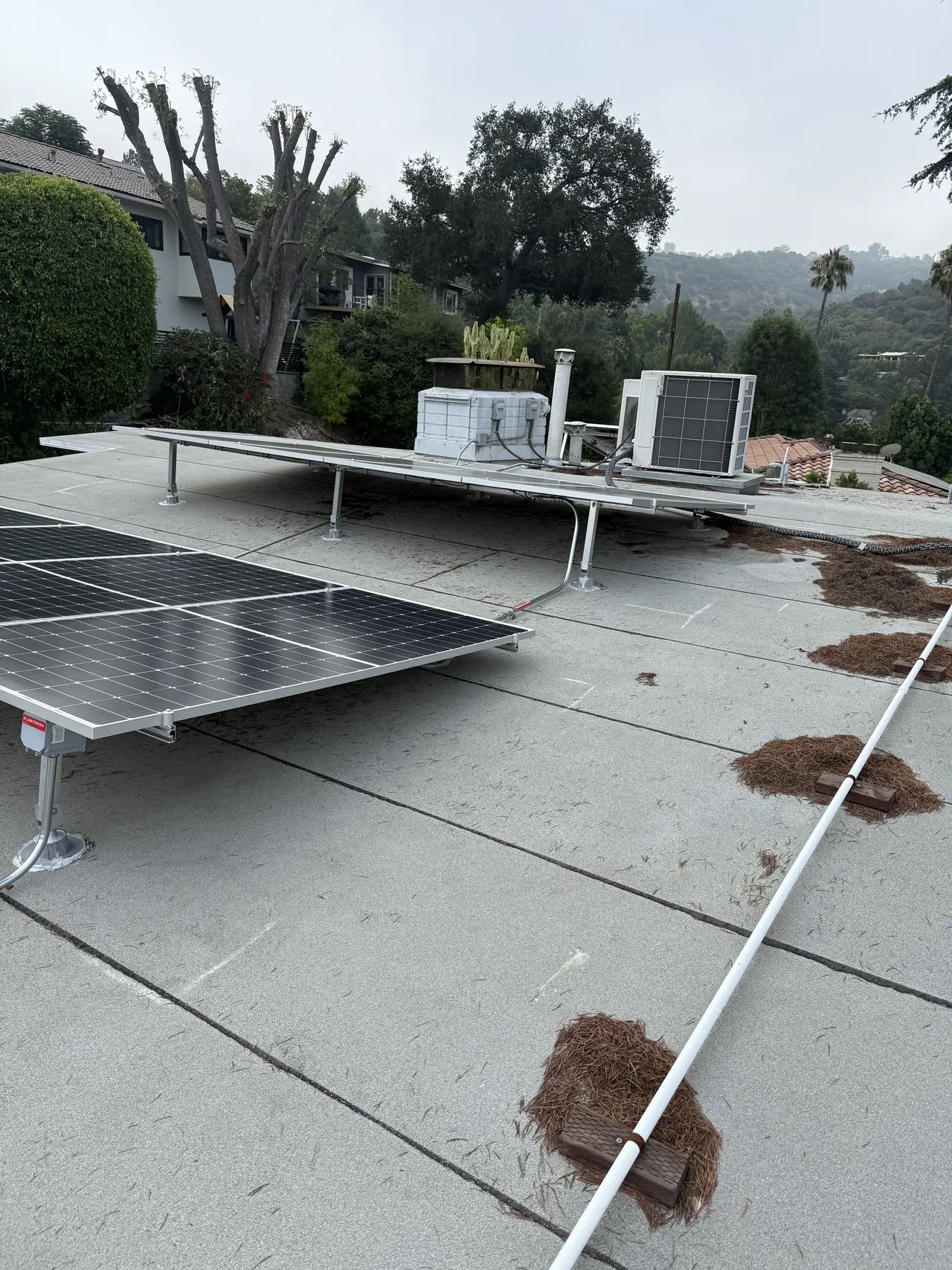
So the roof went into the same contract, and not as a like-for-like replacement. It was a full tear-off down to the deck with a cool roof assembly laid over it: cool-roof sheathing, twelve squares of shingle, synthetic underlayment, three low-profile attic vents, sixty-five feet of ridge cap and new drip edge, over about eleven hundred seventy square feet. A cool roof reflects more of the sun than a conventional one and runs the attic cooler, which matters in a valley that spends its summers above a hundred degrees. The one moment it is cheap to do any of this is before the modules go on.
He signed at eleven point nine kilowatts as the utility records it, larger than anything he had flinched at in the spring.
The utility approved the interconnection agreement on the twenty-seventh of December.
The roof was finished in January, the utility completed its review at the end of that month, and the net meter and permission to operate arrived on the eleventh of February. Two and a half years later he wrote to ask for a copy of his paperwork, which we sent. That is the whole of the after-sales history, and on a solar system that is the good outcome.
If you are stuck on size, get your annual kilowatt-hours in front of you before you look at another proposal. Not a monthly amount, not a panel count, not a percentage offset someone quoted you. And decide the size first, then ask what it means for the review timeline, rather than the other way around. This array was sized from fifteen thousand kilowatt-hours a year, and the house has run on it since the eleventh of February 2022.
How it ran
| March 2021 | First estimate |
|---|---|
| November 2021 | Owner returns; prices have risen and sizing becomes the whole conversation |
| November 2021 | Re-roof bid: full tear-off with a cool roof assembly, twelve squares, new underlayment, three attic vents, ridge cap and drip edge |
| November 2021 | Owner proposes twenty-eight modules to stay under the ten kilowatt review threshold; actual annual usage shows about thirty-five are needed for full coverage |
| December 2021 | Permit set issued and revised; interconnection filed at 11.9 kW AC-CEC |
| December 2021 | Utility issues its first four notices in one day; meter position approved |
| 27 December 2021 | Interconnection agreement approved |
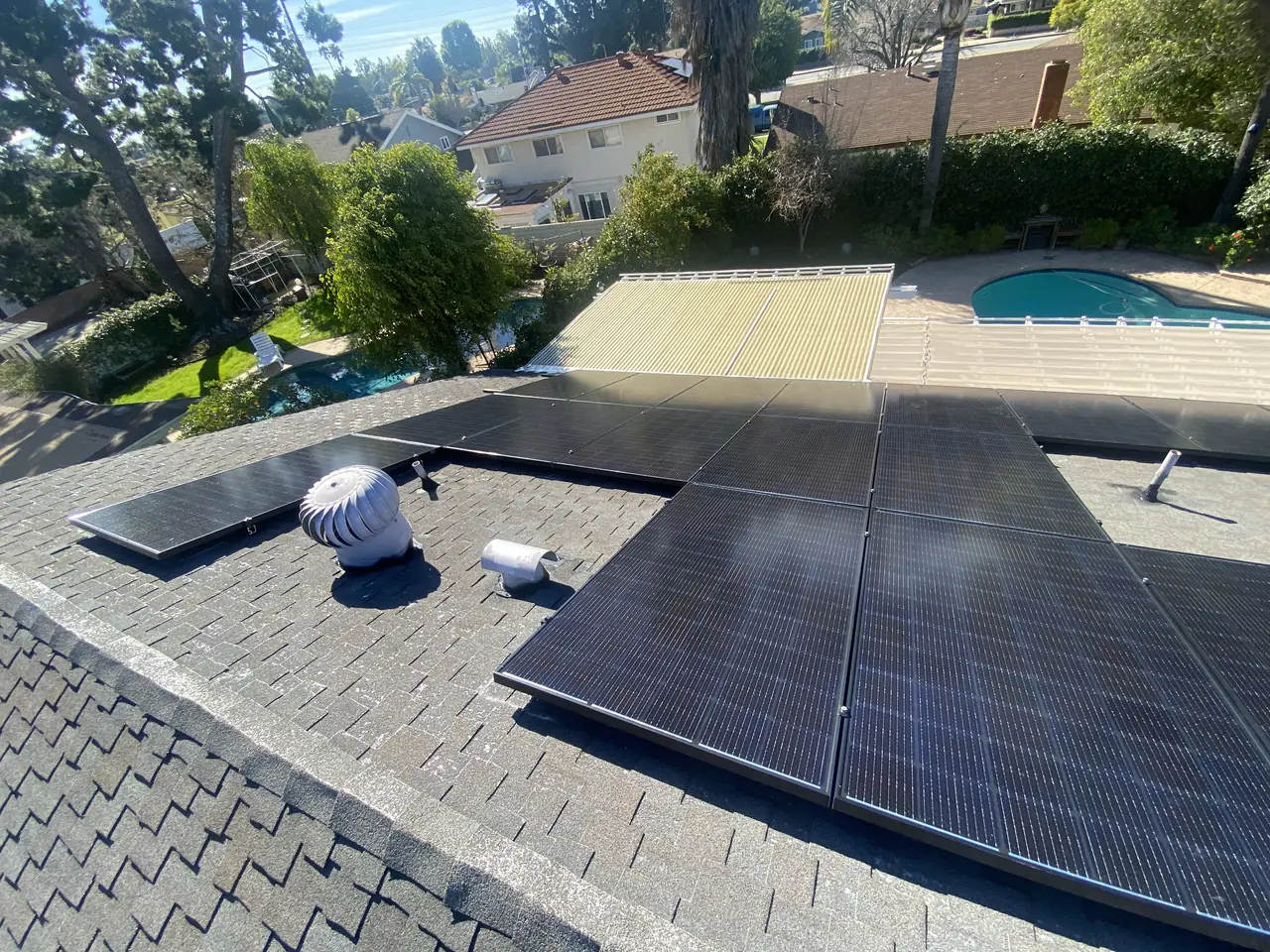
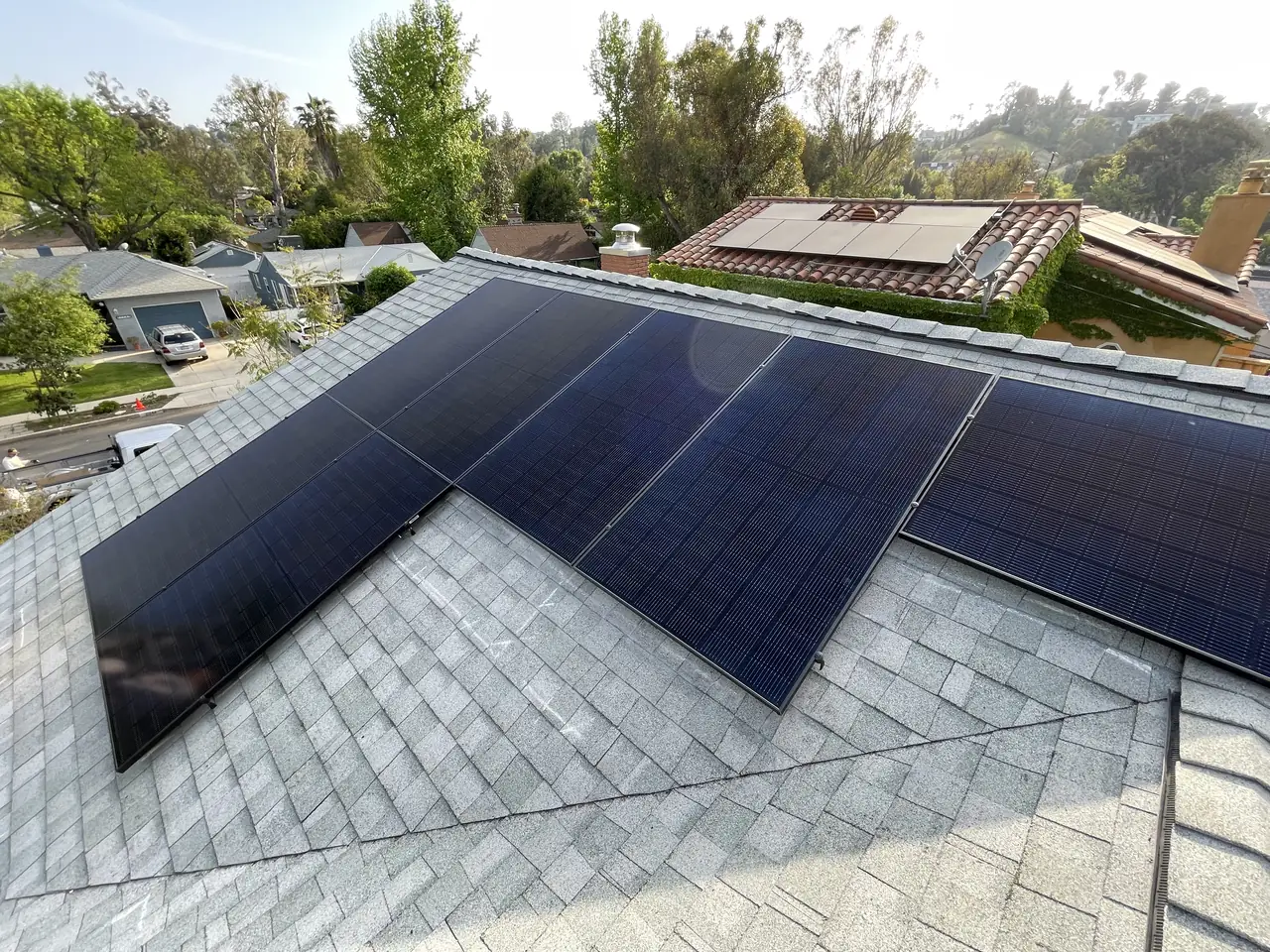
| January 2022 | Cool roof tear-off and re-roof completed; array installed |
| 31 January 2022 | Utility completes interconnection review |
| 11 February 2022 | Net meter set and permission to operate granted |
This timeline includes a full roof replacement and a nine-month sales cycle. The technical work occupied about eight weeks of it.
What we did
- Reframed the sizing question from a monthly bill to annual kilowatt-hours, and showed what the owner's own proposal would have left uncovered.
- Explained the ten kilowatt review threshold as a scheduling fact rather than letting it set the size of the array.
- Left the decision open when the owner said the total was worrying him, instead of attaching a deadline to the price.
- Compared two module options side by side on efficiency, performance guarantee and warranty term so the choice was made on specifications.
- Carried out a full tear-off and cool roof with new attic ventilation before the array went on, in the same contract (C-10).
- Ran roughly seventy-five feet of conduit around the fascia for a 240 volt outdoor circuit as part of the same scope.
System specifications
| Recorded by the utility | 11.9 kW AC-CEC |
|---|---|
| Inverters | Enphase microinverters |
| Roof | Full tear-off with a cool roof assembly, twelve squares of shingle |
| Attic ventilation | Three low-profile vents |
| Roof area | About 1,170 square feet |
| Extra scope | About seventy-five feet of conduit for a 240 V outdoor circuit |
| Battery | None |
| Utility / AHJ | LADWP / LADBS |
Is your project like this one?
- You are trying to decide how many panels you actually need.
- You have been told to keep the system under ten kilowatts to move faster.
- Your roof is due for replacement and you are considering solar at the same time.
- You want additional electrical work done while the crew is already on site.
- Your Woodland Hills property is served by LADWP, while permits are handled by LADBS.
Cali Energy in Woodland Hills
Woodland Hills is inside City of Los Angeles boundaries: permits run through LADBS, interconnection through LADWP.
Woodland Hills runs on LADWP, which bills every two months rather than monthly and reviews systems above ten kilowatts on a slower track than those below it. Both of those facts push owners toward the wrong way of deciding how big an array should be.
This installation is on the Woodland Hills projects page alongside the others, and what the work covers is set out on the Woodland Hills service area page.
- License and classifications: CSLB #1032379
- Official reference for this process: LADWP — residential solar programs
- Official reference for this process: California Energy Commission — 2022 Building Energy Efficiency Standards (Title 24, Part 6)
Frequently asked questions
How should a solar system be sized?
From your annual consumption in kilowatt-hours, taken from a full year of bills. A monthly dollar amount moves with rates and seasons and, in this territory, covers a two-month billing period, so it is a poor unit to design in. Panel counts are worse again, because module wattages change. On this project the owner's instinct and his actual usage differed by about a fifth of his electricity.
Is it worth keeping a system under ten kilowatts?
Only if the smaller system is the right size for the house. The threshold is real: in LADWP territory a system above ten kilowatts AC-CEC takes noticeably longer to review, and about a month is a fair expectation. But that is a one-time scheduling cost, and undersizing to avoid it trades a few weeks of waiting against twenty years of production you will never get back.
What is a cool roof, and why do it before solar?
It is a roof assembly that reflects more solar energy than a conventional one, which keeps the attic and the house cooler through a valley summer. Doing it before the array goes on is the only cheap moment. Once modules are mounted, replacing the covering underneath means detaching and resetting the whole system, which costs more than the sequencing ever saves.
Will Cali Energy do the roofing as well as the solar in Woodland Hills?
Yes, and on this project the roof, the attic ventilation, a long outdoor circuit and the array were a single contract with a single crew sequence. That matters more than convenience: a tear-off under a finished array costs far more than a tear-off before one. Cali Energy holds California contractor license number 1032379.
What this would look like on your roof
Planning solar in Woodland Hills? Tell us your utility, your roof and what your bill looks like now, and we will model what a system like this would do on your house before you commit to anything.
Or call +1 (323) 844-7777 · Cali Energy, Northridge · CSLB #1032379 (B, C-10, C-39) — design, permits, install and electrical under one licensed contractor.
Related
This timeline reflects this property and this permitting path. Updated September 2026.