

Sun Valley, CA · November 2023 · LADWP / LADBS
Two houses. Two routes. One day.
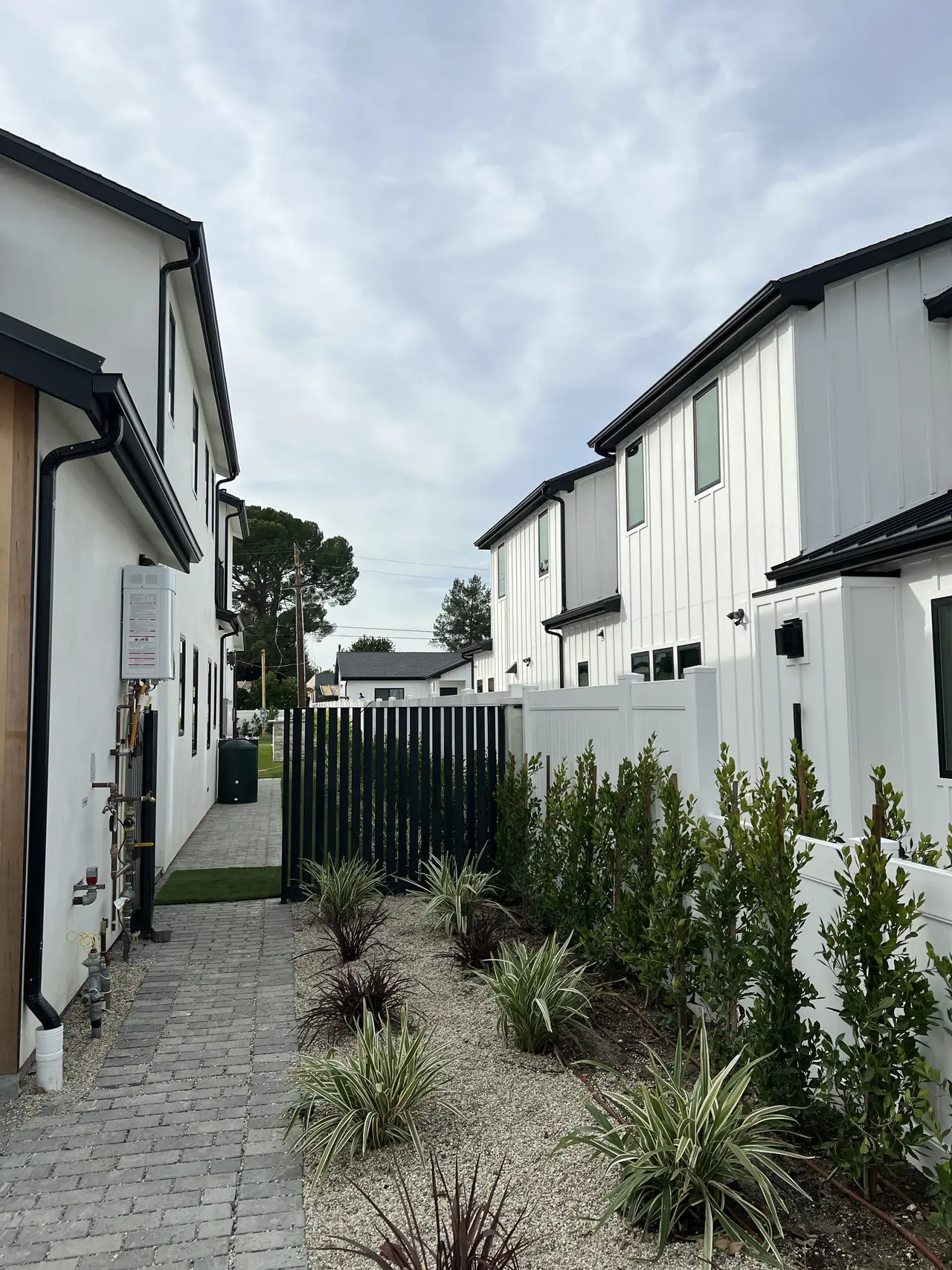
A newly built detached ADU and an extended single-family home a few doors apart in Sun Valley, both on LADWP, both granted permission to operate on 16 November 2023.
LADWP directed this project to use a manual filing process because the new unit did not yet have the service information required by the standard online workflow.
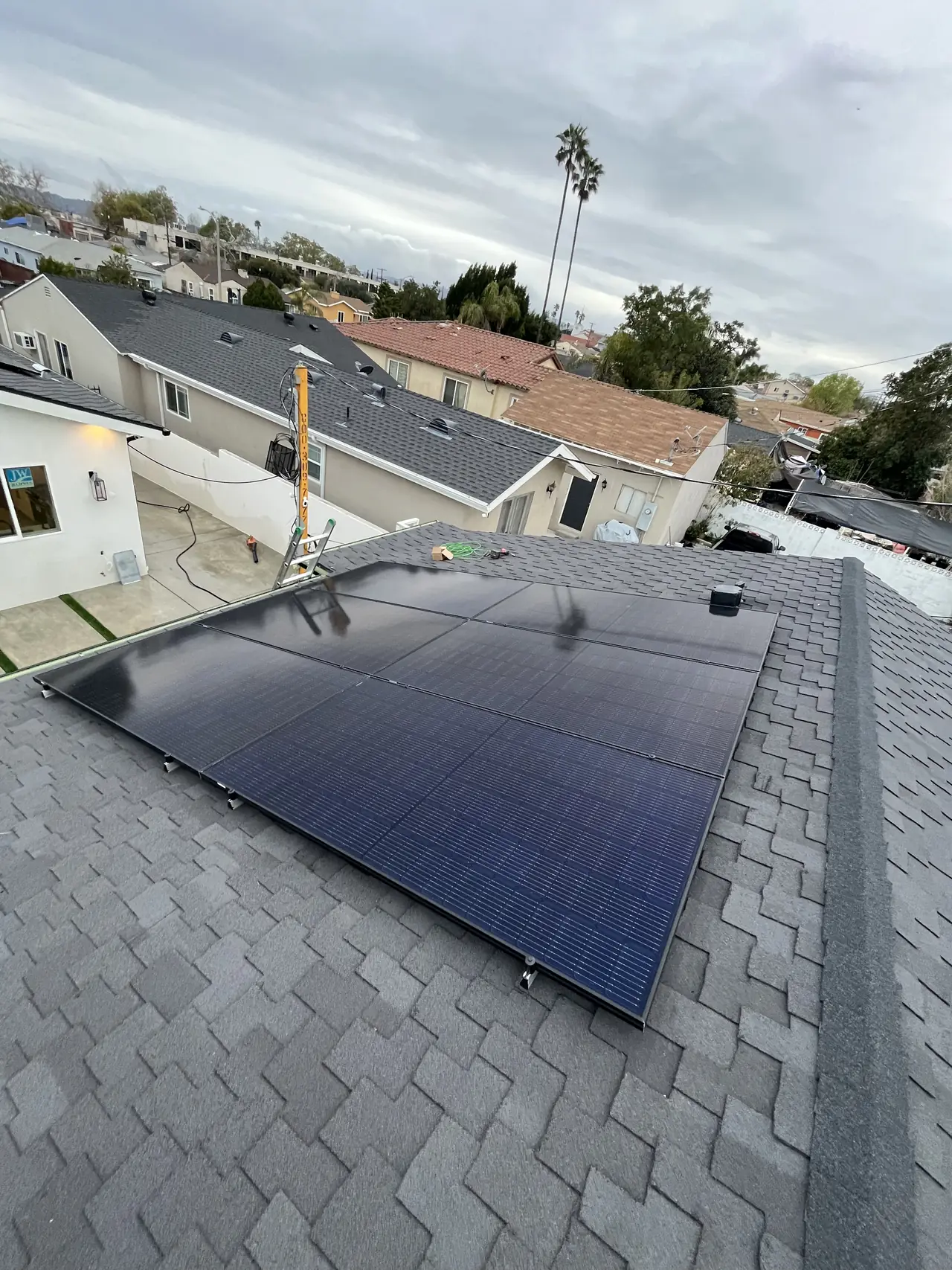
At a glance
- Project A
- 1.74 kW AC-CEC
- Project B
- 2.32 kW AC-CEC
- A — building
- New detached ADU
- B — building
- Extended home
- A — filing
- Manual
- B — filing
- Standard online
- Both — PTO
- 16 November 2023
- Utility / AHJ
- LADWP / LADBS
The story
Two houses a few doors apart. Two systems of a couple of kilowatts each. Permission to operate granted on the same day, meters set one after the other.
From the street they look like the same project twice. On paper they are not.
One is a newly built detached accessory dwelling unit, twenty-seven by forty feet, put up under the city's ADU ordinance and issued its certificate of occupancy. The other is a house that had been there for decades and had just grown: a detached garage taken down and close to a thousand square feet added at the rear, plus smaller additions at the front and a porch.
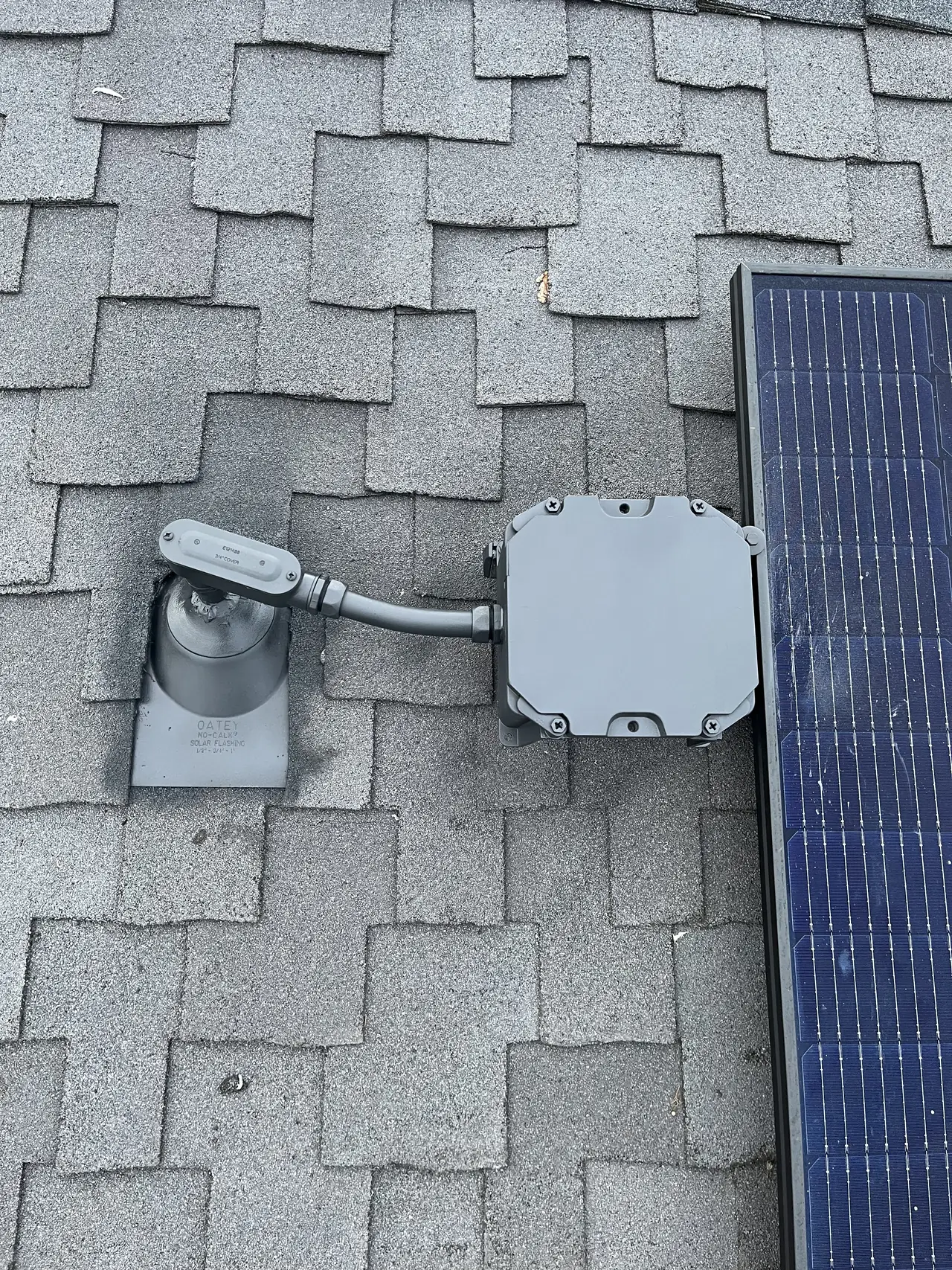
The filing routes differed too, and this is the part worth knowing.
The standard online interconnection application is built around an address that already has a service and an account. A brand-new unit has neither yet. For the ADU the utility directed us to file manually, under a separate set of instructions that has to be requested first. We asked, filed by hand and cleared the fee the same day.
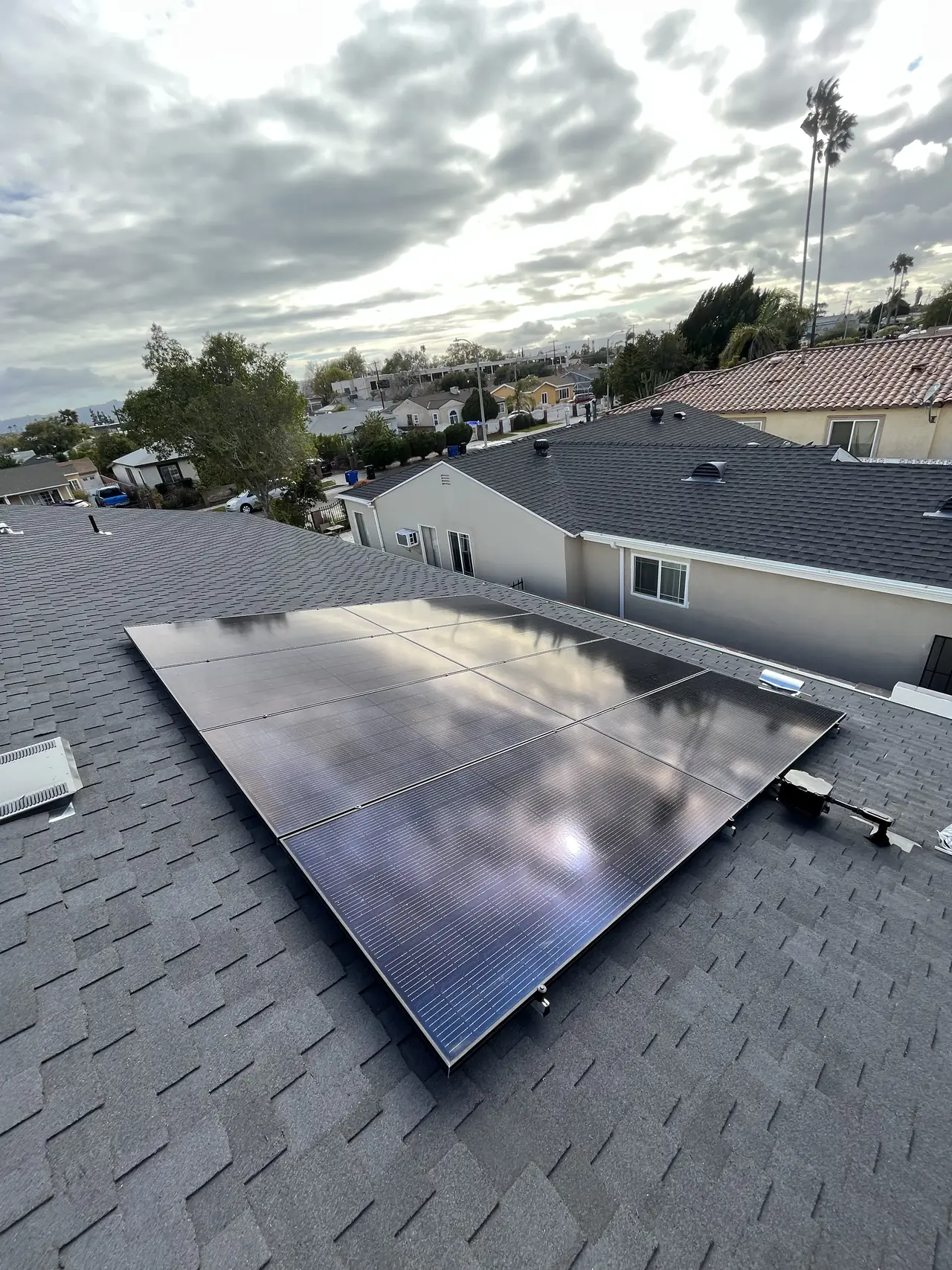
The neighboring house had an address and an account already, so its application went in through the usual route — and a week earlier.
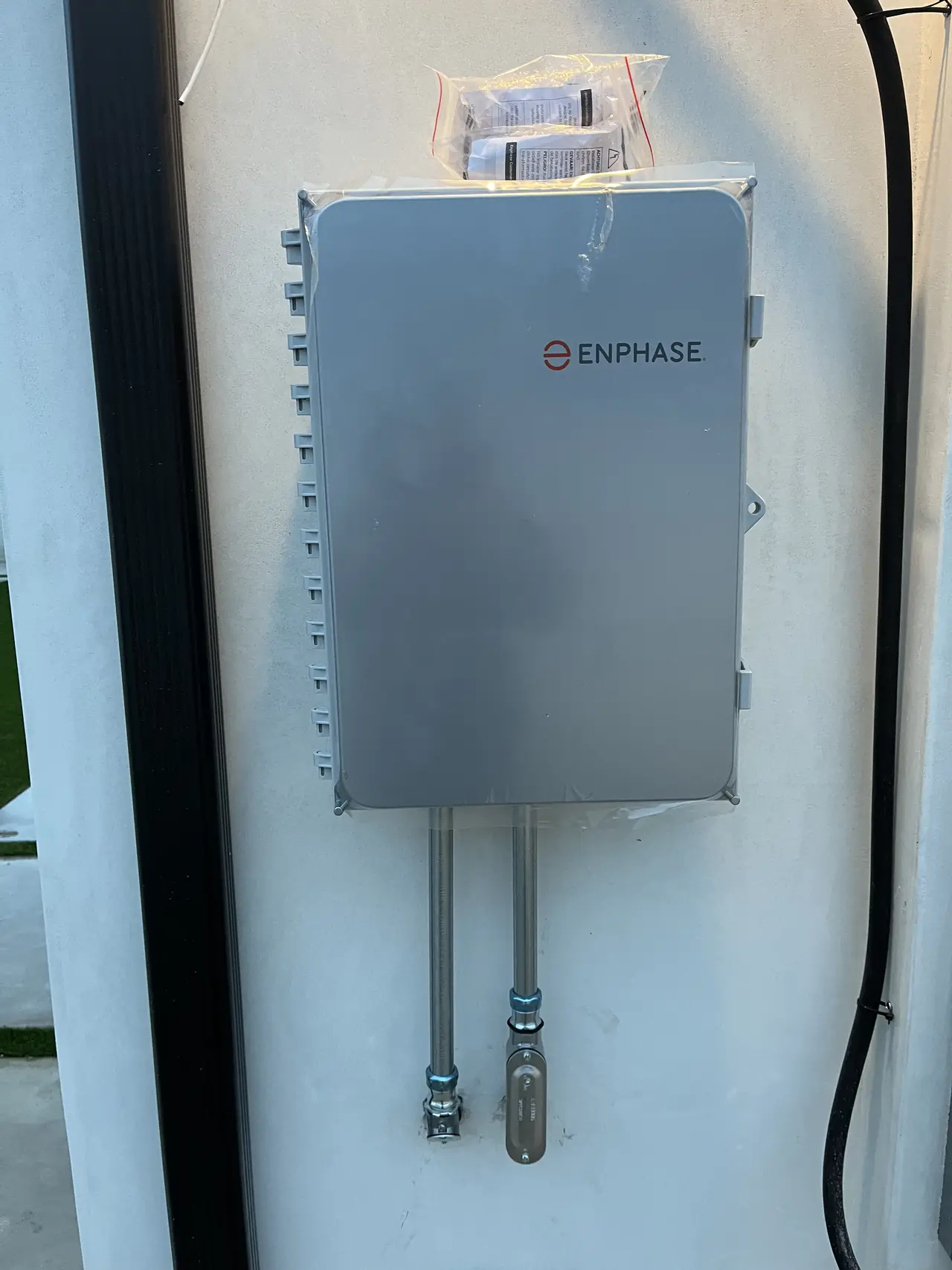
They converged anyway. Both received their building department release on the same day in November, and both were authorized on the same day after that. Forty-one days end to end for the one filed by hand, forty-nine for the one filed online.
How it ran
| 28 September 2023 | B — interconnection application filed online |
|---|---|
| 4 October 2023 | B — application reviewed, site assessment closed |
| 6 October 2023 | A — manual filing instructions requested, application filed, fee cleared |
| 19 October 2023 | A — application reviewed, site assessment closed |
| 7 November 2023 | Both — building department final release |
| 16 November 2023 | Both — permission to operate granted |
Both figures run from the interconnection application to Permission to Operate: 41 calendar days on the new unit, 49 on the extended house.
What we did
- Requested the manual filing instructions for the newly built unit and filed by hand.
- Cleared the interconnection fee the same day the manual application went in.
- Filed the neighboring project through the standard online route.
- Carried both through building department release to permission to operate.
System specifications
| A — system | 1.74 kW AC-CEC |
|---|---|
| A — building | New detached ADU, 27 × 40 ft, certificate of occupancy issued |
| A — filing route | Manual interconnection application |
| B — system | 2.32 kW AC-CEC |
| B — building | Existing home; detached garage demolished, rear addition of roughly 36 × 31 ft, certificate of occupancy issued |
| B — filing route | Standard online application |
| B — meter | Existing meter replaced |
| Battery | None on either |
| Utility / AHJ | LADWP / LADBS |
Is your project like this one?
- You have just built a detached ADU and nobody can tell you how to apply.
- Your new unit has no utility account yet and the online form will not accept it.
- You have extended your house and are rethinking the electrical side.
- You are running two projects on one property or one street at once.
- You are on LADWP.
Cali Energy in Sun Valley
Sun Valley sits inside City of Los Angeles boundaries, so every project here is permitted through LADBS and interconnected through LADWP. Our work in this ZIP code runs from single-row arrays on new accessory dwelling units to a 13 kW system on a replaced service panel, on composition shingle and on low-slope rolled composition.
Not all of it is on main houses. New accessory dwelling units and extended homes carry arrays too, often small ones on a service that needs no change.
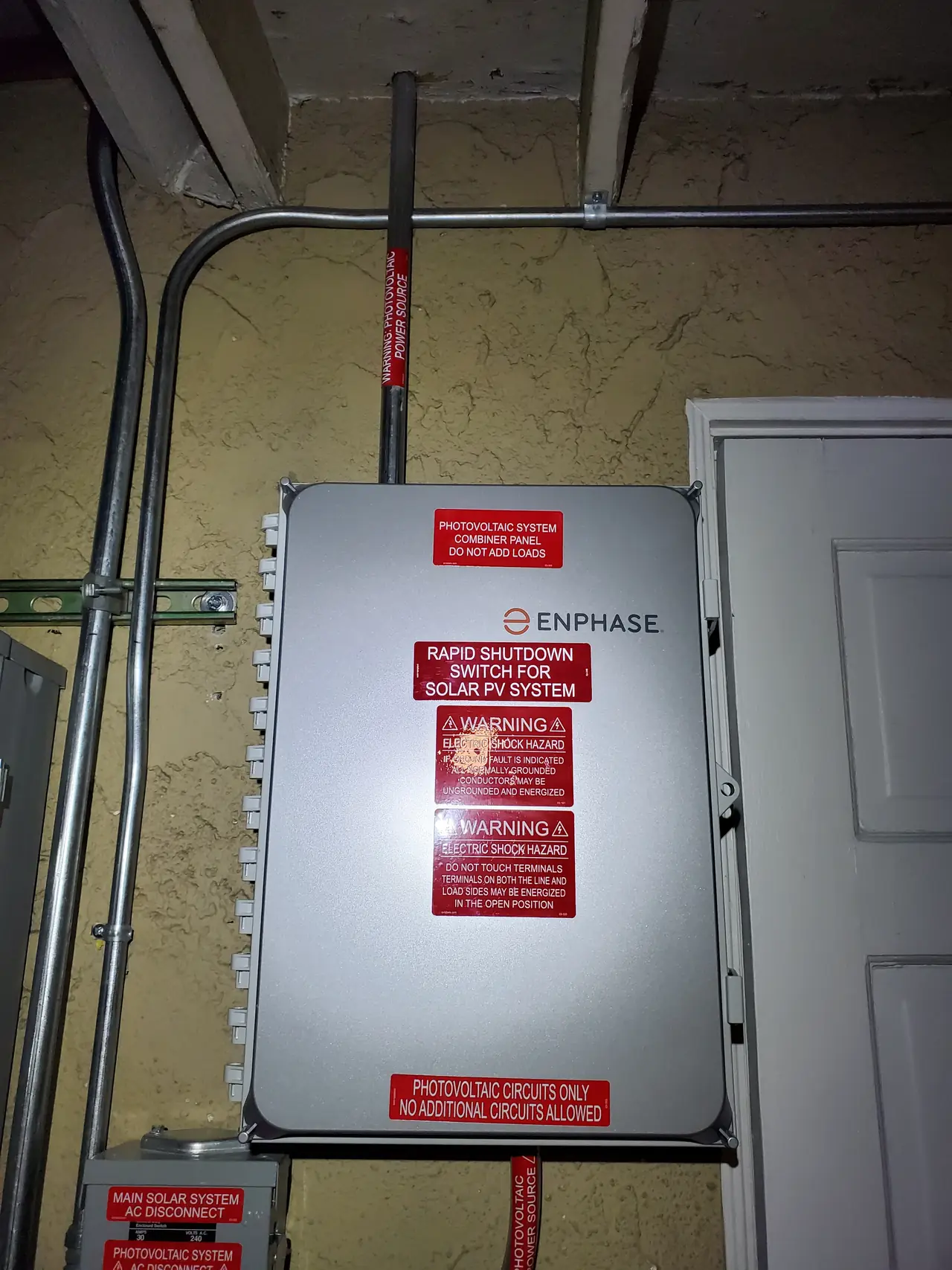
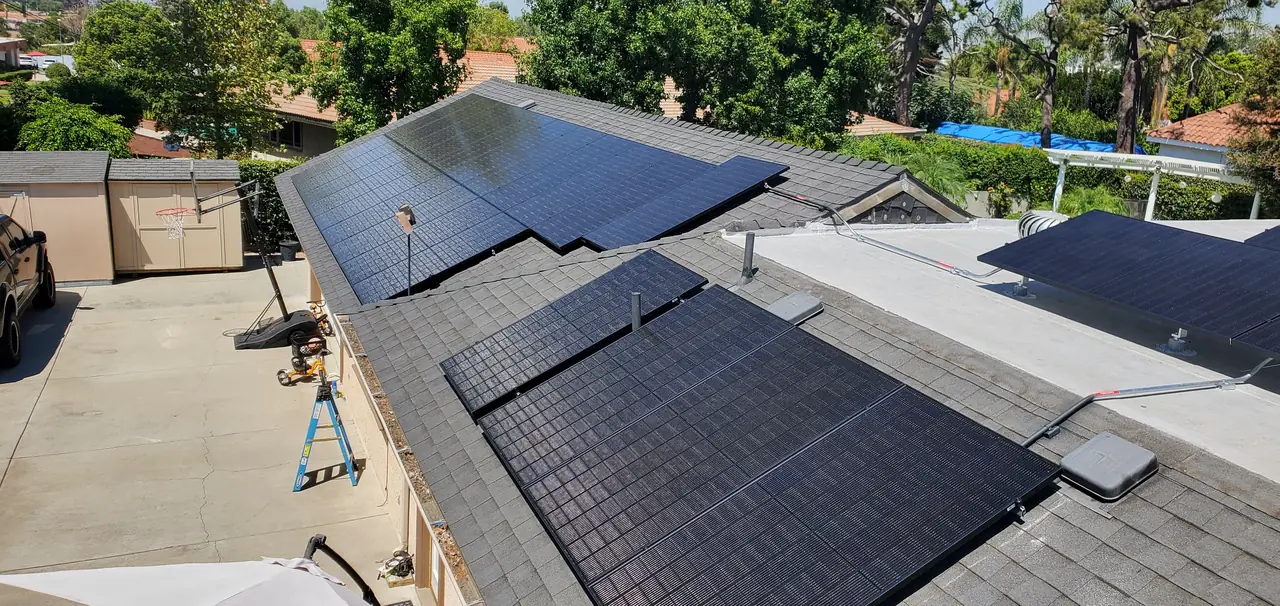
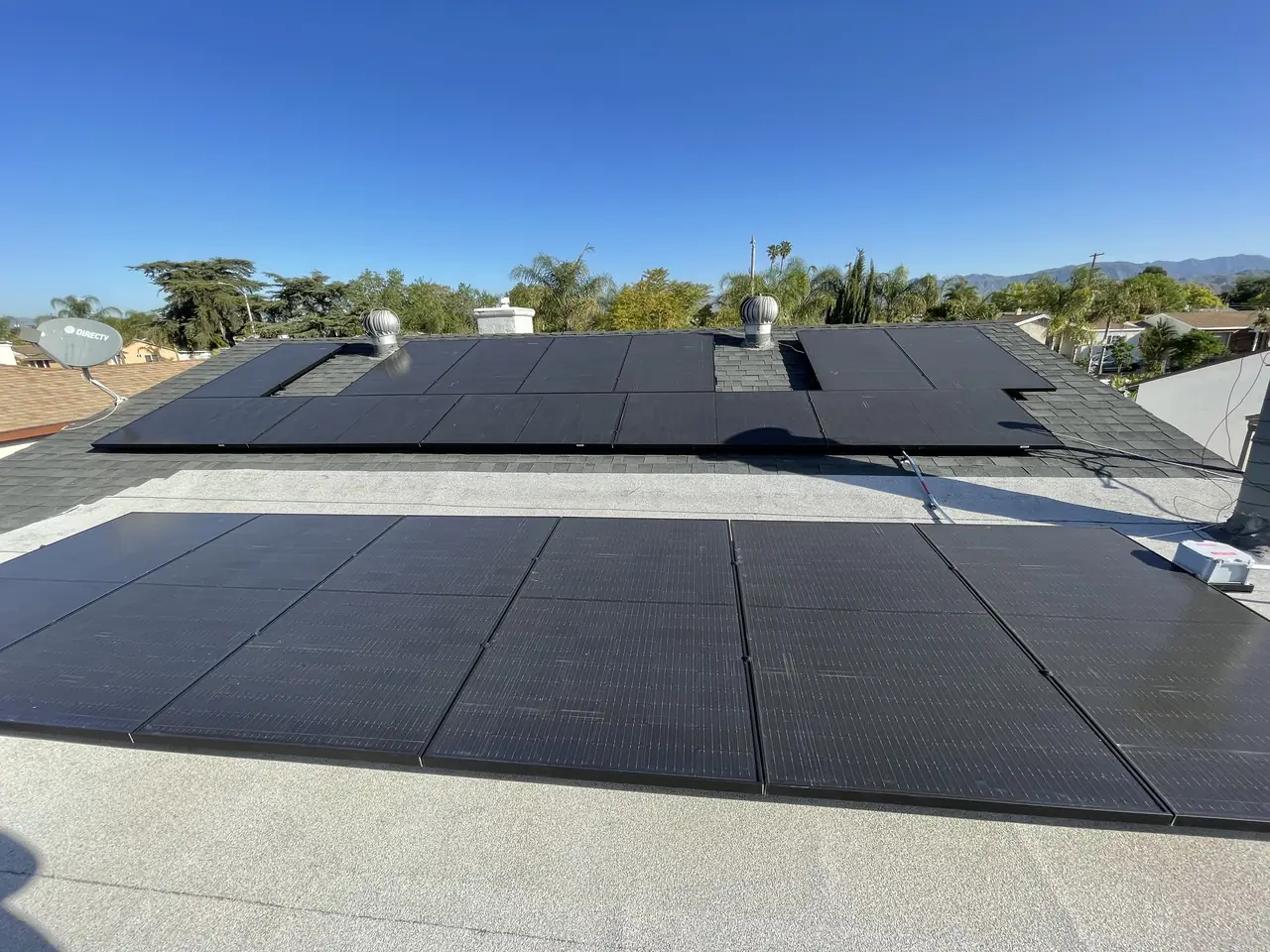
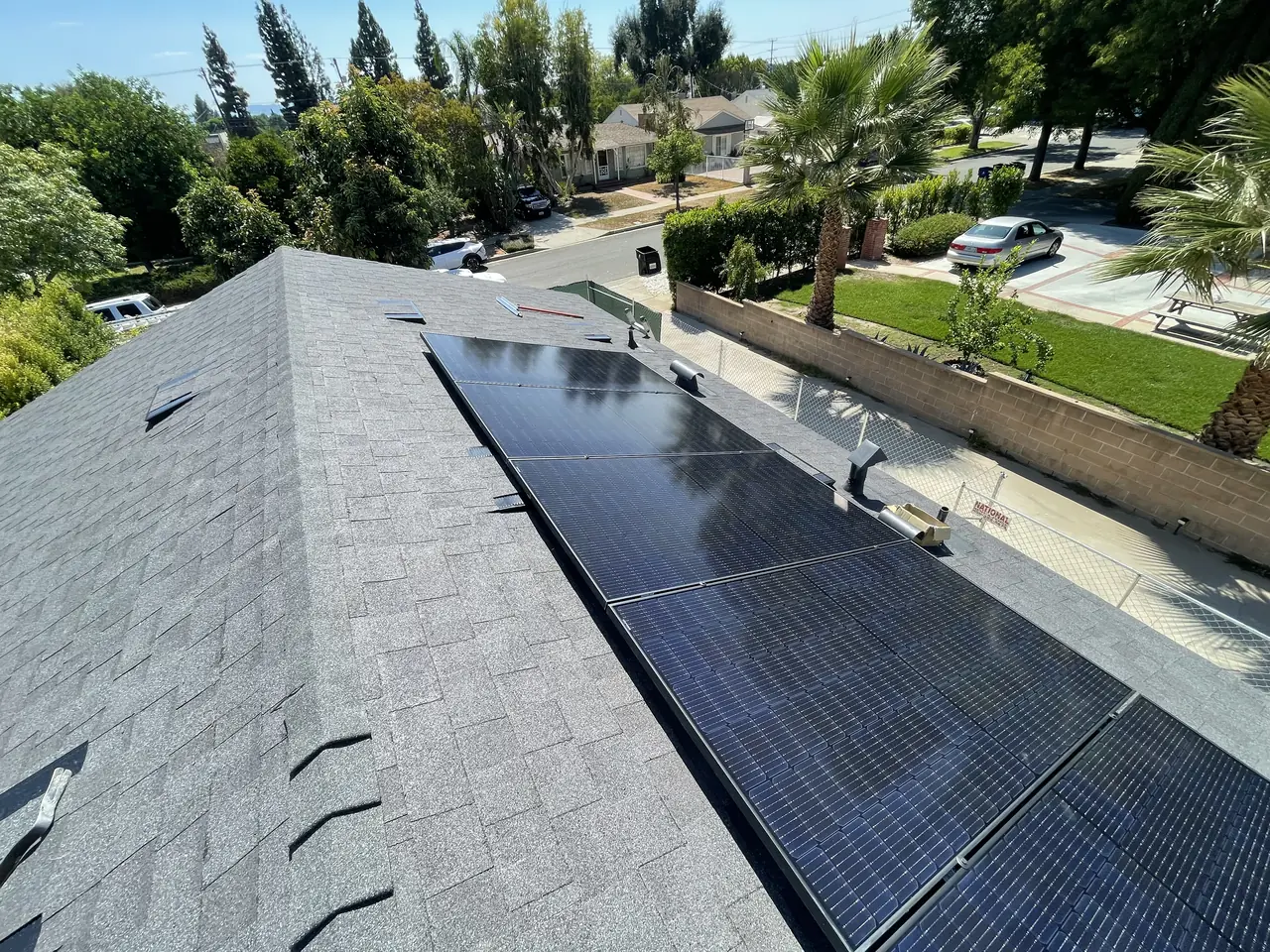
This installation is on the Sun Valley projects page alongside the others, and what the work covers is set out on the Sun Valley service area page.
- License and classifications: CSLB #1032379
- Official reference for this process: LADWP interconnection process
Frequently asked questions
How do you apply for solar interconnection on a brand-new ADU?
The standard online application assumes an address with an existing service and account. A newly built unit has neither, so on this project the utility directed us to file manually under a separate set of instructions, which have to be requested first. The application went in by hand and the fee was cleared the same day.
Does a new detached ADU need solar?
New detached accessory dwelling units in California generally fall under the solar requirement in the Energy Code, but there are exemptions — including limited available solar area and small calculated systems. What applies to a particular unit comes from its own compliance documents, so it is a question for the plans rather than a rule of thumb.
Why would two similar projects take different lengths of time?
Here the difference was the filing route, not the work. The project with an existing address filed online a week earlier; the new unit had to request manual instructions first. Both received their building department release and their authorization on the same days, which is why the end-to-end figures differ while the finish does not.
Does Cali Energy install solar on ADUs in Sun Valley?
Yes. Sun Valley is inside City of Los Angeles boundaries, so permits run through LADBS and interconnection through LADWP. New accessory dwelling units are a regular part of the work here, including the interconnection paperwork a new address needs.
What this would look like on your roof
Planning solar in Sun Valley? Tell us your utility, your roof and what your bill looks like now, and we will model what a system like this would do on your house before you commit to anything.
Or call +1 (323) 844-7777 · Cali Energy, Northridge · CSLB #1032379 (B, C-10, C-39) — design, permits, install and electrical under one licensed contractor.
Related
This timeline reflects this property and this permitting path. Updated September 2026.