

Simi Valley, CA · June 2020 – January 2021 · Southern California Edison / City of Simi Valley
Two approvals, two organizations, one order.
A Simi Valley installation followed end to end, from the first site visit through plan check corrections and a city permit to the utility's permission to operate letter.
The city's job is the installation: it reviews the plans, issues the permit and inspects the work. The utility's job is the connection: it reviews the interconnection application, agrees the terms under which the system exports and issues a permission to operate letter. A system that has passed its city final is legal but not yet allowed to run, and a homeowner who switches it on before the letter arrives is exporting without authorization. The letter is the finish line. In Simi Valley the first comes from the city and the second from Southern California Edison, and neither can stand in for the other.
At a glance
- Site inspection
- 6 June 2020
- Plan set issued
- 13 December 2020
- Plan check corrections returned
- 28 December 2020
- Plans approved
- 5 January 2021
- Construction declaration approved
- 7 January 2021
- Permission to operate
- 13 January 2021
- Interconnection route
- Utility online interconnection portal
- Utility / AHJ
- Southern California Edison / City of Simi Valley
The story
This one is worth setting out because it is ordinary. Nothing went badly wrong, nothing was unusual, and the sequence it went through is the sequence almost every solar project in the city goes through. It is worth setting out plainly, because most of the confusion homeowners have is about the order of things rather than about any one of them.
It started with a Cali Energy site visit in June 2020, a referral from an earlier customer in a neighboring city. The plan set was issued in December. The application went to the city's building and safety counter, and came back before the end of the month with corrections.
Corrections at plan check are routine and they are not a verdict on the work. A plan checker reads a set against the code and the city's own requirements and lists what has to be shown differently. The set is revised and goes back in the queue. On this project that cycle took about a week over the holidays, and the counter confirmed in the first week of January that it was all approved.
Two days later came a second, smaller thing that catches people out: a construction declaration, signed and approved separately from the plans. Cities commonly require a declaration covering who is responsible for the work and under what license, and it is a document that can sit unnoticed and hold an otherwise finished application.
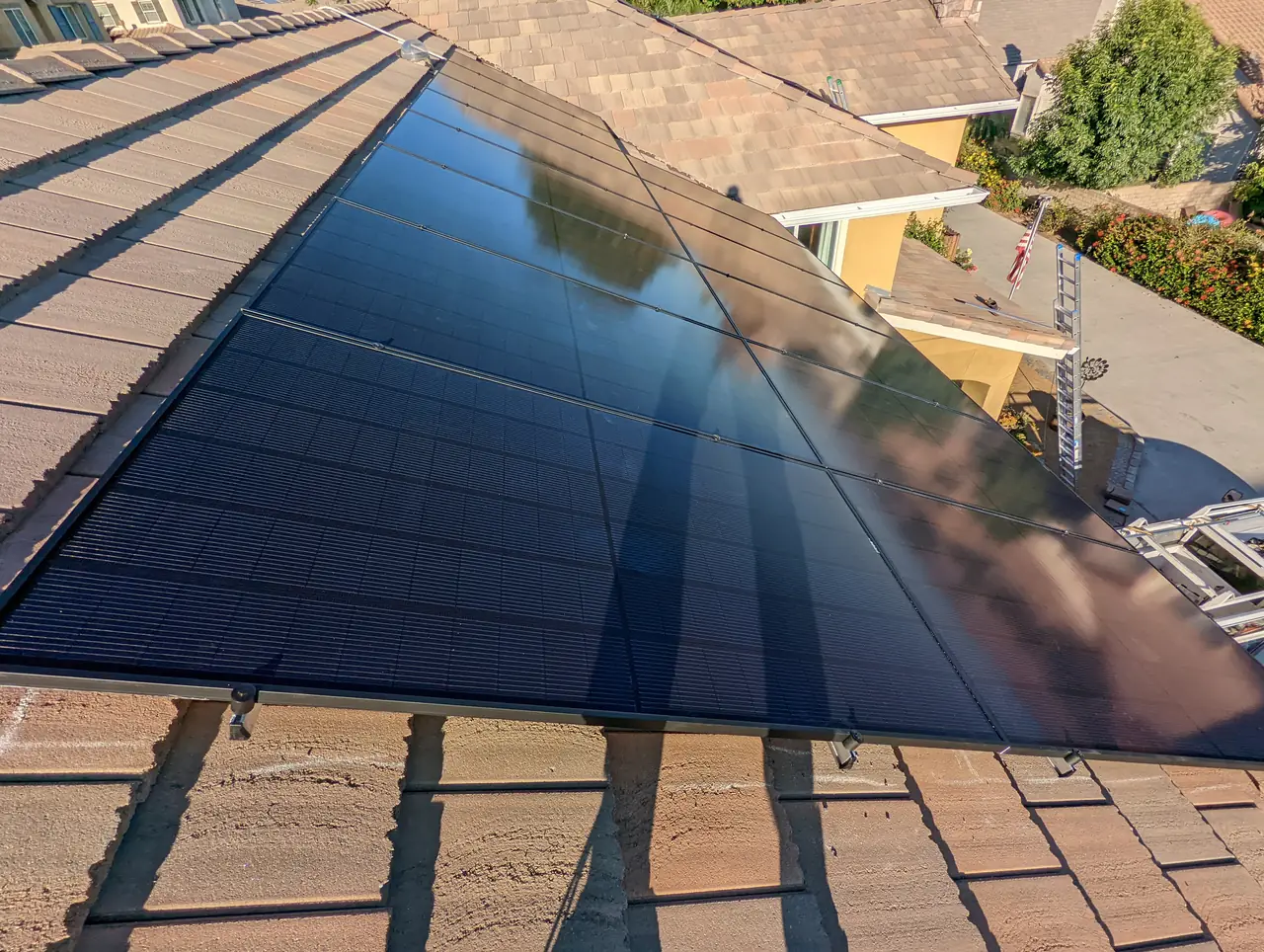
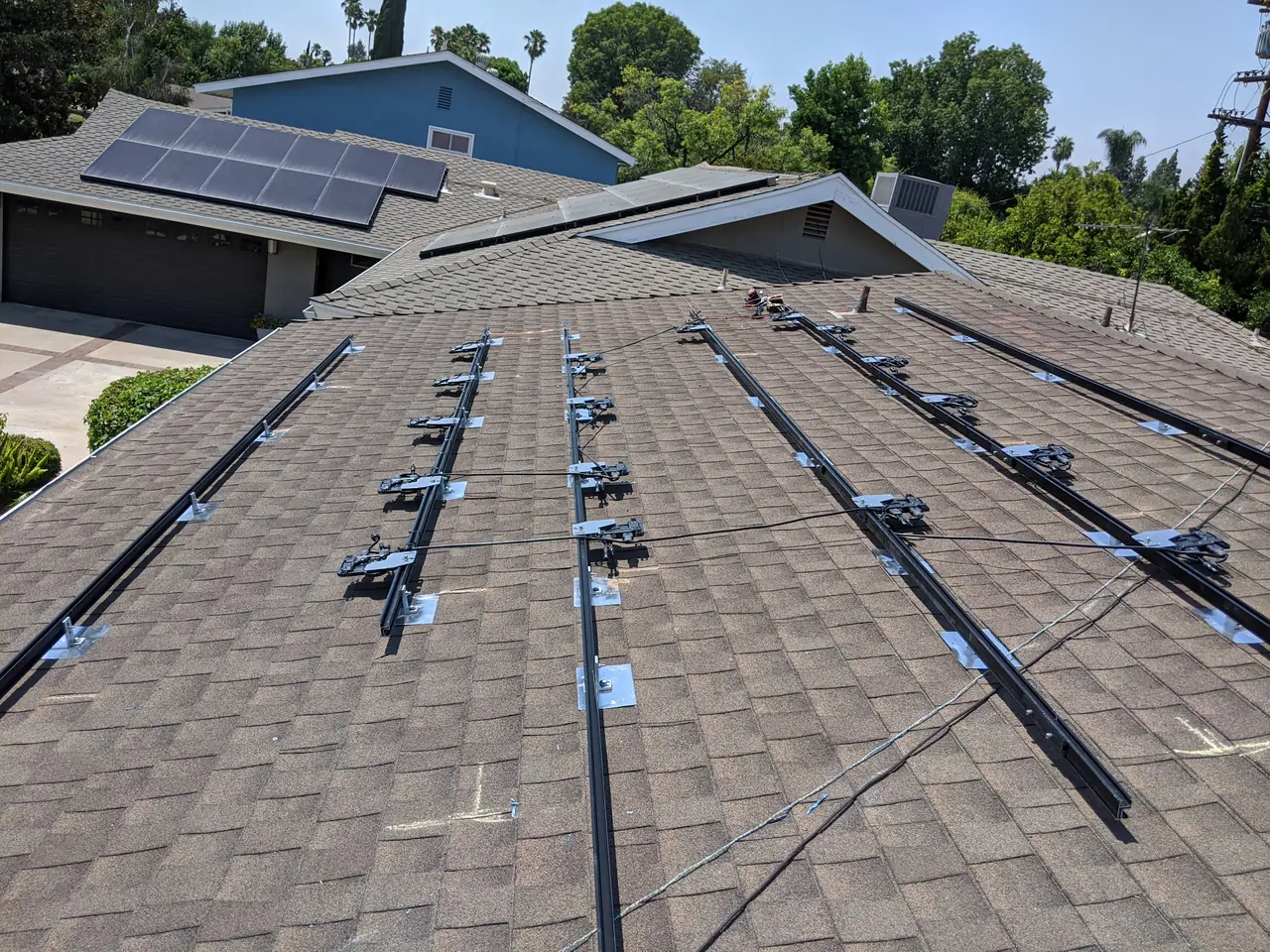
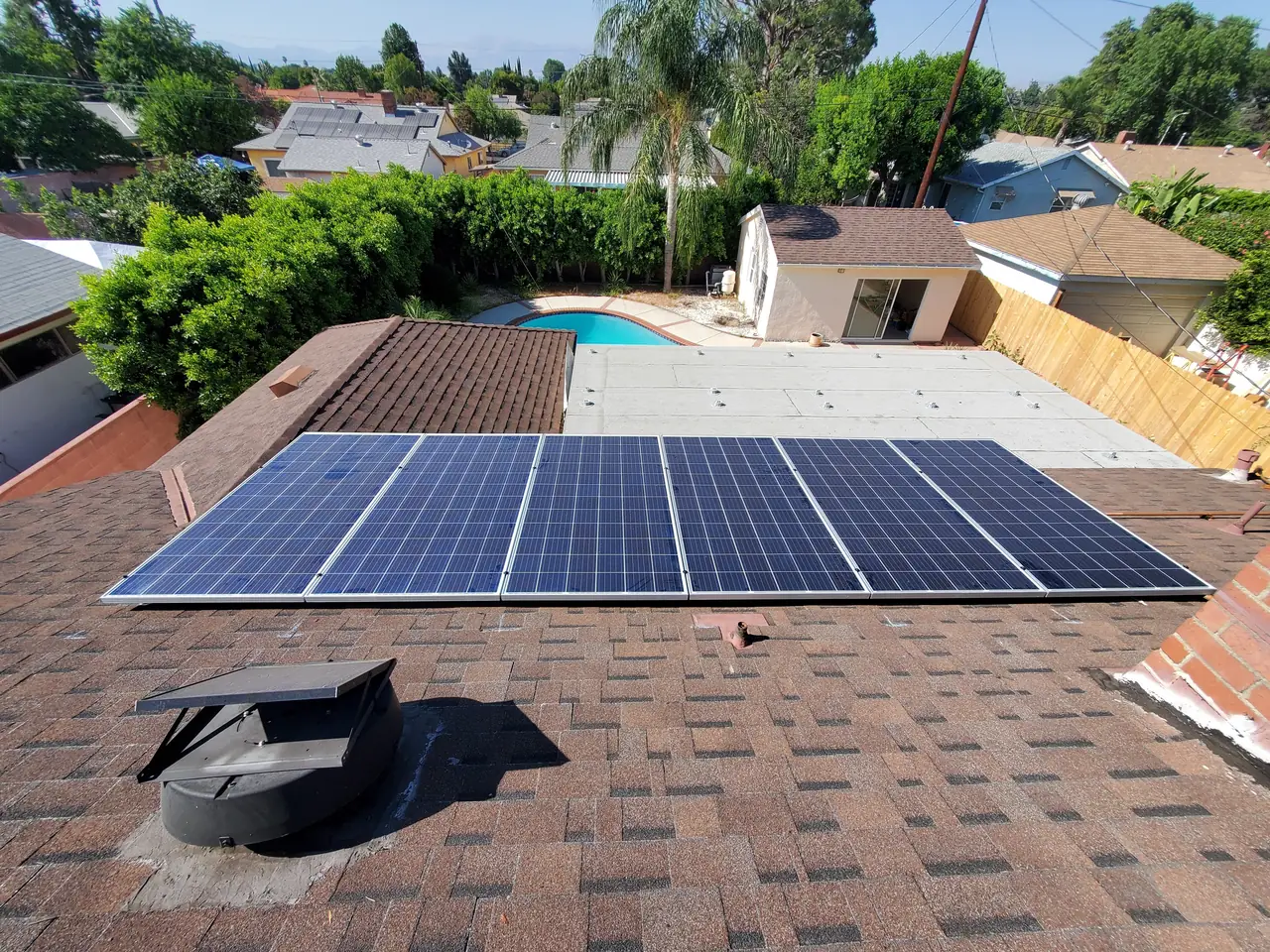
Then the permit issued, the work was done and inspected, and the project moved from the city to the utility.
That second half runs on the utility's own platform. The interconnection application is filed online, it is reviewed against the utility's rules, and when everything is in order the platform issues a permission to operate letter automatically to the contractor and the homeowner at the same time. On this project it arrived on the thirteenth of January.
The two approvals are different things. A city final says the installation is safe and built to code. It does not say the system may export to the grid. Only the utility can say that, and it says it in the permission to operate letter. Running a system between those two moments means exporting without authorization, which is a problem for the homeowner rather than for the contractor.
How it ran
| 1 June 2020 | Referral received; site inspection scheduled |
|---|---|
| 6 June 2020 | Site inspection |
| 13 December 2020 | Plan set issued |
| December 2020 | Application filed with the city |
| 28 December 2020 | Plan check corrections returned and answered |
| 5 January 2021 | City confirms plans approved |
| 7 January 2021 | Construction declaration approved |
| January 2021 | Permit issued; array installed and inspected |
| 13 January 2021 | Utility issues the permission to operate letter |
Seven months from first visit to permission to operate, most of it before the plans were drawn. This timeline reflects this project.
What we did
- Carried out the site inspection and prepared the plan set for this specific roof and service (C-10).
- Filed the application with the city and answered the plan check corrections within days.
- Completed the construction declaration the city required alongside the plans.
- Installed and presented the work for inspection.
- Filed the interconnection application on the utility's portal and followed it to the permission to operate letter.
System specifications
| City approvals | Plan check, construction declaration, permit, final inspection |
|---|---|
| Utility approval | Interconnection review and permission to operate |
| Interconnection route | Utility online portal |
| Corrections at plan check | One round, answered within days |
| What a city final means | The installation is safe and to code |
| What a PTO letter means | The system may connect and export |
| Utility / AHJ | Southern California Edison / City of Simi Valley |
Is your project like this one?
- You are not sure which approval you are actually waiting for.
- Your plans came back with corrections and you were told the project had failed.
- Your system is installed and inspected and you want to know why it is not on.
- You want the whole sequence in order before you start.
Cali Energy in Simi Valley
Simi Valley is a city in Ventura County: permits run through the City of Simi Valley Building & Safety Division, interconnection through Southern California Edison.
Two organizations sign off a solar project in Simi Valley and they do it in order: the city permits and inspects the installation, the utility permits the connection. Neither can substitute for the other.
This installation is on the Simi Valley projects page alongside the others, and what the work covers is set out on the Simi Valley service area page.
- License and classifications: CSLB #1032379
- Official reference for this process: Southern California Edison — interconnection process
- Official reference for this process: City of Simi Valley — Building & Safety Division
Frequently asked questions
What is the difference between a city final and permission to operate?
The city final says the installation is safe and built to code; it is about the hardware. Permission to operate is the utility saying the system may connect and export; it is about the grid. Both are required, they come from different organizations and they arrive in that order.
Does Cali Energy handle the interconnection in Simi Valley?
Yes. Cali Energy files the interconnection application on the utility's portal, answers whatever the review raises and follows the application through to the permission to operate letter, alongside the city permit and inspection. Fifteen completed Simi Valley projects are on our projects page. Our license is CSLB #1032379.
Are plan check corrections a bad sign?
No. A plan checker reads a set against the code and the city's requirements and lists what must be shown differently, which is the job. What matters is how fast the corrections come back answered. On this project the cycle ran over the holidays and still closed in about a week.
Can I switch the system on after the city final?
No. Until the permission to operate letter is issued the system is not authorized to export, and running it in that window means exporting without authorization. The consequences land on the homeowner's account rather than the contractor's, which is why the letter rather than the inspection is the date worth waiting for.
What this would look like on your roof
Planning solar in Simi Valley? Tell us your utility, your roof and what your bill looks like now, and we will model what a system like this would do on your house before you commit to anything.
Or call +1 (323) 844-7777 · Cali Energy, Northridge · CSLB #1032379 (B, C-10, C-39) — design, permits, install and electrical under one licensed contractor.
Related
This timeline reflects this property and this permitting path. Updated September 2026.