

Reseda, CA · February – April 2025 · LADWP / LADBS
He dug the trench himself. Then it had to stay open for two weeks.
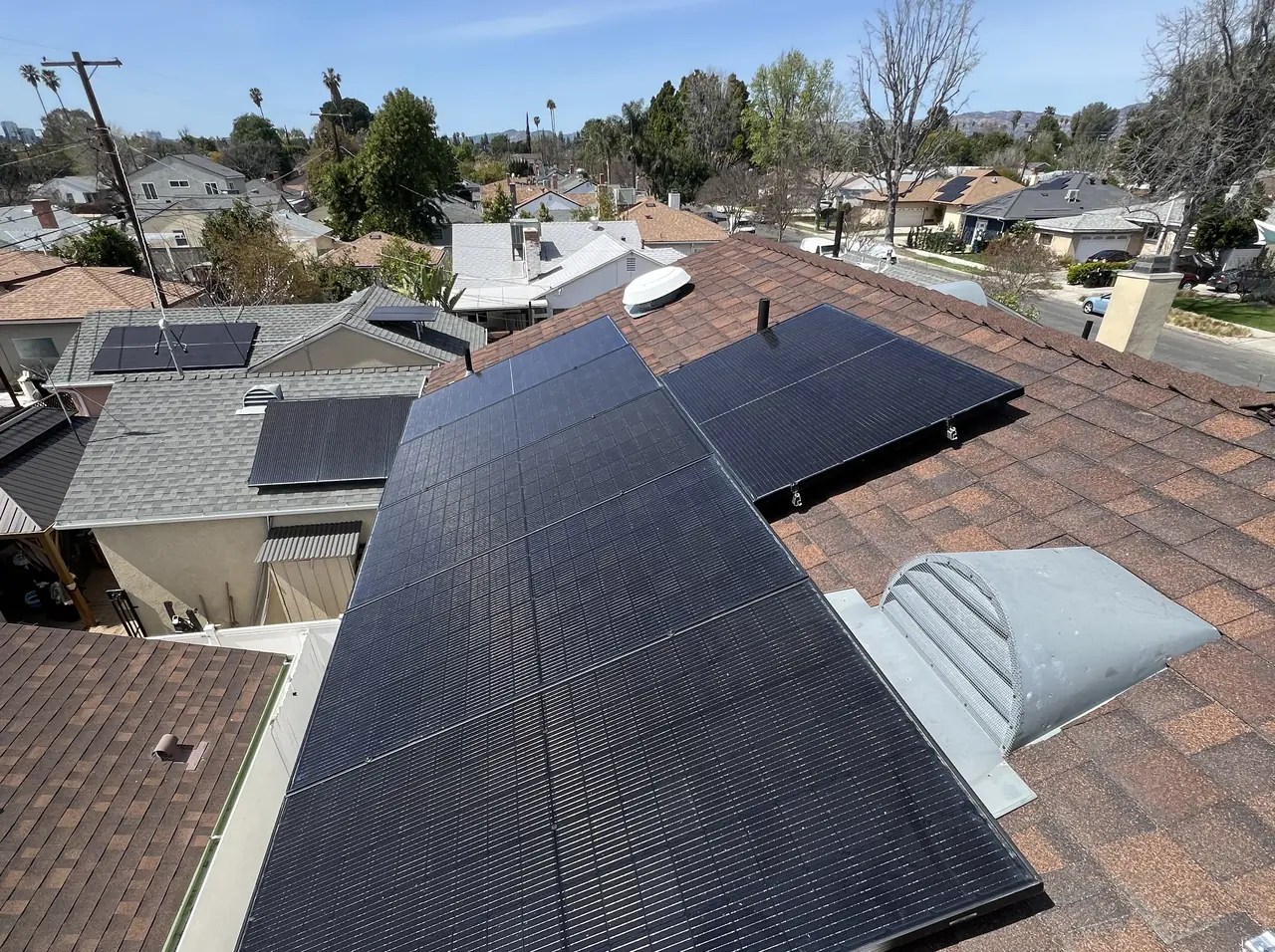
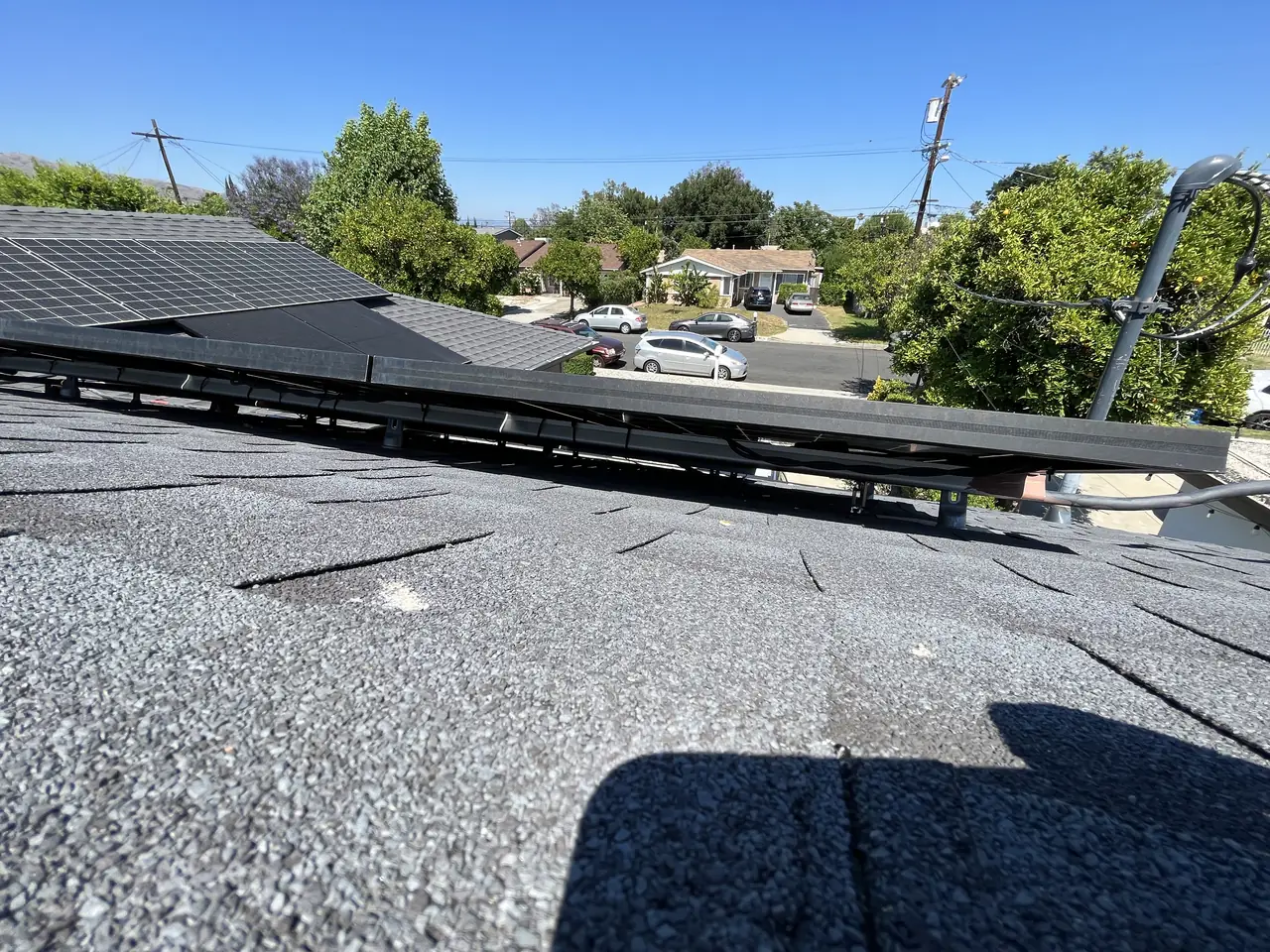
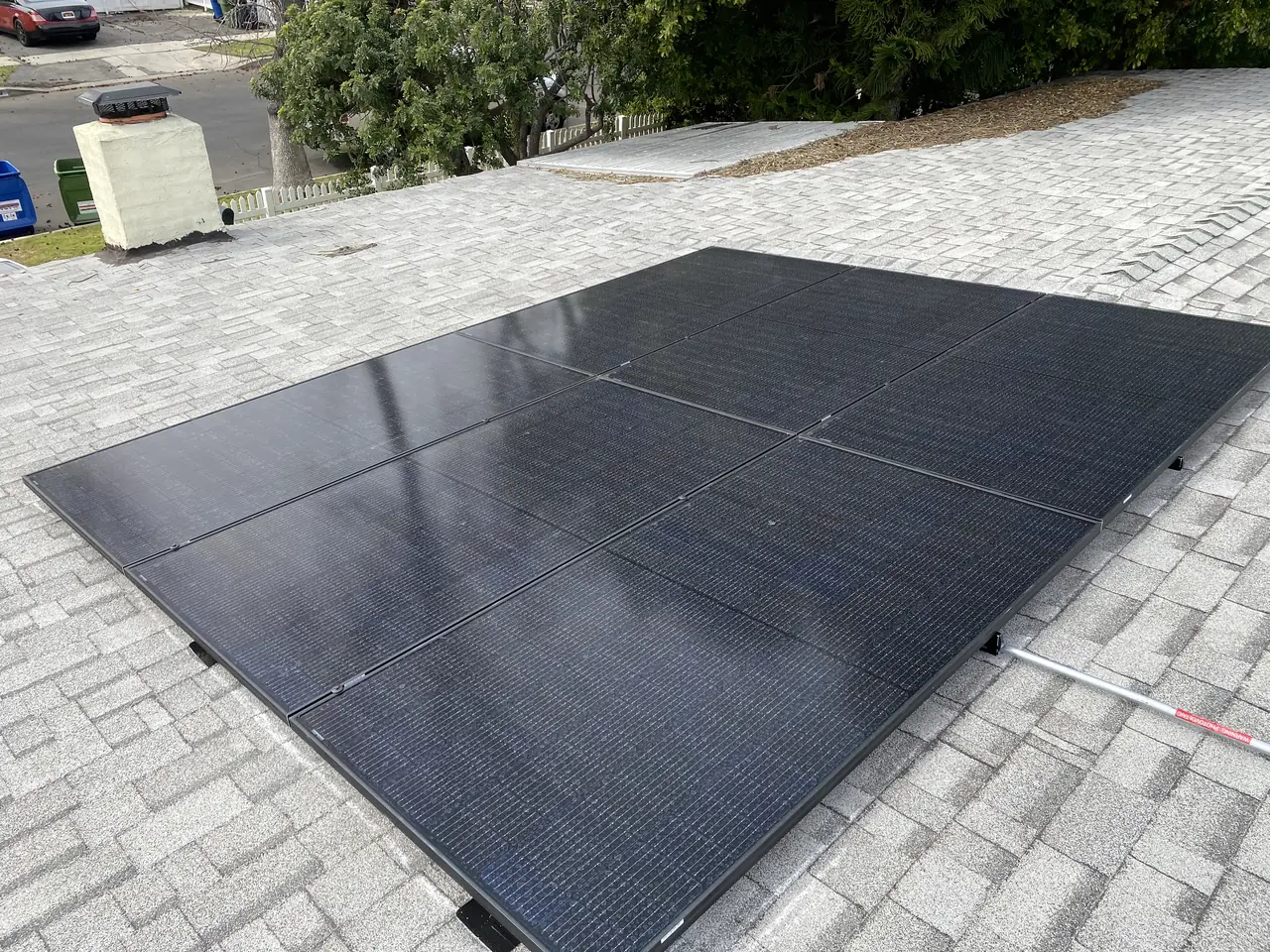
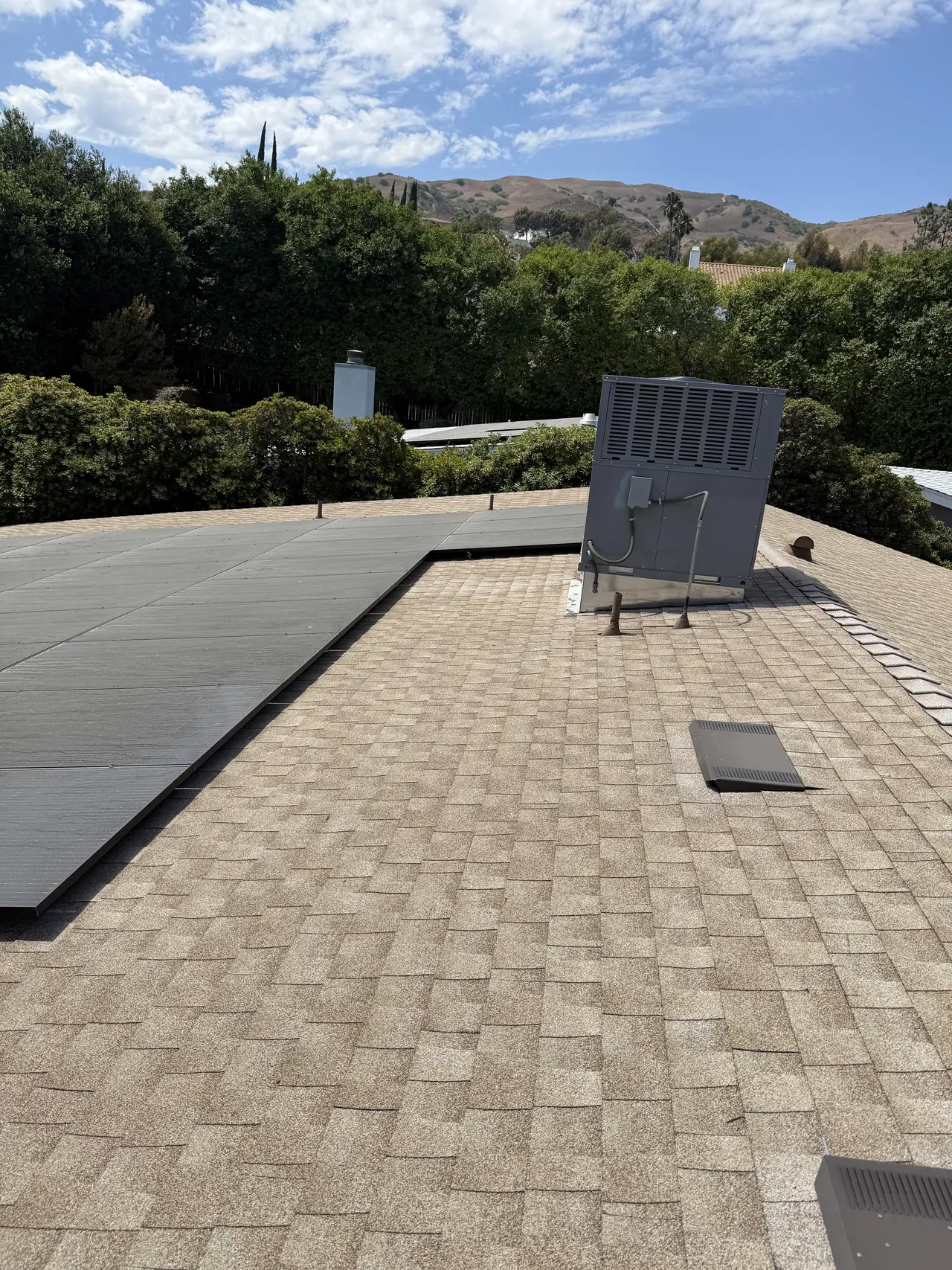
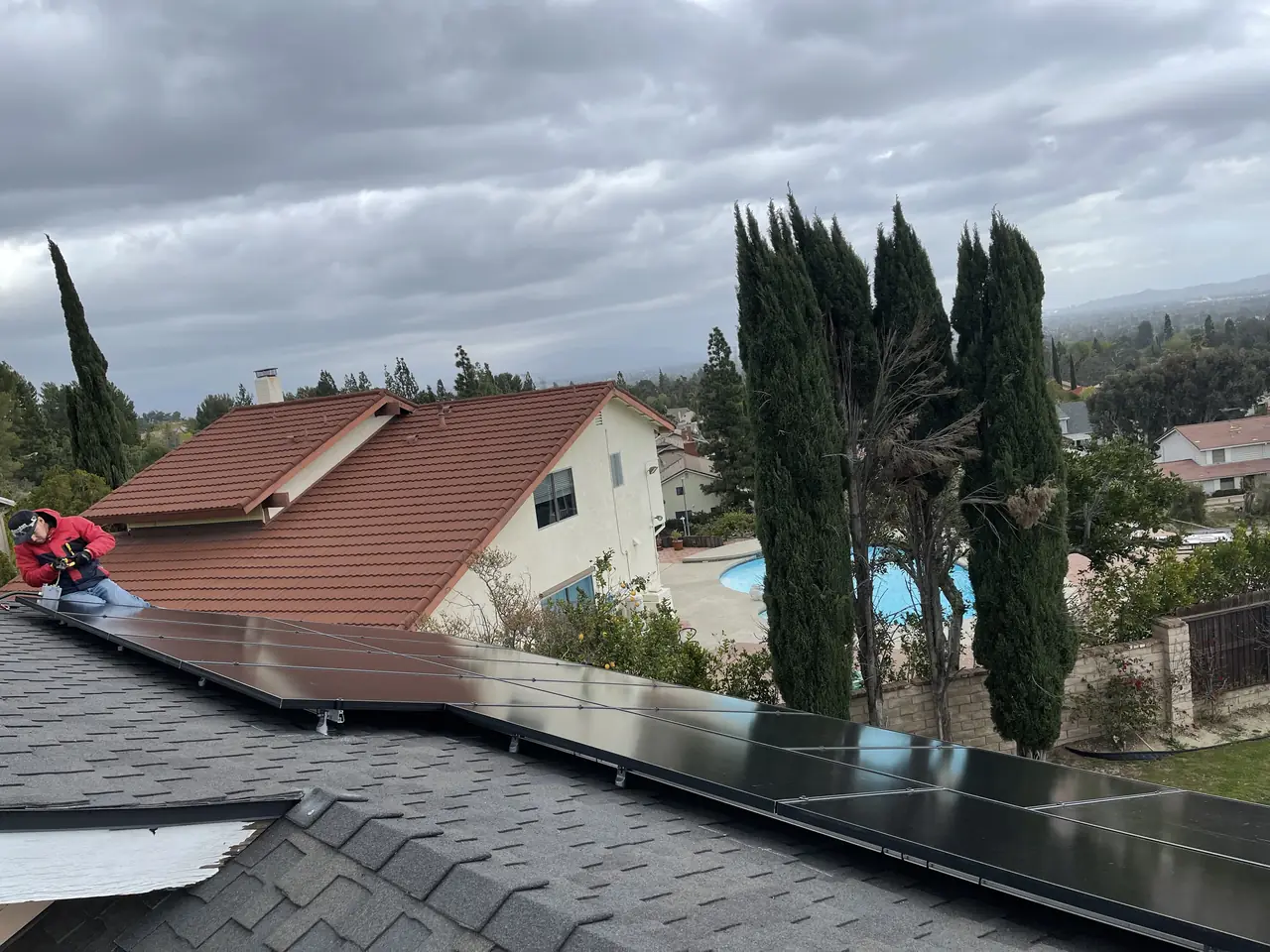
A 6.2-kilowatt system on a Reseda house, with a main service panel upgrade under the same electrical permit and an underground conduit run across the side yard. The homeowner supplied the excavation. The trench stayed open from installation day until the city signed off, which is the part most people get wrong.
Backfill is an inspection item, not a cleanup job. An underground conduit run has to be visible to the inspector, so the trench stays open from the day the conduit goes in until the final inspection is signed. Cali Energy priced this project with the trenching removed from its scope, on the condition that the homeowner's own excavation was finished and timed to the crew's arrival, and the trench was not covered until the city had passed it.
At a glance
- Recorded by the utility
- 6.2 kW AC-CEC
- Service work
- Main panel upgrade, under the same electrical permit
- Circuit route
- Underground, across the side yard
- Excavation
- Supplied by the homeowner, timed to the crew's arrival
- Trench
- Open from installation until the final inspection passed
- Final inspection
- Virtual, over video
- Battery
- None
- Utility / AHJ
- LADWP / LADBS
The story
The quote that got signed was not the first quote. The first one included the trenching, the homeowner did not want to pay for it, and the price came down by taking that scope out entirely. He would have his own excavator on site, and Cali Energy's condition was simple and worth quoting to anyone considering the same trade: have the trench prepared before we arrive.
That is a real lever and it is underused. Excavation is separable from the electrical work in a way that most of a solar job is not, and a homeowner who has access to a machine and a person who can run it can take a meaningful line off the price. What it costs is coordination: the digging has to be finished on the day the crew shows up, not the week after, because the conduit goes in with the rest of the installation.
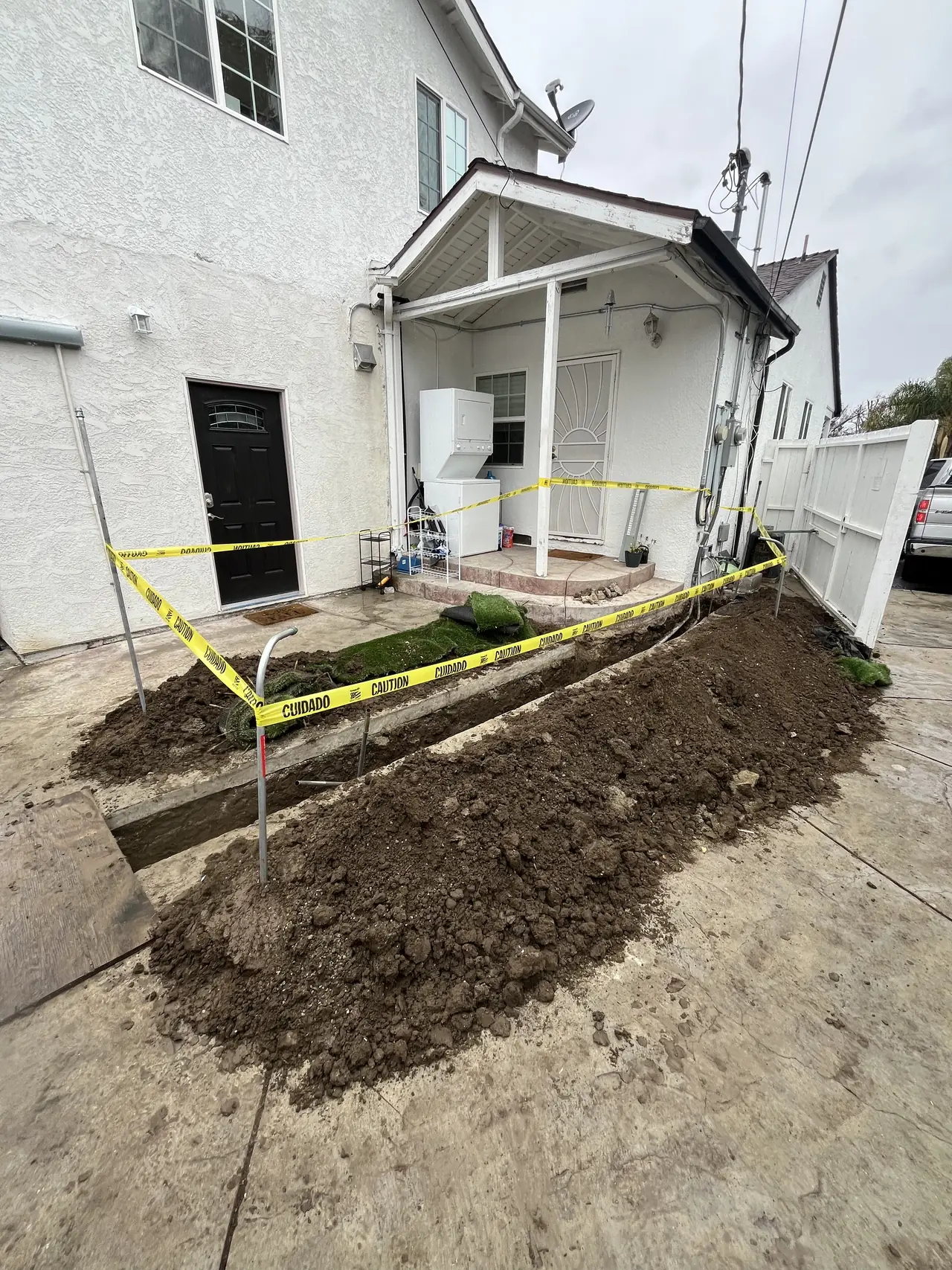
Now the part that surprises people. Once the conduit is laid, the instinct is to fill the trench in and tidy up. Do not. A buried run is a run the inspector cannot see, and an inspector who cannot see it will write a correction. The trench stays open, taped off, from the day the conduit goes in until the final inspection is signed off. Here that was about two weeks of open ground in a side yard.
Which makes the backfill a scheduling decision rather than an afterthought. Two questions follow from it: who is coming back to fill it in, and when are they available relative to an inspection date you do not control. The homeowner asked whether he could cover it within the hour of the pass, and the answer was yes, go ahead. Before the pass, the answer would have been no.
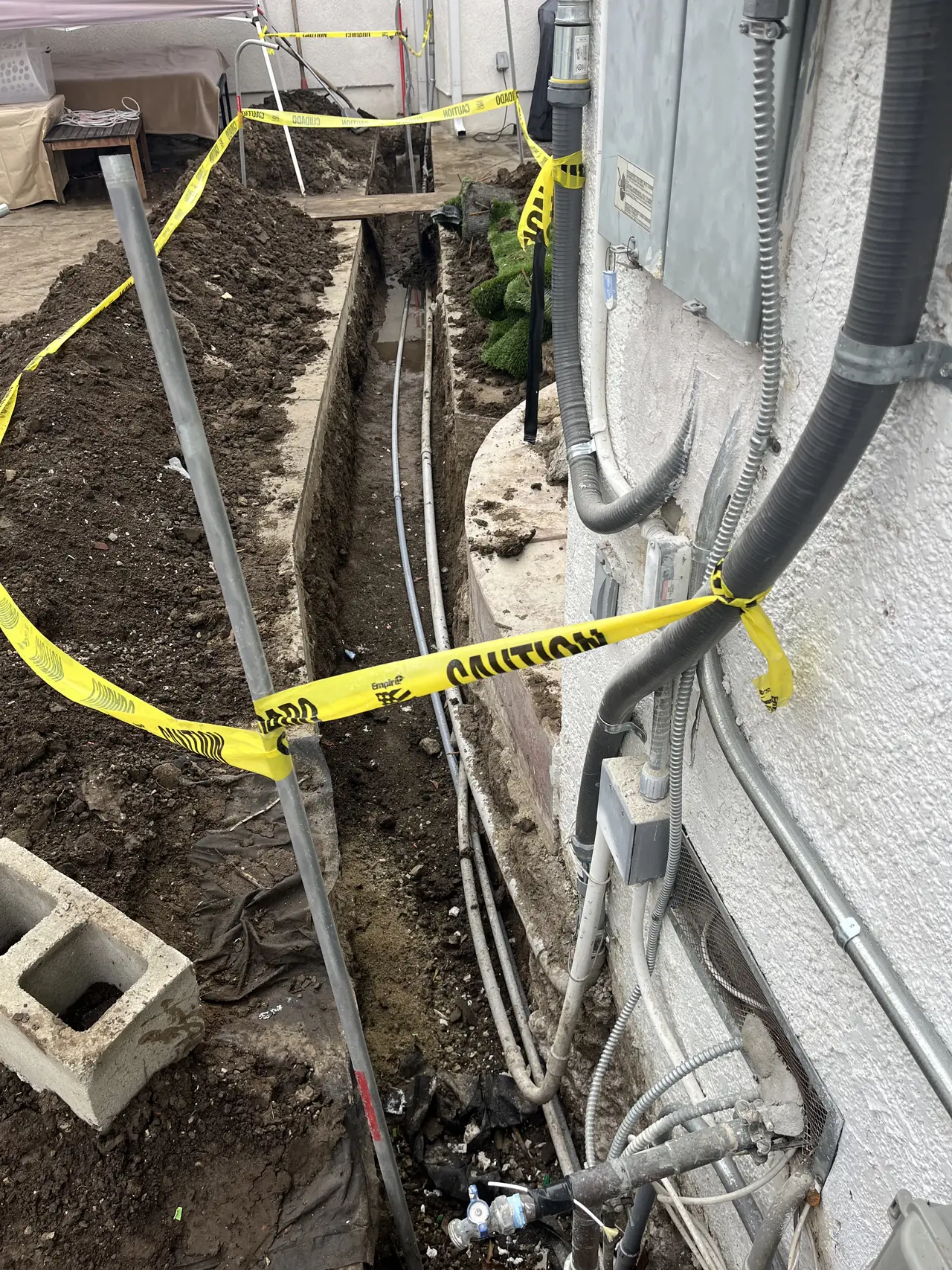
The inspection itself was run remotely over video rather than in person, which adds its own preparation. The city's remote inspection program needs its waiver signed and returned before a slot is issued, and the site has to be ready for a camera rather than for a person: a ladder set before the call so the roof can be reached without breaking off, and someone on site who knows which parts of the job are going to be asked for. On an underground run that matters twice over, because the trench has to be walkable on camera. Weather was the other constraint, and the appointment was taken on the first date available after the rain.
The array is 6.2 kilowatts as the utility recorded it, and the main service panel was upgraded at the same time, under the same electrical permit rather than a second one. That is worth asking for by name. Two scopes on one electrical permit means one plan check, one inspection appointment and one release instead of two of each, and on this project it is why the whole file ran inside a month.
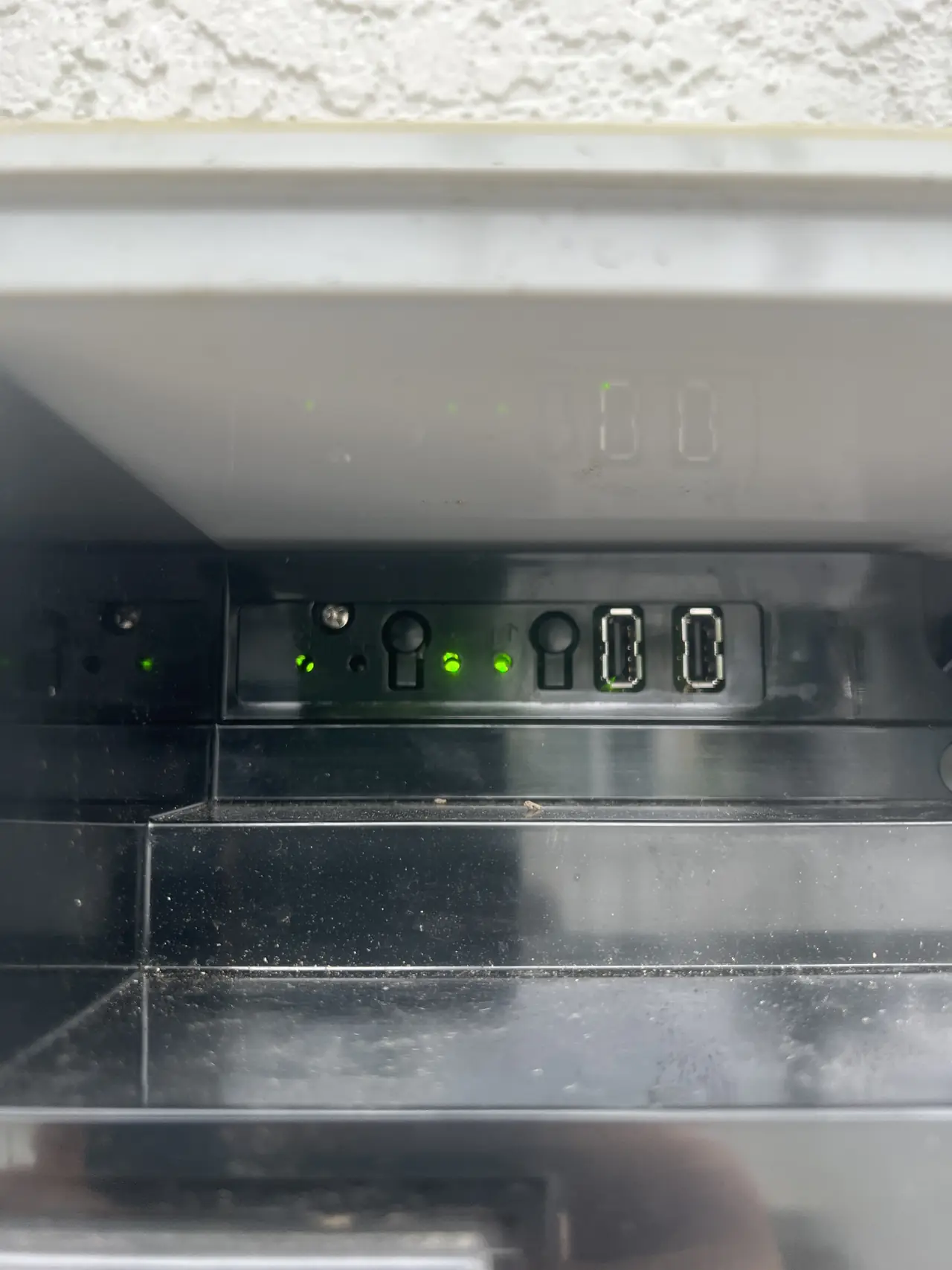
One last thing, and it is the step that most often gets skipped. Permission to operate is not the same as switched on. The utility set the net meter and released the system, and it sat dark, because somebody at the house still has to close the breakers. The owner was not at the property. So the commissioning was done by photograph: the combiner circled in red, the solar breaker in the main panel named, and one testable success criterion written out in plain words — two green lights lit inside the combiner. Somebody who had never seen the system before followed it and the system came up. If you will be away on permission-to-operate day, that is exactly what to ask your installer for.
How it ran
| Late February 2025 | Quote issued, then repriced with trenching removed from our scope |
|---|---|
| Early March 2025 | Homeowner's excavation completed and timed to the crew's arrival; array and upgraded service panel installed |
| 11 March 2025 | Interconnection application filed at 6.2 kW AC-CEC |
| 12 March 2025 | Application reviewed and cleared to build the following day |
| 17 March 2025 | Remote inspection waiver filed with the building department |
| 19 March 2025 | Second waiver returned; video inspection scheduled |
| 20 March 2025 | Final inspection passed over video; trench released for backfill |
| 7 April 2025 | Net meter set; permission to operate |
| Mid-April 2025 | System commissioned remotely by annotated photographs and confirmed running |
This timeline reflects this property and this permitting path: an underground circuit that had to stay visible until the city signed it off, and a remote final inspection.
What we did
- Repriced the project with trenching removed from our scope and set the condition that the excavation be finished before the crew arrived.
- Installed the array and upgraded the main service panel under a single electrical permit (C-10).
- Laid the underground conduit run and left the trench open and taped for the inspector.
- Filed the remote inspection waivers and set the site up for a camera, including the ladder, before the call.
- Passed the final inspection over video and released the trench for backfill the same day.
- Commissioned the system remotely with annotated photographs and a single testable success criterion, with nobody from either company on site.
System specifications
| Recorded by the utility | 6.2 kW AC-CEC |
|---|---|
| Roof | Composition shingle |
| Service work | Main service panel upgraded under the same electrical permit |
| Circuit route | Underground conduit across the side yard |
| Excavation | Homeowner-supplied, coordinated to installation day |
| Trench | Left open and taped from installation until the final inspection |
| Final inspection | Remote, over video, under the city's virtual inspection program |
| Battery | None |
| Utility / AHJ | LADWP / LADBS |
Is your project like this one?
- Your service equipment is far enough from the array that the circuit has to run underground.
- You have access to an excavator and want to take that scope off the quote.
- You have been told to fill in the trench as soon as the conduit is down.
- You will be out of town when your system gets permission to operate.
- Your Reseda property is served by LADWP, while permits are handled by LADBS.
Cali Energy in Reseda
Reseda is inside City of Los Angeles boundaries: permits run through LADBS, interconnection through LADWP.
Reseda is a neighborhood in the west San Fernando Valley, inside the City of Los Angeles. Its single-story houses often sit well back from the service equipment, so a solar circuit here often runs underground across a side yard rather than along a wall.
This installation is on the Reseda projects page alongside the others, and what the work covers is set out on the Reseda service area page.
- License and classifications: CSLB #1032379
- Official reference for this process: LADBS — inspections
- Official reference for this process: LADWP interconnection requirements
Frequently asked questions
Can I dig the trench myself and save money?
Often yes, and here it was the difference that got the project signed. Excavation separates cleanly from the electrical work, so it can come out of the installer's scope. The condition is timing: the trench has to be finished and ready on the day the crew arrives, because the conduit is laid as part of the installation, not afterwards.
When can the trench be filled in?
After the final inspection passes, not before. The inspector has to be able to see the underground run, so the trench stays open and taped off from the day the conduit goes in until the city signs the permit off. On this project that was about two weeks. Whoever is backfilling needs to be available on short notice after a date you do not control.
What is different about a remote inspection?
The waiver has to be signed and returned before a slot is issued, and the site has to be prepared for a camera instead of a person. A ladder is set before the call so the roof can be reached without interrupting it, and somebody on site has to know which parts of the work will be asked for. With an underground run it matters more, because the open trench has to be walkable on camera.
Does permission to operate mean the system is on?
No. It means the utility has set the meter and allows the system to run. Somebody still has to close the breakers at the house. If you will not be there, ask your installer for annotated photographs showing which breakers to close and one visible success criterion. Here that was two green lights inside the combiner, and a person who had never seen the system followed it.
Can the homeowner do part of the work on a Cali Energy project?
Yes, and on this one the owner took the trenching out of the contract and dug it himself. Two conditions make that work. The trench has to be finished and open on the morning the crew arrives, because the conduit path has to exist before the array can be run to the panel. And it has to stay open until the inspector signs off, since backfill is an inspection item rather than tidying up. Agree both in writing before the install date is set.
What this would look like on your roof
Planning solar in Reseda? Tell us your utility, your roof and what your bill looks like now, and we will model what a system like this would do on your house before you commit to anything.
Or call +1 (323) 844-7777 · Cali Energy, Northridge · CSLB #1032379 (B, C-10, C-39) — design, permits, install and electrical under one licensed contractor.
Related
This timeline reflects this property and this permitting path. Updated September 2026.