

Rancho Park, CA · March – June 2021 · LADWP / LADBS
Rancho Park: the meter photographs answered the same day.
The photographs the utility asked for went across the same day, as attachments its reviewer could open, and the assessment completed that day.
Utility reviewers work inside their own network and mail system, and a shared cloud link from outside it frequently lands them on a sign-in page they cannot get past. Large attachments are rejected at the other end for a different reason. On this Rancho Park project the photographs for the meter spot went as attachments, split across two messages to stay under the size limit, and the assessment completed the same day. The 15.5 kW system had permission to operate on 16 June 2021.
At a glance
- System
- 15.5 kW AC-CEC
- Service
- Underground, with the meter spot to match
- Photographs sent
- Attachments, split across two messages
- Approval to permission
- One day
- Utility / AHJ
- LADWP / LADBS
The story
Fifteen and a half kilowatts on a Westside house, with an underground service. The plan set went out on the twenty-second of March and the interconnection request was acknowledged four days later.
On the thirtieth the service planning representative asked for photographs of the meter location. That is an ordinary request and it was answered the same day, as attachments.
How documents are sent matters more than it looks: it costs projects days and nobody writes it down. A reviewer at a utility is working inside their own network, on their own mail system, with their own security policy. A link to a shared folder in somebody else's cloud account frequently lands them on a sign-in page, and there is no version of that story where they create an account to look at your photographs. From their side the request simply has not been answered.
So the photographs went as attachments, and because a dozen full-size images in one message is the other way to get silently rejected, they went in two messages rather than one. The acknowledgement came back the same day, and the site assessment for the work request was recorded complete that afternoon.
The interconnection agreement was approved on the first of April.
What happened next is the ordinary shape of a larger system, and it is worth setting out because it is invisible from outside.
The plan check did not go over the counter. In this city a system from about thirteen kilowatts upward is normally routed to regular plan check instead — a queue rather than a counter, with an assignment backlog that ran to roughly twenty business days from the moment the fee was paid. Nothing was wrong with the drawings. The system was simply over the size where a permit can be issued while you wait, and that single fact decides whether a project like this takes days or months.
The corrections themselves were narrow and technical. The AC combiner box had to carry an interrupting rating at or above the available fault current at that service — twenty-two thousand amps — and the way that figure was written on the drawing had to be corrected as well. Two items, on a set that had been through review for weeks.
Add to that a rule of the period: a hard-copy set dropped at the counter sat through a forty-eight hour hold before a reviewer could open it, so each round trip cost two days before anybody looked at anything.
The drawings were revised and reissued through May, the installation was approved on the fifteenth of June, and permission to operate came the following day.
Two practical things, and the first one costs nothing to adopt.
When an agency asks you for a document, send the document. Not a link to it, not a folder containing it, not a viewer that needs an account. Attach it, and if it is too large, split it across two messages and say in the first one that a second is coming. It feels clumsy and it is the only version that reliably arrives.
The second is about underground service. Where the meter can sit on a house fed from below is a narrower question than on an overhead service, and it is settled with photographs of the actual location rather than from the drawing. That is why the request came, and why answering it in an hour rather than a week mattered.
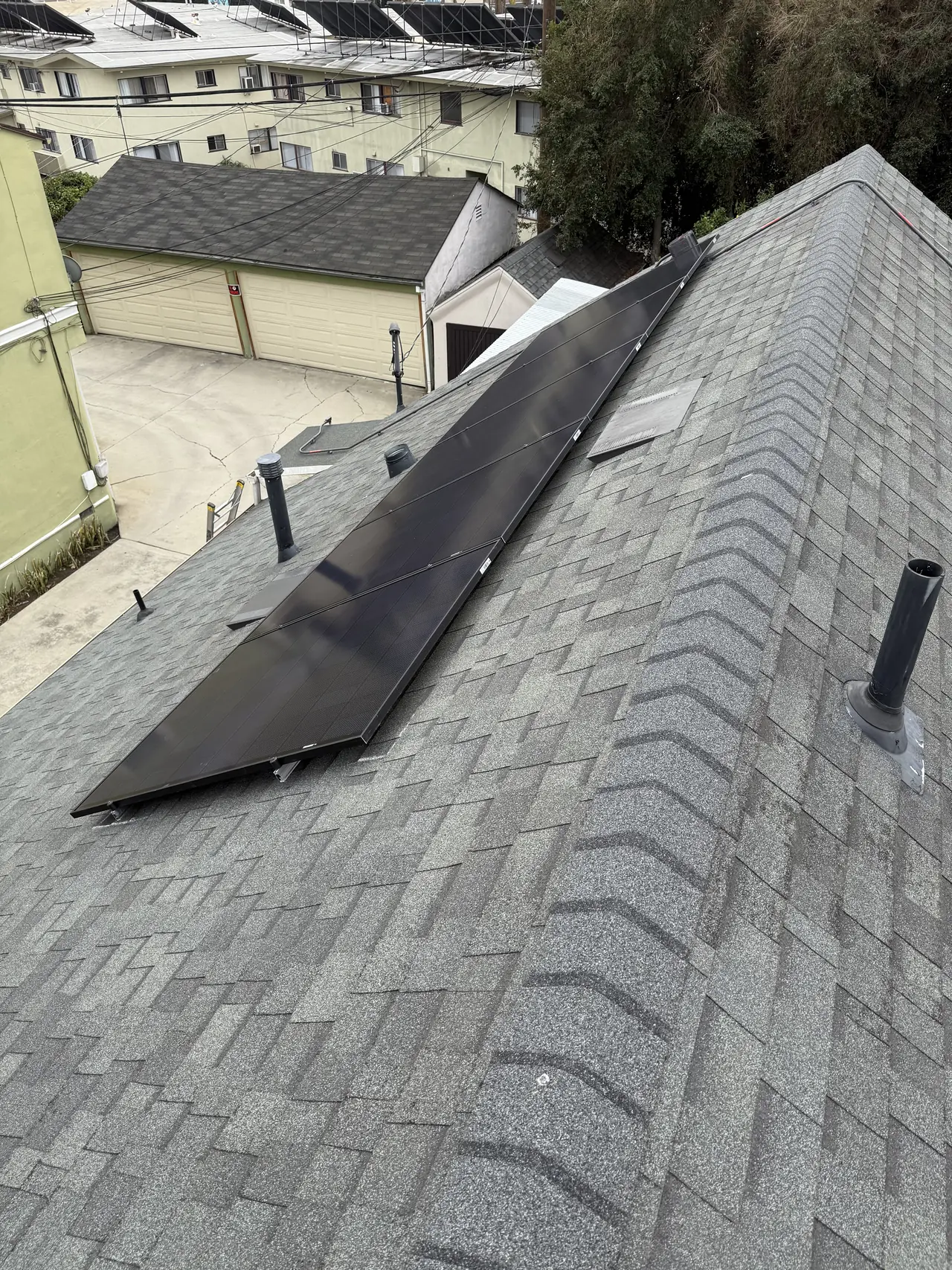
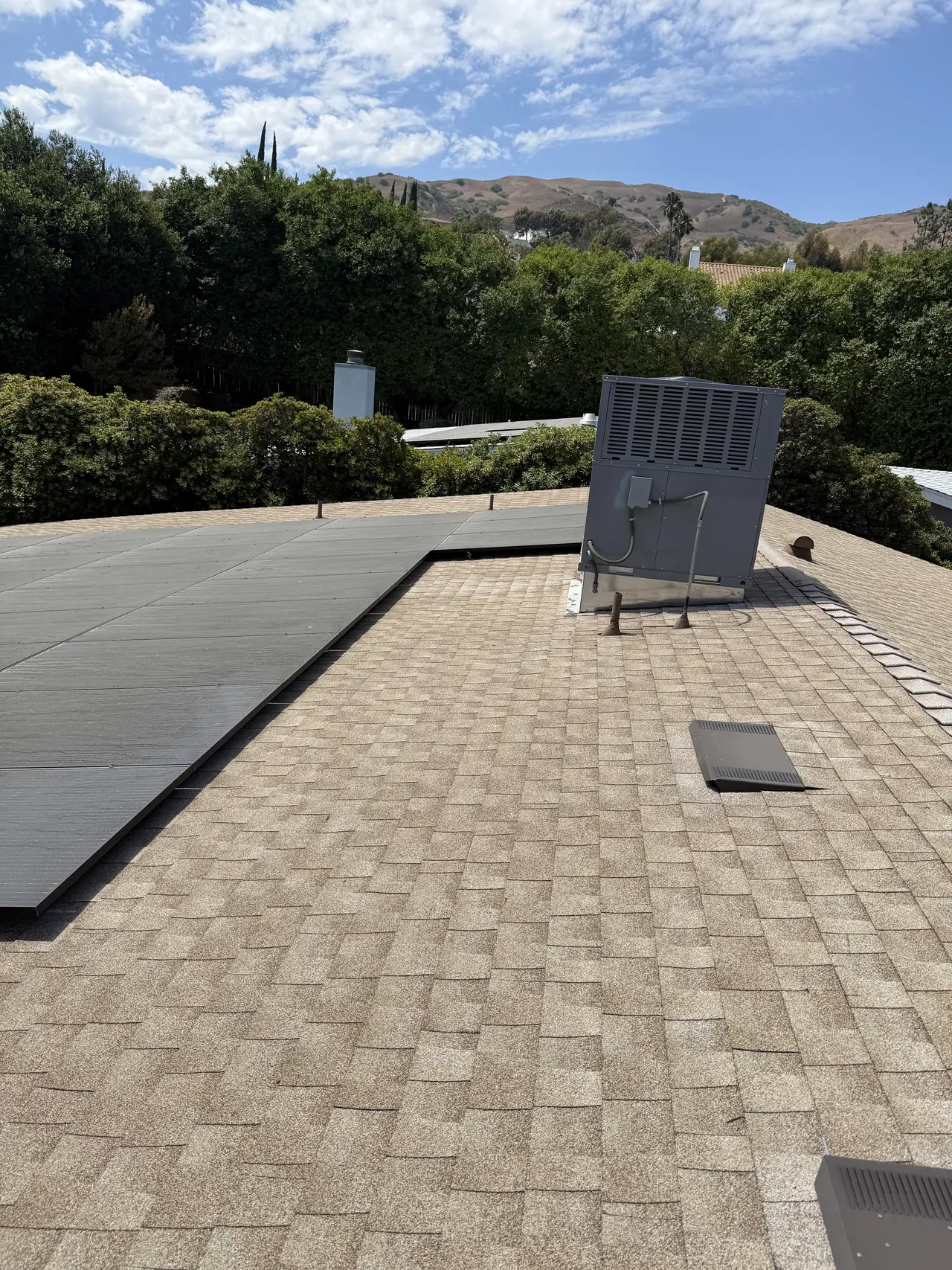
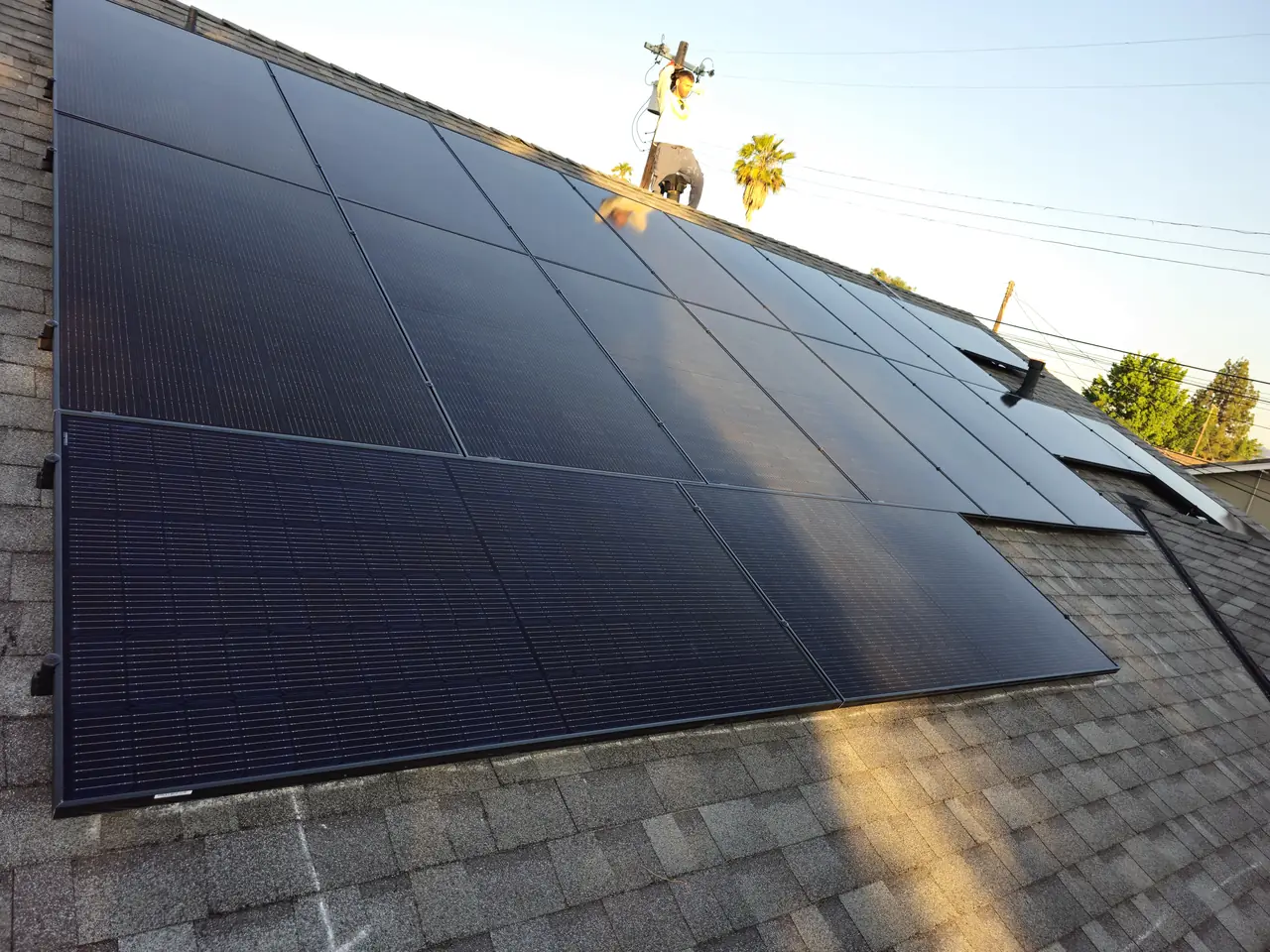
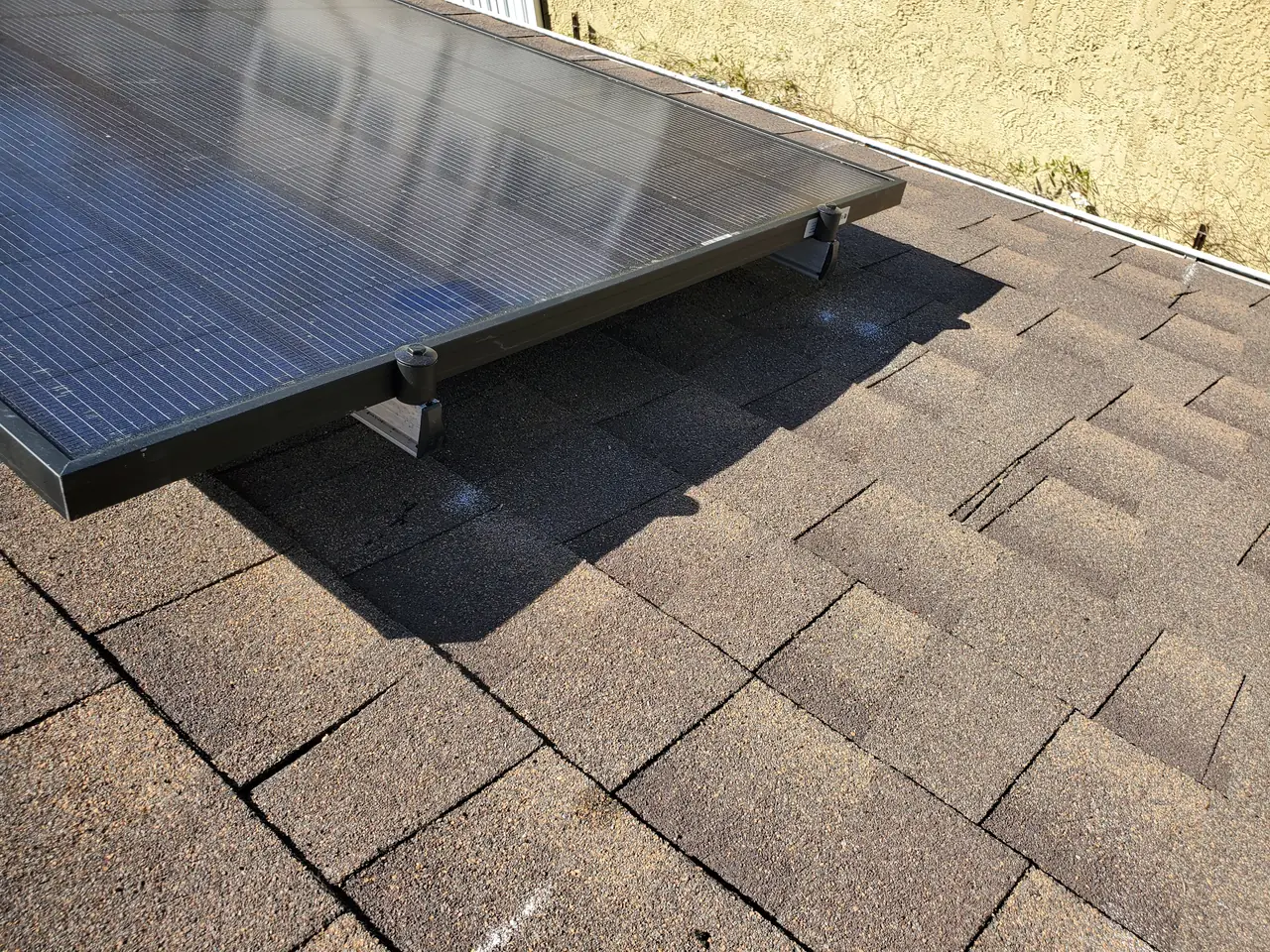
Cali Energy designed, permitted and interconnected this 15.5 kW array in Rancho Park, Los Angeles, and the house has run on it since permission to operate on 16 June 2021.
How it ran
| 22 March 2021 | Plan set issued |
|---|---|
| 26 March 2021 | Interconnection request acknowledged — 15.5 kW AC-CEC |
| 30 March 2021 | Utility requests photographs of the meter location |
| 30 March 2021 | Photographs sent as attachments in two messages; site assessment recorded complete |
| 1 April 2021 | Interconnection agreement approved |
| 3 May 2021 | Corrections returned on the drawings |
| 11–26 May 2021 | Drawings revised and reissued |
| 15 June 2021 | Installation approved |
| 16 June 2021 | Permission to operate |
Approval and permission to operate one day apart. The day that mattered was in March, and it turned on how a dozen photographs were sent.
What we did
- Answered the photograph request the same day, as attachments.
- Split the attachments across two messages to stay under the size limit.
- Revised and reissued the drawings through May against the corrections.
- Closed approval and permission to operate a day apart.
System specifications
| System | 15.5 kW AC-CEC |
|---|---|
| Service | Underground |
| Meter location | Settled from site photographs, not from the drawing |
| Documents | Attachments, split to stay under the size limit |
| Plan check route | Regular queue — systems from about 13 kW up do not go over the counter |
| Corrections | AC combiner box interrupting rating against a 22,000 A fault current, and how the figure was written |
| Utility / AHJ | LADWP / LADBS |
Is your project like this one?
- An agency has asked you for documents and says it never received them.
- You have been sending files to a utility as shared links.
- Your service runs underground and nobody has settled where the meter goes.
- A large system came back with corrections and you want to know what that costs.
Cali Energy in Rancho Park
Rancho Park sits on the Westside inside City of Los Angeles boundaries, permitted through LADBS and interconnected through LADWP. A good share of the service here runs underground, which changes where the meter can go and what the utility needs to see before it will agree to it.
This installation is on the Los Angeles projects page alongside the others, and what the work covers is set out on the Los Angeles service area page.
- License and classifications: CSLB #1032379
- Official reference for this process: LADWP — interconnection process, types 1, 2 and 3
- Official reference for this process: LADWP — Electric Service Requirements Manual
Frequently asked questions
Why could the utility not open our shared link?
Because reviewers work inside their own network and mail system, under their own security policy, and a link to a folder in an outside cloud account usually lands them on a sign-in page. They are not going to create an account to see your photographs. From their side the request has simply gone unanswered, and the project waits without anybody knowing why.
What is the right way to send documents to a utility?
As attachments. If the set is too large for one message, split it across two and say in the first that a second is coming, so nothing looks truncated. It is clumsier than a link and it is the version that reliably arrives, which on a project waiting for a site assessment is the only thing that matters.
Why does an underground service change where the meter can go?
Because the service comes up from below rather than in from a pole, so the position is constrained by the route of the conduit and by what the crew can reach and work on. It is settled against the actual site rather than the drawing, which is why the utility asks for photographs of the location before it agrees.
Why did my solar permit go to regular plan check instead of over the counter?
Usually because of the system size. In Los Angeles a residential system from about thirteen kilowatts upward is normally routed to regular plan check rather than the counter, which means a queue and an assignment backlog rather than a permit while you wait. Nothing is wrong with the drawings; the project is simply over the threshold where same-day issuance applies.
Does Cali Energy install larger systems in Rancho Park, Los Angeles?
Yes. This Rancho Park project was 15.5 kW AC-CEC on an underground service, permitted through LADBS and interconnected through LADWP like the rest of the city. Larger systems on the Westside usually turn on the service and the meter position rather than on the roof.
What this would look like on your roof
Planning solar in Rancho Park? Tell us your utility, your roof and what your bill looks like now, and we will model what a system like this would do on your house before you commit to anything.
Or call +1 (323) 844-7777 · Cali Energy, Northridge · CSLB #1032379 (B, C-10, C-39) — design, permits, install and electrical under one licensed contractor.
Related

This timeline reflects this property and this permitting path. Updated September 2026.