

Mid-City, CA · January – April 2025 · LADWP / LADBS
The city permit was not the permission that mattered.
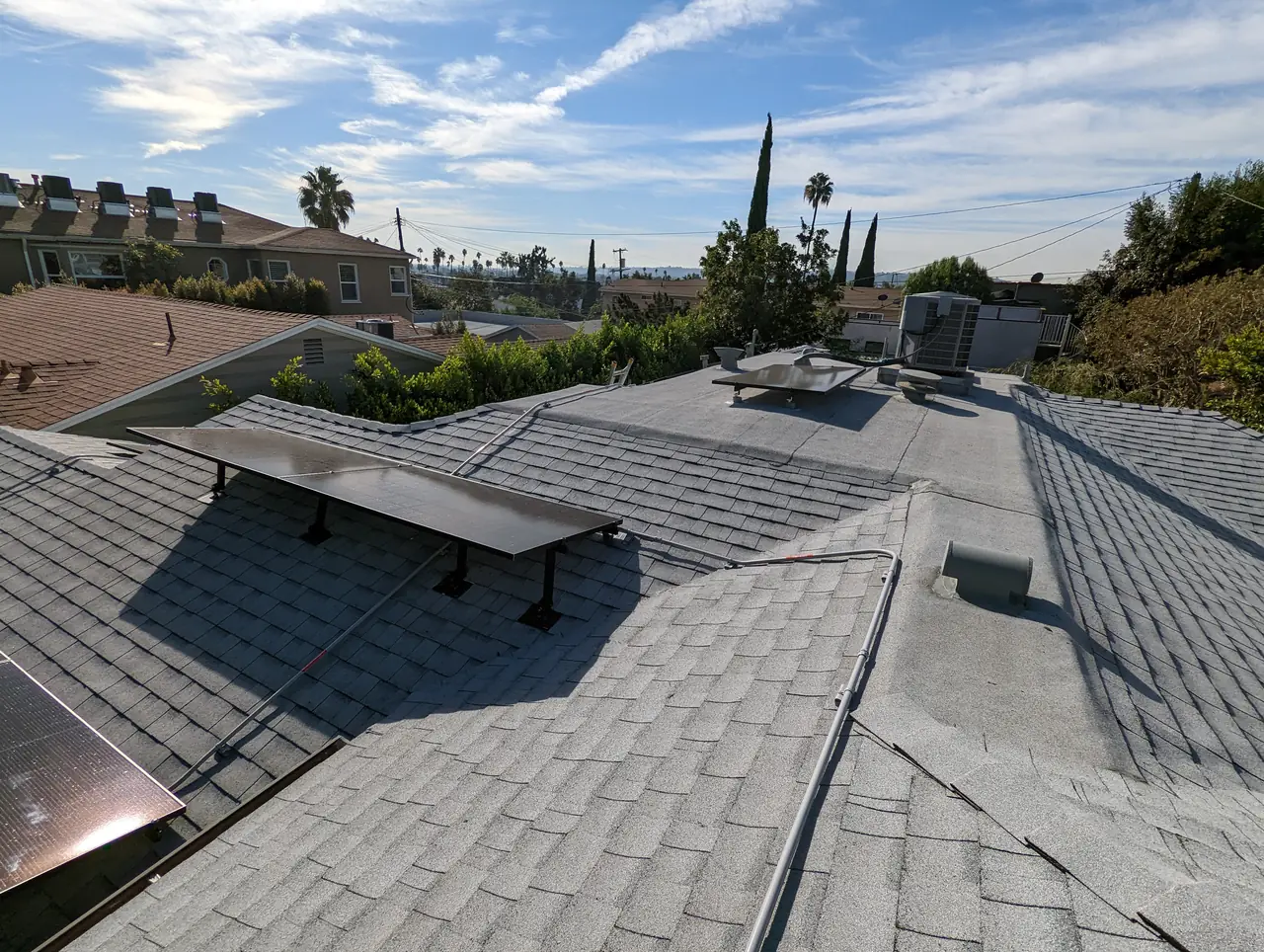
A finished, permitted, inspected array in Mid-City sat for nine weeks. The building department had signed it off. The utility had not, and the two are not the same thing.
A rooftop solar project in Los Angeles needs approval from two separate bodies with separate jurisdictions: the building department, which reviews the drawings and inspects the work, and the utility, which decides whether it will connect the system to its network. A city permit and a passed final inspection say nothing about the second. On this Mid-City project the utility put the interconnection on hold because its crews had no safe working space or ladder access in front of the meter panel — a requirement that exists because they work on it energized. Cali Energy cleared the access on this 10.28 kW Mid-City project in Los Angeles and the system was authorized nine weeks later.
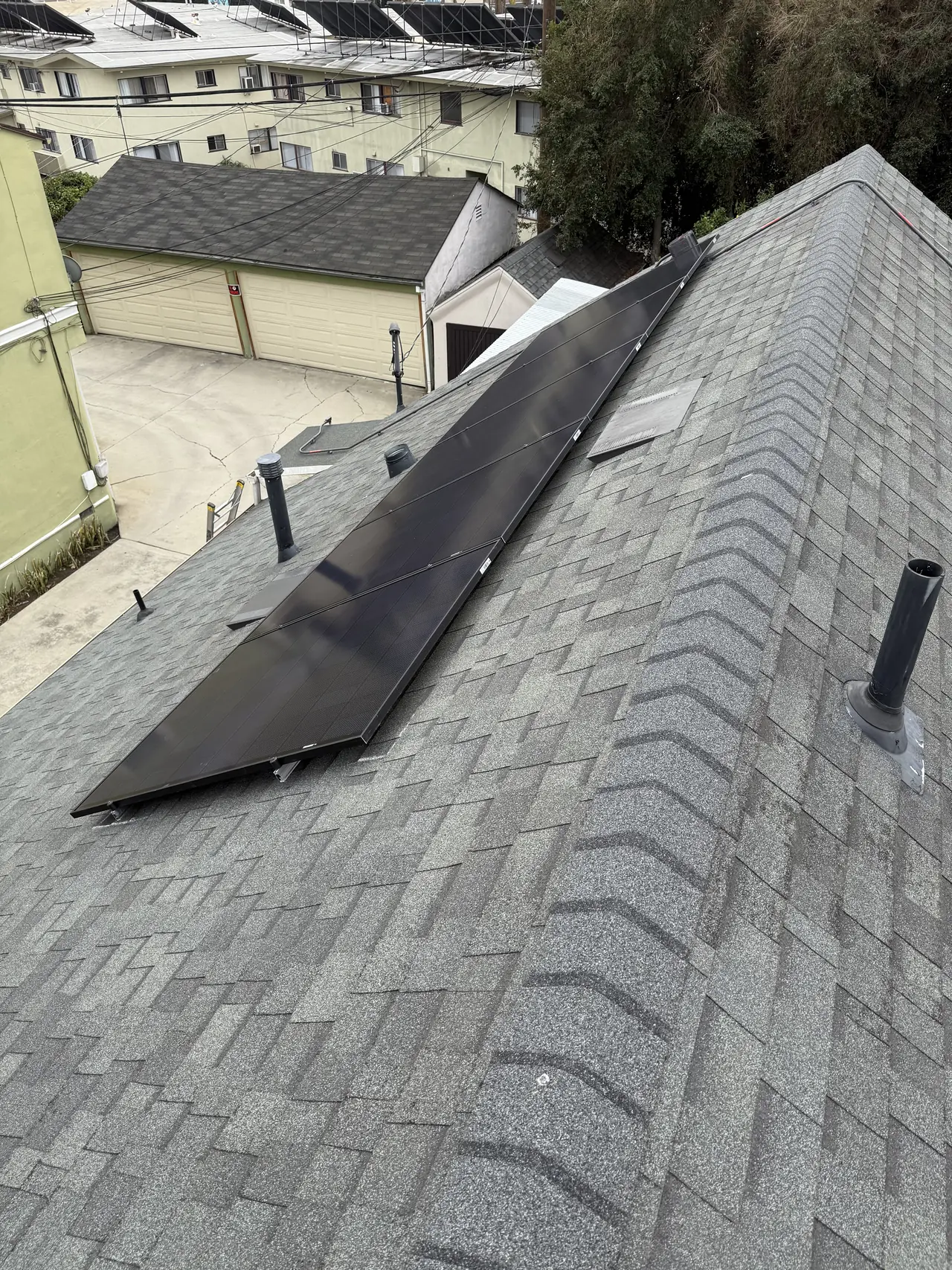
At a glance
- System
- 10.28 kW AC-CEC
- Held by
- The utility, not the city
- Reason
- No working space or ladder access at the meter panel
- City side
- Permit issued, final inspection passed
- Hold to authorization
- Nine weeks
- Utility / AHJ
- LADWP / LADBS
The story
The project moved quickly at first. The interconnection request for a 10.28 kW system went in at the end of January with the payment the same day, and the building department released the installation a week later. On paper it was finished.
Two weeks after that release, the utility put the project on hold.
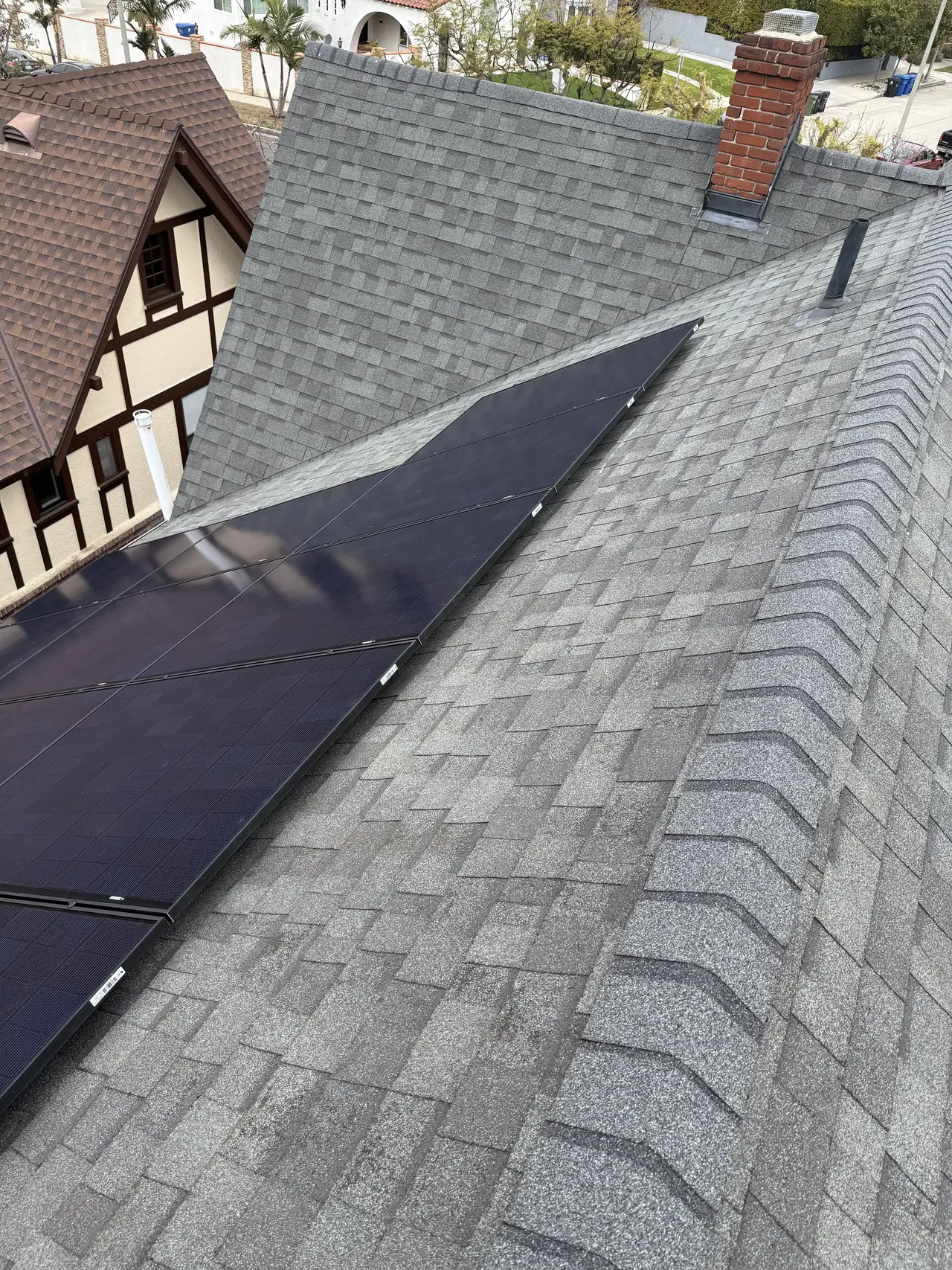
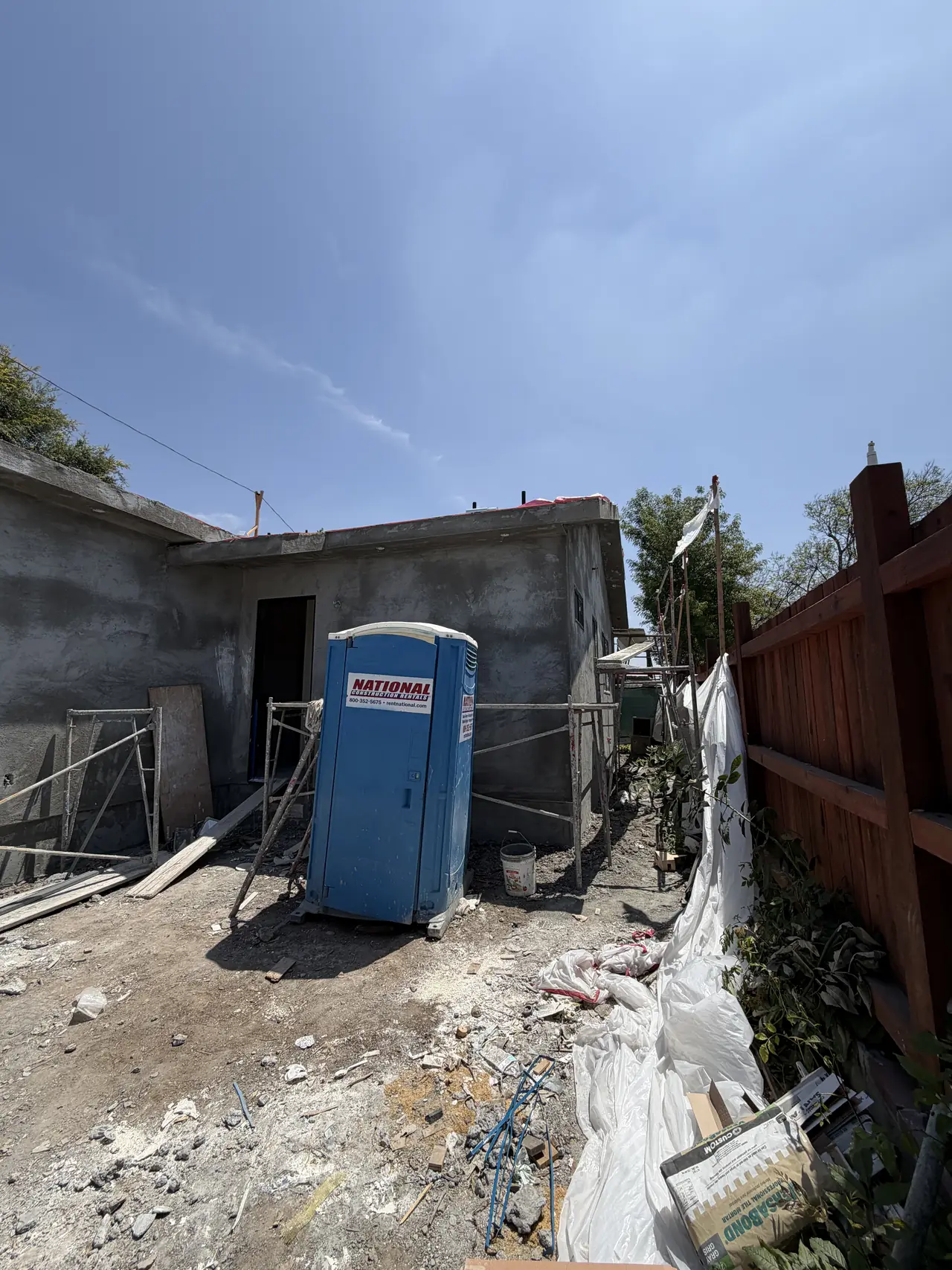
The reason had nothing to do with the array, the drawings or the inspection. It was the meter panel — or rather what was in front of it. The photographs submitted with the application showed that the existing panel had neither the working space the utility requires nor ladder access to it. Until that changed, the project had no permission to connect.
The first instinct in that situation is to point at the permit. The city had issued one. The final inspection had passed. No correction had been written against the work. The panel was existing and had not been touched, so no new clearance requirement had been triggered by anything we did.
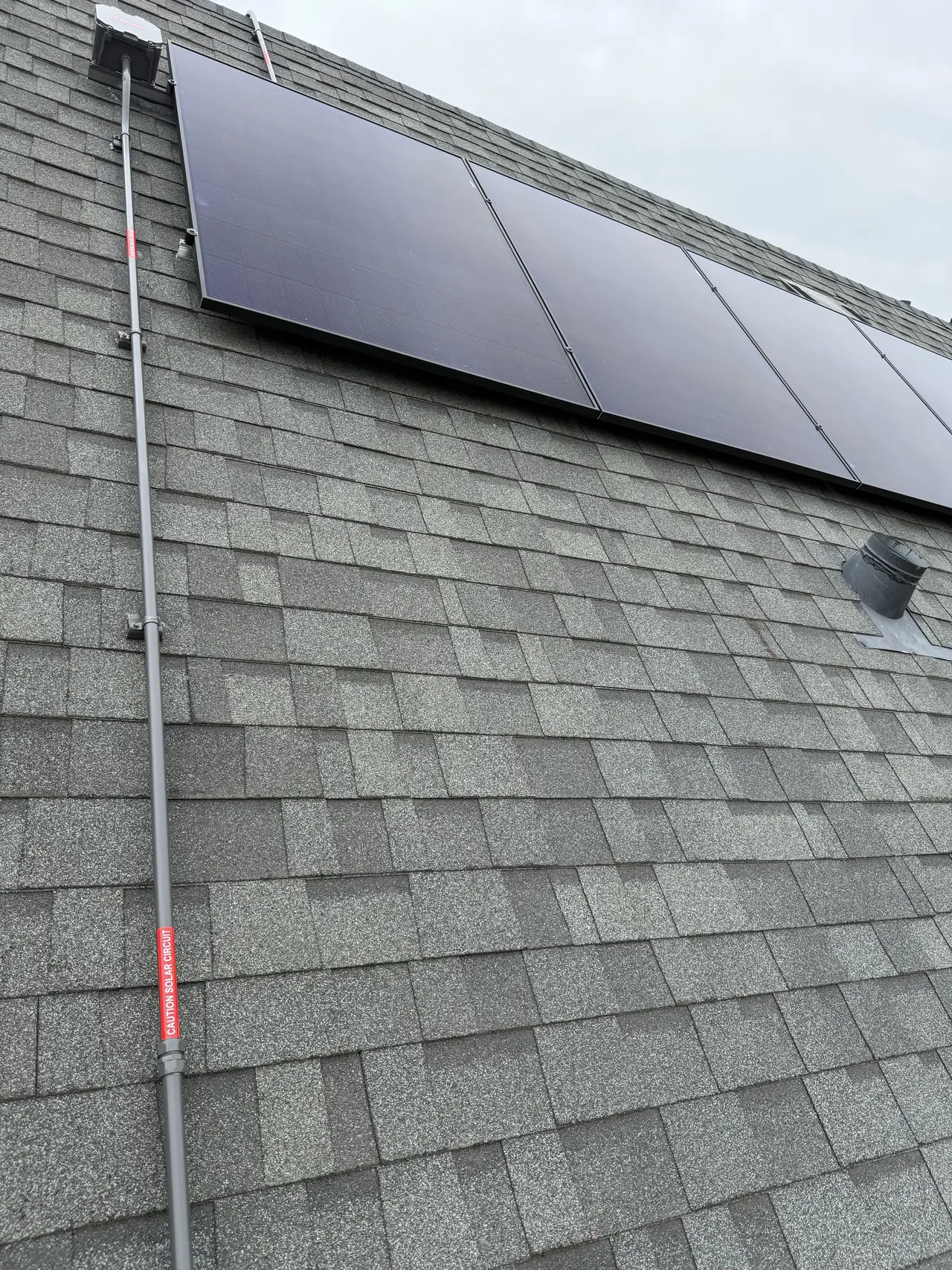
Every one of those statements is true, and none of them is an answer, because they are all statements about the wrong jurisdiction.
This is the part worth understanding before it happens to you. A rooftop solar project in Los Angeles is approved by two separate bodies. The building department reviews the drawings and inspects the installation against the code. The utility decides whether it will connect that installation to its network and put a meter on it. They do not report to each other, they do not share a queue, and one of them approving is not the other one approving. A permit is permission to build. It is not permission to connect.
The utility's own requirement is not arbitrary either, and it is worth stating in its own terms. Its crews do not come out to read the meter. They come out to work on an energized meter panel and land live conductors in it. That work needs somewhere to stand, somewhere to put a ladder, and room to get clear. A panel that is reachable enough for a monthly read is not necessarily a panel somebody can safely work on with the service live.
Which is why the requirement applies to an existing panel that nobody has modified. The code clearances that get triggered by an upgrade are a different question with a different owner. This one is about the conditions under which another company's employee will put their hands in your service equipment.
So the access was made to comply and fresh photographs went back. The interconnection review completed at the beginning of April, the request for the net meter went out the same day, and permission to operate followed on the sixteenth.
Nine weeks from the hold to the authorization, on a project that was physically finished before the hold was issued.
Two things to take from it. If your meter panel is in a side yard, behind a gate, against a fence or under something, ask before the application goes in whether there is room to work in front of it and to stand a ladder there. It is a question about your own yard, it costs nothing to answer early, and it is the kind of thing that is cheap to fix in January and expensive to discover in February.
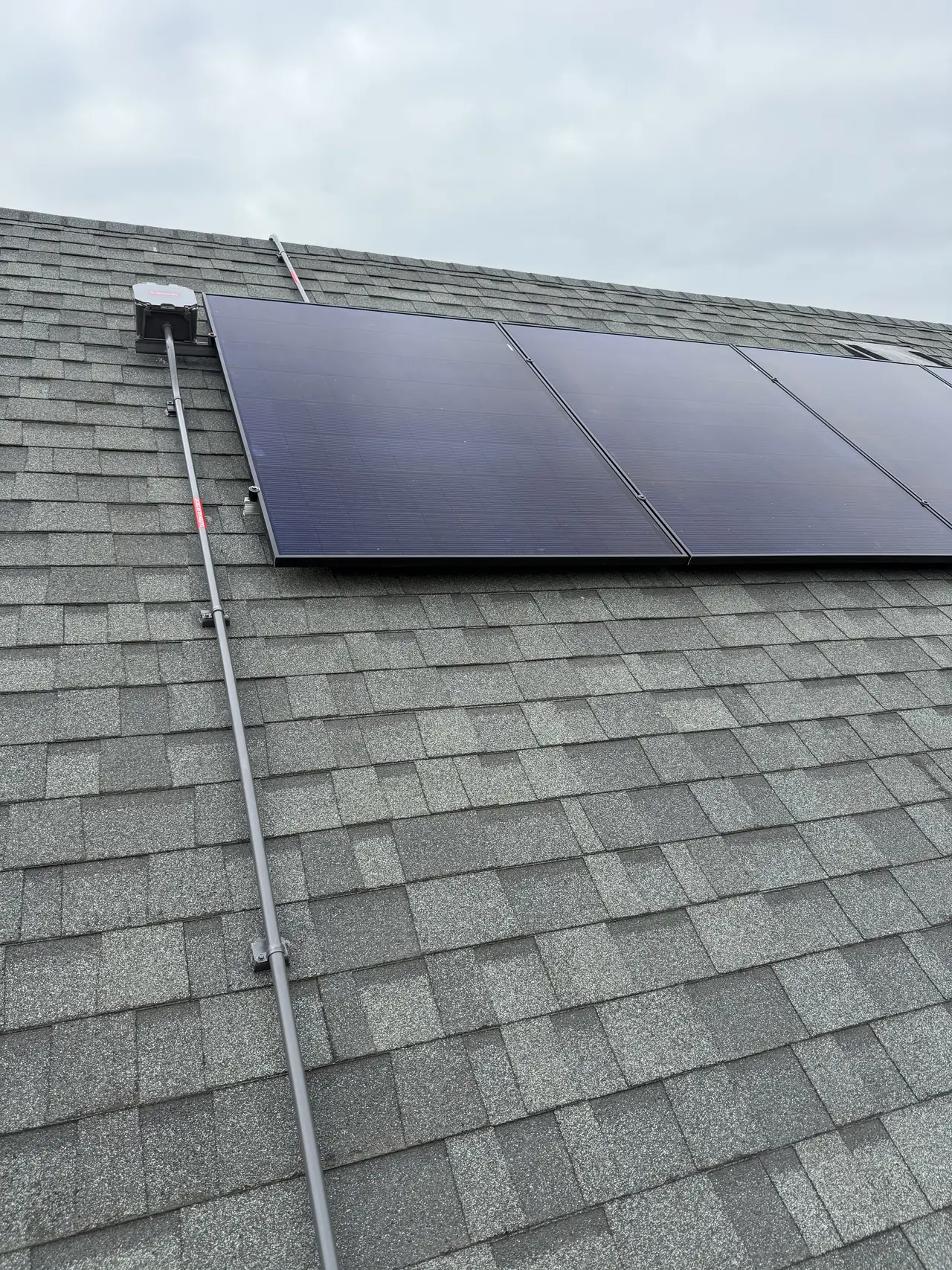
And if somebody tells you the project is approved, ask which approval they mean. Cali Energy carried this Mid-City project in Los Angeles through both of them.
How it ran
| 27 January 2025 | Project file opened |
|---|---|
| 28 January 2025 | Interconnection request filed; utility payment cleared |
| 4 February 2025 | Building department release issued |
| 11 February 2025 | Utility places the project on hold — no working space or ladder access at the meter panel |
| 19 February 2025 | Utility restates the requirement: its approval is separate from the city's |
| 24 March 2025 | Corrected access documented and resubmitted |
| 1 April 2025 | Interconnection review complete; net meter requested |
| 16 April 2025 | Permission to operate |
Nine weeks between the hold and the authorization, on an array that was finished and inspected before the hold arrived.
What we did
- Filed the interconnection request the day after the project opened.
- Carried the building department release through in a week.
- Cleared the working space and ladder access at the meter panel rather than arguing the point.
- Re-documented the access with photographs to the reviewing desk.
- Followed the project through to permission to operate.
System specifications
| System | 10.28 kW AC-CEC |
|---|---|
| Array | Residential rooftop |
| Service | Existing meter panel, not modified |
| Held on | Utility working space and ladder access |
| City side | Permit issued and final inspection passed before the hold |
| Resolution | Access cleared and re-documented with photographs |
| Utility / AHJ | LADWP / LADBS |
Is your project like this one?
- Your solar project has a city permit and still cannot connect.
- Your meter panel is in a side yard, behind a gate or hard against a fence.
- You have been told a project is approved and are not sure by whom.
- The utility has asked for photographs of something that is not the array.
- Nobody has explained why an existing panel has to meet anything.
Cali Energy in Mid-City
Mid-City is a City of Los Angeles neighborhood of mostly pre-war housing, permitted through LADBS and interconnected through LADWP. Houses of that age have meter panels in side yards, behind gates and up against fences, and where the panel sits decides more here than on newer streets.
This installation is on the Los Angeles projects page alongside the others, and what the work covers is set out on the Los Angeles service area page.
- License and classifications: CSLB #1032379
- Official reference for this process: LADWP — Electric Service Requirements Manual
- Official reference for this process: LADBS — plan review and permitting
Frequently asked questions
Does a city permit mean the utility will connect my system?
No. They are separate jurisdictions with separate approvals. The building department reviews the drawings and inspects the work against the code; the utility decides whether it will connect the installation to its network. A permit and a passed final inspection are permission to build, not permission to connect, and a project can hold at the second after clearing the first.
Why does the utility care about space in front of my meter panel?
Because its crews work on that panel with the service energized and land live conductors in it. That needs somewhere to stand, room for a ladder and room to get clear. A panel that is accessible enough to read is not automatically a panel that somebody can safely work on live, which is why the requirement is about working space rather than visibility.
Can the utility require this on a panel I never touched?
Yes, and that is the part that surprises people. Code clearances triggered by an upgrade are a separate question. The utility's working-space requirement is about the conditions its own employees will work under, so it applies to the panel as it stands, whether or not anything was modified.
How do I avoid this on my own project?
Look at the meter panel before the application goes in. If it sits in a side yard, behind a gate, against a fence or under an overhang, ask whether there is room to work in front of it and to stand a ladder there. It is a question about your own property, and it is far cheaper answered before filing than after the array is finished.
Does Cali Energy handle utility holds in Mid-City, Los Angeles?
Yes. Mid-City is one of the Los Angeles neighborhoods we work in regularly, permitted through LADBS and interconnected through LADWP. Pre-war housing here puts meter panels in tight side yards, and access to them is a recurring reason a finished project waits — which is why Cali Energy looks at the panel and the space in front of it before the interconnection request is filed.
What this would look like on your roof
Planning solar in Mid-City? Tell us your utility, your roof and what your bill looks like now, and we will model what a system like this would do on your house before you commit to anything.
Or call +1 (323) 844-7777 · Cali Energy, Northridge · CSLB #1032379 (B, C-10, C-39) — design, permits, install and electrical under one licensed contractor.
Related


This timeline reflects this property and this permitting path. Updated September 2026.