

Porter Ranch, CA · October – December 2019 · LADWP / LADBS
Porter Ranch: the utility was waiting on a volunteer board.
A monthly meeting stood between a finished design and a service point. The owner went in person and left with the approval.
An association review is not only an aesthetic question: on this Porter Ranch project the utility would not move to the next stage of the interconnection until the association's written approval reached its record. The board met once a month, so the household attended the meeting to get a decision on the night rather than wait another cycle. Cali Energy carried the approval through to the utility and the system had permission to operate before the end of the year.
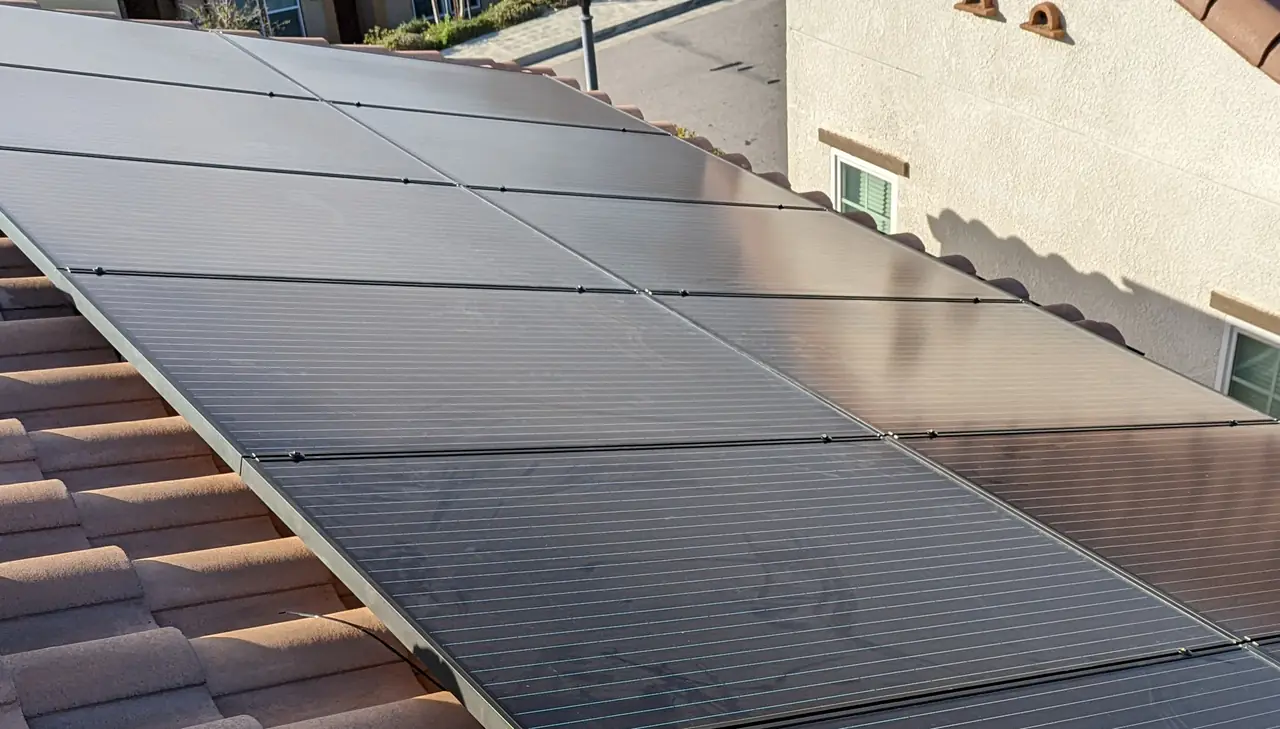
At a glance
- Blocked by
- Association approval, required before the service point
- Board schedule
- Once a month
- What unblocked it
- The owner attending the meeting in person
- Permission to operate
- December 2019
- Later service
- One microinverter replaced under warranty
- Utility / AHJ
- LADWP / LADBS
The story
The design was done and the interconnection request was in. What the utility wanted before it would go further was a piece of paper from the homeowner association.
That surprises people who expect the association to be a parallel matter of appearance. It is not always parallel. Where a property is inside an association, the utility can require the association's approval in the record before it commits to the next step — in this case the service point, which is where the new equipment will tie in. Until that arrived, the project sat.
And the board met once a month.
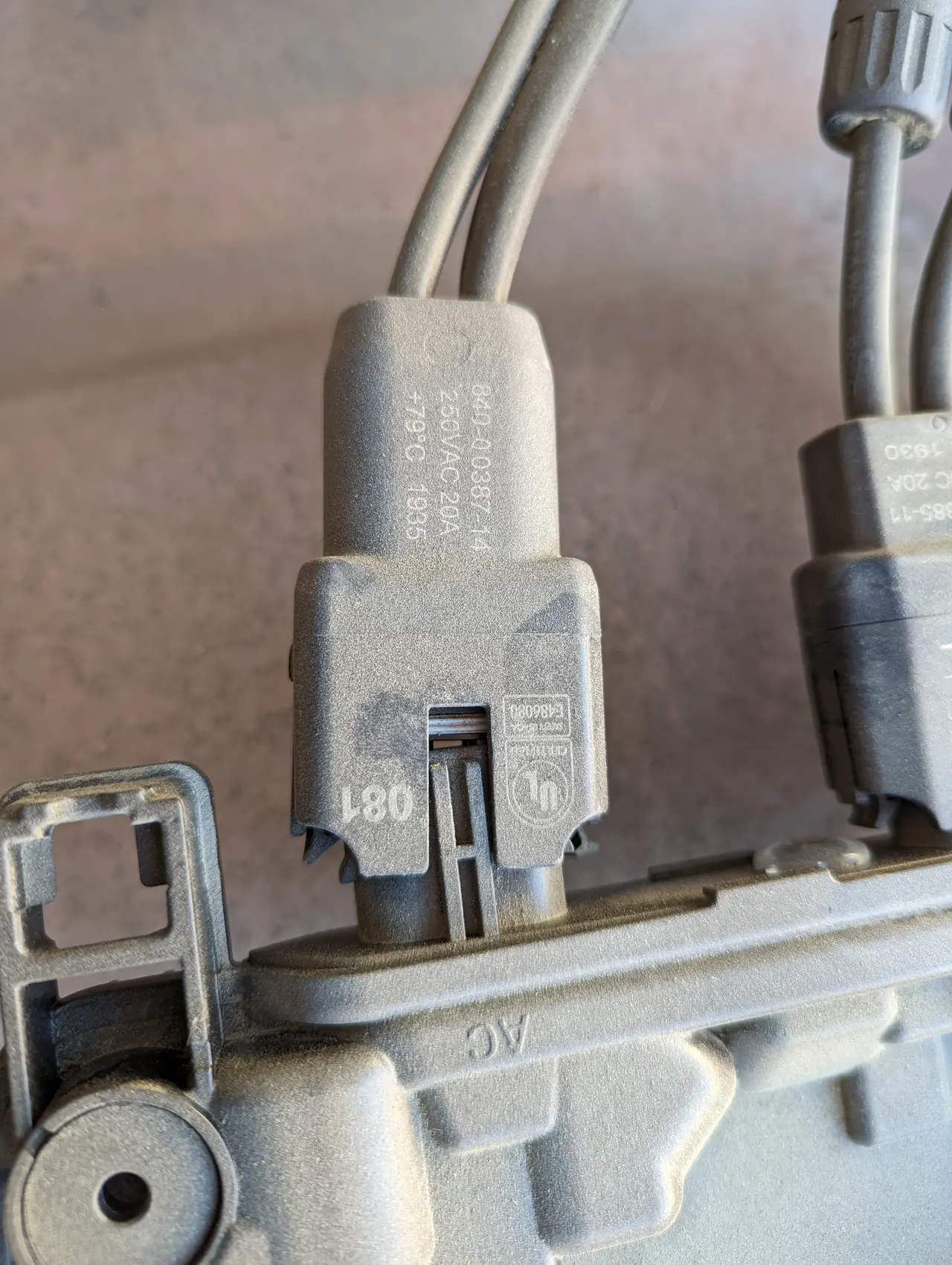
Every solar project inside an association eventually runs into this arithmetic. The decision itself is usually quick and usually favorable. The wait is not about the decision — it is about the gap between when an application is filed and when a group of volunteers next sits in a room.
The household did the thing that shortens that gap: it went to the meeting. The association encouraged it, the item was heard with the owner present, and the approval came out of that night instead of out of a letter posted some weeks later.
Then the approval had to reach the utility, and that took another week.
Permission to operate came through on the eighteenth of December 2019, which mattered to the household for tax reasons as well as for electricity.
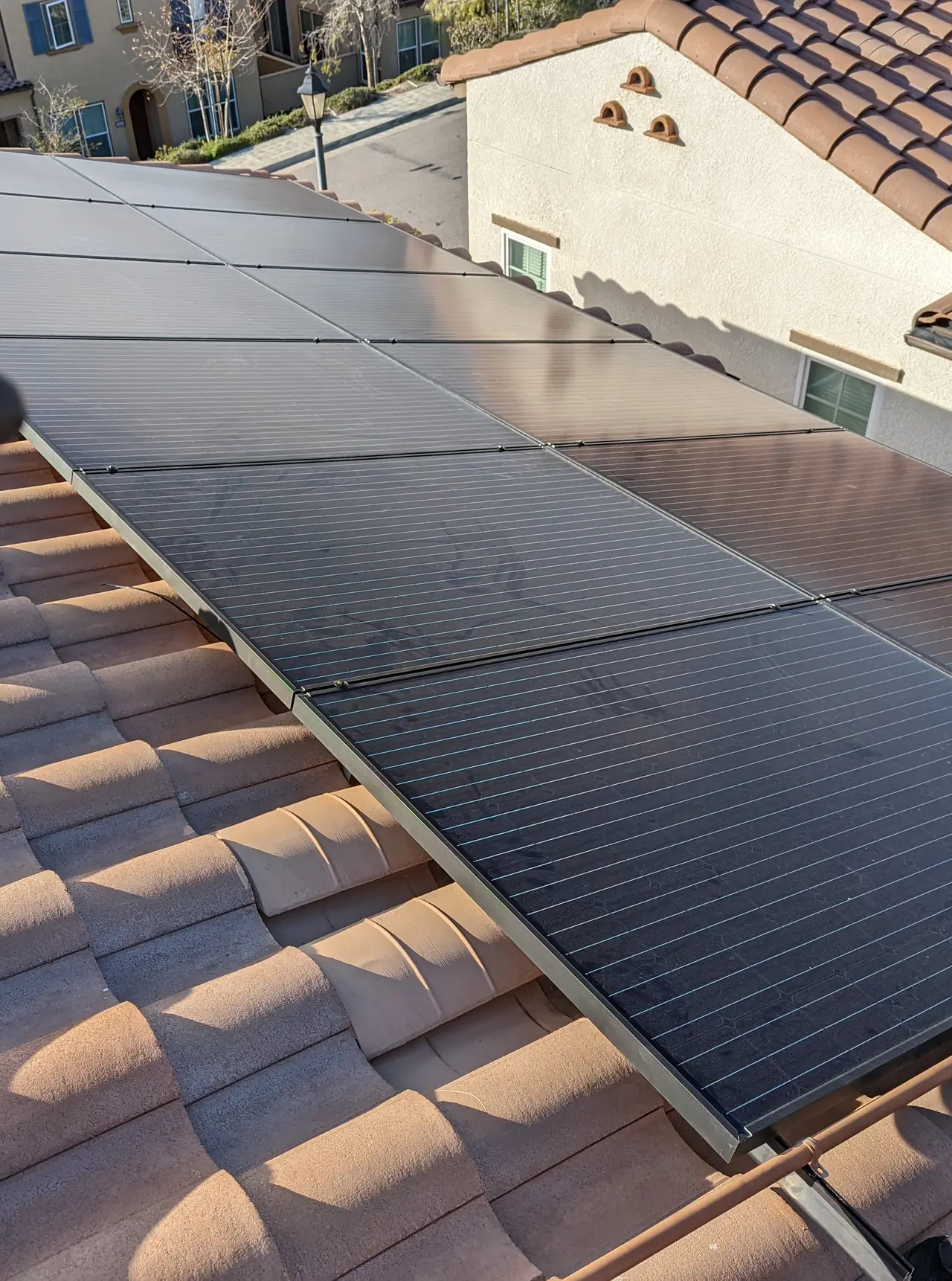
The second part of this record is from two years later. One microinverter stopped reporting. It was diagnosed, claimed under warranty and replaced in January 2022, and the rest of the array kept producing throughout — which is the practical argument for module-level electronics: one device fails, one module goes quiet, and the system keeps running while the claim is processed.
Permission to operate before the end of the year, and a warranty claim carried two years later without the array ever stopping. One number to call for both, which is what a household is actually buying when it picks an installer.
Cali Energy designed, permitted, interconnected and has since serviced this array in Porter Ranch.
How it ran
| 5 October 2019 | Interconnection under way; utility asks what else it needs |
|---|---|
| 9 October 2019 | Utility requires association approval before the service point |
| 16 October 2019 | Board sits once a month; next meeting on the 28th |
| 28 October 2019 | Owner attends the meeting; approval granted that night |
| 30 October 2019 | Approval sent to the utility |
| 4 November 2019 | Utility reports the attachment missing; resent same day |
| 18 December 2019 | Permission to operate granted |
| 10 November 2021 | One microinverter reported not producing |
| 14 January 2022 | Microinverter replaced under warranty; the rest of the array kept producing throughout |
Ten weeks, and the only real delay was the gap between a filed application and a monthly meeting.
What we did
- Established early that the utility was waiting on the association, not on us.
- Backed the household's decision to attend the board meeting in person.
- Resent the approval the day the utility said the attachment had not arrived.
- Carried the microinverter warranty claim two years after the installation.
System specifications
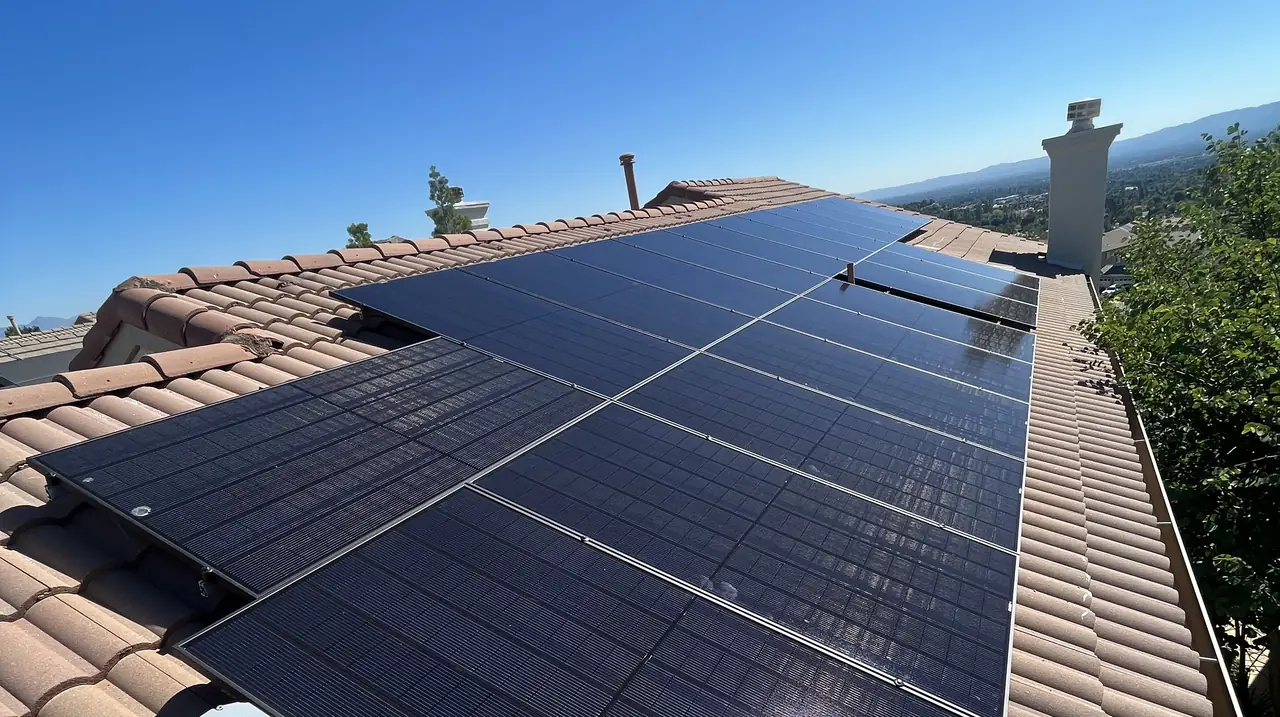
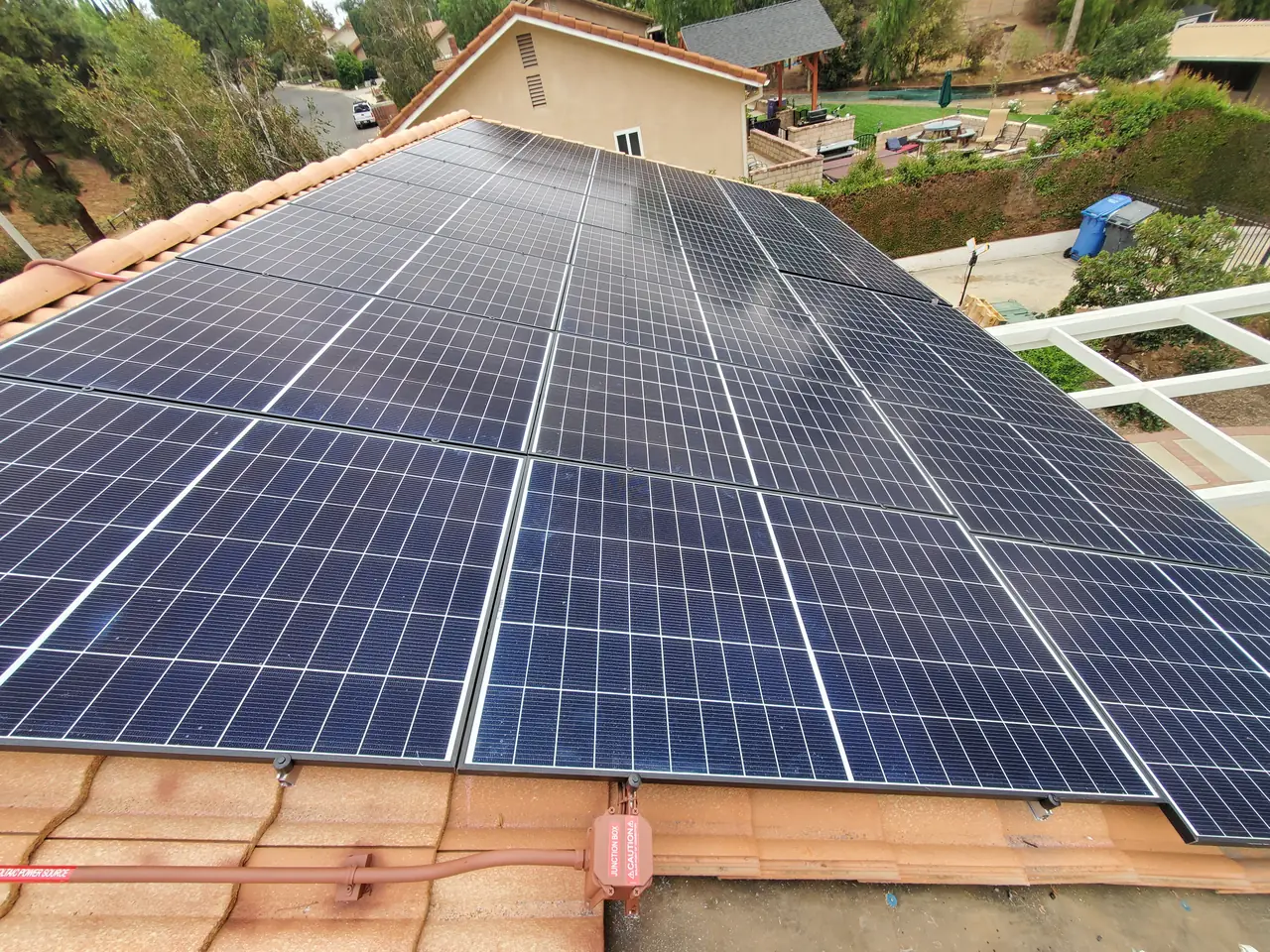
| Array | Residential rooftop with module-level electronics |
|---|---|
| Association | Approval required before the utility's service point |
| Permission to operate | 18 December 2019 |
| Warranty service | One microinverter, replaced January 2022 |
| Utility / AHJ | LADWP / LADBS |
Is your project like this one?
- Your project is inside a homeowner association.
- Your utility is asking for a document from somebody other than you.
- Your board meets monthly and your application has just missed a meeting.
- One panel in your array has gone quiet.
Cali Energy in Porter Ranch
Porter Ranch is inside City of Los Angeles boundaries: permits run through LADBS and interconnection through LADWP. Where a tract has an association, its calendar sits inside the utility's process whether anyone planned for it or not.
This installation is on the Porter Ranch projects page alongside the others, and what the work covers is set out on the Porter Ranch service area page.
- License and classifications: CSLB #1032379
- Official reference for this process: LADWP — interconnection requirements
- Official reference for this process: California Civil Code 714 — solar access
Frequently asked questions
Can a utility require homeowner association approval before interconnection?
It can require the approval to be in the record before committing to the next step, which on this project was the service point. The practical effect is that the association's calendar sits inside the utility's process.
How long does association approval take?
Less time than people fear once it is in front of the board, and longer than expected getting there, because boards meet on a schedule. Missing a meeting usually costs a month.
Can I speed up an association decision?
Sometimes, by attending the meeting where the item is heard. On this project the owner went in person and the approval was granted that night rather than mailed after the next cycle.
What happens when one microinverter fails?
That module stops producing and the rest of the array keeps working. The failure shows up in module-level monitoring rather than as a system outage, and the device is claimed under warranty and replaced.
Does Cali Energy handle association paperwork in Porter Ranch?
We prepare the drawings and answer the association's questions, and the application itself is filed by the owner, because it is their property and their membership. Projects here permit through LADBS and interconnect through LADWP, and where a board sits monthly we file everything else in parallel rather than waiting for it.
What this would look like on your roof
Planning solar in Porter Ranch? Tell us your utility, your roof and what your bill looks like now, and we will model what a system like this would do on your house before you commit to anything.
Or call +1 (323) 844-7777 · Cali Energy, Northridge · CSLB #1032379 (B, C-10, C-39) — design, permits, install and electrical under one licensed contractor.
Related
This timeline reflects this property and this permitting path. Updated September 2026.