

Porter Ranch, CA · July 2020 – April 2023 · LADWP / LADBS
Porter Ranch: it shut down after rain, and we did not install it.
An array nobody in the house had chosen, a fault that only appears in weather, and a warranty that did not travel with the deed.
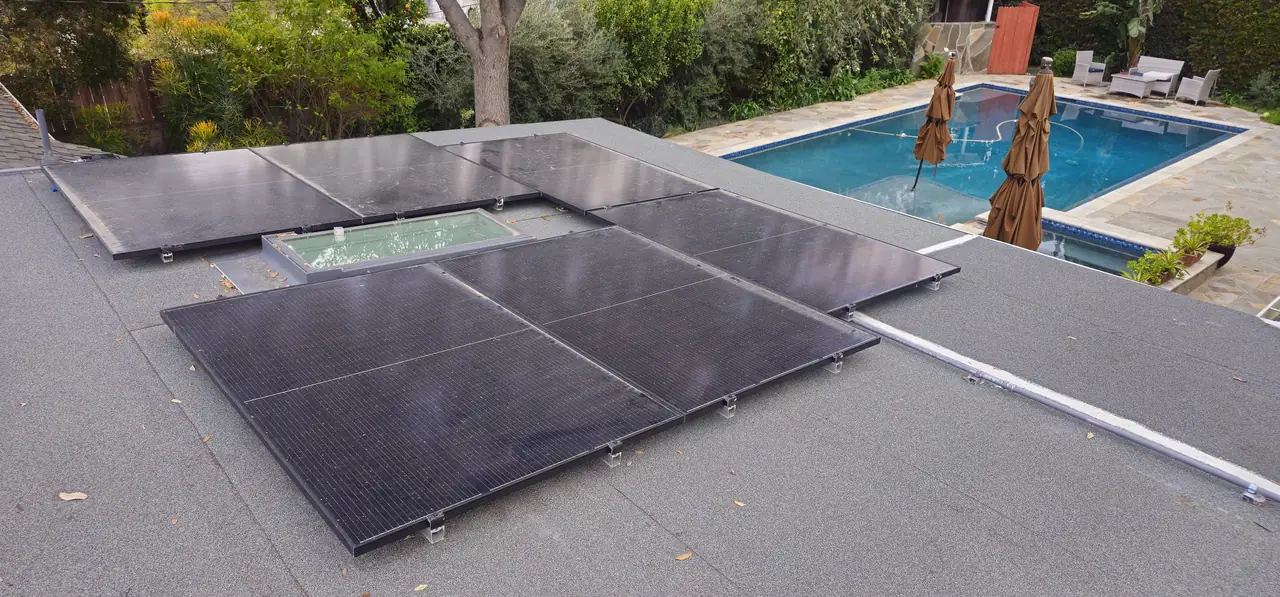
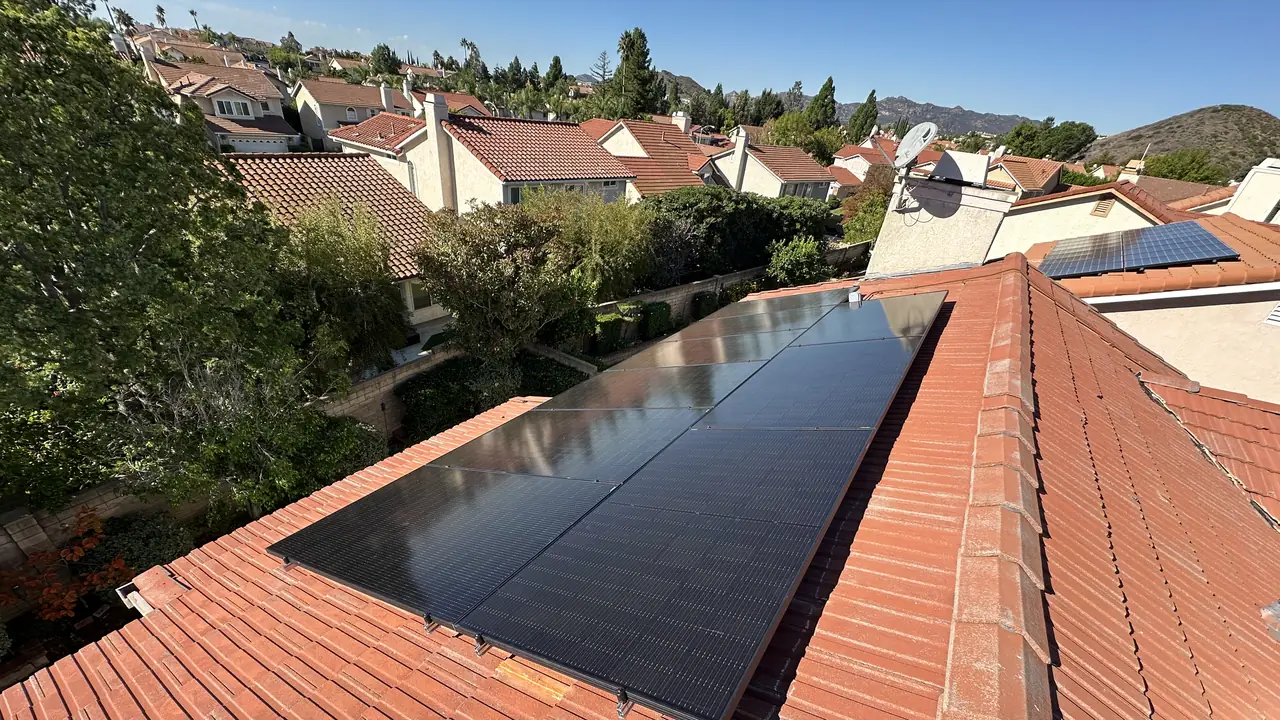
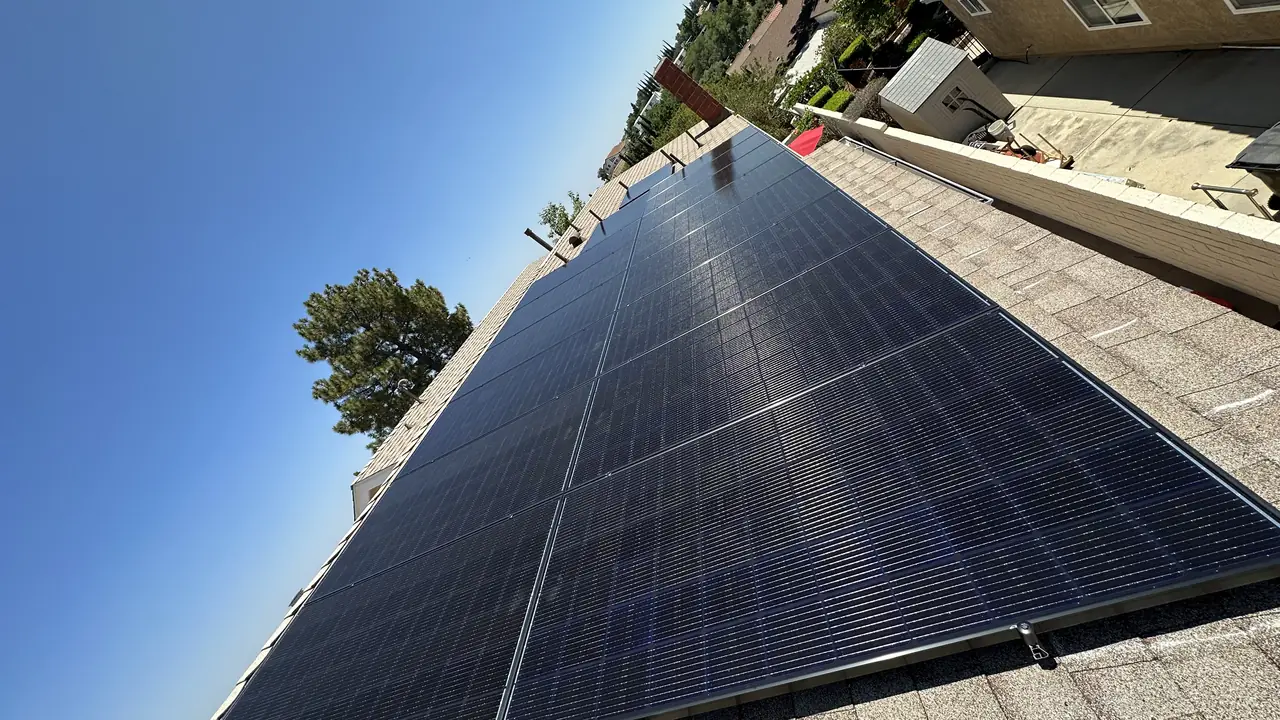
Arrays outlive the companies that install them and the households that order them. On this Porter Ranch system — installed by somebody else — the owners reported that it shut down after heavy rain, which points at moisture in an enclosure or a connector rather than at a failed component. Cali Energy took the service call, and along the way established the other thing owners discover late: manufacturer warranty coverage does not automatically follow a house to its next owner.
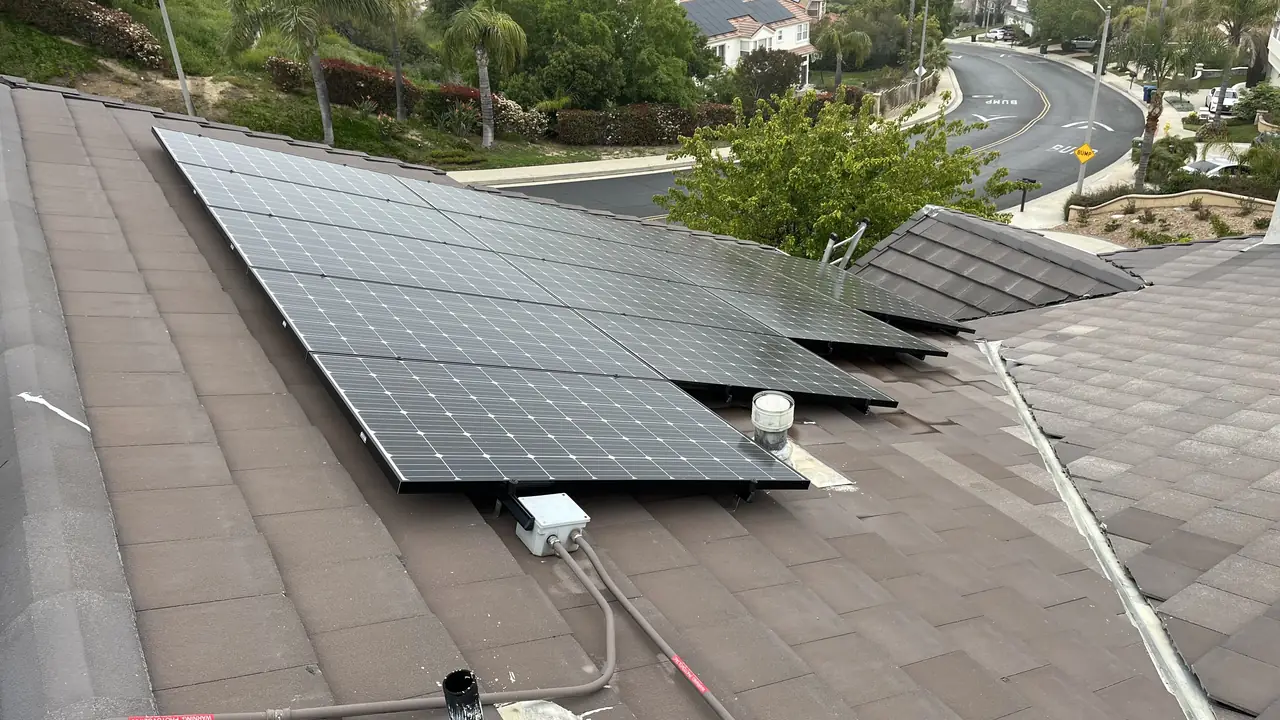
At a glance
- Array
- Existing; came with the house
- Symptom
- System shuts down after heavy rain
- Where it points
- Moisture in an enclosure or connector
- Warranty
- Does not transfer automatically with the house
- Service
- Diagnostic visit at a set rate
- Utility / AHJ
- LADWP / LADBS
The story
Two separate things make this project worth writing down, and neither is about installing anything.
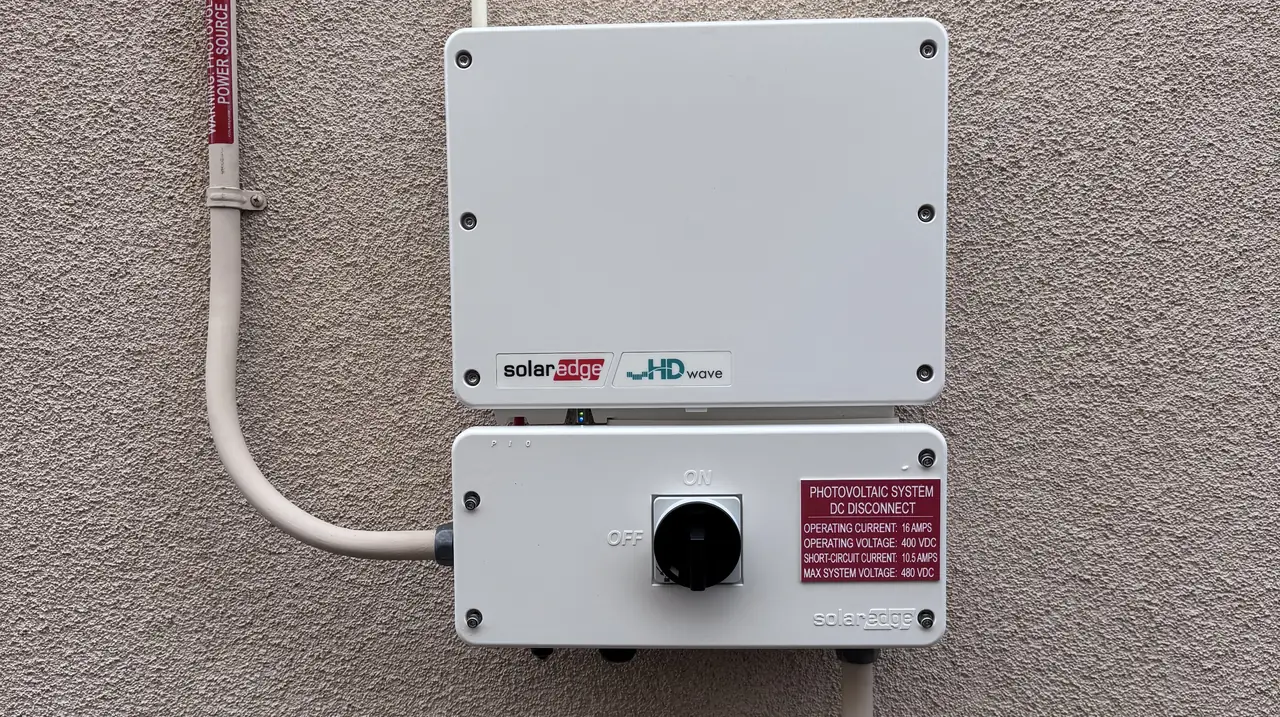
The first is the fault. The household reported that the system shut down after heavy rain and came back later on its own. A fault that follows the weather is different from a fault that is simply there: components do not usually fail only when wet. What tracks rain is moisture reaching something it should not — a connector that was not seated properly, an enclosure whose gasket has hardened, a conduit entry that takes water instead of shedding it. The array is doing what it should; something around it is letting water in.
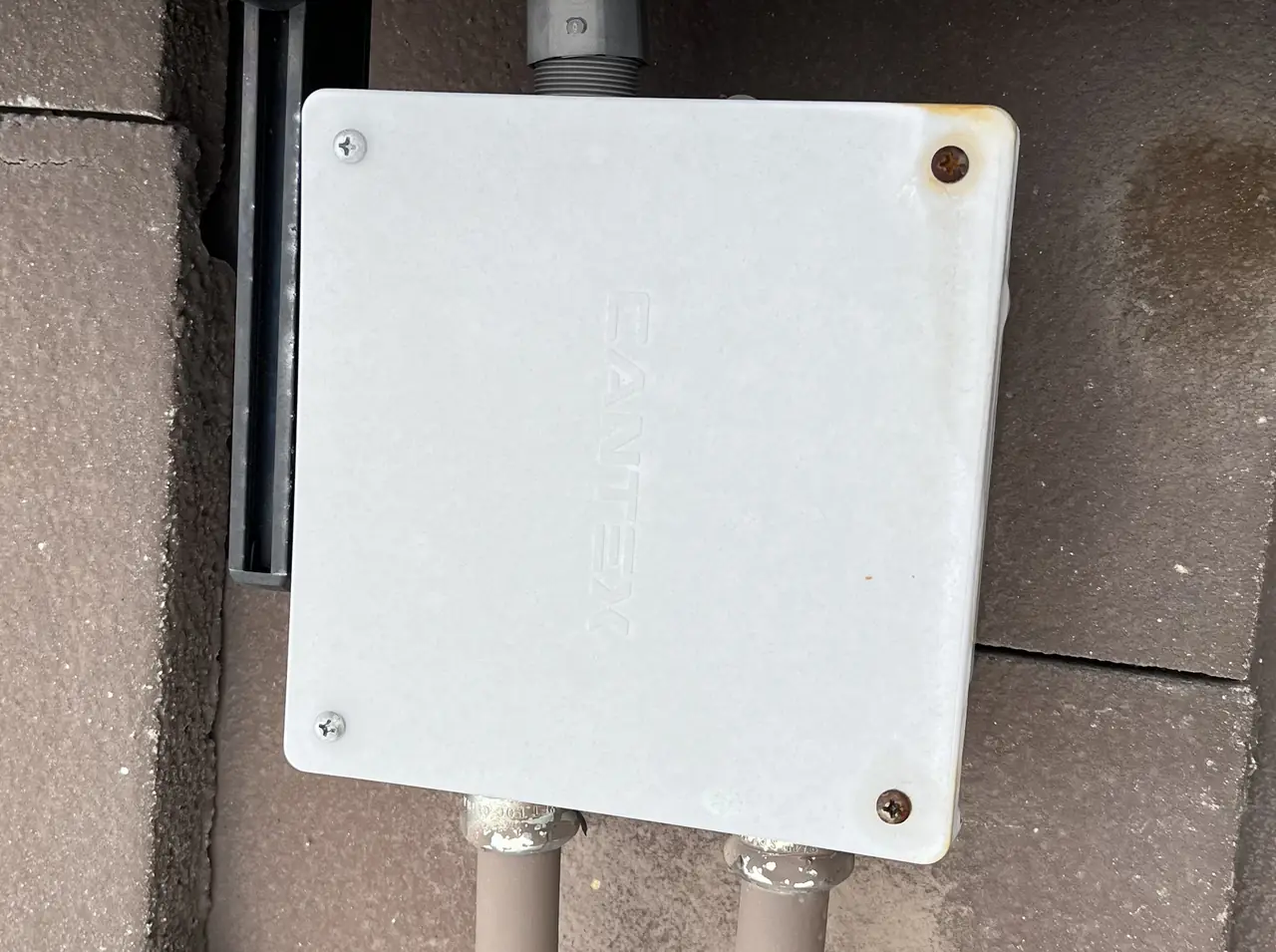
Which is why a rain-linked symptom is a diagnostic visit rather than a parts order. Someone has to be on the roof and at the equipment, opening what can be opened and looking for the path the water takes.
The second thing is the warranty, and this one catches people at the worst possible moment.
Manufacturer warranties on solar equipment are written against the system and the original purchaser. When a house changes hands, the coverage does not necessarily follow it: some manufacturers transfer it on request, some require registration within a window, and some conditions simply end. The new owners of a house with an array on it often assume they inherited the paperwork along with the panels, and find out otherwise when something stops working.
What to do about it, in order. Ask the seller for the original documents — the permit, the plan set, the interconnection agreement, the equipment list with serial numbers. Register the system in your own name with the manufacturer if their program allows it. And find out who installed it, because the workmanship warranty, where one exists, belongs to a company rather than to a manufacturer and has its own rules about transfer.
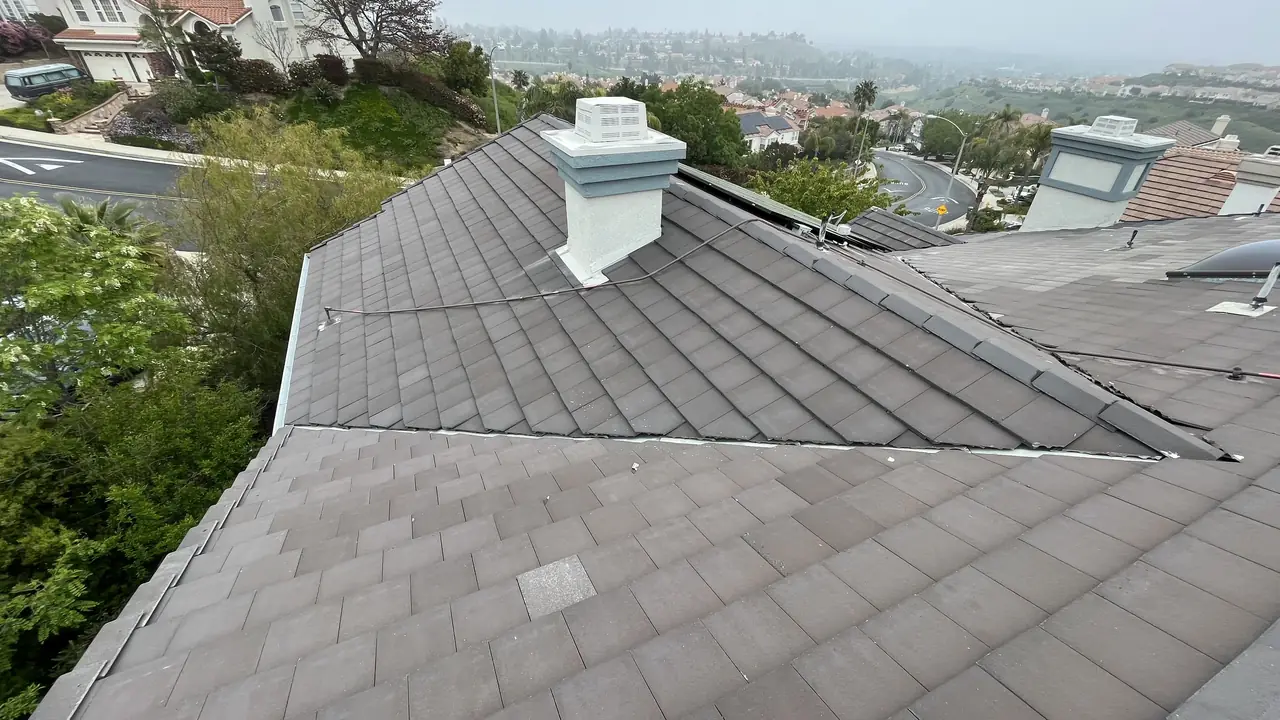
Where the installing company no longer exists — which is common in this industry — the practical answer is a service relationship with somebody who will take the array on. That is what this project was: a system we did not install, on a roof we had not worked, with a symptom that needed somebody to look at it properly.
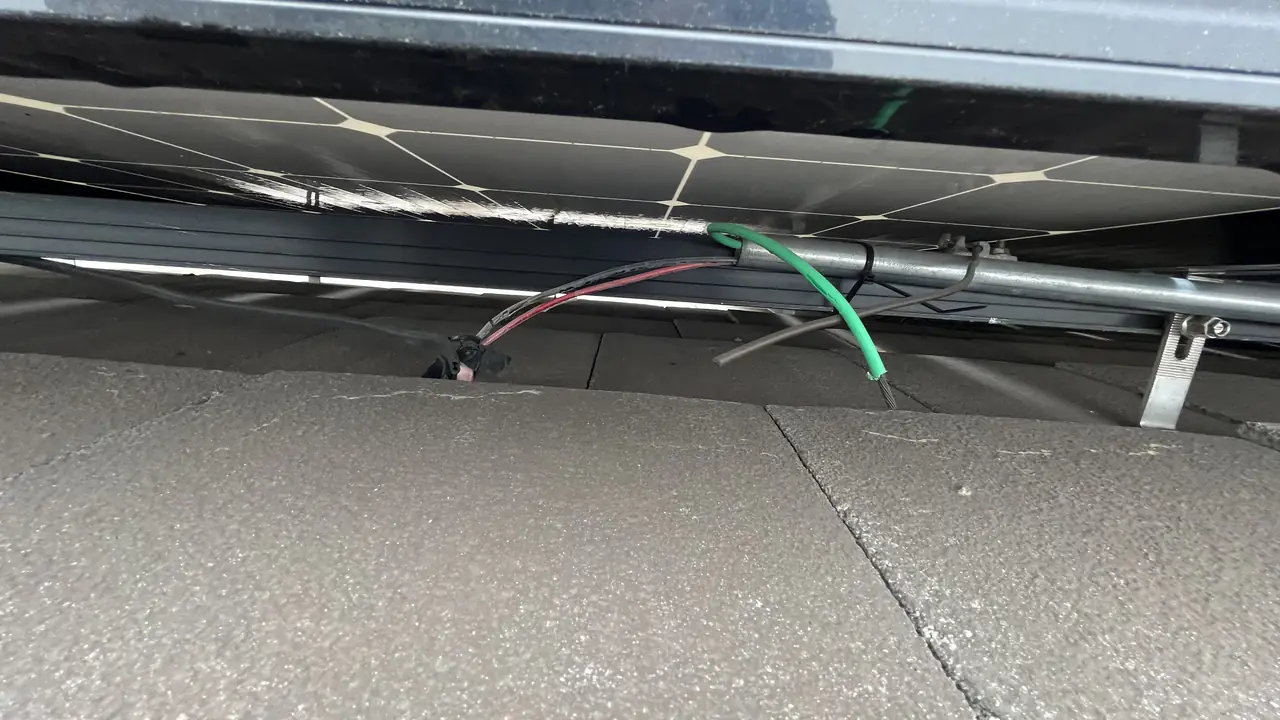
The visit went ahead in the middle of April. The work on a call like this is unglamorous and it is the whole job: every junction box under the array opened and inspected, every connector along the rails checked for seating and for water, and the state of each one photographed — so that the next person, us or anyone else, starts from a record rather than from scratch.
The household ended up with two things it did not have that morning: a photographed record of every junction box and connector under its array, and a phone number that answers when something on that roof needs looking at.
Cali Energy took the service call on this Porter Ranch array and established what the warranty position actually was.
How it ran
| July 2020 | First contact about an existing array and its monitoring |
|---|---|
| October 2020 | Manufacturer confirms the warranty position on a system whose ownership has changed |
| 23 March 2023 | Owners report the system shutting down after heavy rain |
| 6 April 2023 | Service visit scheduled around committed work |
| 13 April 2023 | Diagnostic visit agreed with the household at a set rate |
| 17 April 2023 | Visit carried out: every junction box and connector under the array opened, checked and photographed |
Three years between the first question about this array and the service call it eventually needed.
What we did
- Took on a system we did not install rather than turning the household away.
- Read the symptom as water ingress rather than ordering parts.
- Established the warranty position with the manufacturer in writing.
- Quoted the diagnostic visit at a set rate before attending.
System specifications
| Array | Existing; not installed by us |
|---|---|
| Reported symptom | Shutdown after heavy rain |
| Diagnosis route | Site visit to trace water ingress |
| Warranty | Manufacturer coverage does not transfer automatically |
| Utility / AHJ | LADWP / LADBS |
Is your project like this one?
- Your solar system came with the house.
- Your array behaves differently in wet weather.
- The company that installed your system no longer answers.
- You are buying a house that already has solar on it.
Cali Energy in Porter Ranch
Porter Ranch is inside City of Los Angeles boundaries: permits run through LADBS and interconnection through LADWP. Enough arrays have been installed here over twenty years that some of them now change hands with the house.
This installation is on the Porter Ranch projects page alongside the others, and what the work covers is set out on the Porter Ranch service area page.
- License and classifications: CSLB #1032379
- Official reference for this process: CSLB — Solar Smart
- Official reference for this process: NFPA — National Electrical Code (NFPA 70)
Frequently asked questions
My solar system shuts down when it rains. What does that mean?
Usually water reaching something it should not: a connector that was not fully seated, a hardened gasket on an enclosure, or a conduit entry taking water. Components rarely fail only in wet weather, so a rain-linked symptom points at the path the water takes rather than at the part itself.
Does a solar warranty transfer when I buy a house?
Not automatically. Some manufacturers transfer coverage on request, some require registration within a set period, and some conditions end with the original purchaser. It is worth checking at purchase rather than at failure.
What documents should I get when buying a house with solar?
The permit, the approved plan set, the interconnection agreement, the permission-to-operate notice and the equipment list with serial numbers. Those let anyone pick the system up years later.
Will a solar company service a system it did not install?
Many will, at a service rate, and it is the practical answer when the original installer is gone. What matters is that somebody takes responsibility for the array as it is, rather than quoting a replacement for it.
Does Cali Energy service other companies' systems in Porter Ranch?
Yes. Diagnostics, warranty claims and repairs on existing arrays are ordinary work here, and they do not require a new permit unless the repair changes the installation itself. Porter Ranch projects permit through LADBS and interconnect through LADWP, and a service call needs neither of those doors opened.
What this would look like on your roof
Planning solar in Porter Ranch? Tell us your utility, your roof and what your bill looks like now, and we will model what a system like this would do on your house before you commit to anything.
Or call +1 (323) 844-7777 · Cali Energy, Northridge · CSLB #1032379 (B, C-10, C-39) — design, permits, install and electrical under one licensed contractor.
Related
This timeline reflects this property and this permitting path. Updated September 2026.