

Porter Ranch, CA · September – December 2025 · LADWP / LADBS
Porter Ranch: the roof allowed thirty-four, the panel allowed nine.
A big roof is not the constraint people think it is. The constraint was two empty spaces in a service panel.
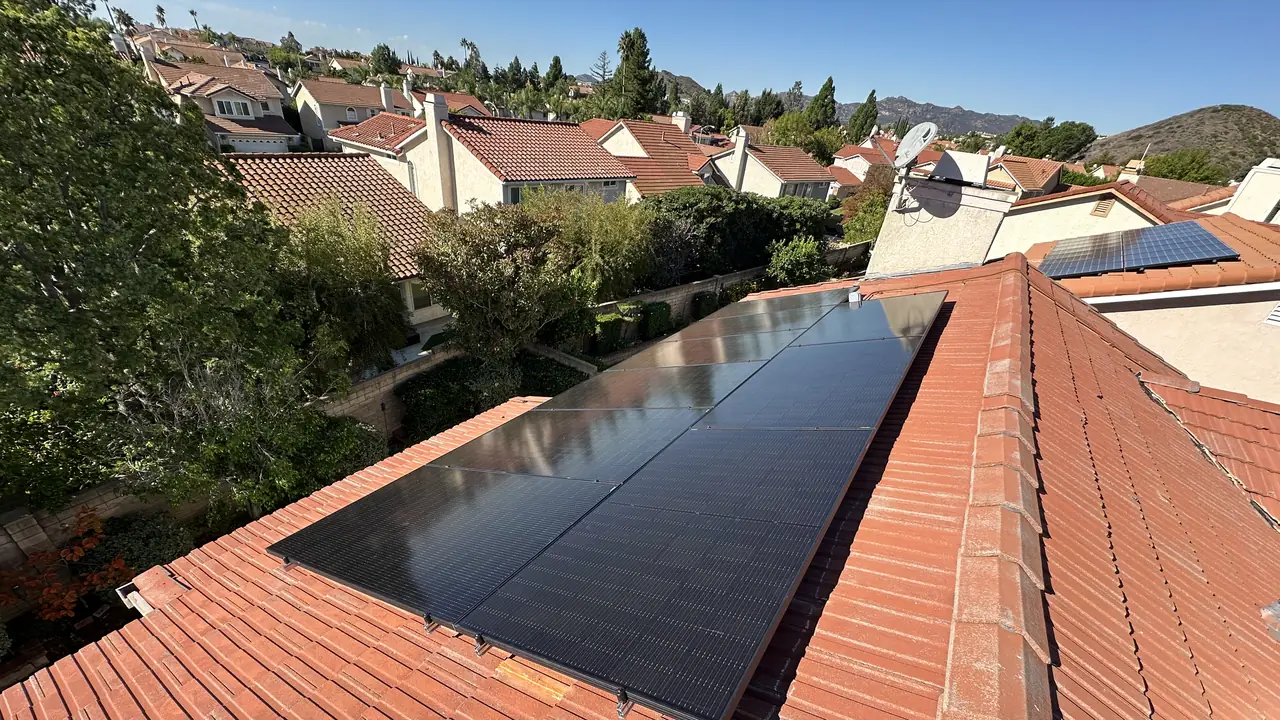
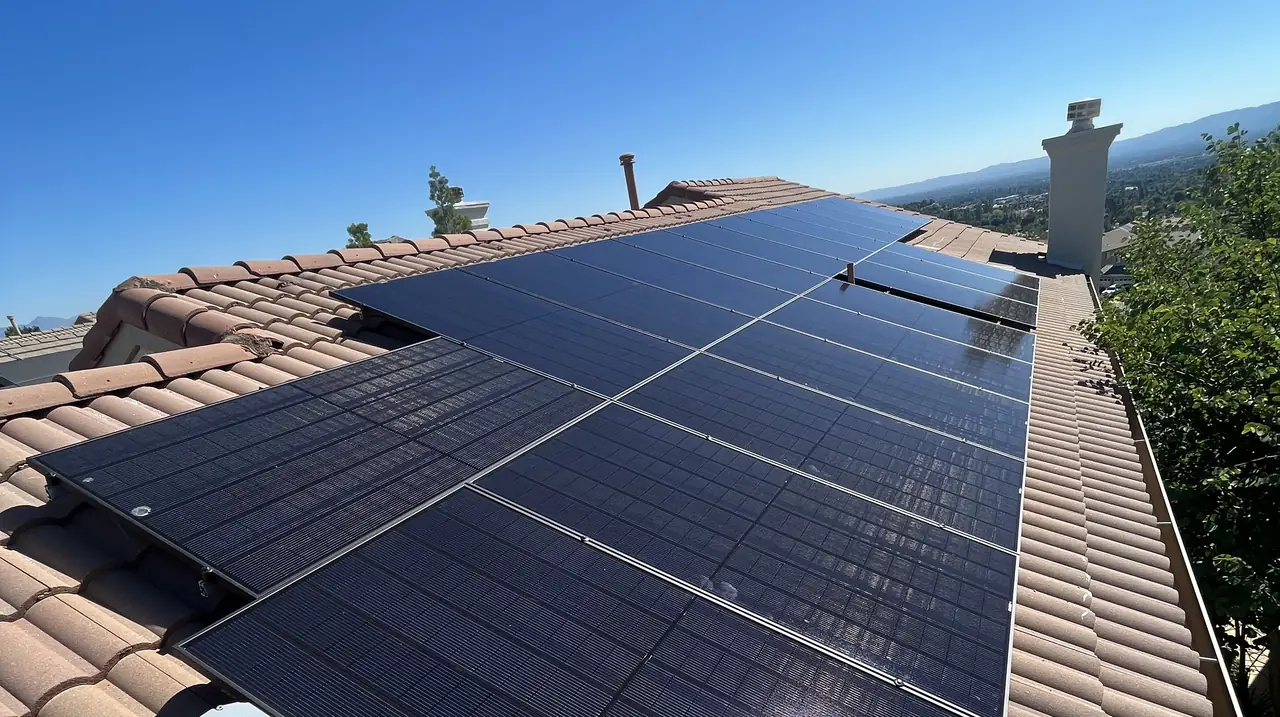
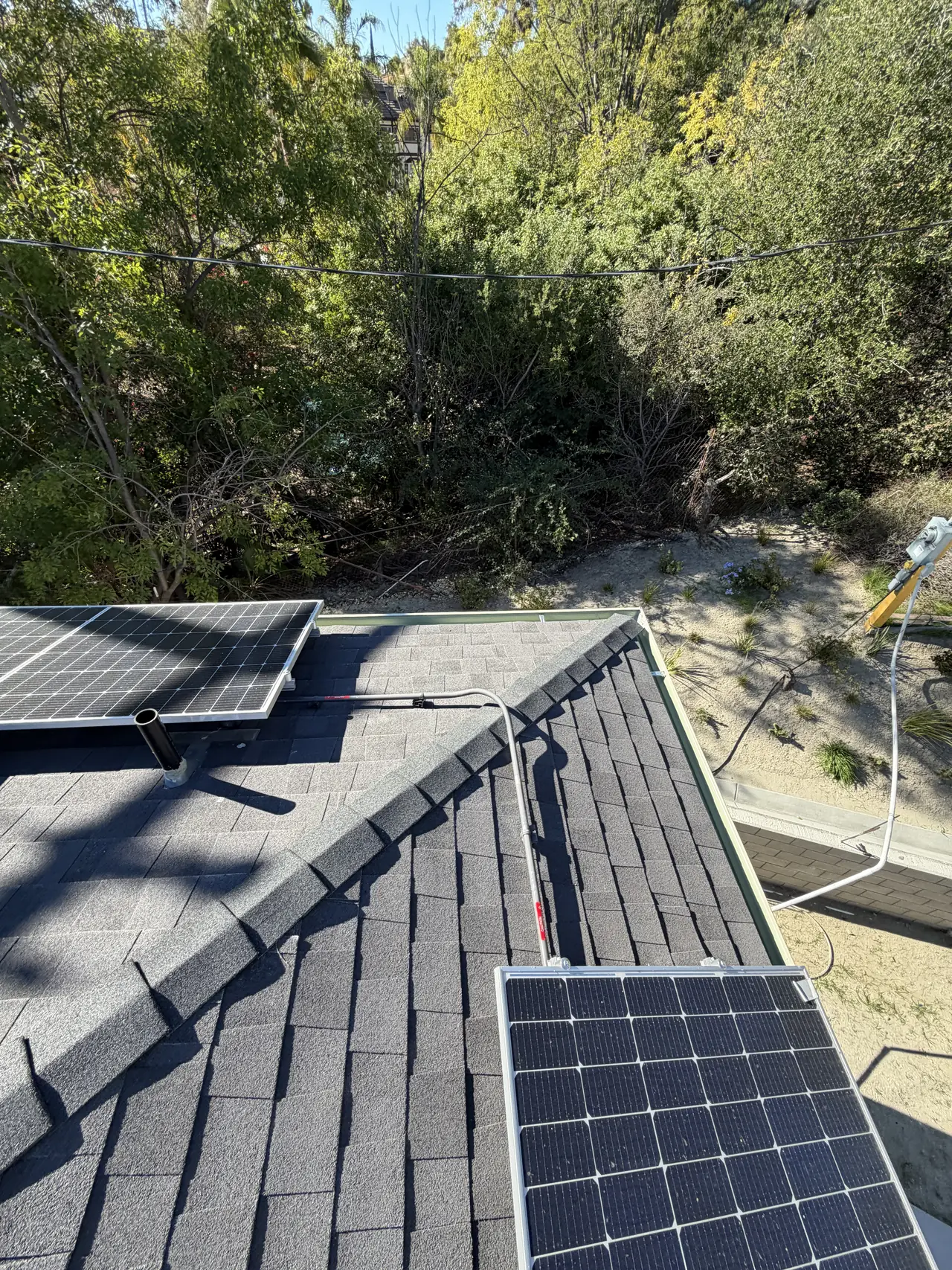
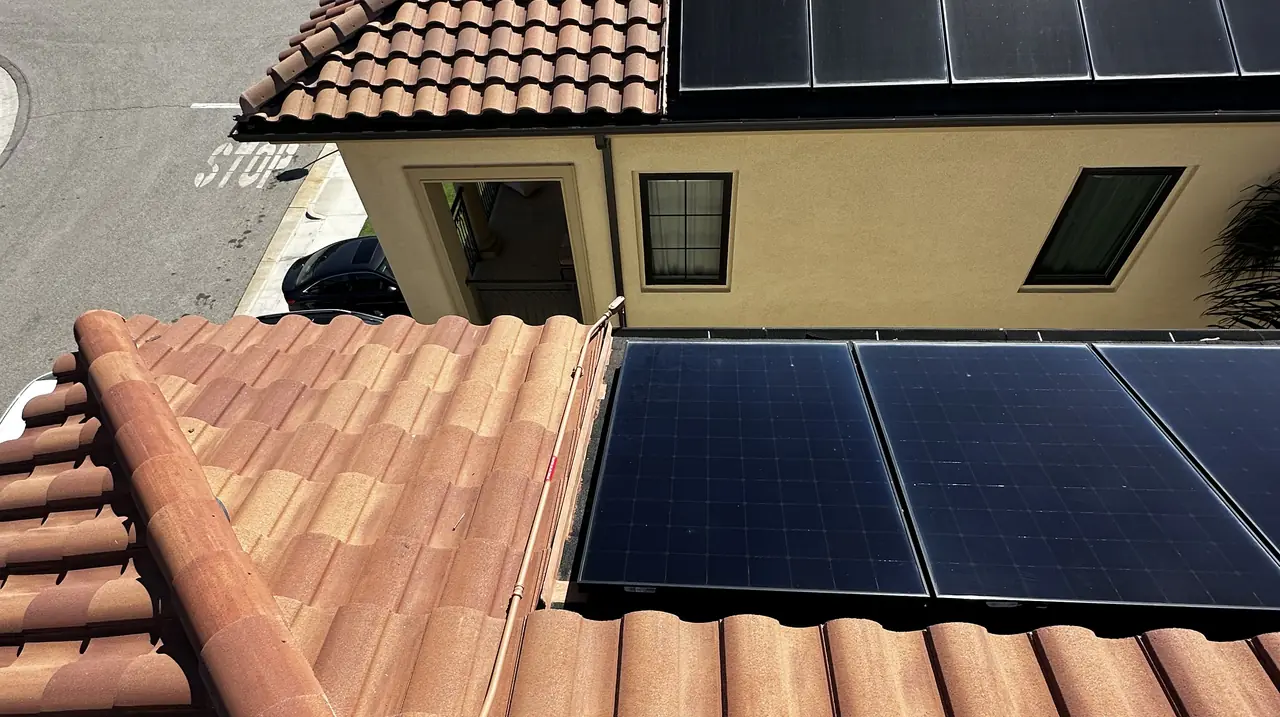
The size of a rooftop array is limited by whichever runs out first: roof area or electrical capacity. On this Porter Ranch house thirty-four modules fit the roof, but the main service panel was full and heavily loaded, which left two options — upgrade the panel, or free up space in it. The household chose to remove an unused breaker instead of replacing the panel, and the system was built at nine modules. Cali Energy filed the interconnection in October and the installation received its release from LADBS the same month.
At a glance
- Roof capacity
- 34 modules
- What was built
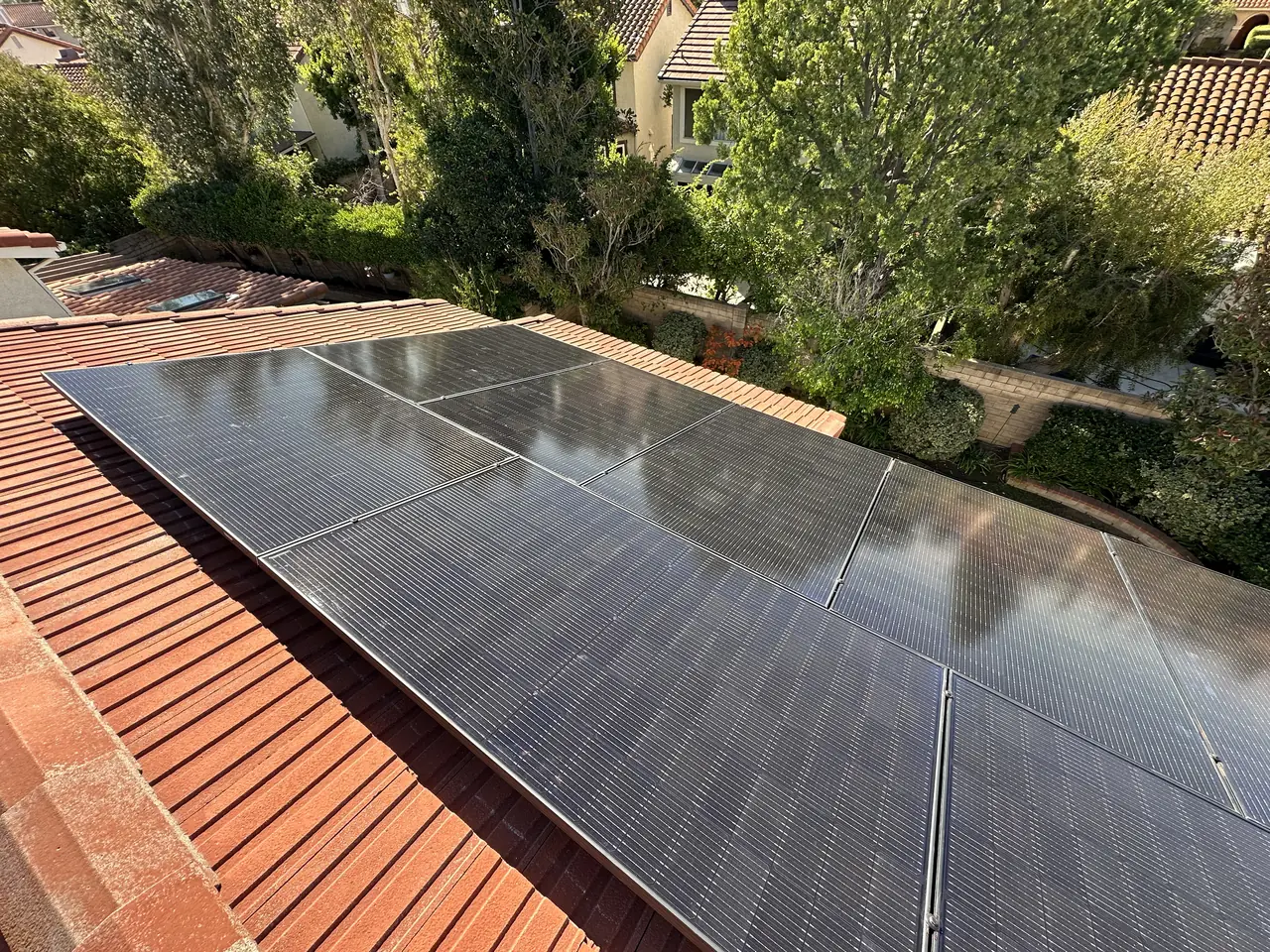
- 9 × Aptos 460 W
- Limiting factor
- A full main service panel
- Options weighed
- 225 A panel upgrade or free a breaker space
- Interconnection size
- 3.7 kW AC-CEC
- Utility / AHJ
- LADWP / LADBS
The story
This is the shortest version of a question that comes up on half the houses in this neighborhood: how many panels fit?
On this roof, thirty-four. On this electrical panel, nine.
The roof was not the problem. It was large, it was the right orientation, and a layout of thirty-four modules of four hundred and sixty watts each sat on it comfortably. The main service panel was another matter: full, with a lot of load already on it and no free space for the solar breaker.
Two ways out of that, and they cost very different things.
The first is a service upgrade. A larger panel — here it would have been 225 A — gives room for the array and for whatever the household adds later, a car charger or a heat pump. It is also a day of work, a separate line on the permit, a wall to make good afterwards where the old enclosure sat, and a price that on this project was several thousand dollars before any solar was installed.
The second is to find space inside the panel that is already there. Sometimes a breaker is feeding something that no longer exists, or a household is willing to give up a circuit — an old oven feed, a spare, a dead run. Remove it and the solar breaker has somewhere to land.
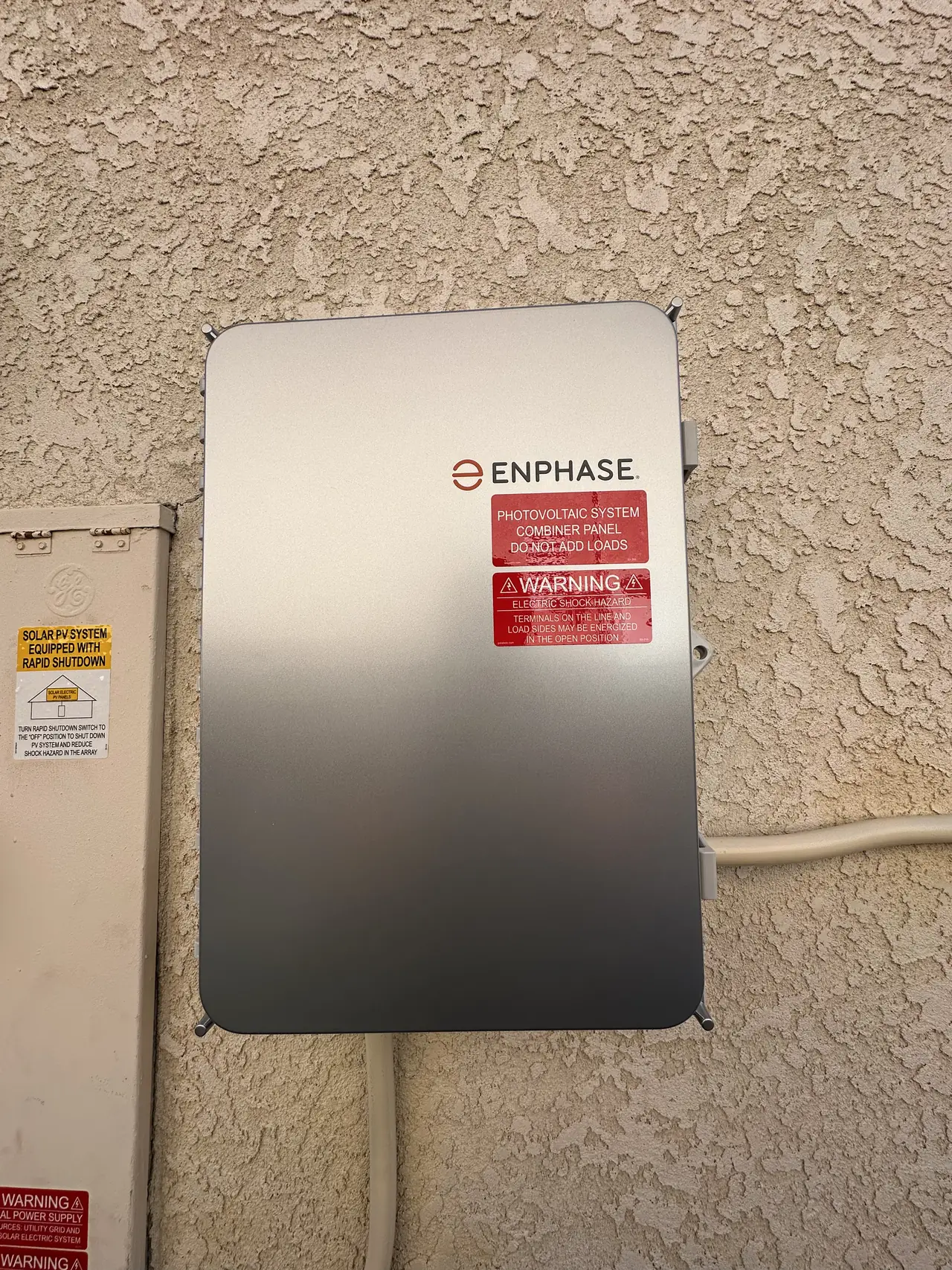
Here the second route was chosen, and the arithmetic is worth seeing plainly. Freeing one space left room for a solar breaker sized for nine modules rather than thirty-four. The household traded system size for not spending on a panel upgrade, knowing exactly what it was trading.
That is the part worth taking away. Neither answer is wrong. What is wrong is finding out about the choice after signing, because a quote was written against roof area and the panel was never opened.
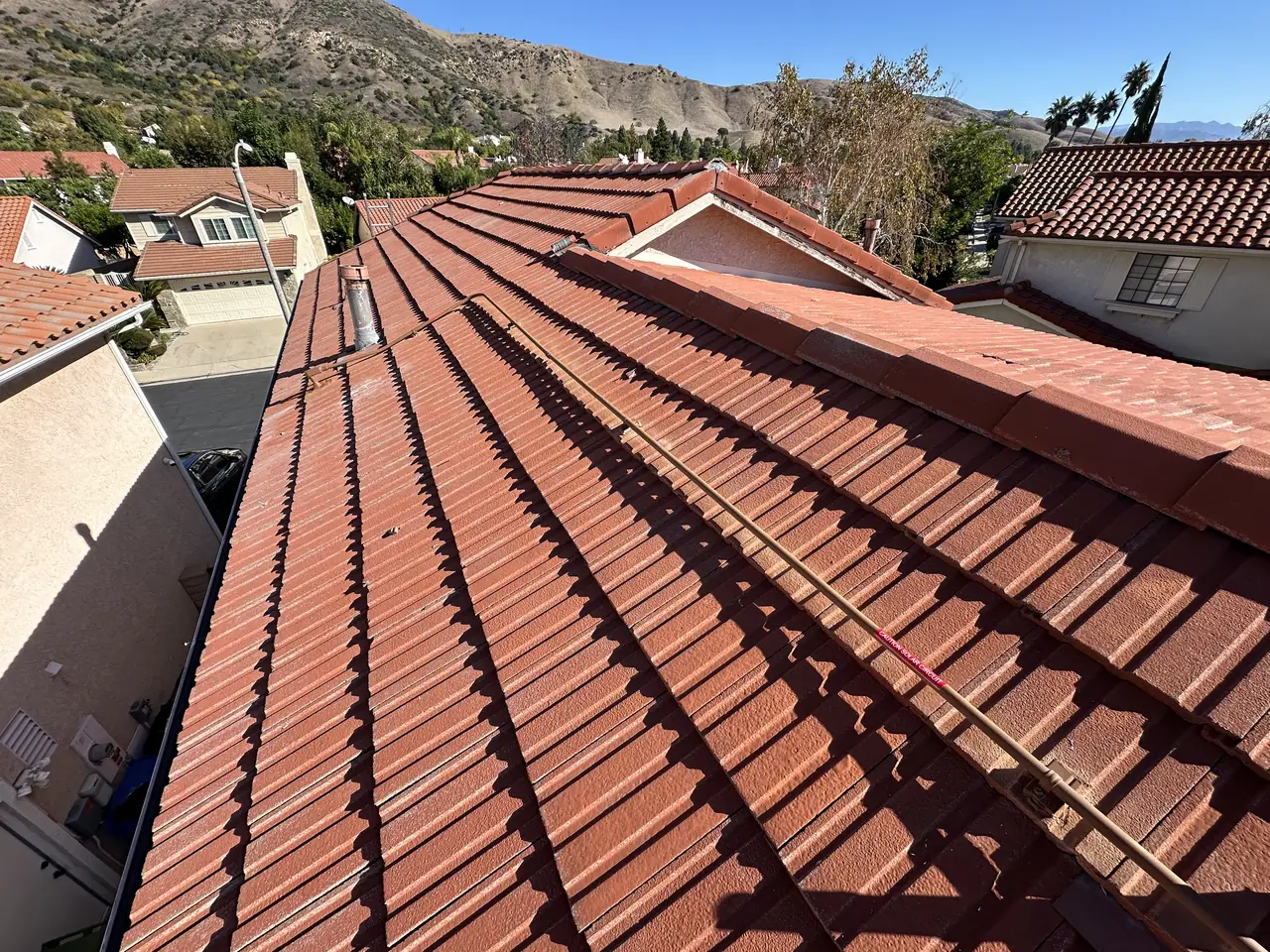
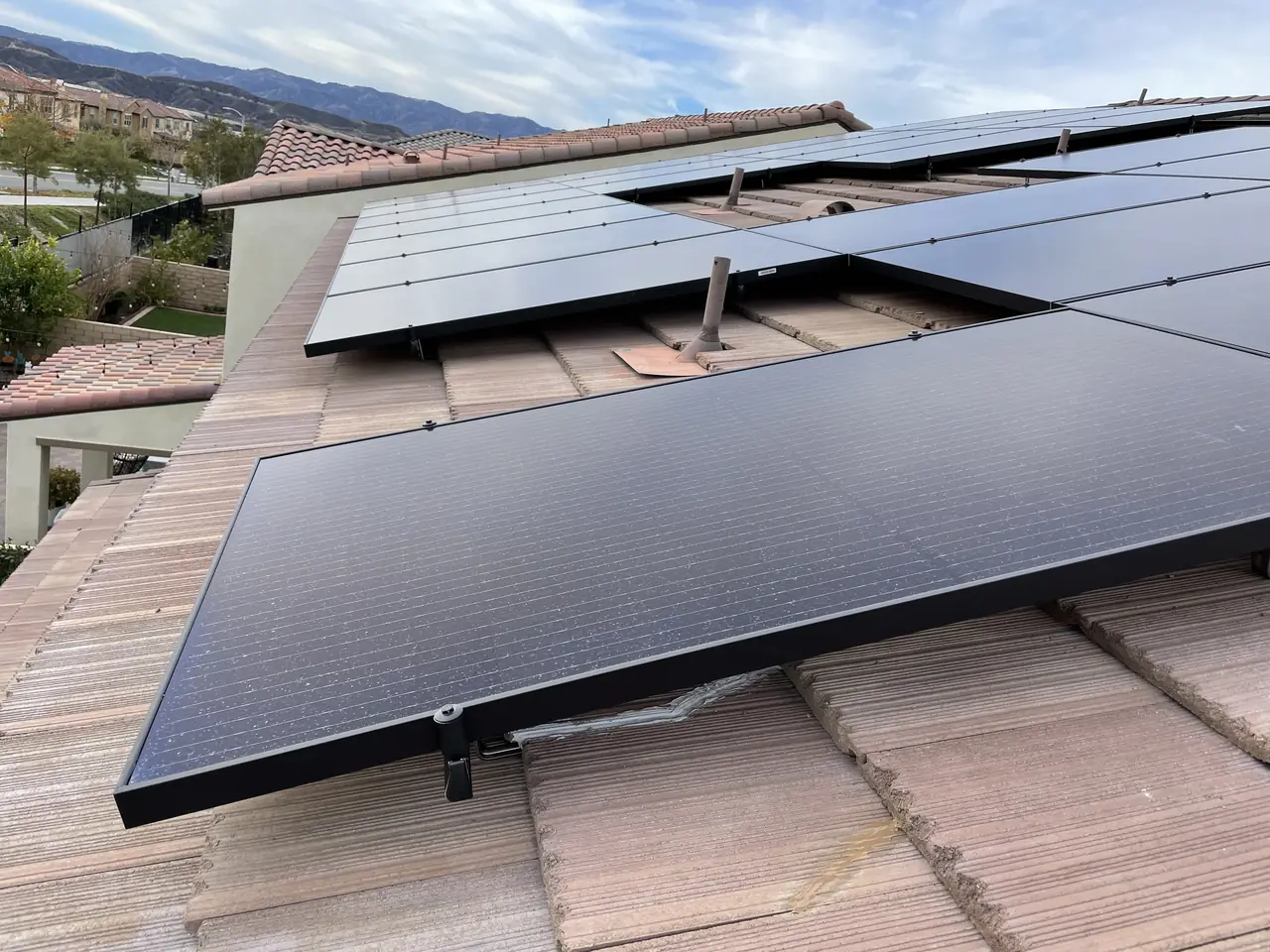
One more detail from the site visit: the roof covering was an unfamiliar tile profile, and that was flagged before the design went out rather than discovered on installation day. Tile type decides the mounting hardware and the flashing, and it is cheaper to answer that question from the ground.
The interconnection request went in at the start of October. The installation received a valid final release from LADBS on the twenty-eighth, the utility completed its interconnection review the same day, and the meter was authorized in early December.
The meter was authorized before the year was out. Nine modules, a service panel the household did not have to replace, and a trade it made with the arithmetic in front of it — which is the difference between a compromise and a decision.
Cali Energy designed, permitted and installed this array in Porter Ranch.
How it ran
| 15 September 2025 | First contact; panel and roof to be checked |
|---|---|
| 18 September 2025 | Site inspection — unfamiliar tile profile, main panel full |
| 19 September 2025 | Roof layout: 34 modules fit |
| 22 September 2025 | Two routes priced: 225 A upgrade, or free one breaker space |
| 23 September 2025 | Household chooses to free a space; system set at 9 modules |
| 29 September 2025 | Design released — 9 × Aptos 460 W with Enphase IQ8A microinverters |
| 3 October 2025 | Interconnection request filed — 3.7 kW AC-CEC |
| 20–21 October 2025 | Installation |
| 28 October 2025 | Final release from LADBS; utility review completed |
| 2 December 2025 | Meter authorized |
Eight days from the first look to a decision, and the decision was made in the panel rather than on the roof.
What we did
- Opened the panel before quoting the array, not after.
- Priced both routes — upgrade and freeing a space — and let the household choose.
- Identified the tile profile from the site visit rather than on installation day.
- Built to what the service could carry instead of to what the roof could hold.
System specifications
| Array | 9 × Aptos 460 W with Enphase IQ8A microinverters |
|---|---|
| Roof | Tile, profile confirmed before design |
| Service panel | Existing, one breaker space freed |
| Alternative considered | Upgrade to 225 A |
| Interconnection | 3.7 kW AC-CEC |
| Utility / AHJ | LADWP / LADBS |
Is your project like this one?
- You have a big roof and a small electrical panel.
- Your quote is written against roof area and never mentions the panel.
- You are deciding whether a service upgrade is worth it.
- Your roof tile is an unusual profile.
Cali Energy in Porter Ranch
Porter Ranch is inside City of Los Angeles boundaries: permits run through LADBS and interconnection through LADWP. The hillside tracts here have large roofs and electrical panels that were sized for the house, not for an array.
This installation is on the Porter Ranch projects page alongside the others, and what the work covers is set out on the Porter Ranch service area page.
- License and classifications: CSLB #1032379
- Official reference for this process: NFPA — National Electrical Code (NFPA 70)
- Official reference for this process: LADBS — plan review and permitting
Frequently asked questions
What limits the size of a rooftop solar system?
Whichever runs out first: usable roof area or electrical capacity. On large hillside houses the roof is rarely the binding constraint — the service panel is, because it has a fixed number of spaces and a busbar rating that the solar backfeed has to fit inside.
Can I add solar if my electrical panel is full?
Often yes, by freeing a space rather than replacing the panel. A breaker feeding something that no longer exists, or a circuit the household is willing to give up, can make room for the solar breaker. The trade is usually a smaller array.
When is a service panel upgrade worth it?
When the household expects to add load later — a car charger, a heat pump, an induction range — or when the array it wants cannot be fitted any other way. It costs a permit line, a day of work and stucco repair where the old enclosure sat.
Why does the roof tile profile matter before design?
Because it decides the mounting hardware and the flashing. An unfamiliar profile found on installation day is a stopped crew; the same profile identified at the site visit is a line on an order.
Does Cali Energy install solar in Porter Ranch?
Yes. Projects here are permitted through LADBS and interconnected through LADWP. On the hillside tracts we check the service panel at the first visit, because that is usually what decides the size of the system.
What this would look like on your roof
Planning solar in Porter Ranch? Tell us your utility, your roof and what your bill looks like now, and we will model what a system like this would do on your house before you commit to anything.
Or call +1 (323) 844-7777 · Cali Energy, Northridge · CSLB #1032379 (B, C-10, C-39) — design, permits, install and electrical under one licensed contractor.
Related
This timeline reflects this property and this permitting path. Updated September 2026.