

Northridge, CA · September – December 2023 · LADWP / LADBS
Twenty-four modules. Twenty-four devices to account for.
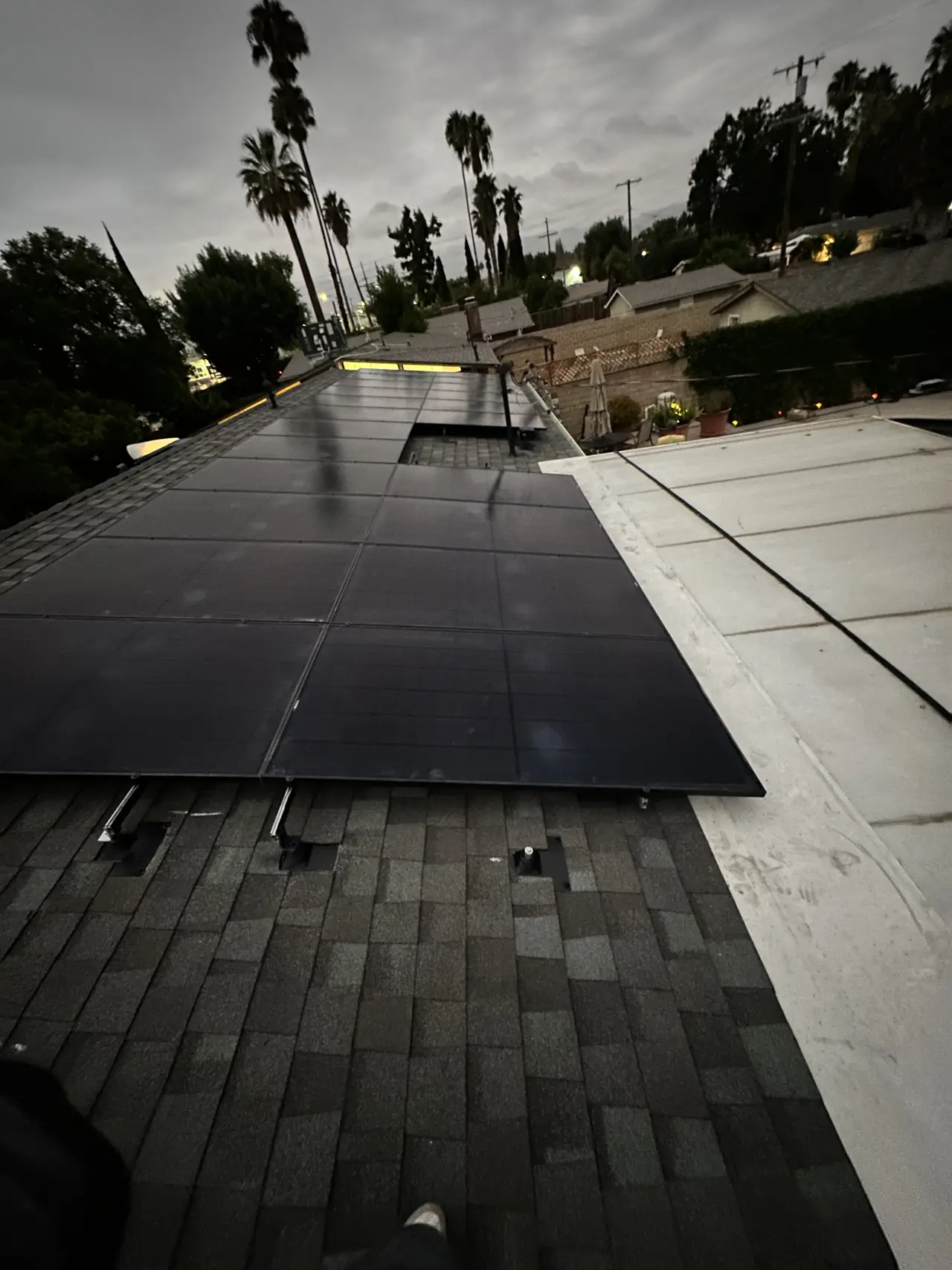
An 8.38 kilowatt array on composition shingle, with a microinverter under every module. Switching it on is not a switch. It is a list, and every device on the roof has to appear on it.
On a microinverter system, commissioning means each device is found, talks to the gateway, reports production and is set to the grid profile the utility requires. Twenty-four modules means twenty-four of each of those checks, and a system is not finished until the count matches.
At a glance
- System
- 8.38 kW AC-CEC
- Modules
- 24 × REC Alpha Pure, 400 W
- Inverters
- 24 microinverters, one per module
- Commissioning
- 24 of 24 on every check
- Grid profile
- Set on every device
- Roof
- Composition shingle
- Inspection
- Remote video
- Utility / AHJ
- LADWP / LADBS
The story
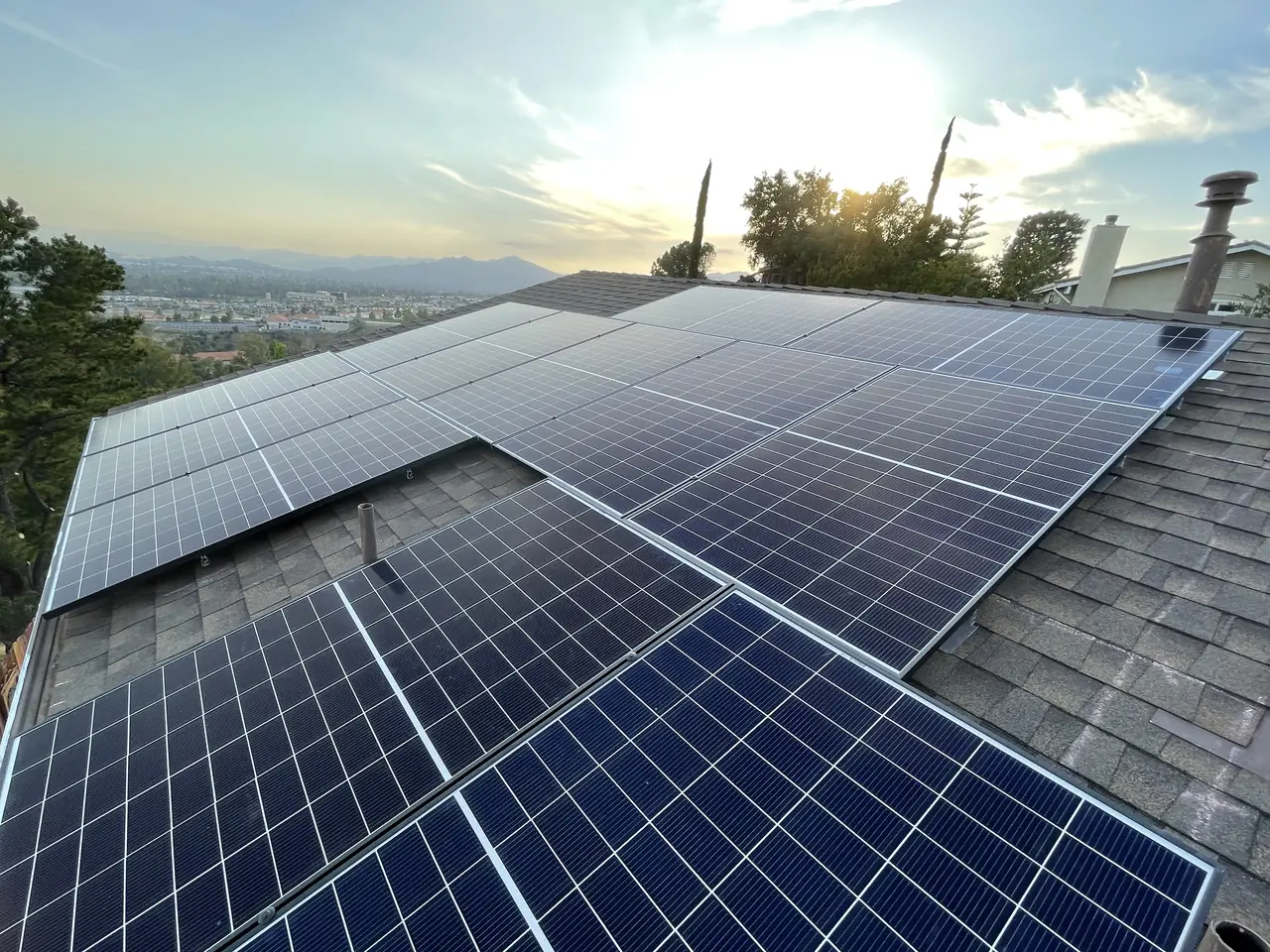
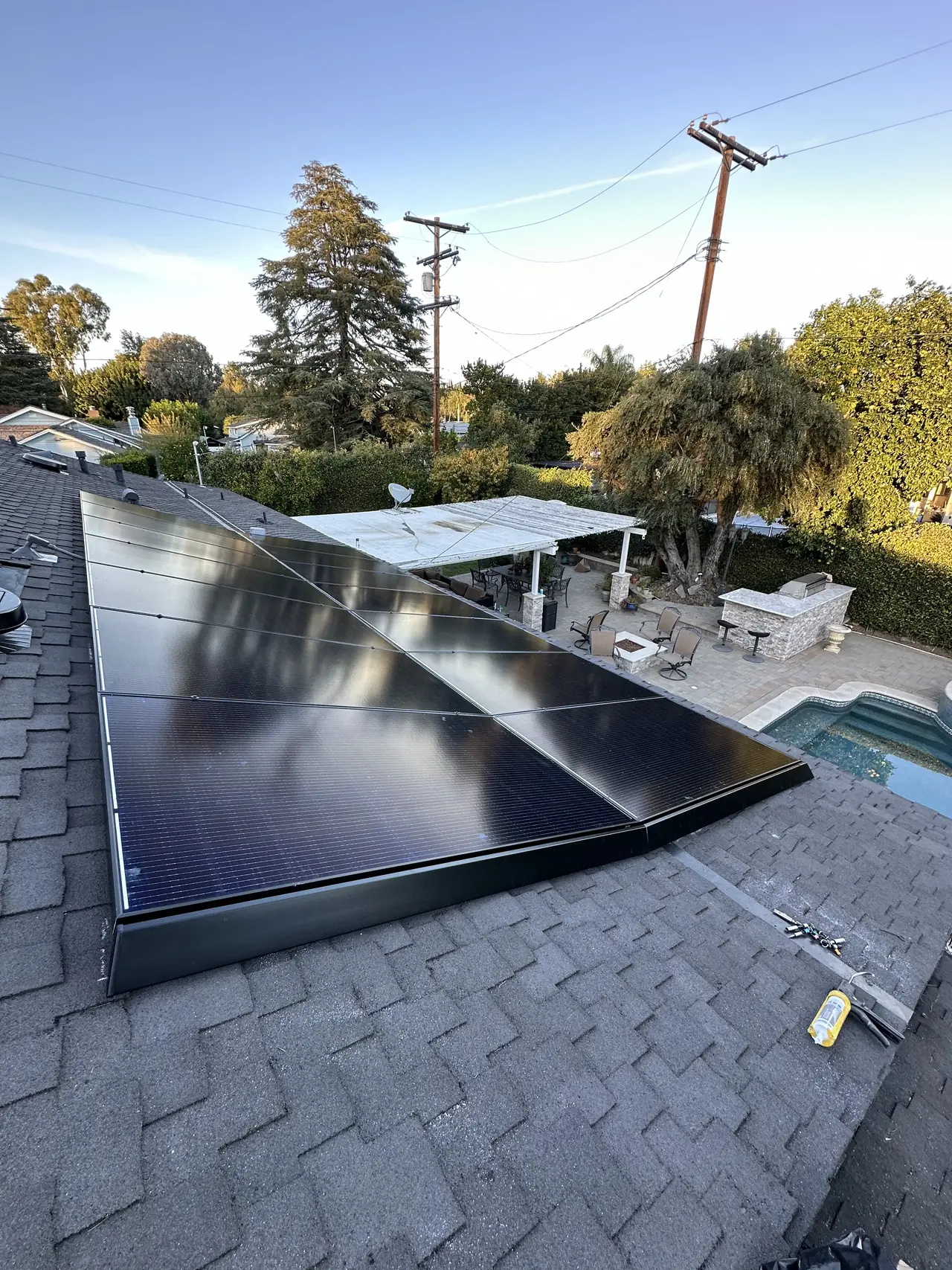
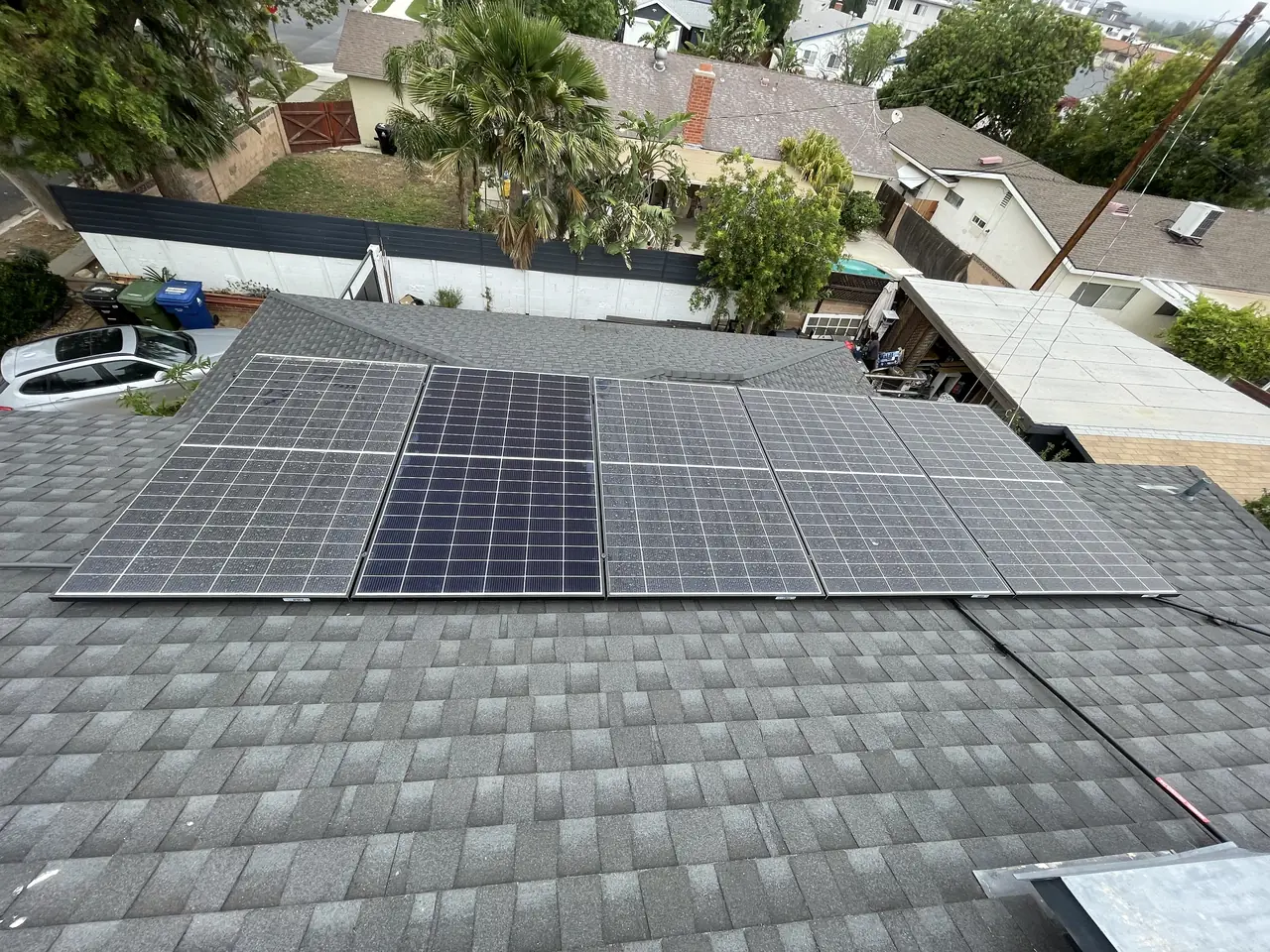
Twenty-four REC Alpha Pure modules at 400 watts each, laid in rows down a composition shingle roof, with a microinverter bolted to the rail under every one of them. Eight point three eight kilowatts AC-CEC at the utility.
The part worth writing down is what happens on the last day.
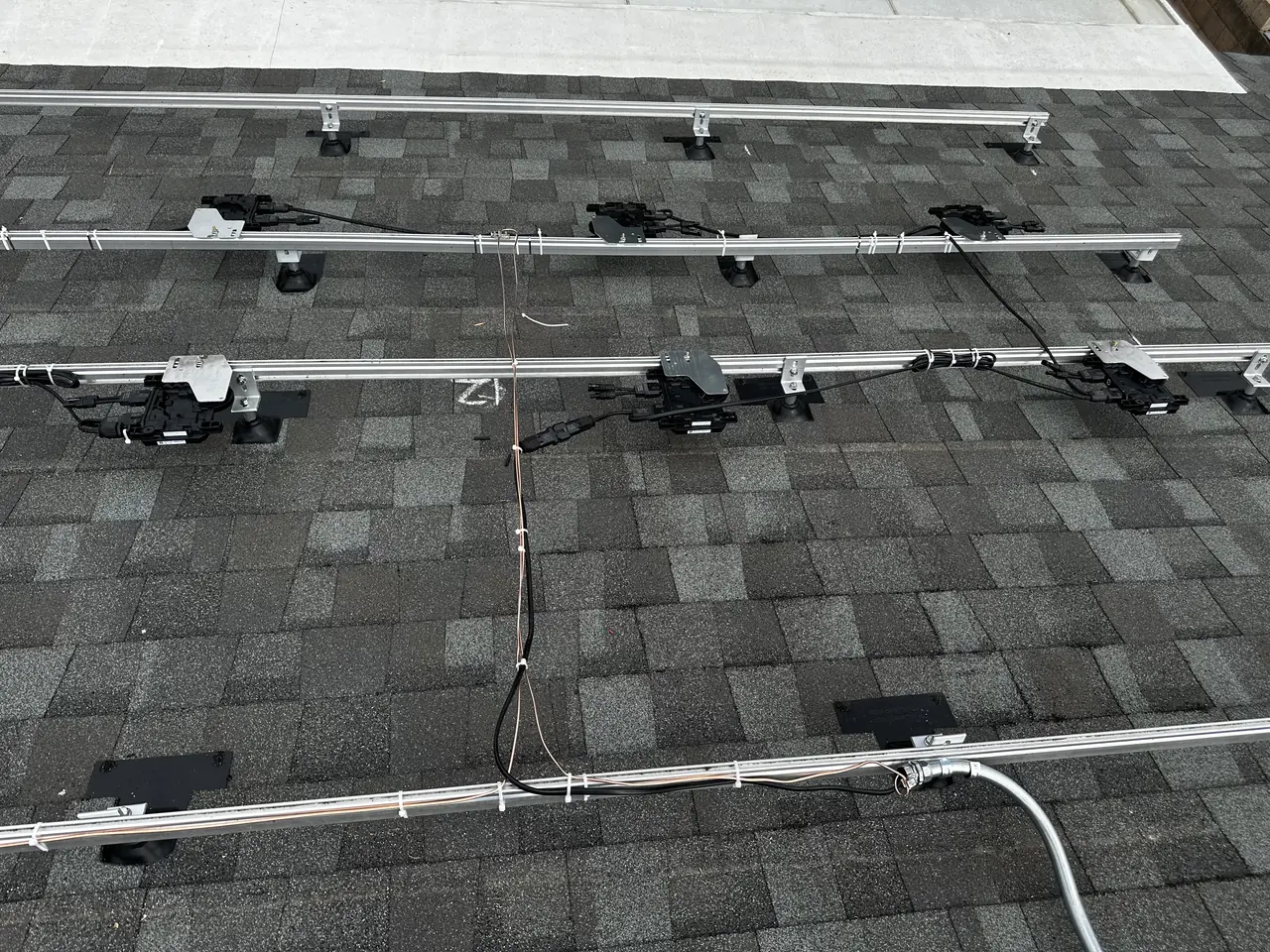
On a string system there is one inverter to configure. On a microinverter system there are as many devices as there are modules, each with its own serial number, and the commissioning is a reconciliation: every device has to be scanned into the system map, detected on the power line, communicating with the gateway, producing power, and set to the grid profile the utility requires — in California, the Rule 21 profile that tells the inverter how to behave when the grid moves.
Five checks, and each of them returns a count. Twenty-four scanned. Twenty-four detected. Twenty-four communicating. Twenty-four producing. Twenty-four with the profile set. If any of those numbers came back as twenty-three, the job would not be finished, and the useful thing about the count is that it makes that impossible to miss.
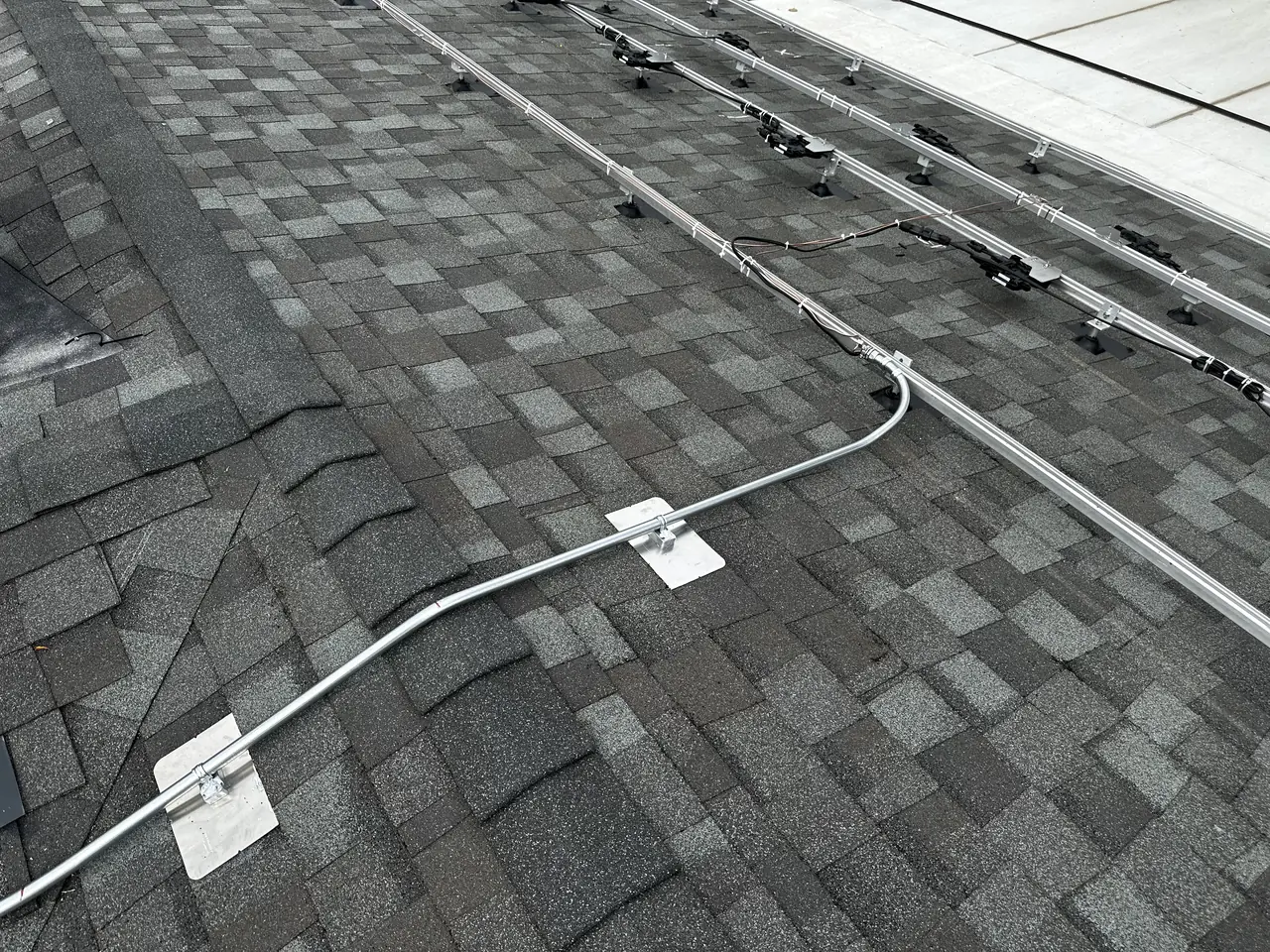
This is also the answer to a question people ask about microinverters: if there are two dozen electronic devices on the roof instead of one on the wall, is that not two dozen things to fail? The trade is real. What you get for it is that a failure is one module's problem rather than the whole array's, and that the monitoring tells you which one — by serial number, from the ground.
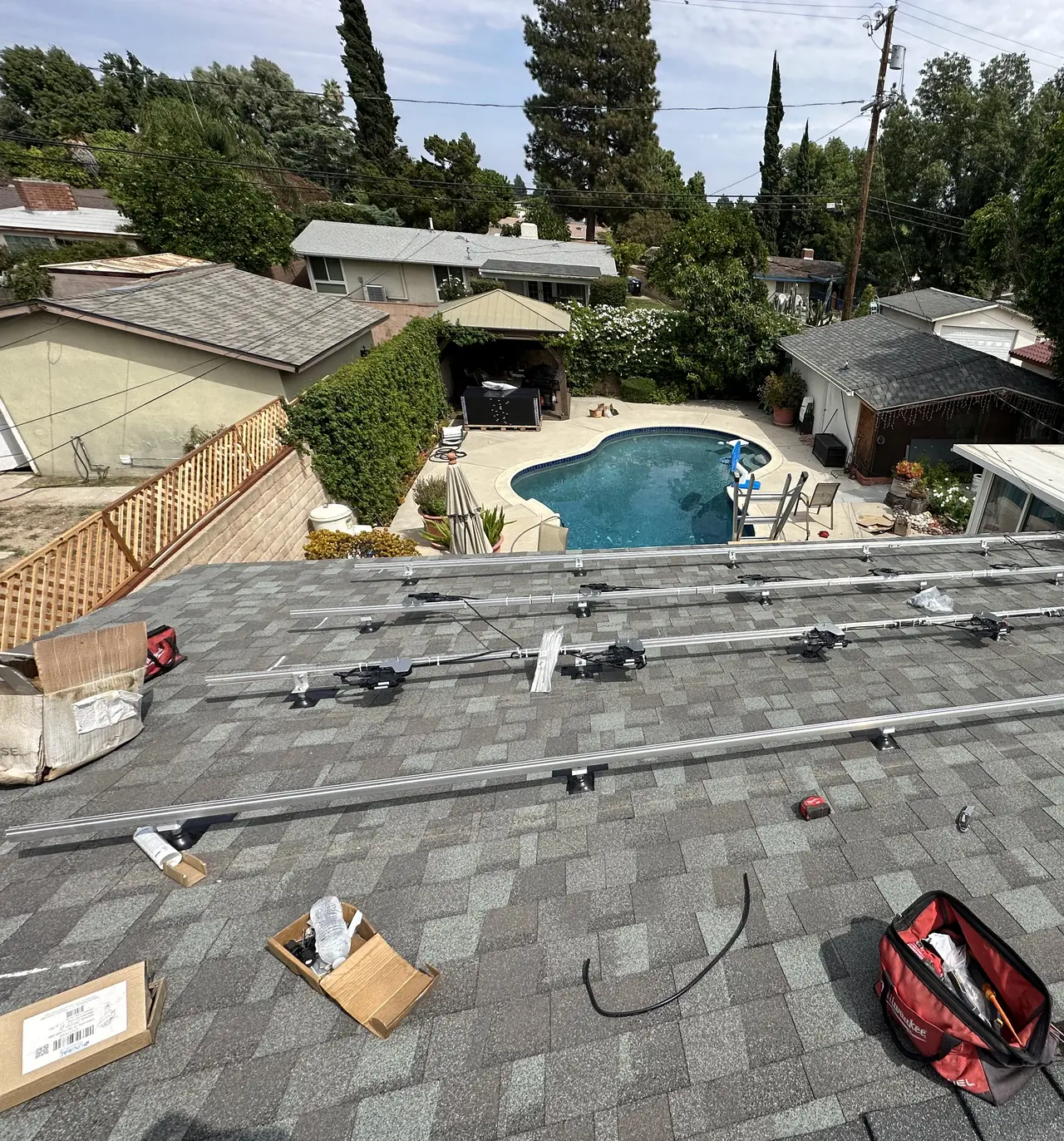
The interconnection application went in on the twenty-fifth of September 2023. The building department released the installation and the utility approved it on the thirtieth of November, and permission to operate came on the eighteenth of December.
How it ran
| 25 September 2023 | Interconnection application filed; utility fee paid |
|---|---|
| Autumn 2023 | Installation; remote video inspection agreement signed |
| Commissioning | 24 of 24 devices scanned, detected, communicating, producing and profile set |
| 30 November 2023 | Building department release; utility approval |
| 18 December 2023 | Permission to operate — 8.38 kW AC-CEC |
The commissioning count is the last thing that happens on the roof and the first thing worth asking about afterwards.
What we did
- Installed twenty-four modules with a microinverter under each one.
- Reconciled the commissioning on all five checks until every count read twenty-four.
- Set the California Rule 21 grid profile on every device.
- Put the project through the building department's remote video inspection programme.
- Carried the interconnection to permission to operate at 8.38 kilowatts AC-CEC.
System specifications
| System | 8.38 kW AC-CEC |
|---|---|
| Modules | 24 × REC Alpha Pure, 400 W |
| Inverters | 24 microinverters, one per module |
| Gateway | Enphase IQ Gateway |
| Grid profile | California Rule 21, set on all 24 devices |
| Roof | Composition shingle |
| Inspection | Remote video inspection under the building department programme |
| Battery | None |
| Utility / AHJ | LADWP / LADBS |
Is your project like this one?
- You have been offered microinverters and want to know what that means in practice.
- You want to know what actually happens when a system is switched on.
- You have a system that reports fewer devices than it should.
- You want to be able to tell which module is failing without going on the roof.
- You want the commissioning report handed over rather than mentioned.
Cali Energy in Northridge
Northridge is inside City of Los Angeles boundaries: permits run through LADBS, interconnection through LADWP.
A twenty-four module array is a common size for the ranch houses here, and on microinverters that means twenty-four separate devices to account for.
This installation is on the Northridge projects page alongside the others, and what the work covers is set out on the Northridge service area page.
- License and classifications: CSLB #1032379
- Official reference for this process: California Energy Commission — solar equipment lists
- Official reference for this process: LADWP interconnection requirements
Frequently asked questions
What does commissioning a solar system involve?
On a microinverter system it is a reconciliation across five checks: each device scanned into the system map, detected on the line, communicating with the gateway, producing power, and set to the required grid profile. On this roof every one of those returned twenty-four out of twenty-four.
What is a grid profile and why does the inverter need one?
It is the setting that tells an inverter how to behave when the grid voltage or frequency moves — when to ride through and when to disconnect. In California that is the Rule 21 profile, and it has to be set on every device, not just on one.
Are two dozen microinverters not two dozen things to go wrong?
More devices is more devices; that part is true. What you get in return is that a failure of one microinverter takes out the module it serves rather than a whole string, and the monitoring identifies which device by serial number so nobody has to guess from the ground.
How do I know my system was properly commissioned?
Ask for the device count on each check, and compare it with the number of modules on your roof. If your array has twenty-four modules and the system reports twenty-three communicating, something is not finished.
Does Cali Energy commission and monitor the systems it installs in Northridge?
Yes. Cali Energy holds B, C-10 and C-39 classifications under CSLB #1032379.
What this would look like on your roof
Planning solar in Northridge? Tell us your utility, your roof and what your bill looks like now, and we will model what a system like this would do on your house before you commit to anything.
Or call +1 (323) 844-7777 · Cali Energy, Northridge · CSLB #1032379 (B, C-10, C-39) — design, permits, install and electrical under one licensed contractor.
Related
This timeline reflects this property and this permitting path. Updated September 2026.