

North Hills, Los Angeles, CA · March – December 2024 · LADWP / LADBS
A North Hills ADU, and a solar application filed alongside the build.
A new unit was going up at the back of the lot and its main panel was being replaced, so the general contractor applied to the utility for an ordinary meter spot. Then solar was added to the plan, and it turned out the application in flight could not simply be converted.
On a North Hills accessory dwelling unit the general contractor had already applied to LADWP for a standard meter spot, and when solar was added the utility would not convert that application — a solar job has to be filed separately, online, in its own queue. Cali Energy filed the second application, carried both work requests in parallel, and when the building department's release and the utility's inspection deadlocked in December, put the general contractor and the service representative in touch, and permission to operate followed nine days after that inspection.
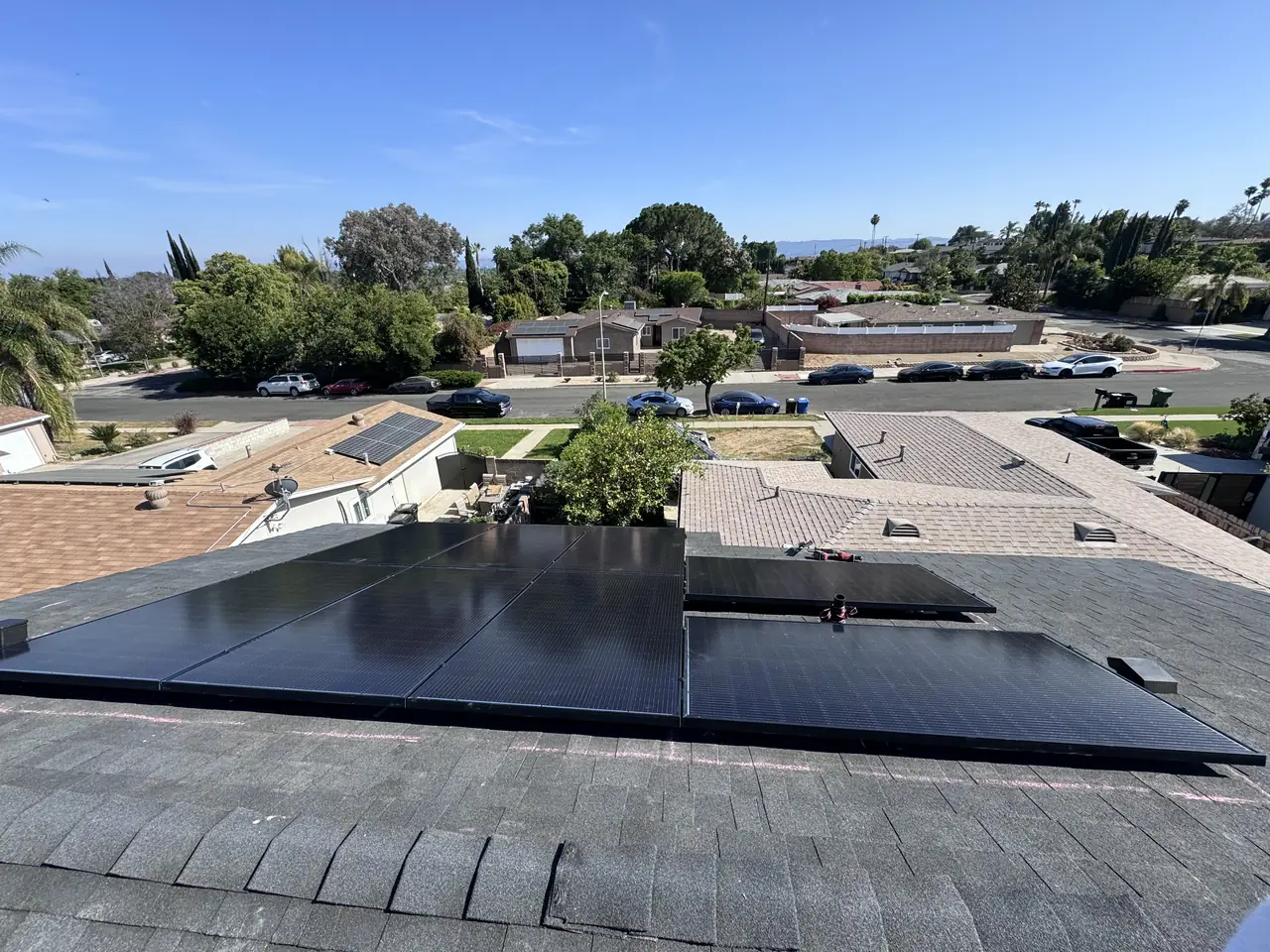
At a glance
- Array
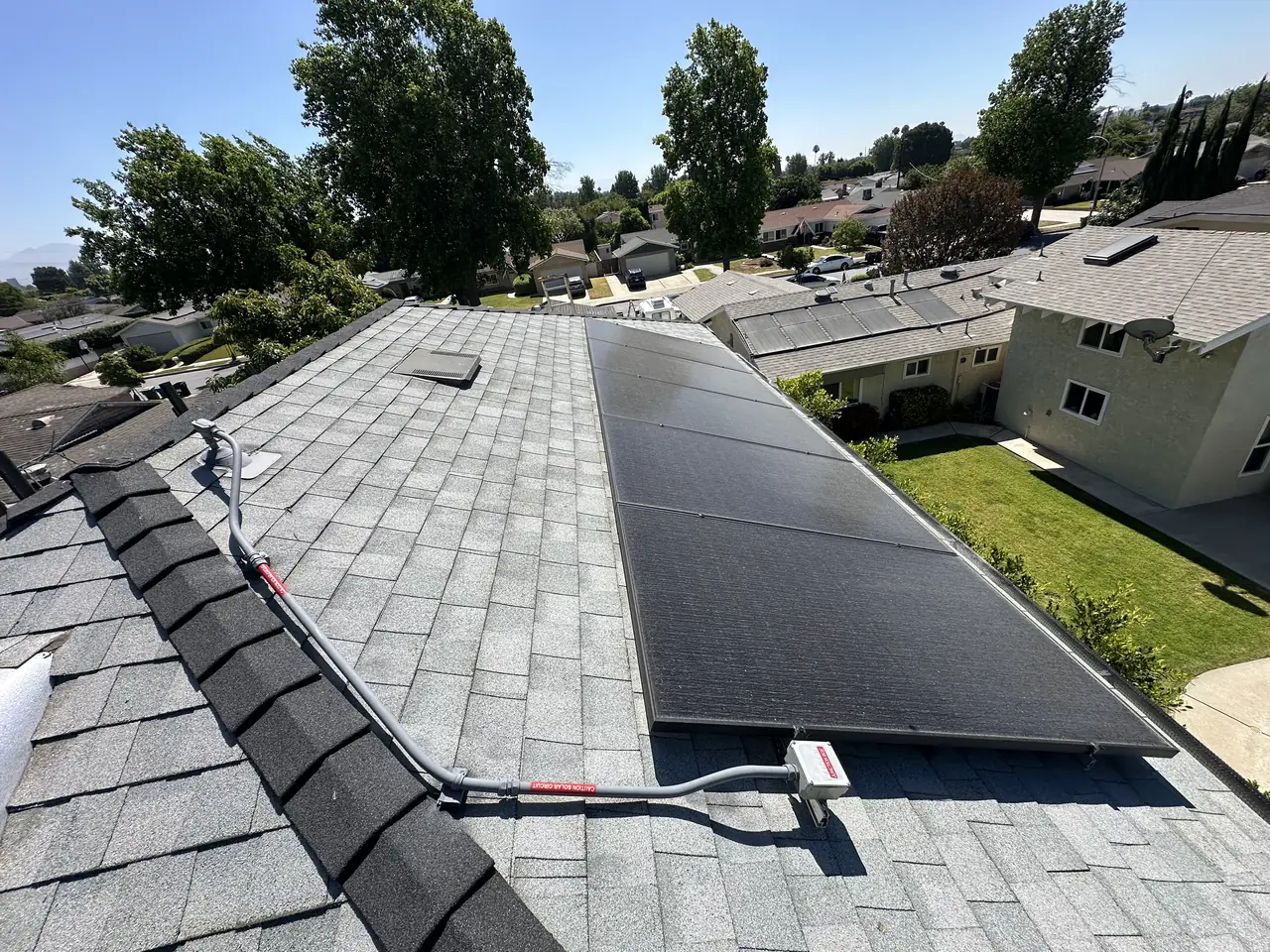
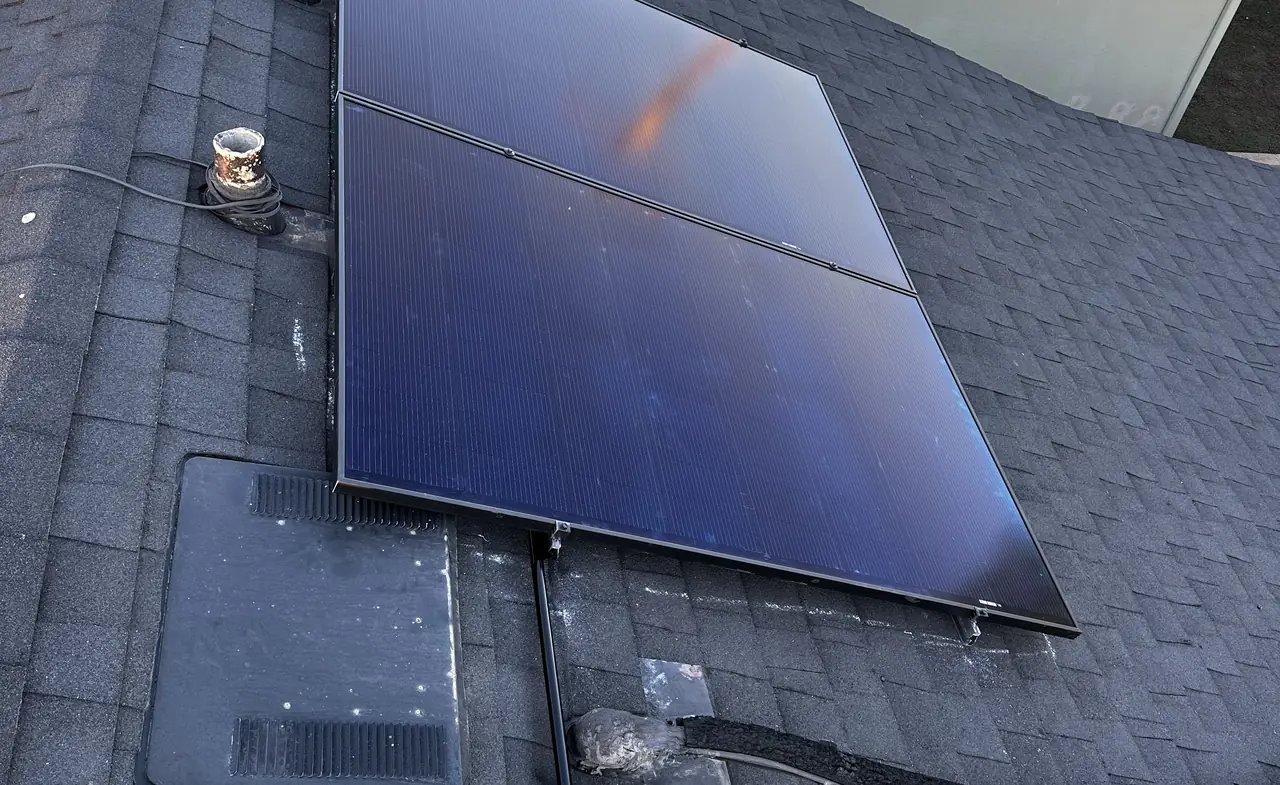
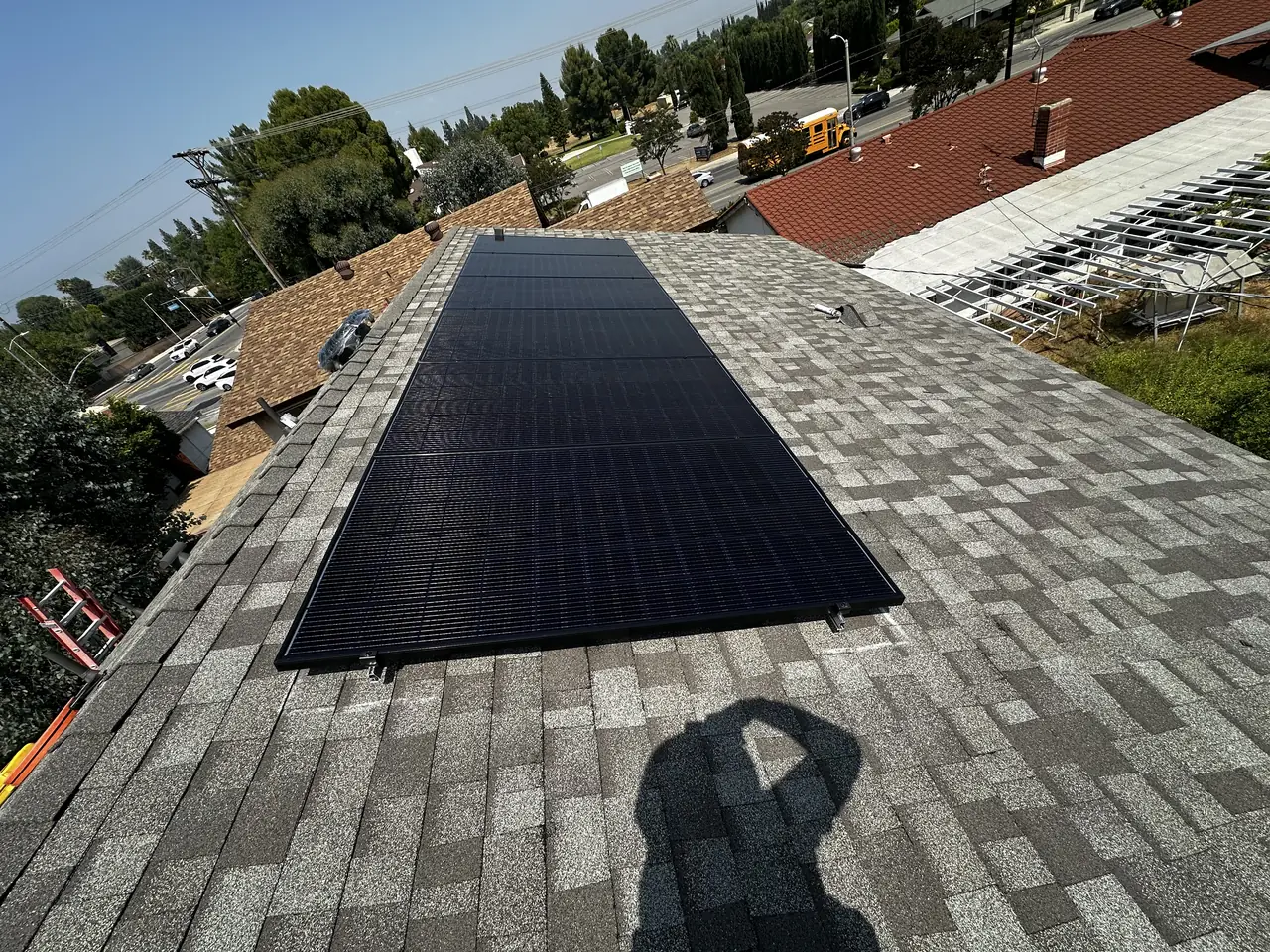
- 8 Mission Solar modules, 395 W each — 3.16 kW DC
- Inverters
- 8 Enphase IQ8M microinverters, one per module
- Size recorded by the utility
- 2.8 kW AC-CEC
- Main panel
- 125 A, bus section empty
- Work requests
- Two — one for the meter, one for the solar
- Service type
- Overhead, meter only
- Roof
- Composition shingle, hipped
- Utility / AHJ
- LADWP / LADBS
The story
The lot had a house on it and a new dwelling going up behind. The new unit needed its own electric service, and the main panel serving the property was being replaced as part of the build. The general contractor did the ordinary thing and applied to the utility for a meter spot in the spring.
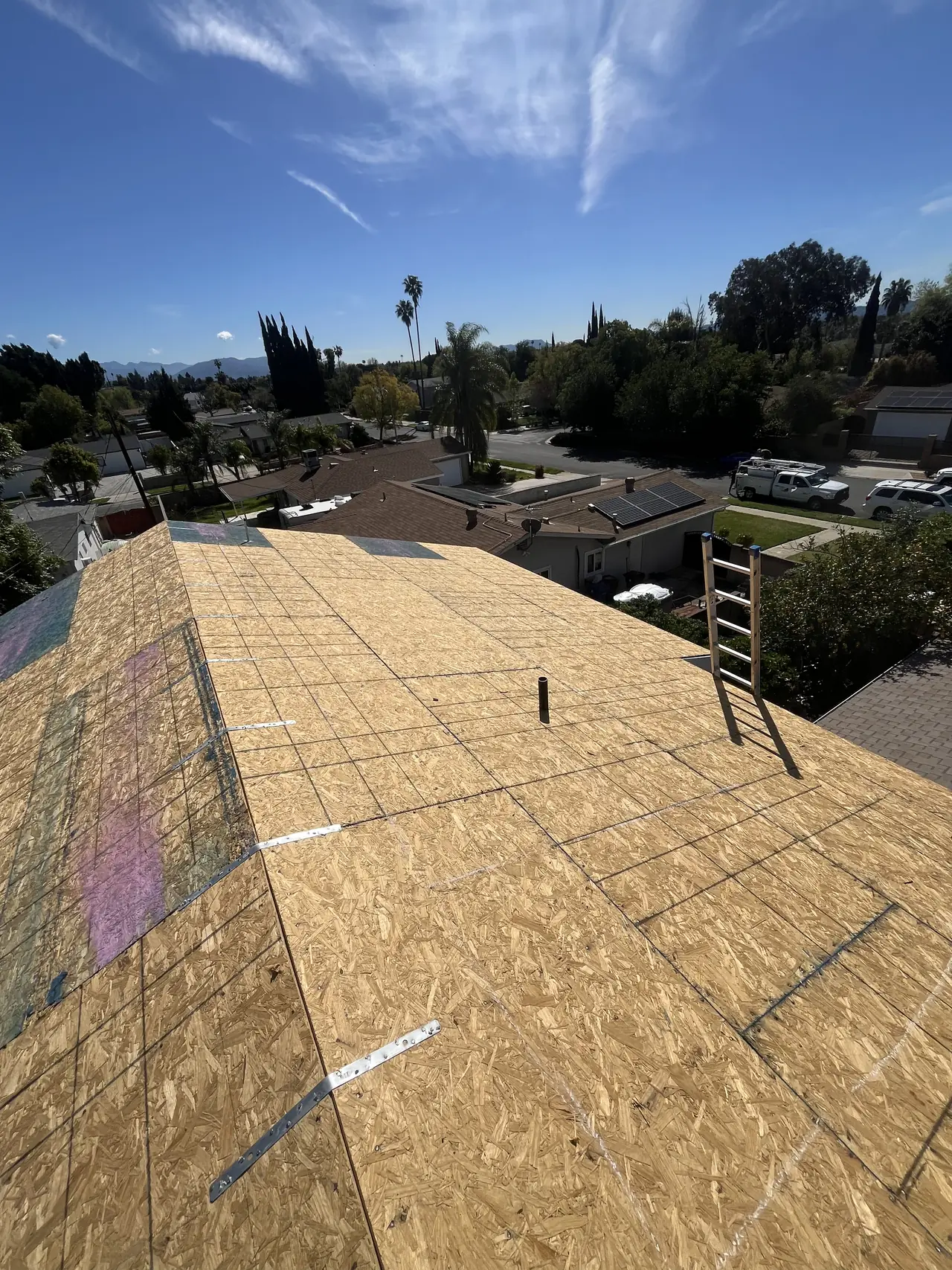
Then solar was added to the scope. That should be a small change: the meter is the same meter, the panel is the same panel, and the utility is already looking at the site. We asked whether the application in flight could be adjusted to a solar meter rather than starting over. The answer came back in one line. A solar job has to be applied for online, on its own. No conversion.
So there were two work requests on one address, opened five months apart, handled by two different groups inside the same utility. The first covered the meter and the service. The second covered the interconnection of a 2.8 kW array. Each had its own fee, its own queue and its own set of progress notices, and nothing in either one referred to the other.
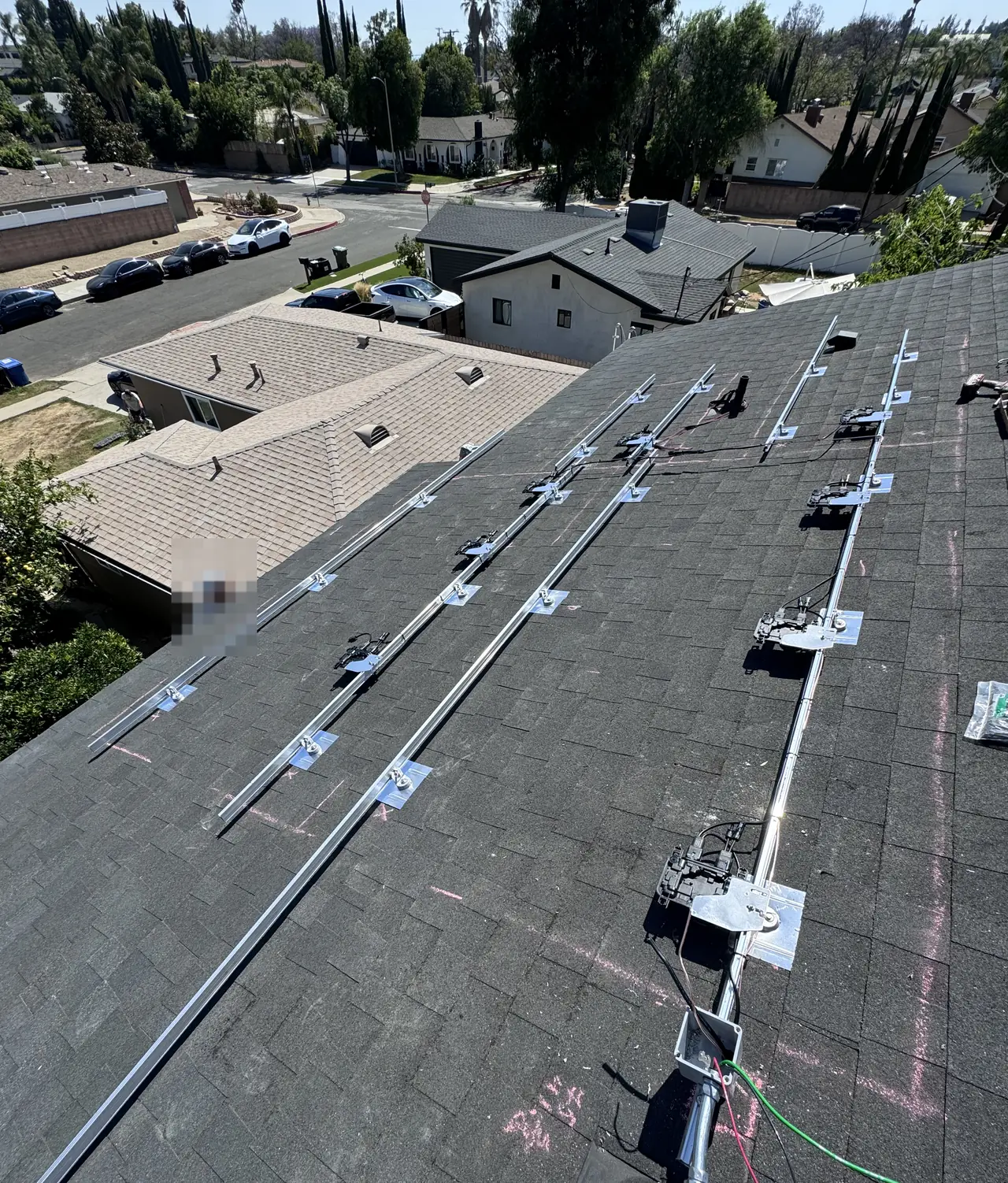
The design went out at the start of September. Eight modules of 395 watts, a microinverter under each, and a main panel of 125 amps. The designer came back with a question that decides how the whole single-line diagram is drawn: did the main service panel have a bus section, or was there only a breaker feeding the sub panel? It had a bus section, and the section was empty — one breaker, feeding the sub panel, and nothing else on it. That is what made the connection straightforward once it was on paper.
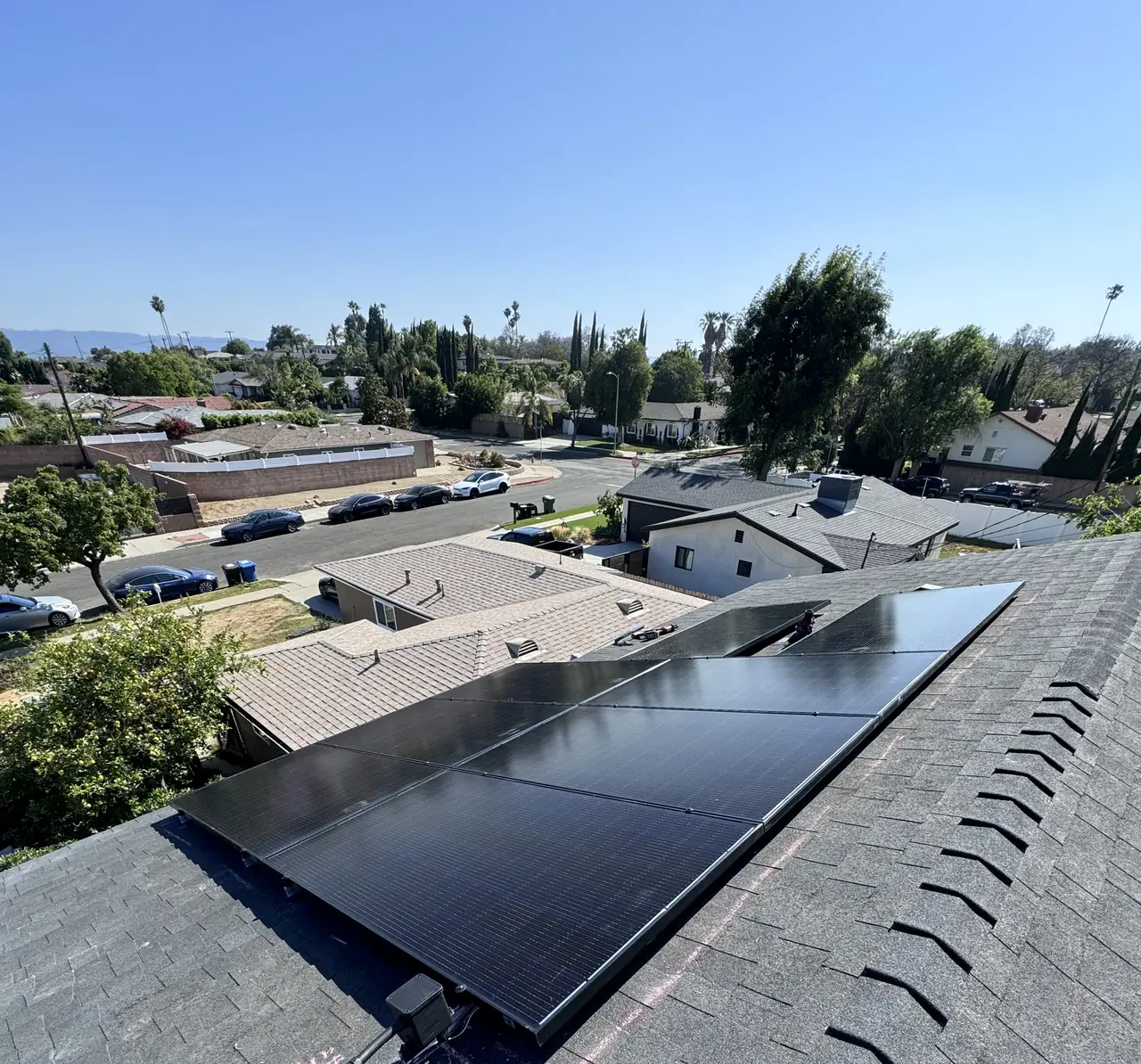
The array went on in the summer. The last month was the interesting one. In early December the building department sent the utility a valid final release for both addresses — the document that says the electrical work has been inspected and the meters can be set. We asked the service representative to schedule the release and got a flat answer back: the general contractor had never contacted him for the utility's own final inspection, and without that inspection no meters go in.
Both things were true at once. The city had finished. The utility had not started. Neither party was going to find the other on its own, because each of them had a complete file and no reason to think anything was missing. We sent the release across and put the representative in touch with the site directly, and by the end of that afternoon the inspection was booked for the following Tuesday.
The inspection happened on the Tuesday and the meter release was obtained the same day. The interconnection review closed on the sixteenth, permission to operate arrived on the nineteenth of December, and the new unit has run on its array since.
How it ran
| Late March 2024 | Meter spot application filed for the new unit's service |
|---|---|
| Late March 2024 | Request to convert it to a solar application declined — a separate online filing required |
| Summer 2024 | Array installed on the new unit |
| End of August 2024 | Solar interconnection request filed — 2.8 kW AC-CEC |
| Early September 2024 | Design issued: 8 modules, 125 A panel |
| Early December 2024 | Building department release sent to the utility |
| Early December 2024 | Utility asks for its own final inspection; contractor and representative connected the same afternoon |
| Mid-December 2024 | Inspection passed, meter released, review closed |
| 19 December 2024 | Permission to operate |
Two work requests on one address, both carried through to permission to operate on 19 December 2024.
What we did
- Designed an 8-module array with a microinverter under each module for the new dwelling.
- Established that the existing application could not be converted and filed the solar interconnection request separately.
- Resolved the single-line diagram around a 125 A panel with an empty bus section.
- Installed the array and the balance of system on the new unit.
- Carried both work requests in parallel and kept each one moving.
- Broke the deadlock between the building department's release and the utility's inspection by connecting the general contractor and the service representative directly.
- Followed the interconnection review through to permission to operate.
System specifications
| Modules | 8 × Mission Solar 395 W — 3.16 kW DC |
|---|---|
| Inverters | 8 × Enphase IQ8M |
| Size recorded by the utility | 2.8 kW AC-CEC |
| Main panel | 125 A, empty bus section, one breaker to the sub panel |
| Service type | Overhead, meter only |
| Roof | Composition shingle, hipped |
| Applications | Two separate work requests |
| Utility / AHJ | LADWP / LADBS |
Is your project like this one?
- You are building an ADU and adding solar to it partway through.
- Your general contractor has already applied to the utility for the meter.
- You have two work requests on one address and no idea how they relate.
- Your final inspection has passed but the utility says it has not inspected.
- Two agencies are each waiting for the other and your job is not moving.
Cali Energy in North Hills
North Hills sits inside City of Los Angeles boundaries: permits run through LADBS, interconnection through LADWP.
An accessory dwelling unit brings two trades into the same wall. The general contractor builds the unit and applies for its electric service. The solar contractor puts an array on the roof and applies for interconnection. Both applications land at the same utility, both concern the same meter, and they are handled by different groups that do not merge them.
This installation is on the North Hills projects page alongside the others.
- License and classifications: CSLB #1032379
- Official reference for this process: LADWP interconnection requirements
- Official reference for this process: LADBS — accessory dwelling units
Frequently asked questions
Can a standard meter application be converted to a solar one?
No. LADWP treats a solar installation as its own job type, applied for online and placed in its own queue with its own fee. On this project the general contractor had already filed for an ordinary meter spot because the panel was being replaced, and adding solar meant a second, separate application. Plan for two work requests on an ADU that is getting both a new service and an array, not one.
Why did the utility want its own inspection after the city had released the job?
Because they are two separate checks. The building department inspects the installation against the code and issues an electrical release to the utility. The utility's service representative then inspects the service equipment itself before releasing meters. A release in hand does not book that visit — somebody has to call. On this job nobody had, and the project sat still until the two sides were put in touch.
What is a bus section, and why did the designer ask about it?
The bus section is the run of energized bars inside a panel that breakers clip onto. Whether a solar breaker can land there, and where it has to sit, determines how the single-line diagram is drawn and whether extra work is needed. On this 125-amp panel the bus section existed but was empty, with one breaker feeding a sub panel, which left a clean place for the solar connection and kept the design simple.
How much solar fits on an ADU roof?
Usually a few kilowatts. This one took eight modules of 395 watts, which the utility recorded as 2.8 kW AC-CEC. An accessory dwelling unit has a small roof, often with only one or two usable planes, and the limit is geometry rather than the electrical service. If the goal is to cover the unit's own consumption, a small array usually does it, and Cali Energy sizes from the unit's expected load rather than from the roof area.
Does Cali Energy install solar on ADUs in North Hills?
Yes. North Hills sits inside the City of Los Angeles, so an accessory dwelling unit here is permitted through LADBS and interconnected through LADWP, and each of those runs in its own queue. Cali Energy designs the array, files the solar interconnection separately from the unit's service application, installs, and carries the job through inspection to permission to operate. Our license is CSLB #1032379.
What this would look like on your roof
Planning solar in North Hills? Tell us your utility, your roof and what your bill looks like now, and we will model what a system like this would do on your house before you commit to anything.
Or call +1 (323) 844-7777 · Cali Energy, Northridge · CSLB #1032379 (B, C-10, C-39) — design, permits, install and electrical under one licensed contractor.
Related
This timeline reflects this property and this permitting path. Updated September 2026.