

Mid-City, CA · February – March 2021 · LADWP / LADBS
Mid-City: solar inside a historic overlay zone.
On these blocks the first question is not how many modules fit. It is whether the design is allowed to look the way you drew it.
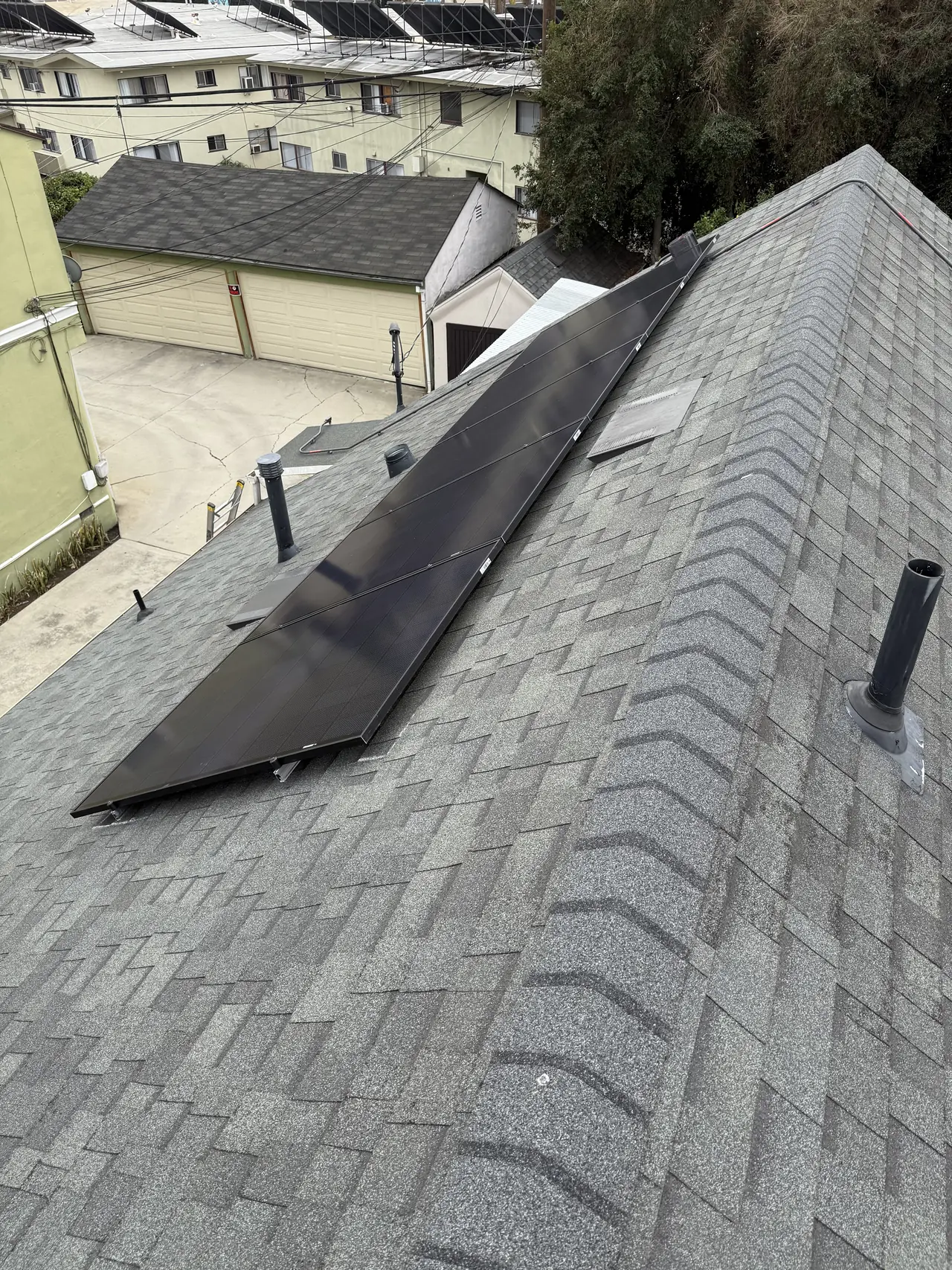
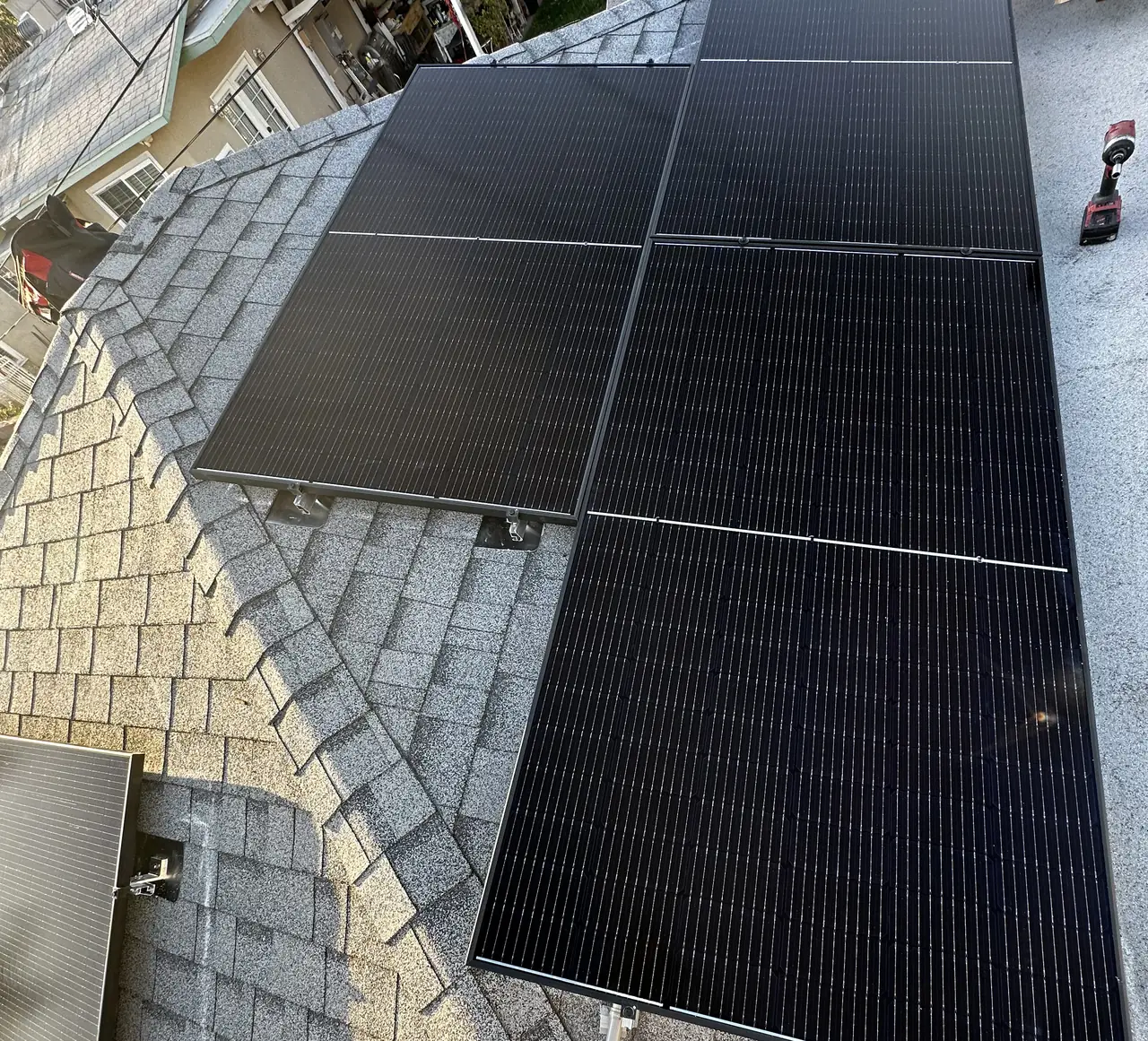
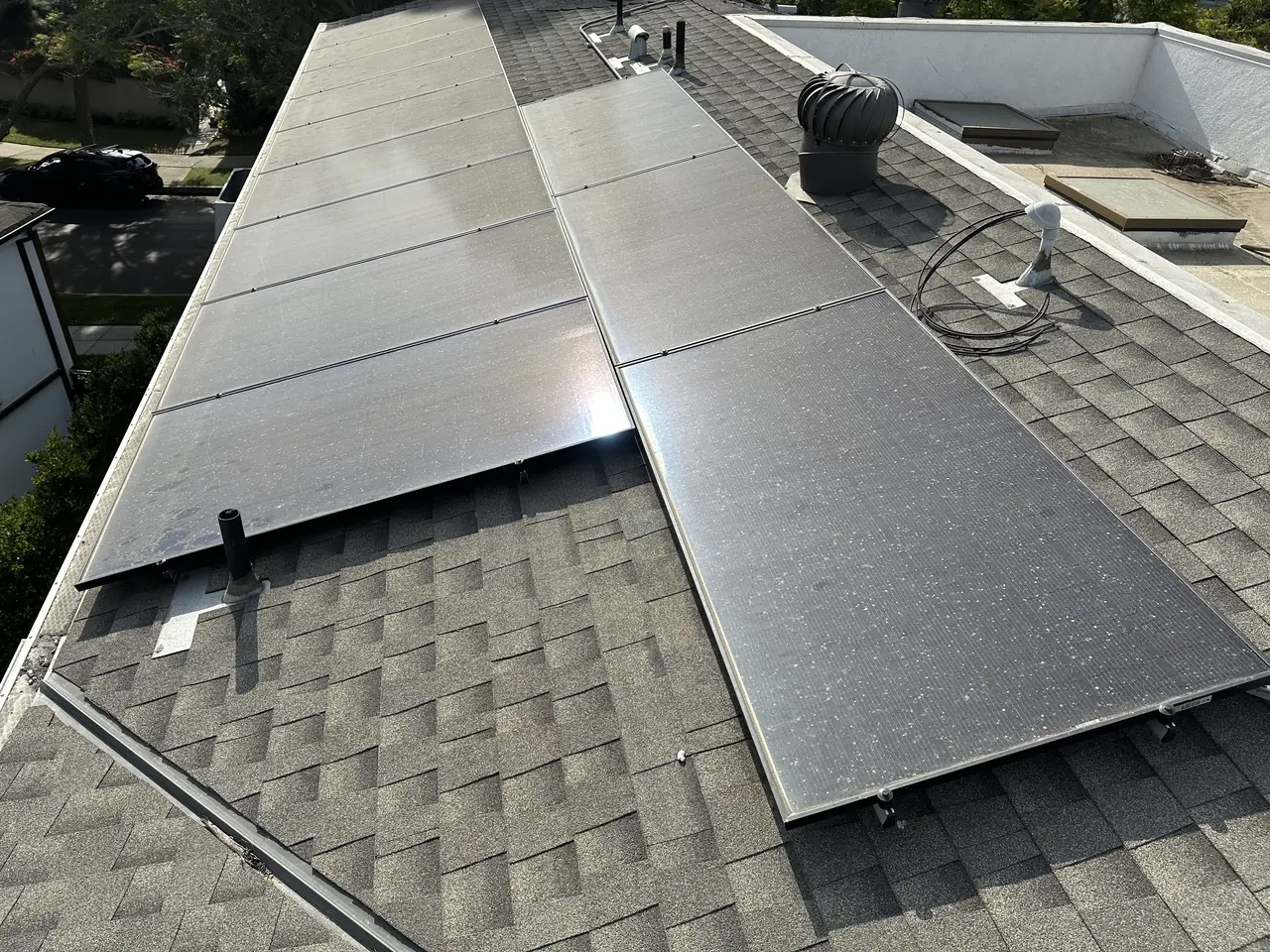
Parts of Los Angeles are covered by Historic Preservation Overlay Zones — locally designated districts where exterior changes visible from the street go through a preservation review in addition to the ordinary building permit. Rooftop solar is an exterior change. On this Mid-City project the overlay sign-off was in hand before the installation was scheduled. Cali Energy put eighteen modules — 6.57 kW — on a composition shingle roof in Mid-City, Los Angeles, with no main panel upgrade, and ran the build from intake to inspection report in about two and a half weeks.
At a glance
- System
- 6.57 kW
- Array
- 18 modules, 365 W each
- Roof
- Composition shingle, replaced the previous year
- Overlay review
- Approved before scheduling
- Intake to inspection report
- About two and a half weeks
- Utility / AHJ
- LADWP / LADBS
The story
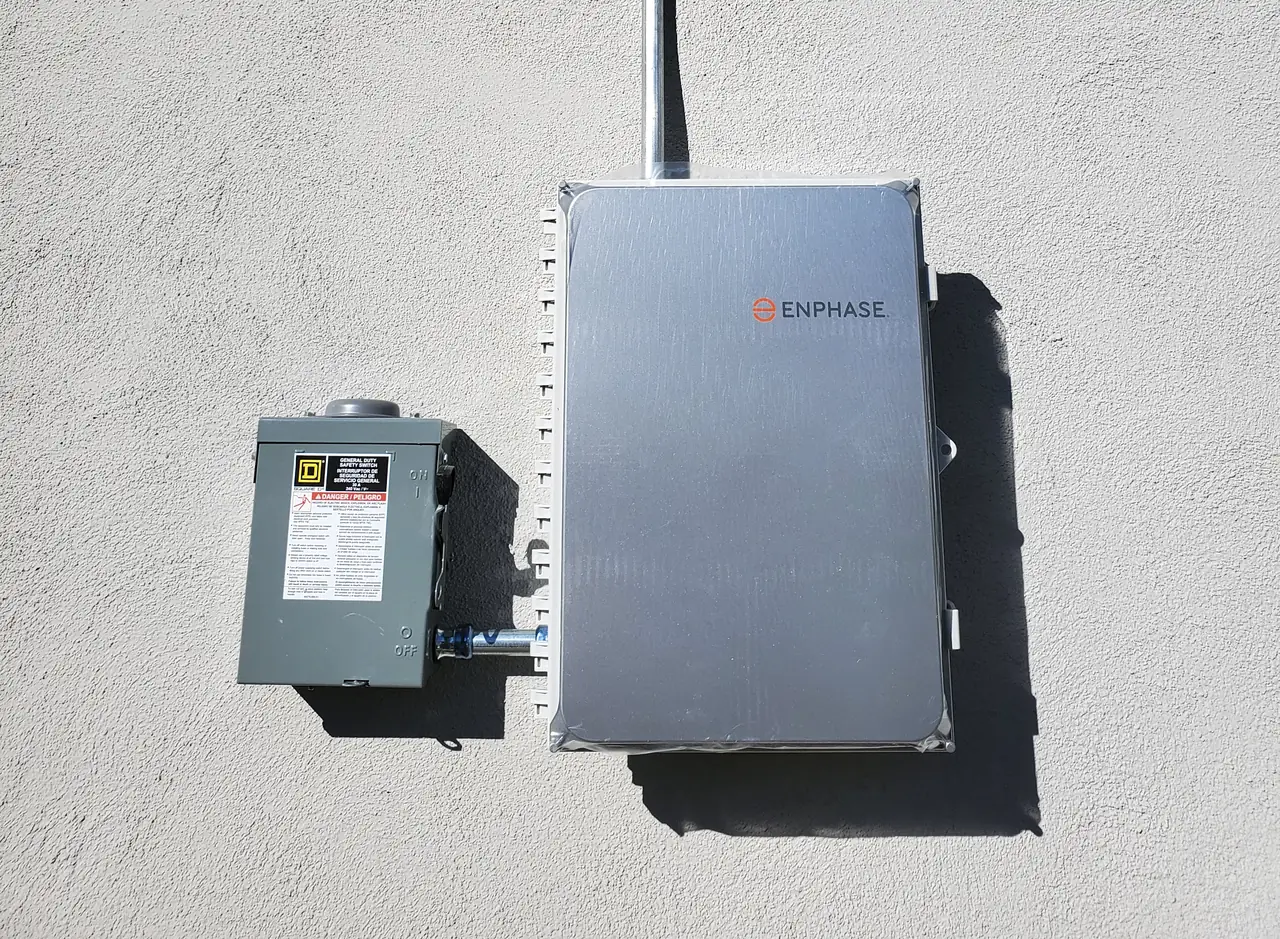
Eighteen modules at three hundred and sixty-five watts each — six and a half kilowatts — with a string inverter and module-level optimizers, on a composition shingle roof that had been replaced the previous year under the city's cool-roof requirement, and no main panel upgrade. On most blocks in this city that is a one-day install and a short paragraph.
This block is inside a historic overlay zone, which changes the order of the questions.
A Historic Preservation Overlay Zone is a locally designated district — there are dozens of them across Los Angeles, and several fall inside what people call Mid-City. Inside one, exterior changes that are visible from the public right of way go through a preservation review in addition to the building permit. The review is about character: what the street sees, and whether the change reads as part of the district or against it.
Rooftop solar is an exterior change. So on these blocks the design conversation does not start with how many modules fit on the south face. It starts with which roof planes are visible from the street, because that is what decides where an array can go, and that in turn decides how many modules there is room for and what the system will produce.
Which is the thing to understand if you own a house in one of these districts. The constraint is real and it is not the solar company inventing obstacles. It also does not mean no. It means the layout is decided earlier than usual, and by a different office.
On this project the overlay approval was already in hand before design began. That is the right order and it is worth insisting on: a design that has not cleared preservation review is a proposal, and building from a proposal on a district block is how a finished array ends up being argued about after the fact.
The rest was ordinary and it ran quickly. Intake was on the nineteenth of February. The installation was set for the first of March — moved to that date deliberately, because the owner had other work happening at the property and two trades on one house at once is a good way to have neither finish.
The array went up on the first. During that same week the site plan was amended and the permit reissued, which is a normal piece of housekeeping and worth naming for what it is: the drawing has to match what was actually built, not the other way round, and when something on the roof is set differently from the plan the paperwork follows it.
Final inspection was on the fifth of March. The inspection report went out on the eighth.
Two things to take from this if your street is in a district. Find out before you shop for solar, not after — the overlay status of a property is public information and it changes what any quote is worth. And when you compare proposals for a house inside one, compare them on where the panels are drawn, not only on the system size, because the two are the same question here.
Cali Energy designed and installed this array in Mid-City, Los Angeles, on a block inside a historic overlay zone.
How it ran
| 19 February 2021 | Project intake — 18 modules, composition shingle, no main panel upgrade, overlay approval already in hand |
|---|---|
| 19 February 2021 | Installation date set for 1 March so the crew would not overlap with other work at the property |
| 23 February 2021 | Equipment and placards confirmed for the install date |
| 1 March 2021 | Array installed; inspection request filed |
| 1 March 2021 | Amended site plan issued |
| 4 March 2021 | Revised permit issued |
| 5 March 2021 | Final inspection |
| 8 March 2021 | Inspection report issued |
| March 2021 | System commissioned and handed over |
Seventeen days from intake to the inspection report, on a block where the design question had been settled before any of it started.
What we did
- Confirmed the overlay approval was in hand before the installation was scheduled.
- Set the install date around the other trades working at the property.
- Installed eighteen modules on composition shingle in a single day.
- Amended the site plan and reissued the permit so the drawings matched the build.
- Carried the project to final inspection four days after installation.
- Commissioned the system and handed it over the same month.
System specifications
| System | 6.57 kW |
|---|---|
| Modules | 18 × 365 W |
| Inverter | String inverter with module-level optimizers |
| Roof | Composition shingle, re-roofed the previous year under the city's cool-roof requirement |
| Main panel | Existing, no upgrade |
| Overlay | Historic preservation review cleared before installation |
| Utility / AHJ | LADWP / LADBS |
Is your project like this one?
- Your street is inside a historic district and you have been told solar is complicated.
- A proposal shows panels on the front of a house in a designated district.
- You want to know why a quote in your neighborhood is smaller than your neighbor's.
- Somebody has asked you to sign off on a design that has not cleared review.
Cali Energy in Mid-City
Mid-City covers a broad stretch of pre-war Los Angeles between Wilshire and the 10, and parts of it fall inside locally designated historic districts. Those blocks are permitted through LADBS like the rest of the city, but the design has to clear a preservation review first.
This installation is on the Los Angeles projects page alongside the others, and what the work covers is set out on the Los Angeles service area page.
- License and classifications: CSLB #1032379
- Official reference for this process: Los Angeles City Planning — Local Historic Districts (HPOZs)
- Official reference for this process: Los Angeles City Planning — Historic District Project Review
Frequently asked questions
Can I put solar on a house in a historic overlay zone in Los Angeles?
Generally yes, but the design goes through a preservation review in addition to the building permit. Inside a Historic Preservation Overlay Zone, exterior changes visible from the street are reviewed for how they read against the character of the district. Rooftop solar is an exterior change, so where the panels sit becomes the first question rather than the last.
How does a historic district change the system size?
By constraining which roof planes are usable. If the faces visible from the street are the ones a reviewer is most careful about, the array is concentrated on the planes that are not — and that decides how many modules there is room for and what the system produces. Two houses of the same size on the same street can end up with different answers.
Should the preservation approval come before or after the solar design?
The approval should be in hand before installation. A design that has not cleared review is a proposal, and building from a proposal on a district block means the finished array can be argued about afterwards. On this Mid-City project the overlay sign-off was already in place when the installation was scheduled, which is the order to insist on.
Why was the permit reissued after the array was already up?
Because the drawing has to match what was built. When something on the roof is set differently from the plan, the site plan is amended and the permit reissued so the record and the installation agree. It is ordinary housekeeping rather than a correction, and here it happened in the same week as the install.
Does Cali Energy work in Mid-City, Los Angeles?
Yes, including on blocks inside historic districts. Mid-City projects are permitted through LADBS and interconnected through LADWP like the rest of the city, and the pre-war housing here brings its own constraints — overlay review on some streets, tight side yards and awkward meter positions on others.
What this would look like on your roof
Planning solar in Mid-City? Tell us your utility, your roof and what your bill looks like now, and we will model what a system like this would do on your house before you commit to anything.
Or call +1 (323) 844-7777 · Cali Energy, Northridge · CSLB #1032379 (B, C-10, C-39) — design, permits, install and electrical under one licensed contractor.
Related
This timeline reflects this property and this permitting path. Updated September 2026.