

Glendale, CA · July 2021 – December 2021 · Glendale Water & Power / City of Glendale
The panel permit was already open. Under someone else's name.
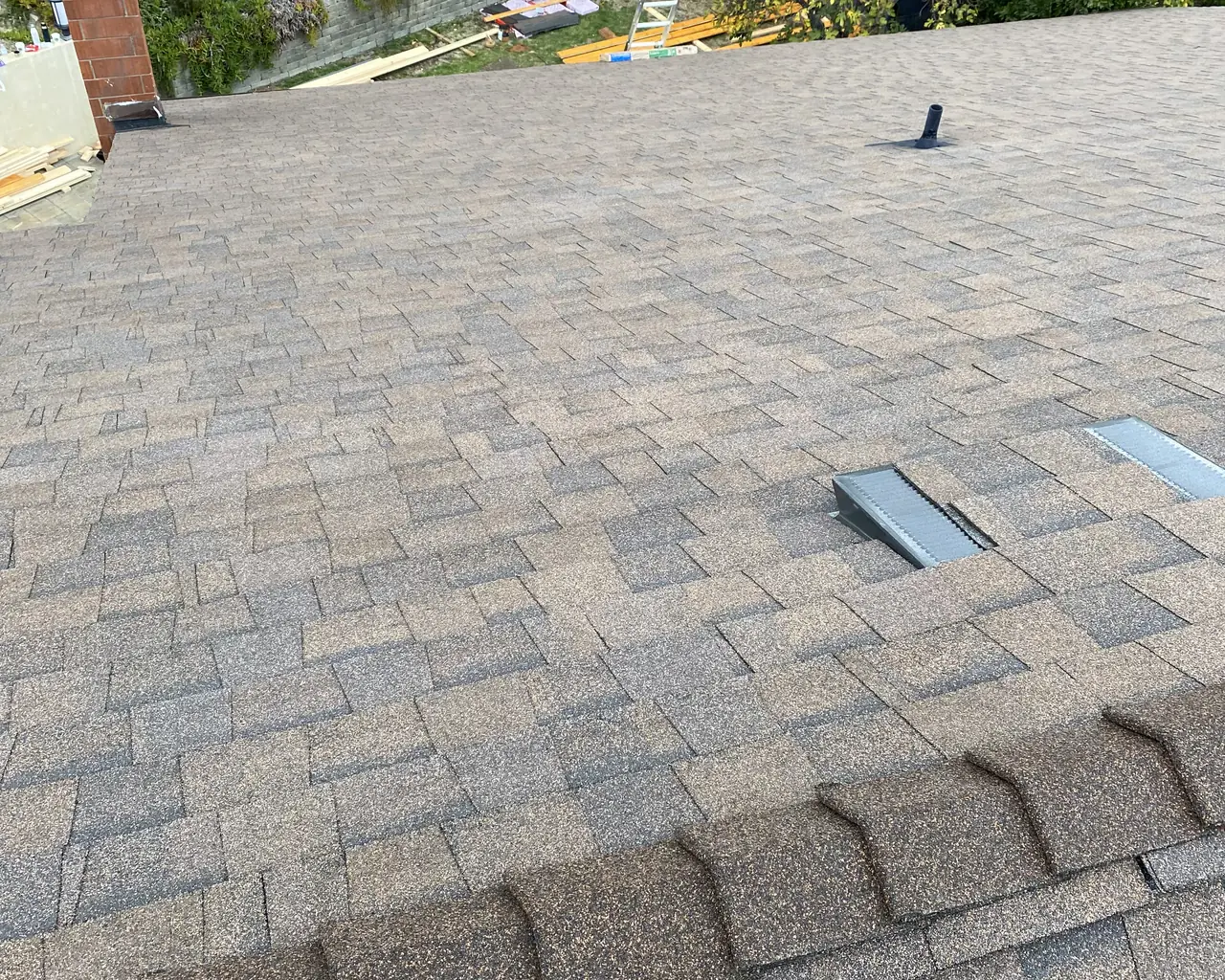
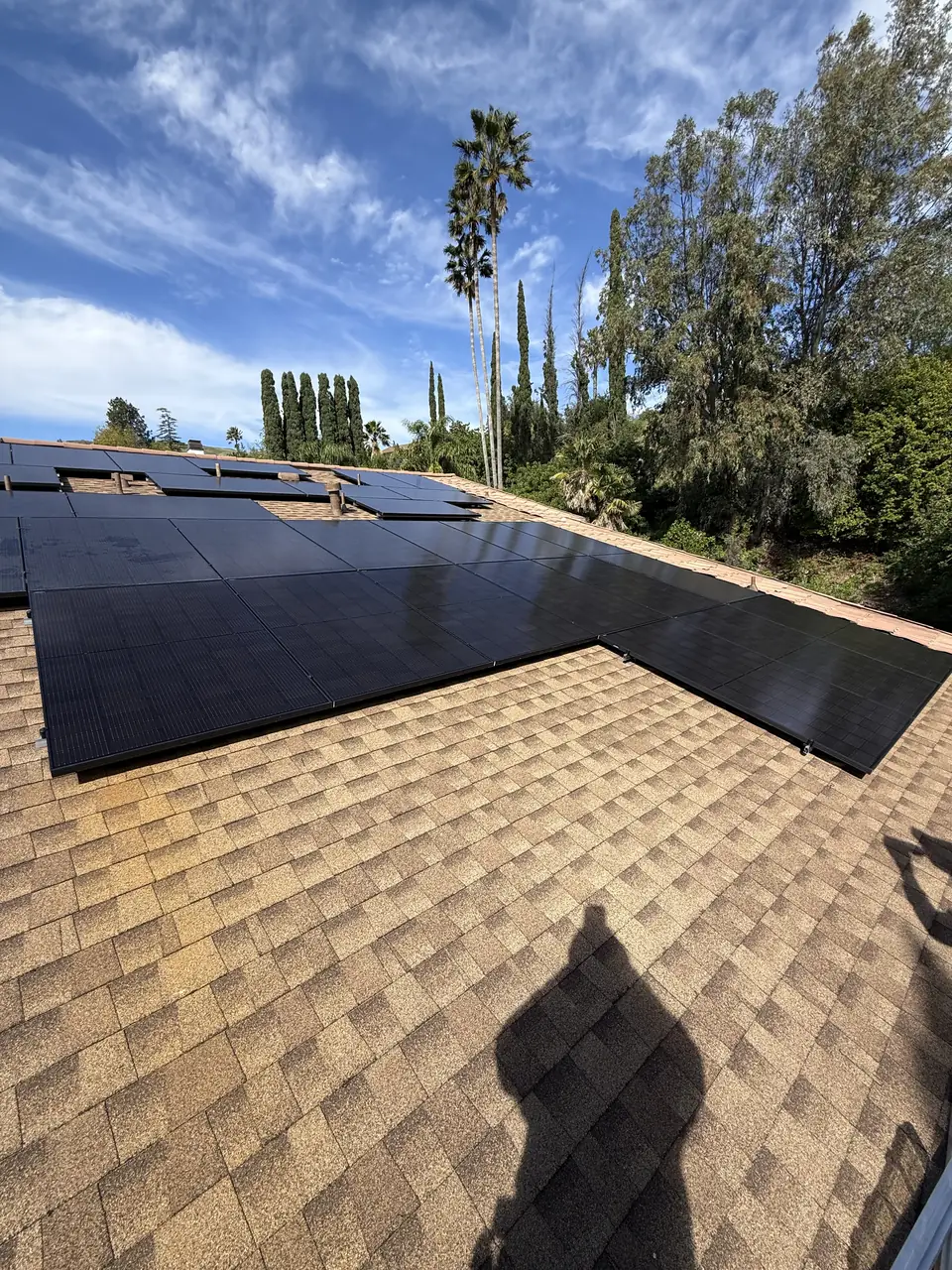
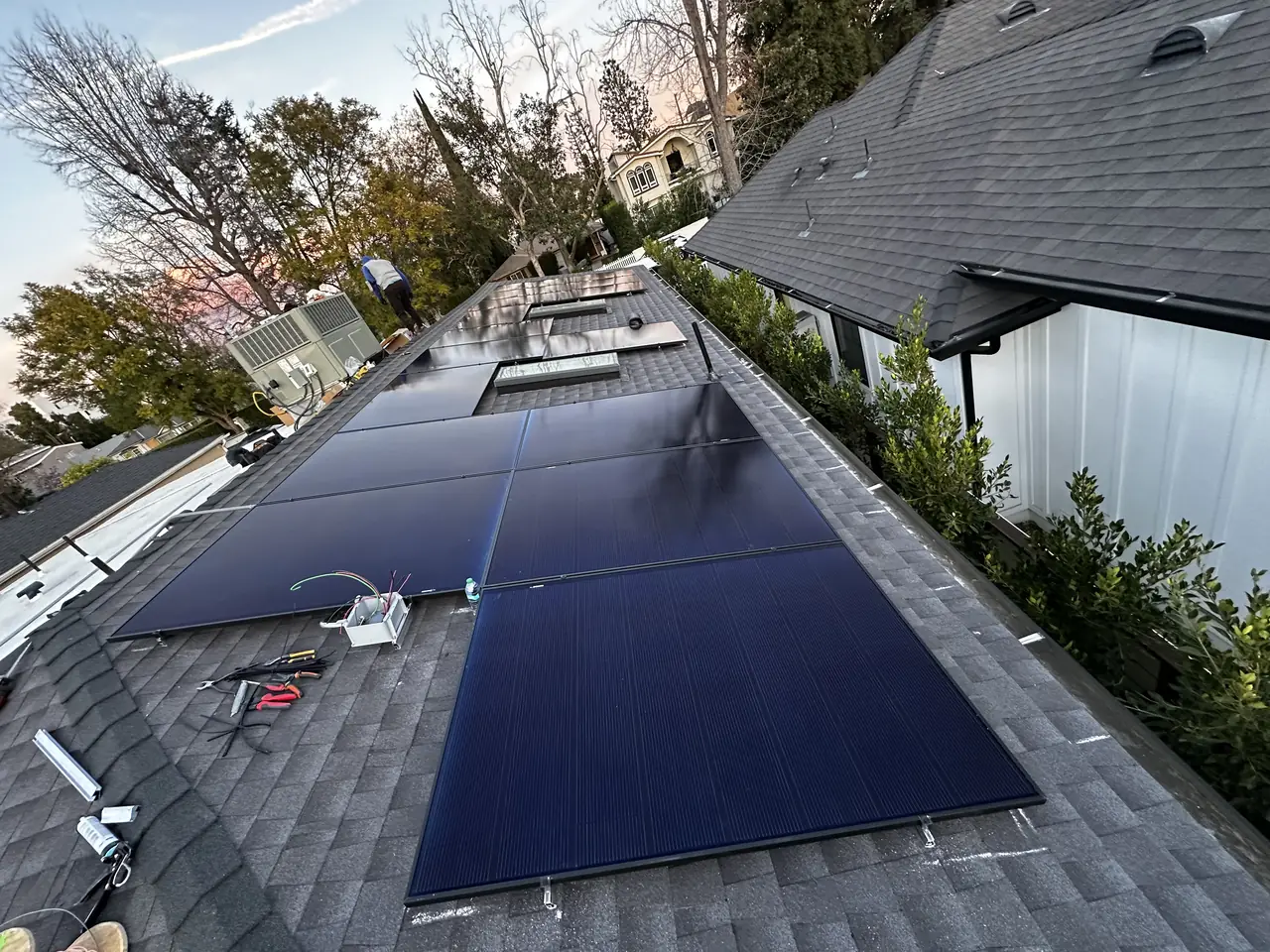
A Glendale house with nineteen modules on microinverters and a service panel rebuilt to 200 amps. The solar permit was ready to issue in November when the city found an electrical permit for the same panel upgrade, opened two months earlier by another contractor and never paid. Clearing it took a morning; knowing to look took the city.
The city's permit system is indexed by address. An electrical permit applied for at a property stays on that property's record whoever applied for it, and a second application for the same work runs into the first. Here the fix was to pay the open balance and refile the same scope with Cali Energy as the contractor of record, which the city processed the same day. The lesson is to ask the city what is already open at the address before the panel work is scheduled.
At a glance
- Array
- 19 modules, 370 W each — 7.03 kW DC
- Inverters
- 19 microinverters, one per module
- Recorded by the utility
- 6.484 kW CEC-AC
- Estimated production
- 12,485 kWh a year
- Service
- Main panel rebuilt to 200 A, new meter position
- Spot drawings
- Two: service panel and generation meter
- Filing to permission
- Twenty weeks
- Utility / AHJ
- Glendale Water & Power / City of Glendale
The story
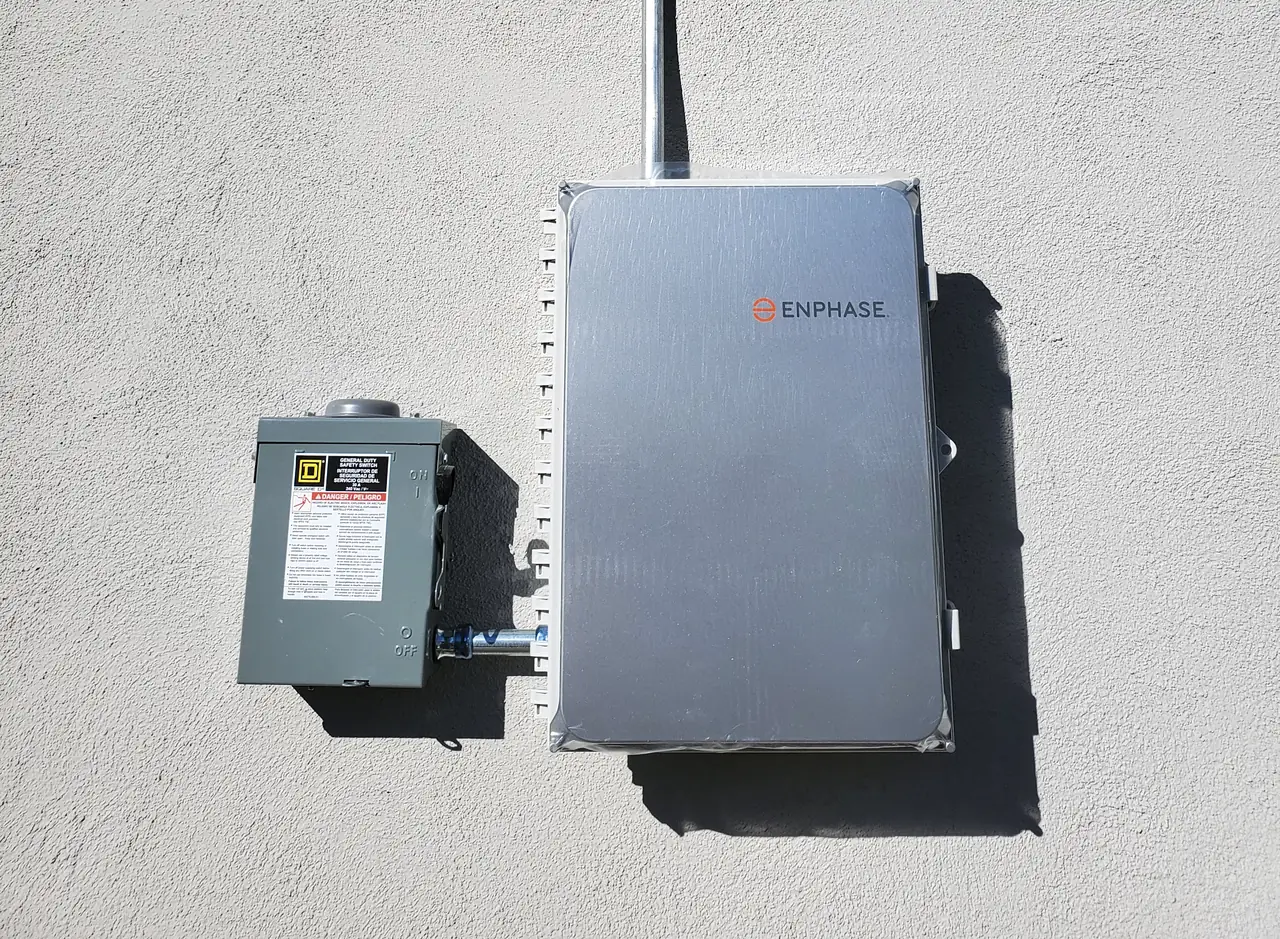
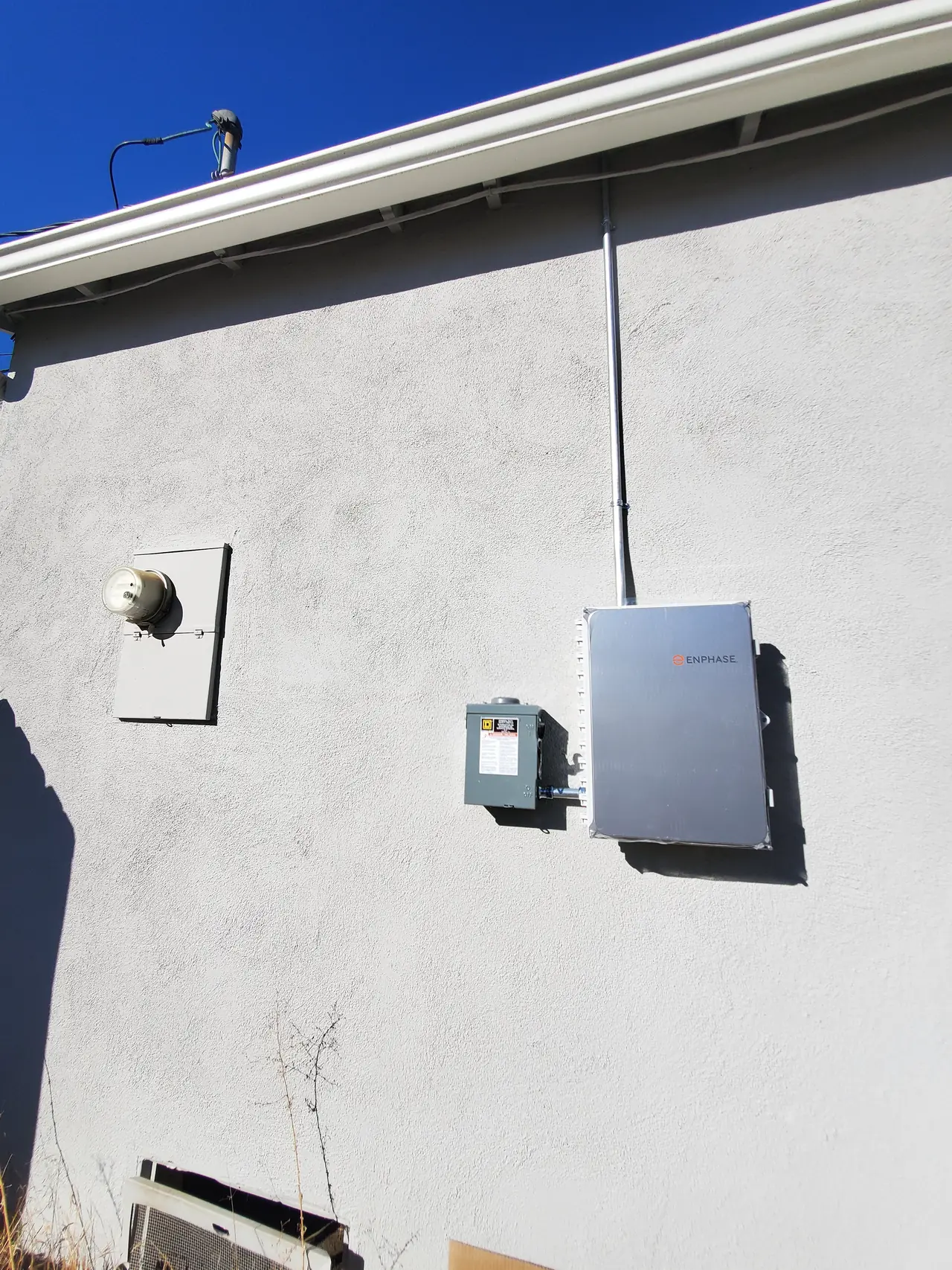
The design was ordinary in the best way: nineteen 370-watt modules with a microinverter under each, 7.03 kilowatts on the nameplate, a combiner and disconnect on the side wall, and a main service panel rebuilt to 200 amps because the old one had neither the rating nor the space for a solar breaker. The array faces a little west of south at a 23-degree tilt, and the application put it at 12,485 kilowatt-hours a year. The utility recorded it at 6.484 kilowatts AC.
The interconnection application went to Glendale Water & Power at the end of July, and its review is specific about what the submission has to contain. The executed agreement has to state the AC rating the utility's own portal calculates, exactly, to the third decimal. The electronic-signature history goes with it. Monthly solar-access figures go on the form. Engineering then reviews the drawings separately, and here it wanted the new panel shown on the single-line diagram and a photograph of the spot where the generation meter would go, with its clearances in frame.
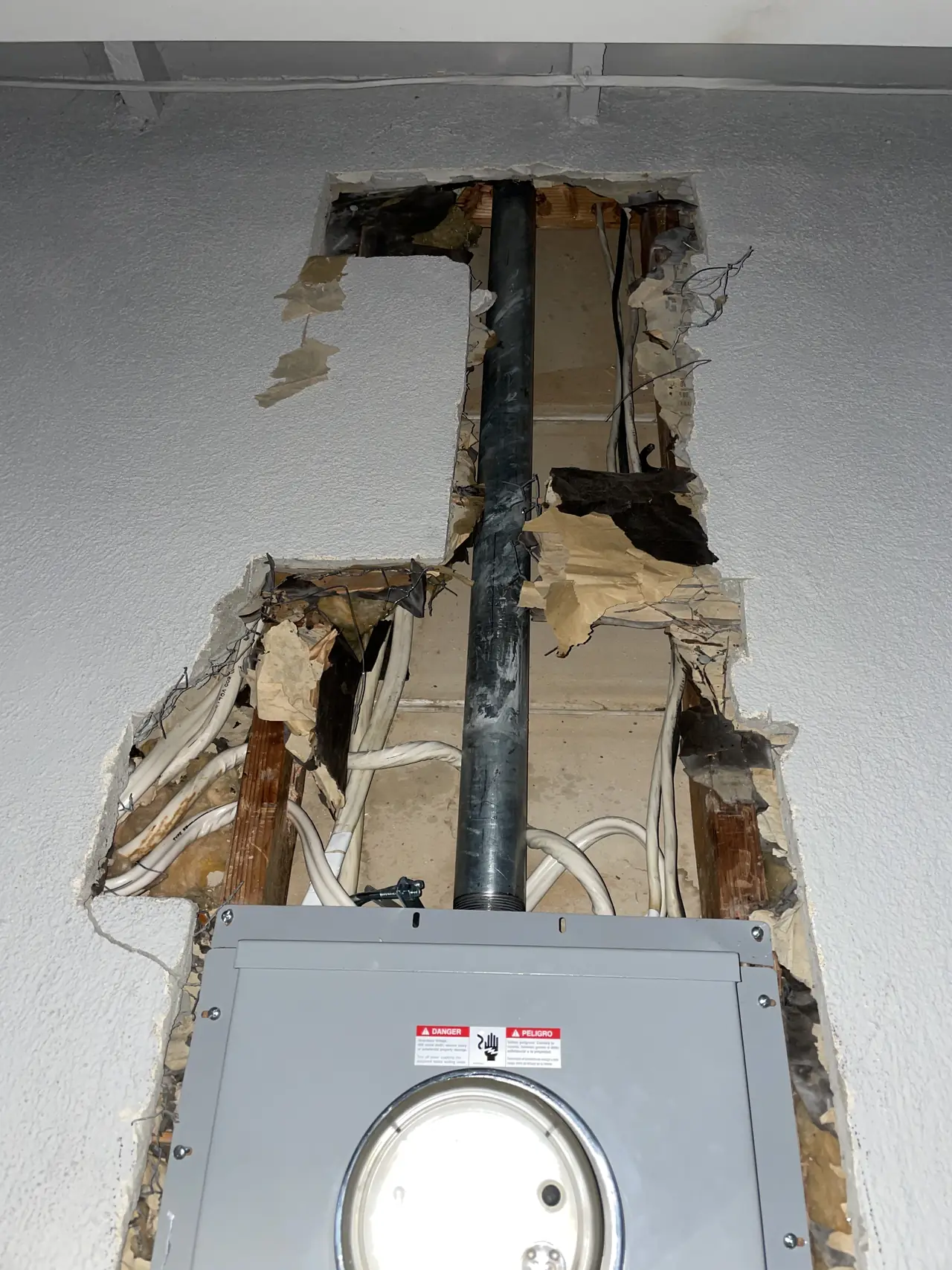
A Glendale panel upgrade also brings its own drawing. The utility's planner visited at the end of August and issued a service spot for the 200-amp panel in early September, with a tampering notice to sign and a service fee to pay for the new drop. That spot is not the solar spot. The generation meter got its own drawing when the interconnection agreement was approved at the end of September, and both had to be printed into the plans before the utility would stamp them for the city.
Plan check ran through October. The city's reviewer sent redlines and asked for conventional framing notes on the roof; the revisions went back through the utility for approval first, as Glendale requires, then to the city. The solar permit fee was paid on the fifth of November and the permit was ready to sign the following Monday.
That Monday morning the question was routine — does the panel upgrade need its own permit, or does it ride on the solar permit? — and the answer was not. The city's permit technician checked the address and found an electrical permit for a 200-amp service upgrade already in the system, applied for on the twentieth of September by a different contractor, processed and waiting on an unpaid balance. It was not ours. It was on our address.
What the city needed was simple once it was said out loud: the open balance paid, and a new electrical application for the same scope with the contractor information changed to ours. Both were done before lunch, and the electrical permit was issued that afternoon under Cali Energy as contractor of record. No signature was needed on the permit itself; the application we had sent weeks earlier served as the backup.
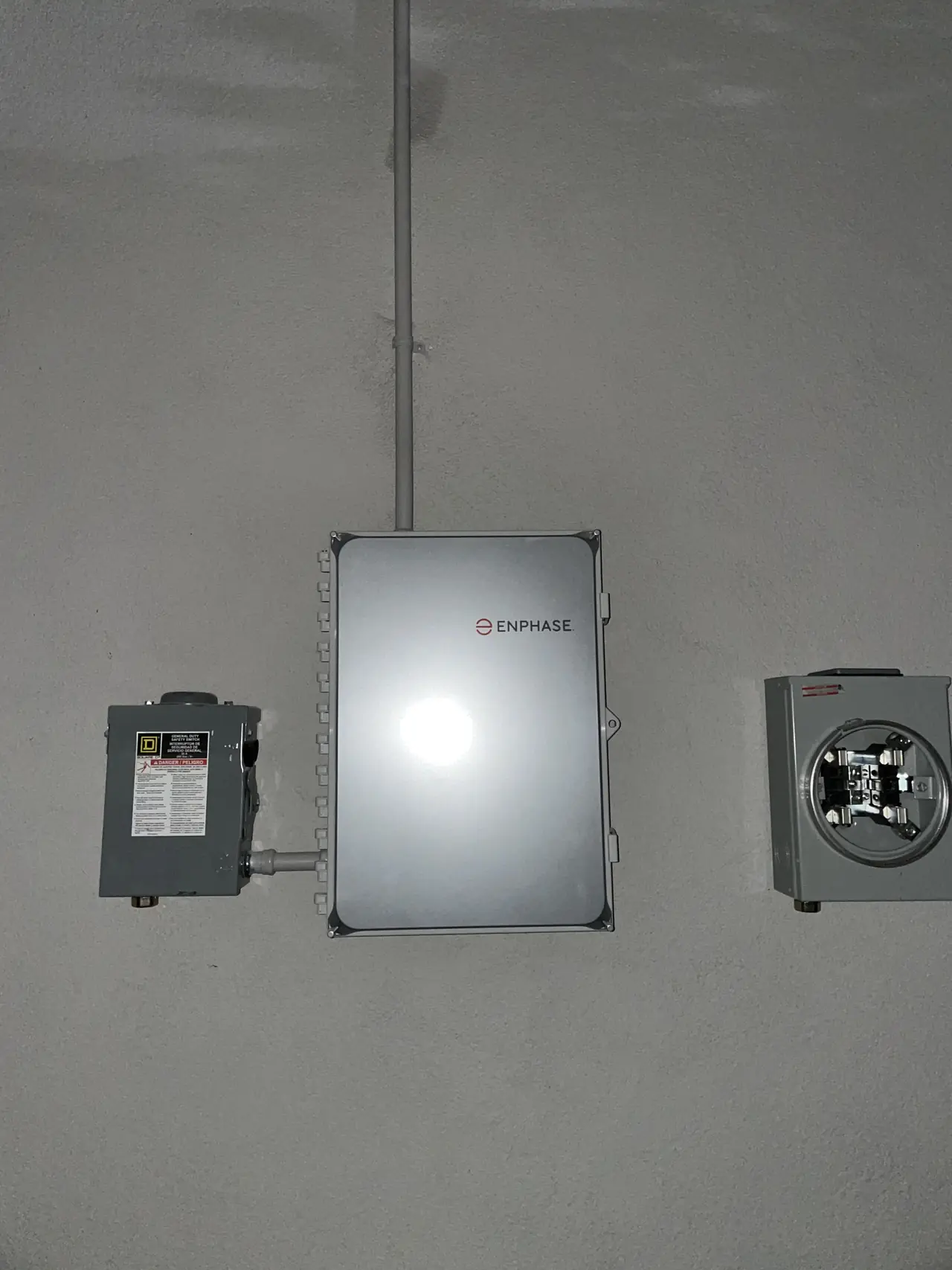
The rest was inspection and metering. The utility installed the generation meter on the ninth of December and issued permission to operate the next day.
A morning was a cheap outcome, and it is not the only one available. An open permit under another name can carry an unpaid fee, an expired plan check or an inspection history that has to be reconciled before anything new will issue, and none of that is visible from outside the city's system. On a house where somebody else has quoted or started electrical work, ask the city what is on the address before the panel is ordered. It is one phone call, and it belongs at the start of the job rather than the end.
How it ran
| 26 July 2021 | Interconnection application filed |
|---|---|
| 27 July – 2 August 2021 | Agreement and forms corrected; forwarded to utility engineering |
| 25–26 August 2021 | Engineering corrections: new panel on the single line, photo of the meter location |
| 4 September 2021 | Service spot issued for the 200 A panel |
| 29 September 2021 | Interconnection agreement approved; generation-meter spot issued |
| 30 September 2021 | Utility-stamped plans sent to the city |
| 14–25 October 2021 | City redlines, framing notes, revisions approved |
| 5 November 2021 | Solar permit fee paid |
| 8 November 2021 | Open electrical permit found; balance paid, refiled, issued the same day |
| 9 December 2021 | Generation meter installed |
| 10 December 2021 | Permission to operate |
Twenty weeks from filing to permission; the open permit cost one morning of it.
What we did
- Designed a 19-module microinverter array with a combiner and disconnect on the side wall.
- Rebuilt the main service panel to 200 amps at the utility's spotted location (C-10).
- Carried the interconnection application through the utility's review and its engineering review to approval.
- Incorporated both spot drawings into the plans and took them through the city's plan check.
- Cleared the open electrical permit on the address and refiled it as contractor of record the same morning.
- Passed the inspections and had the generation meter set in December.
System specifications
| Modules | 19 × 370 W — 7.03 kW DC |
|---|---|
| Inverters | 19 microinverters; combiner on the side wall |
| Recorded by the utility | 6.484 kW CEC-AC |
| Array | 23-degree tilt, azimuth 186 |
| Estimated production | 12,485 kWh a year |
| Service | Main panel rebuilt to 200 A; meter relocated |
| Permits | Solar (city), electrical (city), two utility spot drawings |
| Utility / AHJ | Glendale Water & Power / City of Glendale |
Is your project like this one?
- Your panel needs upgrading and another contractor has already quoted or started the work.
- You are on Glendale Water & Power and want the panel and solar handled as one job.
- Your meter has to move to satisfy the utility's clearance rules.
- You want to know why a solar application in Glendale takes months before the city sees it.
Cali Energy in Glendale
Glendale is its own city with its own municipal utility: permits run through City of Glendale Building & Safety, interconnection through Glendale Water & Power.
In Glendale a main panel upgrade is its own electrical permit, and the city's permit record follows the address, not the installer. Whoever applied first owns the file until it is paid, closed or reassigned.
This installation is on the Glendale projects page alongside the others, and what the work covers is set out on the Glendale service area page.
- License and classifications: CSLB #1032379
- Official reference for this process: Glendale Water & Power — PV interconnection and NEM guide for residential systems under 15 kW CEC-AC
- Official reference for this process: City of Glendale — getting a permit
Frequently asked questions
Can another contractor's permit block mine?
It can delay it. The city's permit record is by address, so an electrical permit someone else opened for the same work is what the technician finds when a second one is filed. Here the open permit carried an unpaid balance. Paying it and refiling the same scope under our name cleared it in a morning; an expired plan check or a failed inspection on the old file would have taken longer.
What should I ask the city before a panel upgrade?
Ask what is already open at the address. The permit record follows the property rather than the contractor, so a quote or a started job from anyone else can leave an electrical permit sitting on the file, and the city finds it when the next application arrives. One call before the panel is ordered tells you whether anything has to be cleared first, and it is far cheaper to hear in the first week than in the last.
What is the difference between the two spot drawings?
One is the service spot, which fixes where the upgraded main panel and meter go and sets the fee for the new service drop. The other is the generation spot, which fixes where the solar production meter and its disconnect go. In Glendale a project with a panel upgrade needs both, and both go into the plans before the utility will stamp them for the city.
How long does a Glendale solar and panel job take?
This one ran twenty weeks from filing the interconnection application to permission to operate: two months with the utility, one with the city's plan check, and the balance in inspection and metering. The panel upgrade adds a site visit, a spot drawing and a separate permit, and each of those is on the critical path.
What this would look like on your roof
Planning solar in Glendale? Tell us your utility, your roof and what your bill looks like now, and we will model what a system like this would do on your house before you commit to anything.
Or call +1 (323) 844-7777 · Cali Energy, Northridge · CSLB #1032379 (B, C-10, C-39) — design, permits, install and electrical under one licensed contractor.
Related
This timeline reflects this property and this permitting path. Updated September 2026.